The pitch sounds irresistible: board after dinner, close your eyes, wake up in a new city, and skip the hotel bill. Then 2 a.m. arrives, and the dreamy sleeper ride turns into a cold, bright, noisy lesson. Passengers lose dinners, hand over the wrong bag, and nearly sleep through their own stop. Here are the 13 mistakes that long-time riders quietly sidestep.
The strange part is that most of these slip-ups have nothing to do with the train being bad. They come from small things nobody mentions at booking, like a lock that works in only one direction, a free meal people forget to claim, and a knock at the door around midnight. One of them also cost a rider hundreds of dollars and left her swearing off upgrades for good.
#13 – The Giant Suitcase That Took Over the Whole Bed
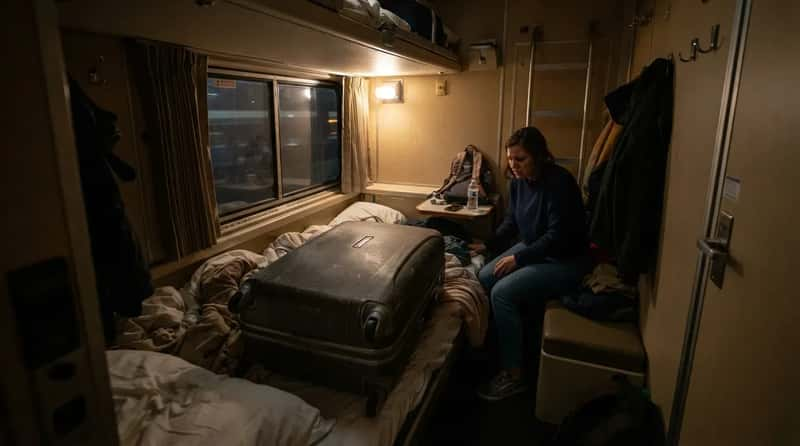
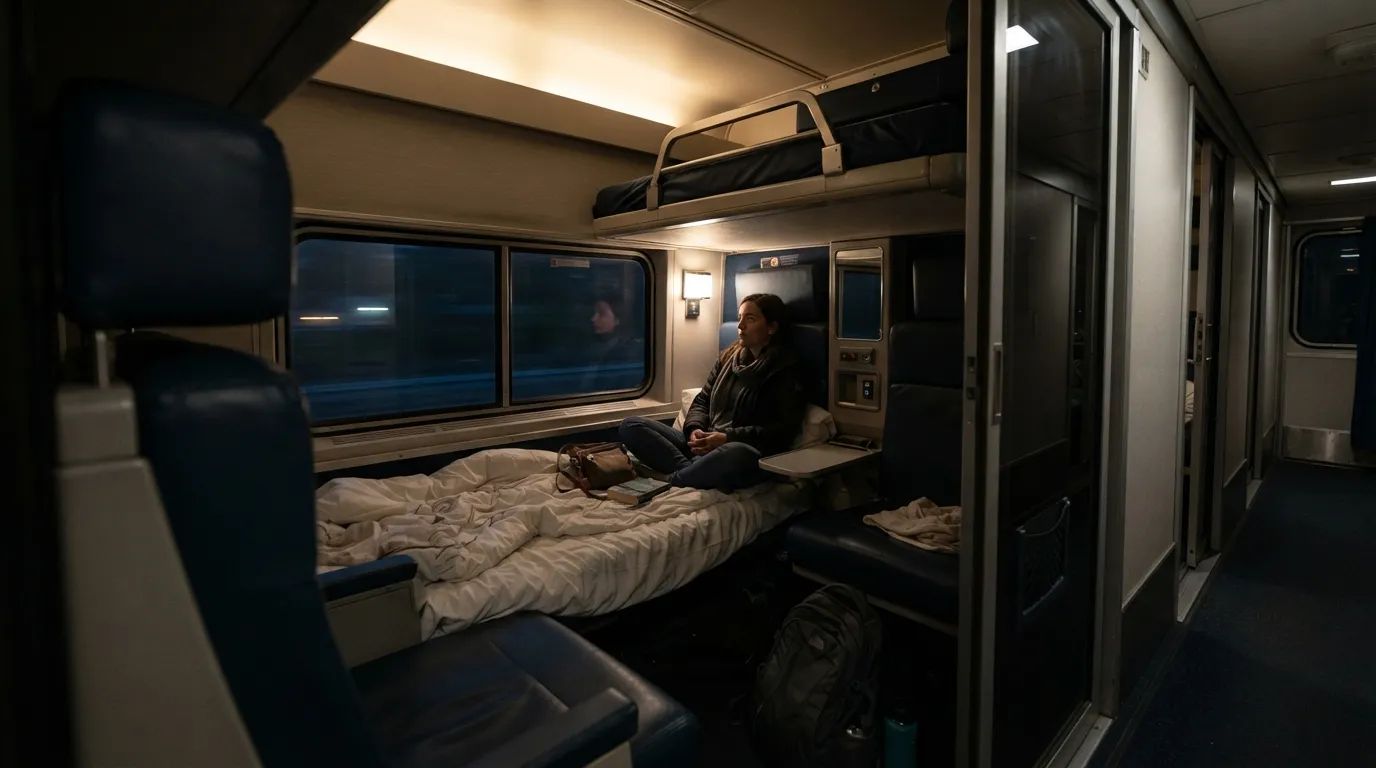
That oversized roller bag looked fine on the platform. Then it met a roomette. Travelers who have tried it describe the same shock: a roomette isn’t really a room, and the only place to put luggage is on the beds. Picture falling asleep beside your own hard-shell suitcase.
Regulars hand the big bags over. One review of an Amtrak sleeper trip noted that each passenger could check up to two pieces of luggage free of charge. Station staff tag the bags, and they ride in the baggage car until you arrive. The catch is that not every station offers the service. One rider boarded at a smaller stop with no luggage service, and everything came into the room with her.
Fast Facts
- In a roomette, luggage ends up on the beds.
- One Amtrak sleeper review noted up to two checked bags per passenger, free of charge.
- Checked bags ride in the baggage car until you arrive.
- Smaller stations may have no baggage service at all.
Rough start, right? The next mistake involves something you’ve already paid for and may never actually claim.
#12 – The Dinner Some Riders Never Claim (and Almost Nobody Tips On)
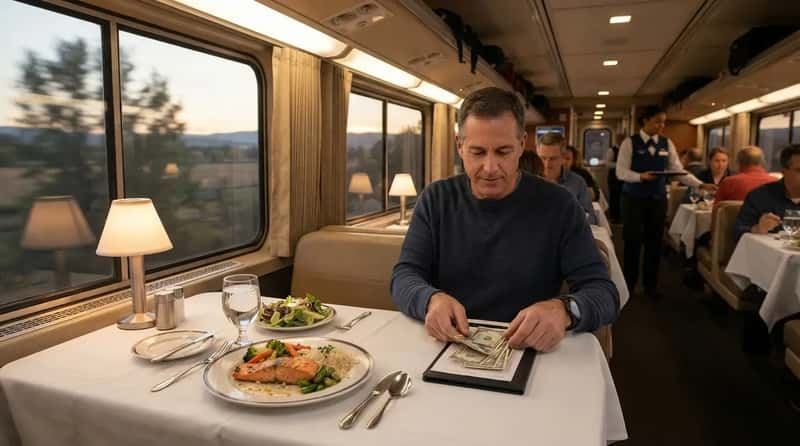
Some people book a private room and still end up eating vending-machine snacks. On Amtrak, dining car meals are included when you book a roomette, bedroom, family bedroom, or accessible bedroom. Coach is different, with no food or drinks included. Mix up which side of that line you’re on and you either waste money or go hungry.
Then there’s the part regulars know and first-timers don’t. One sleeper guide says it’s still courteous to leave a gratuity for your dining car server, based on 15%–20% of what the meal would have cost. Included doesn’t mean the server works for free. It’s a custom, not a rule, but long-distance regulars tend to follow it.
Dinner is only half the night. The other half is a problem that ruins more sleep than any bad mattress.
#11 – The Missing Earplugs That Made 2 a.m. Feel Like Rush Hour
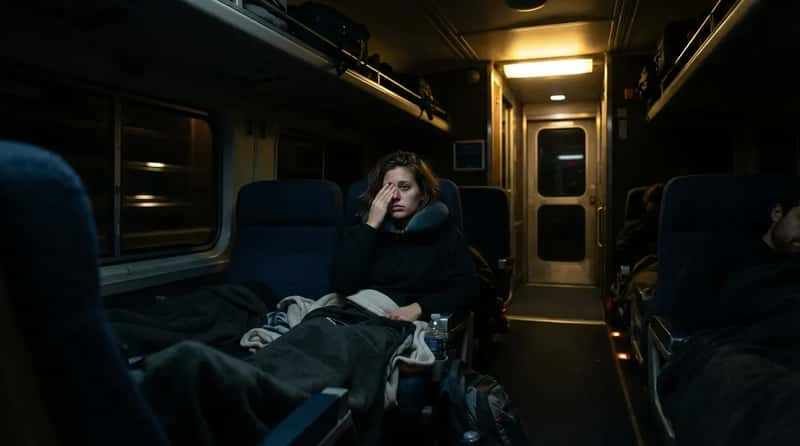
An overnight train is never truly silent. On European night trains, one guide warns that the train rocks and stops at stations through the night, so earplugs and a sleep mask belong in the bag. On Amtrak, one travel site calls noise the main challenge in coach overnight.
Light is the other culprit. According to one coach-class veteran, the lights above the doors stay fully lit at night even when the rest of the train’s lights are turned down. Sit near one without a mask and you get a glowing bulb in your peripheral vision until dawn. Regulars pack both items without a second thought. They also know earplugs come with a catch, which shows up in #5.
Sleep is only possible if you actually get a bed, and that’s where many travelers lose the race.
#10 – The Cabin That Sold Out While Everyone Was “Still Deciding”
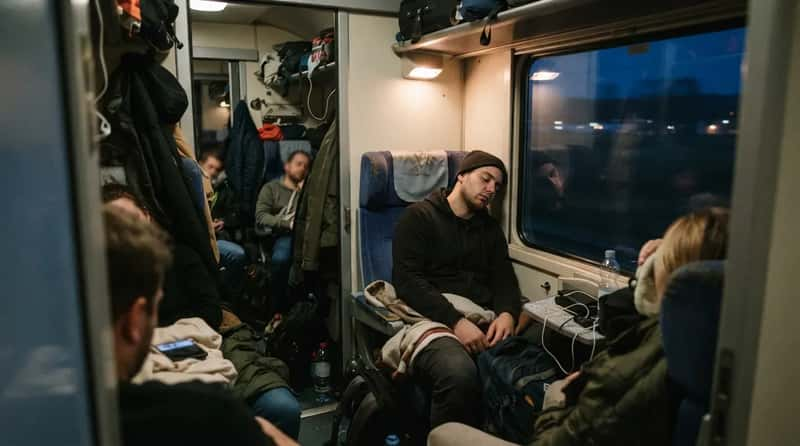
Waiting for a better price is the classic overnight train mistake. On Europe’s biggest night network, Nightjet opens bookings up to six months before departure. One guide says sleeper cabins on popular routes sell out 60–90 days ahead in summer. For Amtrak, another site suggests booking 90 to 180 days in advance for the lowest fares.
Here’s the part latecomers miss. Private cabins and mini-cabins are the first things to go, according to one 2026 night-train guide. Couchettes and seats are easier to get last-minute. That means a late planner often ends up in a reclining seat for the entire night. One writer says a seat works for short hops but recommends at least a couchette on longer routes.
At a Glance
- Nightjet: bookings open up to six months before departure.
- Popular summer routes: sleeper cabins can sell out 60–90 days ahead.
- Amtrak: one site suggests booking 90 to 180 days out for the lowest fares.
- Goes first: private cabins and mini-cabins. Lasts longest: couchettes and seats.
Even with the perfect booking, the train has one more false promise waiting for you.
#9 – The Wi-Fi Bar That Vanished Right When the Movie Got Good
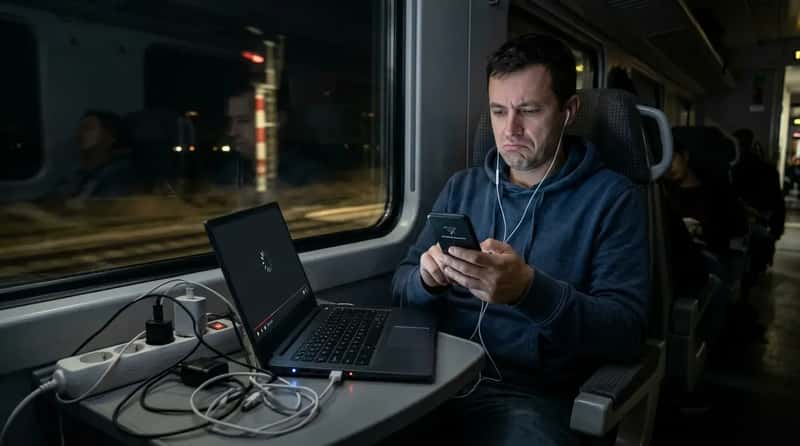
Everyone assumes the train will have internet. Regulars know better. One 2026 guide says Wi-Fi exists on most Amtrak trains but is unreliable, so you should download entertainment offline. A veteran coach rider goes further, saying you shouldn’t count on Wi-Fi even existing on overnight routes.
It’s no better in Europe. One booking guide says Wi-Fi is limited or absent on most night trains, so the sensible move is to download shows, maps, and tickets before you board. Then there’s power. A cross-country coach rider notes that there are charging outlets at each seat, but only if you bring your own cord and plug. Show up with a dead phone and a streaming queue, and you’re staring at a dark window.
Staying connected is one thing. Staying comfortable depends on a choice you make before you even sit down.
#8 – The Coach Seat That Looked Perfect Until the Foot Traffic Started
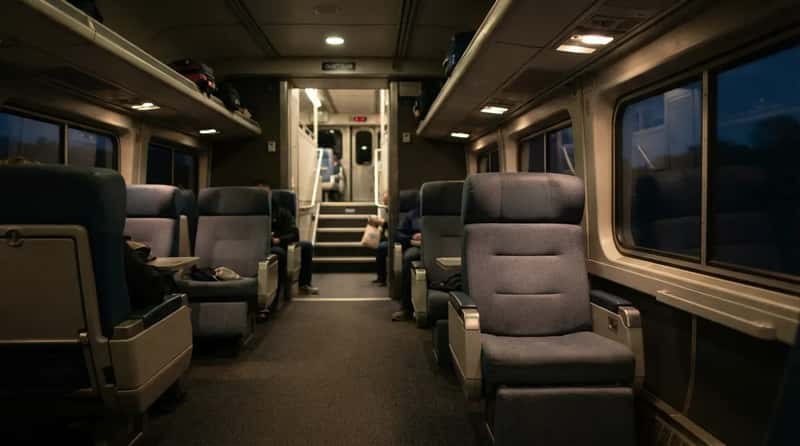
Where you sit in coach decides how the night goes. Amtrak’s own overnight guide says the designated Quiet Car is your best coach-seat bet for the fewest disruptions. Regulars also play a lesser-known card. One writer says there are a few coach seats on the lower level of Superliner trains, and you can ask a reservation agent for them.
That’s the insider move. The lower-level seats are described as quieter and less crowded than the rest. The window-versus-aisle debate matters too. One guide says the window gives you something to lean on while sleeping, while the aisle lets you get up without asking your neighbor to move. Pick based on how you sleep, not the view.
A good seat can’t fix what happens when the schedule falls apart.
#7 – The “Slightly Late” Train That Wrecked Everything After It
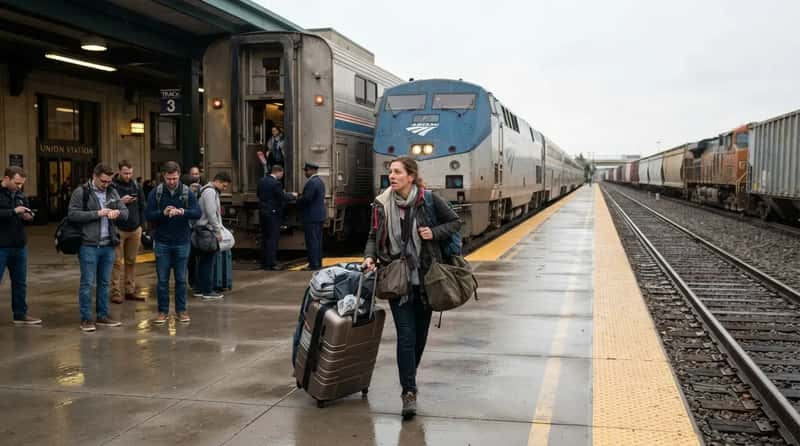
Overnight trains don’t always run on schedule. One Amtrak rider explains that big freight railroads own much of the track and have right-of-way over passenger trains. That same rider gives Amtrak a 60-minute window before calling a train late. Anyone who plans a tight connection or an early meeting is gambling.
The consequences are real. One sleeper passenger’s train showed up late and, with no baggage service at her station, she hauled bags to her room. She also found she had missed the dining service she’d paid for. Regulars build in slack, skip same-morning commitments, and pack their own food. Passengers in both coach and sleepers can bring their own food and non-alcoholic drinks.
Worth Knowing
- Freight railroads own much of the track and get right-of-way over passenger trains.
- One rider allows a 60-minute window before calling an Amtrak train late.
- Tight connections and early meetings are the riskiest plans to stack on top of a night ride.
- Coach and sleeper passengers can both bring their own food and non-alcoholic drinks.
And once the delay is over, you’ll be glad you packed for the one thing no schedule controls: the temperature.
#6 – The Blanket Regulars Pack Because the Air Conditioning Never Quits
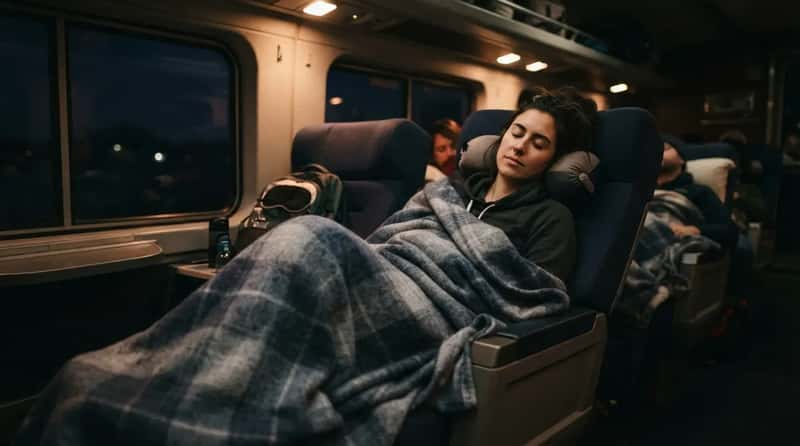
Coach cars get cold, even in summer. One Amtrak rider warns that the air conditioning can get a little too cool, especially during the night. Amtrak’s overnight tips make the same point from the company side: a soft blanket helps whether or not you’re traveling in winter. Regulars treat it as non-negotiable.
Comfort starts with what you wear. Amtrak recommends comfortable clothing, especially if you plan to sleep in a coach seat. Amtrak coach seats are noticeably roomier than most airline seats, so there’s space for a blanket, a small pillow, and a jacket. Skip all three and you’ll spend the night shivering in a seat that’s otherwise generous.
Now for the tiny detail that decides whether you wake up at your stop or somewhere you never meant to be.
#5 – The Paper Slip Above Your Head That Keeps You From Sleeping Past Your Stop
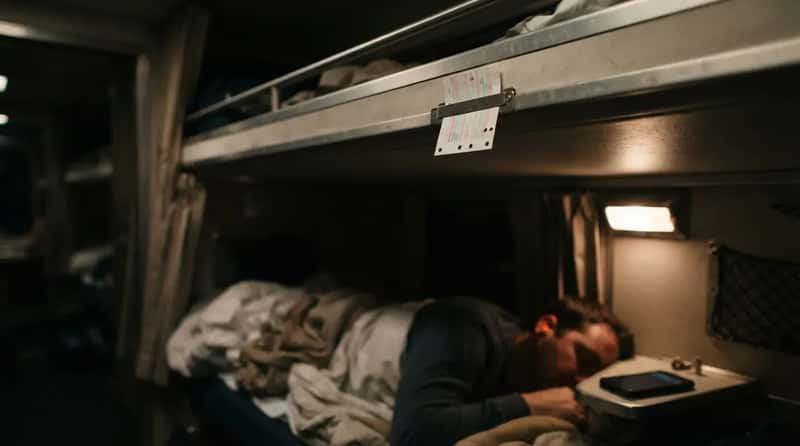
Here’s a detail most newcomers never notice. After your ticket is scanned, the conductor may place a small paper seat check above you, telling the crew where you’re getting off. That matters a lot at night, because long-distance trains go quiet. During quiet hours there are no announcements, according to one Amtrak traveler’s FAQ.
This is where the earplug trap from #11 comes in. One rider jokes that you shouldn’t miss your station because of earplugs. Regulars set a phone alarm, keep the seat check where the crew can see it, and know roughly when their stop arrives. Nobody wants to wake up 100 miles past their destination.
Staying on schedule is one worry. Feeling safe behind a closed door is another, and it’s more complicated than it looks.
#4 – The Door Lock That Only Works From the Inside
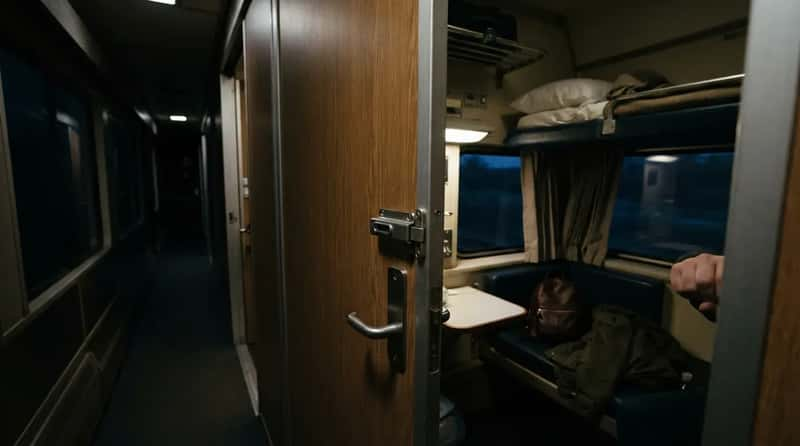
A private room sounds like a vault. It isn’t. One Amtrak roomette guide explains that sleeper units lock only from the inside, so you’re protected while sleeping but can’t lock valuables in the room when you leave. Step out for dinner and the room stays unlocked, as another note from the same guide confirms.
European trains follow a similar logic. One guide says sleeper compartments lock from inside, and another says couchettes have a door latch and lockable luggage storage. The consistent advice from regulars is to keep your passport and valuables on your body. Phone, wallet, and documents go with you to the dining car, the toilet, and the shower.
If that surprised you, wait until you see how the cheapest European ticket can quietly backfire.
#3 – The Cheap Seat That Turns a Night Train Into a Long Wait for Morning
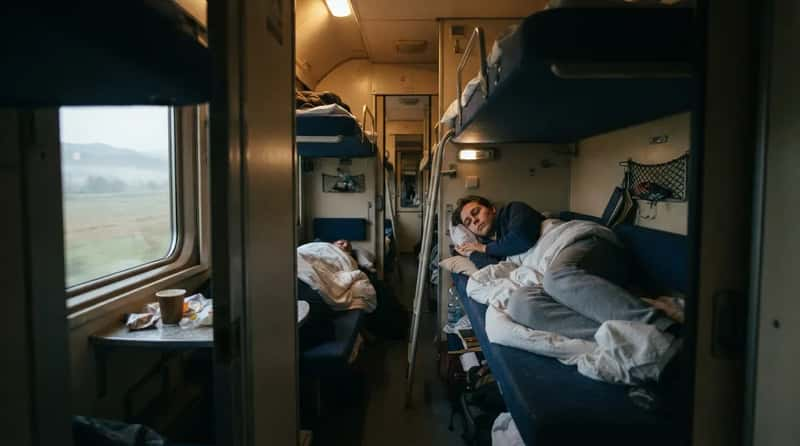
On European night trains, the seat is the bargain that backfires. A reclining seat is cheapest, but one guide says it works for shorter overnight journeys, while a couchette is the better call on longer routes. A six-berth couchette gives you a bunk, a pillow, and a blanket in a shared compartment. That’s the regulars’ choice for a reason.
Here’s the opinion that might start an argument. According to one 2026 roundup, the cheapest real upgrade is usually a four-berth couchette or a mini-cabin, not a private room, since a single sleeper costs several times as much as a couchette berth on the same night. Pass holders face a trap too. An Interrail or Eurail pass covers the ride, but you still pay a reservation fee for your berth.
Cheap berth or not, there’s one moment of the night that no one prepares first-timers for.
#2 – The Midnight Knock Nobody Warned Them About
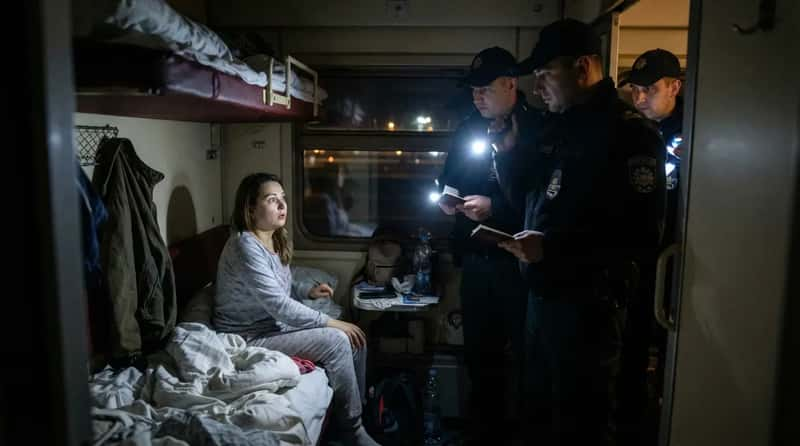
Night trains cross borders while you sleep. That surprises people. One traveler on a Nightjet from Berlin to Krakow wrote that around midnight the train stopped at the border and officers came aboard to check passports. It wasn’t a polite tap on the door.
The same traveler said officers worked couchette by couchette with big, bright torches. That’s one traveler’s account, and border procedures vary by route. Still, it’s a very different wake-up from the quiet night people picture. Regulars keep passports on their body, as noted in #4, and expect a knock from the conductor for tickets and another for breakfast in the morning. Women traveling alone can also request an all-female couchette compartment when booking.
Why It Stands Out
- The border check came around midnight, according to one Berlin-to-Krakow Nightjet traveler.
- Officers reportedly went couchette by couchette with bright torches.
- Procedures differ by route, so don’t count on the same scene twice.
- Expect conductor knocks for tickets and for breakfast.
- Solo female travelers can request an all-female compartment at booking.
And the mistake that costs the most money? That one comes with a price tag and a very blunt verdict.
#1 – The Roomette Fare That Made One Rider Say “Never Again”
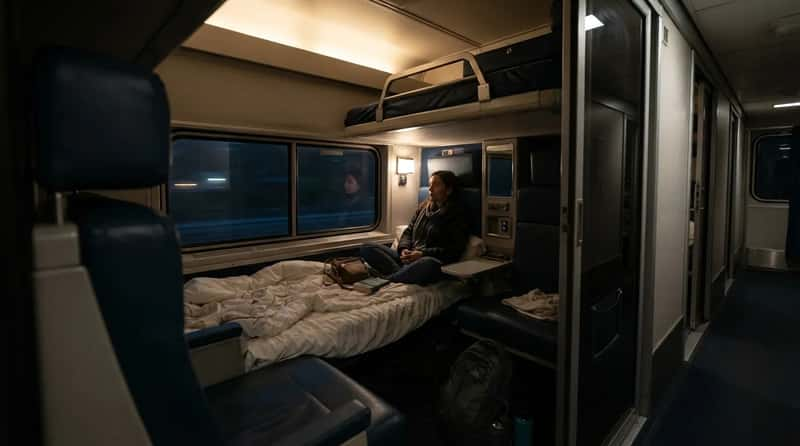
Many people book a private room on instinct. One reviewer did the math and regretted it. Her fare was $131 one way for a regular seat or $451 for a private roomette. She later said she would never upgrade again, preferring a seat in the quiet car and paying for her own food rather than relying on the dining schedule.
Reviewers are split, and that’s the point. One site’s verdict on private rooms is that the cost is steep and not worth it even with meals included. Another says for anything longer than one overnight, a roomette is worth the upgrade. There’s also a middle path. On eligible routes, Amtrak lets coach passengers submit a bid to upgrade to an unsold roomette or bedroom. Regulars check that before paying full price.
Look back over the list and you’ll notice something. Almost none of these mistakes are dramatic. A suitcase fills the bed, a meal goes unclaimed, a cabin sells out, a stop gets slept through. Regulars avoid them by planning around the train’s real quirks: the cold, the noise, the late arrivals, the doors that lock only one way.
That’s the quiet secret of the overnight train. The ride itself is rarely the problem. It’s the small stuff nobody tells you, and by morning, the people who knew it are the ones stepping off rested.