Most people think the 7 a.m. spa slot is just the leftover appointment nobody wanted. The one you take because the 2 p.m. slots were gone. Turns out, that’s exactly backwards.
Longtime hotel spa therapists say the earliest booking of the day is quietly the best one, especially for guests over 60. Nothing about it shows up on a menu or a price sheet. It’s all unspoken, built from small decisions therapists make once the schedule finally slows down, and here’s what actually happens behind that curtain.
#13 – The Room Nobody Else Gets Access To
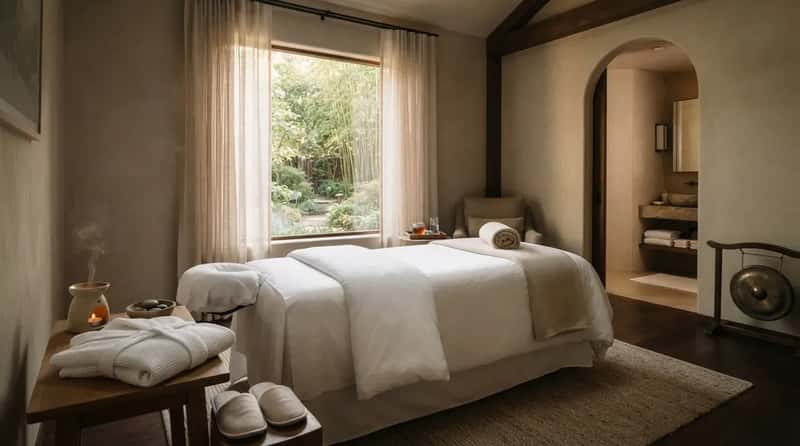
Every hotel spa has one treatment room that’s farther from the pool deck, the gym speakers, and the lobby foot traffic. Early morning guests, especially older ones who ask for a “quiet slot,” tend to get it without even requesting it by name.
Therapists say this isn’t random. Managers often reserve the low-noise room for the first appointment of the day because there’s no risk of a loud group booking next door. It sounds small, but guests who’ve experienced both say the difference in relaxation is night and day.
#12 – Arthritis-Friendly Warm Wax, Off the Standard Menu
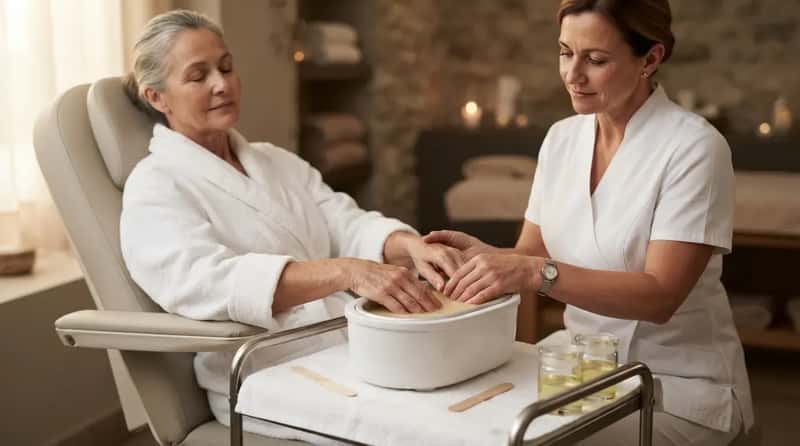
Most spa menus advertise wax treatments as a manicure add-on. But for someone with arthritis, a warm wax soak for the hands can ease stiffness in a way regular massage can’t, and therapists often offer it quietly to older guests before the treatment even starts.
It’s rarely printed as its own line item because insurance and liability language gets complicated fast. So instead, therapists mention it during the pre-treatment chat, almost like a personal favor rather than a paid service. Guests who ask directly are far more likely to get it than those who wait for it to show up on a price list.
Fast Facts
- Arthritis prevalence climbs sharply with age, reaching roughly 48.6% of women and 40.1% of men between 65 and 74, and even higher after 75.
- Joint stiffness and slower warm-up times are common enough in older guests that many therapists plan for them automatically.
- Warm wax soaks for the hands are a longtime at-home remedy for stiffness, long before they ever land on a spa price sheet.
#11 – A Consultation That Isn’t Rushed

Afternoon and evening slots are packed tight, back-to-back, with barely five minutes between guests. Dawn appointments don’t carry that pressure, and therapists use the extra time differently for older clients.
Instead of a quick form and a nod, dawn-slot therapists often spend real time asking about joint pain, past surgeries, or medications before ever touching the table. Most guests never realize this longer conversation is a direct result of their appointment time, not their age. It’s a level of care that quietly disappears once the schedule fills up.
#10 – Pressure That’s Adjusted Before You Even Ask
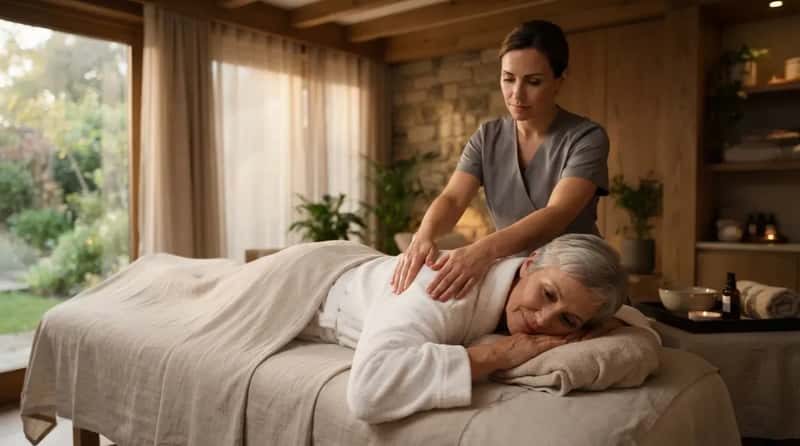
Spa therapists are trained to check in on pressure mid-massage, but with early guests over 60, many quietly default to a gentler starting point without being told to.
This isn’t laziness, it’s pattern recognition. Therapists who’ve worked mornings for years know joint sensitivity and slower warm-up times are common, so they build the first ten minutes around easing in rather than diving straight into deep tissue work. Guests who book later in the day, when therapists are moving faster, don’t always get that same cautious start.
#9 – First Pick of the Most Experienced Hands on Staff
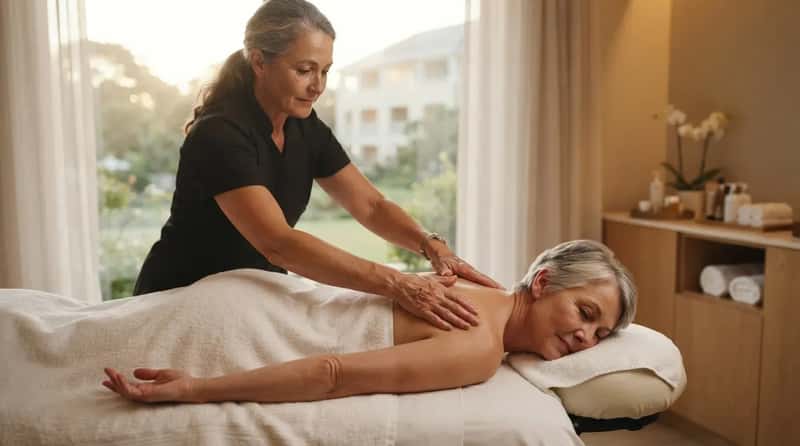
Not every therapist on a hotel roster has equal seniority. Newer hires often get the busy midday and weekend blocks because that’s when volume matters most to management.
The early morning slots, by contrast, are frequently staffed by the therapists with the most years on the floor, the ones trusted to work solo without a manager checking in. Older guests who specifically request early appointments often end up, by simple scheduling logic, with the most seasoned set of hands in the building.
#8 – Heated Tables and Extra Support Without Being Asked
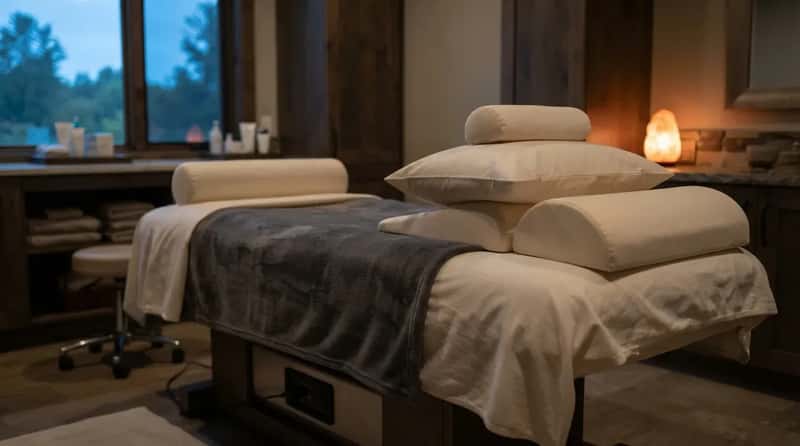
Cold treatment tables are a common complaint, but most guests just tough it out. Therapists working the dawn shift often pre-heat tables and stack extra bolsters before an older guest even walks in, based on notes left from a prior visit or a quick phone call at booking.
This kind of prep rarely happens for a same-day walk-in slotted into a busy afternoon. The quiet hours give therapists room to actually set up rather than react. It’s a small comfort most guests assume is standard everywhere, when it’s really specific to slower shifts.
#7 – Discounts That Aren’t Posted Anywhere

Many salons and spas offer senior discounts, but you usually have to ask when booking. Hotel spas are no different, they just tend to keep it quieter to avoid undercutting the standard rates printed on the menu.
Front desk staff and therapists sometimes apply these discounts only when a guest mentions their age directly or books during traditionally slow hours like early morning. It’s rarely automatic. Guests who never ask simply pay full price, while those who do sometimes save 10 to 20 percent with no public policy ever explaining why.
At a Glance
- Typical unadvertised senior discounts run 10 to 20 percent off the standard rate.
- The discount is almost never printed, guests usually have to mention their age or ask directly.
- Booking a traditionally slow window, like the first appointment of the day, makes staff more likely to offer it.
#6 – A Lounge That Isn’t Rushing You Out the Door
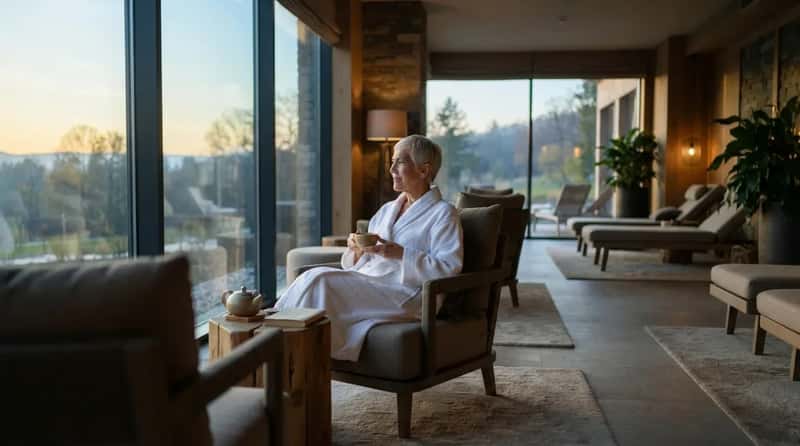
Relaxation lounges exist in almost every hotel spa, but during peak hours, staff often need to clear them quickly for the next group. Dawn appointments change that math entirely.
With no line forming behind them, therapists let early guests linger over herbal tea and quiet seating far longer than the “standard” 15 minutes. Some longtime guests say this lounge time ends up being their favorite part of the whole visit, even more than the treatment itself. It’s less about the tea and more about not being watched by a waiting list.
#5 – Scent and Oil Choices Built Around Circulation, Not Trends

Trendy spas love pushing seasonal signature scents, but therapists working with older guests often quietly swap in oils chosen for circulation and joint comfort instead of whatever’s fashionable that month.
This shift usually isn’t announced. It happens because therapists build a mental profile of a guest over repeat visits and adjust the blend accordingly. Guests who come in once a year at a busy time slot rarely get this same individualized attention, since there’s no history to draw from and no time to build one.
#4 – Steam Room Access Before the Rush
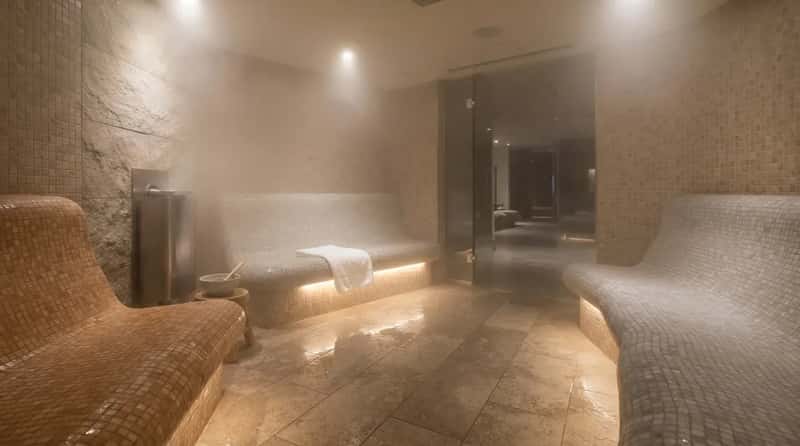
Sauna and steam culture in hotel spas has shifted dramatically in the last few years. Saunas are evolving from quiet, solo relaxation spots into loud social hubs, which sounds fun until you’re trying to unwind in peace.
Dawn bookings often come with unspoken first access to steam rooms and saunas before that social crowd arrives later in the day. Therapists sometimes mention this window specifically to older guests who’ve complained in the past about crowded, chatty sauna sessions. It’s one of the more debated shifts in the industry, some therapists openly say the “social sauna” trend has ruined the experience for guests who just want silence.
Worth Knowing
- Group sauna sessions have turned into a genuine social trend, with some guests treating steam rooms like a meetup spot rather than a place to unwind.
- That shift has made early morning the last reliable window for quiet, solo steam time in many hotel spas.
- Guests who specifically want silence increasingly request the first slot of the day just to beat the crowd.
#3 – Treatment Plans Aimed at Mobility, Not Anti-Aging

Spa menus are increasingly loaded with anti-aging language, but industry insiders say the real shift for 2025 and beyond looks different. Senior-friendly treatments are leaning into mobility, joint pain relief, and genuine relaxation rather than chasing younger-skewing trends.
Therapists working early shifts often steer conversations away from wrinkle-reduction pitches and toward what actually helps an older guest move better that day. This isn’t upselling, it’s a real pivot in priorities. Some therapists privately admit the anti-aging obsession on most spa menus barely applies to half their actual clientele.
#2 – A Reserved Time Slot That Becomes Unofficially “Yours”
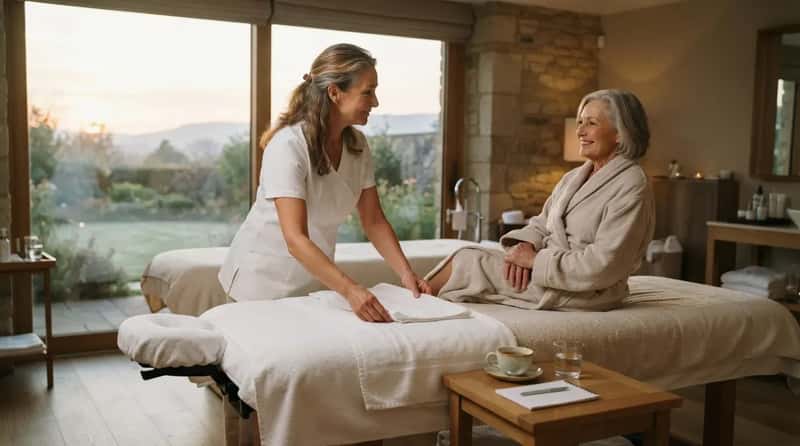
Personalization is quietly becoming the biggest differentiator in hotel wellness. Roughly 80% of guests say they’re more likely to return to hotels that offer personalized wellness services, and dawn regulars benefit from this more than anyone.
Therapists and schedulers often start holding the same early slot for a repeat guest without being asked, simply because the pattern is predictable and low-risk to protect. Over time, that 7 a.m. Tuesday slot effectively becomes reserved, even though nothing is ever officially blocked off in writing. Guests who book at random times rarely get this same informal loyalty.
Quick Compare
- Dawn regulars: same therapist, same room, same time slot, held informally week after week.
- Random-time guests: a different therapist and room almost every visit, with no pattern for staff to protect.
- Dawn regulars: oil blends and pressure adjustments fine-tuned over repeat visits.
- Random-time guests: standard, one-size-fits-all defaults, since there’s no history to build from.
#1 – Being Remembered, Not Just Scheduled
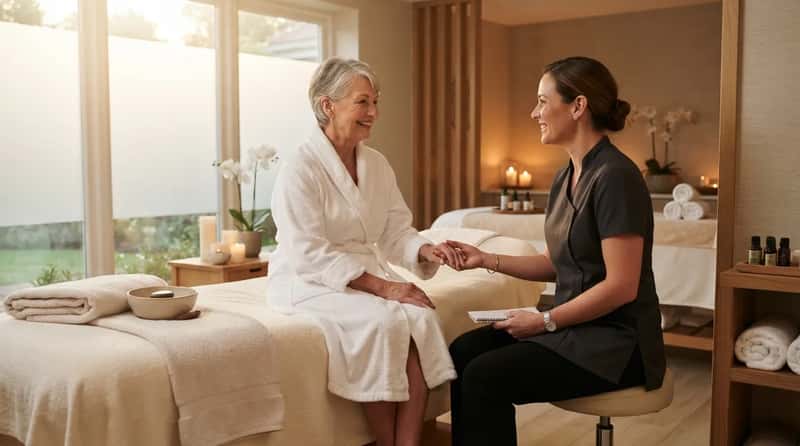
The single biggest thing dawn-booking guests over 60 get that almost no one else does is simple: therapists actually remember them.
These small moments of connection, a name recalled, a story picked back up from last visit, can quietly chip away at loneliness in a way that has nothing to do with the treatment itself. There’s no rushed changeover, no next client waiting outside the door, just enough quiet time for real conversation to happen. Therapists have said this recurring relationship is often the actual reason guests keep booking, far more than any specific service. It’s the one perk that can’t be printed on a menu or bought outright.
None of this is a formal program. There’s no loyalty card that unlocks the quiet room or the senior discount, it’s built from small, human decisions therapists make once the schedule finally slows down. That’s the real story behind the 7 a.m. slot: it’s not just the earliest booking of the day, it’s the one where a hotel spa quietly becomes the most personal place in the building.