There’s a quiet logic to how genuinely wealthy travelers move through the world, and it rarely has anything to do with flashing a black card or booking the priciest suite. Most of what separates their trips from everyone else’s happens in the planning stages, in small decisions that add up to smoother, calmer, more efficient journeys. Watch closely and you’ll notice patterns that have little to do with money itself and everything to do with how that money gets used.
1. They book flights for the schedule, not the price

Wealthy travelers tend to treat their calendar as the scarce resource, not the airfare. A direct flight that costs more but saves four hours and a layover is usually the one they pick, because that time gets reinvested into work, rest, or family. This isn’t about avoiding budget carriers out of snobbery. It’s a simple trade calculation: time recovered is worth more than money saved.
This habit shows up most clearly on short business trips, where arriving fresh matters more than arriving cheap. A red-eye with two connections might save a few hundred dollars, but it also costs a full day of recovery. People who travel frequently learn that lesson fast, and they stop making the trade after the first bad experience.
2. They pack light, on purpose

Frequent flyers with means often travel with less luggage than casual vacationers, not more. Fewer bags mean faster exits from airports, less risk of lost luggage, and more flexibility to change plans midtrip. Many of them keep a permanent travel kit ready year round, so packing becomes a five minute task instead of a weekend project.
Wrinkle resistant fabrics, a repeatable capsule wardrobe, and a strict “one bag” rule show up again and again in interviews with executives and frequent business travelers. It’s less about minimalism as a lifestyle and more about removing friction from a routine that happens dozens of times a year.
3. They use travel credit cards strategically, not casually

Premium travel cards with strong point systems are common among wealthy travelers, but the real habit is in how deliberately those points get used. They track which card earns the best return on which category of spending, and they redeem points for high value transfers rather than letting them sit unused. Reports from financial outlets have noted that the average value of American Express Membership Rewards points was estimated between 1.7 and 2.2 cents each when transferred to airline or hotel partners rather than redeemed for cash back.
That gap between redemption options is the entire game. A traveler who cashes points out at one cent each is leaving real value on the table compared to someone who transfers those same points to a partner airline for a premium cabin seat. The habit isn’t owning the card. It’s understanding the math behind it.
4. They build in buffer days before important events

Arriving somewhere the day before a big meeting, wedding, or conference, rather than the morning of, is a small habit with outsized payoff. It absorbs delays, jet lag, and the general chaos of travel without letting any of it bleed into the thing that actually matters. Wealthy travelers who move across time zones regularly treat this buffer as non negotiable, not optional.
This is especially true for long haul international trips, where a six or eight hour time shift can wreck a person’s first day if there’s no cushion. Business travelers who skip this step often pay for it in the meeting room, showing up foggy and unprepared. The ones who build in the extra day rarely have that problem.
5. They travel with a fixer, not just a guide

Above a certain travel budget, the shift isn’t toward fancier hotels so much as toward people who solve problems before they happen. Destination specialists, local fixers, and dedicated travel advisors handle the logistics that would otherwise eat hours of a traveler’s own time. This isn’t limited to ultra luxury trips either. Plenty of upper middle class travelers now use independent travel advisors for exactly this reason, since the advisor’s relationships often unlock upgrades or availability that direct booking can’t.
The value shows up most during disruptions. When a flight cancels or a storm rolls in, having someone already working the phones on your behalf saves hours of stress. It’s a habit built around outsourcing friction, not luxury for its own sake.
6. They choose loyalty to one or two airlines and hotel chains

Rather than chasing the cheapest fare every single time, frequent wealthy travelers often concentrate their spending with one or two airline and hotel programs. That consistency builds status faster, which then translates into upgrades, lounge access, and priority treatment on the trips that matter most. It looks like brand loyalty from the outside, but it’s really a compounding strategy.
Status tiers reward volume, and volume rewards focus. A traveler splitting bookings across five airlines rarely accumulates enough activity with any one of them to unlock meaningful perks. The ones who stick to a narrow set of programs end up with better seats, not because they spent more, but because they spent smarter.
7. They insure the trip, quietly and consistently

Travel insurance is one of those habits that looks unnecessary until the one time it isn’t. Wealthy travelers, particularly those booking non refundable international trips or complex multi city itineraries, tend to insure almost every significant trip as a matter of course. It’s a small percentage of the total trip cost against a potentially total loss.
This habit extends beyond basic trip cancellation coverage. Many also carry supplemental medical evacuation coverage for remote destinations, recognizing that a serious injury far from home can cost far more than the insurance itself. It’s less about anxiety and more about treating risk management as a routine part of planning, the same way they’d review any other financial decision.
8. They negotiate hotel rates directly with the property

Booking through a website isn’t always the smartest move, even for people who could easily afford the listed price. Calling a hotel directly, especially smaller independent properties or boutique chains, often opens the door to better rates, complimentary upgrades, or added perks that never appear online. Hotels frequently have more flexibility in a direct conversation than their booking algorithms allow.
This habit is particularly common among travelers who return to the same property repeatedly. A returning guest with a direct relationship to the front desk or a sales manager tends to get treated differently than an anonymous online booking. It’s a small effort that pays off disproportionately over years of repeat visits.
9. They separate business travel from leisure travel financially
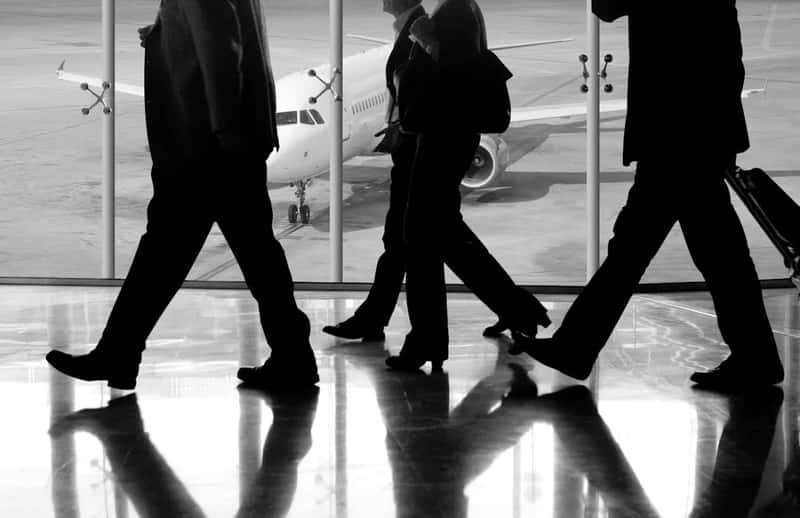
Even when a trip mixes work with pleasure, financially disciplined travelers tend to keep the accounting for each half distinct. This isn’t about tax evasion. It’s about clarity, making sure that a client dinner doesn’t quietly merge into a vacation budget in a way that muddies both.
This separation also shapes decisions in the moment. A traveler who’s mentally tracking which portion of the trip is “business” tends to make sharper choices about what’s worth expensing and what’s a personal indulgence. The habit keeps both categories honest and easier to review later.
10. They research visa and entry requirements weeks in advance
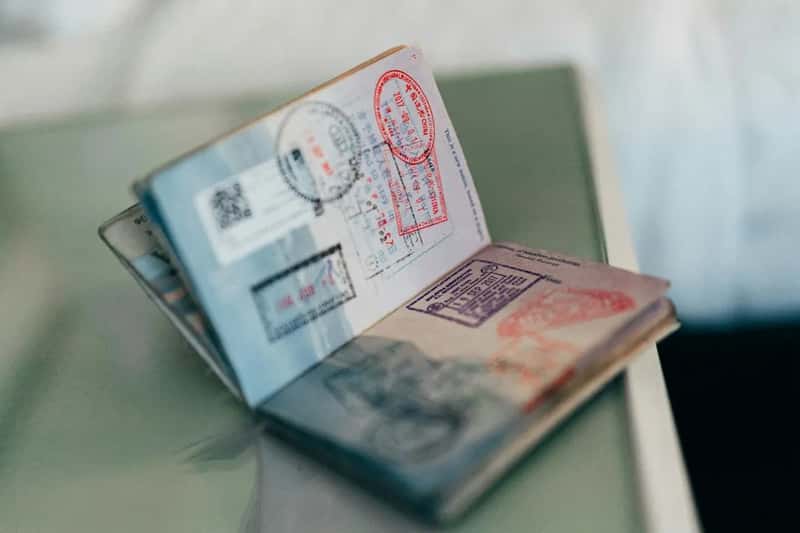
International entry rules have shifted considerably in recent years, and travelers who move across borders often know this better than most. The European Union’s new Entry/Exit System and the upcoming ETIAS travel authorization have added extra steps for many non EU visitors, and seasoned travelers tend to check these requirements well before departure rather than at the airport. Missing a new visa waiver requirement can mean a denied boarding, something no one wants to discover at check in.
This habit has become more important, not less, as digital entry systems roll out across different regions. Wealthy travelers who cross borders frequently often keep a running mental map of which countries require what, updating it whenever rules change. It’s a small administrative task that prevents very large headaches.
11. They tip generously and consistently, not selectively

A recurring pattern among people who travel well is treating service staff, drivers, and hotel employees with consistent generosity rather than adjusting tips based on mood or perceived status. This isn’t just etiquette. It builds a reputation with staff and properties that often results in better service on return visits, since hospitality workers remember guests who treat them well.
The habit tends to be understated rather than showy. It’s not about grand gestures in front of an audience, but about quiet, reliable tipping every time, whether anyone’s watching or not. Over years of repeat travel to the same regions or hotels, that consistency compounds into genuinely warmer treatment.
12. They avoid peak season whenever the itinerary allows

Wealthy travelers with flexible schedules often deliberately shift trips away from the most crowded windows, not purely to save money but to avoid the crowds themselves. Traveling to Europe in late September instead of August, or visiting a national park in shoulder season instead of summer, tends to produce a fundamentally better experience even at the same cost.
This habit requires flexibility that not everyone has, which is exactly why it functions as a marker of a certain kind of freedom. People tied to school calendars or rigid work schedules can’t always make this choice. Those who can tend to use it constantly, treating an empty museum or a quiet beach as a luxury in its own right.
13. They keep a running list of what went wrong last time

Perhaps the least glamorous habit on this list is also one of the most practical. Frequent travelers who consistently have smooth trips often keep some form of notes, whether digital or mental, about friction points from previous journeys. A hotel that had thin walls, an airport with a security line that always backs up, a rental car company with hidden fees.
This habit turns each trip into data for the next one. Rather than repeating the same mistakes, they adjust bookings and routines based on direct prior experience. It’s an unglamorous form of discipline, but it’s one of the clearest reasons certain travelers seem to have fewer bad surprises than everyone else.
None of these habits require significant wealth to adopt. They require attention, a willingness to plan slightly further ahead, and a habit of treating small decisions as worth getting right. The travelers who move through airports and hotels with the least friction usually aren’t the ones spending the most. They’re the ones who’ve quietly figured out where their effort actually pays off.