Most guests walk up to the front desk, hand over a credit card, and quietly hope for the best. But there’s always someone else in that same lobby who’s about to walk out with a better room, a waived fee, a late checkout, and a free breakfast – without paying a dollar more. The difference between those two guests almost never comes down to luck. It comes down to about a dozen very specific questions that experienced travelers ask before most people even think to unpack.
Hotels are built on the assumption that you don’t know how they work. Some of what’s below will save you real money. A couple of items might make you rethink every hotel stay you’ve had up until now. Here’s what the insiders – starting with the one that catches almost everyone off guard.
#14 – Whether That “Sold Out” Notice Online Is Even Real
That “no availability” message on Expedia or Booking.com might be a flat-out illusion. Hotels typically release only a set number of rooms to third-party booking sites, and once those are gone, the site shows nothing – even if the property itself still has rooms sitting empty. Hotels tend to keep their best inventory off third-party platforms entirely, listing those rooms only on their own websites or by phone.
One direct call can reveal availability that no app will ever show you. It costs nothing and takes two minutes, and it has rescued more than a few trips that looked like dead ends online. The rooms are often there – you just can’t see them through a third-party screen. This is the very first thing experienced travelers check before writing off a hotel they actually wanted.
#13 – What the Safest Floor to Book Actually Is

Most guests instinctively request a high floor or a room near the lobby elevator. Both instincts come with real trade-offs nobody warns you about. High floors mean longer elevator waits and slower evacuation during emergencies. Rooms directly beside the elevator bank get foot traffic noise around the clock and are often the last to go quiet after midnight. Experienced travelers ask specifically about floors 3 through 6 – high enough to avoid street noise, low enough to take the stairs if needed.
Asking for a room away from the ice machine, vending area, and elevator shaft isn’t being difficult – it’s standard practice for anyone who travels regularly. The front desk almost always has that floor map in their head and will share it if you simply ask. A room placement question at check-in takes thirty seconds and can be the difference between eight hours of sleep and a miserable night staring at the ceiling.
At a Glance
- Best floors: 3–6 – above street noise, easy stair access in emergencies
- Avoid: Rooms adjacent to elevator banks, ice machines, and vending alcoves
- Avoid: Top floor if elevator wait times and roof HVAC noise are a concern
- Ask for: An end-of-hallway room – fewer neighbors, less foot-traffic noise
- Pro move: Request the floor map at check-in – most front desk agents share it freely
#12 – Whether a Corner Room Is Available (It Usually Costs the Same)
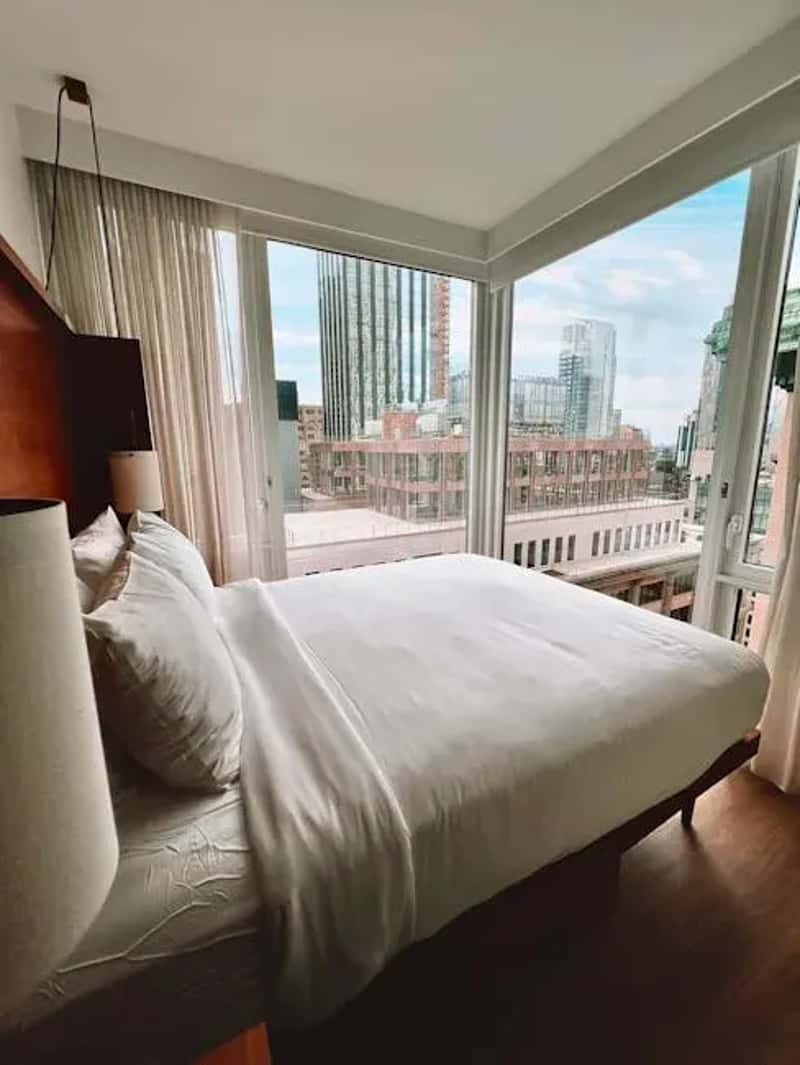
Corner rooms are one of hospitality’s best-kept non-secrets. They typically have two exterior walls instead of one, which means more windows, better natural light, and far fewer shared walls with neighboring guests. At many properties, they’re not priced any higher – they’re just quietly reserved for guests who know to ask. Corner rooms often carry the best views in their category, and some include a small balcony that standard rooms don’t offer.
It’s a question that takes five seconds and can completely change the feel of a stay. The vast majority of guests never think to request it, which means there’s usually one available. This is the upgrade that isn’t really an upgrade – it’s a better room at the same price, waiting for whoever is informed enough to ask for it at check-in. Most front desk agents will hand it over without hesitation.
#11 – What’s Actually in That “Complimentary” Water Bottle on the Desk

That bottle of water sitting on the desk may look like a welcome gift, but it often isn’t. Hotels sometimes place bottled drinks, coffee pods, and snacks in the room without making the pricing obvious. Before opening anything, look for a price list or call the front desk. A “convenient” bottle of water can easily become a $6 checkout surprise – and the minibar charges compound fast if you’re not paying attention.
Smart travelers ask right at check-in which items in the room are actually free versus charged. Hotels often have a stash of extra amenities that never make it onto the website – phone chargers, extra toothbrushes, basic over-the-counter items. The front desk’s quiet supply might contain exactly what you need, saving you a trip to a drugstore and an unnecessary charge on the room. Always confirm before you touch anything that doesn’t come with a clear “complimentary” label.
#10 – Whether the Resort Fee Is Actually Negotiable
Resort fees rank as one of the most widespread hidden hotel charges, particularly at properties in tourist destinations. According to an analysis of more than 400 hotels, the average resort fee in 2024 was $35 per night – tacked on top of the base room rate and adding roughly 8% to the real nightly cost. In some extreme cases, the resort fee ends up costing more than the room itself, as happened at one Las Vegas property in late 2024 where a $25 room carried a $45 mandatory fee. Since 2025, U.S. federal regulations now require hotels to display the all-in price upfront, making the full cost at least visible – but the fees themselves haven’t gone away.
Some hotels rebrand these charges as “destination fees,” “urban fees,” or “facility fees” – and city hotels increasingly use them even when nothing remotely resort-like is on the property. Loyalty program members sometimes get them waived entirely, particularly at top-tier status levels. That question alone, asked early enough, can save $35 to $55 or more on a two-night stay. Experienced travelers ask about these fees before confirming a booking, not after.
Quick Compare
| Brand Family | Avg. Resort Fee (2024) | Fee as % of Rate |
|---|---|---|
| Hilton | ~$40/night | 4.6% |
| IHG | Varies | ~3.0% |
| Hyatt | Varies | ~2.7% |
| Marriott | Varies | ~1.9% |
| Wyndham | Lowest major brand | ~0.7% |
#9 – What the Minibar Sensor Is Actually Tracking

Minibars can generate charges even when you don’t actually consume anything. Some are sensor-based, meaning lifting an item and placing it back can trigger an automatic charge to your room. If you need fridge space for your own food or medication, ask the hotel before moving a single thing. It’s also worth photographing the minibar when you arrive – and again before you leave – as basic documentation if a charge dispute comes up at checkout.
On sensitive sensor systems, even jostling minibar items while making room for your own snacks can add items to your bill. If you’d rather avoid the whole situation, call ahead and ask for the minibar to be emptied before arrival – but be aware some properties charge a restocking fee for that too. The cleanest move is to ask the front desk at check-in to empty and disable it entirely so there’s no ambiguity at checkout.
#8 – Whether the Comforter Has Been Washed Since the Last Guest

Hotels don’t always wash the comforter after every guest. Sheets and towels get laundered on a strict schedule – the fluffy comforter draped across the bed often doesn’t. It sounds like the kind of thing nobody wants to think about, but it’s one of the first things experienced travelers investigate. The decorative throw pillows piled against the headboard are frequently the worst offenders: they land on floors, sit on couches, and rarely see a washing machine between guests.
Experienced travelers ask housekeeping directly about the comforter policy, and many simply pull it off the bed entirely and use only the duvet insert and sheets underneath. It sounds overcautious until you realize it’s standard operating procedure for millions of frequent travelers – and for a significant portion of hotel staff themselves. A quick, friendly question to housekeeping is all it takes to know exactly what’s been cleaned.
Worth Knowing
- Sheets and pillowcases: laundered between every guest – generally reliable
- Duvet insert or comforter: washed far less frequently – ask directly
- Decorative throw pillows: rarely washed – safest to move them to the floor
- Bath mat: usually replaced daily; bath towels always changed on request
- TV remote and light switches: among the highest-touch surfaces in the room
#7 – What the Actual Upgrade Hierarchy Looks Like at the Front Desk

There is a guest hierarchy at virtually every hotel in America, and most people have no idea where they rank – or how easy it is to climb. Front desk managers tend to assign the best rooms in any category in a very specific order: loyalty program members first, then repeat guests, then longer-stay guests. Many upgrade decisions are actually made hours before you ever reach the front desk, baked into the hotel’s reservation system overnight.
Hotel loyalty program membership surged 14.5% in 2024 to more than 675 million members globally, with loyalty guests accounting for 52.8% of all occupied hotel rooms that year. Simply mentioning your membership number at check-in signals that you’re a returning, valued guest – not a one-time visitor the property has no investment in retaining. If you’re not enrolled in any loyalty program, you’re starting every single stay at the bottom of that invisible list, competing for whatever’s left after everyone else has already been sorted.
#6 – Whether to Ask for a Late Checkout (and Exactly When to Ask)
Most guests assume late checkout is a paid upgrade or an automatic rejection. For loyalty members and polite guests who ask at the right moment, it’s often just a quiet, free favor. The key detail almost nobody knows: the optimal time to ask is the morning of departure – not the night before. That’s when the front desk actually knows their housekeeping schedule, which rooms are already vacated, and how much flexibility really exists for the day.
If you travel frequently to a particular city, staying at the same property repeatedly and getting to know the front desk staff pays off in ways that never show up on a loyalty statement. Regular guests who are easy to work with tend to get their requests answered before the question is even fully out of their mouths. Late checkout is one of the most available free perks in hospitality – it just goes almost entirely to the people who know to ask for it at the right time.
#5 – What “Booking Direct” Actually Gets You That Third-Party Sites Won’t
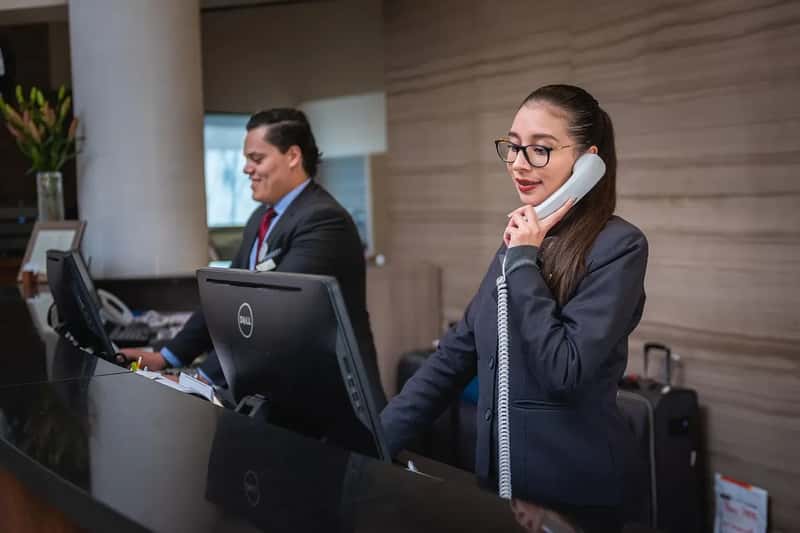
Online booking platforms typically charge hotels commissions in the 15% to 30% range – money the property doesn’t keep. When you book directly, you immediately become a more valuable customer in the hotel’s eyes, and staff often have more flexibility on rates, room placement, and added perks than any app will ever surface. A friendly phone call during an off-peak period has secured room upgrades, waived resort fees, and complimentary breakfasts that would never appear on a third-party checkout screen.
Experienced travelers check the hotel’s own website and make a quick call before assuming a third-party deal is genuinely the best option. In many cases, the hotel will price-match and throw in extras simply because keeping you as a direct customer is worth more to them than any commission they might save. The person who books through the app and the person who called the front desk are often paying the same rate – the caller is just sleeping in a better room.
Fast Facts
- OTA commissions typically run 15%–30% of the room rate – paid by the hotel, not you
- Hotels often match third-party prices for direct bookers, then add perks on top
- Direct guests are frequently prioritized for upgrades over OTA bookings at the same rate
- Many loyalty programs require direct booking to earn points on a stay
- A two-minute phone call is still one of the highest-ROI moves in travel
#4 – What the Best Time of Day to Check In Actually Is
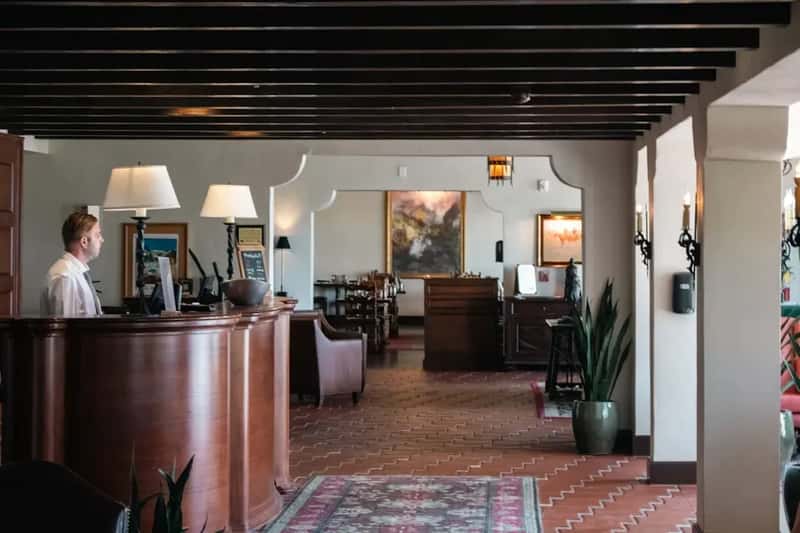
Arriving at 3 p.m. on a Friday – when check-in opens and the lobby is at peak chaos – is quietly one of the worst possible moments to try for an upgrade. Experienced travelers know exactly when to walk through those doors instead. Arriving later in the evening, especially on a weeknight, dramatically increases the odds of a complimentary bump, because the hotel would rather fill a premium room than leave it dark and empty overnight.
Mid-week stays consistently produce the most upgrade flexibility, since business travel volume drops sharply on Tuesdays and Wednesdays and properties carry more unsold premium inventory. When a hotel still has nicer rooms vacant late in the evening, filling them is in their direct interest. Guests who arrive at the right time, ask politely, and stay calm are the ones who end up in the suite. Timing a check-in is not a minor logistical detail – it may be the single biggest variable most travelers never think to control.
#3 – What the Front Desk Can Actually Do When Something Goes Wrong
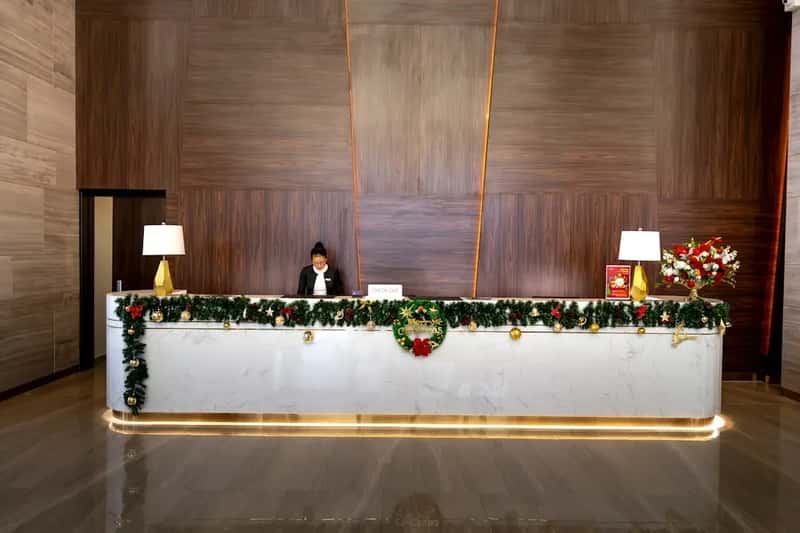
If you run into a genuine problem – relentless noise, a broken amenity, a room that simply wasn’t what you booked – don’t stay silent and stew. A calm, specific explanation to the front desk can result in a room move, a fee waiver, or a small compensation to make amends. The operative word is calm. Hotels maintain internal notes tied to guest profiles, and patterns matter. Reasonable guests tend to get treated like reasonable guests. Guests who escalate every minor inconvenience find that staff suddenly becomes very focused on policy.
The trick is asking for what’s actually movable – room placement, late checkout, a small incidental fee – rather than demanding exceptions the system won’t allow. Front desk agents carry real discretion to shift inventory, comp items, and quietly improve a stay, but only when the guest makes it easy to say yes. It never hurts to ask. It just matters a great deal how you ask.
#2 – Whether the Hotel Has a Hidden “Extras” Stash Nobody Advertises

Many properties have a whole supply of items available on request that never appear on any amenities list. A concierge at a prominent Beverly Hills hotel described her available items as including phone chargers, adapters, safety pins, umbrellas, bandages, nail files, hair ties, lint rollers, razors, earplugs – and even loaned-out bowties and cufflinks for guests who needed them. Most guests never discover any of this because they assume the hotel won’t have what they need, so they never walk over and ask.
“The worst they can say is no – and in my experience, they almost never do.”
Common refrain among frequent travelers and concierge professionals
Beyond toiletries, more hotels are quietly expanding their wellness and convenience offerings – jogging route guides, bike rentals, yoga mats, weights delivered to the room, house cars, and even complimentary long-distance calls. Most of this goes completely unused because the guests who would want it simply don’t know to ask. The concierge desk alone holds more unlisted options than the average guest will ever discover in a single stay.
#1 – Whether Your Guest Profile Has Notes That Follow You From Stay to Stay
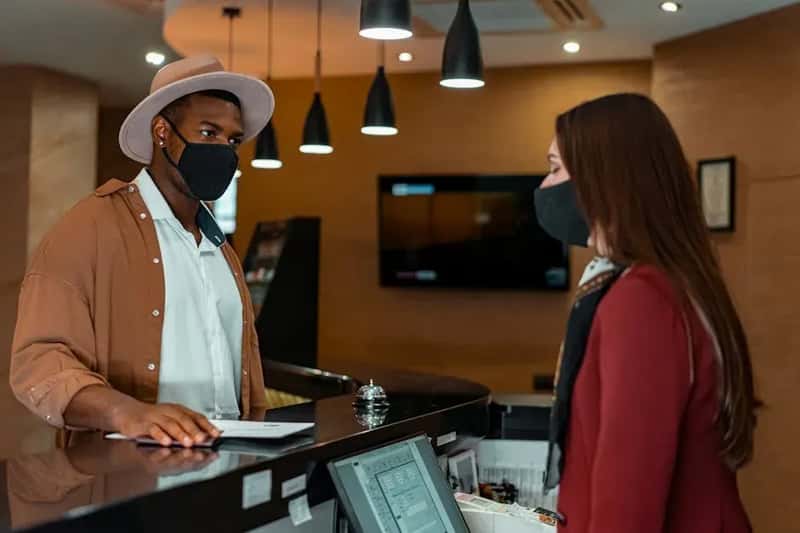
Hotel systems typically record how often you stay, how long, which room types you’ve booked, and whether previous visits had any issues. That history shapes how staff triage requests when things get busy. Regulars who are polite, low-drama, and easy to work with tend to get smoother solutions because the hotel already trusts the pattern. This is the secret that everything else on this list ultimately builds toward: hotels are relationship businesses, and every interaction either adds to your profile or subtracts from it.
Travelers who return to the same properties, learn a few staff names, tip housekeeping daily, and treat the hotel like a relationship rather than a transaction don’t just have better individual stays – they inhabit an entirely different experience than the stranger standing right beside them at check-in. The guests who seem to get lucky at hotels aren’t lucky. They’ve simply made themselves worth remembering.
Why It Stands Out
- Your guest profile can include room preferences, past complaints, and stay frequency
- Staff use these notes to prioritize requests during busy check-in periods
- Tipping housekeeping daily (not just at checkout) builds goodwill that shows up in small, meaningful ways
- Returning to the same brand family keeps your history in one searchable profile across properties
- A single difficult interaction can linger in your record – so can a single genuinely gracious one
Most of these secrets cost nothing to use. A few save you real money on every trip. All of them come down to understanding how hotels actually operate versus how they present themselves on a booking page. The next time you step up to that front desk, the question isn’t whether you deserve a better stay – it’s whether you asked for one. Which of these surprised you most?