Everyone judges a campground by the same two things: the star rating and that one angry comment about weak Wi-Fi. But ask any camper who’s spent 200 nights a year in a tent or a fifth-wheel, and they’ll tell you the truth nobody writes down – a scrappy 3.8-star campground can be run tighter than a glossy 4.7-star resort, and the review section never explains why.
The real proof isn’t in the comments. It’s in dozens of tiny, almost boring details that most guests walk right past without a second glance. Once you know what to look for, you can size up a campground’s true management in the first ten minutes after pulling in – long before you’d ever think to leave a review yourself.
1. The Fire Rings Are Scraped Clean, Not Overflowing With Old Ash
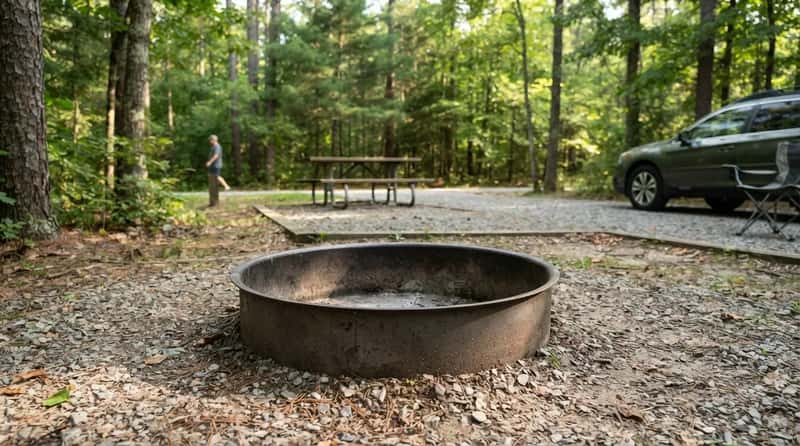
A fire ring crammed to the rim with soggy ash, beer cans, and half-burned marshmallow sticks isn’t just an eyesore. It’s a quiet confession that nobody has walked that site since the last guest packed up, sometimes for days.
Well-run campgrounds treat ash buildup as a fire hazard, not just a cosmetic issue, so staff or camp hosts scrape rings clean between every checkout. If you back into a site and the ring is bare and ready for your own fire, someone is actually inspecting that ground before handing over the reservation – and that habit usually extends to everything else on the property.
2. The Camp Host Actually Walks the Loop Every Night
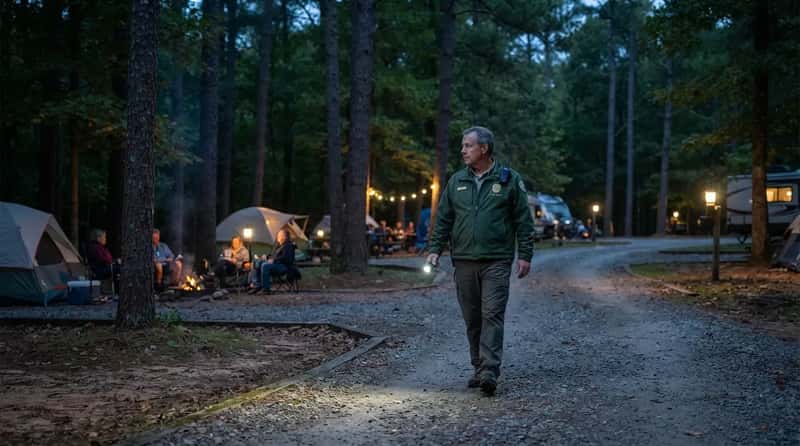
A host who patrols on foot or by golf cart every evening is doing far more than it looks like from the outside. They’re catching unattended campfires, loose dogs wandering between sites, and generators still humming an hour past quiet time – the exact things that never make it into a glowing review but absolutely explode into a one-star rant when they go unchecked.
Most guests never consciously notice a host doing their rounds, because it works so quietly in the background. You only feel their absence, not their presence, and by then you’re usually the one lying awake listening to someone else’s karaoke session two sites over.
Quick Compare
- Neglected campground: Ash-filled fire rings, no host in sight after dark, noise complaints go nowhere.
- Well-run campground: Rings scraped clean between checkouts, a host walking every loop nightly, problems handled before they escalate.
- The tell: None of this shows up in a star rating – it only shows up in how quiet your actual night turns out to be.
3. The Bathhouse Cleaning Log Has Real Initials on It
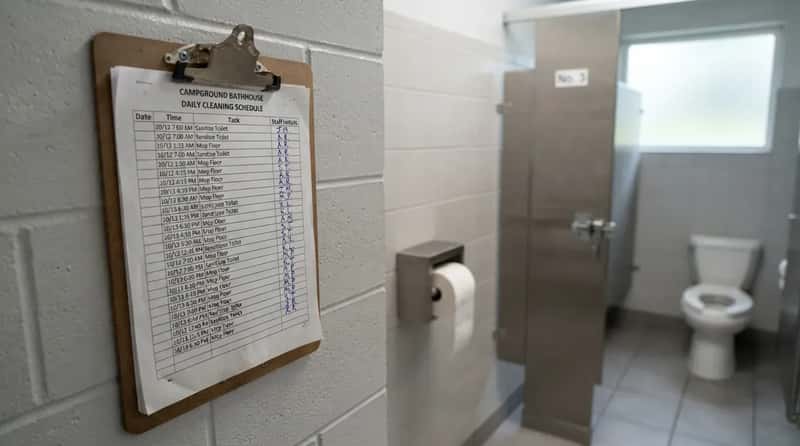
Plenty of campgrounds tape a cleaning schedule to the bathroom door and never touch it again after the grand opening. Others keep a clipboard with actual initials and actual timestamps, updated every few hours, because a real person is on the hook for that space staying decent.
It sounds like a small thing to check, but a bathhouse with a genuinely maintained log tends to also have working stall locks, stocked toilet paper, and hot water that doesn’t run out by 8 a.m. The log itself isn’t the point – it’s proof of a bigger culture of follow-through that never shows up directly in a star rating.
4. The Gravel Roads Are Graded, Not Bone-Rattling Washboard
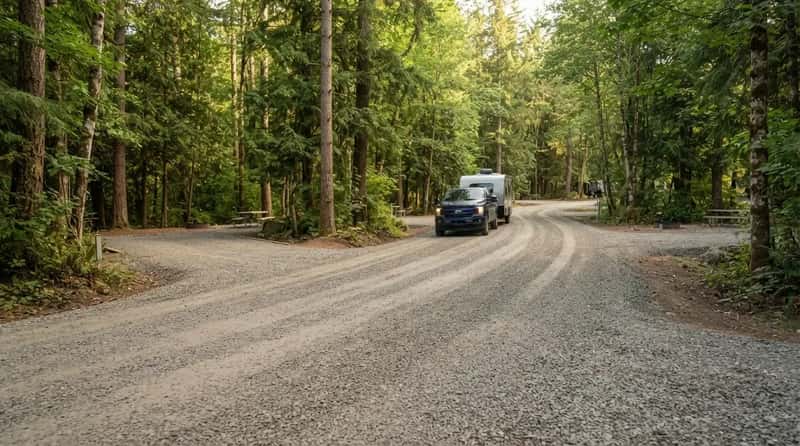
Washboard ruts on internal campground roads form when gravel goes ungraded for months, and they’ll rattle mirrors, cabinet doors, and your teeth the entire drive to your site. A campground that regrades its roads a few times each season is quietly spending real money on upkeep that almost nobody thinks to thank them for.
Smooth entry roads are one of the fastest, most honest ways to judge maintenance before you’ve even leveled your rig. If the drive in feels like a carnival ride, chances are good the rest of the property has the same neglect hiding just out of sight.
5. Trash Cans Get Emptied Before They Overflow, Not After
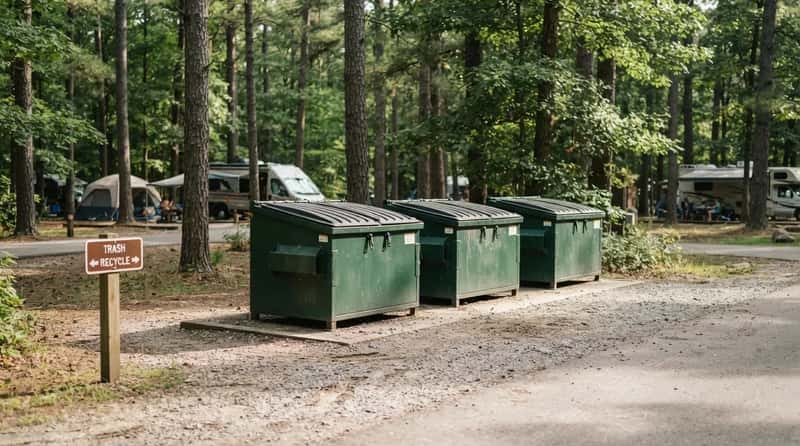
Overflowing dumpsters and trash bags stacked next to a full can are among the most common complaints in campground reviews – but the real fix isn’t more bins, it’s a better schedule. Better-run campgrounds empty trash proactively, often daily on busy holiday weekends, instead of waiting until raccoons and the smell force the issue.
This kind of preventative pickup almost never earns praise because it just looks like the way things should be. Ironically, it’s the campgrounds that fall behind on trash that generate the loudest one-star reviews, which means a quiet lack of complaints here is actually a strong, reliable signal.
6. Quiet Hours Get Enforced, Not Just Painted on a Sign
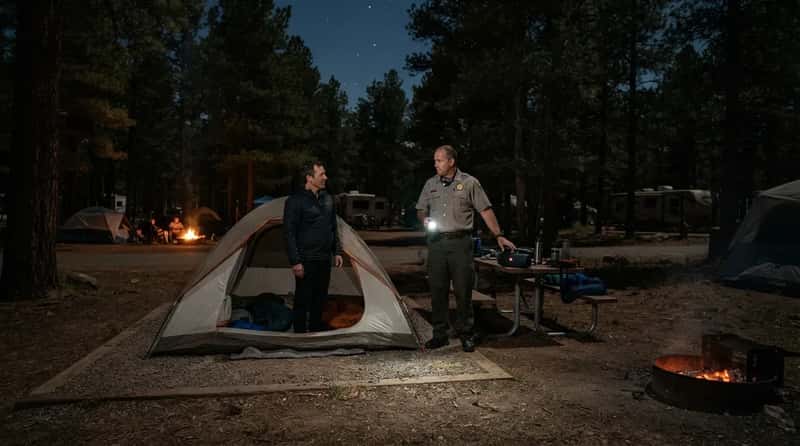
Nearly every campground in America posts the same sign listing quiet hours, usually somewhere around 10 p.m. to 7 a.m. The real difference between an average campground and a great one shows up the moment a group starts blasting music at midnight – does anyone actually walk over and shut it down?
A campground where a host or ranger will knock on a door after 10 p.m. is doing something most guests never witness directly but absolutely feel the benefit of. The presence of real enforcement is invisible until the one night you desperately need it, which is exactly why it almost never shows up in a five-star review.
Fast Facts
- Most campgrounds post quiet hours somewhere between 10 p.m. and 7 a.m.
- A host who actually walks the loop after dark catches loose campfires, wandering pets, and late generators before they turn into complaints.
- Clean, legible site numbers that match your confirmation email usually point to low staff turnover.
- A dripping spigot left unfixed all season is often the earliest visible sign of bigger deferred maintenance elsewhere.
7. Site Markers Are Legible and Actually Match the Confirmation Email
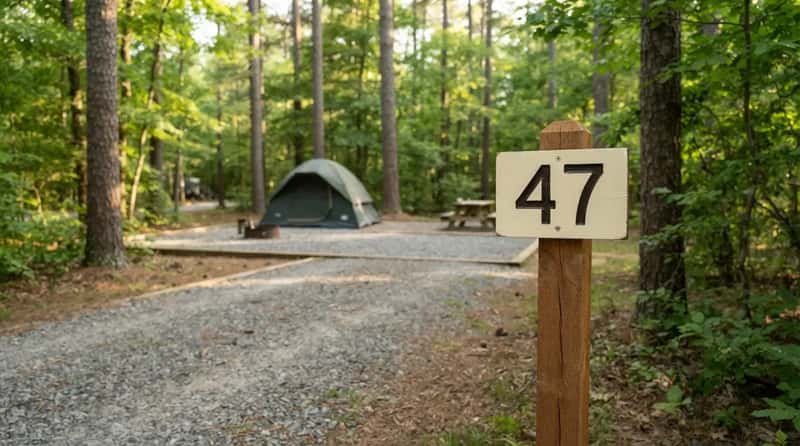
It sounds like a minor detail, but a campground where every site number is clearly painted, unobstructed by brush, and matches what’s on your booking confirmation is one where someone is paying attention to the fine print. Faded, missing, or mismatched numbers usually point to high staff turnover or a management team stretched too thin to catch the small stuff.
Guests who find their site instantly, without circling the loop twice or flagging down three other campers for directions, are experiencing the quiet payoff of decent signage. Nobody writes a review praising clear site numbers, but everyone silently appreciates not fumbling around in the dark looking for spot 47.
8. Water Spigots Don’t Drip and Shared Hoses Are Coiled
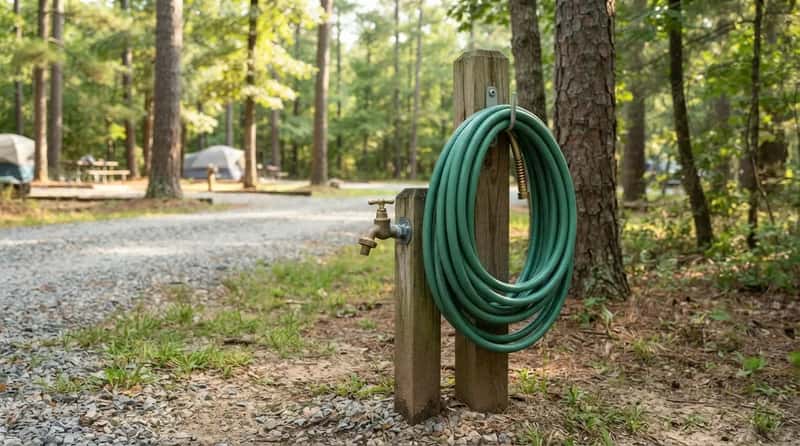
A dripping spigot left unfixed for an entire season isn’t just wasted water – it’s often a small, visible symptom of deferred maintenance happening elsewhere on the property. Well-managed campgrounds tend to fix small plumbing problems fast, because they know a minor drip today becomes an expensive frozen pipe or burst line down the road.
Neatly coiled hoses at communal water stations, instead of tangled messes abandoned by the last camper, also suggest staff are tidying shared spaces on a regular rotation. A property that keeps its plumbing tight rarely lets the bigger systems slip, and that same consistency tends to carry through the rest of your stay.
9. The Mowing Actually Reaches the Edges, Not Just the Open Field
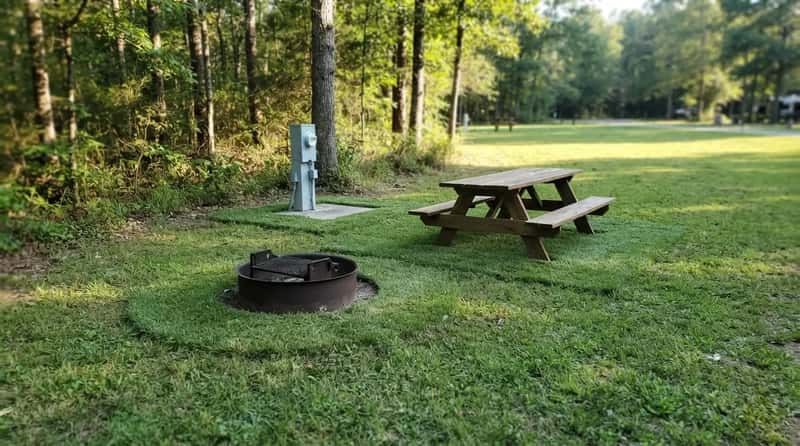
Anyone with a riding mower can knock out the open field in the center of a campground in an afternoon. The campgrounds that carefully trim around picnic tables, fire rings, and utility boxes are putting in extra labor hours that never once get mentioned in a review headline.
This kind of edge work is slow and easy to skip, so when it’s done consistently, it usually reflects a maintenance crew with enough staffing and enough pride in the property to bother. Overgrown grass swallowing a fire ring or picnic table, on the other hand, is often the very first visible crack in a campground that’s quietly understaffed.
10. The Front Desk Staff Actually Know Their Own Sites by Heart

A rushed check-in where someone hands you a map and a gate code is fine, but it’s nothing compared to a check-in where the person behind the desk warns you that site 14 floods after a hard rain or that site 22 gets shade later in the afternoon. That kind of specific, hard-won knowledge only comes from staff who’ve actually spent real time walking the property, not just running the register.
Campgrounds with low staff turnover tend to build up this institutional memory, and it shows up in small, genuinely useful tips guests get before they even unhook the trailer. It’s the kind of detail that can save you a miserable, waterlogged night’s sleep, yet it almost never gets mentioned by name in a review.
Worth Knowing
- Staff who can tell you which sites flood or lose afternoon sun usually have years on the property, not just weeks.
- Low staff turnover tends to show up first in small, specific tips offered right at check-in.
- Long-tenured hosts often recognize returning guests by name, not just by reservation number.
11. The Laundry Room Machines Actually Turn On the First Time
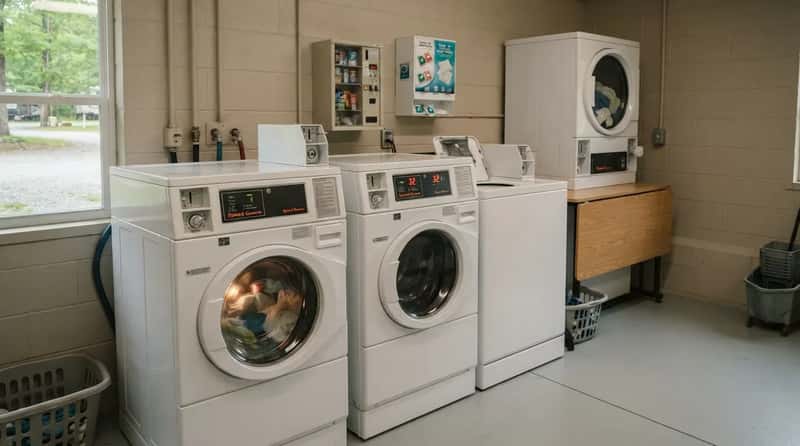
Laundry rooms are one of the most quietly neglected amenities at budget campgrounds, and broken machines with handwritten “out of order” signs can sit untouched for weeks at a time. A campground that keeps its machines running and its detergent dispenser stocked is investing in an amenity that’s easy to ignore and genuinely expensive to maintain.
Working machines also tend to correlate with a property that pays attention to its other coin-operated extras, like arcade rooms or shower stalls that require quarters to run. When the laundry room works on the very first try, it’s often a small, honest proxy for how the whole business is being run behind the scenes.
12. The Dump Station Is Clean, Organized, and Doesn’t Smell Like Regret
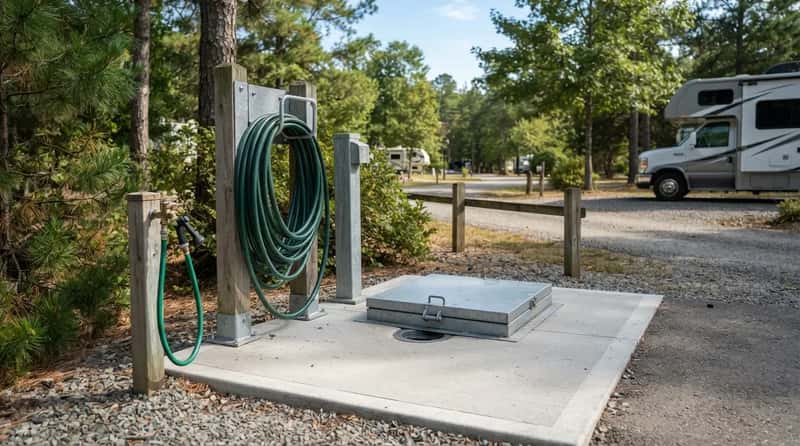
Nobody wants to linger at a dump station, which is exactly why it’s such an honest, unfiltered test of management. A station with a working hose rack, a functioning rinse spigot, and no lingering mess from the last RV says a lot about the daily upkeep happening across the whole property.
Campgrounds that let their dump station get grimy are usually cutting corners somewhere else too, even if the front office looks freshly painted and welcoming. It’s one of the few areas where appearances genuinely can’t be faked, because campers notice immediately the moment it’s been neglected.
13. Staff Can Tell You Exactly Where the Dead Zones Are
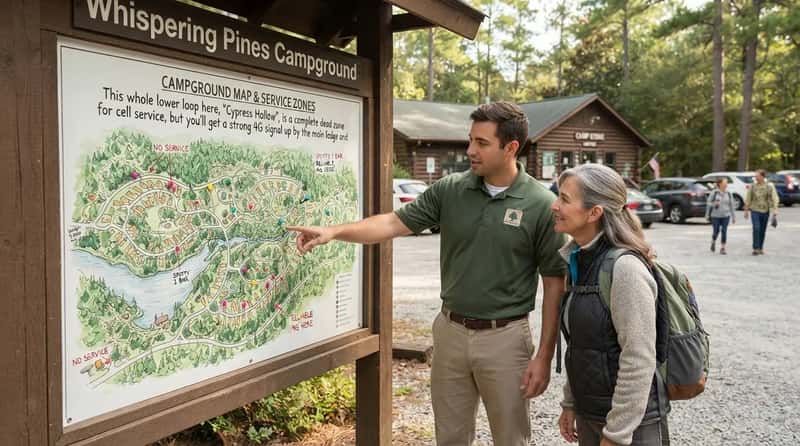
Cell service and Wi-Fi complaints dominate campground reviews everywhere, but the better-run properties don’t pretend the problem doesn’t exist – they map it out honestly. Staff who can tell you exactly which loop gets a bar of signal and which one goes completely dark are showing a level of familiarity that only comes from real time spent on the property.
This kind of specific, upfront guidance is far more useful than a blanket promise of “free Wi-Fi” that turns out to be one overwhelmed router trying to cover forty sites at once. A campground willing to admit its weak spots out loud is often more trustworthy overall than one that oversells every amenity on its website.
At a Glance
- Staff who map out weak-signal loops by name are usually more reliable than a blanket “free Wi-Fi” promise.
- One overworked router trying to cover dozens of sites is a common cause of patchy service.
- A campground honest about its dead zones is often just as honest about its other limitations.
14. The Same Seasonal Campers Keep Coming Back Every Single Year
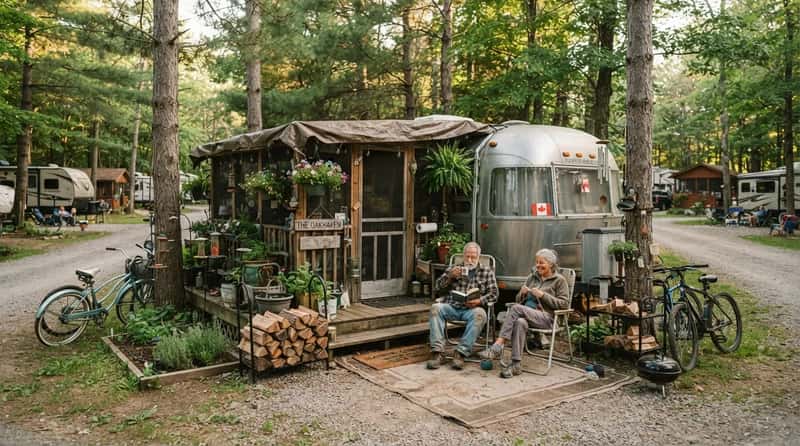
The single strongest sign of a well-run campground almost never shows up in an online review at all: a loyal cluster of seasonal or long-term campers who return to the exact same sites year after year, decade after decade. These are the people who’ve personally watched ownership handle emergencies, price hikes, and dead-slow off-seasons, and they still choose to come back anyway.
Ask around the loop and you’ll often hear the real, unfiltered history of a place – the summer the well ran dry, the flood that wiped out three sites overnight, the manager who quietly fixed everything without jacking up the rates. That kind of loyalty is earned over years of showing up, not staged for a marketing photo, and it says more about a campground’s true quality than any star rating ever could.
None of these fourteen signs will ever trend on a review site, because they’re too quiet and too specific to sum up in a five-star click. But they’re exactly what separates a campground coasting on pretty scenery from one that’s genuinely run with care, week after week, long after the last flashy review was ever posted.
Next time you pull into somewhere new, skip the star count for just a minute. Look at the fire ring, the trash cans, and the road under your tires instead – chances are, they’ll tell you more truth than the reviews ever did.