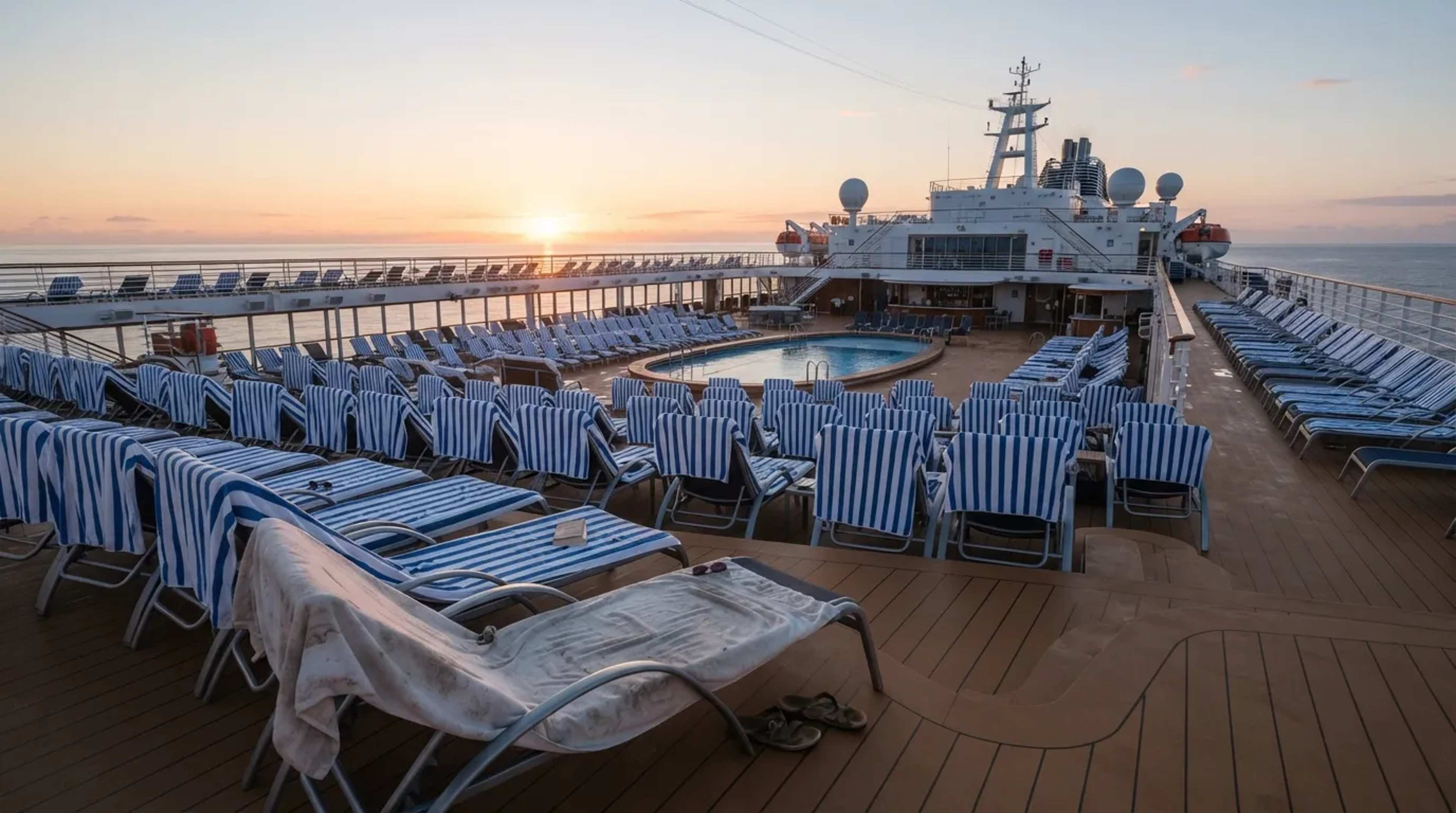
Alaska looks effortless in the brochure: glaciers, whales, a warm drink on a quiet balcony. The trouble usually starts long before the first glacier, with small choices that are easy to make and hard to undo.
The 15 below run from clothing to coverage, and most cost you comfort or a day ashore. One is tied to a bill that can reach six figures, and the policy that prevents it costs a small fraction of the fare.
The suitcase comes first, because the clothes many travelers pack suit the wrong kind of cold.
#15 – A Heavy Parka and Three Formal Outfits
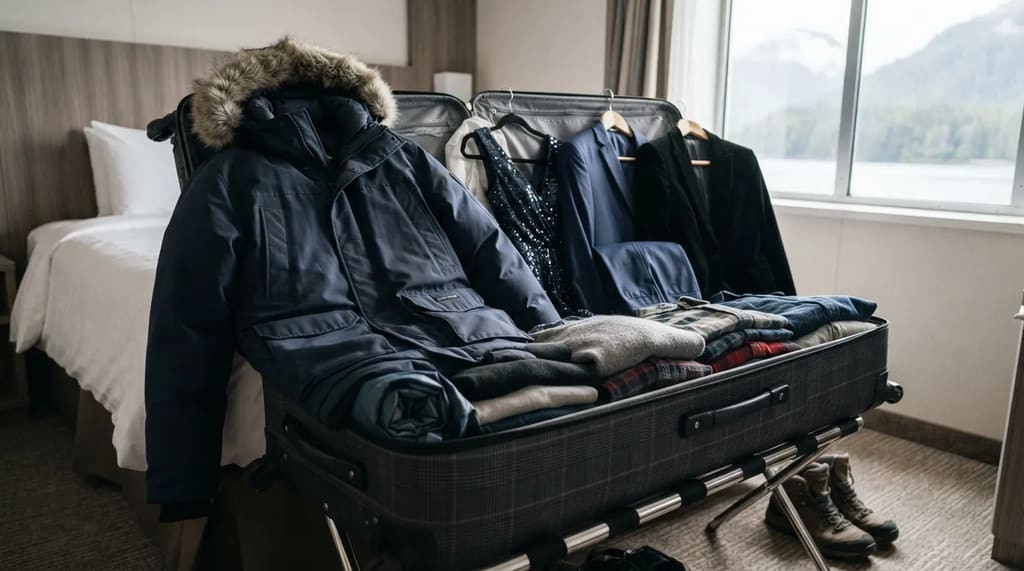
Summer in southeast Alaska is a layering problem, not a deep freeze, so a heavy winter parka rarely earns its suitcase space. From May through September, daytime highs run from the mid-50s to the mid-70s°F, with July usually the warmest.
Formal clothes are the other overpacked item. Alaska is one of the most casual itineraries the big lines run, so one or two dressier outfits are enough.
Quick Compare
- Skip: a heavy winter parka, since summer highs run mid-50s to mid-70s°F
- Skip: three formal outfits, because one or two dressier looks are enough
- Pack: thin layers you can add or shed on deck
The room you save has a better use. And the piece most often left behind is the one that actually keeps you warm.
#14 – Leaving the Warm Layer in the Cabin
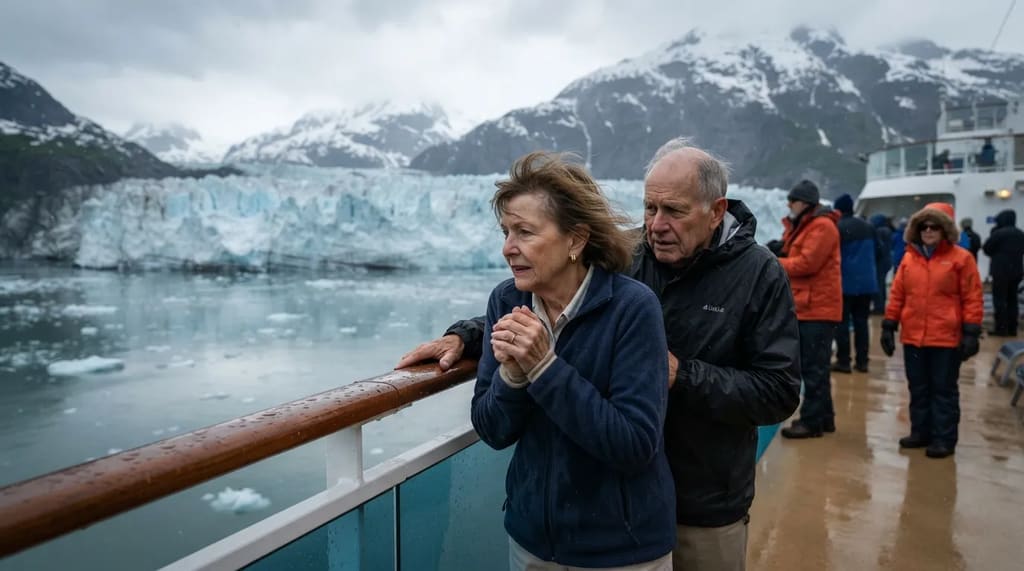
A waterproof shell blocks wind and rain but makes no heat. That is the mid layer’s job, and it is the piece most often left at home because the forecast said 60 degrees.
The bow is a different climate from the buffet. Carry your layers out with you even when the sky looks fine from the cabin.
A workable set for deck days:
- A thin base layer in merino or synthetic fabric
- A fleece or a light packable puffer
- A water-resistant jacket, with a warm hat and gloves
On the glacier day, get to an outdoor viewing area before the scheduled glacier window and keep a warm indoor spot nearby.
Dressing right is the easy fix. Choosing the month is where the real trade-offs hide.
#13 – Picking the Sailing Month on Price Alone
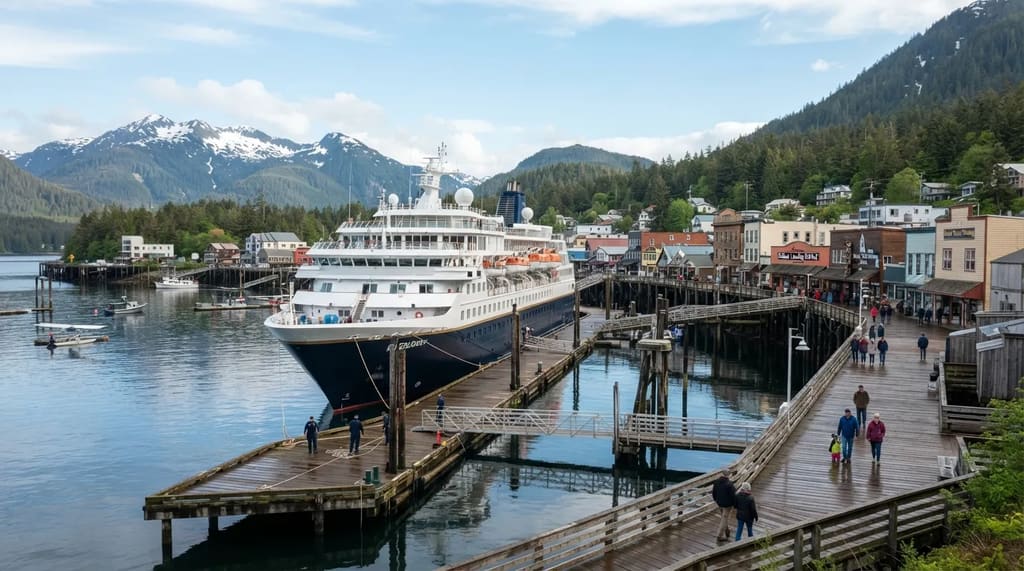
May and September often bring lower fares, more stateroom choices and quieter ports.1 Each month also carries a trade.
May is cooler, and some smaller excursions and remote attractions may run reduced schedules early in the month. September is typically the rainiest month, and some tour operators may begin to close after the first week.2
Southeast Alaska is a temperate rainforest, so rain belongs in every month‘s plan. May and June are historically the driest months, which is why I would take May or June over September if damp days bother you more than a cool morning.2
Whichever month you pick, your cabin choices shrink the longer you wait.
#12 – Waiting Too Long to Book the Cabin
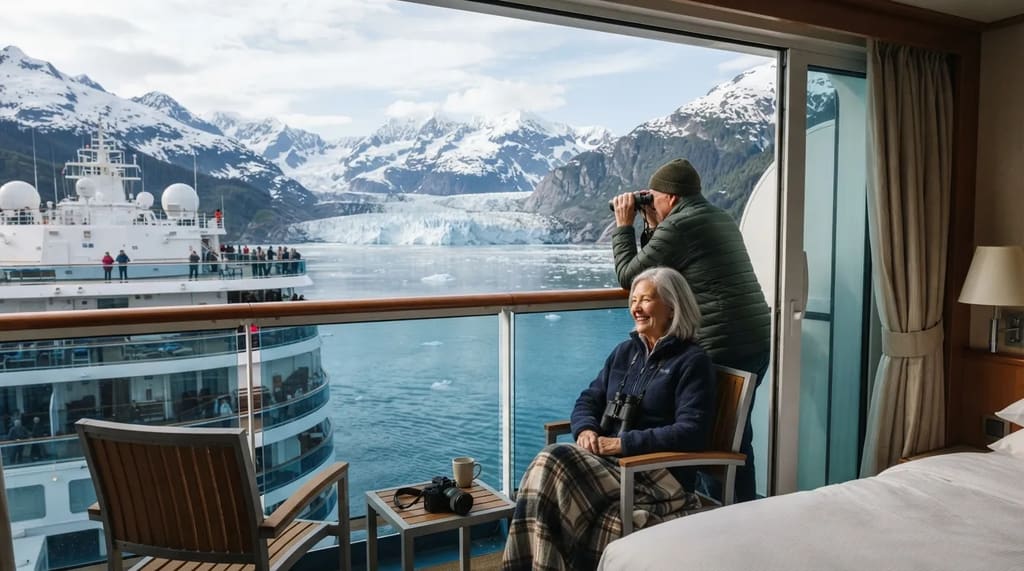
For most travelers it makes sense to book an Alaska cruise six months to a year ahead, according to The Points Guy. Early-bird specials are worth watching for.3
The season is short, so there are only so many sailings. Those with a confirmed Glacier Bay route can sell out first, because park access is controlled.
If a balcony or a Glacier Bay day matters to you, book those early. A small fare saving matters less than the cabin and route you wanted.
Booking early secures the cabin. It does not guarantee the glacier you pictured.
#11 – Assuming Glacier Bay Is on the Itinerary
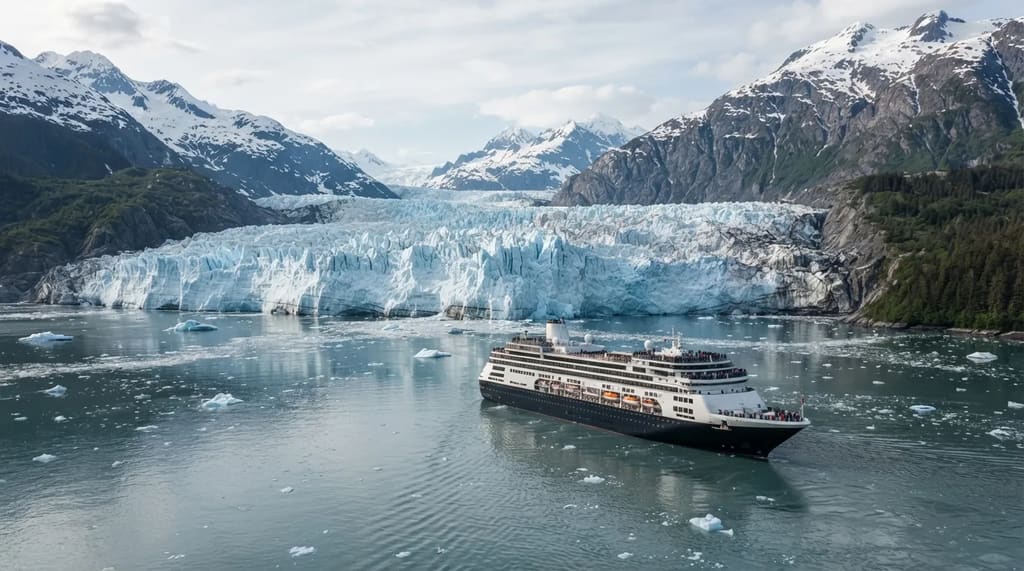
Many Alaska cruises do not enter Glacier Bay, because National Park Service access is controlled.4 A brochure may show glaciers in general, so check that the itinerary names Glacier Bay itself.
Other routes pass glaciers like Hubbard instead, and those are impressive but different. On itineraries that do enter the bay, the ship typically spends 9 to 10 hours there.5
Fast Facts
- Park Service access to Glacier Bay is controlled, so not every ship gets in
- Look for the words “Glacier Bay” on the itinerary, not just “glaciers”
- Itineraries that enter the bay typically spend 9 to 10 hours there
- Routes that pass Hubbard Glacier are a different experience
That long day is worth planning around. But first you have to arrive on time, and that is where the next mistake bites.
#10 – Flying In the Morning the Ship Sails
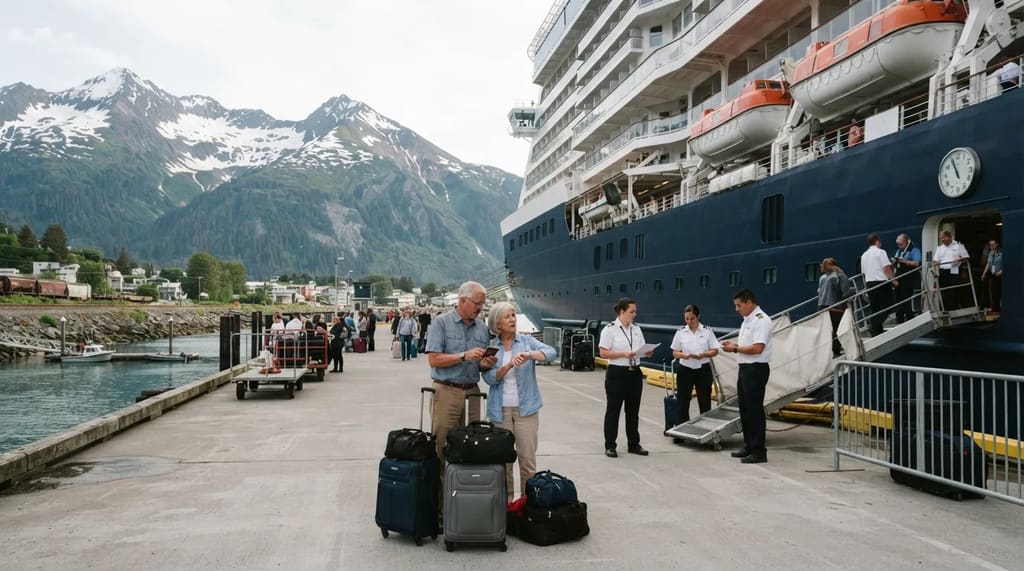
The ship leaves on schedule, and it does not wait for a delayed flight. A missed departure means chasing the ship to the next port at your own expense.
Fly in the day before. Seward is about two and a half hours by road from Anchorage, so even an Alaska embarkation needs a cushion.
Once you are on the dock, a small document can still stop the trip.
#9 – Treating the Passport as Optional
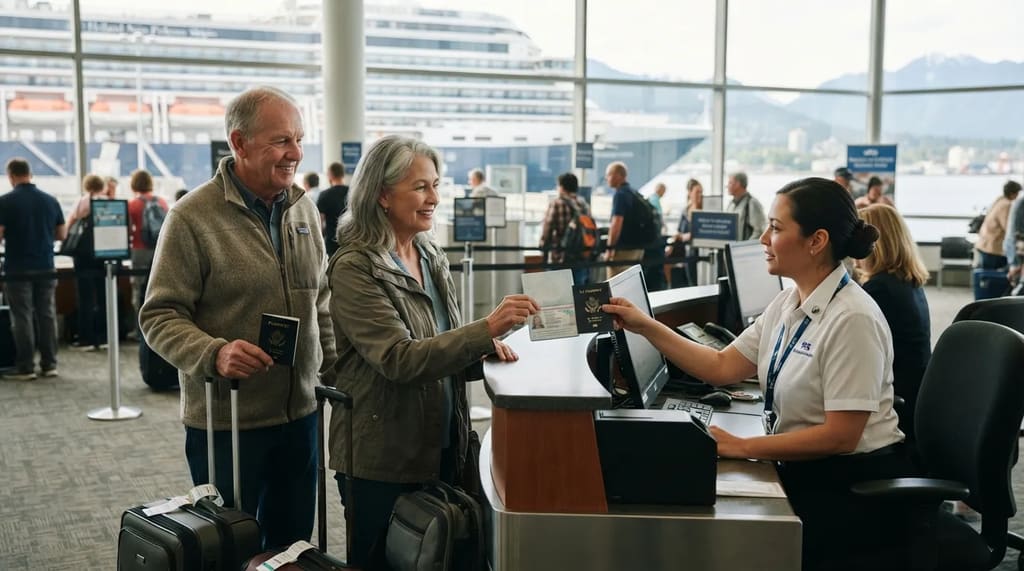
Many Alaska sailings from Seattle or Vancouver touch Canadian ports. U.S. citizens on round-trip cruises can often sail with a birth certificate and photo ID, but a passport is the safe choice.6
If you must fly home from Canada after a medical problem, you will want one. Check the expiration date well before you pack.
Next comes a mistake that only shows itself once the bags are missing.
#8 – Packing Daily Medications in the Checked Bag
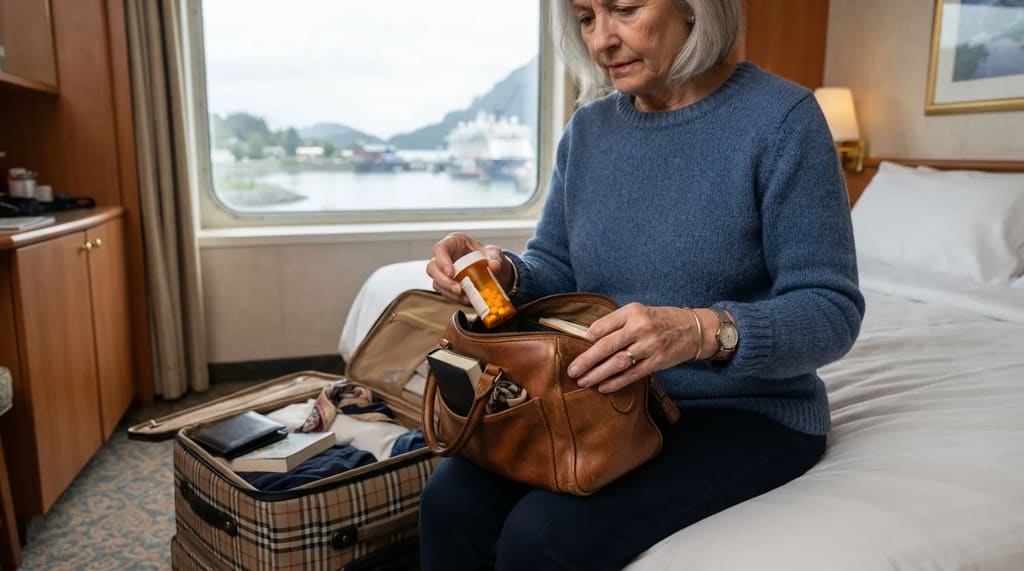
Checked luggage often reaches the cabin hours after you board. If your pills are inside, you may spend the first evening wishing they weren’t.
Keep medications in your carry-on, in original containers. Bring a few extra days’ supply in case a flight or a sailing runs late.
At a Glance
- Where: carry-on bag, never the checked suitcase
- How: original containers with labels intact
- Extra: a few days’ supply for delays
- Why: checked bags often reach the cabin hours after boarding
The cabin you carry them to matters more than most people expect.
#7 – Booking a Cabin Far From the Elevators
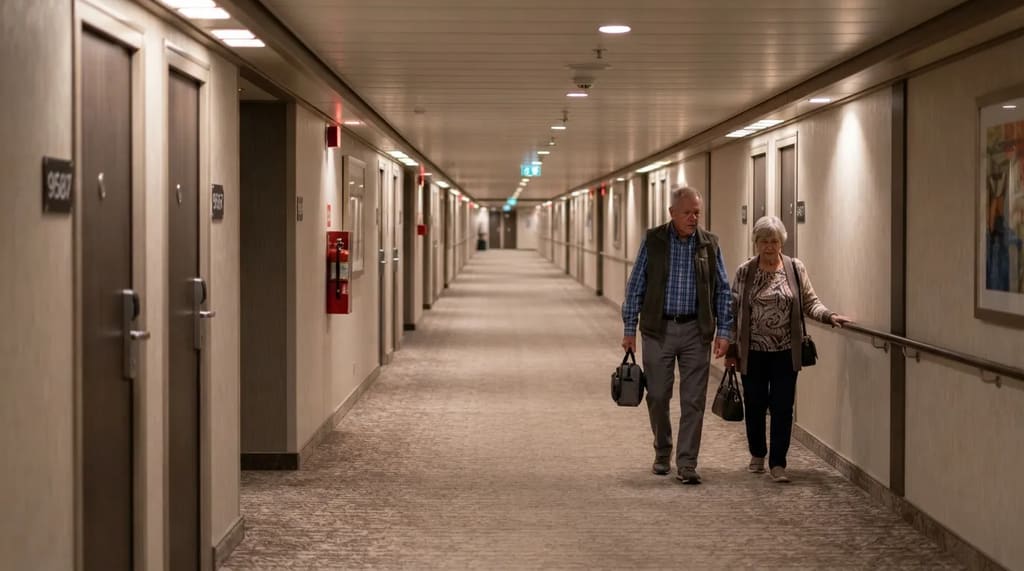
Big ships are long, and a cabin at the far end can mean a long walk several times a day. Elevators also fill up fast at dinner and after port calls.
Look at the deck plan before you pay. A midship cabin is closer to most things and usually feels less motion on open-water stretches.
The next mistake happens in the first hour aboard, and crew members notice it from across the room.
#6 – Skipping or Slipping Away From the Muster Drill
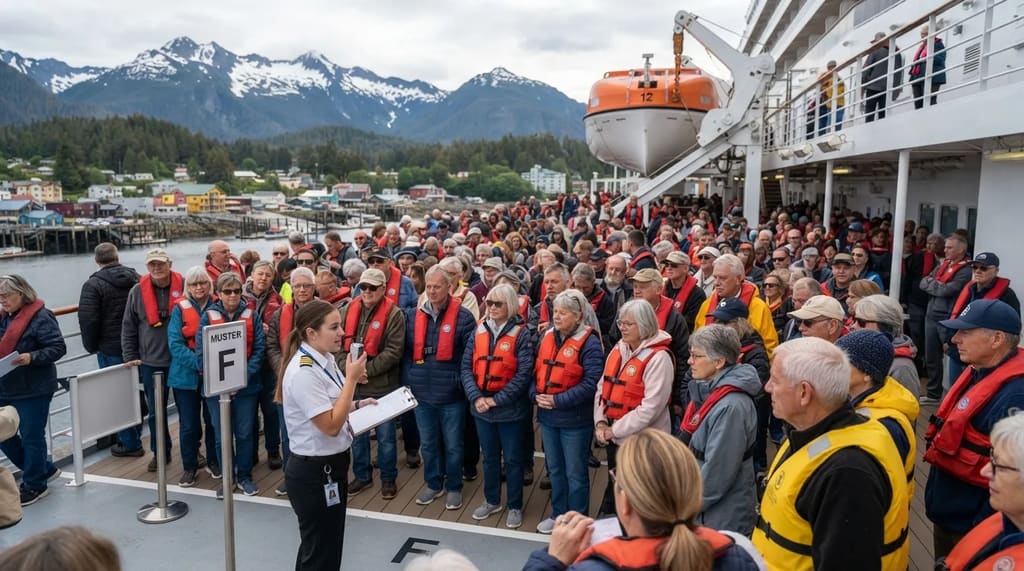
The safety drill is required before the ship sails, and crew are counting heads. When passengers wander off, the drill drags on for everyone.
Go to your station and listen. It is the one hour of the trip that could matter most.
Staying healthy takes more than knowing where the lifeboats are.
#5 – Trusting Hand Sanitizer Alone
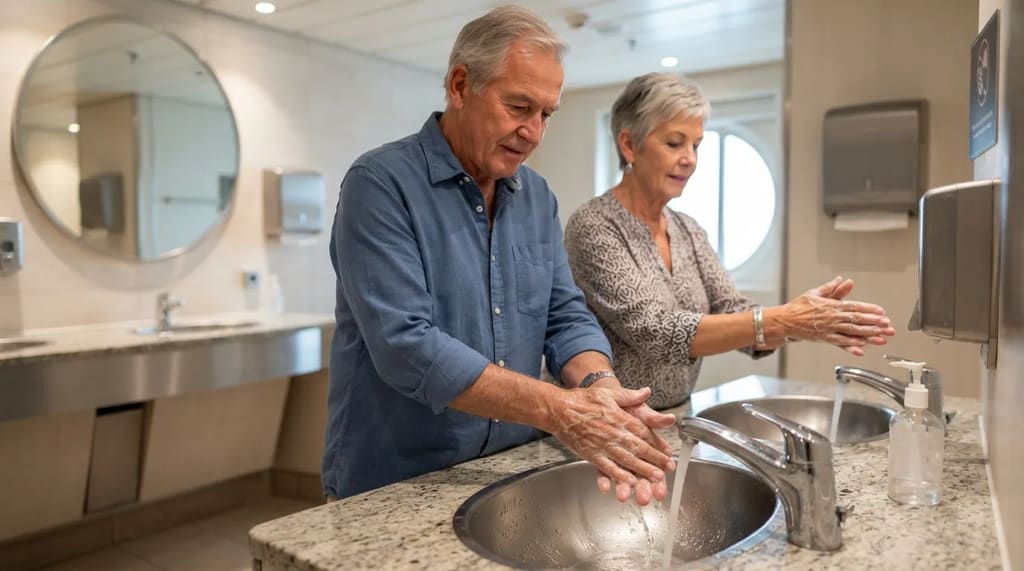
The CDC recommends washing hands with soap and water to help prevent norovirus, and sanitizer is not a substitute.7 Adults 65 and older are at higher risk of severe illness from it.
Wash after the restroom and before you eat, every time. It sounds small, but it is one of the easiest ways to protect your trip.
Even a healthy trip can go sideways in port.
#4 – Booking an Excursion That Is Tougher Than It Looks
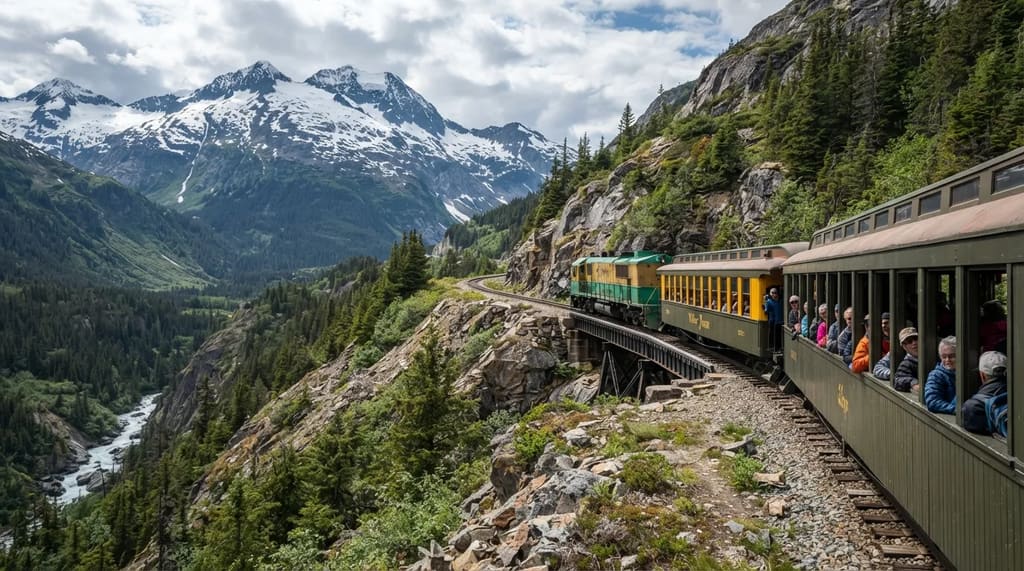
Ship excursions list an activity level, and the glossy photo does not always match it. Long walks, uneven trails and boat transfers can turn a dream day into a hard one.
Read the description and ask the tour desk about walking distance and stairs. The White Pass and Yukon Route railway out of Skagway is a classic low-effort way to see the mountains.
Some of the hardest steps happen before the tour even starts.
Related Stories From Travelbinger

#3 – Assuming Every Port Has a Dock
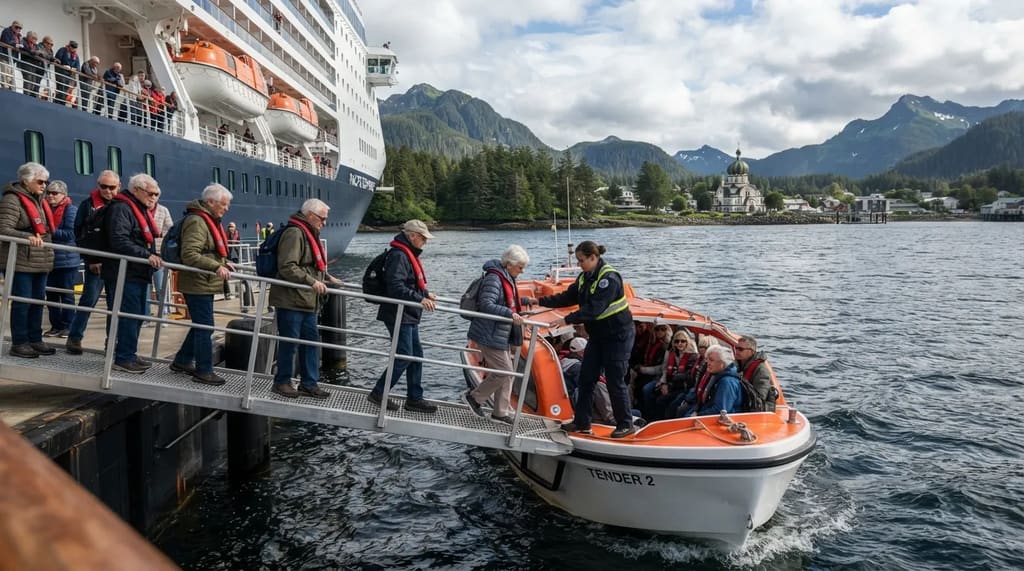
Some ports use tenders, the small boats that ferry passengers ashore when the ship anchors. Sitka is a regular tender port, and Juneau sometimes tenders when the docks are full.
Boarding a moving boat can be tricky with a walker or scooter, and rules vary by line. Ask before you sail, not at the gangway.
Which brings up what crew members say they hear too late, again and again.
#2 – Keeping Health Needs Quiet Until Something Goes Wrong
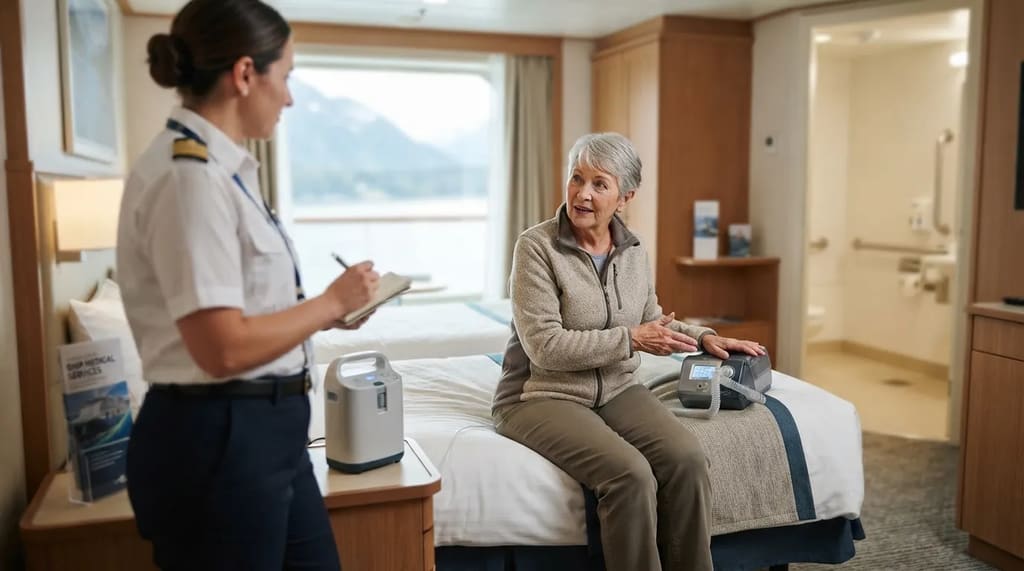
Food allergies, a CPAP machine, medical oxygen and an accessible cabin all need advance notice. Crew can do far more when they know on day one than when you ask at midnight.
Contact the cruise line before sailing. Then remind the dining and cabin staff once you are aboard.
And now, the one with the six-figure price tag.
#1 – Sailing Without Travel Insurance
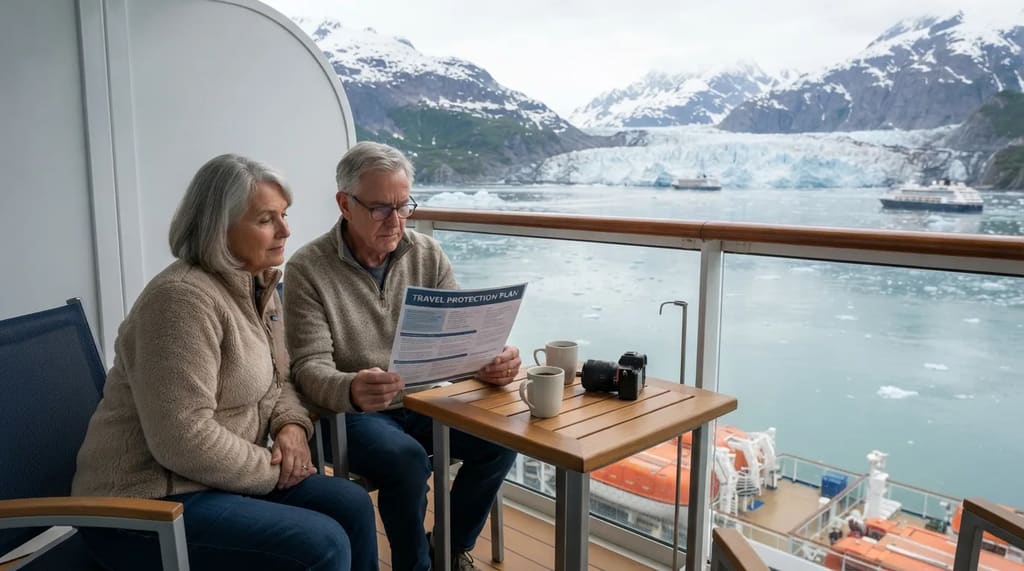
Medicare generally does not cover care outside the U.S., with narrow exceptions.8 The ship’s medical center charges fees, and an emergency evacuation from a remote part of Alaska can cost a staggering amount, reaching six figures.
A policy with medical and evacuation coverage costs a small fraction of the fare. Some benefits, including pre-existing condition waivers, often require buying soon after your first trip payment.
Worth Knowing
- Medicare generally does not pay for care outside the U.S.8
- Look for both medical and emergency evacuation coverage
- Pre-existing condition waivers often depend on buying soon after your first payment
- Check the exclusions before you pay, not after you file
Read the exclusions, not just the headline. Alaska rewards the traveler who planned for the unglamorous things, so the glaciers get your full attention.
Bonus: The Insider Phone Call Nobody Tells You to Make
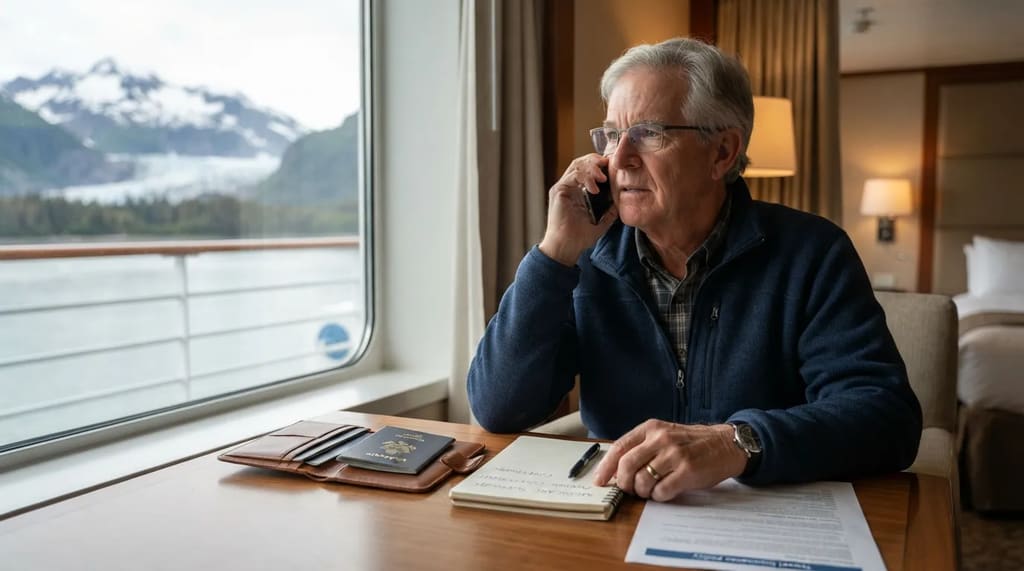
Before you buy any policy, call the company that handles your Medicare supplement (Medigap) or Medicare Advantage plan and ask one question: what do you cover outside the U.S.?
Many Medigap plans, including Plans G and N, include a foreign travel emergency benefit. It is typically limited to the first 60 days of a trip and carries a lifetime cap of $50,000, so it can help with a hospital bill but will not cover a six-figure evacuation.
- Ask: “Do I have a foreign travel emergency benefit, and what is my deductible and lifetime limit?”
- Then buy: a travel policy with emergency evacuation to fill the gap, and compare it against what your plan already covers.
- Save it: put the insurer’s 24/7 assistance number in your phone and a printed copy in your carry-on, next to your medications.
Five minutes on the phone tells you exactly what is covered and what is not, before you are standing in a ship’s medical center.
- Holland America Best Time Guide: https://www.hollandamerica.com/en/us/cruise-destinations/alaska-cruises/articles-and-videos/best-time-cruise-alaska
- Alaska Cruise Weather Guide: https://highseascruising.com/alaska-cruise-weather-month-by-month-guide/
- Points Guy Alaska Cruise Tips: https://voyagearound.com/best-alaska-cruise-tips-the-points-guy/
- NPS Glacier Bay Concession Contracts: https://www.nps.gov/glba/getinvolved/concession-contracts.htm
- Glacier Bay Permits Explained: https://oregoncoastjourney.com/alaska-cruise-glacier-bay/
- CBP Western Hemisphere Travel: https://www.cbp.gov/travel/us-citizens/western-hemisphere-travel-initiative
- CDC Cruise Ship Illness FAQ: https://www.cdc.gov/vessel-sanitation/faq/index.html
- Medicare Travel Outside U.S.: https://www.medicare.gov/coverage/travel-outside-the-u.s.