Most people think attracting goldfinches is a feeder-and-forget situation – put out some seed, wait, done. But experienced gardeners who host goldfinches year after year know something the casual birdwatcher misses entirely: goldfinches are creatures of habit, and every choice you make in your garden either locks them in or sends them to your neighbor’s yard. The difference between a yard that gets a handful of accidental visits and one that’s absolutely swarming with bright yellow birds from spring through winter comes down to a very specific set of moves – and most of them have nothing to do with buying a more expensive feeder.
Here’s the real kicker: some of the most effective things experienced gardeners do are the exact opposite of what a tidy, manicured yard looks like. Letting things go in strategic ways, timing your plant choices to the birds’ biology, understanding why goldfinches behave differently than every other backyard bird – that’s the insider knowledge that changes everything. A few of these will feel almost too simple. A couple will genuinely surprise you. And at least one will make you rethink something you’ve been doing for years.
#15 – They Stop Deadheading Every Single Flower in the Garden
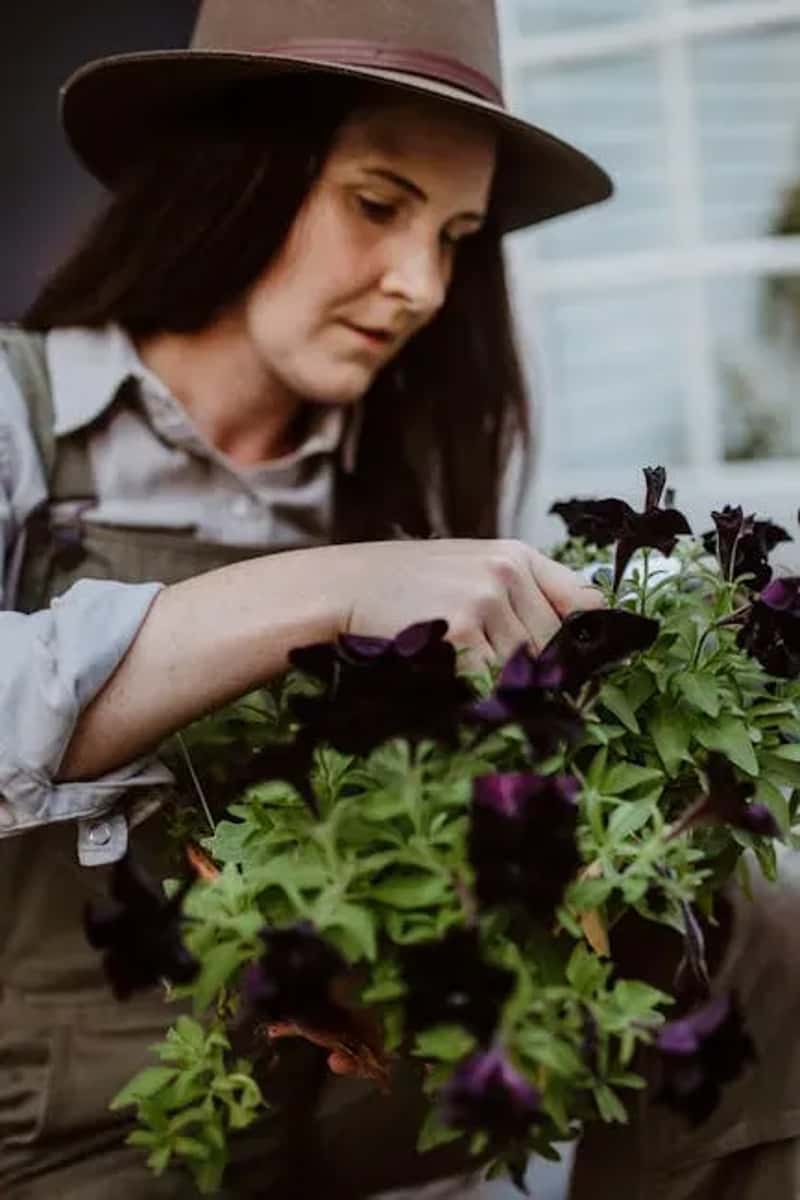
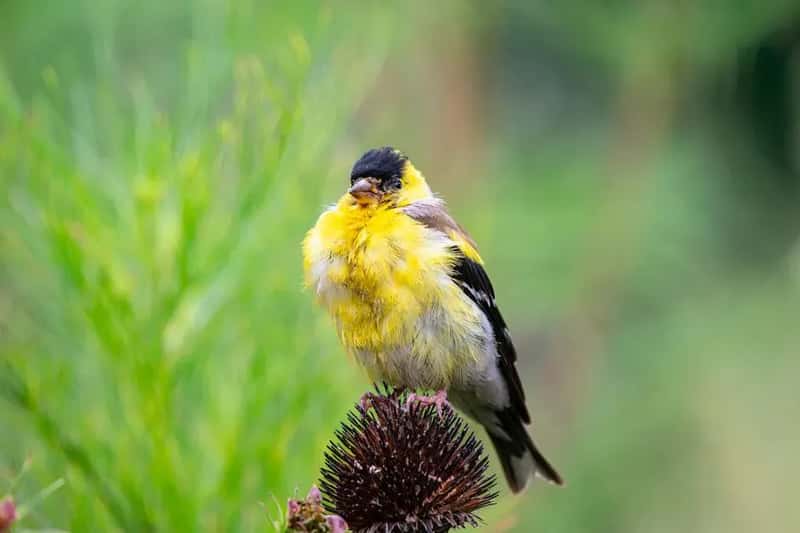
Most gardeners deadhead spent blooms out of pure habit, assuming a tidy garden is a better garden. Turns out, that instinct is actively working against goldfinch retention. Leaving spent flower heads in place is one of the most valuable things you can do for backyard wildlife – those dried-out blooms become natural seed stations that attract finches, buntings, and native sparrows for as long as the seeds hold. Experienced gardeners deliberately choose certain sections of their garden to leave “messy” through fall and deep into winter.
The payoff is enormous. Hardy perennials like coneflowers are beautiful all season, but their real value kicks in after the petals drop – the seed heads standing through winter become a critical food source when natural supplies are scarce. The goldfinches that find your standing seed heads in November are the same ones who will return to your yard the following April. One abandoned-looking corner can be worth more than three new feeders combined.
Fast Facts
- Goldfinches eat seeds almost exclusively – Cornell Lab of Ornithology calls them among the strictest vegetarians in the bird world.
- Their diet focuses heavily on the daisy family (Asteraceae): sunflowers, thistle, asters, and coneflowers.
- A single standing coneflower patch can keep a flock returning daily well into December.
- Deadheading removes the very seed heads goldfinches target first when natural food gets scarce.
#14 – They Use Tube Feeders Specifically Designed for Small Seeds

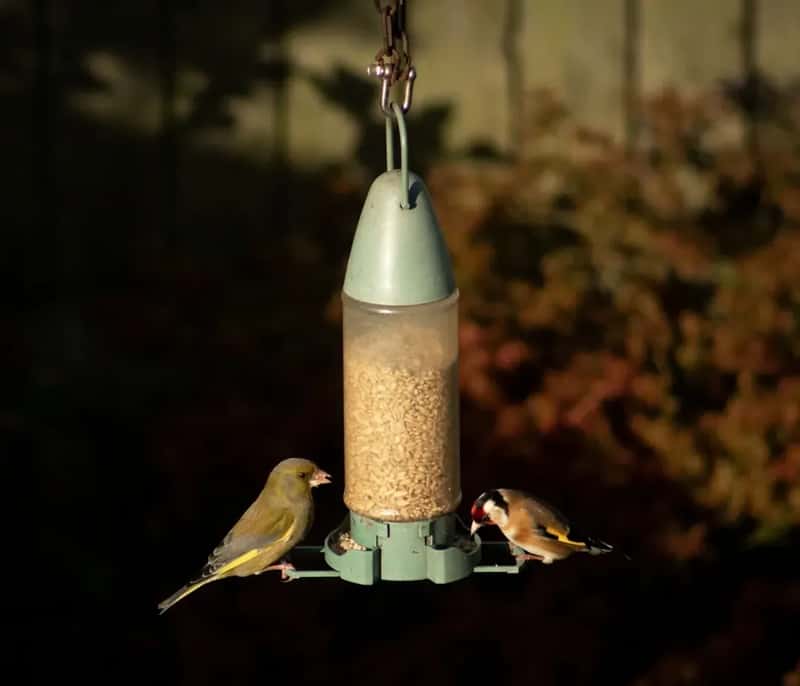
A common mistake is tossing Nyjer seed into whatever feeder is already hanging in the yard. Nyjer is smaller than most other bird seeds, so it slips right through standard feeder gaps – you end up feeding the ground and the squirrels, not the birds. Experienced gardeners choose feeders specially designed for Nyjer, with small ports and short perches that act as a natural filter against bigger, aggressive species.
Feeders with perches positioned above the feeding ports are especially clever: goldfinches can eat upside down, but most nuisance birds can’t manage it. The right tube feeder can accommodate over a dozen goldfinches clinging to it at once, which matters when a whole flock rolls in at the same time. Design your feeder setup for goldfinches specifically, and you’ll stop losing your Nyjer to house sparrows and starlings overnight. But that’s nothing compared to what most people never think about with #13.
#13 – They Keep Nyjer Seed Dry and Rotate It Religiously
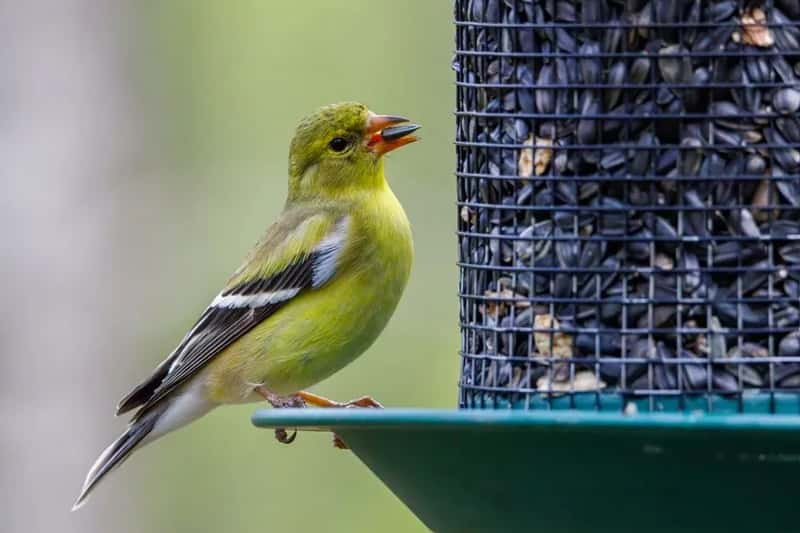
Here’s something most people never consider until goldfinches mysteriously stop showing up: the seed has gone bad. The most common reason goldfinches abandon a feeder is that the Nyjer has gotten wet, clumped, and started to mold. Damp seed loses its oils, becomes nutritionally empty, and can actively make birds sick – and goldfinches will notice the difference before you ever do. Experienced gardeners treat feeder maintenance like a non-negotiable weekly chore, not a monthly afterthought.
Replace uneaten Nyjer every three to four weeks even if the feeder doesn’t look empty – old seed goes stale fast and stops attracting birds entirely. A feeder full of clumped, rancid seed is actually worse than an empty feeder because it trains birds to skip your station for good. Seasoned gardeners do a quick sniff-and-squeeze check every single time they refill. It takes thirty seconds and can save an entire season of bird traffic.
Worth Knowing
- Fresh Nyjer should release a small amount of oil when squeezed between your fingers on a paper towel – dry seeds mean it’s time to replace the batch.
- Nyjer is heat-treated before entering the U.S. to prevent germination, but that process also shortens its shelf life once exposed to air and moisture.
- Goldfinches won’t visit feeders that offer seed they can find better quality of in the wild – stale Nyjer is a feeder-killer.
- A weather guard over tube feeders dramatically extends seed freshness through wet spring and winter months.
#12 – They Plant Sunflowers and Leave the Heads Standing All Fall
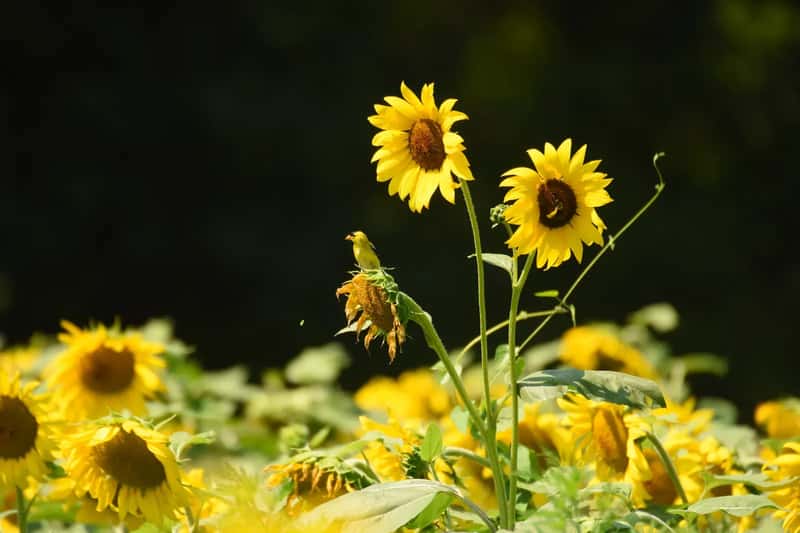
Sunflowers are a double-win that experienced gardeners understand at a level most people don’t. The blooms are beautiful all summer, but the real magic happens after they fade – those large, seed-packed heads become natural feeding stations that goldfinches cling to and hang from, exactly the way they forage in the wild. Goldfinches particularly favor soft-shelled black oil sunflower seeds, and they’ll work through a dried sunflower head with impressive efficiency.
Standing sunflower stalks left through fall and into early winter can keep a flock returning to your yard daily well into October and beyond. The American Goldfinch eats seeds almost exclusively, and they’re biologically drawn to the daisy family – sunflowers, asters, and coneflowers – by pure instinct. Plant a patch of six to ten, let them stand after summer ends, and you’ve essentially built a free, self-replenishing bird feeder that requires zero maintenance. Plant them once and let them work every fall.
#11 – They Designate a “Wild Patch” and Actually Leave It Alone

This is the tip that separates serious goldfinch gardeners from everyone else – and it’s the hardest sell because it genuinely looks like neglect. Goldfinches prefer open, weedy fields with shrubby edges; that’s their natural habitat. A designated wild patch in the corner of your yard mimics exactly what they’re searching for, and experienced gardeners protect these patches fiercely against the impulse to tidy them up.
The most productive wild patches contain dandelions, wild grasses, and at least one native thistle – a combination that functions as a 24-hour goldfinch diner through much of the year. Dandelion seeds are a genuine goldfinch favorite: small, abundant, and irresistible to these birds in a way that surprises most people who’ve been pulling them for years. What your neighbors see as laziness, experienced gardeners know is precision habitat design. Tuck it behind a shrub if the optics bother you – the goldfinches don’t care.
#10 – They Add a Shallow Bird Bath and Keep It Consistently Clean
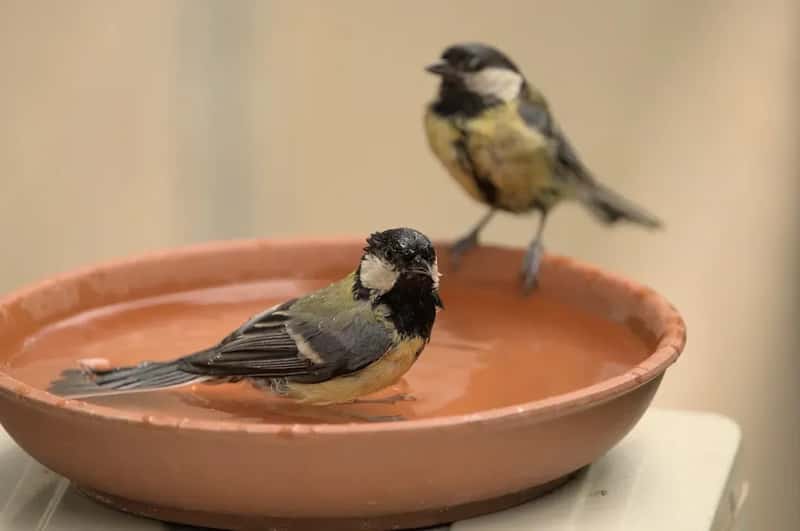
Water is one of the most overlooked tools in the goldfinch gardener’s kit. Many birders assume water isn’t critical because birds find it elsewhere – but that assumption costs real bird traffic. Goldfinches visit baths regularly for both drinking and bathing, and because they’re small birds, depth matters more than most people realize. A standard deep birdbath is genuinely intimidating to a bird this size.
The sweet spot is one to two inches of water – deep enough to bathe in, shallow enough that it doesn’t feel threatening. A heated birdbath becomes an extraordinary asset in winter, when every other water source in the yard is frozen solid. The goldfinches that discover your heated bath in January will absolutely be back in March – and they’ll bring others. Algae and bacteria build up fast in standing water, though, and goldfinches will stop using a fouled bath within days. Keep it clean and keep it shallow, and you’ve added a magnet that works around the clock.
At a Glance: What Goldfinches Need From a Bath
- Depth: 1 to 2 inches maximum – small birds need to feel the ground beneath them.
- Surface: Slightly textured or rough so they can grip without slipping.
- Cleaning schedule: Every 2 to 3 days in warm weather; weekly in winter.
- Winter upgrade: A submersible de-icer keeps water liquid down to about 0°F and is a genuine game-changer for year-round traffic.
#9 – They Plant Coneflowers as a Perennial, Season-Long Food Source
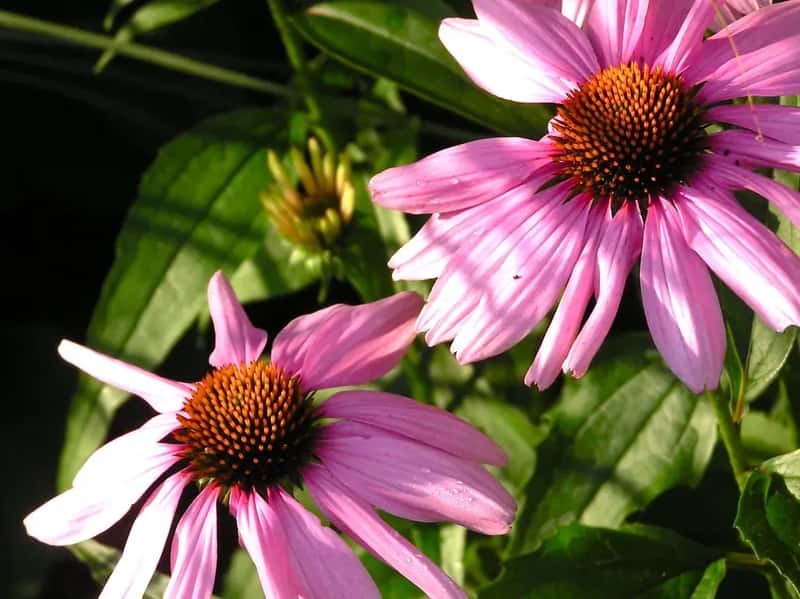
Purple coneflowers have become almost synonymous with goldfinch gardening among experienced birders, and the reputation is completely earned. These long-blooming perennials produce seed heads that goldfinches return to from midsummer all the way through fall – timing that lines up almost perfectly with their nesting and post-breeding feeding activity. They’re easy to grow, widely available, and get better every year as they expand into larger clumps.
Experienced gardeners treat coneflowers as infrastructure, not decoration. They plant them in clusters of five or more, because a single coneflower is a snack while a cluster becomes a destination worth a dedicated visit. Leave the seed heads intact after the blooms fade, and you’ve extended your goldfinch season by six to eight weeks without doing anything else. Coneflowers also pair naturally with black-eyed Susans – another goldfinch magnet – to create a continuous, overlapping chain of available seed from July into December.
#8 – They Grow Native Thistle (Not the Invasive Kind)
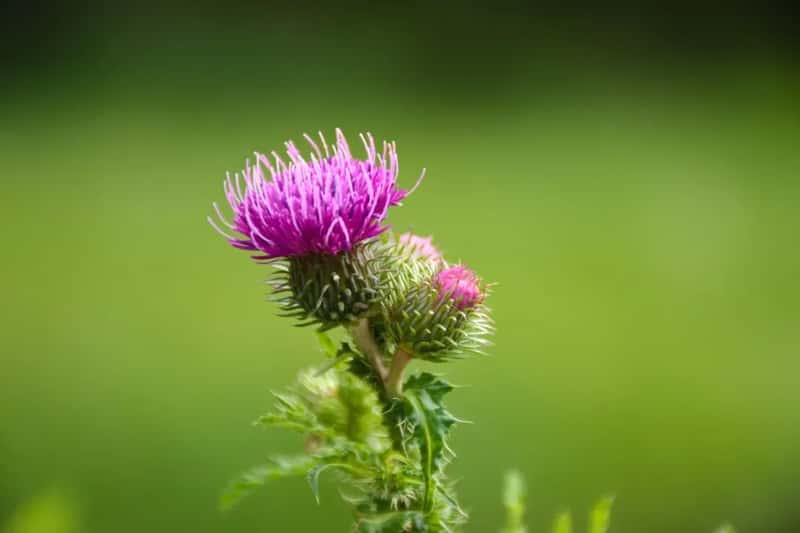
The word “thistle” makes some gardeners nervous, and that instinct is understandable – the wrong thistle is an invasive nightmare that will take over your yard and your neighbor’s. But experienced goldfinch gardeners know the difference, and they use this plant deliberately. Thistle is genuinely goldfinches’ number one food preference – there’s no seed on earth they respond to more reliably or more enthusiastically.
The solution is to stick with native varieties: field thistle, Flodman’s thistle, and wavyleaf thistle give you all the goldfinch-attracting power without the invasive spread problem. Native thistle does double duty – goldfinches eat the seeds AND harvest the plant’s fluffy down to line their nests, making it the single most complete goldfinch resource you can grow. Not only will goldfinches show up for the seeds, but they’ll also return late in the season specifically to collect nesting material – and those are the birds that come back the following year.
Quick Compare: Native Thistle vs. Invasive Thistle
- Field thistle (Cirsium discolor): Native, biennial, well-behaved – goldfinch magnet from seed to down.
- Wavyleaf thistle (Cirsium undulatum): Native to central and western U.S., drought-tolerant, no spread issues.
- Canada thistle (Cirsium arvense): Invasive, spreads aggressively by root – avoid entirely.
- Bull thistle (Cirsium vulgare): Non-native, biennial and manageable in small numbers, but not ideal.
#7 – They Understand Goldfinch Nesting Timing and Don’t Pull Plants in Late Summer
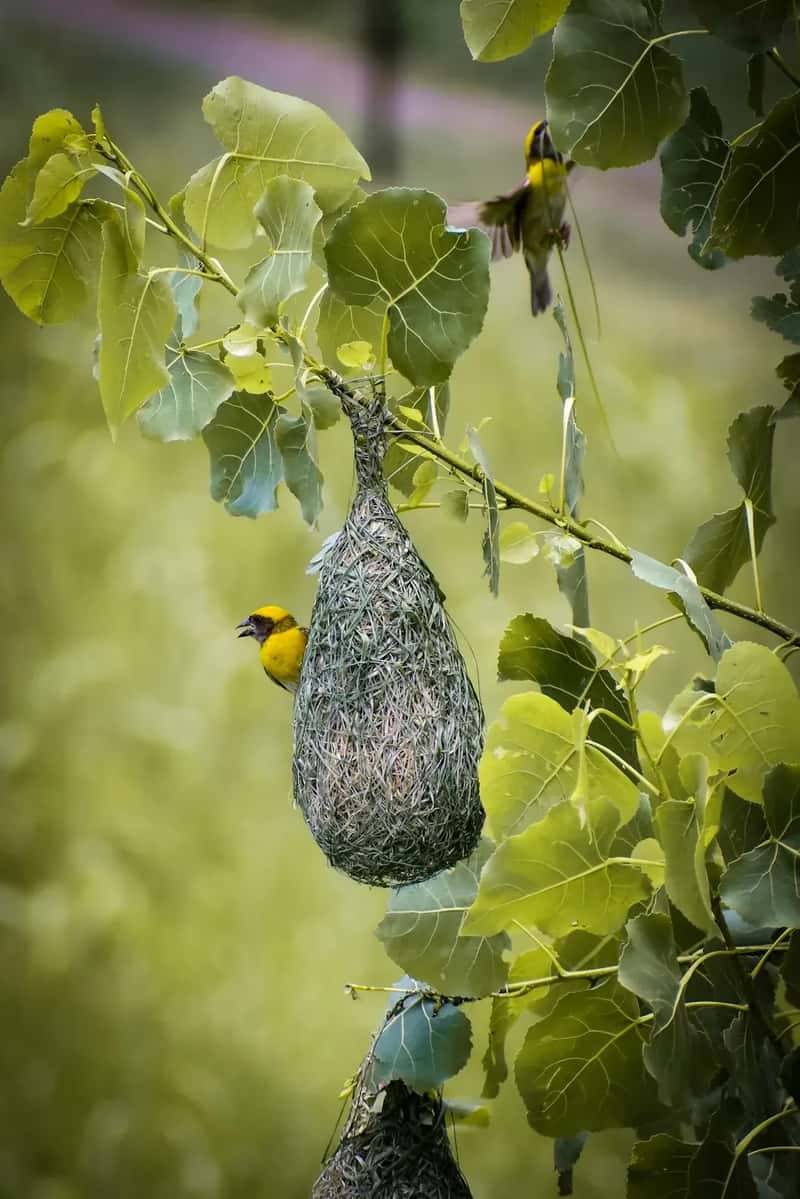
This is where experienced gardeners have a serious advantage over casual birdwatchers, and it costs a lot of people without them ever knowing it. Most backyard gardeners do a major cleanup in August or September – unknowingly destroying exactly what goldfinches need most at exactly the wrong time. American Goldfinches breed later than almost any other North American bird, waiting until June or July when milkweed, thistle, and other plants have matured enough to provide the fibrous seeds they weave into their nests and feed their young.
Pulling those plants in late summer is like demolishing a nursery mid-construction. The gardeners whose yards consistently host nesting pairs are almost always the ones who learned to sit on their hands in August and hold their cleanup until October at the earliest. Late-season plants like milk thistle and milkweed provide the soft down goldfinches use as nesting substrate – and that timing is non-negotiable for the birds, whether your garden schedule accommodates it or not. Let the plants finish their biological cycle. The goldfinches are depending on it in ways you can’t see from the back porch.
#6 – They Provide Natural Nesting Material in a Dedicated Spot
Goldfinches don’t use birdhouses. That’s a firm no – they won’t nest in boxes or enclosed structures of any kind. What they will do is visit a spot in your yard where soft nesting materials are reliably available. Experienced gardeners place small bundles of cottonwood fluff, milkweed down, and thistle down near established feeding areas, sometimes tucked into a simple mesh holder so the material doesn’t blow away immediately.
The most effective material is milkweed fluff – lightweight, weather-resistant, and exactly what goldfinch females seek out when building their tightly woven, cup-shaped nests. The female builds the nest solo in about six days, lashing the foundation to branches using spider silk before lining it with plant down. The nest of the American Goldfinch is woven so tightly it can hold water – a testament to just how precisely they build, and how carefully they select their materials. Give them the right supplies in the right place, and you’ve given them a reason to not just visit your yard but to actually live in it.
#5 – They Keep Feeders Out All Winter, Not Just Spring and Summer
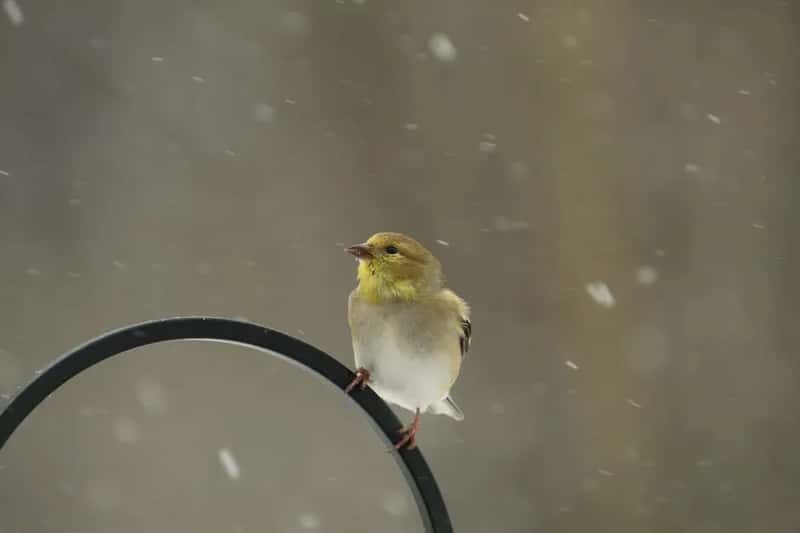
One of the most damaging myths in backyard birding is that goldfinches disappear in winter and feeders can be packed away. In reality, goldfinches are present year-round across most of the continental U.S. and are especially dependent on reliable feeders when natural food sources are buried under snow or simply gone. The confusion comes from appearance – in winter, males trade their brilliant yellow-and-black plumage for a subdued brownish-olive coloring that makes them nearly unrecognizable to people expecting the summer version.
Many gardeners look at a drab olive bird clinging to their winter feeder and have no idea they’re watching a goldfinch. If you’ve been packing up your feeders in October, you’ve been sending away birds you already earned – and starting over from scratch every spring. Keep feeders stocked through February, and the goldfinches that winter in your yard will already know and trust your garden when breeding season arrives. You stop being a discovery and start being a home base.
Worth Knowing: Winter Goldfinch Behavior
- Males molt into brownish-olive plumage each fall – the same bird looks completely different from October through March.
- Goldfinches move south in winter roughly following the line where January temperatures average no colder than 0°F.
- In winter, they form loose flocks and are far less territorial – one good feeder can attract dozens at once.
- Populations that bred in your area in summer may move south, replaced by birds from farther north – your feeder stays busy either way.
#4 – They Add Milkweed to the Garden for Both Food and Nesting Material
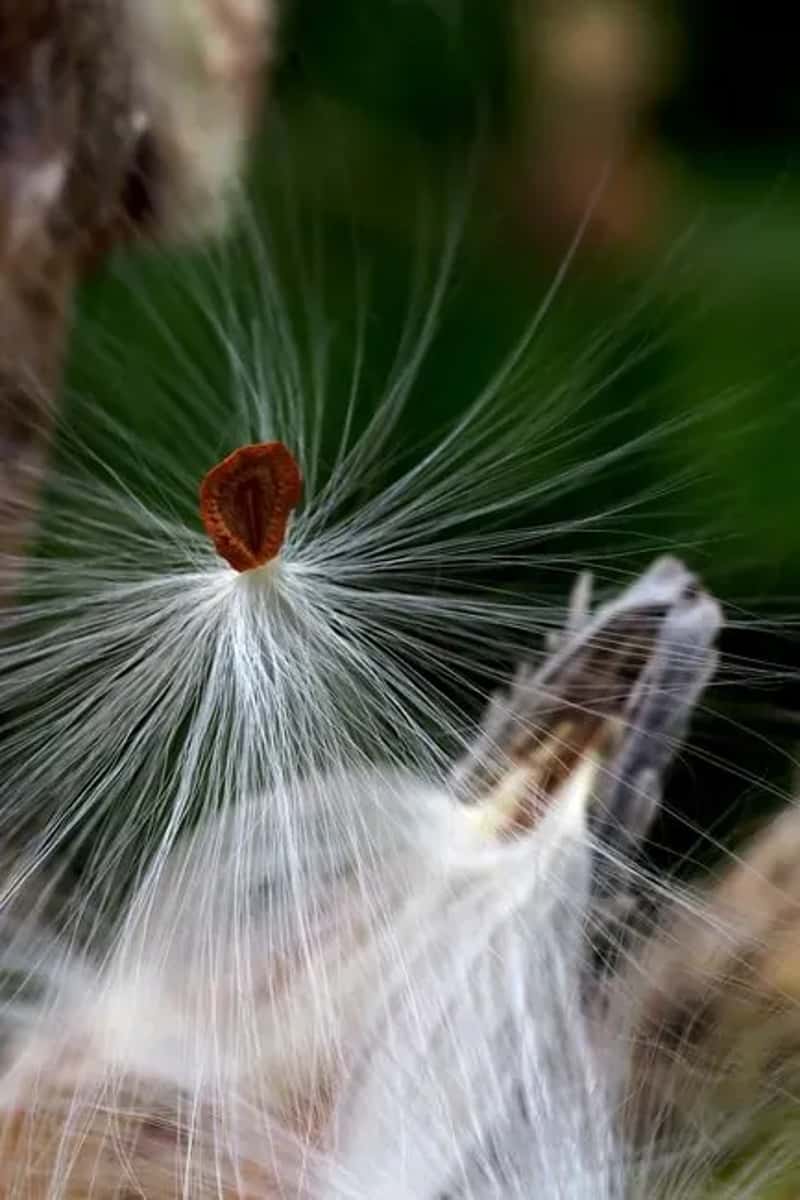
Most gardeners who plant milkweed are thinking about monarch butterflies – and that’s a great reason. But experienced goldfinch gardeners know milkweed pulls double duty in a way almost nothing else in the garden does. The seed-filled pods provide food directly, and the fluffy down that bursts from mature pods in late summer is among the finest nesting material any North American bird can find. Milkweed is simultaneously a goldfinch cafeteria and a hardware store.
Common milkweed produces some of the softest, most abundant nesting down of any plant in North America – and goldfinches will strip it clean by early September if you let it mature fully. Plant swamp milkweed near any wet corner of your yard and butterfly milkweed in dry, sunny spots – both will be discovered and exploited by goldfinches within a season. If you’re already growing it for monarchs, you’ve already got one of the most valuable goldfinch plants in your arsenal. Most people just don’t know it yet.
#3 – They Plant a Sequence of Bloom Times So Food Never Runs Out
Novice gardeners plant a beautiful garden and wonder why goldfinches only show up for three weeks in August. Experienced gardeners think in sequences. They plant early-season bloomers like zinnias, mid-season giants like sunflowers and coneflowers, and late-season workhorses like asters – specifically to create an unbroken chain of available seed from early summer all the way into December. Asters are especially valuable: they bloom late, seed abundantly, and keep finches visiting well into fall when almost everything else has shut down.
The cup plant (Silphium perfoliatum) is another secret weapon – a tall native species with yellow, sunflower-like blooms that produce seeds goldfinches love, and leaves that form small cups around the stem and collect rainwater for thirsty birds. The gardeners who host goldfinches every single season without fail are the ones who eliminated the gap months – the stretches when nothing is seeding and the birds have no reason to stay. Stack your bloom times strategically, and you’ve essentially built a goldfinch calendar that runs itself.
At a Glance: A Goldfinch Bloom Sequence
- June–July: Zinnias, black-eyed Susans – early seeds come online just as nesting begins.
- July–September: Sunflowers, coneflowers, native thistle – peak nesting and fledgling feeding period.
- September–October: Cup plant, goldenrod – post-breeding flocks hit these hard before migration.
- October–December: Asters, standing dried seed heads of all the above – the critical winter bridge.
#2 – They Place Feeders Near Shrubs So Goldfinches Have an Escape Route
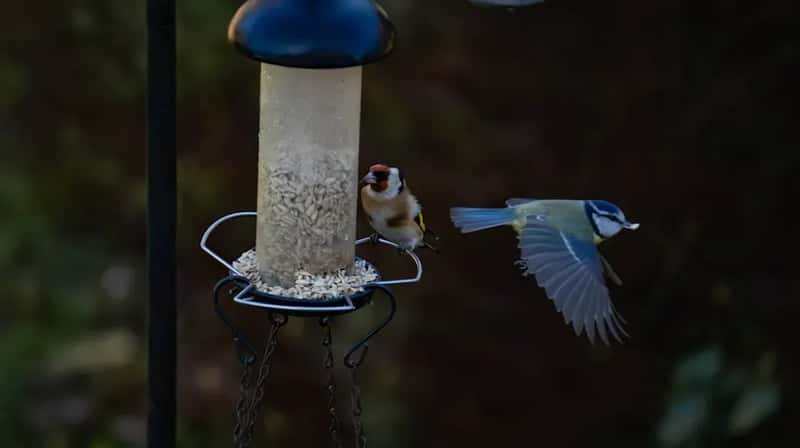
This is a detail most people overlook entirely, and it explains why some feeders see constant traffic while nearly identical feeders in the same yard sit ignored. Goldfinches are cautious birds – they won’t commit to a feeding spot that leaves them exposed. Placing feeders within ten to twenty feet of trees, shrubs, or dense hedging gives them a quick escape route if a hawk or cat appears, and that sense of security is often the deciding factor in whether they come back or move on.
A feeder positioned in open space, far from any cover, sends a silent message to goldfinches that the location isn’t safe – no matter how fresh the Nyjer is. Move a struggling feeder within fifteen feet of a shrub or small tree, and watch the traffic double within days. Dense hedgerows do triple duty here: they offer predator cover, serve as wind and weather shelter, and provide nesting sites during breeding season. It’s one of the simplest, most effective adjustments you can make – and it costs nothing if the shrubs are already there.
#1 – They Go Pesticide-Free in the Sections of the Garden Goldfinches Use Most
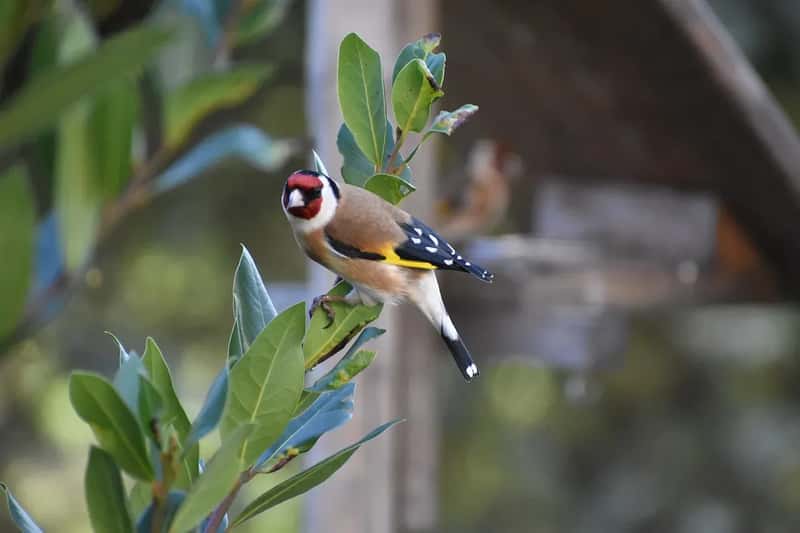
This is the single biggest separator between yards that reliably host goldfinches season after season and yards that don’t – and it’s the change most gardeners are slowest to make. Pesticides, herbicides, and lawn chemicals can harm birds directly through ingestion, or indirectly by wiping out the insect and plant populations that birds depend on. Seeds on chemically treated plants aren’t just less appealing – they can be actively dangerous to small birds eating directly from the stem. The entire food chain gets compromised.
One of the worst things you can do for backyard wildlife is maintain a chemically treated monoculture lawn right up to the edge of your garden. Experienced gardeners who host goldfinches year-round almost universally name going organic as the single most transformative change they ever made. Give goldfinches a chemical-free yard full of the right native plants, and they won’t just visit – they’ll treat it as home territory and return on their own schedule, season after season. The pesticide aisle is genuinely the biggest thing standing between a yard goldfinches pass through and a yard they live in.
The pattern running through all fifteen of these habits is the same: experienced gardeners stop fighting the garden and start working with it. They leave seed heads standing. They grow weeds on purpose. They keep feeders clean in February. They skip the pesticide aisle and let the wild patch do its thing. Goldfinches don’t ask for much – consistent food, reliable water, safe cover, and a yard that hasn’t been chemically scrubbed clean of everything they need. Get those things right across multiple seasons, and you stop being a place goldfinches stumble upon and start being a place they actively come back to, every single year. Which of these are you already doing – and which one hit differently than you expected?