You book the room, circle the dates, and picture a porch rocker with a mountain view. Then check-in brings the news: no air conditioning, a bathroom down the hall, and a hospital that can be an hour or more away. Those are the details behind this list, and every one comes from published lodge and park policies.
None of it is meant to scare you off. What’s surprising is how public these rules are and how rarely anyone reads them before the deposit clears. Start with the one that decides whether you get a room at all, because it isn’t what most people expect.
#15 – The Booking Window Opens Much Earlier Than Most People Realize
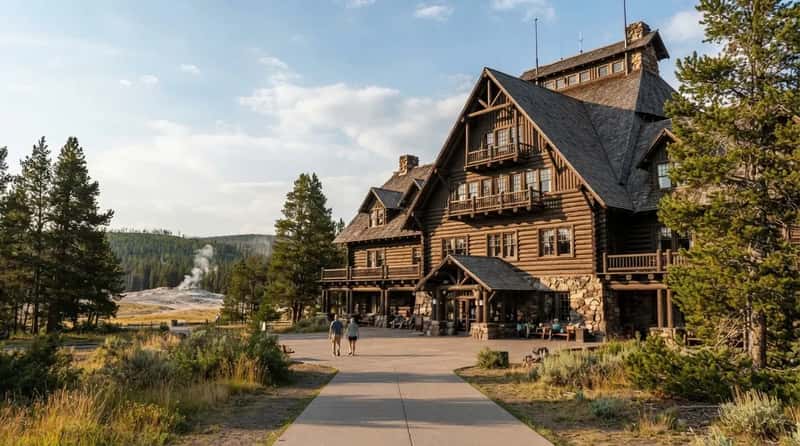
The room you want may already be gone by the time you start looking. Yellowstone’s lodging and campground window runs up to 13 months in advance. All nine Yellowstone lodges, with more than 2,000 rooms and cabins, work on that schedule, so a July trip gets booked more than a year before you’d pack a bag.
Summer rooms at Old Faithful and Roosevelt can sell out within days. Waiting for a “good time” to plan is the real mistake. For a trip you’ve dreamed about for years, a year out is not too early.
But the release date is only half the story, and the next detail catches even seasoned travelers off guard…
#14 – The Midnight Online Rush and the 7 a.m. Phone Line
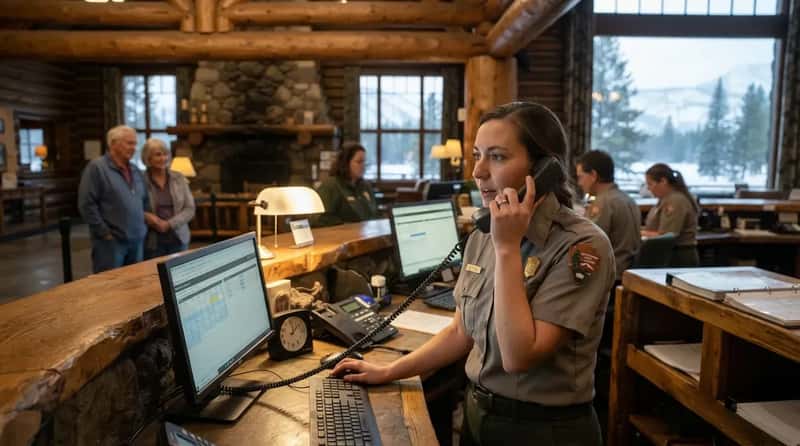
Online and phone bookings don’t open at the same time. Yellowstone online bookings open at midnight Mountain Time, and the phone line opens at 7 a.m. If you’d rather talk to a real person than click through a screen, that gap matters on the big day.
There’s also a quiet bonus for people who hate cutting a trip short. Guests whose stay arrives in the 13th month can extend by up to 4 more continuous nights into the 14th month, in the same lodge and room type. Stays running past that fourth night have to wait until that month opens. A longer trip can take some clever timing.
At a Glance
- Booking window: up to 13 months ahead
- Online opens: midnight Mountain Time
- Phone line opens: 7 a.m.
- Extension allowed: up to 4 more continuous nights, same lodge and room type
Booking a room is one thing. Getting into the park is another, and the surprise there runs in the opposite direction…
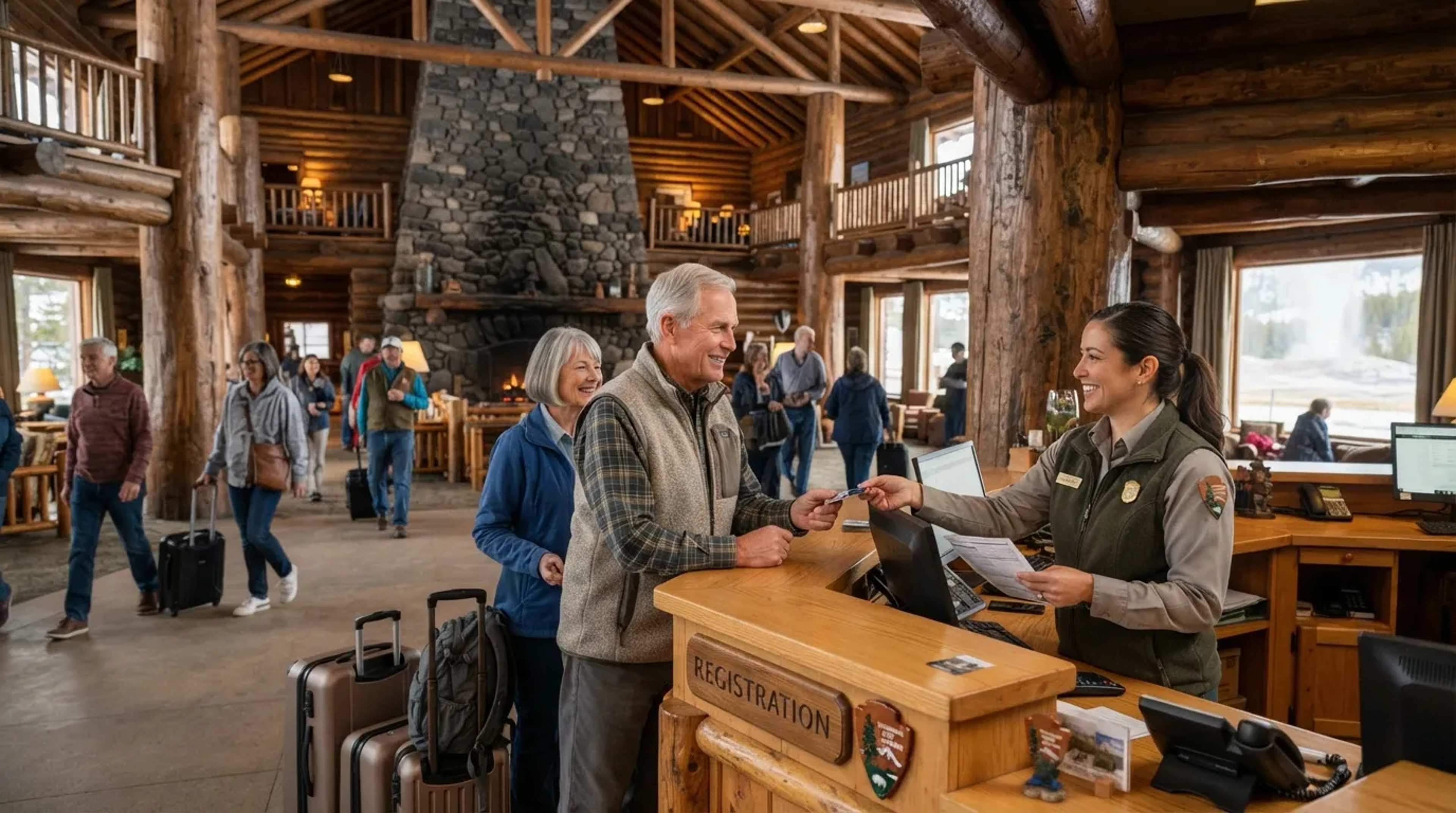
#13 – The $80 Pass That Can Outlast Every Trip You Take
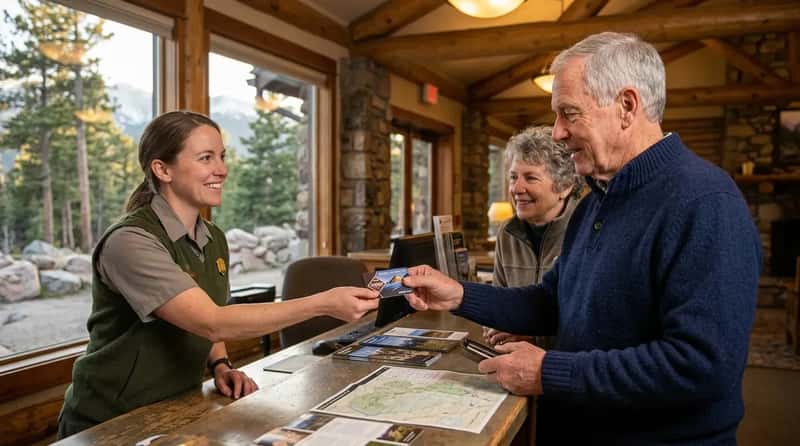
If you’re 62 or older, you may be paying for something you could get almost free. U.S. citizens and permanent residents 62 and older can buy an annual pass for $20 or a lifetime pass for $80. That’s the America the Beautiful Senior Pass.
It covers entrance fees and standard amenity fees at federal recreation sites, including national parks. It does not pay for your lodge room, which is a separate booking. It admits the pass holder plus passengers in one vehicle at per-vehicle fee sites. Your travel companions ride in on the same card.
And there’s a little-known trick for anyone holding the cheaper version…
#12 – Your Old $20 Passes Can Quietly Pay for the Lifetime One
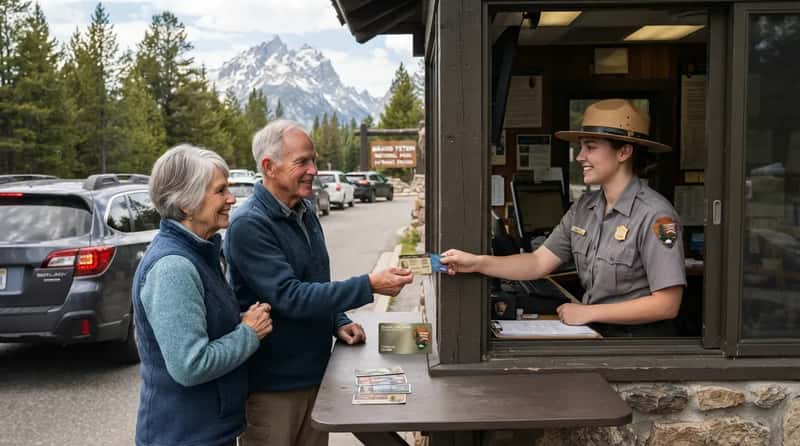
Here’s a loophole that sounds too good to be true. At a staffed fee station, you can trade in up to four previously purchased Senior Annual Passes to offset the $80 Lifetime Pass fee. Four years of $20 renewals can become a permanent pass at no extra cost.
There’s a catch. This only works at in-person, staffed entrance stations, not online. The National Park Service lists buying in person as the recommended route. If you plan to upgrade, tuck your old passes in your bag before you leave the house.
Now for the comfort surprise that has caused more grumbling than any fee ever has…
#11 – Air Conditioning Is Often Missing, Even in July
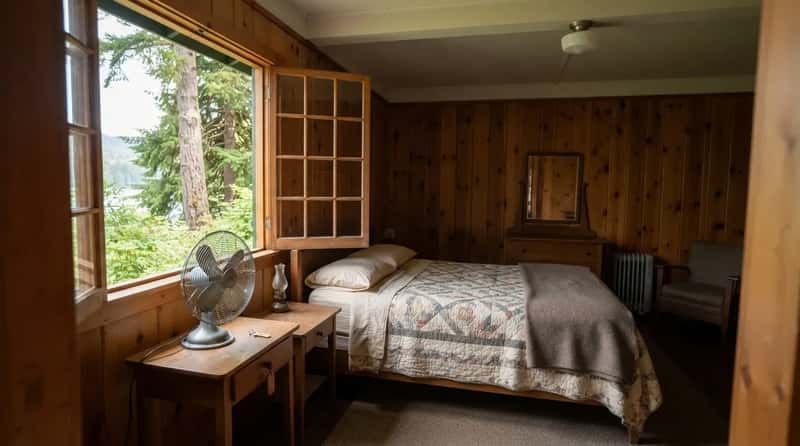
Some travelers see no air conditioning as a deal-breaker, and others call it part of the charm. Either way, many guests learn about it at check-in. At Yellowstone, televisions, radios, and air conditioning are not available in the rooms, and the same goes at other parks.
Glacier’s rooms and cabins have no air conditioning, but fans are in the room or at the front desk. Lake Quinault Lodge has none either, and the lodge says its mild climate keeps most months comfortable. At Wuksachi Lodge in Sequoia, elevation and location are the reason central air isn’t provided. A quick question about fans before you book can save a sticky night.
That’s the temperature. The next gap is about entertainment, and some people take it harder…
#10 – The Room With No TV and No Phone Is Often the Point
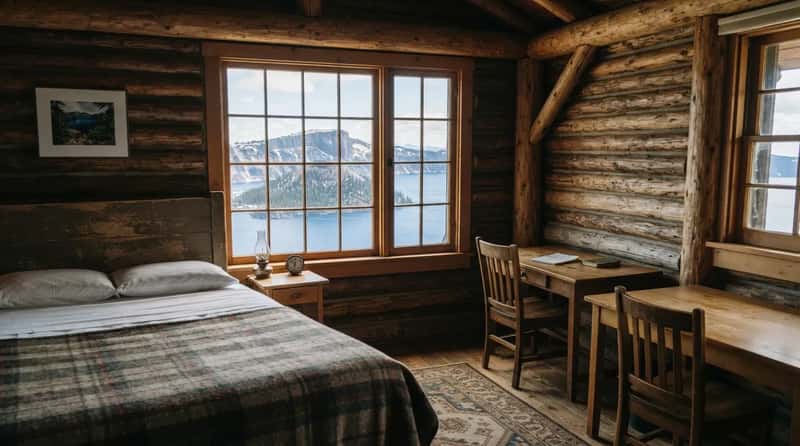
Plenty of lodge guests expect a room that looks like a standard hotel. Some lodges are firmly offline by design. Crater Lake describes comfortable, simple lodging with windows for fresh air, and no air conditioning, TVs, or room phones.
Connectivity can be thin too. Crater Lake says its Wi-Fi and cellular service are very limited. Cell service in many parks is patchy at best. Tell your family before you leave that you may go quiet for a day, so nobody panics when a text goes unanswered.
Quick Compare
- Yellowstone: no TVs, radios, or air conditioning in the rooms
- Glacier: no air conditioning, but fans are in the room or at the front desk
- Crater Lake: no air conditioning, TVs, or room phones, and very limited Wi-Fi
- Lake Quinault: no air conditioning, with a mild climate the lodge says keeps most months comfortable
Other room details can surprise you just as much, and one of them involves the bathroom…
#9 – “Shared Bathroom” Can Be Hiding in the Room Description
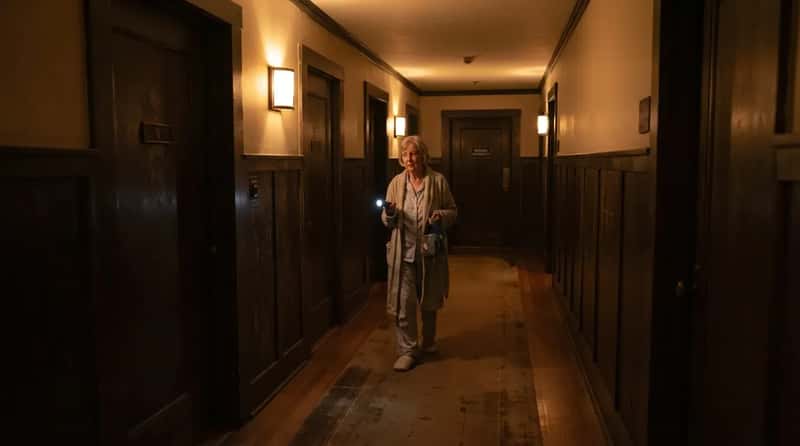
This one trips up travelers who book on price alone. Xanterra warns guests to read room descriptions carefully, because amenities vary from room to room. Some rooms use shared bathrooms, while others have private baths, telephones, and coffee makers.
The cheapest category at a historic lodge can be the one with a hallway to the bathroom. At 3 a.m., that hallway feels long. Check the room type, not only the lodge name.
If bathrooms and stairs matter to your trip, the next two items matter even more…
#8 – Accessible Rooms Are Limited, and a Request Isn’t a Promise
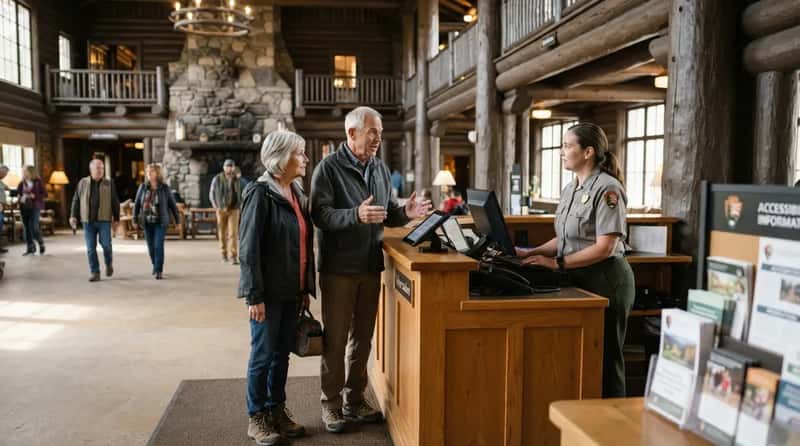
Accessible lodging fills like everything else. At Yellowstone, accessible accommodations are available on a limited basis, and you reserve them by calling the reservations office. Special room requests are not guaranteed. That’s worth knowing before you build a whole trip around one specific room.
Other lodges handle it differently. Glacier’s booking system has a “Show ADA Accessible Rooms” filter. Crater Lake asks you to note your needs when you reserve online. Don’t assume a back-up room will be waiting if the first plan falls through.
But an accessible room still isn’t the whole story, because the walk to it can be just as big an issue…
#7 – The Walk to Your Room Can Be the Hardest Part of the Day
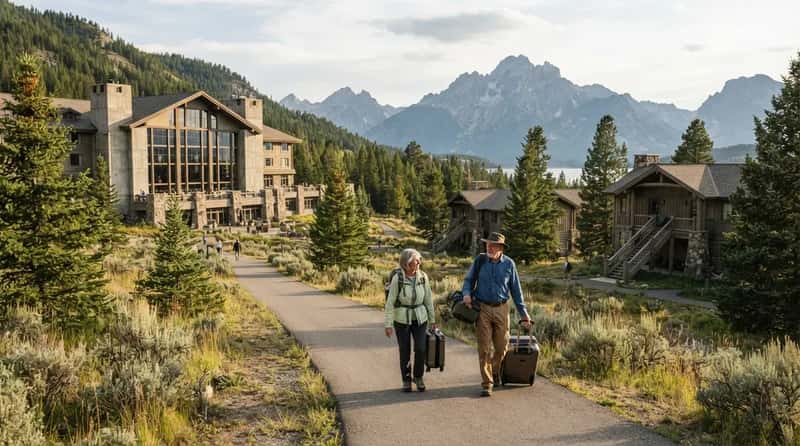
A lodge’s “main building” and your room may not be the same place. At Jackson Lake Lodge, the Moose Pond View rooms are about a five-minute walk from the main lodge. Five minutes feels different after a long day at altitude, with a bag in each hand.
Stairs can matter too. One booking guide says Zion Lodge’s hotel rooms and suites are reached by stairs only, with no elevators in the hotel buildings. Some lodges help. Wuksachi Lodge provides transportation from the main building to the guest room buildings for guests who need assistance, so it’s worth asking.
Worth Knowing
- Jackson Lake Lodge’s Moose Pond View rooms sit roughly a five-minute walk from the main lodge.
- One booking guide reports stairs only at Zion Lodge’s hotel buildings.
- Wuksachi Lodge offers a ride between the main building and guest rooms for guests who need help.
Now for the part of the booking where the money is actually at risk…
#6 – The Cancellation Clock Is Shorter Than You Think
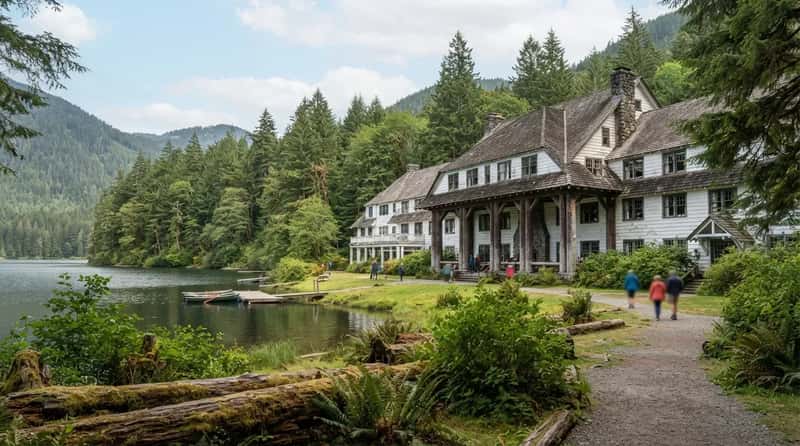
Plans change, especially when health and family get involved. Cancellation rules aren’t uniform from lodge to lodge. At Yellowstone, 30 days’ notice is required for a full deposit refund, and within 7 days of a summer arrival the full deposit is retained.
Smaller lodges can be just as strict. At Lake Quinault Lodge’s flexible rate, changes inside seven days of arrival forfeit the full deposit. Promotional rates can come with different policies again. Read the terms before you pay, not after the phone call.
Money is one risk. The next one is about your body, and it starts the moment you arrive…
#5 – The Altitude Hits Some Guests Before They Even Unpack
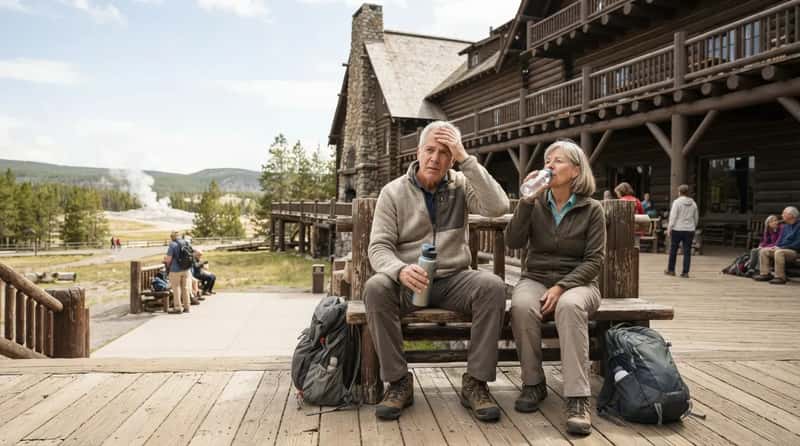
Many lodge stays sit far higher than people expect. Most of Yellowstone is above 6,000 feet, so visitors are advised to acclimate and stay hydrated. One safety guide notes that some trails climb above 10,000 feet, which is a sharp jump if you live near sea level.
Headache, tiredness, or queasiness from altitude usually fade in a day or two. The same guide says to tell your doctor about any heart or lung trouble before you come. That’s a short call worth making before you ever book the room.
So what happens if something does go wrong? The answer depends on the month you visit…
#4 – The Park Clinic You’re Counting On May Be Closed
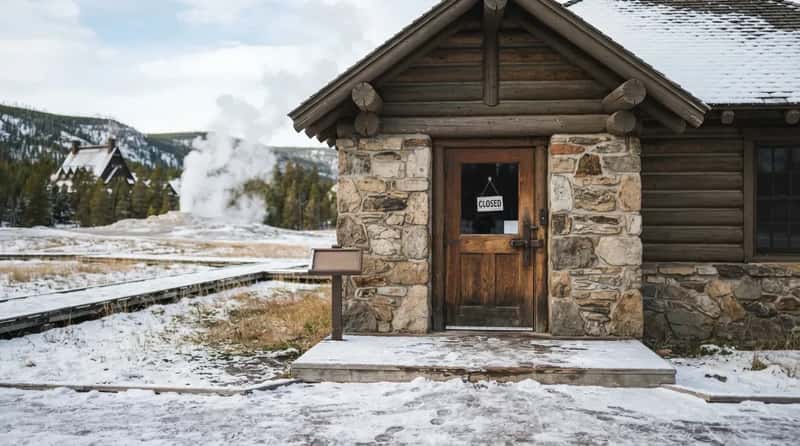
Most people assume a big park has a doctor down the hall. The reality is more complicated. Yellowstone has three urgent care clinics, at Mammoth Hot Springs, Lake Village, and Old Faithful, and only one stays open all year.
The Lake Village and Old Faithful clinics are seasonal. Mammoth’s clinic is open year-round, though hours shrink in the off-season. If you’re traveling in shoulder season, check the hours before you go instead of finding a locked door.
And the next detail is the one that sends people scrambling mid-trip…
#3 – There’s No Drugstore Inside the Park
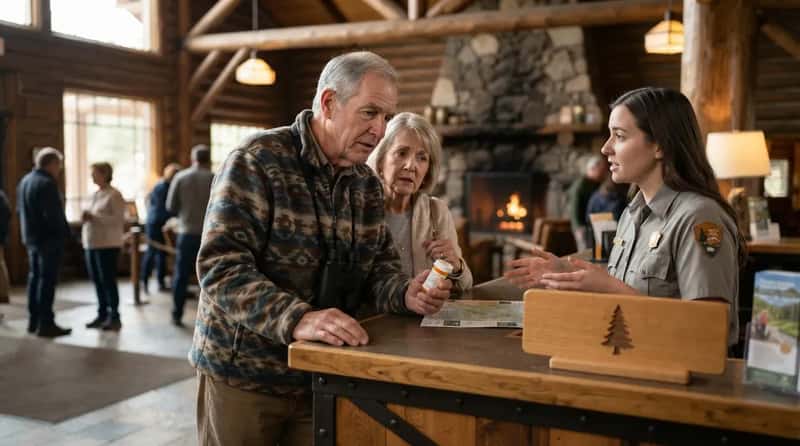
Running out of a prescription is harder to fix than it sounds. One 2026 safety guide says no drugstores exist inside Yellowstone, and full-service pharmacies are in West Yellowstone, Gardiner, and Cody. That could mean a long drive just for a refill.
The advice is simple. Bring enough prescription pills for your whole stay, plus a few extra days for delays. Keep a written list of every medicine, dose, and allergy, because clinic staff will ask for it.
Fast Facts
- No drugstores operate inside Yellowstone, per a 2026 safety guide.
- Full-service pharmacies are in West Yellowstone, Gardiner, and Cody.
- Pack the whole stay’s supply, plus a few spare days.
- Carry a written list of medicines, doses, and allergies.
If a problem is serious, the real question is how far away the next level of care is…
#2 – A Serious Emergency Means a Long Ride Out of the Park
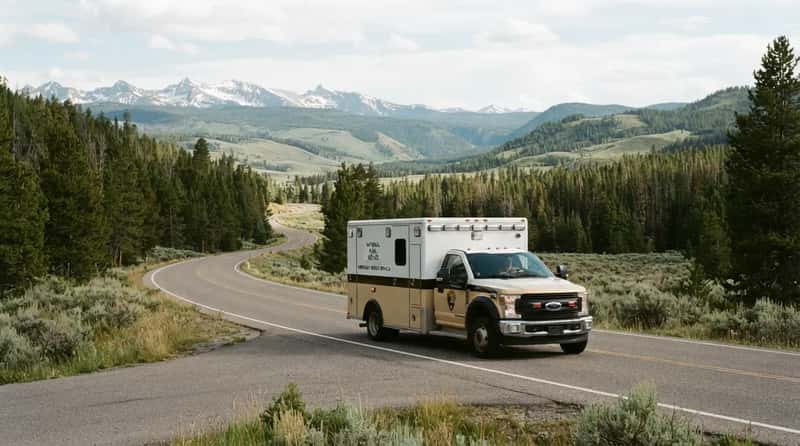
Park clinics are built for stabilizing, not surgery. Each Yellowstone clinic offers basic care and can stabilize major trauma before patients move to advanced facilities in eastern Idaho, Bozeman, or Jackson Hole. Park rangers and NPS staff provide emergency transport by ambulance.
One safety guide says anything needing surgery, intensive care, or a CT scan means a 50- to 90-minute ride to a hospital. Check with your own insurer about coverage while traveling. It’s a conversation to have before you go, not from a waiting room.
Health plans and activity plans both reward early planning. That brings us to the one that stings the most when it goes wrong…
#1 – The Room You Missed Might Actually Come Back
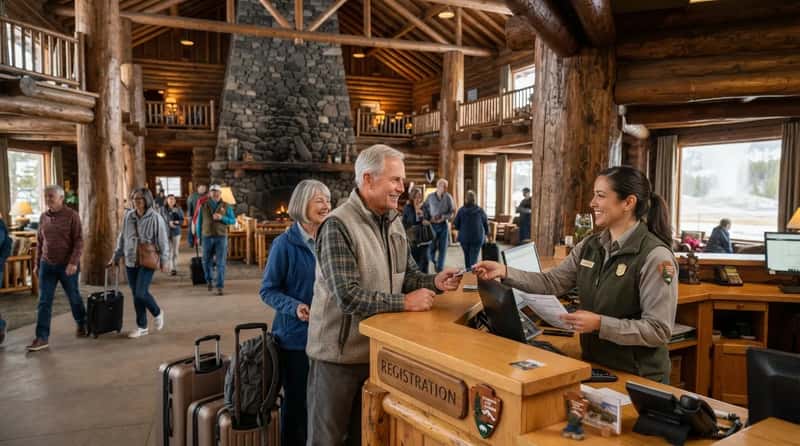
The hardest part of all this is hearing “sold out” and giving up. Cancellations happen. Yellowstone lodges fill a year ahead, but cancellations are common, so it pays to keep checking. Xanterra also suggests watching for them.
Glacier’s lodges say cancellations occur at random and suggest checking alternate dates instead of building plans around one. When the in-park lodges are full, gateway towns are a perfectly good fallback. Yellowstone is huge, so choose your lodge by what you want to see, not just because it sits inside the gates.
The most surprising part isn’t any single rule. It’s that nearly all of this is public, and most guests only find it after a deposit is paid. Rooms open 13 months ahead, air conditioning often doesn’t exist, accessible rooms are limited, and the nearest hospital can be an hour or more away.
The good news is that an $80 lifetime pass, one phone call to the lodge, and a calendar reminder can fix most of it. The best lodge trips tend to belong to the people who asked the boring questions first.