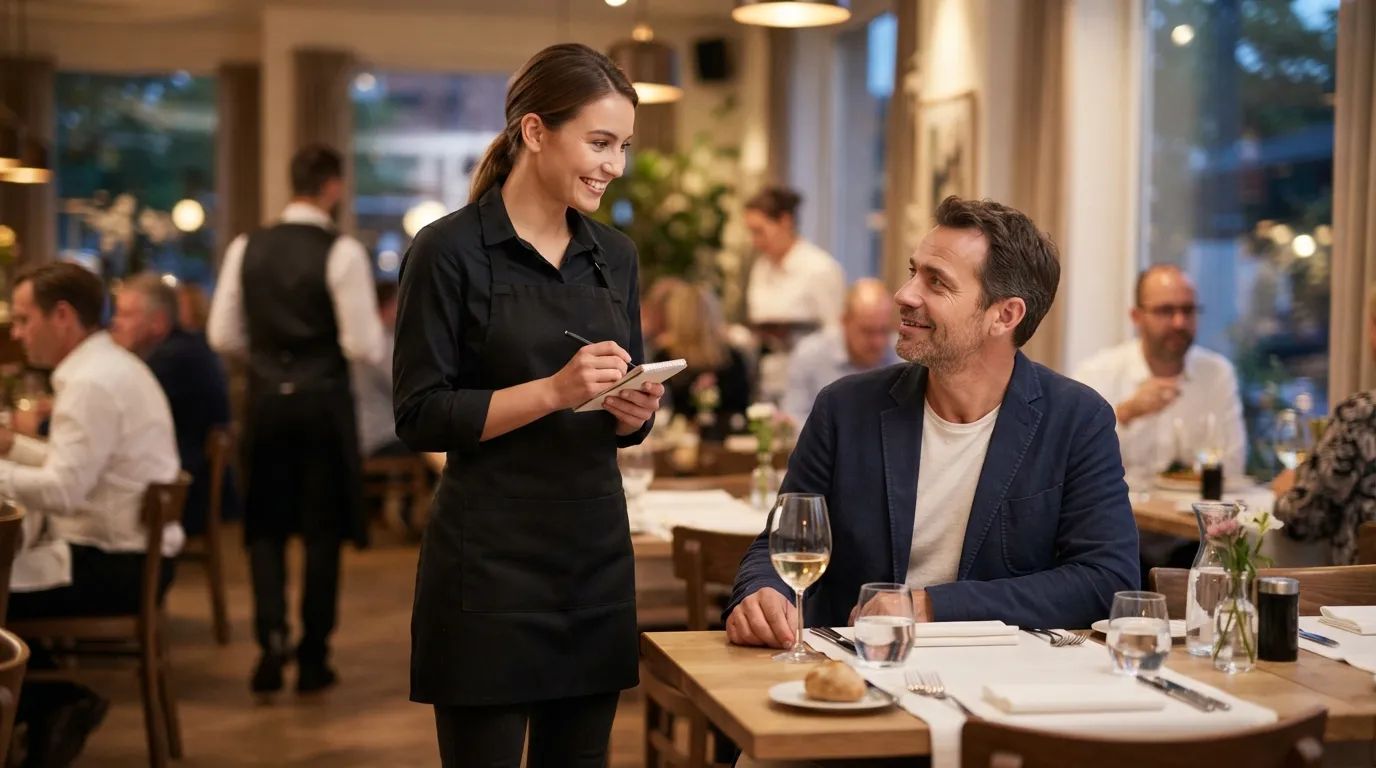
Ask most diners what makes a table “difficult” and they’ll picture someone sending back a steak and demanding the manager. Servers say that’s rarely the whole story. The label often gets earned in the first thirty seconds, long before any food arrives, and it has surprisingly little to do with money.
The habits that quietly sort tables into easy and demanding are smaller, stranger and far easier to fix than most people expect. A few of them have nothing to do with the guest at all. Count down from #15 and see how many you’ve watched happen, or lived through yourself.
#15 – The Silent Greeting That Sets the Tone for the Whole Night
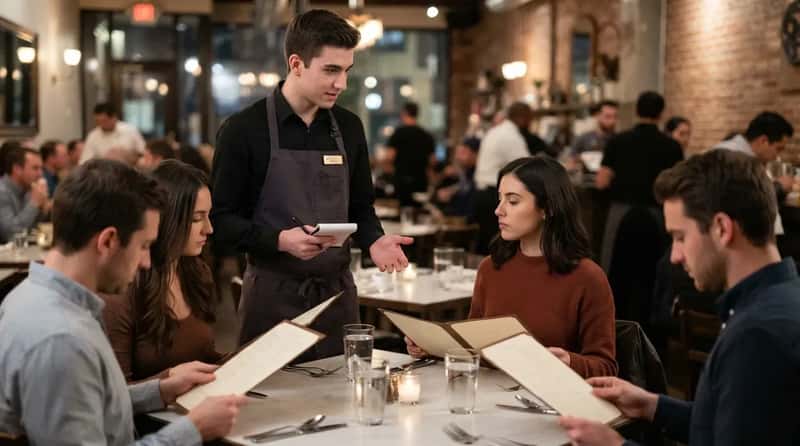
Servers say a table gets read before the first drink is poured. When a server walks up, introduces themselves and gets silence or a blank stare, the whole night starts off awkward. Being ignored mid-introduction feels dismissive, and it makes it harder to guide the table through the meal. That’s a lot of damage from a moment that lasts about five seconds.
The fix is almost embarrassingly small. A brief moment of eye contact and a response gives everyone a better start. One waiter in a widely shared list put it plainly: if you’re greeted with “hello,” say it back instead of grunting out your bread or cocktail demands. A single “hi” back is the cheapest way to move your table into the easy column. But the next habit is louder, and servers say it stings far more.
#14 – The Finger Snap That Servers Never Forget
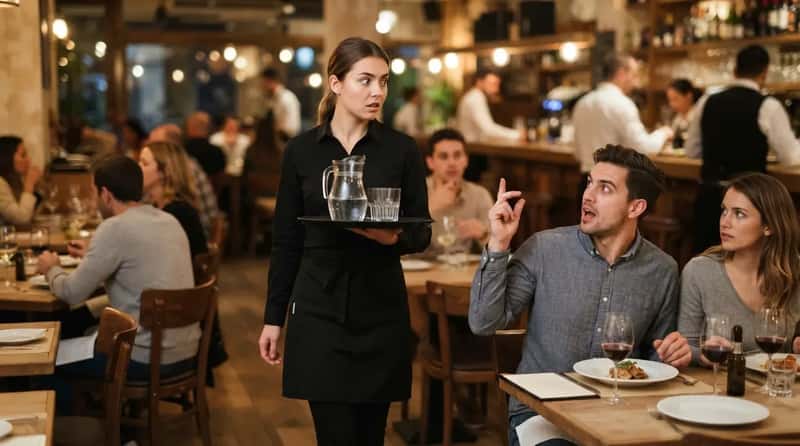
Nothing flips a table to “demanding” faster than a snap, a clap or a frantic wave across the room. Servers describe those gestures as demeaning. They’re constantly scanning their sections and juggling several needs at once, so an aggressive signal adds pressure and a little public embarrassment.
Some diners insist that if the server isn’t looking, anything goes. Plenty of servers disagree sharply. A calm raised hand, or simply waiting for eye contact, is usually enough. The gesture meant to speed things up is the one servers say makes them want to slow down. Is it rude, or just practical? Servers have clearly picked a side.
But that’s nothing compared to what servers say about guests who skip the menu entirely.
#13 – The Table That Asks Before It Reads
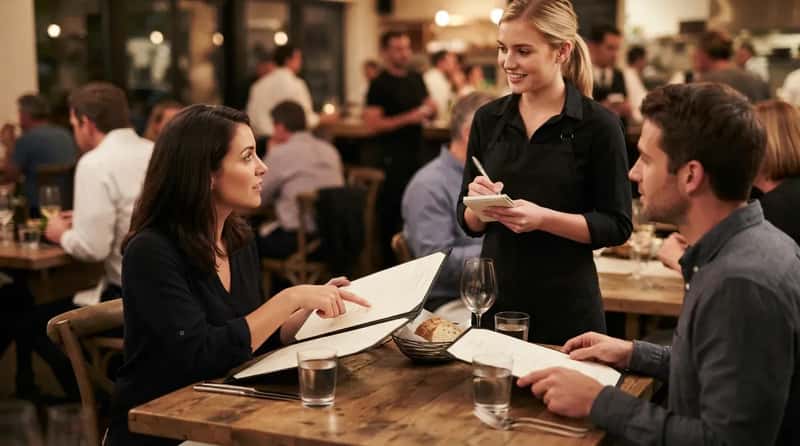
Servers say the easiest tables read first and ask second. Questions are welcome, but asking about details clearly printed on the menu slows service, especially when nobody at the table has opened it yet. On a busy shift, that one delay can stack up fast.
Indecision is the cousin of this habit. One roundup notes that a diner who takes too long to choose, or keeps changing the order, can slow service and ripple through the whole restaurant. One slow table can stall more than one server’s night. Menu anxiety is real, and a long list of options can feel overwhelming. Servers just say a little prep helps everyone.
Wait until you hear about the guest who never opens the menu at all.
#12 – The Gluten-Free Guest Who Never Opens the Menu
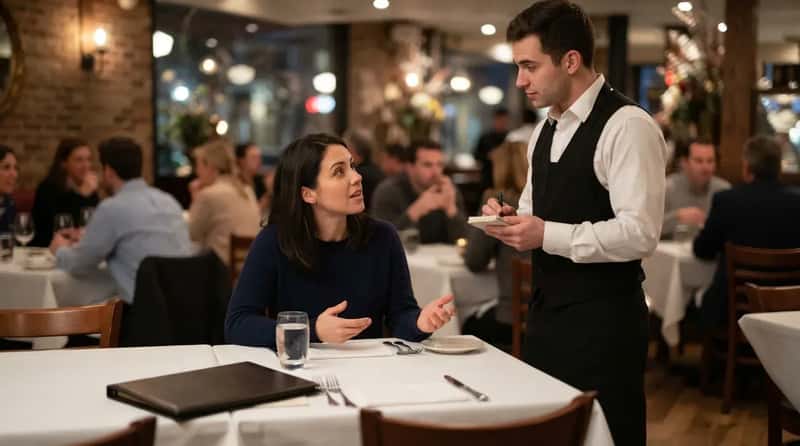
The strangest line between easy and demanding is an unopened menu. One waiter said he gets very annoyed when a gluten-free guest doesn’t bother to open the menu and expects him to tell them what they can eat. His complaint isn’t the restriction. It’s being handed the entire research job.
Servers want to hear about dietary needs. They just can’t guess what those needs are. One restaurant educator notes that restaurants rely on fast, clear communication, which helps them manage challenges like food allergies. The easy table speaks up early and specifically. Think “no shellfish, please,” not “surprise me, but make it safe.”
Worth Knowing
- Servers want dietary needs shared early, not discovered after the order is in.
- Specific beats vague: naming the ingredient to avoid gives the kitchen something to act on.
- A quick look at the menu first lets you ask sharper, smarter questions.
- Clear communication is how restaurants manage allergy challenges at speed.
Next up is a habit that has kitchens bracing.
#11 – The “Small Swap” That Turns Into a Rebuilt Dish
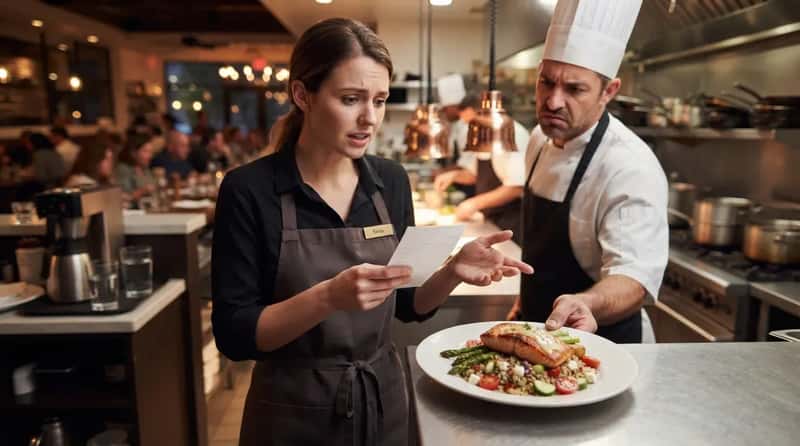
Servers aren’t against substitutions. Small swaps are common and manageable, but turning a dish into something entirely different complicates the kitchen’s workflow. The server ends up stuck in the middle, carrying the request one way and the bad news the other.
Plenty of conflicts start before anyone says a word. A menu description can leave something out, or a guest can expect a modification the kitchen simply can’t do. A single mismatched expectation can start a fight before the server even reaches the table. Another roundup suggests limiting modifications to one or two key requests.
But the next one has servers walking away from tables entirely.
#10 – The Phone Call That Turns Ordering Into a Guessing Game

You’re on the phone, the server is hovering, and nobody knows what happens next. In a roundup of server complaints, one Reddit user said they hate having to decipher gestures about whether you’re ready to order, and that interrupting an important call feels awful. It’s an anecdote, but it’s one servers repeat constantly.
Another Reddit server described their routine. They leave napkins, wait a moment, and if the call continues, they walk away. Another said a phone left on the table makes them nervous, since they might spill something on it. Servers can end up avoiding the very table that most needs service. Some diners say a work call is nobody’s business. Servers say the ordering clock keeps running either way. And the next habit is the one they say they can’t control at all.
#9 – Yelling at the One Person Who Can’t Fix It
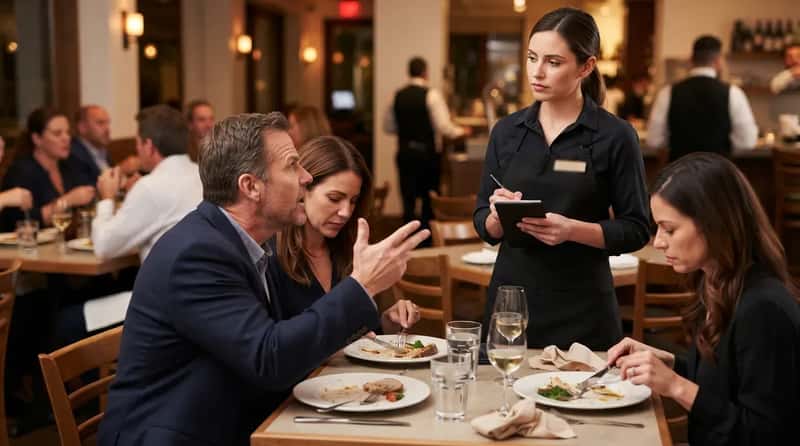
The fastest route to a “difficult” label is aiming your anger at the wrong person. Servers often have no control over pricing, ingredient shortages or cooking times. Still, they’re the face of every kitchen delay and every menu surprise.
One restaurant educator describes the familiar scene: the server tries to stay professional while the guest sends food back or asks for the manager. He argues the cause isn’t always the guest. If the same issue keeps coming up, it could be a menu, reservation or pricing problem, or a manager making promises the restaurant can’t keep. So the “difficult table” may sometimes be a difficult system.
Next, the seating habit that makes hosts everywhere sigh.
#8 – The Table Shopper Who Rejects Three Perfectly Good Seats
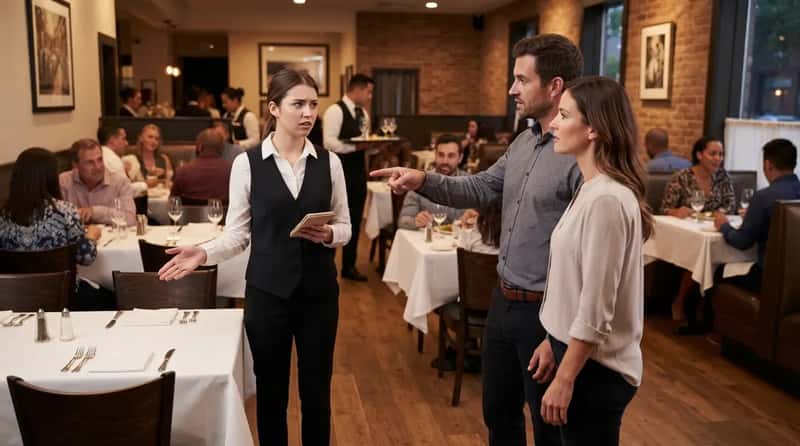
You’ve been led to a table, and then you point across the room. Servers and hosts say this is a classic. One Reddit server asked guests not to point all the way across the restaurant, turn down a couple of tables, and keep going until one suits them. To staff, it feels like a negotiation they never signed up for.
Reasonable requests are a different story. A booth for a bad back or a quieter spot is simple to ask for politely. One educator notes that a guest who needs a quiet table is entitled to ask, but doesn’t get to threaten the host. The ask is never the problem. The tone and the table-hopping are.
Quick Compare
- A fair request: a booth for a bad back or a quieter corner, asked politely up front.
- Table shopping: pointing across the room and rejecting seats until one finally suits.
- The difference: one is a question, the other feels like a negotiation staff never agreed to.
The next habit is the one servers say hits their wallets hardest.
#7 – The Table That Settles In for Another Hour After Paying
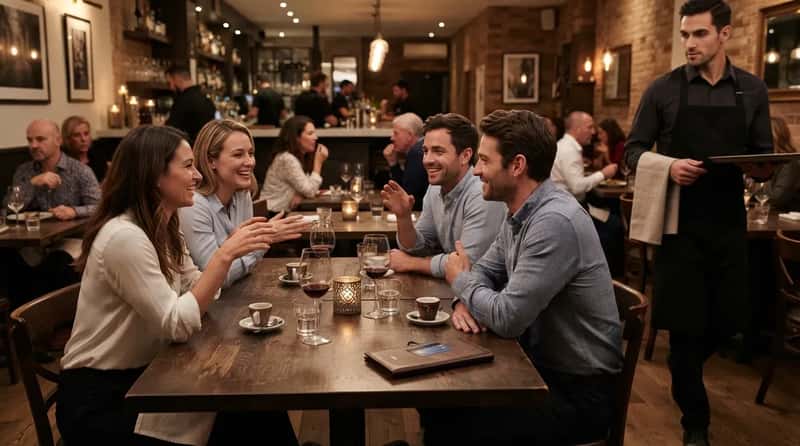
The check is paid, the plates are gone, and the conversation is just getting started. One waiter in a widely shared list said that a table staying in his section another 30 minutes to an hour means he can’t reseat it and makes less money. To a guest, it’s a relaxed evening. To the server, it’s an empty seat nobody can use.
This one splits readers right down the middle. Some say you paid for the meal, so the table is yours. Servers say a meal isn’t a rental. For tipped staff, a table that sits too long can quietly shrink the night’s earnings. Tips are a big part of a server’s paycheck, and every turned table is another chance to earn them.
But that’s tame compared to the next expectation, which servers say catches them off guard.
#6 – The “It’s My Birthday, So Where’s My Free Dessert?” Table
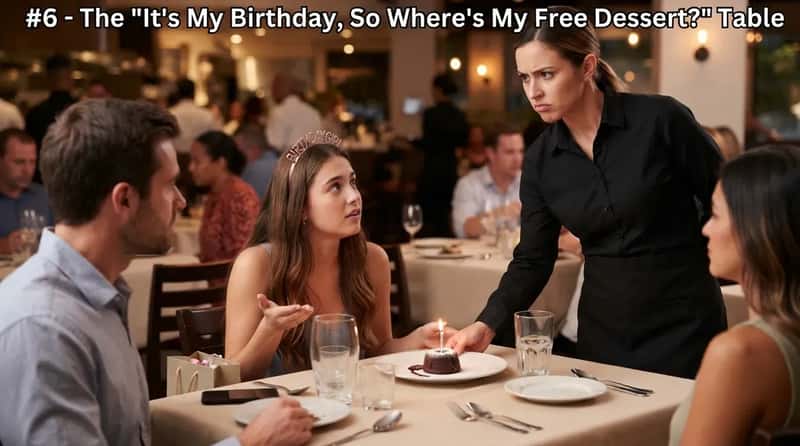
Birthdays are a big deal at the table and a smaller one behind the scenes. One waiter said bluntly that most restaurants don’t care that it’s your birthday. He also asked guests to stop expecting something free and to stop requesting the birthday song. Plenty of diners would call that harsh.
The nuance matters, though. Some restaurants do offer a treat, but that’s the restaurant’s call. Servers usually don’t set the policy, and as noted earlier, they often have no control over pricing or similar decisions. The difference between a pleasant surprise and an expected freebie is whether the table treats it as a favor or a right. Now for the screen on the payment terminal that has everyone arguing.
#5 – The Tip Screen Standoff Servers Feel the Aftermath Of

Tip screens have become a flashpoint. Many restaurants have adjusted point-of-sale screens to suggest higher minimums, often starting at 18 or even 20 percent. A Popmenu survey of 1,000 U.S. adults found 36 percent of diners now choose a custom tip instead of a suggested amount.
Servers sit right at the end of this argument. One survey found 59 percent of consumers still feel compelled to leave a tip when a screen asks, down from 66 percent earlier. Servers say the mood at the table has shifted, even when the final number hasn’t moved much. The screen may be quick, but the awkward pause before the tap is something everyone in the room can feel.
And what servers say about the guests they know by name may surprise you.
#4 – The Regular Who Makes the Whole Shift Easier
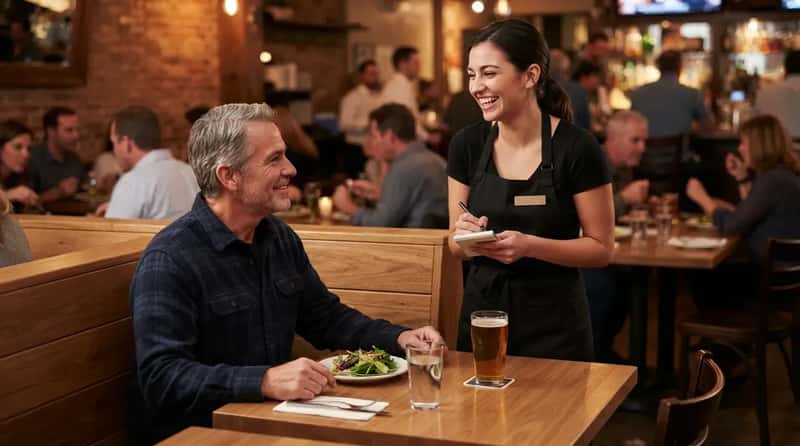
Servers say the easiest table is often one they already know. The numbers hint at why. In a Toast survey of 1,500 U.S. adults who dine out or order in at least twice a month, 77 percent said they tip more at restaurants where they’re regulars. Familiarity clearly goes both ways.
A regular skips the guessing game. The server already knows the usual order, the quirks and the pace. Being known may be the real tip. The survey doesn’t prove why regulars tip more, but servers say the rhythm of a familiar table is simply easier to work. Newcomers can borrow that energy: be specific, be friendly, and come back.
The next one is where servers say we’ve all been guilty of misreading a guest.
#3 – The “Rude” Guest Who Isn’t Rude at All
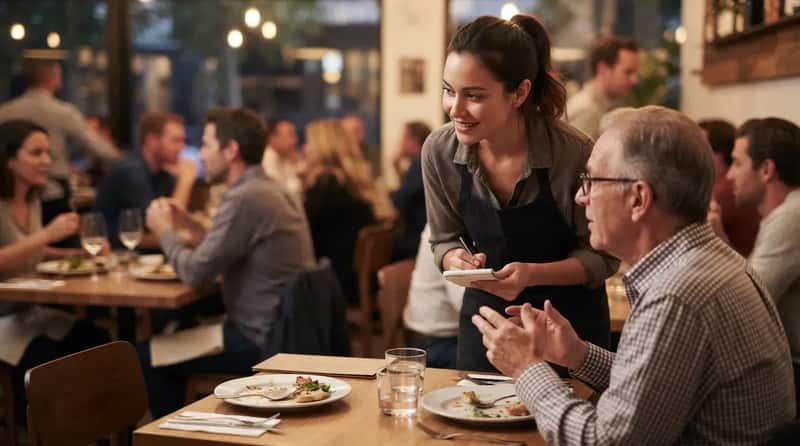
Here’s a twist most people never consider. Servers sometimes label a table difficult when something invisible is going on. One restaurant educator lists disability, a hearing issue, a lighting problem, anxiety, a language barrier, bad traffic or just a long day as possible causes. A guest asking you to repeat the specials may not be demanding at all.
The boundaries still hold. Accommodating a guest’s unfamiliar behaviors doesn’t mean surrendering dignity when someone crosses the line. Patience and respect are meant to flow both ways. That’s why the best servers say they read the situation before they judge the table.
But the next truth is one even many managers admit they overlook.
#2 – The Table That Was Made Difficult Before the Server Arrived
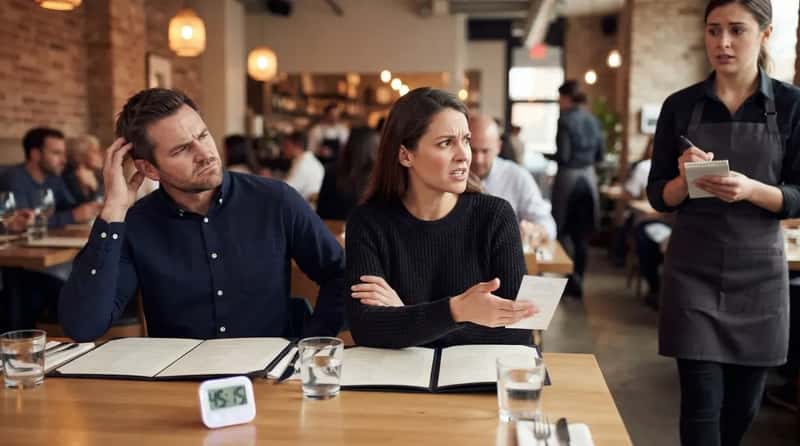
Some of the toughest tables were already unhappy when they sat down. A restaurant operator argues that many guest conflicts begin before the server even greets the table. He lists the usual culprits: a menu description that leaves something out, a quoted wait that stretches longer, or a service charge that surprises a guest.
That’s why he wants his team to say more than “Table 9 is difficult.” He wants them to tell him what is actually wrong. A “demanding” table may simply be one the restaurant already let down. Servers often quietly agree, because they’re the ones who inherit the mood.
And the last item is the one nearly every server mentions in the end.
#1 – The Table That Sees the Person, Not the Uniform
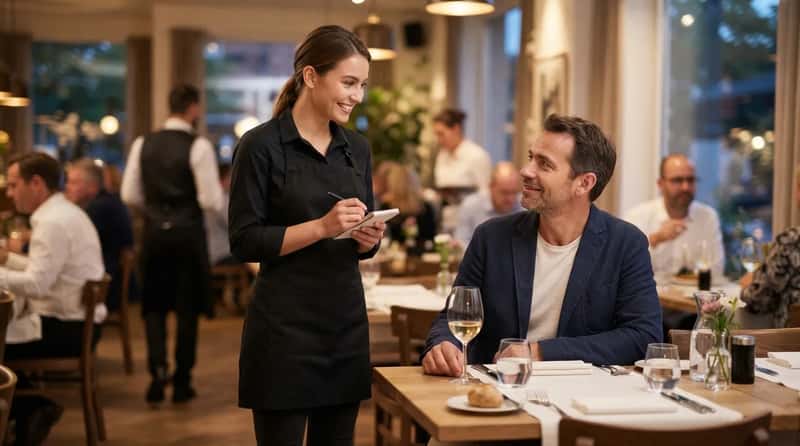
Strip away the rules, and servers say it comes down to one thing. One waiter said that when people are rude to him, it makes it very hard to want to give them good service. It’s a human reaction, and it’s the thread running through almost every item on this list.
A kind tone costs nothing. Roundups of server complaints note that courtesy keeps the interaction professional and respectful. The restaurant educator is even more direct: a guest’s spending might influence a goodwill gesture after a mistake, but it never excuses abusing staff. The easiest table isn’t the quietest, the richest or the fastest. It’s the one that remembers the server is a person.
At a Glance
- Easy tables: return the greeting, open the menu and mention dietary needs early.
- Easy tables: make one or two clear requests and aim frustration at the manager, not the server.
- Demanding tables: snap fingers, rebuild dishes and treat a freebie as a right.
- The wild card: some “difficult” guests have needs nobody could see.
The gap between an easy table and a demanding one is rarely big drama. It’s the unreturned greeting, the snapped fingers, the unread menu and the anger aimed at the wrong person. Some “difficult” guests simply have needs nobody could see, and some tables were frustrated before they sat down.
Maybe that’s the quiet lesson servers keep trying to pass along. A dinner out is a few hours of two strangers depending on each other. What’s the one thing a server did that made your table feel easy? Drop it in the comments.