Most first-time cruisers treat the main dining room like a fixed menu with fixed rules: sit where you’re told, order one appetizer, one entrée, one dessert, say thank you, and leave. Meanwhile, passengers on their tenth or twentieth sailing are quietly running an entirely different playbook, one their waiters only reveal when someone finally asks the right question.
None of it requires loyalty tier status, a bigger tip, or some secret handshake with the cruise line’s head office. It just takes knowing what to ask, and when to ask it. Here’s what actually happens at the tables where the waiter has decided you’re worth the extra effort.
#16 – The Extra Entrée Charge Nobody Warns You About
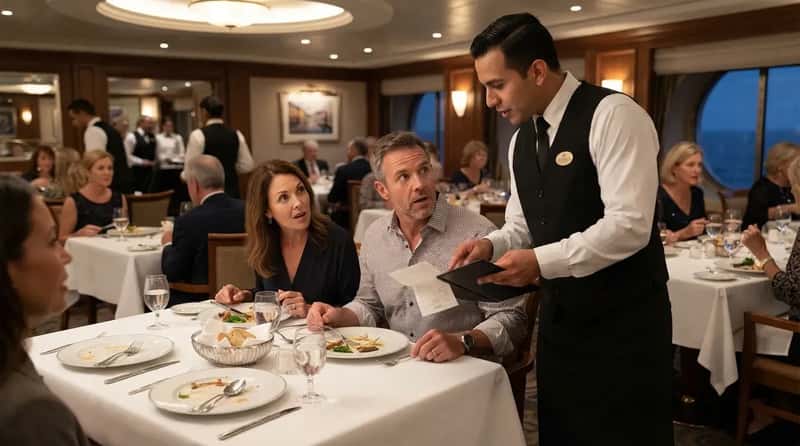
For decades, ordering three entrées in the main dining room cost exactly the same as ordering one: nothing. That’s changed on a handful of major lines, and most first-timers only find out after the bill hits their room account.
As of 2026, Carnival, MSC, and Norwegian are the only three major lines charging for extra mains, with a third entrée on Carnival running $5, and MSC and Norwegian including one main dish before charging $5 for a second. Waiters know this the moment you sit down, but bringing up a fee on night one isn’t exactly a warm welcome, so most stay quiet unless you ask first.
Quick Compare
- Carnival: third entrée costs $5
- MSC: first main free, $5 for a second
- Norwegian: first main free, $5 for a second
- Most other major lines: extra entrées still free
#15 – The “Unlimited Appetizers” Workaround Experienced Cruisers Swear By
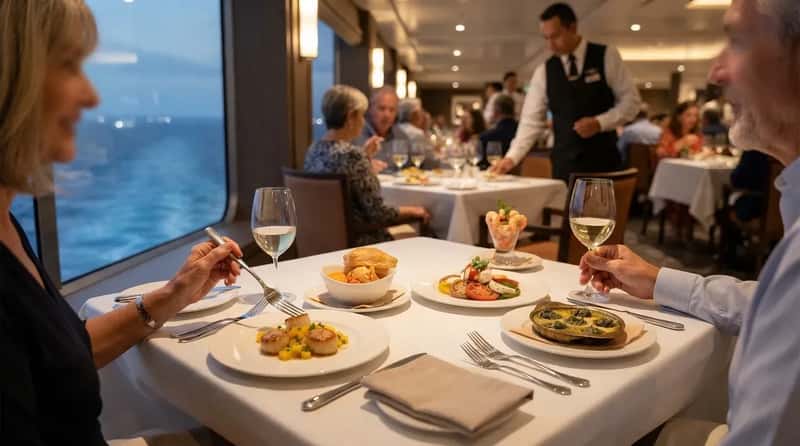
If entrées now come with a catch, the fix is hiding in plain sight on the same menu, and your waiter will happily play along once you know to ask for it.
Appetizers and desserts remain unlimited and free across every major cruise line as of 2026, which is exactly why seasoned cruisers order two or three starters instead of a second main. Portions are intentionally small, so stacking appetizers feels less like overindulging and more like building your own tasting menu, one course at a time.
#14 – The Steakhouse Cut Hiding On The Regular Dinner Menu
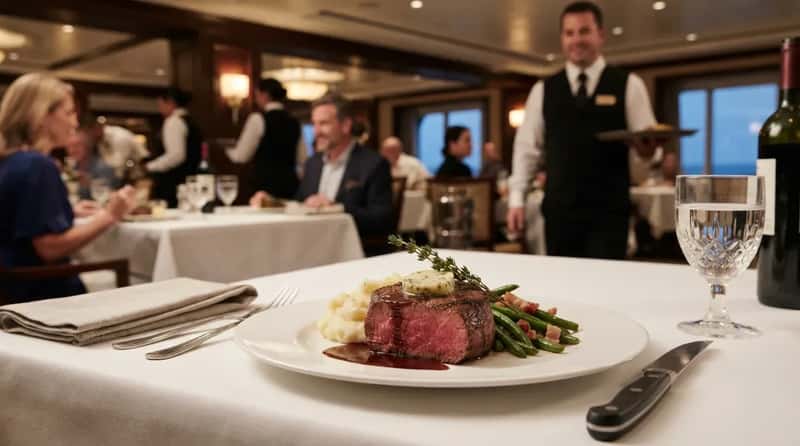
Specialty steakhouses charge a premium for a reason, but that reason gets a lot shakier once you learn what’s actually sitting one deck away, free of charge.
A filet mignon that runs $50 or more at the specialty venue sometimes shows up on the regular dinner menu too, quietly listed without any fanfare. It isn’t a real secret menu so much as a favor, and diners who’ve built a little rapport with their server are far more likely to hear “want to try the steak instead?” than guests who never say more than their order.
#13 – Ask And They’ll Resize Any Dish You Want
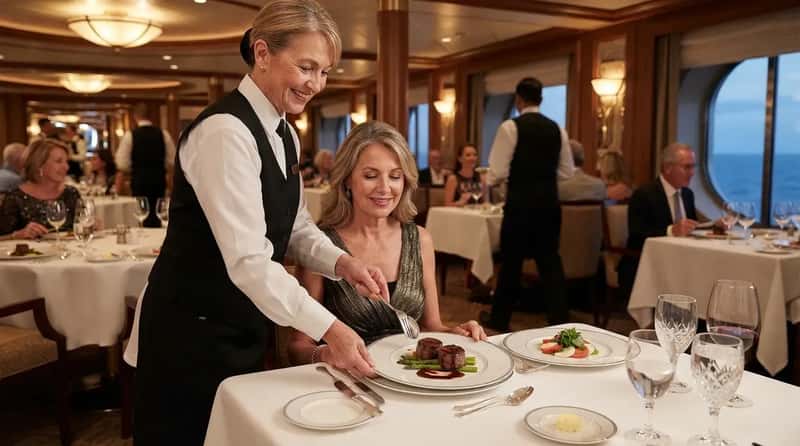
The menu isn’t nearly as fixed as it looks on paper. Portion sizes are far more flexible than most passengers ever think to test.
You can ask for a main course to arrive appetizer-sized, or have an appetizer built up into a full entrée. It sounds bold the first time you try it, but experienced cruisers do it constantly, quietly turning one printed menu into a much bigger one.
#12 – Kids Can Order Off The Adult Menu, And Vice Versa
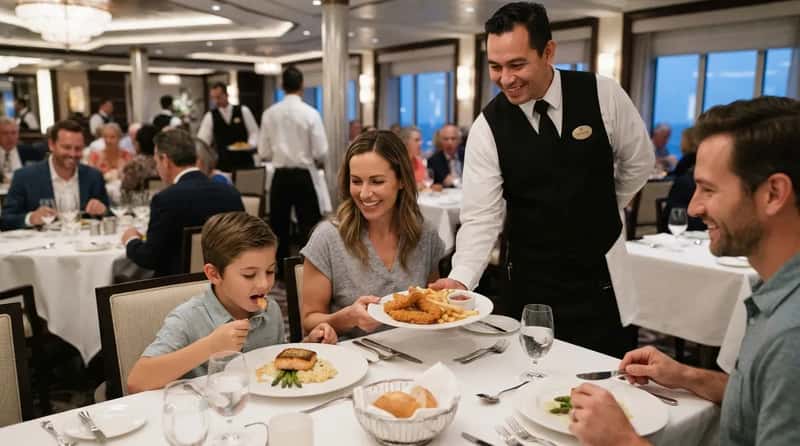
This one catches even repeat cruisers off guard, and waiters rarely mention it unless a table looks visibly torn between two menus.
Kids can order off the adult menu, and adults can order straight off the kids menu with zero pushback. It sounds like a throwaway detail until you’re traveling with a picky eater, or you’re the adult craving a plain plate of chicken tenders after a long, sunburned day in port.
#11 – Reservations Exist Even Inside “Flexible” Dining
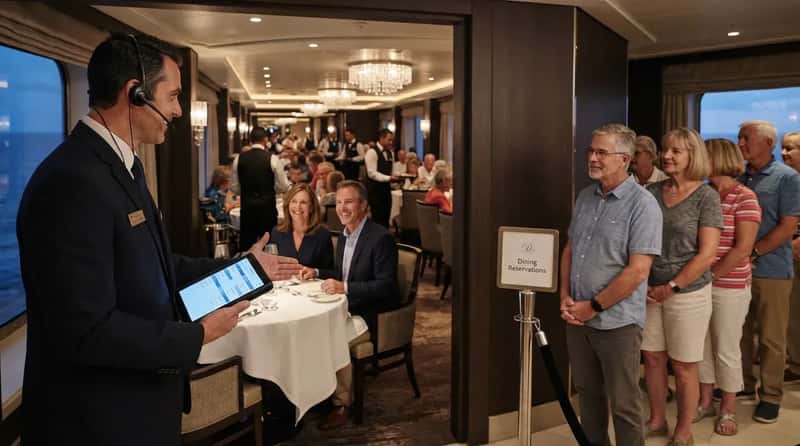
Most passengers assume flexible dining means showing up whenever and hoping for a table, but that’s only half the story most people ever hear.
Open or flexible dining lets you eat on your own schedule, but skip a reservation and you’re gambling on a wait alongside everyone else. Repeat cruisers book a flexible-dining slot the same way traditional diners lock in a set time, quietly skipping the line most passengers assume is just part of the deal.
#10 – The Dessert-To-Go Trick For A Balcony Nightcap
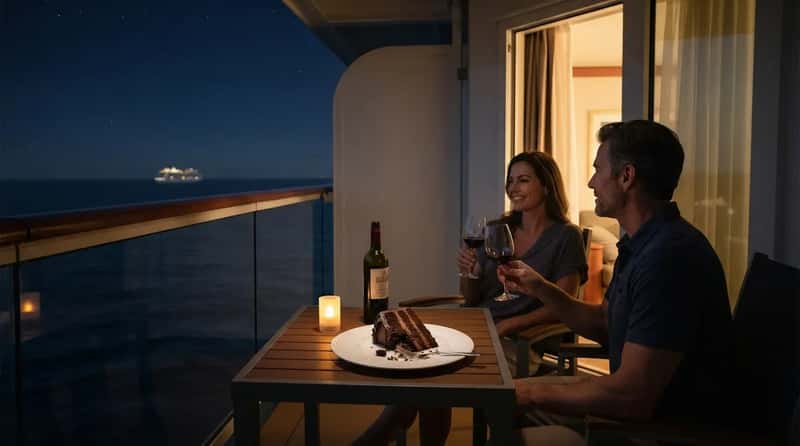
By the time dessert arrives after a multi-course dinner, most guests are already too full to enjoy it properly, and that’s exactly the moment a good waiter steps in.
Some servers will offer to box dessert up instead of serving it right then, and it’s the best suggestion nobody asks for. That same slice of chocolate cake becomes a quiet, private moment on the stateroom balcony later that night, paired with wine most lines let you bring aboard yourself.
#9 – Time Dinner Around The Show To Skip The Crowd
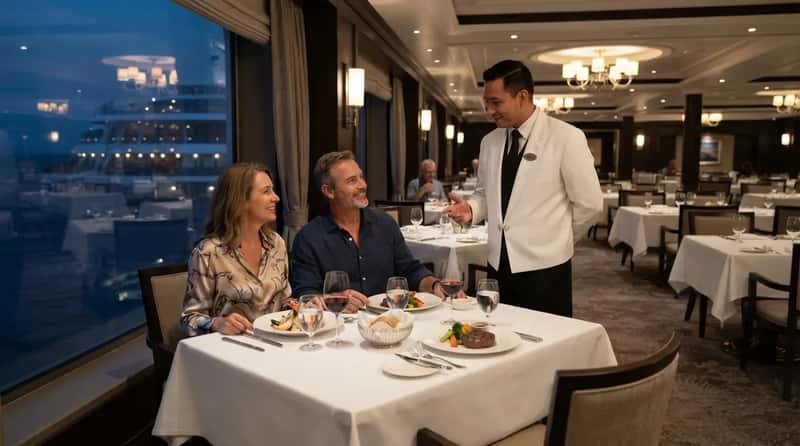
Repeat cruisers almost never eat dinner at the “obvious” time, and there’s a simple, unglamorous reason why it works so well.
By catching the earlier evening show and heading to dinner afterward, they dodge the crush of passengers who all try to eat and see entertainment in the same tight two-hour window. What’s left is a calmer dining room, shorter waits between courses, and a waiter who actually has time to chat instead of sprinting.
#8 – Night One Is The Secret Window For Specialty Dining
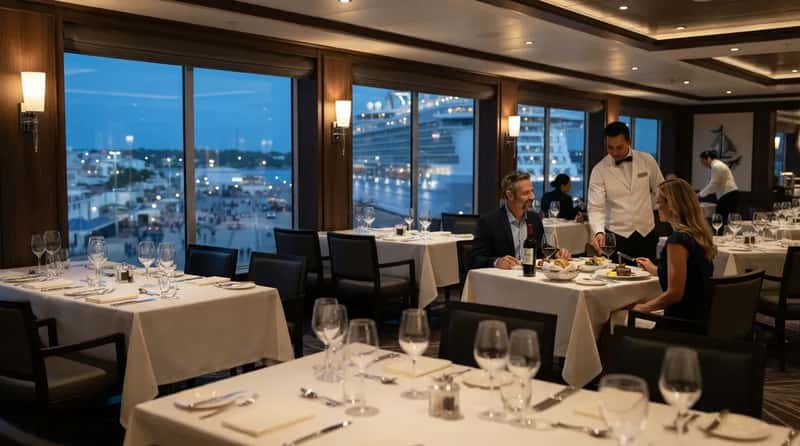
Almost nobody books a specialty restaurant on embarkation night, which is exactly why the smartest cruisers head straight there instead of the buffet.
On most nights, top specialty restaurants fill up fast and reservations are tight, but night one is different because most passengers default to the main dining room or the buffet out of habit. Some lines even discount specialty dining to fill those empty tables, and Carnival typically throws in a complimentary or reduced-price bottle of wine at its steakhouse that first evening.
Fast Facts
- Embarkation night specialty restaurants often have the shortest wait of the whole cruise
- Some lines discount specialty dining on night one to fill empty tables
- Carnival often adds a complimentary or discounted wine bottle at its steakhouse that night
#7 – The Embarkation-Day Meeting Most Guests Never Request
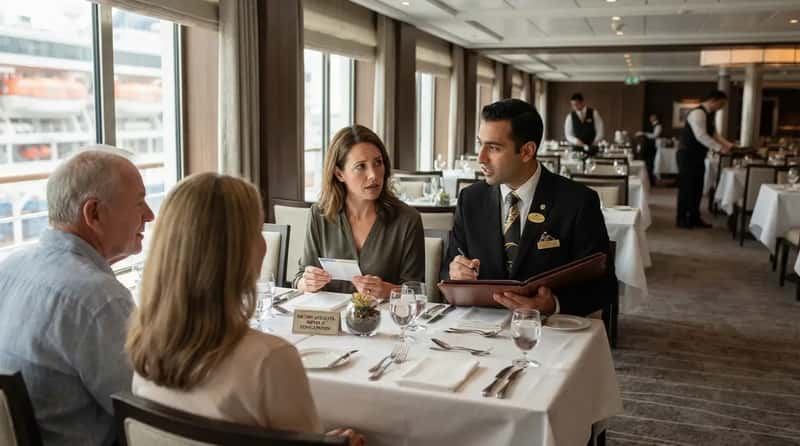
There’s a specific, useful meeting available to every single passenger on day one, and almost nobody knows to ask for it.
The move is contacting the cruise line before sailing to request a sit-down with the maître d’ on embarkation day, especially for anyone with a severe allergy. That short conversation lets the head waiter coordinate with the kitchen ahead of time, sometimes even prepping meals in a separate area with dedicated equipment, and it’s open to every passenger, not just suite guests.
#6 – Face-To-Face Beats The Database For Allergies
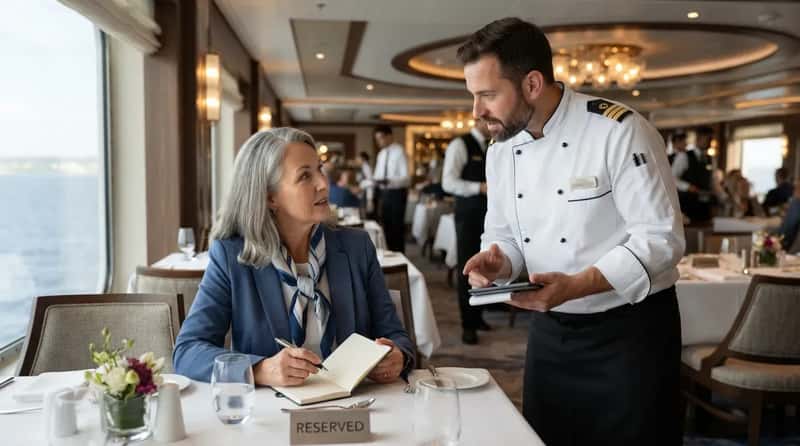
Most passengers with dietary restrictions repeat the same careful explanation at every single meal, in every single restaurant, for the entire cruise, and it’s almost entirely unnecessary.
Guests who get noticeably smoother treatment logged the allergy in the reservation system before sailing, then confirmed it face-to-face with the restaurant manager or executive chef on day one. That one conversation lets the notation travel with them from the dining room to the buffet to specialty venues, with no fresh explanation required at every stop.
#5 – The First-Night Tip That Buys You Nightly VIP Service
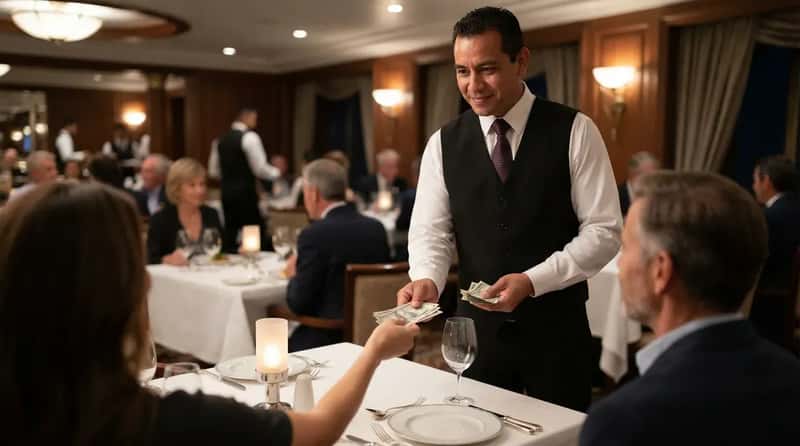
Gratuities are already built into every cruise fare, so it’s easy to assume there’s nothing left to do. Repeat cruisers have quietly figured out a second layer that changes the whole week.
A small personal cash tip to your waiter on the first evening, on top of the automatic gratuities already on the bill, sends a clear signal that you notice good service and plan to reward it. It’s a small gesture that tends to come back as bigger portions, faster refills, and a waiter who remembers your name by night two.
Worth Knowing
- Automatic gratuities are already built into every cruise fare
- A personal cash tip on night one is separate from those standard charges
- Small first-night tips are frequently followed by noticeably faster, warmer service
#4 – Ask For “Your” Table And It Becomes Yours For The Week
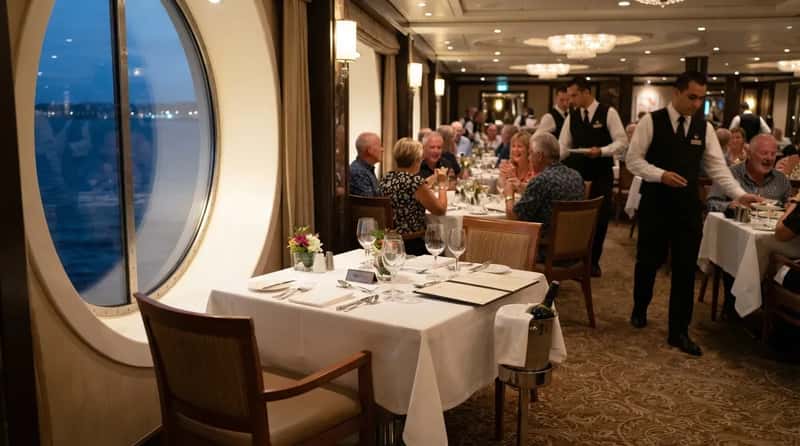
The dining room feels randomly assigned on night one, but the best seat in the room can quietly become permanently yours with one simple ask.
Walk in, find the table you love, good lighting, away from the kitchen swing doors, near a window, and just tell your waiter or the maître d’ you’d like that same spot every evening. Nothing tells the whole dining team a guest has been noticed quite like a table that mysteriously stays open for them, night after night, for the rest of the cruise.
#3 – The Real Reason Some Tables Get Noticed Faster Than Others
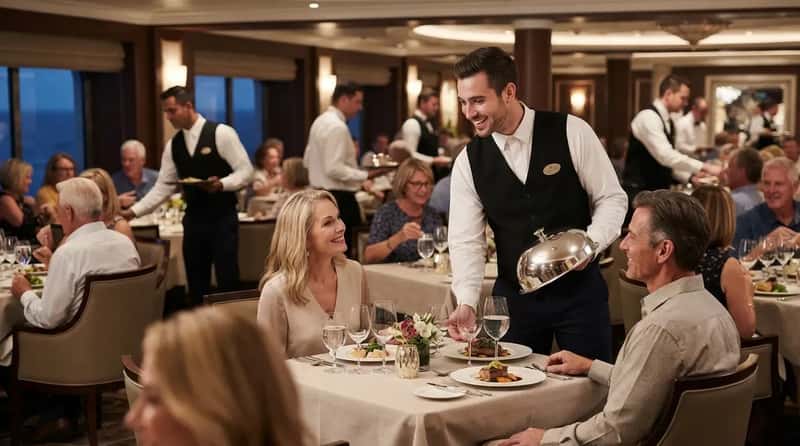
It isn’t luck. Waiters and dining staff track far more about repeat guests than most people would ever guess, and it quietly shapes who gets the extra attention.
Servers running a busy section handle dozens of tables a night, and the ones who ask about a server’s day, remember a first name, or stay patient through a slow kitchen night get filed into a very different category than the table that snaps at every small delay. Waiters talk between courses, and a table’s reputation, good or bad, travels fast through a small team working the same section every evening.
#2 – None Of This Requires Elite Status
Every one of these moves sounds like something reserved for suite guests, top-tier loyalty members, or someone who’s cruised fifty times. It isn’t, and that’s the part that surprises people most.
None of these tips require special status or a loyalty tier, and they’re available to every passenger on every cruise line, you just have to know what to ask for. The gap between a forgettable dining room week and a genuinely great one usually comes down to a handful of specific questions asked on night one, not a bigger budget or a fancier cabin.
At a Glance
- No loyalty tier or suite booking required for anything on this list
- Every tip works on any major cruise line
- Results come down to specific requests, not bigger spending
#1 – Kindness At The Table Comes Back Around, Every Time
After everything else on this list, the last secret is the simplest one, and it’s the one waiters bring up most often when asked what actually separates a good week from a great one.
The pattern holds up across forums, interviews, and firsthand accounts alike: kindness, patience, and a little warmth toward the people serving you tends to circle back, especially for guests who clearly know how the unwritten rules work. The real secret was never a script memorized before boarding, it’s just treating a hard, exhausting job with basic respect and letting the rest follow on its own.
Put together, these sixteen habits explain why two passengers on the exact same sailing, same dining room, same menu, can walk away with completely different weeks. One table gets bigger portions, a reserved spot by the window, and a waiter who remembers their drink order by night three. The other never asks, and never finds out any of this was on the table the whole time.
Which of these have you already tried on a sailing, and which one are you saving for next time? Drop it in the comments.