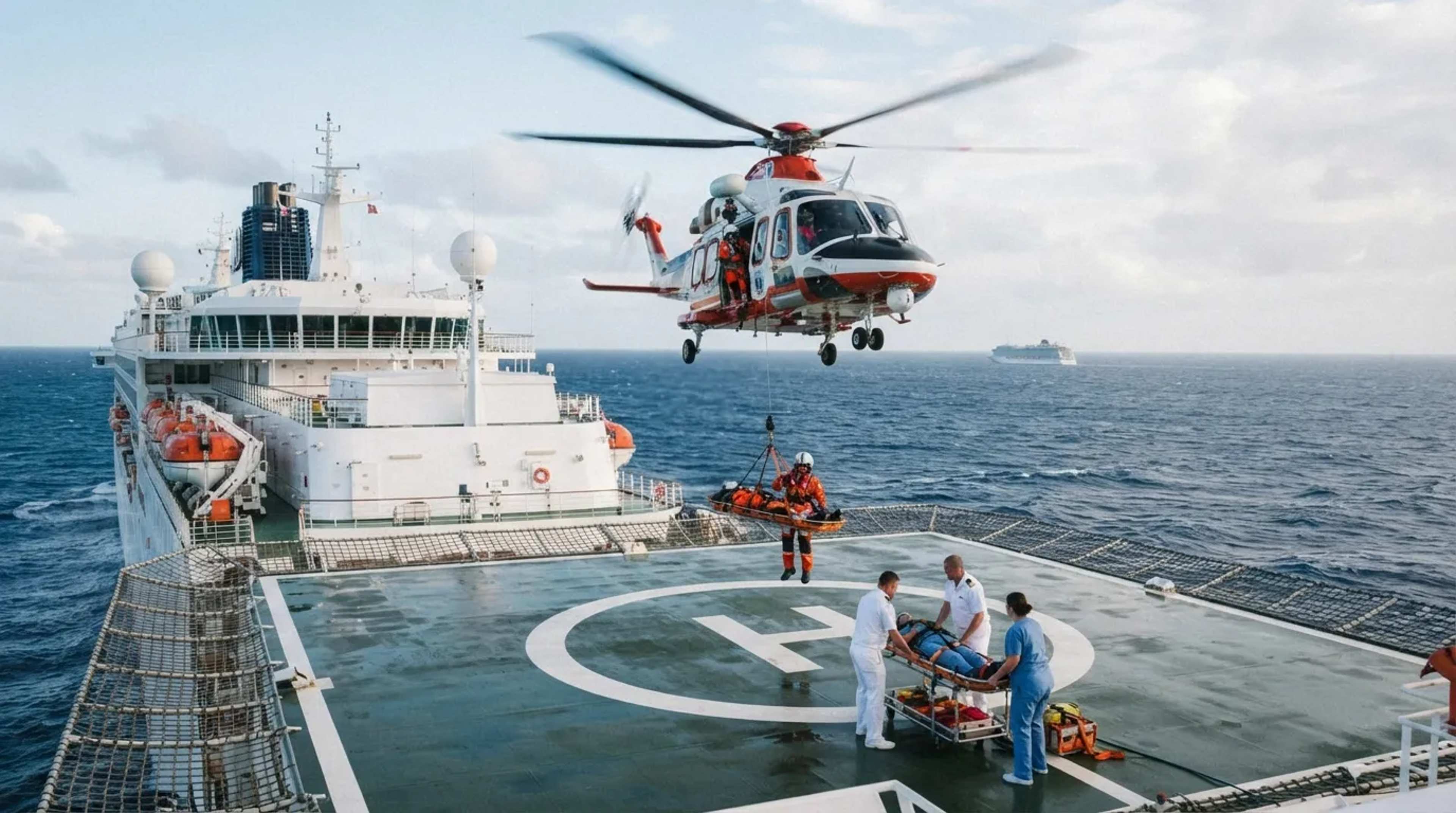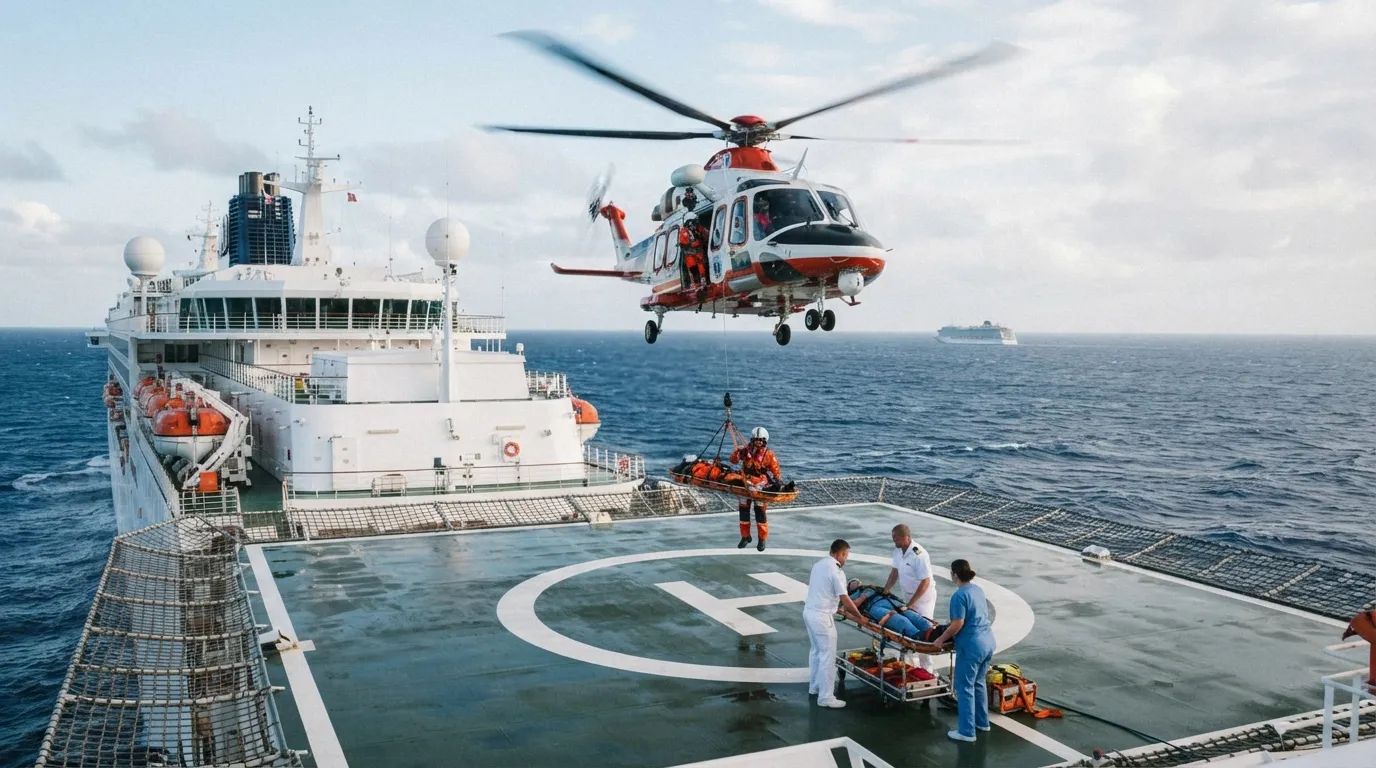
You packed the swimsuits, the sunscreen and the outfit for formal night. Cruise medical guidance keeps pointing to a different list: small, unglamorous items that passengers leave at home, then badly want when the ship is hours from the nearest port.
The twist is that almost all of them cost a few dollars on land. At sea, they can cost far more, or they may not be on the shelf at all. Start at #16 and work down. The last item can cost more than the cruise itself, and it’s the one almost everyone gets wrong.
#16 – The Seasickness Remedy Everyone Swears They Won’t Need

Nearly every passenger boards sure their stomach is made of steel. One cruise-travel roundup calls motion sickness by far the number one reason passengers visit the medical center. Rough water doesn’t ask who feels confident.
Seasoned cruisers bring Dramamine or Bonine pills, or prescription scopolamine patches, according to Cruise Critic. Some ships sell Dramamine or Bonine at places like the Purser’s desk. Still, the sickest night is the worst time to go hunting for a pill. A box in your own cabin means you treat it early, not after you’re already miserable and gripping the bathroom sink.
But the backup plan for when the pills run out is even more overlooked, and that’s #15.
#15 – The Ginger Backup Plan That Doesn’t Knock You Out
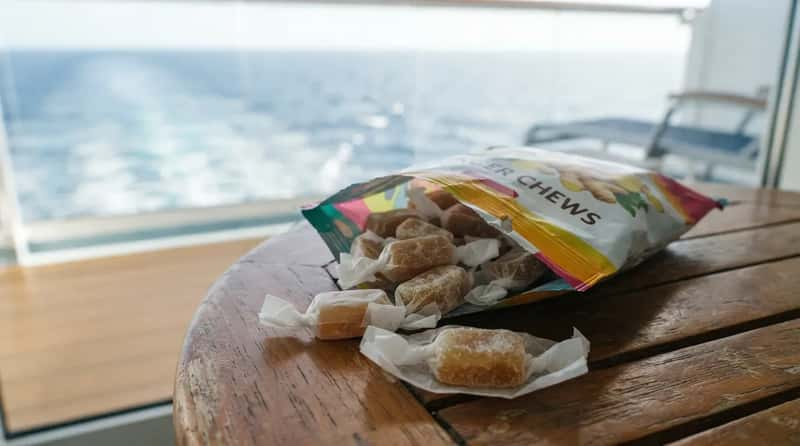
Many classic seasickness pills have a catch. Dimenhydrinate is sold over the counter, but drowsiness is a common side effect. Sleeping through the sea day you paid for is its own kind of regret.
That’s why cruise medical staff regularly point travelers toward ginger candy as a gentle, non-drowsy option between doses. A bag of ginger chews can fill the gap when you’re not ready for another pill. It’s cheap, light and easy to slip into a daypack. It also won’t make you the person snoring on a deck chair at 2 p.m. Next up is a mistake that makes ship doctors wince, in #14.
#14 – The Loose Pills in a Sandwich Bag Problem

It looks smart and space-saving. But a few loose pills in a sandwich bag tell a ship doctor almost nothing, while original labeled containers show exactly what you take. Unlabeled pills leave the medical team guessing.
Cruise Critic advises keeping prescriptions in original packaging and carrying a doctor’s note for controlled substances. Bring enough to last the whole cruise, plus a few extra days to cover delays or dropped pills. If the exact drug and dose isn’t on board, it may have to be filled at a pharmacy in the next port. That’s the scenario U.S. News describes, and it can be a long wait when you need the medication today.
But the one piece of paper doctors love even more is hiding in #13.
#13 – The One-Page Medical Summary Doctors Quietly Rank First

Here’s the twist. The most useful thing a passenger can hand a ship doctor isn’t medication. It’s paperwork. Almost nobody brings it.
A written summary from your home doctor listing conditions, allergies and current prescriptions lets the ship’s team act immediately instead of guessing. When you’re dizzy or in pain, you may not remember a drug name or dose. One printed page solves that. Keep a copy in your wallet and a photo on your phone, and your emergency stays far less chaotic.
At a Glance
- Current medical conditions, in plain language
- Allergies, especially to medications
- Every prescription, with name and dose
- Your home doctor’s name and phone number
- One paper copy plus one phone photo
If you think dehydration is only a desert problem, #12 will change your mind.
#12 – The Electrolyte Packets That Beat a Stomach Bug
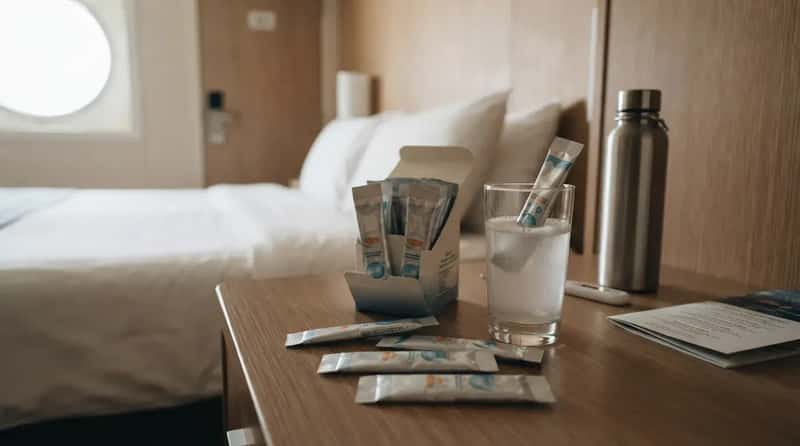
Sun, cocktails and a stray stomach bug make a rough trio at sea. Sea days, beach excursions and alcohol can quietly push you toward dehydration. Fodor’s calls dehydration the most common complication, especially among the young and elderly.
Cruise medical guidance regularly lists electrolyte packets among core sick-day supplies. The medical center may give IV fluids for dehydration, and most stomach-bug cases resolve within 24 to 48 hours. A few powder packets could keep a mild case out of the infirmary altogether. They weigh next to nothing, and they turn a miserable day in the cabin into a manageable one.
Fever is trickier to spot than you’d expect, as #11 shows.
#11 – The Thermometer Nobody Thinks to Bring
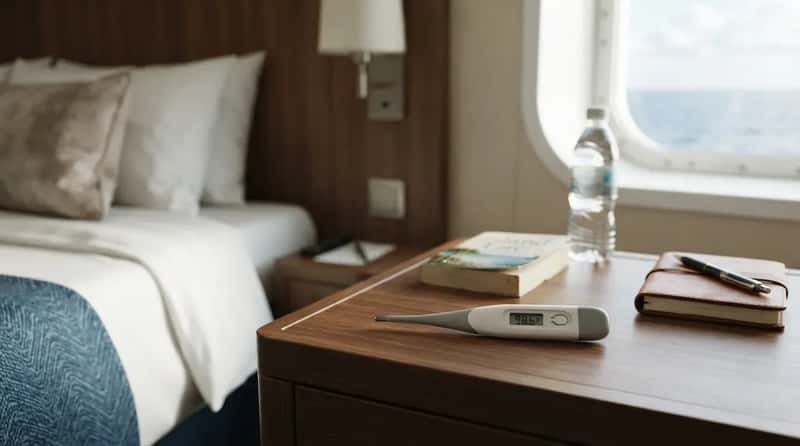
Everyone assumes they’d just know they had a fever. Then a flushed face on a hot deck proves how unreliable that guess can be. On a crowded ship, a fever is one of the clearest warning signs you can catch.
The most common sicknesses on cruise ships are respiratory and gastrointestinal illnesses. Medical-kit checklists for cruisers routinely list a thermometer alongside oral rehydration salts and basic wound care. A small digital thermometer can tell you whether to rest or walk to the medical center. It also gives the nurse a number instead of “I feel hot.” Your stomach has its own demands, which is where #10 comes in.
#10 – The Antacids and Imodium for Buffet Regret
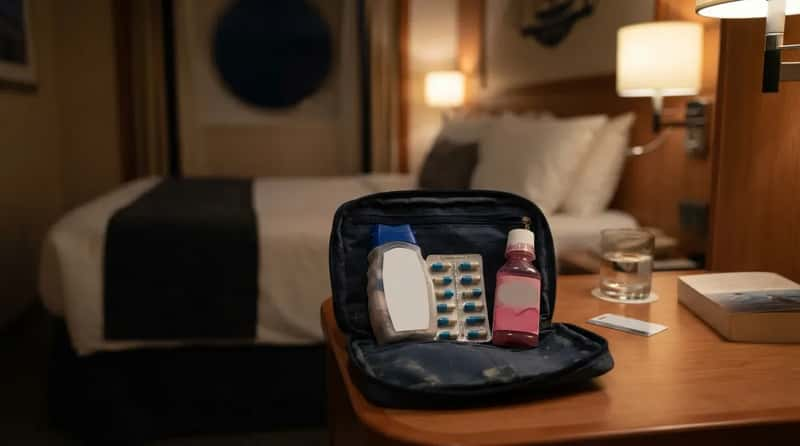
The all-day food is half the appeal. It’s also a setup for indigestion, especially after a third plate of something you’ve never tried before. Cruiseable lists indigestion among the four most common ailments on board, alongside bruises, seasickness and sunburn.
An antacid such as Tums or Alka-Seltzer may help with indigestion. Cruise Critic’s essentials also include Imodium and Pepto Bismol. These are the cheapest items on this list, and some of the most missed at 1 a.m. If you’re sure the ship’s shops will cover it, the markup may surprise you.
And the markup is nothing compared to what one passenger said they were quoted in #9.
#9 – The $400 Allergy Pill Story Travelers Can’t Forget

It sounds like an urban legend, but it’s been reported. One passenger said they were quoted nearly $400 for a small package of Benadryl at the medical center. That’s one account, not a rule for every ship.
The lesson is still sharp. A stocked antihistamine lets you treat a reaction right away instead of waiting in a medical center line just to learn it was minor. Hives, bug bites and sudden sneezing fits don’t care that you’re mid-ocean. Pack your usual antihistamine in original packaging. If you carry an emergency allergy prescription, tell the medical team on day one.
Next is a basic pair that many passengers assume the cabin includes.
#8 – The Painkiller Pair That Never Makes the Packing List
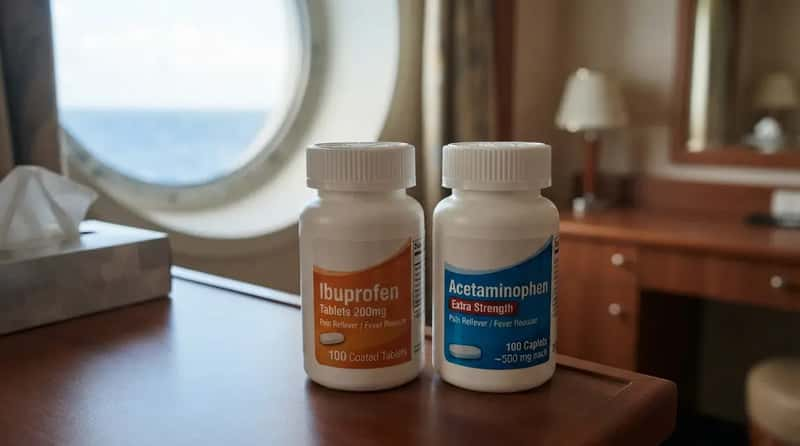
Headaches, sore backs and sunburn aches all show up on vacation. Ibuprofen and acetaminophen are the classic pair, and guides list both among the basics to pack. Yet they’re forgotten surprisingly often.
Quick Compare
- Ibuprofen: an anti-inflammatory that eases aches and swelling. It’s easier on the stomach with food.
- Acetaminophen: handles pain and fever, so it doubles as a thermometer’s best friend.
Here’s an opinion that may start an argument. Relying on the gift shop for basics is the most overpriced habit in cruising. The cruise line’s gift shop carries some basics at marked-up tourist prices. The two bottles take up almost no room. Sunburn gets its own entry next.
#7 – The Aloe That Saves You From a Day-Two Disaster

Sunburn is one of the most predictable cruise ailments, and still one of the most common. Cruiseable names it among the four most common ailments on board. The sun doesn’t care that you’re on vacation.
A cabin without aloe or after-sun lotion sends passengers to buy it onboard at cruise-ship prices. Burn on day two and the pain can follow you for the rest of the trip. Sunburn can be eased with a cream or spray, though plenty of sunscreen is the better first move.
Small cuts are the next sneaky problem, and #6 is where they start.
#6 – The Blister Kit That Stops a Tiny Wound From Becoming a Medical Case
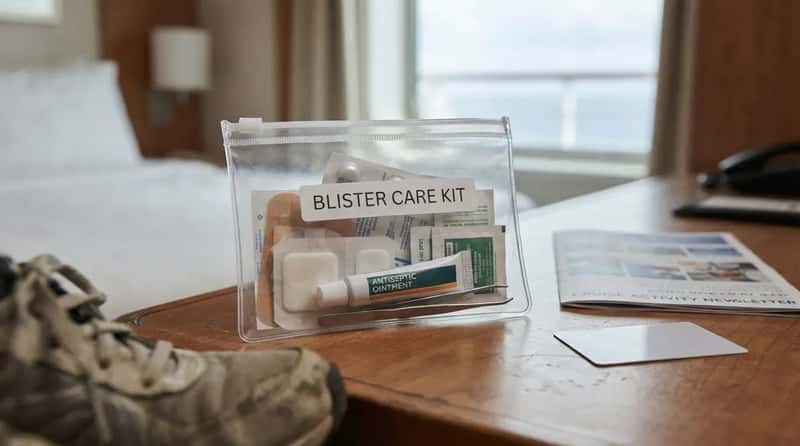
Cruise days involve a lot of walking, and a lot of wet surfaces. Wet decks, pool areas and uneven gangways make minor cuts and scrapes common. One bad blister can end a shore day before the tour bus even leaves the pier.
Bandages, antiseptic wipes and tweezers can save a trip to the medical center for minor issues. One cruise-travel roundup says ship doctors name untreated wounds among their most preventable serious cases. That’s the claim in one roundup, but it fits common sense. A few blister pads and a tube of ointment can head it off. Your shoes may be the reason you need them, which brings us to #5.
#5 – The Flip-Flop Habit Ship Staff Dread

Injuries from trips and falls are common reasons passengers end up in the ship’s medical center. The ship moves, the deck is wet and the stairs are steep. Flat, slick sandals aren’t made for that.
Flip-flops are a cruise cliché, and they may be one of the riskiest things in the suitcase. The shoes you pack matter as much as the sunscreen. Bring a pair with real grip for decks and excursions. Keep the flip-flops for the cabin and the pool.
The cheapest fix for the aftermath comes next, in #4.
#4 – The Humble Bag of Ice That Treats the Most Common Injury

Bruises sit near the top of the list. Cruiseable names them among the four most common ailments on board. Bruises and sore muscles from stumbling around on a moving ship are the least glamorous of the bunch.
The fix is almost silly. Cruiseable says bruises and sore muscles can be treated with ice, so pack a few baggies. Resealable bags also show up in cruise sick-day kits.
Why It Stands Out
- Fill one with ice and it becomes an instant cold pack
- Sort a week of pills into another
- Seal a wet swimsuit in a third
- Costs a few dollars and weighs almost nothing
Few other items work this hard for so little space. But one category of missing supplies can end a trip, and that’s #3.
#3 – The Spare Cord That Turns a Device Into Dead Weight
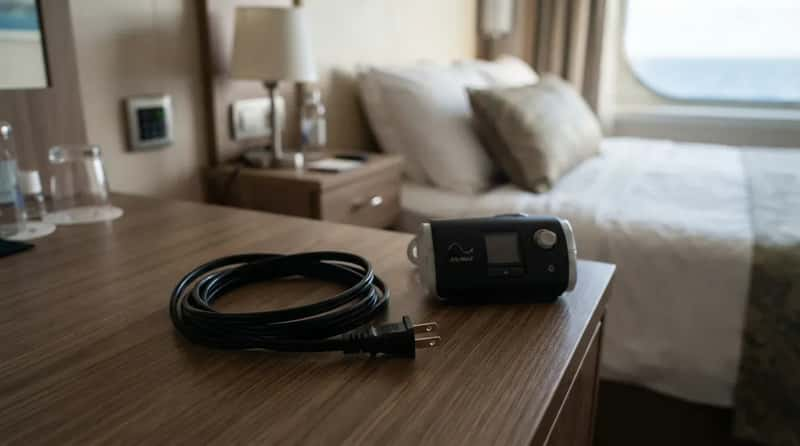
Plenty of travelers remember the machine and forget the part that powers it. One cruise guide suggests packing the cord, the backup battery and the spare filter together in one labeled pouch. That includes breathing devices and glucose monitors.
Few travelers rank this as a medical item at all, but it ends up being one. A medical center can’t realistically stock a replacement part for every device model. If the cable fails mid-ocean, the nearest replacement may be days away.
The next one is about temperature, and it’s easy to get wrong in #2.
#2 – The Insulated Pouch for Medications That Can’t Get Warm
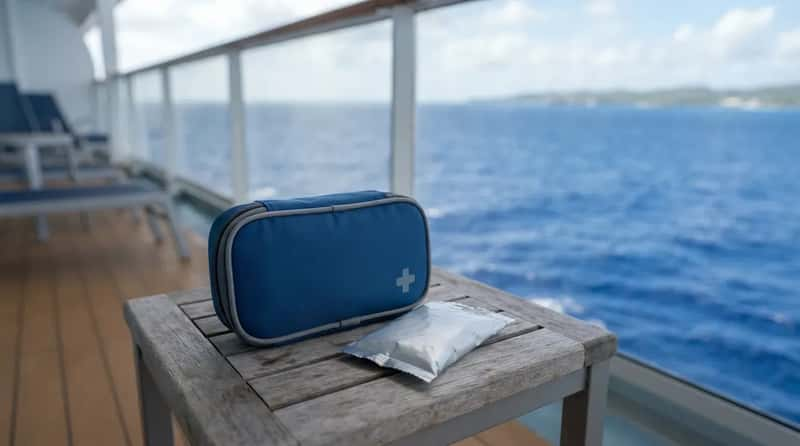
Some prescriptions have to stay cold, and a hot excursion day is no help. Cruise Ship Tracking says refrigerated medications can be stored in the cabin mini-fridge, or in the medical center’s refrigerator on request. That covers the ship, but not the shore.
Experts suggest calling the cruise line before sailing to ask what the medical center can support, then packing a small insulated pouch for excursion days. Another roundup says passengers on insulin often miscount trip length, so a spare supply matters too. Pack more than you think you need, and tell the medical team early.
Worth Knowing
- The cabin mini-fridge can hold refrigerated medication
- The medical center’s fridge is available on request
- Shore days call for a small insulated pouch
- A pre-sailing call to the cruise line clears up what’s supported
The last item can cost far more than everything above, and it’s #1.
#1 – The Evacuation Coverage Most Cruisers Quietly Skip
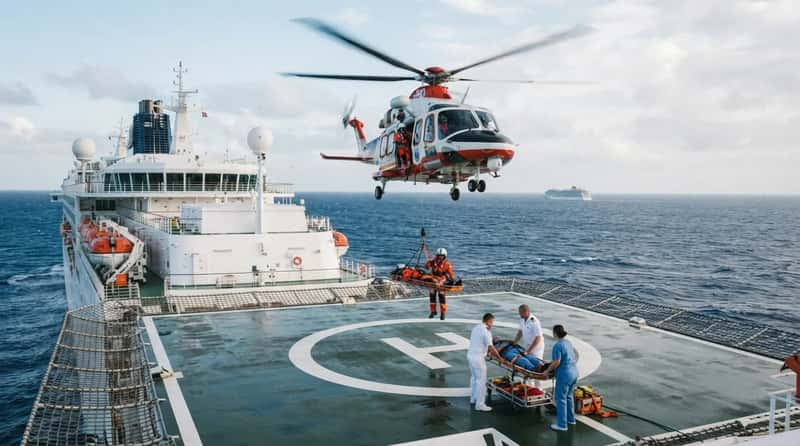
Many travelers assume their health plan follows them onto the ship. A travel insurance resource citing the CDC and State Department says that assumption can be wrong. Check your plan before you sail, not after.
Emergency evacuation from a ship at sea can run into the tens of thousands of dollars, and sometimes more. That’s why coverage limits matter more than the fee for any single visit. Look for medical evacuation coverage in the policy itself, not in a vague promise on the brochure.
Most of what’s on this list is small, cheap and easy to find at home. Onboard, the same items can be pricey, limited or simply out of stock. The paperwork and the insurance turn out to matter more than any pill.
Ship medical teams don’t expect you to bring a pharmacy. They just see how often a five-dollar item decides whether a bad night stays small. The best cruise memories usually belong to the people who never had to find the infirmary.