Most people assume boarding a ferry after 60 means the same shuffle-and-wait routine as everyone else in line. It doesn’t. Long before the gate opens to the general crowd, crews are already working through a checklist built specifically around older riders, and almost none of it happens where a passenger would ever think to look.
Some of it is required by law. Some of it is just decades of dock-side habit passed from one deckhand to the next, quietly repeated every single sailing. Either way, the routine is far more deliberate than it looks from the parking lot, and it starts a lot earlier than the moment you step onto the ramp.
16. They Flag Your Ticket the Moment You Show a Senior ID
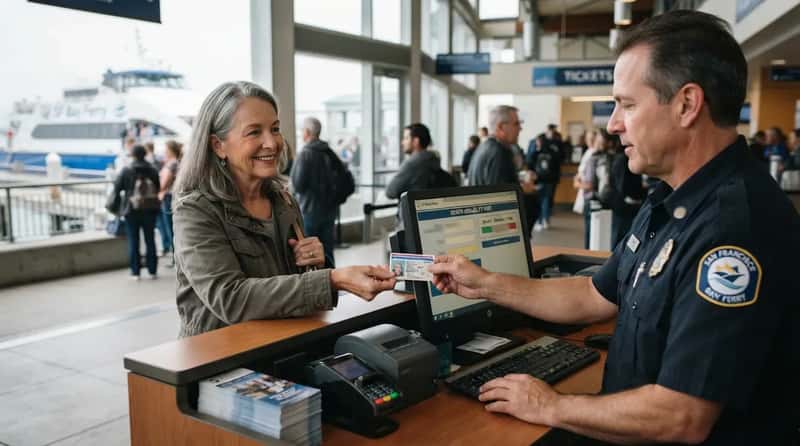
The instant a passenger 65 or older presents ID at the counter, most ticketing systems quietly reclassify the entire booking. Terminals routinely offer seniors, people with disabilities, and Medicare cardholders half the regular passenger fare, and that discount alone tags the ticket differently in the system. It’s not just a price break – it’s a flag that tells staff down the line who might need extra time or a helping hand at the gate.
On systems like SF Bay Ferry, that same ID does double duty. Riders can unlock the discount simply by showing an RTC Discount Card, a Medicare card, a disabled parking placard registration, or proof of being 65 or older. Crews notice that flag before a passenger ever reaches the gangway, and it quietly sets every other step on this list into motion.
15. They Push the Recommended Arrival Window Earlier for You
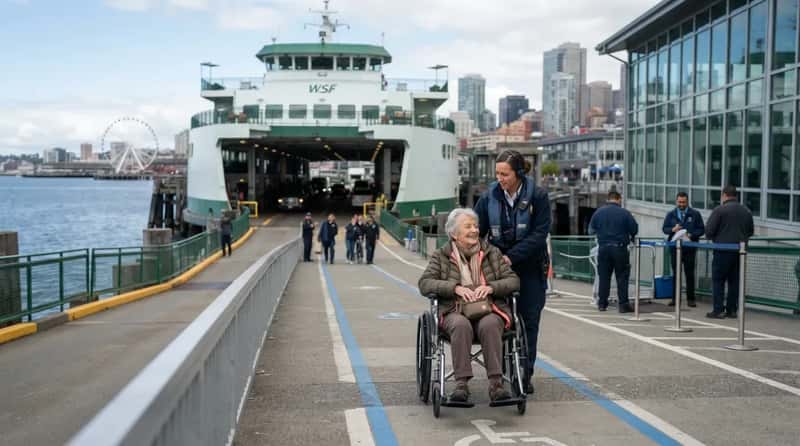
General boarding advice and senior boarding advice aren’t actually the same number, even when terminals never say it out loud. Washington State Ferries recommends walk-on passengers show up at least 20 minutes before most sailings. For older travelers who might need a wheelchair or a little extra time crossing a busy terminal, staff often nudge that window earlier by phone before the trip even begins.
Terminal staff regularly tell passengers to arrive at least 20 minutes ahead specifically for boarding assistance, and that buffer isn’t a throwaway suggestion crews forget about later. It’s the exact window they use to line up a wheelchair, radio the vessel, and clear a path through the terminal before the doors ever open to the general public.
Fast Facts
- Standard recommendation: arrive at least 20 minutes before departure as a walk-on passenger.
- Senior or mobility-assist riders are often asked to arrive even earlier, arranged by phone in advance.
- That extra window covers staging a wheelchair, radioing the vessel, and clearing a path through the terminal.
14. They Take Your Call Ahead of Time – and Actually Act On It
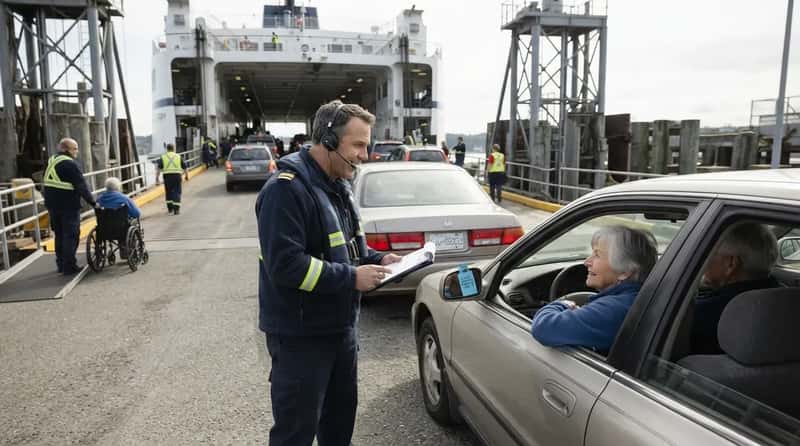
A surprising number of riders don’t realize a five-minute phone call the day before can completely change their boarding experience. Depending on staff availability, passengers who need assistance but don’t call ahead may end up waiting for the next sailing entirely. That’s exactly why staff ask travelers who know they’ll need help to call in advance and get a name attached to a specific departure.
Once that call is logged, the terminal isn’t guessing anymore on the day of travel. A deckhand already knows who to look for, what equipment needs to be ready, and which door gets held open first – all decided before the passenger even parks the car.
13. They Roll a Wheelchair to the Gate Before Anyone Asks
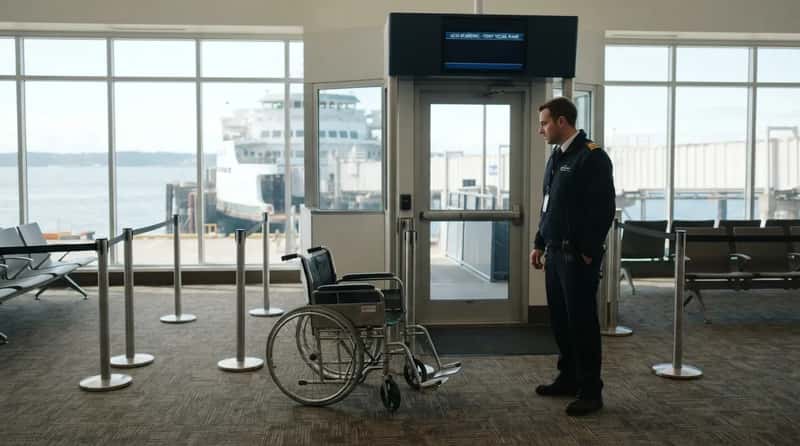
Here’s the part almost nobody sees from the parking lot: crews frequently stage a wheelchair at the terminal before a single passenger has even lined up. Assistance can include getting on or off the ferry, using a wheelchair if one is available, and being notified the moment boarding begins. None of that equipment magically appears at the gangway – someone pulled it out well ahead of the crowd.
The catch most riders never hear about is what staff legally can’t do. Employees are not allowed to physically move a person from a seat into a wheelchair. Crews can push, guide, and escort every step of the way, but that specific transfer falls to the passenger or a companion – which is exactly why that early phone call matters as much as it does.
12. They Radio the Boat Before the Ramp Even Drops
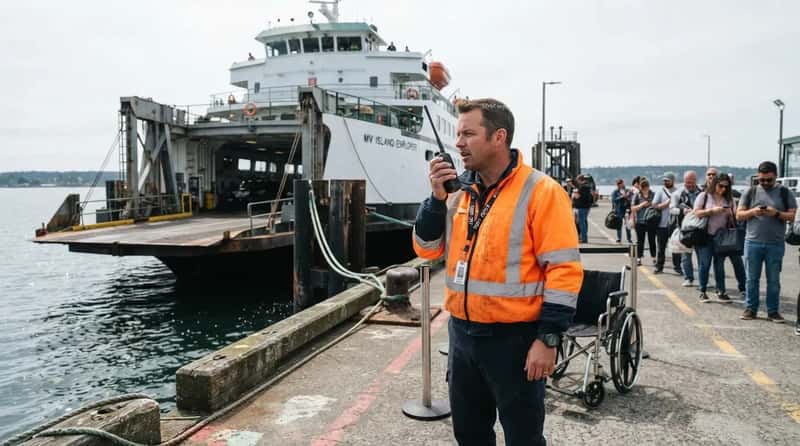
Long before the general line moves an inch, a terminal worker is already talking directly to the vessel over the radio. That call confirms exactly how many riders need extra time, whether a wheelchair is already staged and waiting, and which side of the boat has the smoothest deck access that particular day.
That five-second radio exchange is the real reason boarding for older passengers looks so effortless from the dock. It isn’t luck, and it isn’t magic – it’s a heads-up that happened while everyone else in line was still staring at their phones.
11. They Enroll You in Preferential Loading So You Skip the Line Entirely
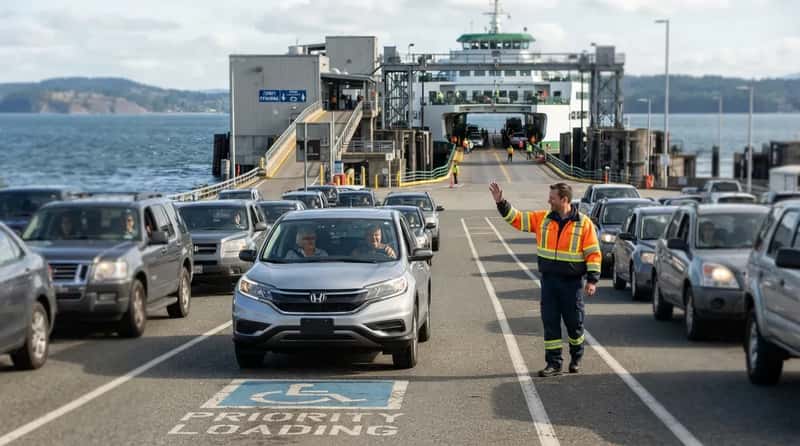
This one genuinely surprises first-time riders every time it comes up. Medical preferential loading lets enrolled passengers with qualifying conditions skip the standard first-come, first-served vehicle line entirely and board the soonest departing ferry when a long wait would create a real health risk. It isn’t automatic, though – a passenger has to enroll and follow the medical preferential procedures at the terminal ahead of time.
Crews who’ve worked the same route for years often recognize enrolled regulars on sight and wave them straight to the front, well before the standby line has even started to crawl forward.
10. They Let a Caregiver Ride Free – Quietly
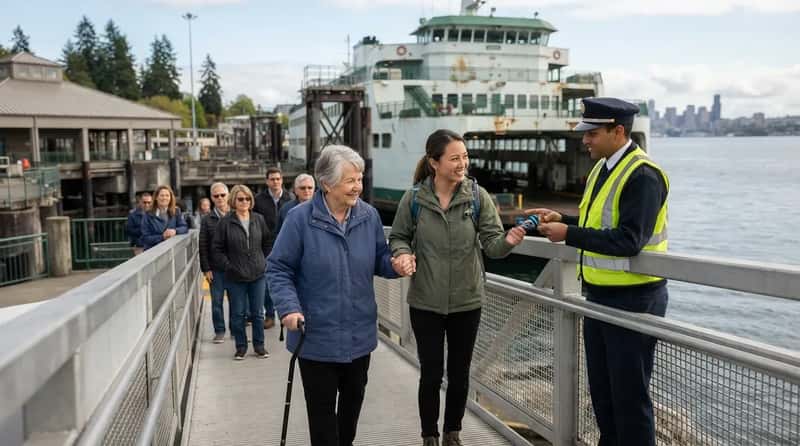
Few people realize a companion can travel at no cost specifically to help an older or disabled rider get through the trip. Riders who need attendant care can get a specific endorsement added to their ORCA reduced-fare card, which lets that attendant travel free as a passenger. Gate staff checking tickets are trained to spot that endorsement instantly, no explanation needed.
It’s a small line-item most passengers never even notice on a fare chart. But for someone who genuinely can’t navigate ramps and stairs alone, it quietly changes the entire shape of the trip.
At a Glance
- Qualifying riders can add an attendant endorsement to their reduced-fare card.
- The endorsement lets one companion travel as a passenger at no charge.
- Gate staff recognize the endorsement instantly – no extra paperwork needed at boarding.
9. They Reserve Group Slots for Senior Centers Before the Public Even Books
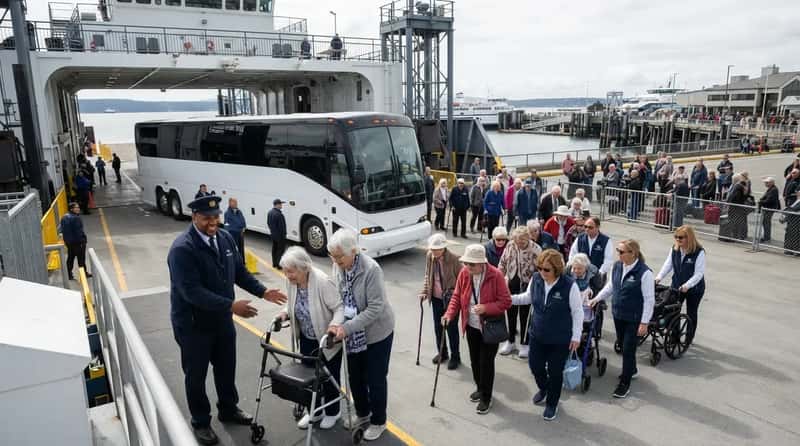
A bus full of residents from a retirement community doesn’t show up and hope for space – that space is usually locked in well ahead of time. Ferry operators run dedicated programs for organizations transporting large groups who need assistance, including senior centers, nursing homes, and assisted living facilities. Support staff traveling with those groups often ride without paying extra fares on top of it.
That means a bus of forty residents from a nursing home isn’t fighting the general public for room on a packed sailing. The terminal already carved out that space before the first walk-up ticket was ever sold that morning.
8. They Give Legally Blind Riders – and Their Helper – a Free Ride
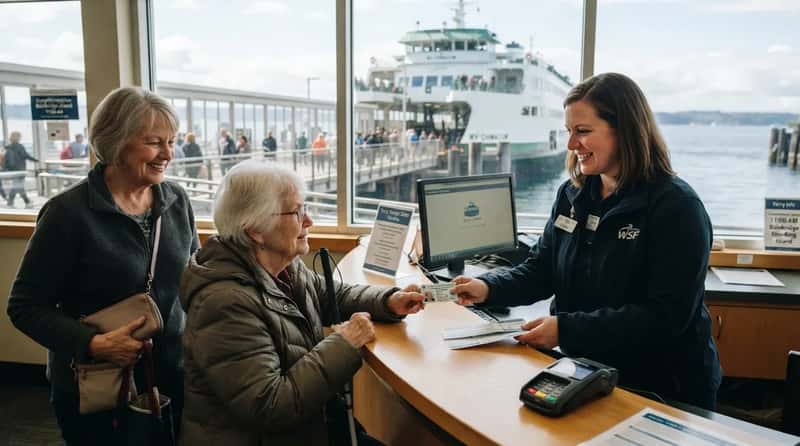
This is one of the more overlooked accommodations on the water, and most riders never hear about it until they need it. Any passenger who is legally blind travels for free with proper identification from a state commission for the blind or similar agency. And the courtesy doesn’t stop there – if that passenger is accompanied by a helper or companion, the companion rides free too.
Crews checking in these riders treat the paperwork as routine, almost second nature. But for the passenger on the other side of the counter, it removes one more barrier standing between them and a trip most people never think twice about.
7. They Hold Vehicle Space for Disabled Standby Riders First
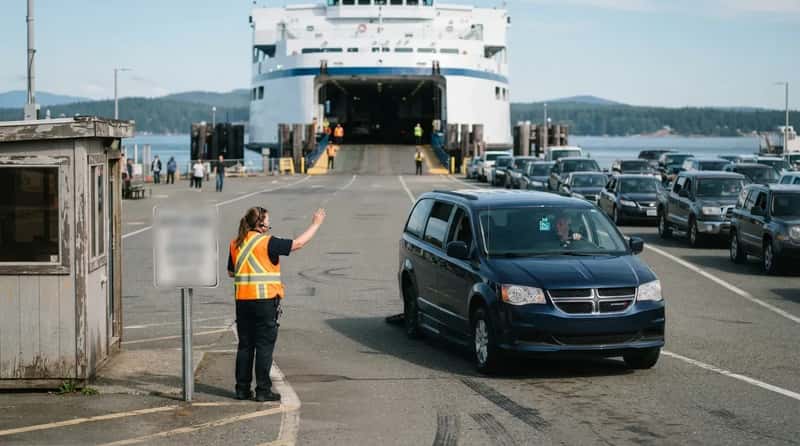
Standby lines can be brutal on a busy summer weekend – unless a driver qualifies for a policy most people have never heard of. Some ferry lines allow preferential boarding for certain drivers with disabilities traveling on standby, moving them ahead of the general line entirely. It’s often tied to a motorized wheelchair, an oxygen supply, or other medical equipment that’s physically part of the vehicle.
Crews working the toll booth eventually learn to recognize these vehicles on sight after a season or two. They quietly wave them into the loading sequence before the rest of the standby line has even inched forward an inch.
6. They Pick the Smoothest Ramp on the Terminal – Just for You
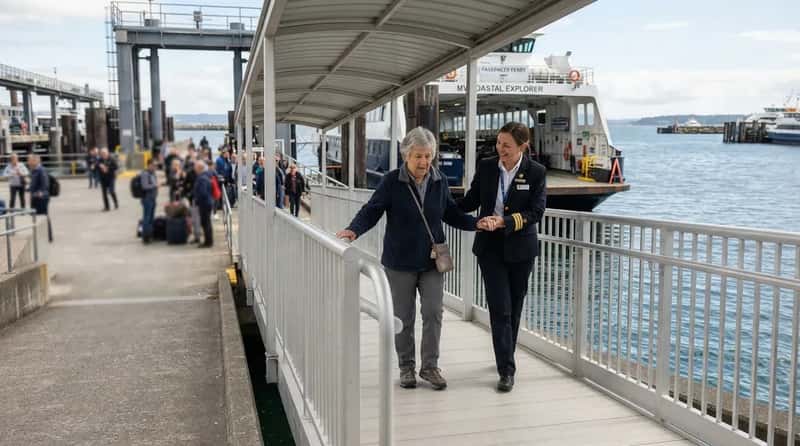
Not every gangway is built the same, and crews know that better than any passenger ever could. Some terminal ramps run in two long stages with a gradual uphill slope, and staff are trained to assist passengers with disabilities along that exact path. On routes with more than one loading point, an older rider is often steered toward the gentler stage instead of the steeper shortcut regular commuters take without thinking.
It’s a decision made in seconds, almost invisible to anyone else watching. But it’s the difference between a comfortable walk-on and a genuinely painful one for someone dealing with bad knees or a hip that just doesn’t cooperate anymore.
5. They Post an Alert the Moment an Elevator Goes Down
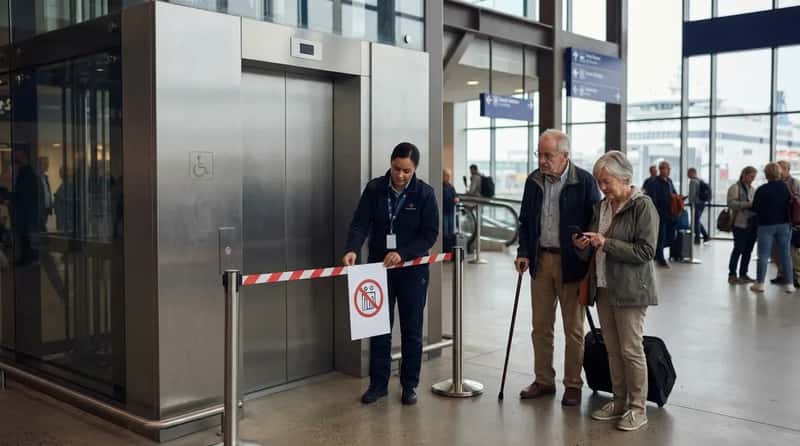
Older riders lean on terminal elevators more than almost anyone else on the dock, so crews treat outages as genuine emergencies, not minor inconveniences. If an elevator, an accessible restroom, or any other accessibility feature goes offline, terminals post the notice on their travel alert bulletins, and riders can even sign up ahead of time for route-specific alerts.
That single alert can rewrite a passenger’s entire day. It can reroute someone to a different sailing or a different terminal entirely, long before they ever show up to find a broken elevator waiting for them with no warning at all.
4. They Reserve a Seat Section Before Boarding Even Opens
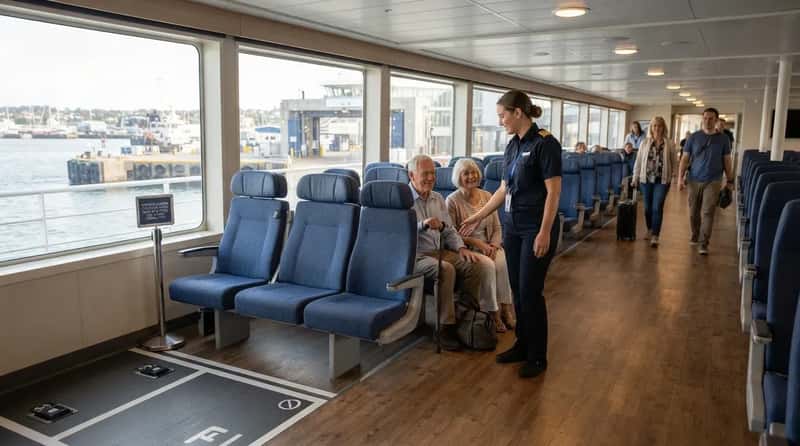
Priority seating on most ferries isn’t first-come, first-served the way regular seats are. It’s set aside on every ferry, with designated areas for passengers using wheeled mobility devices available on some vessels. Other riders are expected to yield those seats to older adults and people with disabilities, though crews technically can’t force anyone out of a chair.
What crews can do is stand near that section during the earliest boarding wave, steering eligible passengers into it before the rest of the crowd even has a chance to claim the good spots for themselves.
3. They Let You Board Before the Line – Anywhere in the World
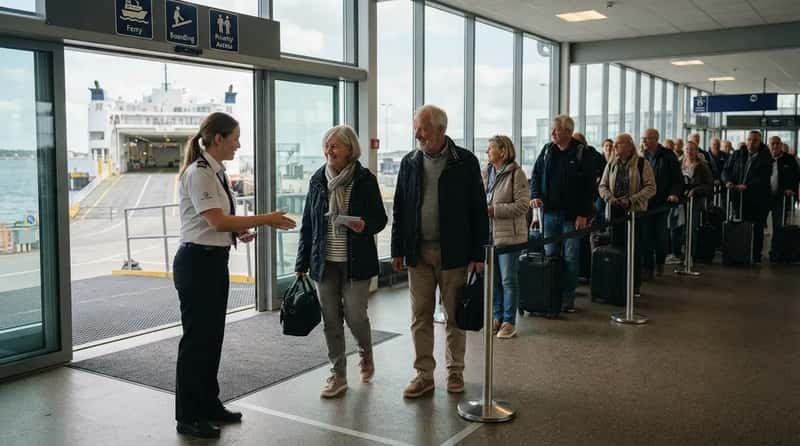
This isn’t just a U.S. courtesy. Internationally, the rules get even more explicit. Under EU legislation covering sea travel, passengers wanting priority boarding can contact the ferry company in advance to arrange it, giving them plenty of time to get on board without being rushed. Passengers with disabilities may board and disembark either before everyone else or after the crowd has fully cleared out, whichever avoids the crush better.
That choice – go first or go last – is usually offered quietly at check-in, not announced over a loudspeaker for the whole terminal to hear. Most passengers standing nearby never even realize the arrangement is happening right in front of them.
Worth Knowing
- EU sea-travel rules let riders arrange priority boarding directly with the ferry company beforehand.
- Travelers can choose to board before the crowd or wait and disembark after it clears.
- The arrangement is typically handled quietly at check-in, not announced to the whole terminal.
2. They Escort You Off First When the Boat Docks – Not Just On
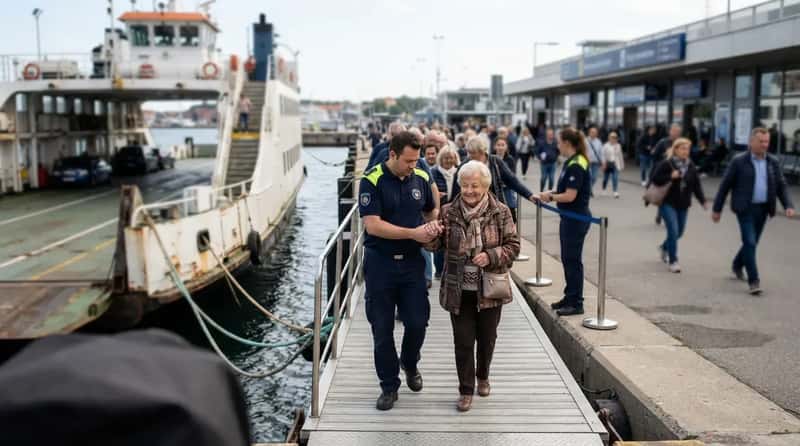
Most people assume the special treatment ends the moment they’re seated. It doesn’t. Ferry crews are trained to assist with both boarding and exiting at every single terminal stop. Departure is often more chaotic than boarding ever was, with commuters rushing to catch buses and trains the second the ramp drops.
That’s exactly when crews step in to hold a clear lane open for slower-moving riders. It’s a small buffer, but it matters just as much as anything done at the gate – arguably more, since a rushed exit onto a slick, crowded ramp is where accidents actually happen.
1. They Build the Entire Boarding Sequence Around You First
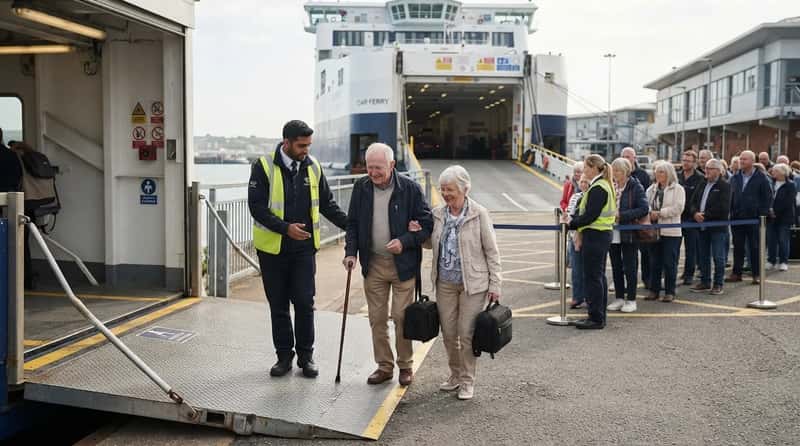
The single biggest thing crews do isn’t a device, a discount, or a form at the counter – it’s the order of operations itself. On accessible routes, staff quietly decide who moves first, second, and third long before the gate ever opens to the public. Older or mobility-limited riders are almost always first in that internal sequence, not squeezed in as an afterthought.
People with disabilities and older adults can travel safely and comfortably by ferry, and most vessels carry accessibility amenities for passengers with reduced mobility, provided the company knows about those needs in advance. That advance notice is the real engine behind every single item on this list – it’s what turns a chaotic boarding scramble into a sequence that was, quietly, planned around one specific passenger from the very first phone call.
Why It Stands Out
- Boarding order is decided before the gate ever opens – not handled first-come, first-served.
- Older and mobility-limited riders are placed first in that internal sequence by default.
- The whole system runs on one early phone call or ID check that quietly sets every other step in motion.
None of this gets advertised on a sign at the terminal. It happens in radio calls, staged wheelchairs, and quiet notes scribbled at the ticket counter – the kind of invisible groundwork that makes boarding look effortless without anyone ever explaining why. The one thread running through all sixteen of these is simple: none of it works without that early phone call or ID check that quietly sets everything else in motion.
If you’ve ridden a ferry as an older passenger and noticed something on this list, or something we missed entirely, drop it in the comments. Chances are, someone boarding next week needs to hear it just as much as you did.