The fare looks almost too good to be true: two weeks at sea for less per night than plenty of weekend getaways. Repositioning cruises really can be some of the cheapest sailings in cruising, especially on longer itineraries. That part of the pitch holds up. But the price on the screen is only the first chapter.
The rest tends to arrive once land is a day behind you. It shows up in the paperwork, the flight home, the weather, and one long stretch of open water that nobody quite describes. Some of these surprises will make you feel like you cracked the cruise code. Others might change how you book next time.
#16 – The Low Fare Exists Because the Ship Has to Move Anyway
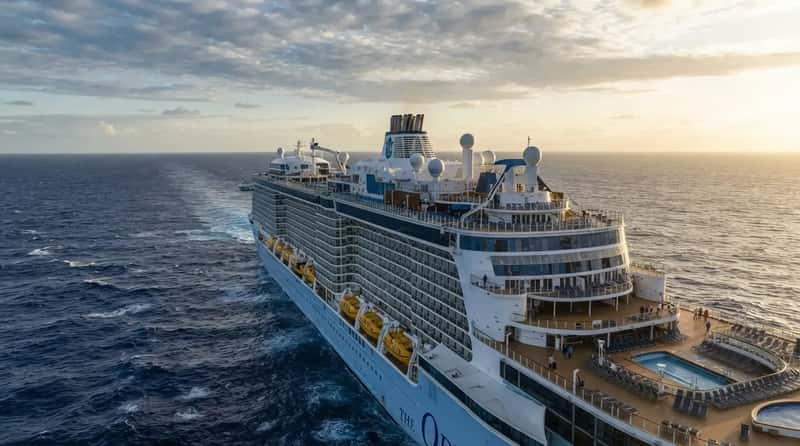
Ships don’t live in one place all year. Many lines send vessels to the Mediterranean or Alaska for summer, then shift them to the Caribbean for winter. Somebody has to sail them there, and the trip can’t be skipped.
Rather than cross empty, lines sell the voyage. The goal is to offset the cost of moving the ship, so cabins get priced to fill, not to maximize every fare. The low price is less a gift than simple math. But the discount has a catch that shows up before you ever board.
#15 – The Cheap Fare Doesn’t Cover the Flight Home

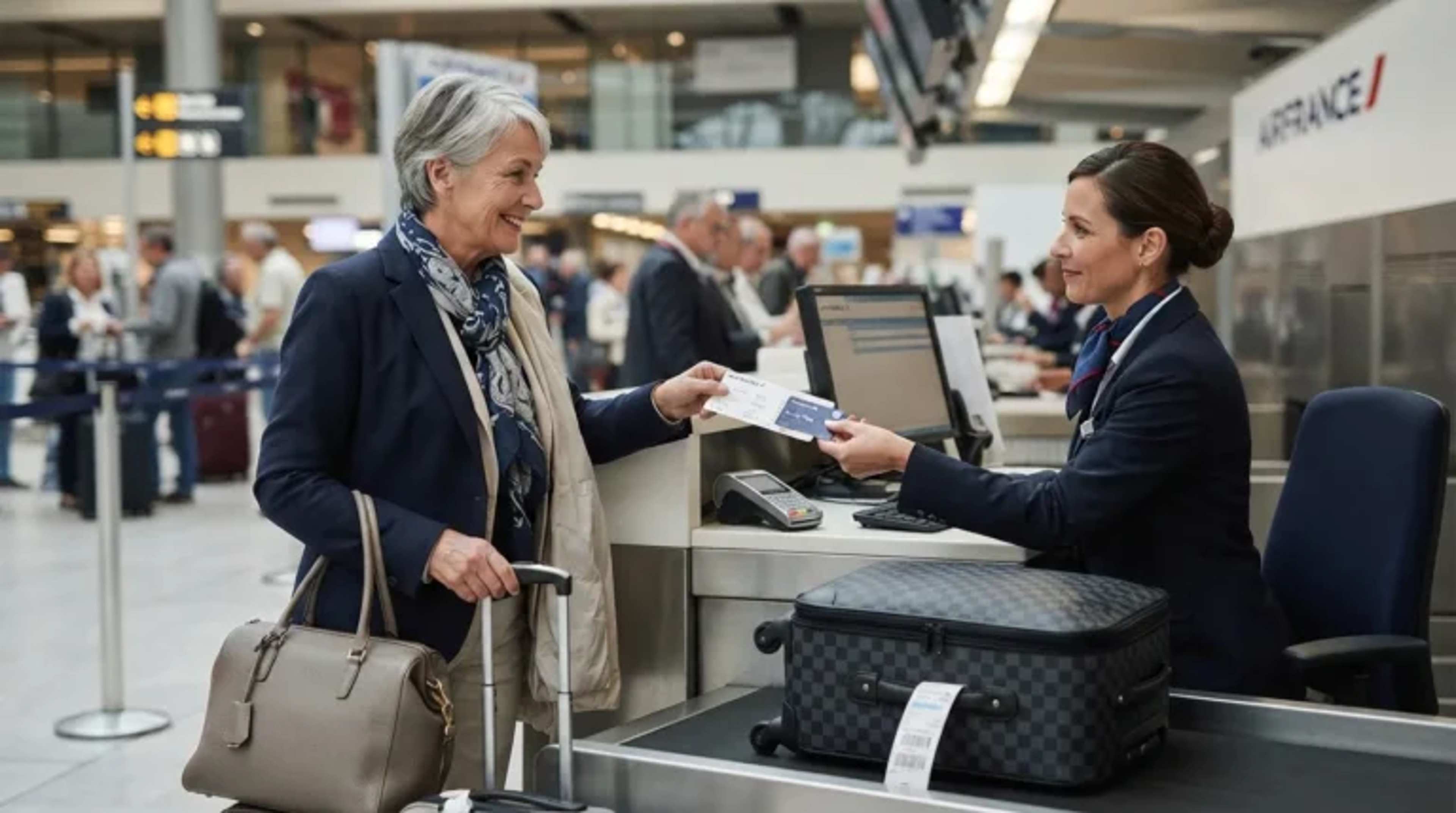
Nearly every one of these sailings is one-way. That means you’ll usually need a one-way flight to the departure port, or home from the arrival port. Many travelers only notice this after they’ve fallen in love with the fare.
One-way international flights are rarely a bargain, and guides quote very different numbers. One puts an East Coast one-way to Southampton or Barcelona at $400 to $700. Another suggests $200 to $500. Once flights, hotels and gratuities are added, the bargain can shrink fast. Then comes a word that trips people up even before the flight question.
#14 – A “Crossing” and a “Repositioning Cruise” Are Not the Same Thing
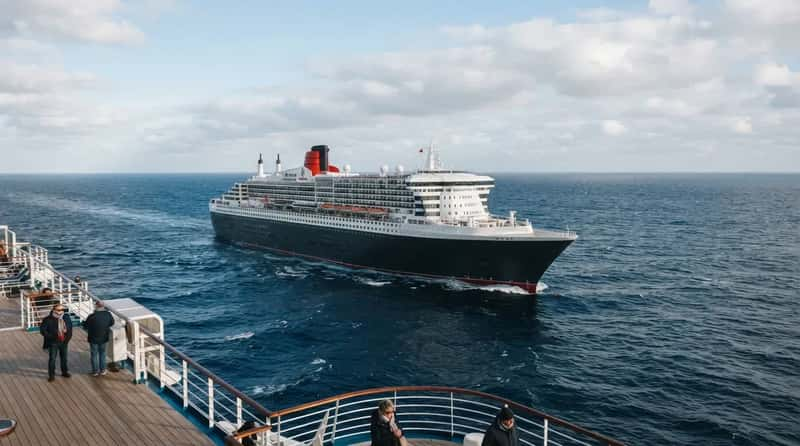
The two get mixed up constantly. A classic direct Queen Mary 2 crossing is commonly seven nights with six full sea days. It’s a scheduled liner service on a fixed route, built around the ocean itself.
Most repositioning voyages are different. They usually run 12 to 16 nights, with several island or coastal calls and one long ocean stretch in the middle. Two trips can share the same ocean and still feel nothing alike. Check which one you’re buying before you pay a deposit, because the number of sea days is bigger than most people expect.
Quick Compare
- Classic crossing: commonly seven nights with six full sea days on a fixed liner route.
- Typical repositioning: usually 12 to 16 nights, with island or coastal calls plus one long ocean stretch.
- The question to ask: how many days pass before the first port call?
#13 – Four to Seven Sea Days in a Row Is Not a Typo
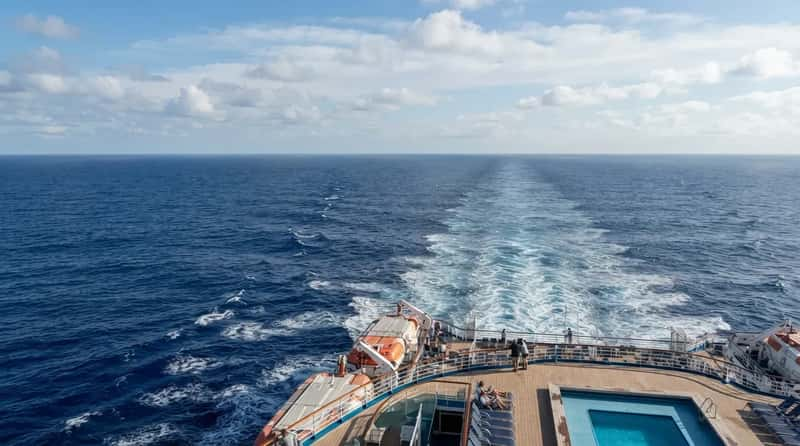
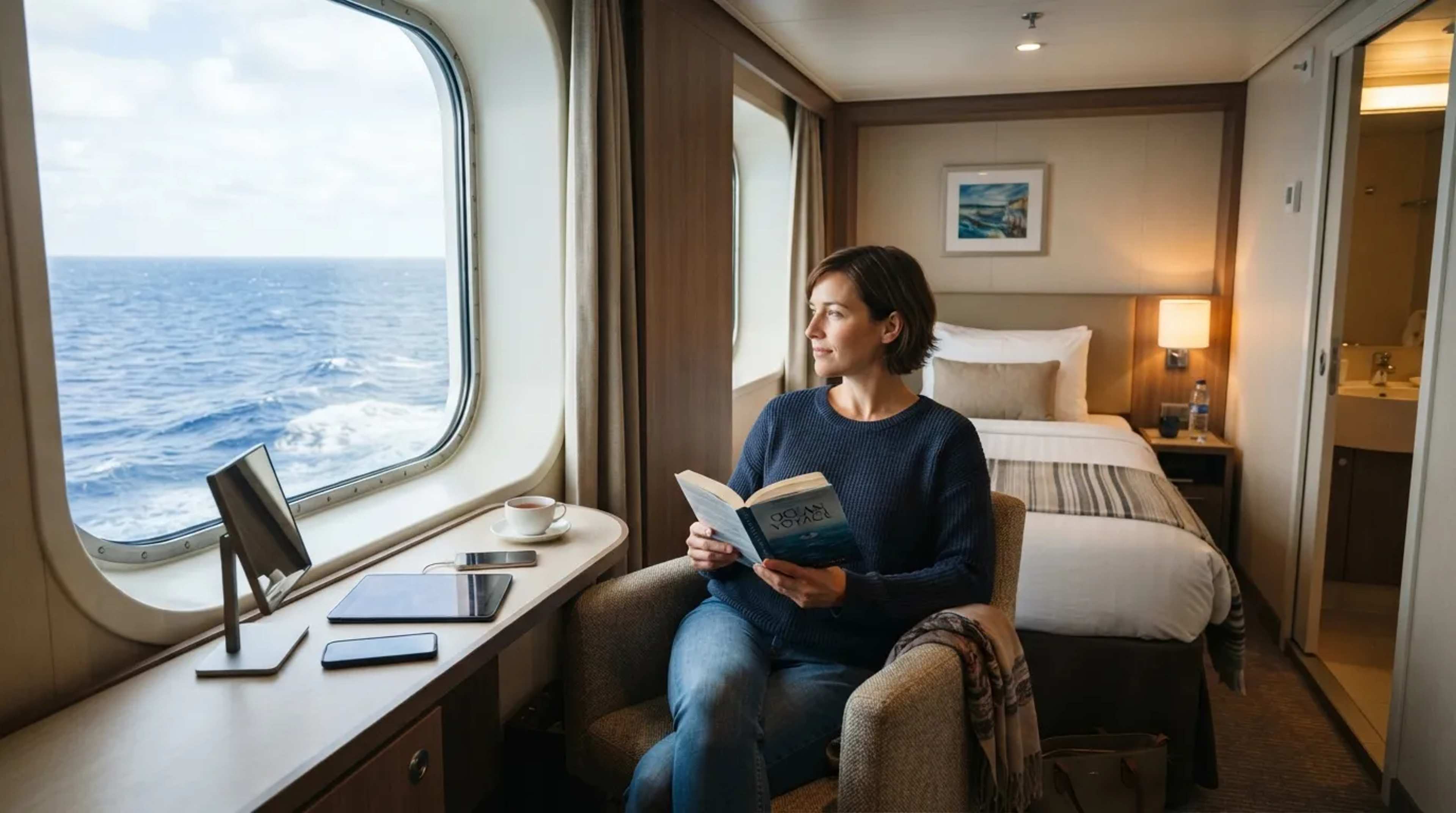
On a typical week-long cruise, you get a sea day or two between ports. A crossing flips that. Most spring transatlantic repositioning cruises include 4 to 7 consecutive sea days, depending on the route and whether stops like the Azores or Bermuda are included.
A New York to Barcelona crossing might run 5 to 6 days before any port call. That’s nearly a week with no land to step onto. Some people love it. Others find out on day three that they don’t, and the ocean itself can add to the surprise.
#12 – The North Atlantic Can Get Rough, and First-Timers Get a Warning
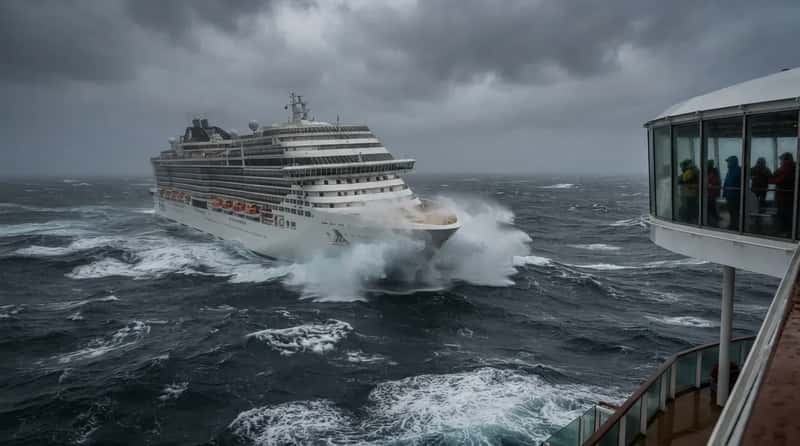
Cruise lines are fairly measured about this. Early spring and late fall crossings can bring cooler temperatures and the occasional storm system. Sea conditions are generally manageable, but some days will be choppier than others.
Here’s the contrarian view. Forbes has noted that so many consecutive sea days is generally not recommended for first-time cruisers who don’t yet know how they handle ship movement. That’s a fair argument against making a crossing your very first cruise. If you do go, pack the seasickness remedies you’ve already tried at home. Your suitcase is facing its own problem too.
#11 – You Pack for Three Climates in One Suitcase
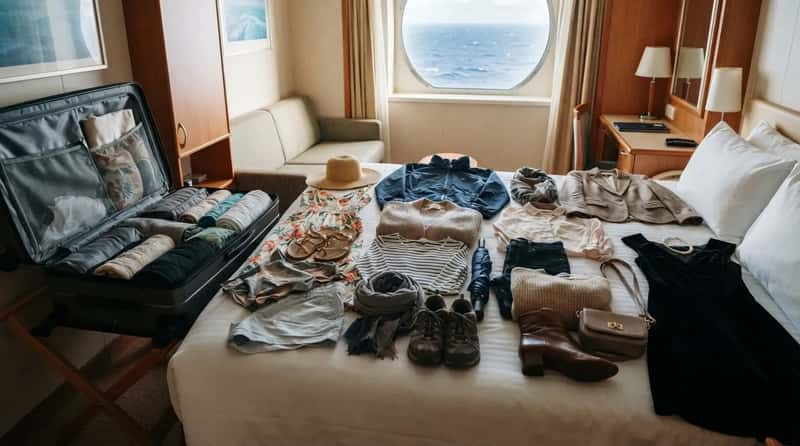
A crossing doesn’t stay in one weather zone. You may leave in warm Florida sunshine, hit cool, windy decks mid-ocean, and land in spring or autumn weather in Europe. Dress for just one of those and you’ll feel it.
For a 12 to 16 night transatlantic cruise, one guide suggests packing for about eight days and doing laundry once. Add one or two outfits for formal nights. The usual mistake isn’t packing too little, it’s hauling a wardrobe for every possible day.
#10 – The Passport Rule Has Almost No Loopholes
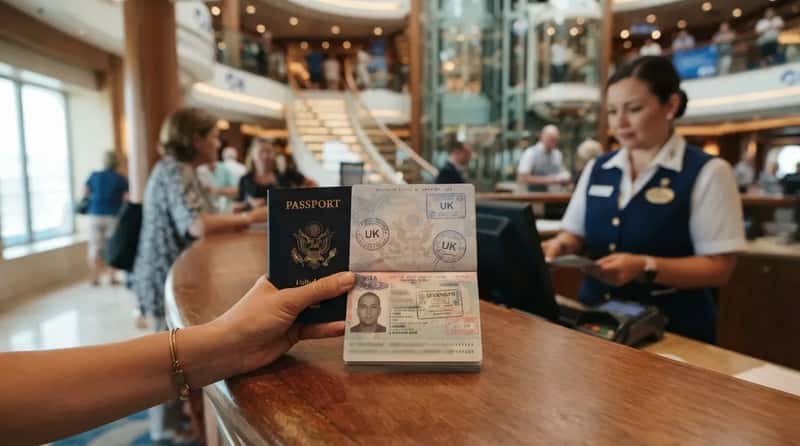
Some Caribbean sailings let travelers board with limited ID. Transatlantic ones don’t. Princess says a valid passport is required for all transatlantic cruises, no matter which country you depart from or arrive in. The limited exceptions that apply to some closed-loop cruises generally don’t cover these sailings.
Princess advises that your passport be valid for at least six months past your return date. Some trips also need a travel authorization, such as the UK ETA. A repositioning route often touches several countries, so check the entry rules for every one. Here’s the short version, and then the payoff for all that paperwork.
At a Glance
- Passport: required on transatlantic sailings, whatever your departure country.
- Validity: Princess advises six months beyond your return date.
- Extras: some itineraries call for an authorization like the UK ETA.
- Homework: check the entry rules for every country on the route.
#9 – The Ports Are Ones Summer Cruisers Rarely See
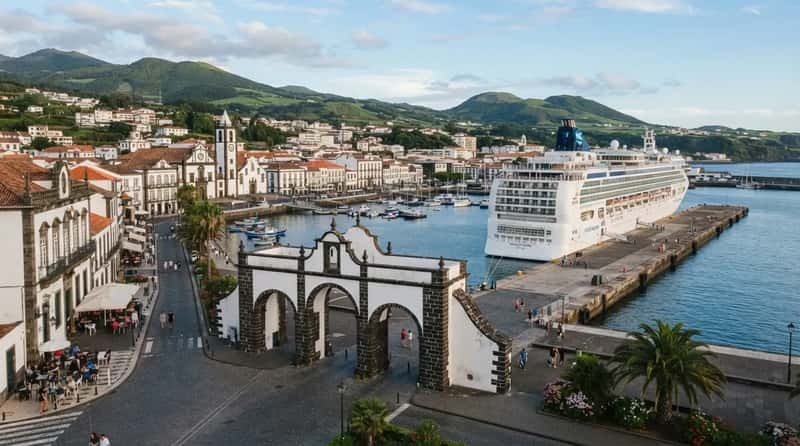
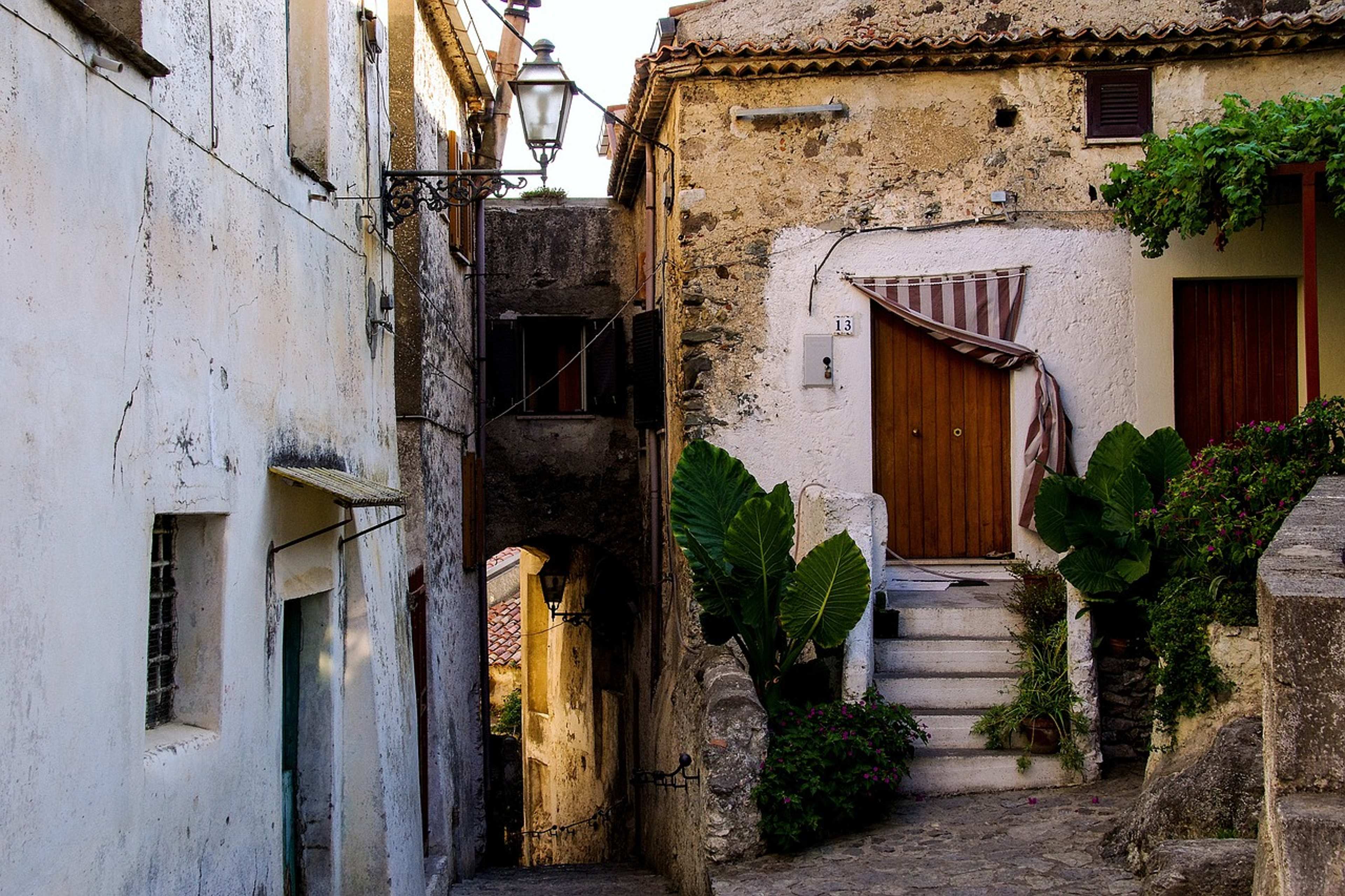
This is the quiet upside. Repositioning itineraries often stop in places that typical Mediterranean summer sailings skip, like Madeira, Tangier, Cádiz and the Azores. Many of them are places you may never have thought to put on a trip list.
Take one example. Norwegian Dawn’s 14-night Lisbon to Jacksonville repositioning called at Cádiz, Casablanca, Ponta Delgada in the Azores, and Great Stirrup Cay in the Bahamas. That’s a surprising lineup for one ship. Dates and itineraries change, so check the current schedule before you plan around it.
#8 – The Onboard Programming Can Be the Real Event

When the ship is the destination, lines tend to lean into it. Some sailings add themed programming, such as food and wine or theater. The long ocean days leave plenty of room for it.
One travel writer notes that longer sea days leave more time for live music, dining, enrichment talks, or simple relaxation. Ships generally offer enough onboard activity to fill the time. What’s actually scheduled varies by line and ship, so look at the lineup before you book.
#7 – Fall Crossings Run Straight Into Hurricane Season
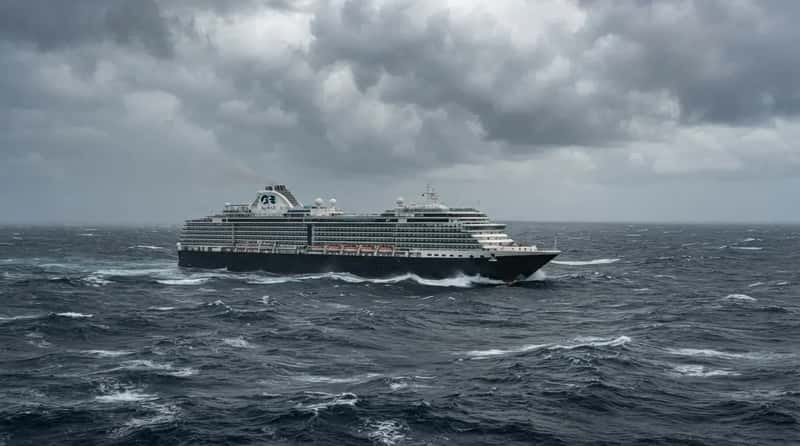
The calendar works against fall sailings. Princess says ships head westbound in October and November to start Caribbean or other warm-weather sailings. The Atlantic hurricane season runs from June through November.
The two overlap. A westbound fall crossing finishes in warm waters during the last weeks of hurricane season. That doesn’t mean a trip will go wrong. It does mean itineraries can shift, so read the cruise line’s policy on changes before you commit.
Fast Facts
- Atlantic hurricane season runs June through November.
- Princess sends ships westbound in October and November.
- Fall crossings tend to end in warm Caribbean waters.
- Itinerary changes are possible, so the change policy matters.
#6 – Some “Transatlantic” Cruises Aren’t Pure Ocean Crossings
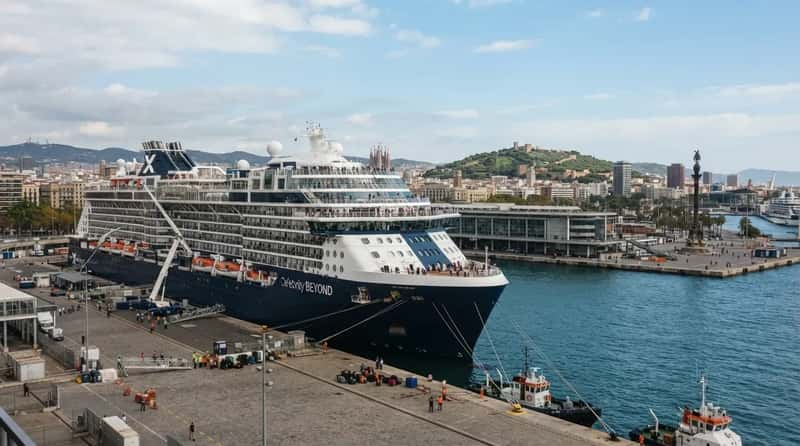
Marketing can blur this. Celebrity’s transatlantic repositioning itineraries aren’t pure ocean crossings, and include a few port stops before the open-water stretch. The label says “transatlantic,” but the day-by-day plan tells the real story.
The number of straight sea days can be much lower than the headline implies. That’s good news if you want land and a shock if you wanted nothing but ocean. Read the full itinerary, not just the title.
#5 – The Cheap Cabin Might Be the Smartest Buy
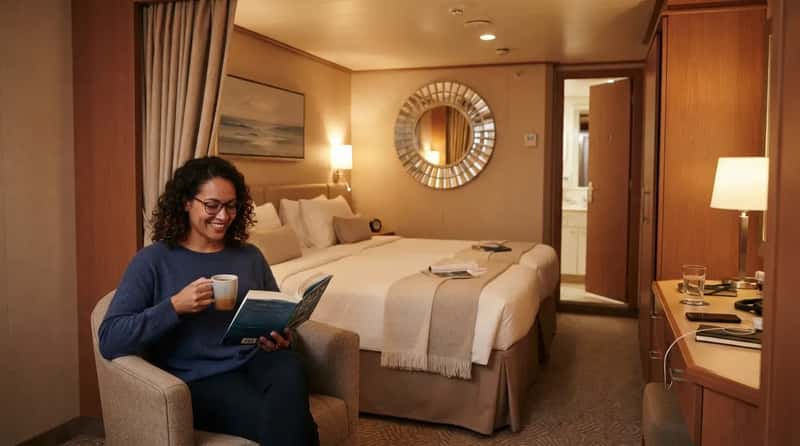
Cruisers tend to split on this one. Some say a balcony is the only way to live through a long sea stretch. Others argue it’s wasted money on a trip built around the ship’s public spaces.
One guide argues an interior cabin on a repositioning cruise is a better value than a balcony on a short Caribbean sailing. The logic is simple. You’ll spend long sea days in lounges, dining rooms and on deck, not stuck in your room. And if you’re traveling alone, the pricing works differently again.
#4 – Solo Travelers Can Get a Break That Others Don’t
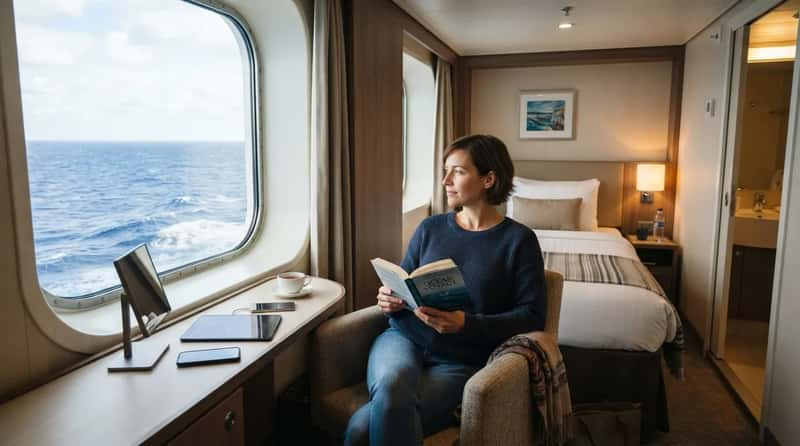
Single travelers usually pay a penalty for sailing alone. Some lines, including Celebrity and Holland America, have periodically waived or reduced the solo supplement on select repositioning sailings to fill cabins. That’s easy to miss if you only skim the headline fare.
Because the line wants cabins filled, a solo traveler’s usual penalty can shrink. Some ships also offer dedicated solo cabins or studios. These offers come and go, so check each line’s current policy. But waiting around for the perfect price can backfire.
#3 – Waiting for a Price Drop Usually Backfires

Repositioning sailings aren’t like weekly Caribbean cruises. They have finite inventory and they don’t repeat every week. One guide recommends booking 9 to 12 months ahead for the widest selection.
Worth Knowing
- Each crossing is a one-off, with a limited number of cabins.
- Early booking gives the widest choice of cabin and date.
- There is no weekly repeat to catch if you miss one.
Another guide says price drops are the exception, not the rule. If fares do fall after you book, some lines adjust with a price difference or onboard credit, but policies vary. Ask your cruise line before you pay. There’s also an old law that quietly shapes where some ships can go.
#2 – A Law From 1886 Quietly Shapes the Route
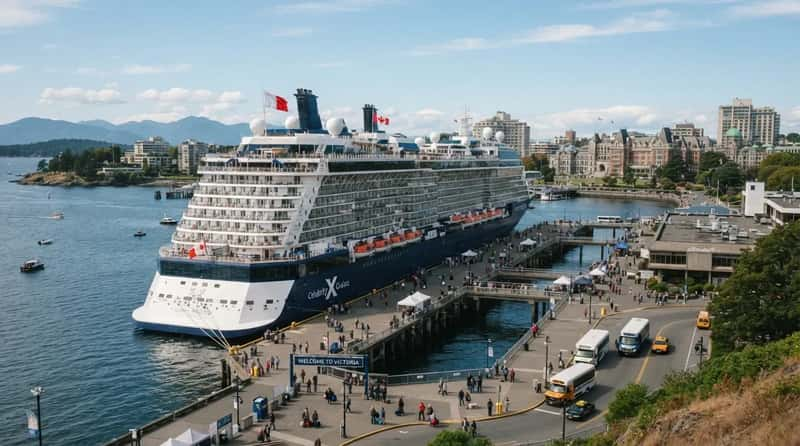
Ever wonder why a cruise from Seattle to Alaska always seems to stop in Canada? The U.S. Passenger Vessel Services Act of 1886 generally bars foreign-flagged ships from carrying passengers between two U.S. ports without a foreign stop in between. Most big cruise ships sail under foreign flags, so the rule shapes a lot of itineraries.
That’s why a Canadian port like Victoria or Vancouver often shows up on routes between American ports. It’s also part of why Alaska to the West Coast is a classic fall repositioning route. A stop that looks like filler can actually be a legal requirement. The real reason to take any of these trips, though, has nothing to do with law or money.
#1 – The Empty Middle of the Ocean Is the Point
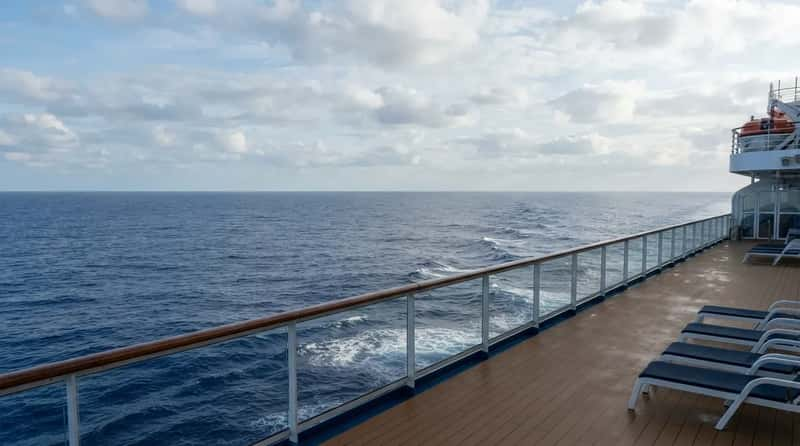
The thing people dread most turns out to be what some cruisers value most. The most common complaint about crossings is the high number of consecutive days with no port calls. Yet for many passengers, sea days feel like a built-in exhale between destinations, not filler time to endure.
One guide calls the mid-Atlantic sea days the most peaceful days in cruising. That’s an opinion, and not everyone shares it. But it helps explain why people who like life aboard are the ones who rebook.
A repositioning crossing is cheaper per night, not cheaper overall until you count the flight. It comes with long runs of open sea, a passport rule with few loopholes, and a calendar tied to hurricane season.
Crossings suit people who enjoy sea days, have two weeks to spare, and book the one-way flight early. For them, the bargain fare is almost a bonus. The real prize is a ship in motion and nowhere you have to be.