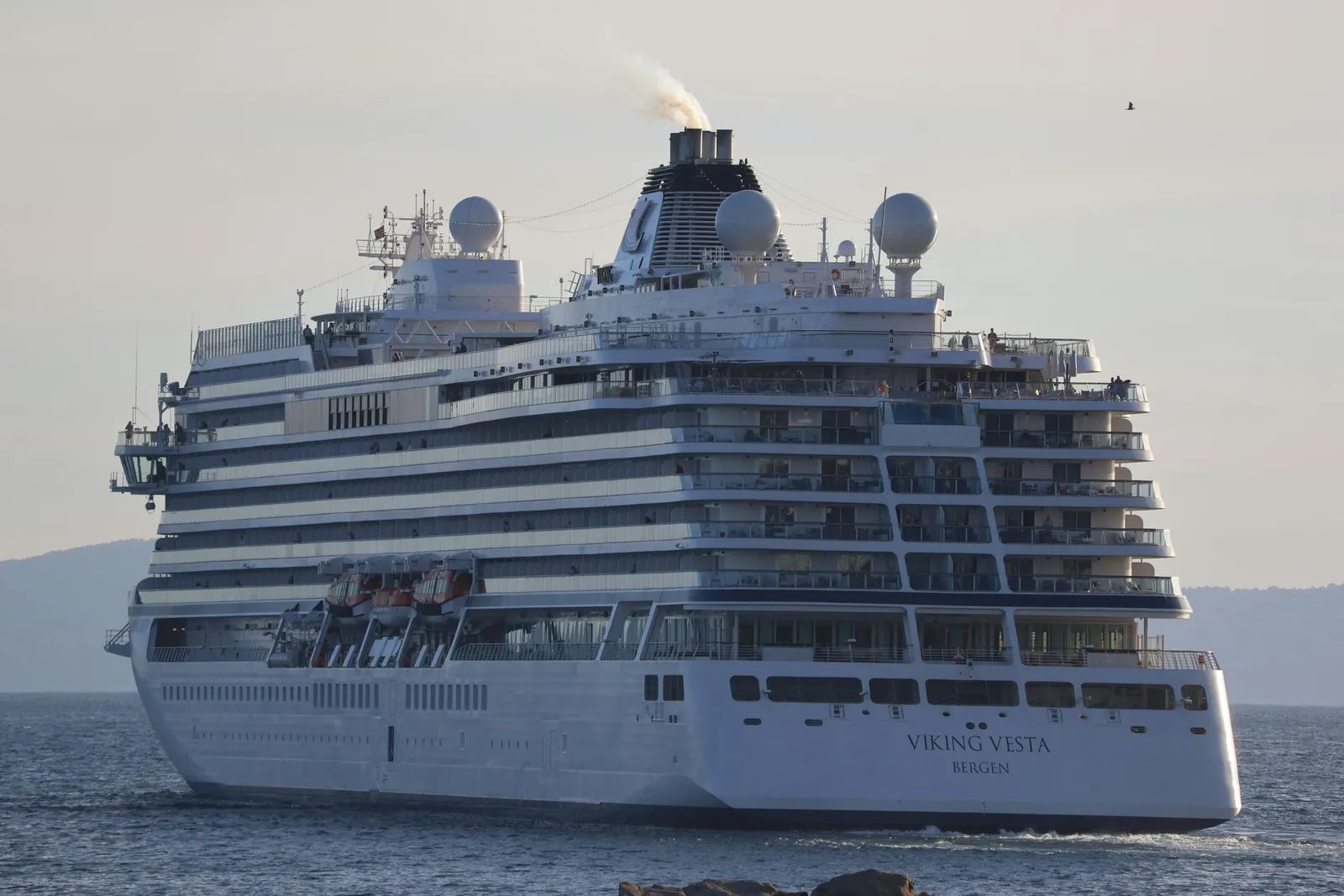
Viking’s ocean ships are built for a specific kind of traveler, and the company has leaned into that focus for nearly three decades. From aboard Viking Sky during a seven-night Western Mediterranean sailing, The Points Guy’s Gene Sloan described why the formula works for older passengers, and why it is not meant for everyone. His account, which you can read in full at ([1]), draws on repeated Viking voyages and a close look at how the line is designed.
Ports come first
Many cruise lines treat the destination as a backdrop to life on board. Viking reverses that order. Its ships often linger in port, and they rarely cover more than 200 miles between stops, which leaves more hours for exploring on foot. On Sloan’s sailing, the ship stayed in Barcelona and Livorno for two full days each, an unusual amount of time for a voyage of that length.
Guided tours are another distinguishing feature. Viking includes a local-guide walk in every port at no added cost, a practice Sloan noted is not matched by several higher-priced rivals, including Seabourn, Crystal and Explora Journeys. In Sete, France, the ship stayed docked until 8 p.m., giving passengers time to sample local octopus pies and Picpoul wine in town. Optional excursions also exist for those who want more depth. Sloan booked an all-day Florence trip for $209 per person.
Smaller ships, quieter rooms
Viking’s onboard design leans on residential comfort rather than spectacle. The Living Room, a central atrium with cozy seating and a cafe corner, serves as the main gathering point on each ship. The Explorers’ Lounge, two decks high with glass walls, turns the passing coastline into the main decor. Sloan said that the line operates 13 ships, all built to a similar Scandinavian-influenced plan.
The vessels are also deliberately modest in size. Some megaships carry as many as 7,000 people, while Viking keeps its ships at a scale where passengers rarely feel crowded. Cabins include heated bathroom floors and anti-fog mirrors, and the line also makes practical choices for travelers whose eyesight has changed. Toiletries arrive in containers with oversized, high-contrast labels, bedside reading lamps are built into headboards, and television remotes have only a few large buttons.
- No children under 18 are permitted, a rule Sloan described as unusual among major cruise brands.
- There are no casinos, waterslides or go-kart tracks on board.
- Fares generally include accommodations, meals, soft drinks, wine and beer, and shipboard WiFi.
- Airport transfers are included for passengers who book international flights through Viking.
Entertainment at conversation volume
Onboard programming follows the same logic. Lectures by resident experts cover the history and culture of the countries on the itinerary. On the Western Mediterranean sailing, a historian walked passengers through French and Italian history from Roman times through the Second World War, and another speaker covered French artists and the origins of the Monaco Grand Prix before those stops.
Entertainment tends to be gentle. Sloan described a lineup that included ABBA tunes, Broadway standards and an opera tenor who performed during a Livorno overnight, along with flamenco dancers in Barcelona. Evening music in the Explorers’ Lounge is kept at a level that allows conversation. The Munch Moments series, which pairs a pianist playing Norwegian folk music with projected works by Edvard Munch, is one of the line’s signature touches. Dinners also feature destination menus that match each port, such as a Spanish red bean soup in Barcelona.
Related Stories From Travelbinger
Easy travel, with clear limits
Sloan argued that ease matters more with age. Because fares are largely all-inclusive and the line handles many logistics, passengers can book with one call to a travel agent or Viking, then spend little time planning once they arrive. Relaxed walking-tour paces and relatively low solo fares also suit older travelers who sail alone, and Sloan said those details are part of a broader focus on the over-50 market.
The same focus creates clear limits. Families with young children are not welcome, and the ships lack the attractions that draw many vacationers to megaships. Sloan was candid that the brand is sometimes misunderstood and is not for everyone. For travelers who prefer a quiet ship, a strong sense of place and comfortable, unhurried days, the line’s approach offers a clear answer. For those who want constant onboard activity, Viking will likely feel too calm.