Cruising is supposed to be the dream retirement trip – relaxed, all-inclusive, everything handled for you. And for millions of Americans over 60, it genuinely is. But a surprising number of retirees come back from their big voyage not with scrapbooks full of joy, but with a long list of expensive regrets. The stories are shockingly consistent: smart, well-traveled adults who got blindsided by fees they didn’t expect, bookings they didn’t think to make, and situations nobody warned them about.
What’s wild is that most of these mistakes happen before the ship even leaves port – and a few are things the cruise industry would rather you not figure out until after you’ve already paid. Here are 17 cruise mistakes retirees say they wish they’d known about, counting down to the one that stings the most.
#17 – Booking the Wrong Ship for Your Lifestyle

Not all cruise ships are even remotely the same, and picking the wrong one can quietly poison the entire trip. Some ships feel like floating resorts with water slides, packed nightclubs, and nonstop noise. Others are built around quieter atmospheres, enrichment lectures, and destination-focused itineraries. Retirees who want a peaceful, port-heavy experience and accidentally book a party ship spend the whole week feeling like they wandered into someone else’s vacation.
Many first-time cruisers choose based only on price or itinerary – and that’s where the trouble starts. The fix takes a little homework: research the demographic and vibe of any ship before you book. Some lines cater almost exclusively to adults, others are built around family chaos. Getting this wrong doesn’t just affect one night – it colors every single day at sea. But that’s nothing compared to the fee surprise waiting at #16.
Quick Compare
- Party/family ships: Water parks, packed pools, loud common areas, late-night entertainment
- Premium adult-focused lines: Quieter atmosphere, enrichment lectures, destination-immersive itineraries
- Luxury expedition lines: Small-group shore experiences, naturalist guides, intimate dining
- River cruise lines: Slow-paced, port-heavy, no sea motion – often ideal for first-time cruisers
#16 – Getting Blindsided by Daily Gratuity Charges
Here’s what most retirees don’t see coming: automatic daily gratuity charges that stack up fast and aren’t clearly advertised in the headline cruise price. These charges are charged per person, not per room, and the numbers vary more than most people realize. Royal Caribbean currently charges $18.50 per person, per day for standard cabins and $21.00 for suites. Norwegian runs $20.00 for standard rooms and $25.00 for The Haven. On a 10-night cruise, a couple could easily owe $370 to $500 in gratuities alone – before a single cocktail is ordered.
The real gut-punch is the math compounding fast. Multiple major cruise lines – including Carnival, Holland America, Disney, Royal Caribbean, and Princess – have raised their automatic gratuity rates in 2024, 2025, or early 2026, and the trend shows no signs of stopping. Budget for this before you book, not after you’re already on the ship trying to do damage control. But wait until you see what #15 costs people who don’t plan ahead for flights.
Fast Facts
- Carnival: $17/person/day (standard), $19/person/day (suites) as of April 2026
- Royal Caribbean: $18.50/person/day (standard), $21.00/person/day (suites)
- Norwegian: $20.00/person/day (standard), $25.00/person/day (The Haven)
- Holland America: $18/person/day (standard), $20/person/day (suites) as of June 2026
- Beverages, spa, and specialty dining typically add an extra 18–20% service charge on top
#15 – Flying In the Same Day the Cruise Departs
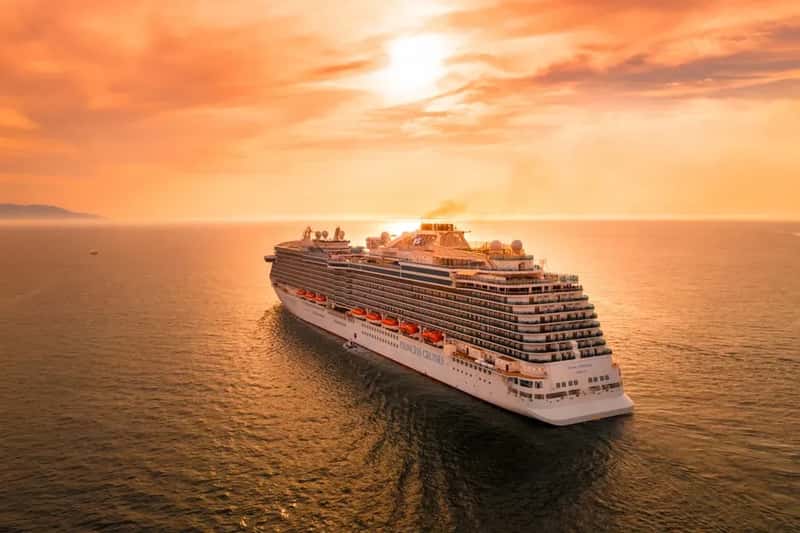
This is one of the most painful and most avoidable mistakes on this entire list. Scheduling a flight that arrives just a few hours before embarkation looks efficient on paper. In practice, it introduces a risk that can destroy the whole trip: if a flight delay causes you to arrive after boarding closes, the ship sails without you. Cruise lines do not refund missed sailings caused by travel delays – that’s your problem, not theirs.
Catching up to the ship at the next port can cost hundreds or even thousands of dollars out of pocket. Retirees who’ve lived through this describe it as one of the most gut-wrenching moments of their lives – watching their vacation literally sail away from the dock. The rule is simple and non-negotiable: fly in the day before, stay near the port, and give yourself a real buffer. What happens the morning you actually board? #14 is where many first-timers waste half of Day 1.
#14 – Wasting Embarkation Day Standing in Buffet Lines

The moment you step onboard is one of the best moments of any cruise – and a lot of retirees accidentally blow it. Almost everyone makes the same move: board the ship, head straight to the pool deck buffet for lunch, and immediately get swallowed by massive lines with nowhere to sit. You’re juggling a food tray and a carry-on bag while wedged between strangers, and suddenly the excitement of Day 1 feels like a crowded airport food court.
Smarter cruisers do a little research ahead of time to find out what other venues are open for lunch on embarkation day. Often the pool grill or a smaller casual cafe is also serving, with a fraction of the crowd. Boarding early helps too – the ship is quietest right after doors open, and that’s when you can actually explore without fighting foot traffic. Speaking of dining, #13 is a spending trap that catches retirees off guard every single time.
#13 – Not Understanding What’s Actually Included in the Fare
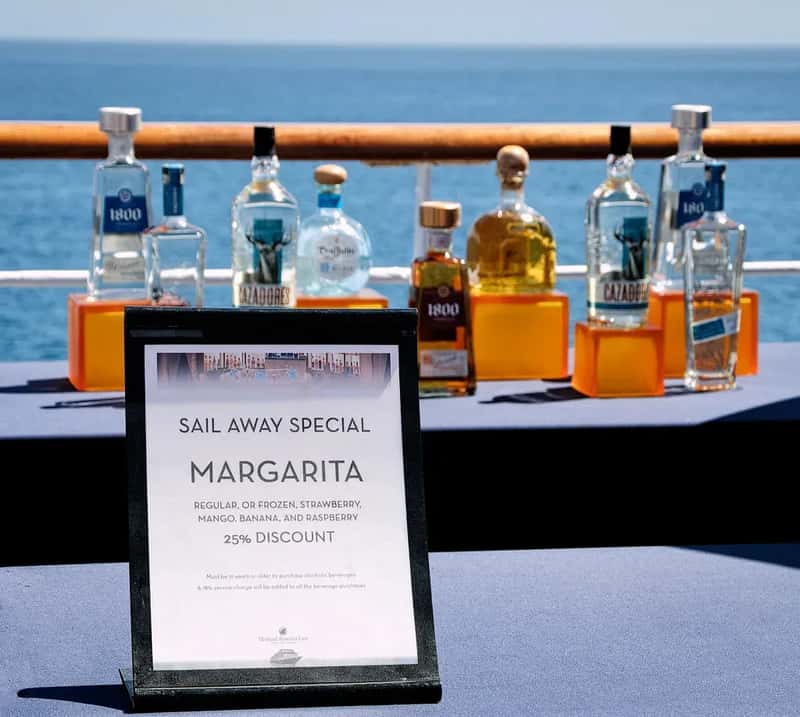
Cruise fares are marketed to feel all-inclusive. They are not. When most people board, the only drinks actually covered in the base fare are tap water, iced tea, lemonade, drip coffee, and basic hot tea. Soda, specialty coffee, bottled water, smoothies, and all alcohol cost extra. Retirees who picture leisurely mornings with unlimited lattes on the deck are often genuinely shocked by their first onboard bill.
Beyond drinks, the list of extras keeps growing: shore excursion fees, internet access charges, specialty dining, fitness classes, laundry service, and even room delivery fees. Cruise lines aren’t hiding this information – but they’re not advertising it loudly either. Understanding the hybrid pricing model before you board is the difference between a relaxing trip and a week of sticker shock. The spending mistake that hits hardest, though, comes at #12.
At a Glance
- Usually included: Main dining room meals, tap water, basic hot beverages, entertainment shows, pools
- Almost always extra: Alcohol, soda, bottled water, specialty coffee drinks
- Typically extra: Specialty restaurants, WiFi, shore excursions, spa treatments
- Often overlooked extras: Room service delivery fees, fitness classes, laundry, casino
- Lines with true all-inclusive fares: Azamara, Virgin Voyages, Regent Seven Seas, Seabourn
#12 – Letting Onboard Spending Spiral Without a Budget
There’s something about being at sea that makes people forget money is real. The ship starts to feel like a self-contained world where everything is just a tap of your cruise card away – drinks packages, spa specials, souvenir photos, wine tastings, bingo cards, casino chips. Retirees on fixed incomes say this hits especially hard because the full bill doesn’t arrive until the last night of the cruise, when it’s way too late to do anything about it.
The trick is deciding in advance what you’re willing to spend, then treating that number like a real limit. Give yourself a daily allowance, pre-book what you can at lower pre-cruise prices, and resist the onboard upsells that are specifically designed to feel like bargains. A spending plan isn’t about deprivation – it’s about not spending the month after your cruise recovering from the bill. The decisions you make before you ever board can cost even more, as #11 makes clear.
#11 – Skipping Pre-Cruise Sales and Ignoring Loyalty Promotions
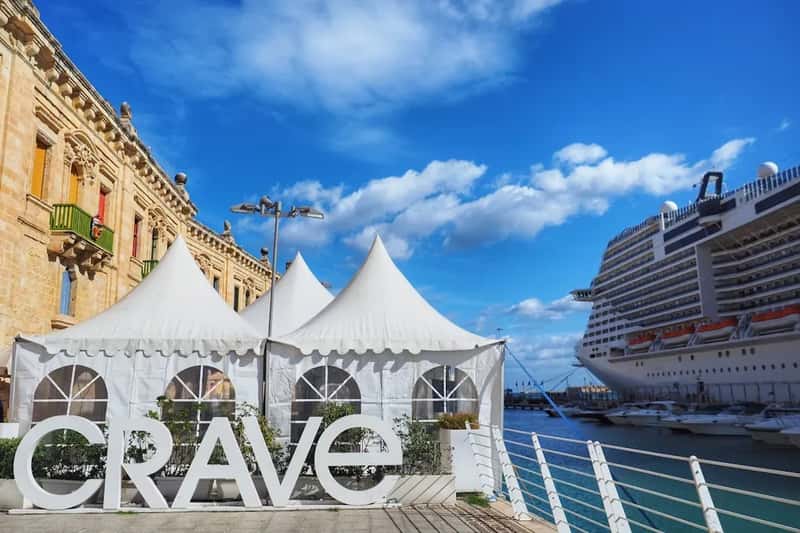
Most retirees book their cruise and then go completely quiet until departure day. That’s a costly habit. Cruise lines routinely run promotions between your booking date and your sail date – free drink packages, complimentary WiFi upgrades, reduced specialty dining packages – that are simply never offered at those prices once you’re onboard. Ignoring the promotional emails that arrive after booking is essentially leaving money on the table.
Shore excursions and internet service are almost always cheaper when booked before you board than when purchased from a crew member on the ship. The planning window between booking and sailing isn’t just administrative busywork – it’s a genuine money-saving opportunity that most first-timers completely ignore. Retirees who’ve figured this out say it changes the whole financial picture of a cruise. And if you thought that was frustrating, #10 has left some retirees stranded with nothing to do in ports they’ve dreamed about for years.
#10 – Not Booking Shore Excursions Far Enough in Advance
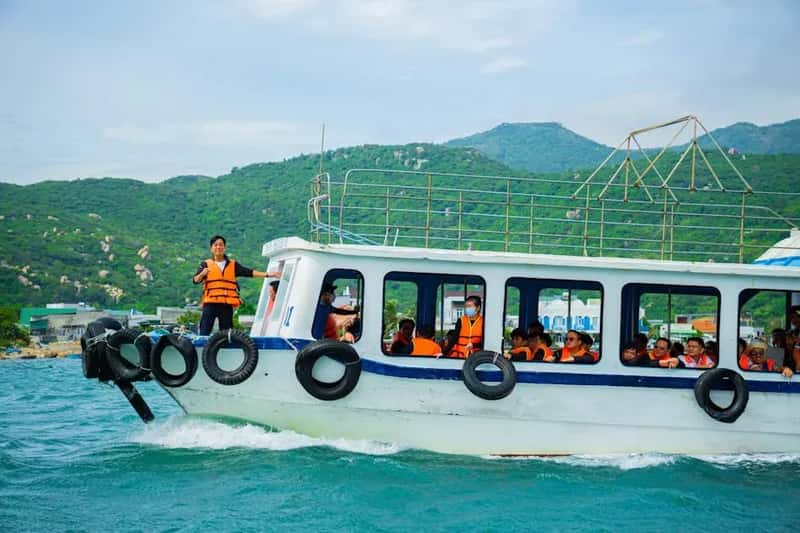
This mistake sounds minor until it ruins an entire port stop. The most popular shore excursions – small-group tours, private beach cabanas, snorkeling trips with limited capacity – sell out weeks or even months before departure. Wait until you’re onboard to book and you’ll find yourself staring at a waitlist in the one port you were most excited about. For retirees who’ve been dreaming about a specific destination for decades, that’s genuinely heartbreaking.
Cruise lines typically open shore excursion booking well before the sail date, and that opening day matters. Missing it means missing out. Booking before you board also costs less than booking through the cruise desk once you’re at sea. The clock starts running the moment your reservation is confirmed – not when you step onto the gangway. But #9 is the mistake that can leave you literally left behind on foreign soil.
#9 – Cutting It Too Close to the All-Aboard Time
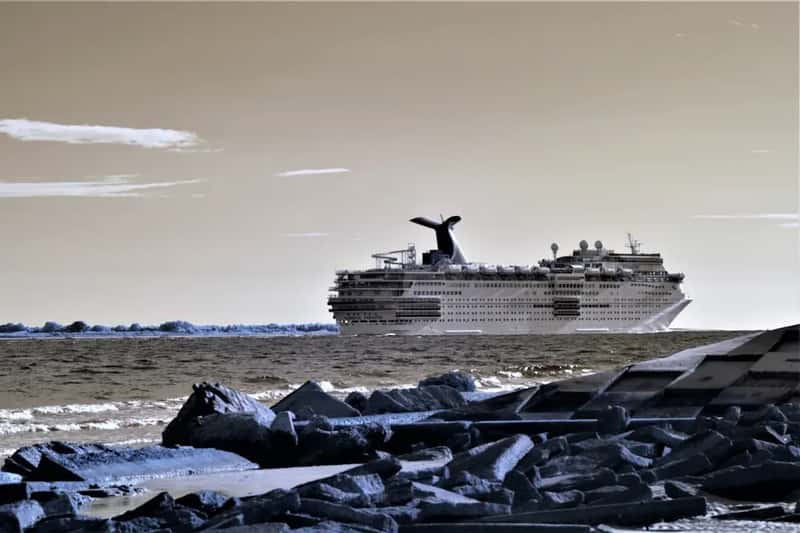
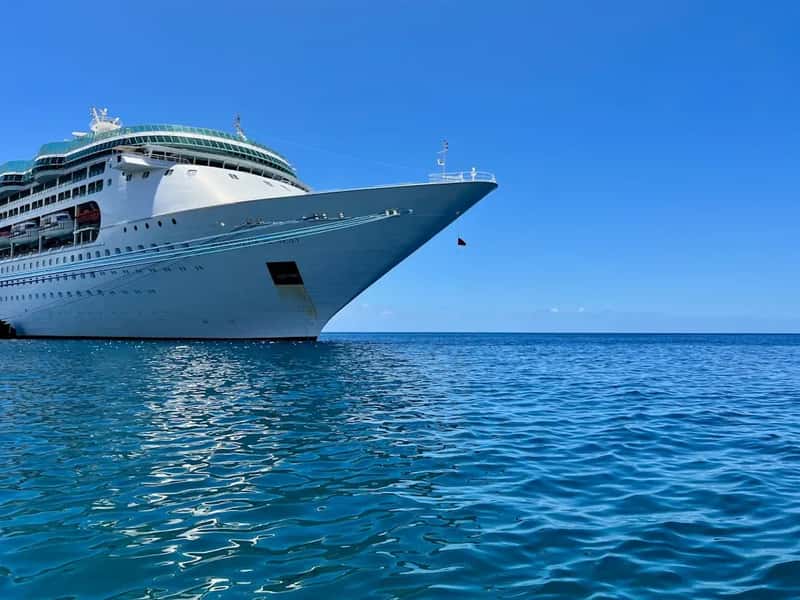
The ship will leave without you. It sounds obvious until you’re the one stuck in a taxi watching the dock from a distance. All-aboard time is a hard deadline – cruise ships follow strict port schedules and will not hold departure for late passengers. Independent excursions carry the most risk because there’s no guide responsible for getting you back in time. One traffic jam, one wrong turn, and you’re watching your floating hotel sail toward the horizon.
Ship-organized tours offer a safety net: the cruise line won’t leave if their own excursion bus is still on the road. But independent exploration – as rewarding as it can be – requires real discipline about the clock. Always build in at least a full hour of buffer before all-aboard time, and remember that port towns near cruise terminals often have notoriously unpredictable traffic. The “pier runners” who sprint down the dock make for viral video content. You don’t want to be one of them. And #8 is a mistake that costs some retirees real money before they’ve even seen a single port.
Worth Knowing
- All-aboard time is typically 30 minutes before the published departure – confirm the exact time at each port
- Ship-sponsored excursions guarantee the ship waits; independent tours do not
- Port towns near major cruise terminals (Cozumel, Nassau, Dubrovnik) are notorious for heavy traffic on ship days
- If you miss the ship, you’re responsible for all costs to catch up at the next port
#8 – Overpacking and Underestimating Cruise Cabin Size

Cruise ship cabins are famously small, and retirees who pack like they’re moving abroad discover this the hard way. It starts at the airport with overweight baggage fees, continues through the physical strain of hauling multiple heavy bags through a terminal and up a gangway, and ends with two giant suitcases consuming nearly every square foot of a cabin that was already modest to begin with. Half the clothes never get worn.
For retirees, the physical toll is the real issue. Dragging heavy luggage through airports, cruise terminals, and narrow ship corridors is genuinely exhausting – and that exhaustion can set a bad tone before the trip even starts. Storing suitcases under the bed frees up some space, but the better answer is simply packing less. Bring what you’ll actually wear, leave the hypothetical outfits at home, and start the trip with energy instead of a sore back. The mistake at #7 isn’t about what you brought – it’s about what you forgot entirely.
#7 – Traveling With an Expired or Soon-to-Expire Passport
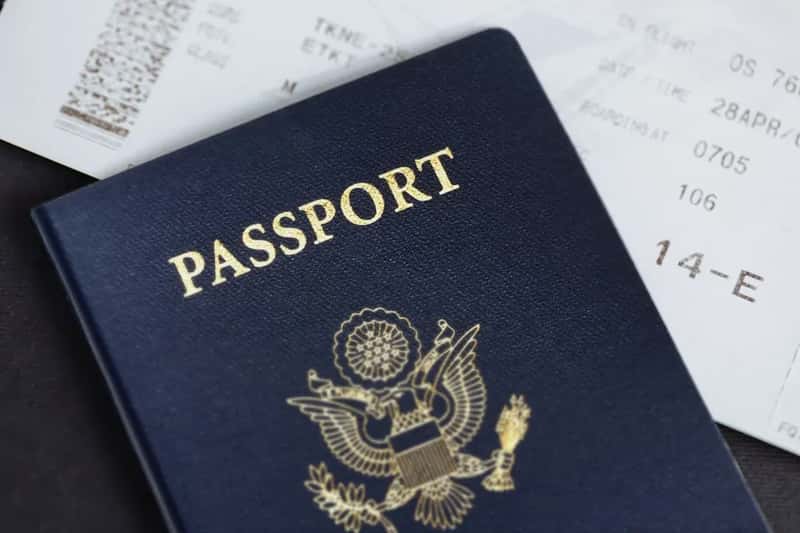
Retirees have been turned away at the port for something they assumed was completely fine: a passport that’s technically valid but expiring too soon. Many countries require at least three to six months of remaining validity beyond your travel dates – meaning a passport that doesn’t expire until next month can still get you denied entry at a foreign port. That’s a rule that catches people off guard every single year, and cruise lines won’t refund you for it.
As of 2025, standard U.S. passport renewal takes roughly four to six weeks; expedited processing costs an extra $60 and typically runs two to three weeks. If you’ve waited too long, urgent appointments at regional passport offices exist – but they’re difficult to get. The simple fix: check your passport expiration date the moment you book your cruise, not the week before you leave. The mistake at #6 is sneakier and quieter – and it’s one the cruise lines are perfectly happy for you to keep missing.
#6 – Ignoring Cruise Loyalty Programs at Booking
Most retirees either don’t know cruise loyalty programs exist, or they figure they’ll sign up “next time.” That thinking costs real money. Every major cruise line runs a rewards program, and enrolling costs nothing – but skipping it means forfeiting onboard credits, complimentary upgrades, priority boarding, and discounts that accumulate quickly over even two or three voyages. First-time cruisers who bypass sign-up walk away leaving value on the table for no reason.
What most people don’t realize is that some cruise lines will match your loyalty status from a competitor’s program. If you’ve cruised before on a different line, you may already qualify for mid-tier perks you’re not claiming. Five minutes during the booking process can translate to hundreds of dollars in benefits – onboard credits alone can offset a specialty dinner, a spa treatment, or a shore excursion. If you don’t have the right protection in place before you sail, though, #5 could be the single most expensive mistake on this entire list.
#5 – Sailing Without Proper Travel Insurance

This is the one retirees say they regret most deeply when things go wrong – and things can go wrong fast on a cruise. Neither Medicare nor standard U.S. health insurance provides meaningful coverage in international waters. A bad fall on a wet deck or a sudden cardiac event at sea isn’t just scary; without proper coverage, it can be financially catastrophic. According to the CDC and the U.S. State Department, emergency medical evacuations can cost upward of $250,000 – and a Squaremouth operations director noted that her team was coordinating at least one medical evacuation per day off Caribbean cruise ships alone.
Comprehensive cruise travel insurance typically covers trip cancellation, emergency medical expenses, medical evacuation, and travel delays – all the scenarios that hit retirees hardest. Experts recommend at least $100,000 in emergency medical coverage and $250,000 in medical evacuation protection for cruise travelers. Royal Caribbean’s own bundled policy, by contrast, caps emergency medical at just $25,000 and evacuation at $50,000 – well below those recommended thresholds. Third-party plans from providers like Seven Corners, Tin Leg, and Travel Insured International offer significantly stronger coverage, often at comparable or lower cost. And #4 is the planning mistake that quietly turns a paradise port into a wasted, exhausted afternoon.
Why It Stands Out
- Medicare and Medicaid do not cover international medical costs or evacuations
- CDC estimates emergency evacuations from cruise ships can exceed $250,000
- Squaremouth recommends at least $100,000 emergency medical + $250,000 evacuation coverage for cruisers
- 35% of travelers are underinsured for medical evacuation, buying less than $250,000 in coverage
- Third-party policies often provide stronger protection than cruise-line-sold plans at similar or lower cost
#4 – Over-Scheduling Every Single Port Day

There’s a certain kind of retiree who books every available excursion in every single port and then wonders why they’re miserable by Day 4. The itinerary looked amazing on paper – beach in the morning, city tour in the afternoon, dinner at a local spot at night – but after two or three days of that pace, even tropical paradise starts to feel like a work trip. Exhaustion doesn’t care how beautiful the scenery is.
Here’s the irony: some of the most memorable moments on a cruise happen when you skip a port day entirely and stay on the ship. While thousands of passengers stream off the gangway, the pools go quiet, the hot tubs empty out, and the spa often runs discounts of 40% or more because business is slow. The ship feels like it belongs to you alone. Build breathing room into the itinerary – not every port needs to be conquered. The regret at #3 catches retirees completely off guard on what should be the final triumphant morning of a perfect trip.
#3 – Booking an Early Flight Home on Disembarkation Day

You did everything right, had a perfect trip, and then booked a 9 a.m. flight on the day the ship returns to port. This is the mistake that ends an otherwise great vacation on a note of pure stress. Even when a ship docks early in the morning, it can take several hours before passengers are actually allowed to disembark – the ship must clear customs first, and then thousands of people work their way off in waves.
After disembarkation comes luggage retrieval, clearing customs yourself, finding a taxi or rideshare, and navigating to the airport. Add it all up and what looked like a comfortable window on a calendar becomes a frantic sprint in real life. Retirees who’ve missed post-cruise flights say it’s one of the worst possible endings to an otherwise wonderful trip. The universal advice from seasoned cruisers: don’t book anything before noon on disembarkation day – and even then, give yourself cushion. The mistake at #2 is the one that quietly destroys what should be the most magical moments of the whole voyage.
#2 – Not Pre-Booking Specialty Dining and Entertainment

Retirees who assume they can wander into a Broadway-style show or grab a table at the ship’s specialty steakhouse whenever they feel like it are in for a rude shock. The best entertainment and the most intimate restaurants on modern cruise ships fill up weeks – sometimes months – before departure. Wait until embarkation day and you’ll be staring at a sold-out screen or settling for a 9:30 p.m. dinner slot on the last night of the cruise.
Most cruise lines offer discounted pricing when you pre-book online before sailing, which means waiting doesn’t just cost you the experience – it costs you money too. If you can’t lock in reservations before you board, make it your very first priority once you’re on the ship. Specialty restaurants are intimate, quieter, and feel genuinely special compared to the massive main dining rooms. These are the dinners and shows retirees talk about for years afterward – don’t let them disappear because you waited too long to claim your spot. And the #1 mistake? It’s the one that retirees almost never see coming, and it hits harder than almost anything else on this list.
#1 – Skipping Motion Sickness Prep and Paying for It All Week

This is the mistake that single-handedly ruins more cruises for retirees than anything else on this list. You spend months planning and thousands of dollars booking – and then spend Day 1, or worse, the entire trip, seasick in your cabin staring at the ceiling. The brutal truth is that motion sickness hits people at sea who have never experienced it anywhere else, including retirees who’ve flown and driven their whole lives without any issues. Ocean swells produce a completely different kind of motion, and your body may have opinions about it that surprise you.
The good news: this is entirely preventable – but only if you act before you board. Over-the-counter medications like Dramamine work, but they’re most effective when taken before symptoms start. The prescription Transderm-Scop patch worn behind the ear is a stronger option; doctors recommend starting it about four hours before boarding and replacing every three days. For a drug-free alternative, Sea-Band acupressure wristbands apply pressure to the Nei-Kuan point on both wrists and have helped many cruisers avoid nausea without any drowsiness. Whatever method you choose, prepare for it before you leave the dock – because once the swells hit, you’re already behind.
Fast Facts
- Dramamine (OTC): Take 1–2 hours before boarding; causes drowsiness in some people
- Bonine/meclizine (OTC): Less drowsy alternative; take the night before sailing
- Transderm Scop patch (Rx): Apply behind the ear ~4 hours before; replace every 3 days
- Sea-Band wristbands: Drug-free acupressure option; no drowsiness side effects
- Cabin location tip: Lower decks and midship cabins experience the least motion
The pattern across all 17 of these mistakes is the same: the most painful cruise regrets aren’t bad luck – they’re things nobody warned people to think about before departure day. From surprise gratuity bills and passport slip-ups to missed excursions and sailing without insurance, nearly every item on this list is completely avoidable with a little advance planning. The retirees who come back raving about their cruises aren’t necessarily richer or luckier. They just did their homework first.