Ask a veteran motorcoach guide what separates a smooth group from a messy one, and you’d expect an answer about the hotel, the budget, or the weather. Nope. The real difference is a handful of small habits that most travelers never notice until something goes wrong.
Here are 17 of them, drawn from tour-industry and group-travel guidance. The strange part is how ordinary they look: a phone alarm, a rooming list, a guide who knows when to stop talking. Some happen before anyone steps on the bus, and a few quietly decide whether day one ends in smiles or in a lobby full of cranky people holding suitcases.
#17 – They Read the Itinerary Before Day One, Not On the Bus
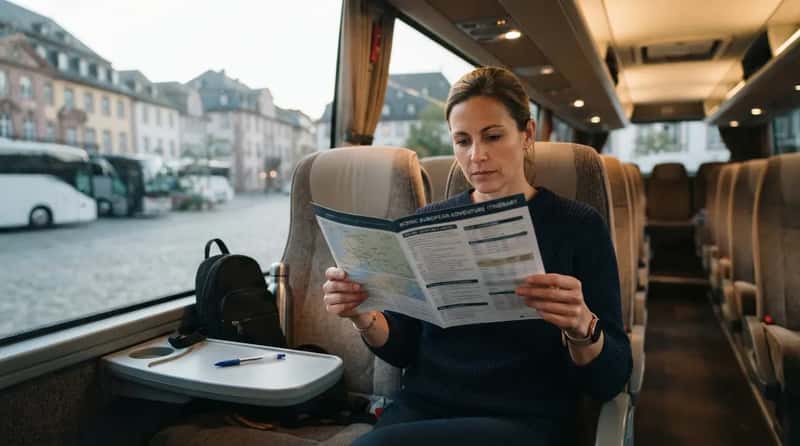
Tour operators send a detailed itinerary before departure, and they urge travelers to review it carefully. That dull document is secretly one of the best predictors of a calm trip. It tells you what to pack and whether you’ve received the vouchers for meals or attractions.
Guides point to a simple habit: check the group size, included meals, and daily meeting times and places the night before. One confused traveler can hold up an entire coach, and it’s almost always someone who never opened the paperwork. But the leader’s homework starts even earlier than yours, as #16 shows.
#16 – The Leader Shows Up an Hour Early, Phone Already Buzzing

On departure morning, the calmest guides are usually the ones already standing in the parking lot while everyone else is still hunting for their keys. Group-travel advice says that when a group is boarding a motorcoach or van, the leader should arrive at least an hour before the travelers do. It sounds like overkill until you see what fills that hour.
It isn’t idle time. Travelers need clear directions and a firm arrival time, and the leader should expect calls and texts from people who are lost. The first ten minutes of a trip set the mood for everything after.
At a Glance
- Leader arrival: at least 1 hour before travelers
- Travelers get: clear directions and a firm arrival time
- Expect: calls and texts from people who can’t find the spot
- Payoff: a calmer first ten minutes for everyone
And one hotel detail can wreck that mood faster than a missed turn, which is where #15 comes in.
#15 – The Hotel Lobby Line That Quietly Ruins Day One

Picture 50 tired travelers queued at a front desk at 4 p.m., bags at their feet, watching one clerk type. Tour-industry guidance says that kind of lobby line is how a tour falls behind on day one. Smooth groups avoid it before they ever arrive.
The fix is boring, and it works. Send the rooming list days ahead and ask for keys pre-packed by room. That’s the difference between a 5-minute handout on the coach and a 45-minute lobby line. The best escorts treat paperwork as a travel skill. Even with the keys sorted, though, travelers still need to know who to turn to, and #14 explains who that is.
#14 – Everyone Knows the Two People to Ask

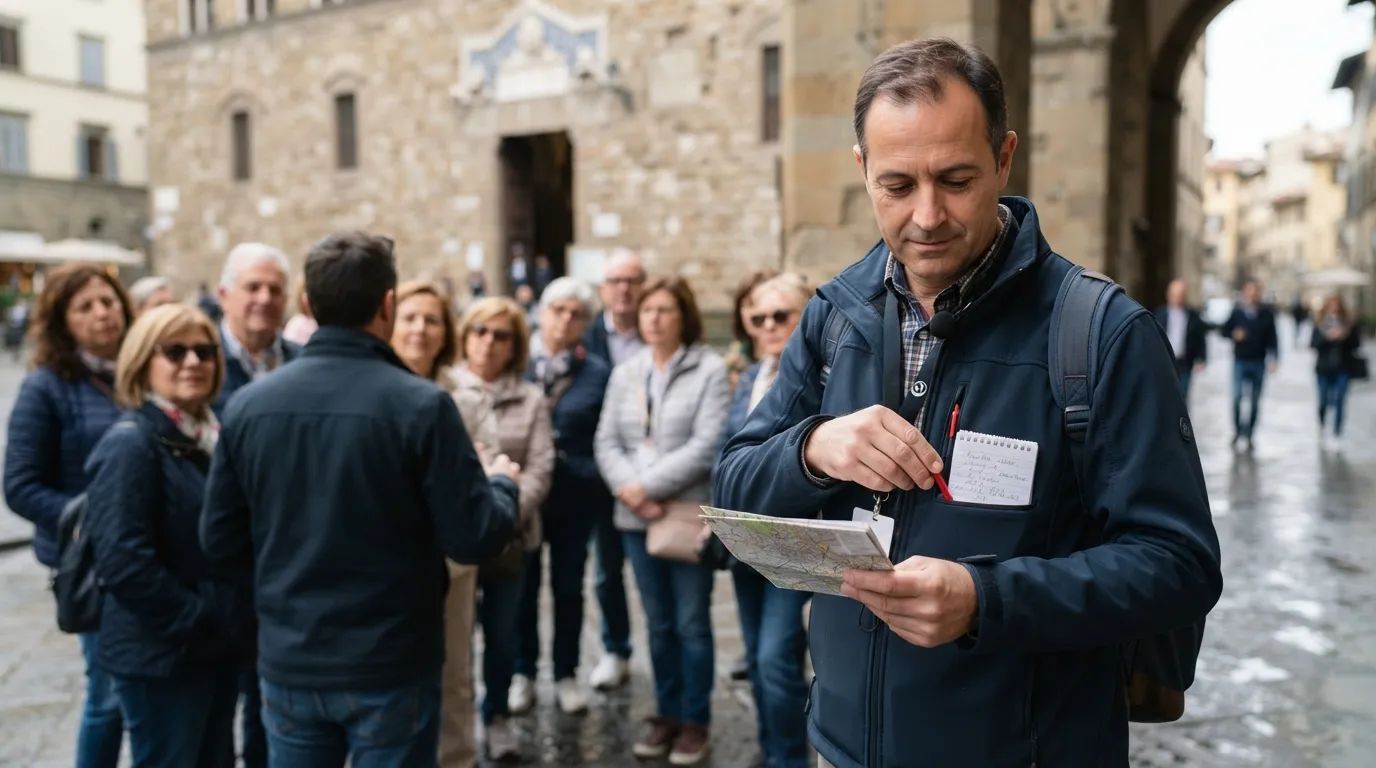
Smooth groups never have a “wait, who’s in charge?” moment. Travelers need two kinds of help: a guide who answers questions about the destination, and a trip leader who handles logistics such as first aid or schedule questions. On many trips, one person plays both roles.
The setup matters more than the titles. When people know where to take a question, problems get solved at the first sign of trouble instead of at the third complaint. Vague leadership creates side conversations, and side conversations turn into grumbling by lunchtime. Next is a number that surprises most travelers: how many people one leader can handle at once.
#13 – The Group Size Limit Nobody Mentions at Booking

Bigger isn’t always better. One tour-guide resource says a group leader can handle up to 20 people, but larger groups require an assistant. A full motorcoach seats far more than that, which is why bigger tours often add a second helper.
The headcount itself is only part of the problem. The bigger issue is the attention gap, because a guide can’t spot the tired traveler in row 14 from the front of the bus. Keep that in mind the next time a bigger tour looks like the bargain. Another small trick keeps people from getting lost at all, and #12 has it.
#12 – The Coach Number Trick That Prevents Parking-Lot Panic

It’s a small habit with a big payoff. A traveler’s guide to tour-guide etiquette says the guide should point out the coach number before everyone gets out, so a wandering traveler can find the way back. Most people never think to ask for it.
The reason is simple. When 50 or more coaches are parked in a lot, it can be hard to recognize your own coach or driver. Think of any big attraction at peak season, where identical white buses sit in endless rows. A number, a landmark, or a quick photo on your phone can save ten stressful minutes.
Worth Knowing
- Ask for the coach number before you step off the bus
- Snap a quick photo of the coach and its number
- Note one landmark near where it’s parked
- Save the guide’s phone number before you wander
And speaking of minutes, #11 is all about one tiny alarm.
#11 – A Ten-Minute Alarm Beats a Ten-Minute Lecture

Ask guides what frustrates them most, and unpunctual travelers show up near the top of the list again and again. The cure isn’t a scolding. It’s a phone alarm.
Tour operators suggest setting an alarm for 10 minutes before the meet-up time, which leaves enough cushion to wrap up and walk back without a sprint. It works because it puts responsibility in each traveler’s hands instead of making the guide the bad guy. Still, even the punctual can drain a guide’s time in a different way, as #10 reveals.
#10 – The “Equal Time” Rule That Stops Favorites From Forming

Every group has the traveler with endless questions. Guides are warned not to let one or two people monopolize the day with questions or chitchat that others may not care about. The best ones answer briefly and offer to continue at the next stop.
There’s a harder temptation too. Guides can drift toward the people they click with, so the “Equal Time and Attention” rule exists to cover everyone. A group that senses favorites stops feeling like a group. And what happens on the bus itself can be just as telling, as #9 shows.
#9 – Silly Bus Games That Do Serious Work

Trivia on a coach sounds like a school-trip leftover. Group-tour advice says otherwise, because where there’s boredom, there’s impatience, irritability, and restlessness. A cheap game can cut that off early.
Planners suggest group games like 21 Questions or trivia, switching up the seating, and get-to-know-you conversations. Changing seats alone can turn a bus of strangers into a crowd that talks. But not every group wants noise, and the smartest guides know when to go quiet, which is #7. First, a stop that most people dread.
#8 – They Treat Rest Stops Like a Feature, Not a Chore

Rest stops are the least glamorous part of a trip, yet good guides put them to work. Group Tour magazine quotes planners who recommend scheduling stops every few hours. Regular breaks keep the group’s mood steady.
Quick Compare
- Stop as a chore: a delay everyone watches the clock through
- Stop as a feature: a running gag, a roadside oddity, a bet on what comes next
- The difference: one drains the mood, the other builds a shared story
Some groups make the stops part of the fun. One group returns to the same rest-stop brand as a running gag, while others hunt for odd roadside curiosities like a giant ball of string. Some even bet on where the next stop will be. A stop turns into a shared story instead of a delay. The flip side is just as important, as #7 shows.
#7 – The Guide Who Knows When to Stop Talking
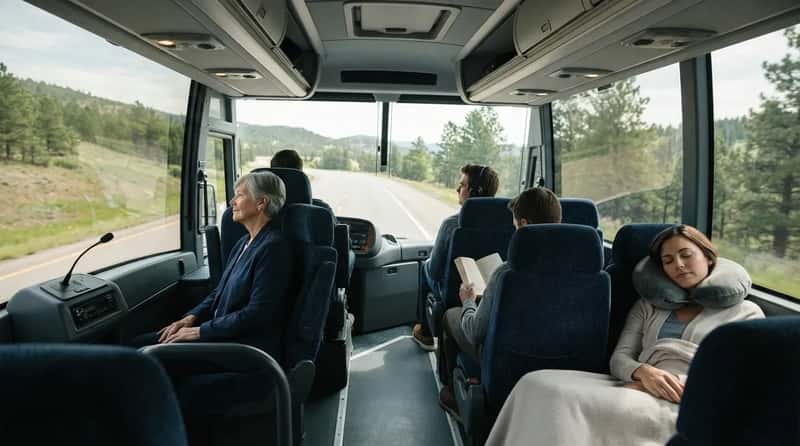
Not every mile needs a microphone. Group-travel writers note that long motorcoach trips give travelers a chance to relax and recharge. Smooth groups protect that time.
Planners suggest letting travelers nap, stretch, listen to a playlist or podcast, read, or go through their photos. Silence, it turns out, is a feature. Guides who fill every minute risk wearing the group out before the main event. Behind the scenes, there’s also a partnership that makes the whole ride possible, and #6 takes you there.
#6 – The Guide and Driver Run Like a Quiet Two-Person Crew
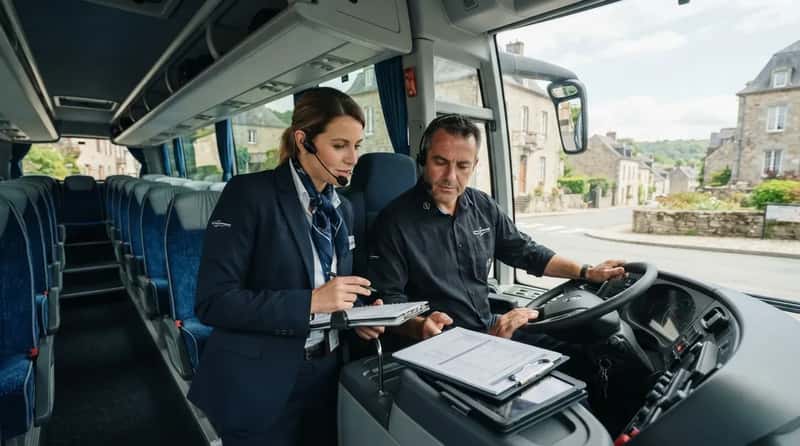
Passengers see the guide with the microphone. They rarely see the coordination. Tour directors work with motorcoach drivers and local guides to keep the itinerary on schedule, communicating travel plans, times, and pick-up points daily.
Clear communication prevents confusion about handoff times and meeting points. That’s why experienced guides treat the driver as a partner, not a chauffeur. The driver’s clock is one more thing the schedule has to respect. The next item is where many groups go wrong, and it starts with good intentions.
#5 – The Over-Packed Itinerary That Backfires
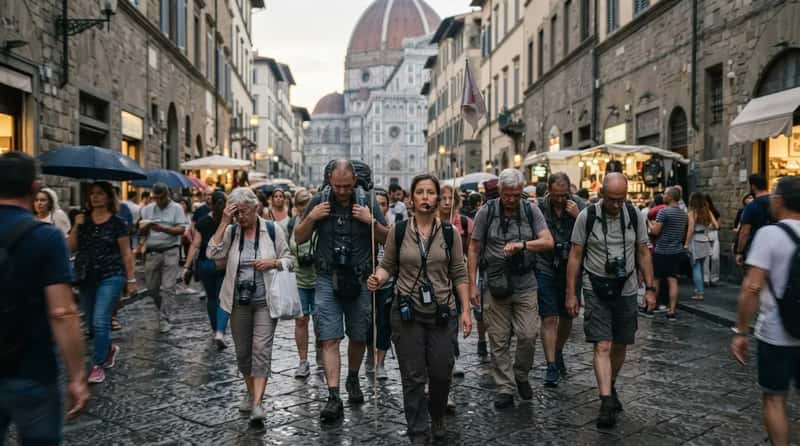
Here’s the contrarian truth. Over-scheduling is one of the most common and most damaging mistakes in group travel planning. The famous “see everything” tour may be the least relaxing one on the market.
The groups that cope best with a closed attraction, a delayed bus, or a sudden rainstorm have leaders who built breathing room into every day. The groups that move most efficiently are the ones given the most slack. Slack only helps, of course, if there’s also a plan B, as #4 explains.
#4 – A Backup Plan Already Sitting in the Guide’s Pocket

Smooth groups rarely look like they’re improvising, even when they are. Guides are expected to know their route really well, be prepared for emergencies, and always have backup plans. The calm is rehearsed.
Why It Stands Out
- The route is known well enough to adjust without panic
- Emergencies are planned for before anyone needs them
- A backup plan is ready when an attraction or road fails
- Most of the work is invisible when it’s done right
The job is also about safety, not just sightseeing. Guides explain safety procedures, alert guests to hazards, and respond to needs throughout the tour. Most travelers never notice this work, because it’s done when nothing is going wrong. They only notice it when a guide quietly turns a problem into a non-event. And the way time behaves on tour may surprise you, as #3 reveals.
#3 – Tours Always Look Short on Paper, Then Run Long
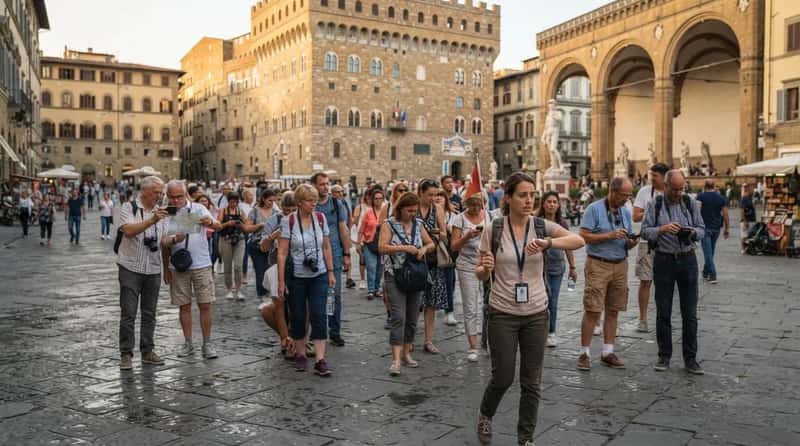
The most practical advice for guides comes down to one thing: time management. One tour-guide resource sums up the problem neatly. On paper, tours seem too short, but on the ground they’re always too long.
Restrooms, photos, slow walkers, and one more question all add up. Smart guides build in a cushion before they need it. They also know the biggest time-waster isn’t traffic. It’s the traveler who walks back late, which brings us to #2.
#2 – Everyone Plays by the Unspoken Rules

Smooth groups feel like a shared apartment that actually works. Group Tour magazine puts it plainly: it takes the entire group to foster a positive environment, not just one person following the unspoken rules. The best guides make those rules visible early.
Punctuality is the big one. Delays can affect the plans of fellow passengers and disrupt the whole itinerary. Lateness is rarely a private problem, because everyone on the coach pays for it. And the last item may be the one that holds everything else together.
#1 – Nobody Is Ever Left Guessing What Happens Next
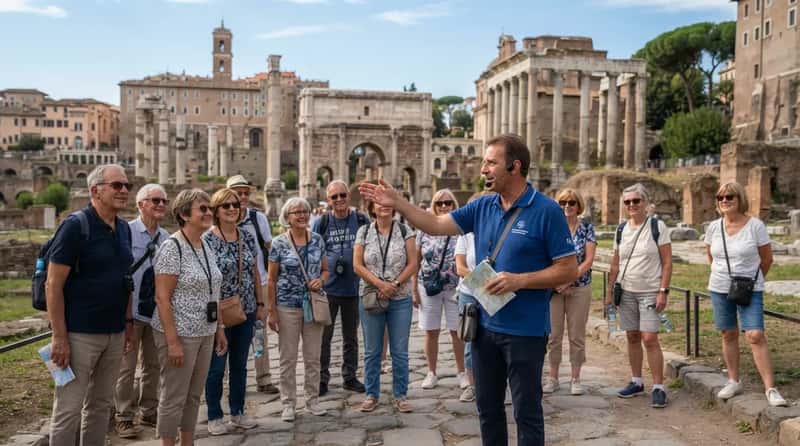
This is what the best guides do, and it’s rarely flashy. They tell the group, again and again, what’s next, when, and where. A simple formula is to introduce yourself, say what travelers will see and how long it will take, give the tour, then close with a thank-you.
That clarity pays off in a way few people expect. People relax when they know what’s coming, and they stay loyal to the guide who keeps them informed. Guides who also take time to chat with travelers before the tour starts get a head start on trust. Groups run smoothly when people feel informed and looked after, and the destination often matters less than that.
The best trips aren’t the ones where nothing goes wrong. They’re the ones where everybody knew what to do when something did.