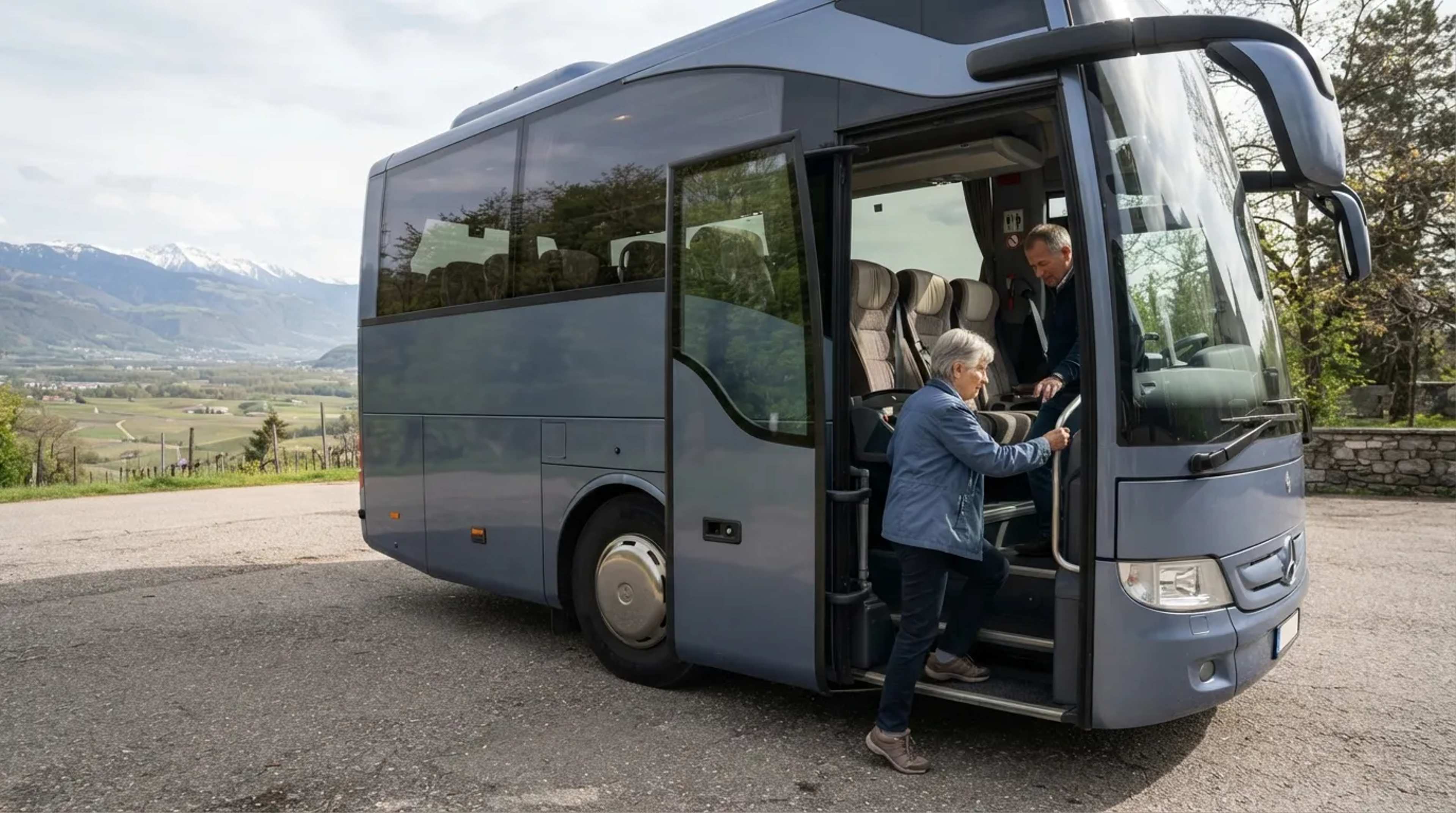
Most people believe the rest stop is a favor from the tour company. It’s mostly the law: after 4.5 hours of driving, a coach driver must take an uninterrupted break of at least 45 minutes, which can be split into a first part of at least 15 minutes and a second of at least 30.1
So the clock is already running the second you step off the coach, and travelers over 65 who have done this many times plan around it. What they do with those minutes, and with the museum that follows, is smarter and stranger than you’d expect, and the habit waiting at #1 is the one almost nobody sees coming.
#16 – They Learn the Real Length of the Stop

Veterans ask one question before anyone else has found their shoes.
“How long do we actually have?” The 45-minute break can be split into two parts, and the first must last at least 15 minutes.1 2
That means the first stop of the day can be as short as the legal minimum of 15 minutes. The toilets, the queue and the walk back all come out of that time, and nobody wants to be the one sprinting across the car park.
Newcomers treat the stop like lunch. Regulars treat it like a pit stop.
But the reason the coach stops at all is more serious than most people think, and that’s #15…
#15 – They Know the Stop Isn’t Optional

The break is not the tour company being generous.
The EU rules on breaks and rest periods exist to improve working conditions and road safety. They are meant to help prevent driver fatigue, which is the last thing you want behind the wheel of a full coach.
Driving hours are recorded automatically, so a driver can’t simply push on to save you time. Regulars stop grumbling about it.
Plenty of travelers complain that the long service-area stop is the most wasted hour of the tour. The truth is that it’s the part of the day that keeps the rest of the day safe.
What the veterans do with that time is where it gets interesting, starting with #14…
#14 – They Leave the Driver Alone
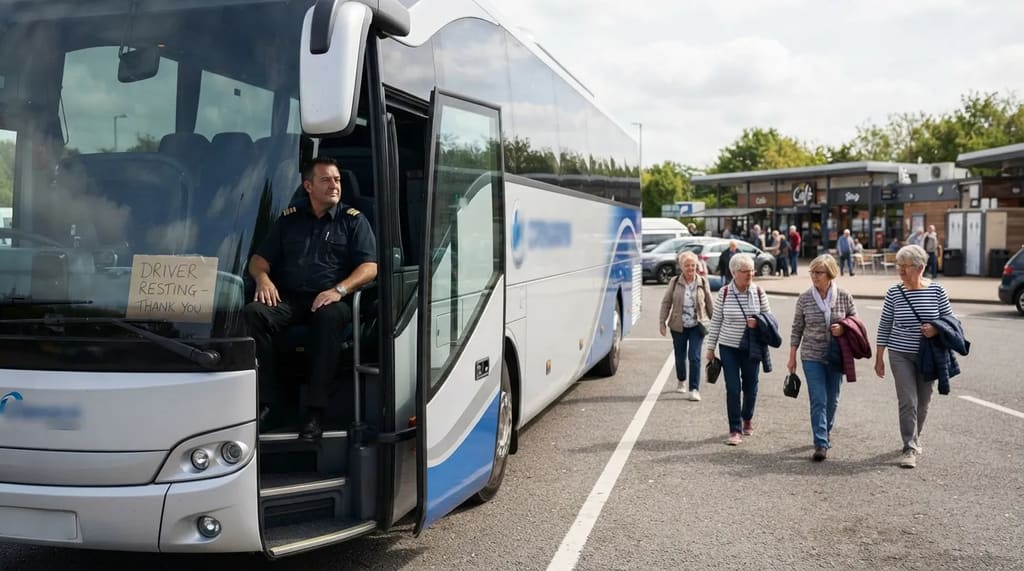
The savviest regulars never walk up to the driver at the stop.
In the regulations, a break is a period when the driver cannot carry out any work-related activity. So a driver who is answering questions or opening the luggage hold is not fully resting.2
A break only counts if the driver is genuinely off duty. That is the point of the whole rule.
Quick Compare
- Real rest: no work-related activity at all, so the driver is genuinely off duty.
- Not fully rest: answering questions or opening the luggage hold.
- Regulars’ rule: if it can wait until the coach is moving, it waits.
Some travelers say a friendly chat is harmless, and plenty of drivers enjoy one. Maybe so, but the regulars’ rule is simple: if it can wait until the coach is moving, it waits.
That covers the driver. Now for your own legs, and that’s #13…
#13 – They Walk Before They Shop
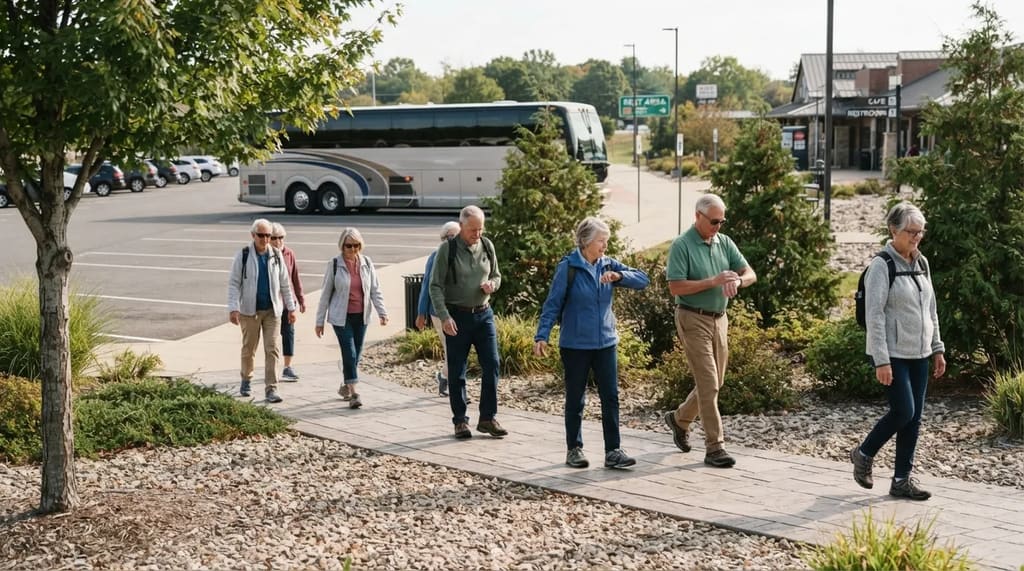
The café queue can wait. Your legs can’t.
The CDC says anyone traveling more than 4 hours by air, car or bus can be at risk for blood clots. Its advice is to move your legs frequently and walk around every 1 to 2 hours.3
Even on a long journey, the risk of a clot is generally very small. Regulars aren’t frightened. They’re sensible.
Healthline suggests using rest stops, stores or parks to get out and stretch. Standing in a queue for a coffee is not the same as walking.
- Walk first.
- Queue second.
But walking is only half of the routine, and the other half happens beside the coach door, at #12…
#12 – They Do Calf Raises Beside the Coach
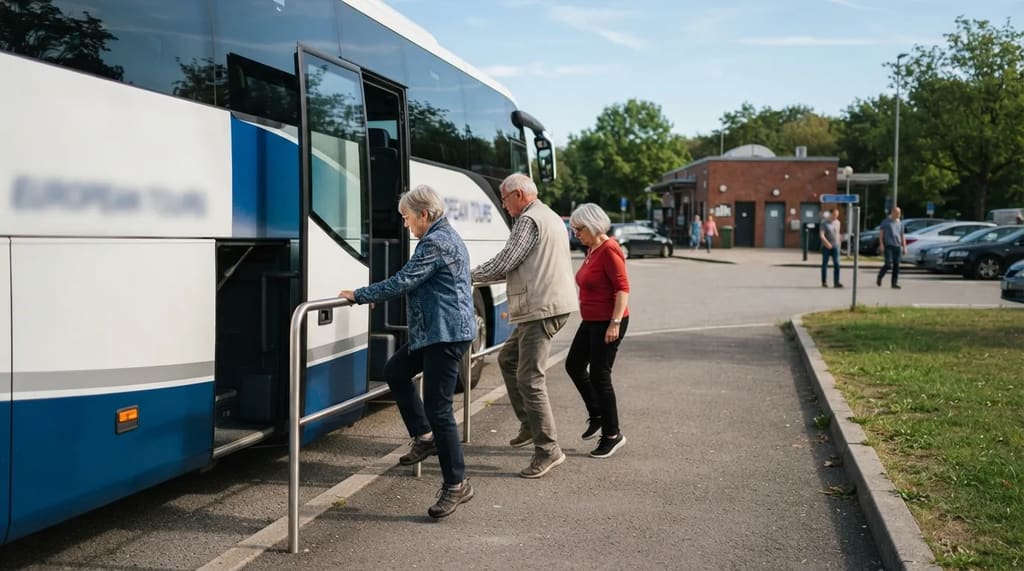
Watch the regulars near the coach door and you’ll see them rocking up on their toes.
Vascular surgeons point to the calf muscles as a natural pump. They push blood from your lower legs back up toward your heart.
One vascular practice suggests flexing your feet and raising your toes 15 times per set. Another guide says to hold each raise for two to three seconds, then lower.
None of this needs a gym or a mat. Hold the coach rail, rise, lower, repeat.
Now for something that surprises people at the service-area restaurant, at #11…
#11 – They Choose Water Over a Glass of Wine

The lunch stop has a bar, and the veterans walk right past it.
The NHLBI’s travel advice says to avoid alcohol, because it may lower your ability to move around4. One vascular practice adds that you should drink water before and during a trip, since dehydration makes blood more prone to clotting.
Alcohol is on the avoid list partly because it makes you less likely to get up and walk. That’s the mechanism, and it’s a simple one.
Plenty of tour groups treat the long lunch as the highlight of the day. Experts in vein health would still tell you to pace it, with a long afternoon in a seat ahead.
The next habit happens back on the coach, and most people get it wrong. That’s #10…
#10 – They Fix the Seat Before They Sit Back Down
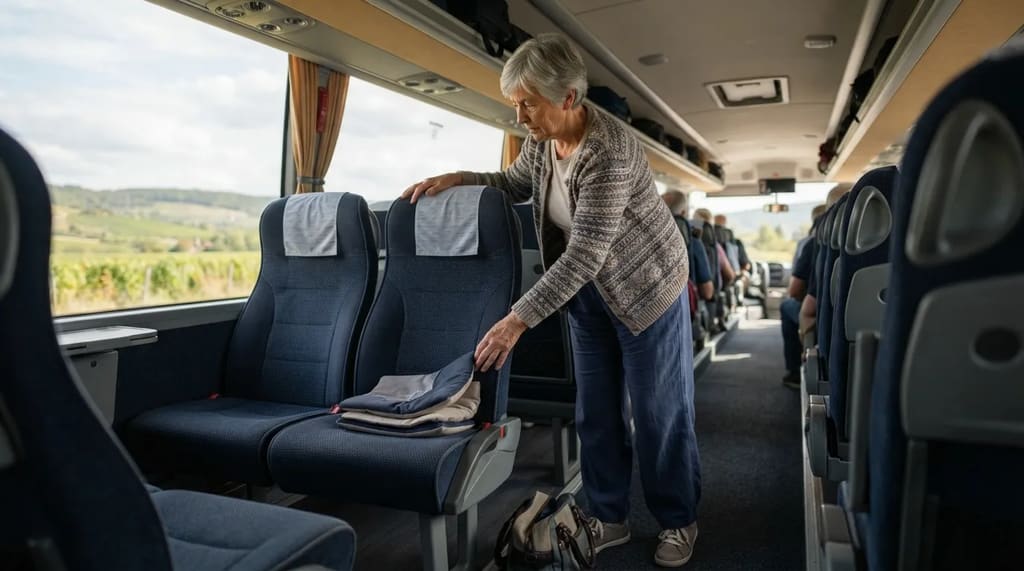
The return to the coach is where regulars make their second quiet move.
The NHLBI’s list includes wearing loose-fitting clothing, flexing and extending your knees and ankles often, and changing positions while seated. It also says to avoid crossing your legs if possible.4
- Don’t cross your legs.
- Flex your knees and ankles often.
The official advice includes something as small as how you sit. A vein clinic adds that an aisle seat makes it easier to stand up and walk regularly.
Some travelers fight for the window seat and the view. Vein specialists would tell you the aisle is the better seat on a long leg.
At a Glance
- Clothing: loose-fitting is on the NHLBI’s list.
- Position: change how you sit while you’re seated.
- Legs: uncrossed, with knees and ankles flexed often.
- Seat: the aisle makes it easier to stand and walk regularly.
That’s the rest stop done. Now the coach pulls up at the museum, and the first habit there is #9…
#9 – They Decide What They’re Skipping Before They Walk In

Regulars enter the museum with a plan, and it’s smaller than yours.
University of Melbourne researchers found that older visitors say “We all get museum fatigue.”5 The afternoon slot after lunch and a long coach ride is exactly when it hits.
One source notes that experiences planned for a specific time can give a concise visit without increasing museum fatigue. A short, planned visit can beat a long, exhausting one.
So regulars pick three rooms and let the rest go. Many travelers believe you must see everything to get your money’s worth, and regulars quietly disagree.
Once the plan is set, the very first thing they look for isn’t a painting. It’s #8…
#8 – They Find the Bench Before the Art
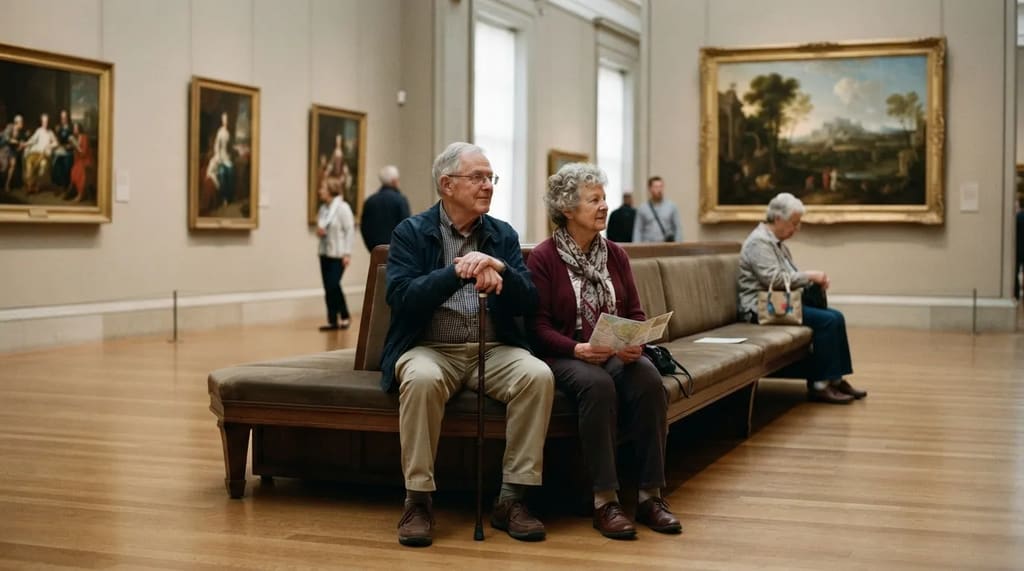
Ask any regular what they scout first, and it isn’t the famous picture.
The Melbourne research found that older visitors want to take time out on a comfortable sofa, in a garden or courtyard, or in a café. That is a stated need, not a luxury.5
Older visitors themselves name seating as part of a good museum day. Regulars read the floor plan accordingly.
Some guides keep groups moving to “cover” the collection. Regulars quietly peel off for a sit, then rejoin.
- Spot two seats near your route.
- Note where the café is.
But what regulars do once they’re up and walking may upset a few tour guides, at #7…
#7 – They Walk the Galleries Themselves
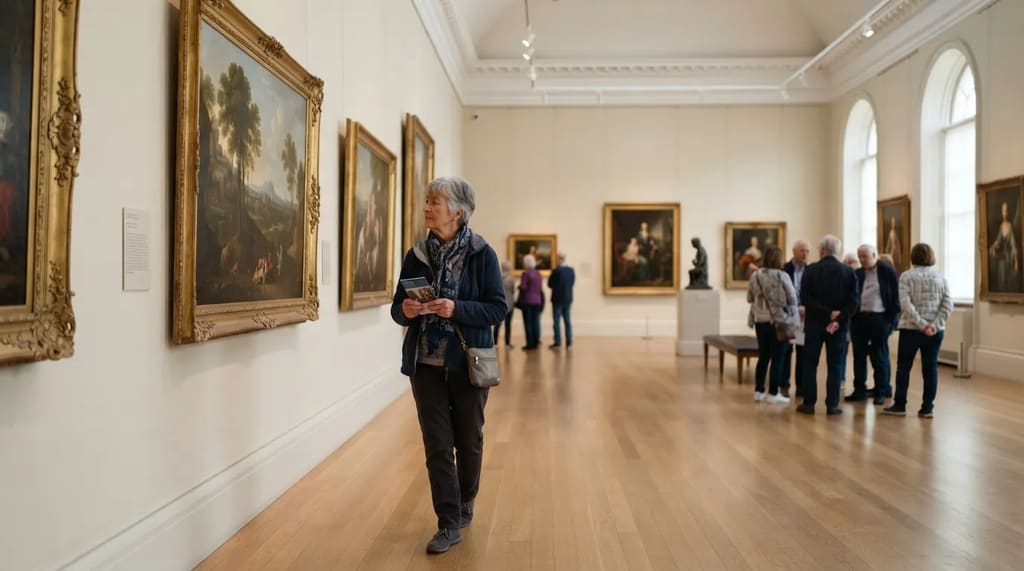
Here is a habit that might annoy some guides.
A study of sedentary people over 50 compared guided and free museum visits. Reported fatigue decreased after the visit, though the difference was statistically significant only in the free-visit condition.
Balance and gait speed in dual-task activities improved after the free visit. In free visits, people search for information by reading signs and the brochure while walking.
It was an observational study, so it’s no verdict against guides. Plenty of regulars take the guide’s briefing, then wander off on their own.
Wandering is one thing. What they do when they stop walking is something else entirely, at #6…
#6 – They Spend Real Time With One Object
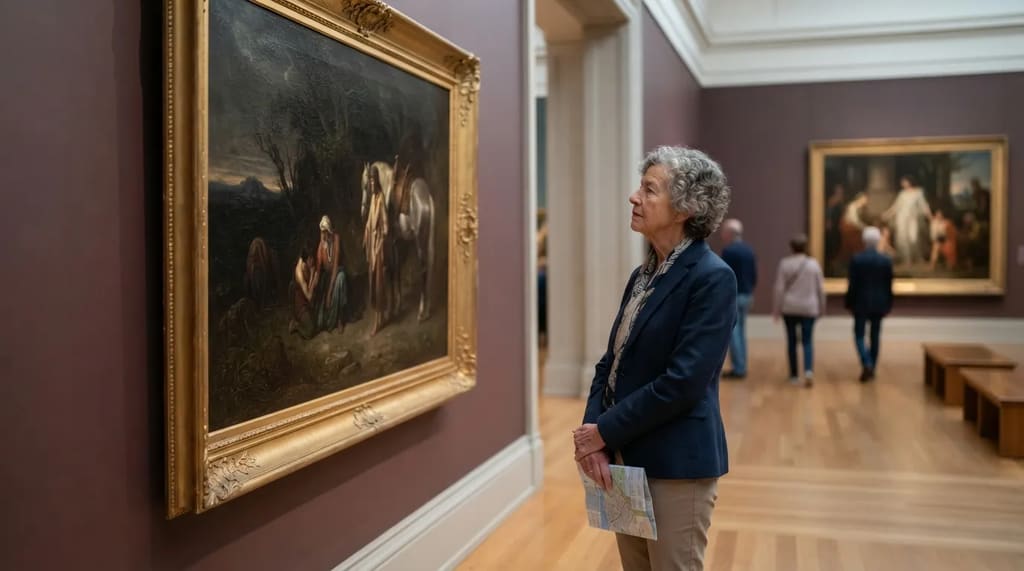
The strongest museum habit has nothing to do with speed.
Montreal researchers suggest the relaxing effect of contact with art objects may be tied to viewing them in an introspective, self-reflexive way. That is a hypothesis, but a useful one.
One of their studies involved just nineteen adults aged 65 to 79, tested at the Montreal Museum of Fine Arts. It’s small, so treat the findings as early.
Regulars pick one piece and stay with it, asking themselves how it makes them feel. Racing past masterpieces for a photo is the most common mistake on a tour museum stop.
The next habit turns a quick stop into something that sticks. It’s #5…
#5 – They Come Out Knowing One New Thing
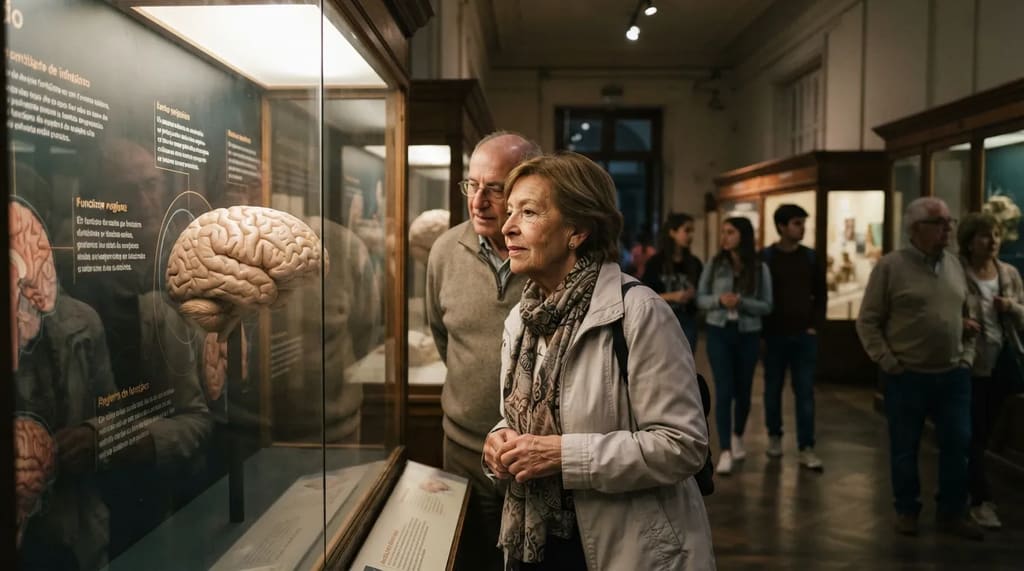
Regulars treat the museum as a place to learn, not just to wander.
A study in Buenos Aires gave 200 older participants, with an average age of about 72, a 30-minute visit to a science museum. Those with better cognitive status learned more new information during the visit.
The whole study ran on a visit of only 30 minutes. The authors say leisure activities could play a role in building cognitive reserve.
Many people treat the museum stop as filler between lunch and the hotel. The research suggests it may be doing more, so regulars pick one fact and carry it away.
And the story is better when you tell it to someone. That’s why #4 matters…
#4 – They Talk It Over on the Way Out

The best regulars treat the café after the galleries as part of the visit.
An evidence summary from the Art Fund says regular museum visits significantly reduce feelings of loneliness. Programs that combine visits, guided tours and art-making improved wellbeing and reduced social isolation for older adults.6
The same evidence points to museums as places for social connection, not just culture. Melbourne researchers found these spaces can build social and intergenerational connectedness.5
Why It Stands Out
- A coach tour puts you beside the same people for days.
- Regular museum visits are linked to less loneliness, per the Art Fund summary.
- Museums can build social and intergenerational connectedness.
- Those findings concern regular visits, not a single stop.
A coach tour is one of the few settings where you spend days beside strangers, and regulars use that, even if the findings concern regular visits rather than a single stop. Some travelers prefer to keep to themselves, and that’s fair.
Related Stories From Travelbinger


But a headline about museums and health deserves a second look, and #3 explains why…
#3 – They Know the Difference Between “Linked” and “Proven”
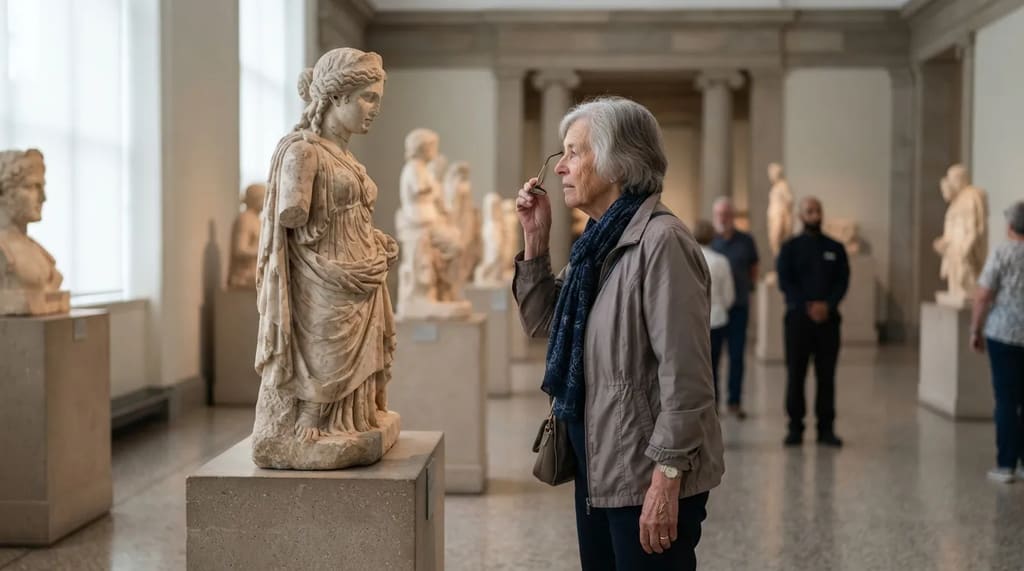
Regulars don’t believe every headline about museums and health, and neither should you.
Large studies tie regular museum visits in later life to a lower risk of depression. But Melbourne researchers say this research is relatively new, and what they describe is a correlation.
Those are associations in population data, not a guarantee. One tour stop is not a cure for anything.
Some guidebooks promise a museum will “keep you young.” The truth is more modest: older adults who visited often were less likely to have poorer cognitive functioning, and the effect grew with frequency.6
The most useful habit on the list is the one nobody wants to think about. That’s #2…
#2 – They Know the Warning Signs

The least glamorous habit on this list may be the one that matters most.
The CDC says to know the symptoms of blood clots and when to get help. A vascular surgeon at Columbia says leg pain, achiness, heaviness or swelling in the week or two after a long flight could be a clot.
The warning signs can appear days after you’re home. Healthline lists a sudden cough or coughing up blood among the symptoms.
Its advice for symptoms of a clot is to head to an urgent care center or emergency room. The risk is small, but regulars don’t gamble on small.
And the last habit explains why these travelers keep coming back, year after year. It’s #1…
#1 – They Prepare, and Then They Keep Going
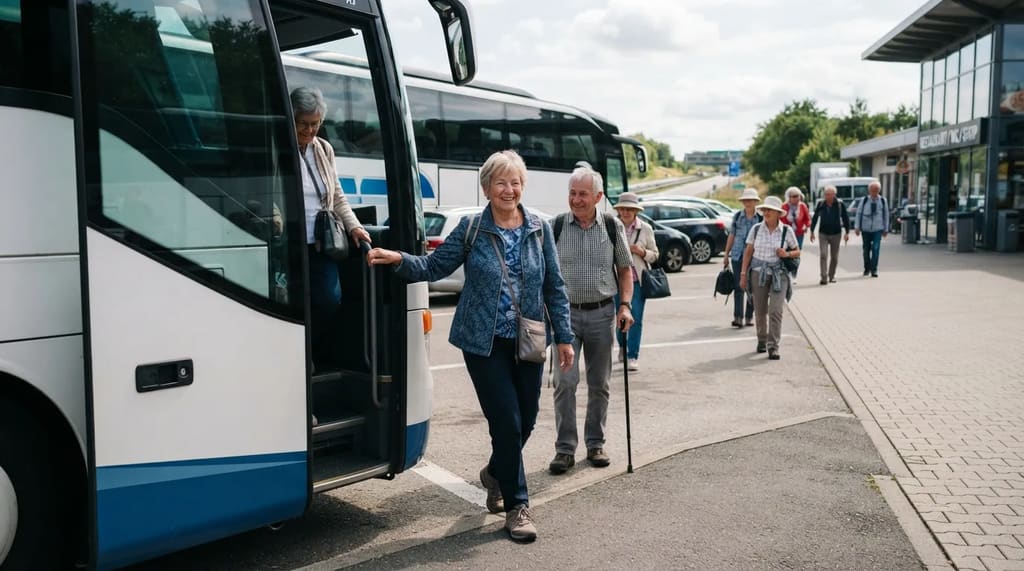
The strongest habit on the list is the quiet refusal to stay home.
Older adults who regularly take part in cultural activities are less likely to become frail or develop a disability. That’s another association, but it points in a clear direction.
The CDC says anyone with a previous clot, or a family history of clots or clotting disorders, should talk with a doctor about their individual risk. The sensible regulars do that before they book.3
Many people over 65 hear that long coach days are too much. The evidence doesn’t say stay home; it says prepare, move often and keep showing up.
Worth Knowing
- Before you book: talk with a doctor if you’ve had a clot or have a family history of clots or clotting disorders.
- On the road: walk around every 1 to 2 hours, as the CDC advises.
- Afterward: know the warning signs, which can appear days after you’re home.
- Long term: regular cultural activity is linked to less frailty and disability.
That, in the end, is the whole list.
The Bottom Line
The rest stop is a legal break, and it can be as short as 15 minutes. Regulars use it to walk, do calf raises, drink water and leave the driver in peace.
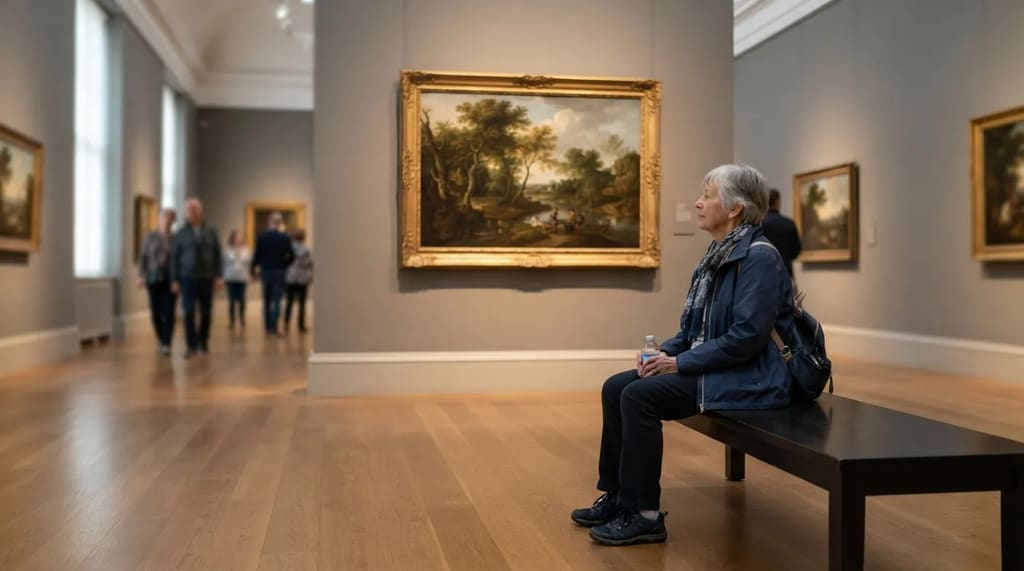
At the museum, they pick a few rooms, find the bench early and spend real time with one object. They also know the difference between a link and a guarantee.
The biggest difference is simple: they prepare, they move, and they keep going. What’s the one thing you do at the rest stop or the museum that no tour guide ever told you to?
- Your Europe Driving Rules: https://europa.eu/youreurope/business/human-resources/transport-sector-workers/road-transportation-workers/index_en.htm
- IRU EU Drivers’ Hours Guide: https://www.iru.org/sites/default/files/2016-03/en-drivers-hours-eu.pdf
- CDC Travel Blood Clots: https://www.cdc.gov/blood-clots/risk-factors/travel.html
- NHLBI Preventing Blood Clots: https://www.nhlbi.nih.gov/health/venous-thromboembolism/preventing-blood-clots
- Melbourne Museums Health Research: https://pursuit.unimelb.edu.au/articles/museums-they-re-good-for-your-health
- Art Fund Wellbeing Evidence: https://www.artfund.org/professional/news-and-insights/evidencing-the-wellbeing-impact-of-museums-and-galleries