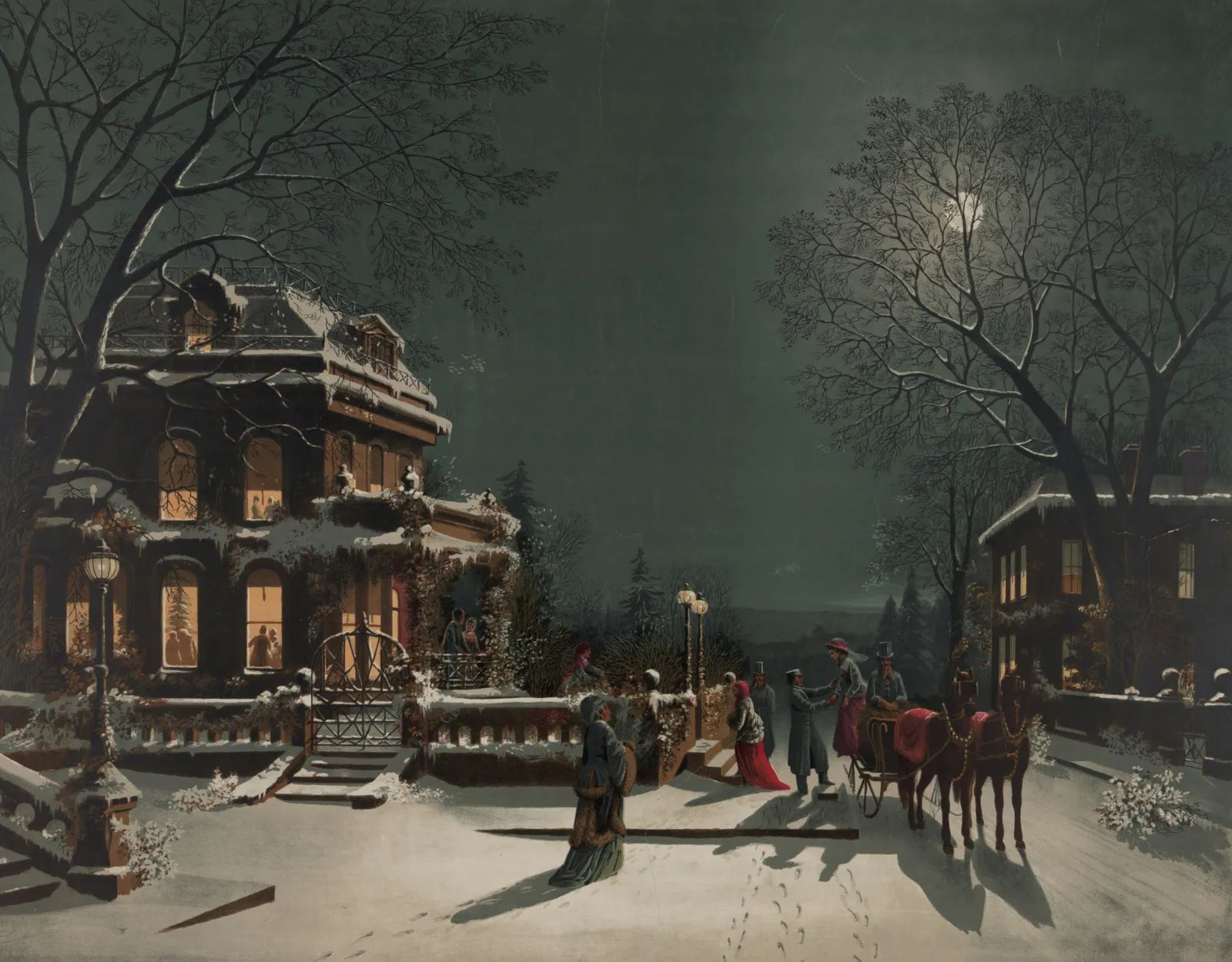
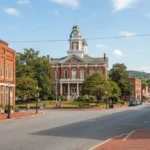
Chestertown, Maryland, is an Eastern Shore town where 18th-century brick buildings already line the sidewalks. Each December, the Dickens of a Christmas festival turns its downtown into a Victorian street scene, complete with costumed visitors, vendor tents, and draft horses pulling carriages. The 2026 event runs Friday and Saturday, December 4 and 5, and admission is free ([1]).
History That Does the Heavy Lifting
Chestertown was founded in 1706 as a working port on the Chester River, shipping tobacco and grain and building vessels. Its residents also staged their own tea protest in 1774 against British taxation, a detail that gives the town a sharper edge than a typical holiday backdrop.
That past is visible without a museum guide. Many of the buildings along the sidewalks have stood for generations, so the costumes and hay bales on High Street look less like a set and more like a new chapter added to an old story. For a visitor, the effect is immediate and a little disorienting in the best way.
The festival does not have to invent much of its atmosphere. Organizers mainly need to arrange the pieces, and the town’s architecture handles the rest.
Carriages, Oyster Stew, and a Petting Zoo
The carriage rides are among the most memorable parts of the weekend. Drivers guide horses past historic homes and under bare winter trees, and the slow pace makes it easier to notice the preserved architecture. On Friday, rides run from 5:30 to 8:30 p.m. at North Cross Street and Memorial Plaza. On Saturday, they run from noon to 2 p.m. on a first come, first served basis, with suggested donations of $5 for children and $10 for adults.
Food is equally part of the experience. Beverage and food tents open at 5 p.m. on Friday, serving beer, wine, oysters, and other bites from local vendors. Oyster stew, served in a creamy broth, pairs well with a hay bale near a firepit. Figgy pudding, the dense and spiced cake from the Christmas carol, is a less expected treat that many visitors may want to try.
The Saturday farmers market, which normally runs year-round, folds into the festival and operates from 8 a.m. to noon on December 5. A petting zoo has drawn steady crowds with goats, ducks, a mini rooster, and a Scottish Highland cow with long horns. Families gathered around the animals, which added a relaxed, neighborly feel to the busier streets.
Planning a Saturday in Chestertown
Saturday is the fullest day of the festival, and the schedule rewards an early start. Several highlights carry specific times, and a few require advance tickets through Eventbrite. The key moments include:
- Farmers market, 8 a.m. to noon
- Holiday Home Tour, 10 a.m. to 3 p.m. (ticketed)
- Dickens Victorian Tea, 1 p.m. (ticketed)
- The Great Scrooge Off, 1:30 p.m. (new this year, sign-up required)
- A Dark Victorian Christmas ghost stories, 5 p.m. (ticketed, limited seating)
Friday offers its own draws, including the menorah lighting at Fountain Park at 5:30 p.m. and fire dancers on the 300 block of High Street at 7 p.m. The organizer, Main Street Chestertown, also lists a Saturday Ghost Scavenger Hunt, which is free. Visitors who want to dress for the occasion can consult the organizer’s costume guide.
Between festival moments, independent shops in historic buildings offer a quieter pace. Twigs and Teacups stocks gifts, kitchenware, and toys, while The Bookplate has floor-to-ceiling shelves. Bespoke Chocolate displays handmade truffles beneath a silver tree hung with chocolate ornaments.
Related Stories From Travelbinger
Staying Close to the Action
Brampton 1860 sits about four minutes outside town, which makes it a practical base for a festival weekend. Guests can step away from the cold and return to their accommodations quickly, then gather in the Manor House for tea and conversation. Many guests were also dressed in period style, which carried the theme beyond the festival grounds.
Weekend travelers should plan ahead, since the inn is popular during the festival. Tickets for the ticketed events also tend to be limited, so booking early is the safer approach for both lodging and the Saturday programs.
The festival’s appeal lies less in any single spectacle than in how the town holds its visitors. Visitors leave with a few purchases, a full stomach, and perhaps a plan to return the following December.