You’ve earned your frequent flyer miles. You’ve survived the middle seats, the red-eyes, and the mystery meals. But here’s something most experienced travelers never hear: flight attendants say that older, seasoned passengers are actually the ones who most often miss the insider knowledge that could make their flights dramatically safer, more comfortable, and far less stressful. It’s not a common-sense problem. It’s an access problem – the crew knows things that never make it into the booking confirmation email.
What follows is what flight attendants wish they could pull you aside and tell you before you board. Some of it will genuinely surprise you. A few of these might change how you fly for good.
#1 – Your Seat Request Has More Power Than You Think

Most older passengers assume the seat they booked online is the one they’re stuck with. That’s not always true – and the app is the worst place to fix it. Checking in at the counter and politely asking for an aisle or front-row seat can unlock priority seating that airlines quietly hold back. Gate agents often have access to seats that never surface in the booking system at all.
But here’s the part that matters: you have to ask face-to-face. A simple “any chance of a more comfortable seat today?” at the check-in counter – not the app, not the kiosk – can land you extra legroom, a front-row spot, or even a premium economy upgrade. Politeness, midweek flights, and early check-in all boost your odds. The seat you want often exists. It just won’t find you on its own.
At a Glance: Seat Upgrade Tips That Actually Work
- Ask at the check-in counter, not the app or kiosk
- Midweek flights (Tuesday, Wednesday) tend to have more open premium seats
- Early check-in signals you’re organized – agents notice
- A polite, specific ask beats a vague complaint every time
- Gate agents can access inventory that never appears online
#2 – Tell the Crew Before You Board, Not After
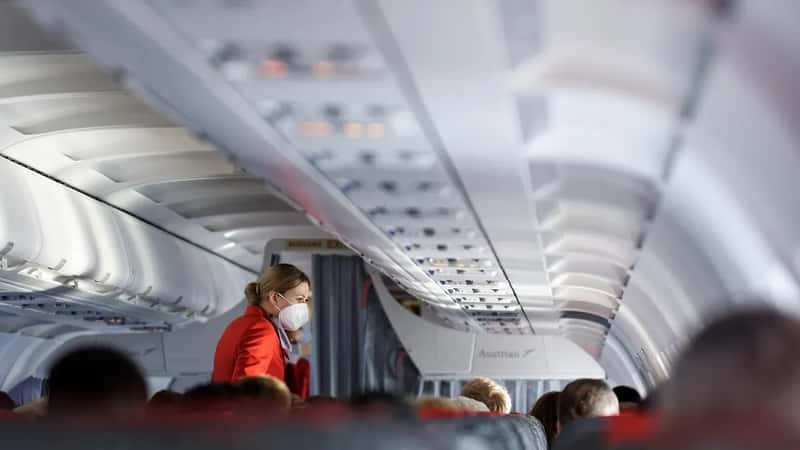
Flight attendants genuinely want to help – but only if they know you need it before the door closes. The window to make that happen is the jet bridge and the gate, not 90 minutes into the flight when you’re already struggling. Crew members are trained to prioritize passengers who need assistance, but that system only works when they’ve been given a heads-up in advance.
If you sometimes need help lifting your bag, getting up, or accessing water during the flight, tell the gate agent before boarding so the crew can quietly keep an eye on you. That one conversation before you step onto the jet bridge changes everything. You’ll never have to wave someone down or feel like a burden mid-flight. The crew can check in with you naturally – and they will, if they know to look for you.
#3 – DVT Is a Real Risk, and Most Passengers Don’t Take It Seriously Enough
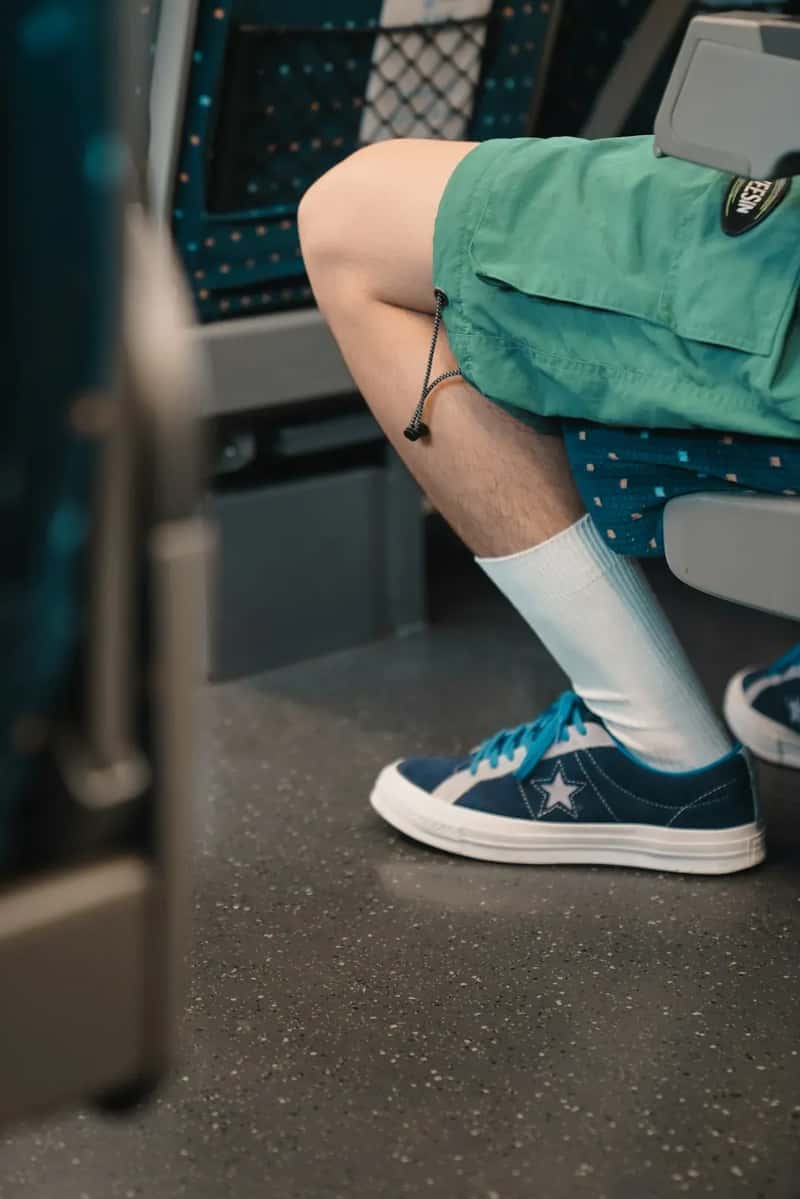
Deep vein thrombosis – blood clots that form in the legs during long, sedentary flights – isn’t something that only happens to other people. Being over 60 is itself a significant risk factor, alongside recent surgery, obesity, and clotting history. Flight attendants watch passengers sit completely motionless through four-hour flights without once standing up, and it genuinely worries them. Prolonged sitting slows circulation and creates the exact conditions for a life-threatening clot to form.
The prevention is straightforward: walk every one to two hours, do ankle circles and calf pumps in your seat, and drink water consistently – not alcohol, not caffeine. For passengers over 60 at increased risk, the American College of Chest Physicians recommends properly fitted below-the-knee graduated compression socks providing 15-30 mmHg of pressure on flights longer than six hours. A Cochrane review of 11 randomized trials found high-quality evidence that wearing compression stockings substantially reduces the risk of symptomless DVT on flights of four or more hours. Pack the socks. Drink the water. Get up and move. It sounds like routine advice until it isn’t.
Fast Facts: DVT and Air Travel
- A long-haul flight makes VTE (the clot family that includes DVT) 1.5 to 4 times more likely, per a Cochrane review
- Window-seat passengers face roughly twice the general DVT risk of aisle-seat passengers, per CDC data
- 85% of in-flight DVTs were observed in passengers in non-aisle seats, according to one study
- Compression stockings reduced asymptomatic DVT risk from 3% down to 0.3% in high-risk travelers, per AAFP
- Advanced age is a named risk factor in both ACCP and ASH prevention guidelines
#4 – The Safety Demo Isn’t Just for First-Timers
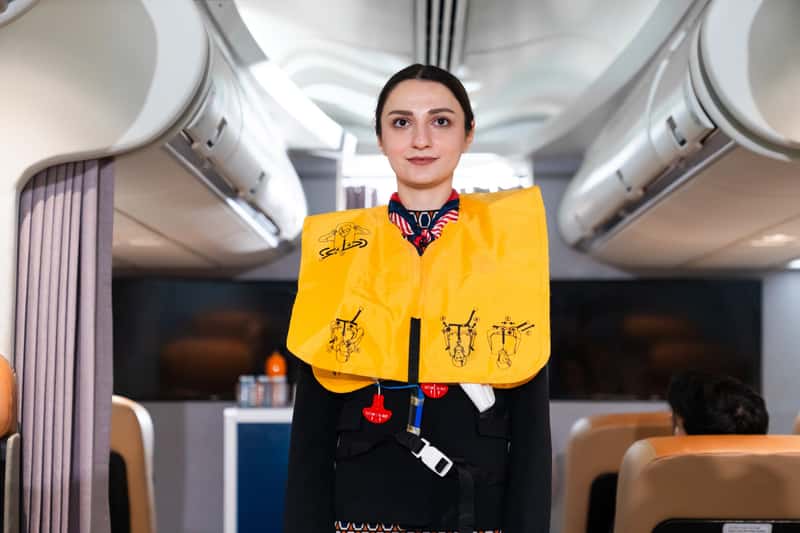
Experienced flyers are often the worst offenders here. They’ve seen the demonstration dozens of times, so the earbuds go in and the eyes go elsewhere. But flight attendants will tell you privately that the exit locations, oxygen mask procedures, and brace positions on this specific aircraft may differ from the last plane you flew. The demo covers information specific to that aircraft – it’s not a generic script on repeat.
For passengers over 60 – who may move more slowly in an emergency – knowing exactly where the nearest exit is before something goes wrong isn’t optional. As one flight attendant put it: “Safety demos take no more than five minutes, and they will be helpful in an emergency situation.” Five minutes of attention could be the most valuable five minutes of the entire trip.
#5 – Requesting Special Assistance Has a 48-Hour Rule

A lot of passengers over 60 assume they can show up and request a wheelchair or mobility assistance at the gate. Sometimes that works. But the system is under enormous strain at most major airports, and last-minute requests frequently fall through. The real window is 48 hours before your flight – and most travelers simply don’t know this deadline exists.
Contact the airline at least 48 hours out to request wheelchair support or mobility assistance. Most reservations will then be flagged with a “special assistance requested” note so airport staff know to meet you at check-in or curbside. Airline wheelchair assistance is a limited resource that gets overwhelmed by demand at busy airports. Book it early. Don’t assume the airport will sort it out on the day – because sometimes it won’t.
#6 – Flight Attendants Cannot Help You Inside the Lavatory
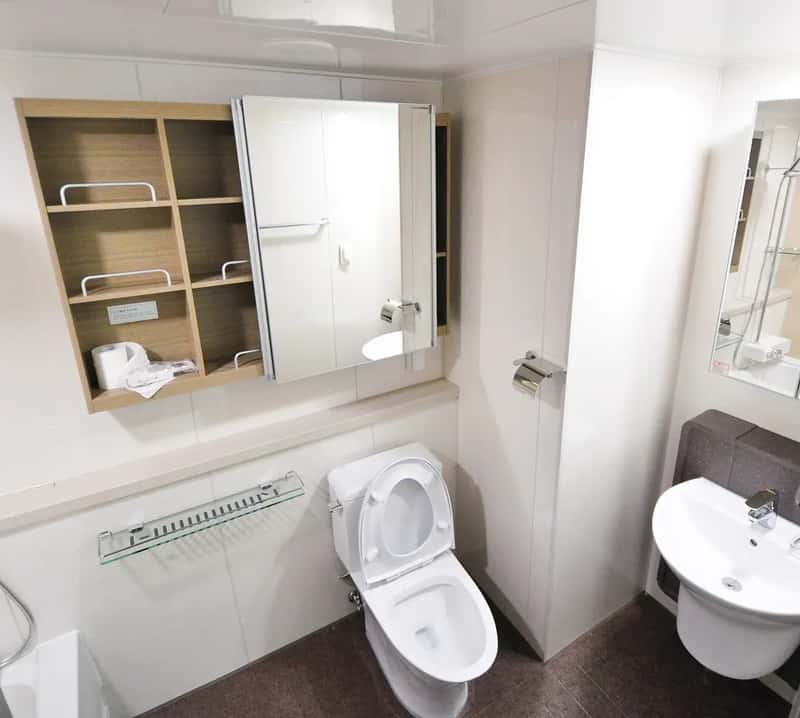
This is one of the most important realities of air travel for older passengers – and one of the least discussed. Flight attendants are genuinely happy to assist with mobility, and they can physically help you move between your seat and the restroom door. But once that door closes, they are not permitted to assist with any personal care inside. This isn’t about willingness. It’s a firm regulatory boundary.
Flight attendants can assist moving a passenger to and from the lavatory, but they cannot provide personal care inside – full stop. If you anticipate needing that level of assistance during a flight, traveling with a companion or booking a medical travel escort in advance is the only real solution. It’s not a comfortable topic to plan around, but it’s far better to plan for it on the ground than to discover the limitation at 35,000 feet.
#7 – Your Carry-On Bag Is Your Responsibility to Lift
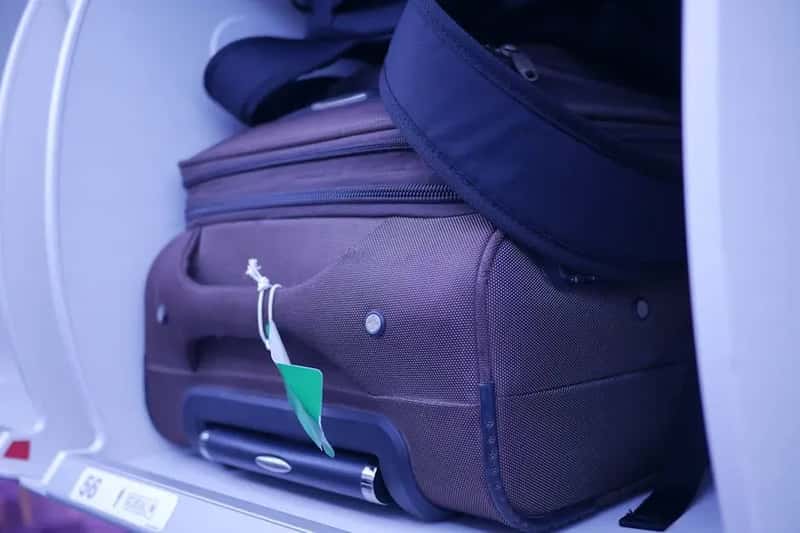
Flight attendants are regularly asked by older passengers to hoist a heavy bag into the overhead bin. Most will try to help – and many genuinely want to – but here’s what the airline won’t tell you: flight attendants are not required to lift passenger bags, and they have no injury coverage if they hurt themselves doing it. More than a few crew members have thrown out their backs helping passengers who packed a 40-pound roller bag they couldn’t lift themselves.
The industry phrase is blunt: “You pack it, you stack it.” If a bag is too heavy to lift overhead, a flight attendant will happily check it for you at the gate instead. The smarter move is to check the heavy bag before you board, travel lighter, or ask a fellow passenger for help. Don’t put the crew in an impossible position – and don’t risk your own shoulder trying to force it up there alone, either.
Quick Compare: Gate-Check vs. Carry-On for Heavier Bags
- Gate-check it: Free on most carriers, reunited at the jet bridge on arrival, zero strain on you or the crew
- Force it overhead: Risk of injury to your shoulder, crew back strain, and fellow passenger frustration
- Check it at the counter: Adds time but removes all overhead-bin stress entirely
- Rule of thumb: If you can’t lift it cleanly above your own head, don’t bring it as a carry-on
#8 – TSA Cares Is a Free Service Almost Nobody Over 60 Uses
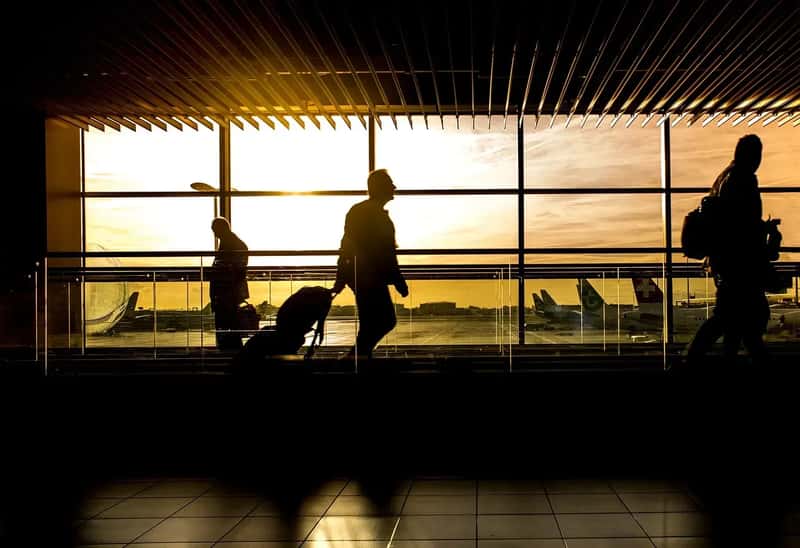
Security screening is one of the most stressful parts of flying for older travelers – especially those with medical devices, mobility issues, or hearing and vision challenges. Most people just endure it. But there is an entire free federal program specifically designed to make this easier, and the vast majority of eligible passengers have never heard of it.
It’s called TSA Cares, and it assigns you a personal Passenger Support Specialist who guides you through airport security – helping you organize your items, navigate the screening process, and move through with far less stress. Call the TSA Cares helpline at (855) 787-2227 or submit the online form at tsa.gov at least 72 hours before your flight to arrange it. It costs nothing, takes one phone call, and removes one of the biggest headaches of the entire airport experience.
#9 – The Aisle Seat Is Better for You Than You Realize (But There’s a Catch)

Many older passengers gravitate toward window seats out of habit – the view, the wall to lean on, the sense of settled comfort. Flight attendants understand the appeal. But for passengers over 60 who are concerned about circulation, bathroom access, and ease of movement, the window seat creates a hidden trap: you’re essentially locked in. Getting up repeatedly to step over sleeping neighbors is harder than most people anticipate mid-flight, and most people won’t attempt it as often as they should.
CDC data confirms that travelers in window seats experienced roughly twice the general risk for venous thromboembolism compared to passengers in aisle seats – likely because aisle passengers simply move more. The aisle lets you stand, stretch, and walk without waking anyone or performing an awkward shuffle over knees. Pair that with a seat near the front of the cabin for easier bathroom access and a shorter deplaning walk. Front-of-cabin aisle seat: the smartest combination you can book.
#10 – Bring Your Own Snacks That Match Your Dietary Needs
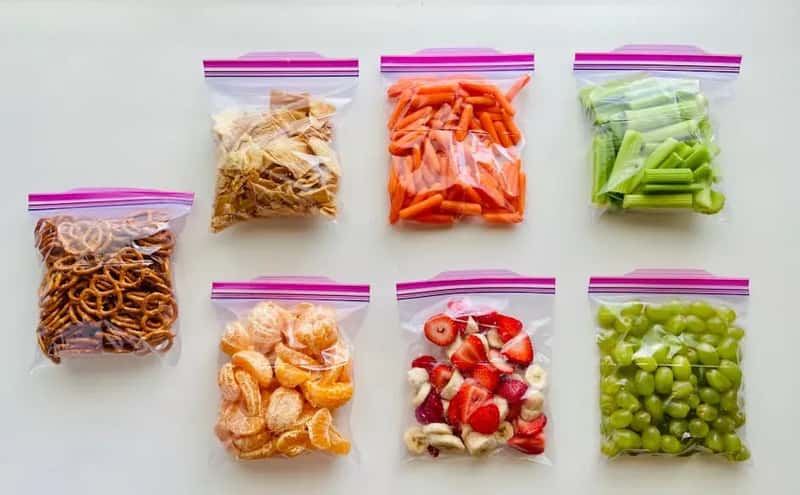
Airlines do offer special meals on many flights – low-sodium, diabetic-friendly, vegetarian, and other options. But the ordering window for those meals isn’t at the gate. It’s days before your trip. Flight attendants deal constantly with passengers who have genuine dietary restrictions and then discover mid-flight that nothing on the galley cart works for them. Once the cart is loaded and rolling, substitutions are essentially impossible.
Request your special meal at booking – not at check-in, not when you board. And pack your own backup snacks regardless. On longer international flights, most airlines will accommodate low-sodium, diabetic-friendly, or vegetarian meals if they’re pre-ordered, but the system is only as good as the advance notice you give it. Don’t leave your blood sugar or your sodium intake to chance at 30,000 feet.
#11 – Turbulence Is Not Dangerous, But Standing During It Can Be
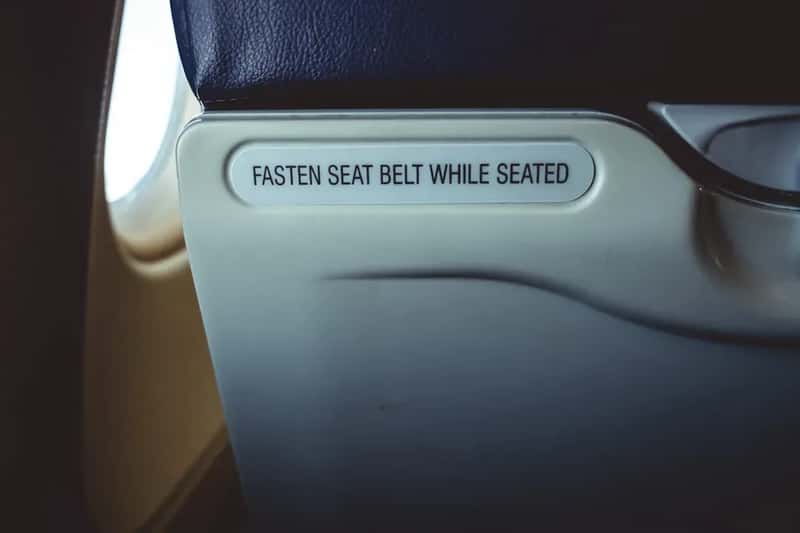
Older passengers tend to react to turbulence in one of two ways: they panic, or they completely ignore the seatbelt sign and stand up anyway. Flight attendants will tell you the second group is actually more concerning. Turbulence-related injuries happen almost exclusively to passengers who are out of their seats when the plane hits rough air. The risk isn’t the plane shaking – it’s being thrown sideways into an overhead bin at altitude.
The seatbelt sign is not a suggestion. Unexpected turbulence can hit without warning even during a perfectly smooth cruise, and the seatbelt is the only thing between you and a serious fall. The rule flight attendants live by personally: seatbelt on whenever you’re seated, regardless of how calm the flight feels. It costs nothing to follow, and it’s the one rule that prevents the injuries crews dread most.
Worth Knowing: Why Turbulence Injuries Are Almost Always Preventable
- The vast majority of turbulence injuries on record involve passengers who were standing or unbuckled
- Clear-air turbulence can appear instantly with no visible warning – no clouds, no announcement
- The seatbelt sign can go on mid-meal, mid-bathroom walk, or mid-aisle stretch
- Flight attendants keep their own belts on or grab a fixed point any time the ride gets bumpy
- Sitting buckled is the single zero-cost action that prevents the injuries crews dread most
#12 – Medical Equipment Doesn’t Count Against Your Luggage Allowance
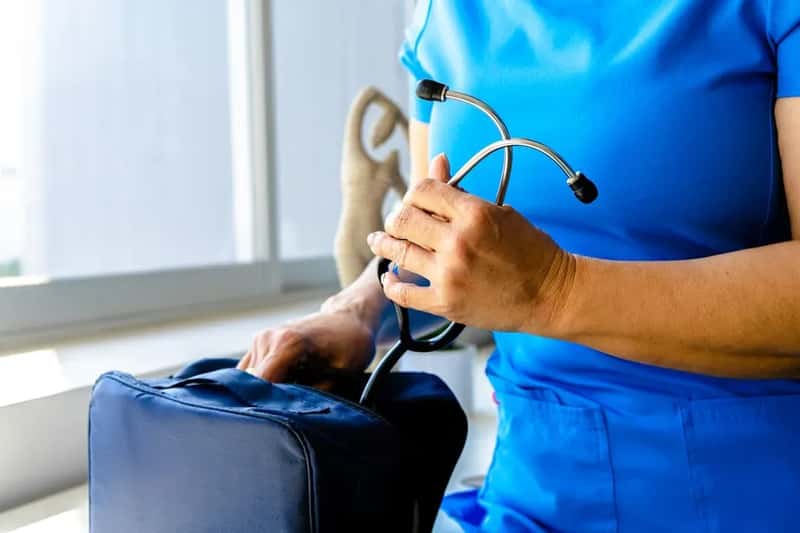
This is one of those rules that could save a passenger hundreds of dollars per trip – and almost nobody over 60 seems to know it exists. If you travel with a CPAP machine, portable oxygen concentrator, insulin cooler, or other qualifying medical device, you may not need to pay for it as extra baggage. Airlines are federally required to allow these items at no additional charge, and they don’t count against your regular baggage allowance.
Don’t pay a single dollar for that CPAP. Call the airline directly before your trip, confirm the medical equipment exception, and have it logged on your reservation. Notify them at least 48 hours in advance, especially for portable oxygen concentrators, which require prior approval on most carriers. This rule exists specifically for you. The only reason it goes unused is that nobody tells passengers it’s there.
#13 – The Galley Is a Workspace – Stay Out of It
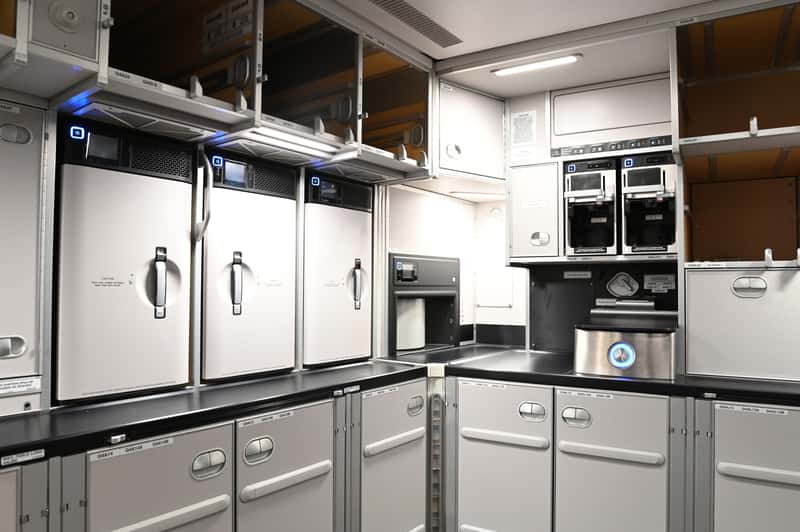
Older passengers who get up to stretch – which flight attendants actively encourage – sometimes wander to the galley area to wait for the restroom, chat, or simply change the scenery. It feels harmless. But the galley is the crew’s kitchen, office, and operational hub all at once, and having passengers standing inside it creates real safety and logistical problems during service and especially during turbulence. It’s the equivalent of wandering behind the counter at a restaurant mid-rush.
Flight attendants will never say anything rude about it – they’re too professional for that. But it does make their job harder, and in rough air, it can be genuinely dangerous for everyone involved. If you need assistance, step to the edge of the galley and ask from there. Stretch in the aisle near your seat. The crew will appreciate it more than you might expect.
#14 – Early Morning Flights Are Statistically Kinder to Older Travelers
A lot of passengers over 60 book later flights to avoid the early alarm. Completely understandable. But flight attendants who’ve worked every departure slot will tell you privately that morning flights are a fundamentally different experience – fewer delays, thinner crowds, and a quieter, calmer airport from curb to gate. Early departures haven’t yet inherited the cascading chaos of the day’s earlier mechanical issues and weather delays.
There’s also a physical comfort advantage: turbulence is typically smoother in the early morning, before heat rising from the ground creates the atmospheric disturbance that makes afternoon flights rougher. For passengers who need extra time at security, benefit from less crowded boarding, or find the physical demands of airports taxing, a 7am departure beats a 5pm one in almost every practical way. Set the alarm. It’s worth it.
#15 – Give Yourself a Longer Layover Than You Think You Need
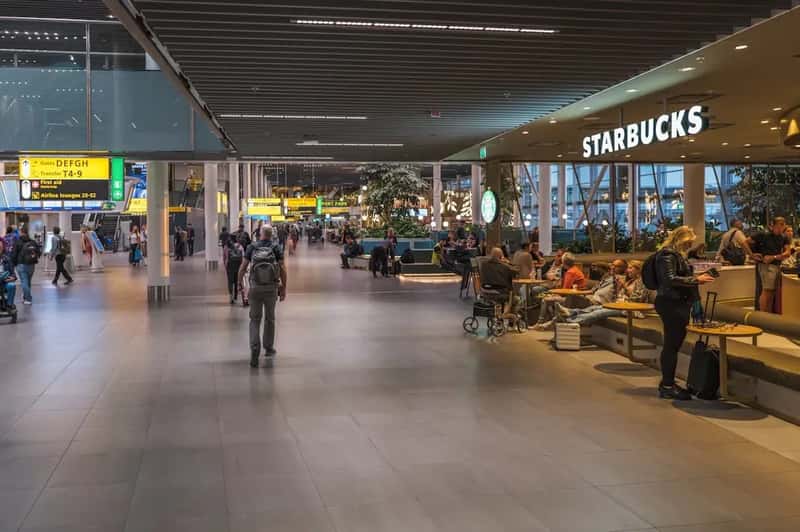
Flight attendants see the same painful scenario unfold constantly: an older traveler books a 45-minute connection to save time, the first flight runs 20 minutes late, and suddenly there’s a desperate sprint – or an impossible scramble in a wheelchair – across a sprawling terminal. It’s one of the most preventable sources of travel disaster, and it disproportionately hits passengers who move more slowly or have requested mobility assistance between gates.
Wheelchair attendants at busy airports are frequently managing multiple flights simultaneously, and during peak travel times it becomes impossible to keep pace with demand – which is exactly how some passengers miss their connection entirely. Weather, mechanical delays, and gate changes can turn any short layover into a crisis. Build in at least 90 minutes between connections. Two hours is better. The time you “save” with a tight connection can cost you an entire day on the other end.
#16 – Take Your Headphones Out When the Crew Is Talking to You
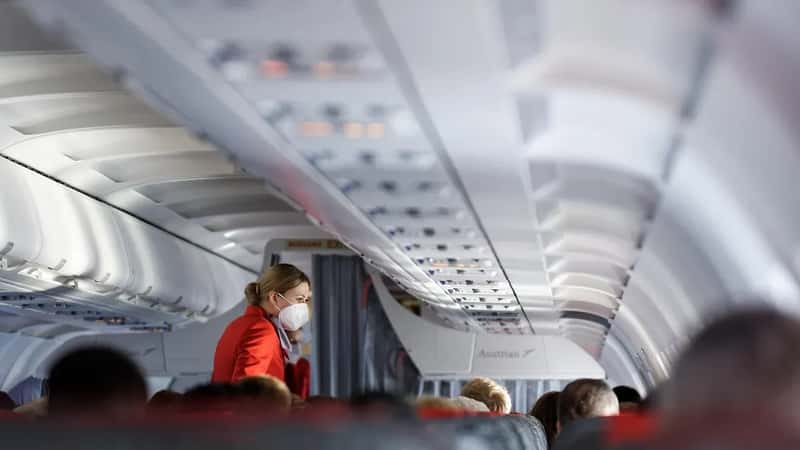
This one sounds minor until you hear flight attendants describe it themselves. Crew members are trained to deliver safety information, manage in-flight situations, and respond to individual passenger needs quickly and clearly. When a passenger leaves their earbuds in during a crew interaction – which happens constantly – it forces the attendant to repeat themselves, raises the chance of miscommunication, and creates a dynamic the crew quietly remembers for the rest of the flight. It’s one of the small things that shapes how attentive they are to you for the next several hours.
The courtesies that matter are simple: say hello when you board, pay attention during the safety demo, and remove your headphones when a crew member speaks to you directly. Flight attendants manage hundreds of passengers per flight and deal with a lot. Being the person who actually looks them in the eye and treats them like a professional goes further than you might imagine – and it costs exactly nothing.
#17 – Politeness Is the Single Most Powerful Upgrade Tool You Have

Here’s the insider truth no airline will ever put in a brochure: the passengers treated best on any given flight are rarely the ones sitting in first class. They’re the ones who smiled when they boarded, said please and thank you, and treated the flight attendants like the skilled professionals they actually are. Flight attendants remember kindness – and they have a remarkable amount of quiet discretion to act on it throughout the flight.
A polite ask at the gate – “any chance of a seat in business class today?” – lands far better when it comes from someone who’s been genuinely pleasant since check-in. Even without an upgrade, that warmth comes back to you in small ways all flight long: an extra snack, a proactive check-in, a little more patience when you need something. After decades of flying, the passengers who understand this are the ones who always seem to have the best trips. The whole flight experience is more human than the airline industry wants you to believe.
“The passengers I remember most aren’t the ones in first class. They’re the ones who said good morning and meant it.”
Veteran U.S. flight attendant, 20+ years in the industry
The gap between a miserable flight and a genuinely comfortable one is smaller than most people realize – and almost all of it comes down to preparation and a few small decisions made before and during boarding. Request assistance 48 hours out. Book that front-of-cabin aisle seat. Pack the compression socks, order the special meal in advance, and tell the crew what you need. None of it is complicated. It’s just information that never makes it into the booking confirmation. Which of these surprised you most? Drop your own travel tip in the comments.