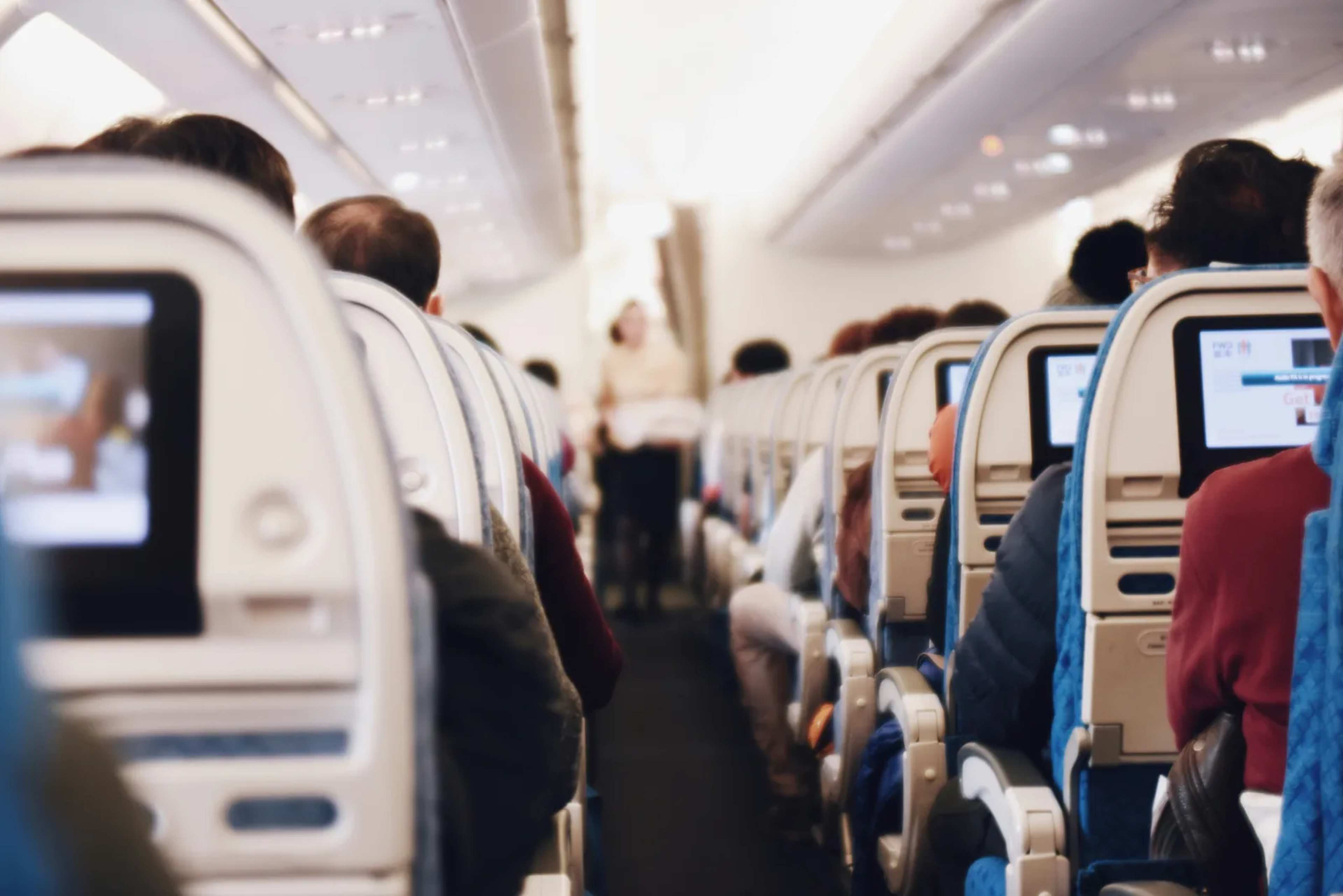
Most travelers treat airport security like a slot machine – pull the lever, hope for the best, and pray the line moves fast. But people who fly every week aren’t gambling. They’ve built a quiet system of small habits that shave minutes off every checkpoint, and almost none of it has to do with luck.
The wild part? Most of these habits cost nothing and take seconds. Yet casual travelers walk right past them every single time, standing in the same slow lane, making the same rookie mistakes. Here’s what frequent flyers actually do differently – the small, overlooked moves that separate a five-minute security experience from a thirty-minute one.
#17 – They Check the Wait Time Before They Even Leave the House

Frequent flyers rarely walk into an airport blind. They pull up the official TSA app or their airline’s live security tracker before they even call a rideshare, because wait times swing wildly by hour and terminal. TSA’s own wait goal is 30 minutes or less for standard lanes and 10 minutes or less for PreCheck, and seasoned travelers use that benchmark to decide whether to leave 20 minutes earlier or later.
This isn’t paranoia – it’s math. A quick check at JFK during a random weekday afternoon found a 30- to 45-minute wait, while most other airports had waits of 15 to 30 minutes or less. Frequent flyers know their home airport’s personality and time accordingly, instead of showing up and hoping for the best.
Fast Facts
- Standard lane wait goal: 30 minutes or less
- TSA PreCheck wait goal: 10 minutes or less
- Sample JFK afternoon wait: 30-45 minutes
- Same-day wait at most other airports: 15-30 minutes or less
#16 – They Already Know Exactly Where the PreCheck Lane Sits
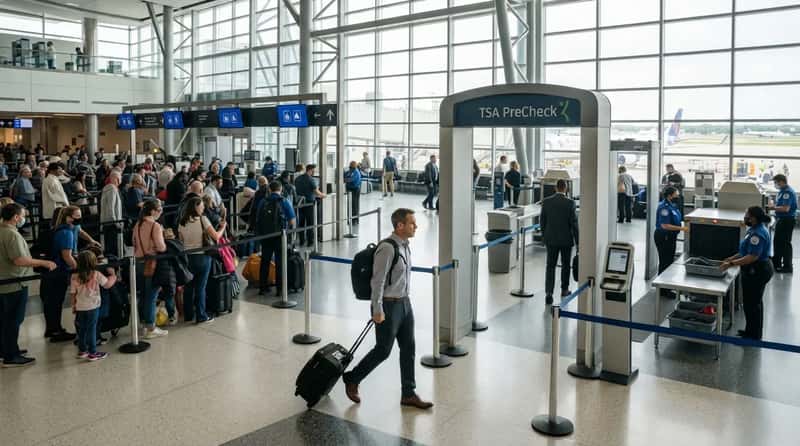
Casual travelers wander the terminal scanning signs like it’s their first time in an airport. Frequent flyers walk in already knowing which checkpoint has the shorter dedicated lane, because some airports have designated security lanes for families, TSA PreCheck members, and frequent flyers, and choosing the right lane can often mean a shorter wait.
That small piece of pre-loaded knowledge means zero wasted steps. Instead of doubling back across a crowded terminal after picking the wrong line, they walk straight to the fast lane on arrival. It sounds minor, but multiply that saved detour across 40 flights a year and it adds up to hours of reclaimed time most travelers never think to count.
#15 – They Stopped Obsessing Over Shoes (Because the Rule Actually Changed)
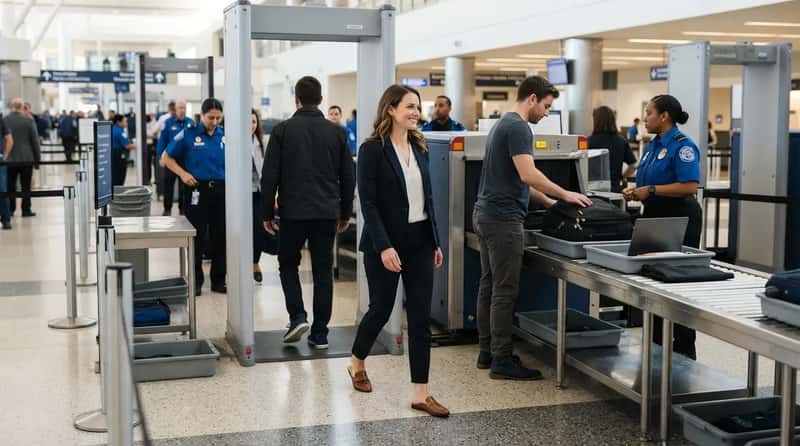
Here’s the part almost nobody outside frequent-flyer circles has fully absorbed: the shoes-off rule that defined airport security for nearly 20 years is gone. As of July 8, 2025, the Department of Homeland Security officially ended the long-standing shoes-off policy at checkpoints, and now all travelers – not just TSA PreCheck members – can keep their shoes on during screening.
Regular travelers are still yanking off sneakers out of pure habit, holding up the line for no reason. Frequent flyers already adjusted months ago. They still wear slip-ons out of old muscle memory, but they’ve stopped treating shoe removal as mandatory, and it shows in how much smoother their checkpoint moment looks.
#14 – They Keep the Boarding Pass Loaded and Bright, Not Buried
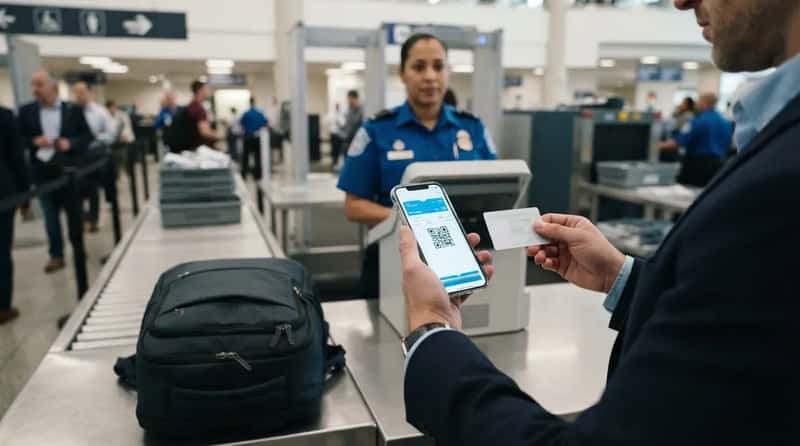
Nothing stalls a line faster than someone digging through five apps to find their boarding pass while an agent waits. Frequent flyers load their mobile pass and crank the screen brightness up long before they’re in line, because most airlines now offer mobile boarding passes that can be scanned directly from a phone, eliminating the need to fumble with paper documents.
They also treat their ID like a boarding pass extension – out, visible, ready – instead of buried in a wallet inside a backpack pocket. It’s a tiny habit, but agents notice, and so does everyone stacked up behind that traveler who’s still swiping through their camera roll.
#13 – They Pack Liquids Like They Already Know the Exemption List
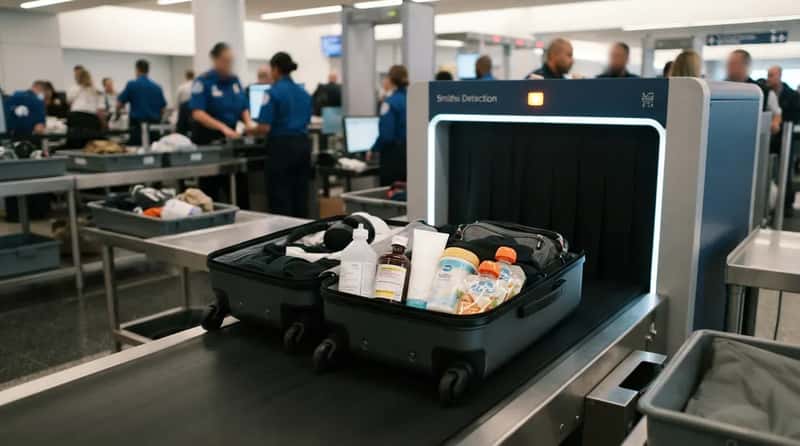
This is where frequent flyers quietly separate themselves. Most casual travelers still think every liquid must be capped at 3.4 ounces, but with the help of advanced CT scanners at major U.S. airports, TSA has started allowing exemptions to its long-standing 3-1-1 liquids rule, approving specific items that skip the size cap entirely.
Regular fliers dump giant shampoo bottles in the trash at the checkpoint. Frequent flyers already know which items are exempt. That single piece of insider knowledge means fewer confiscated items, fewer arguments with agents, and a bag that sails through without a second look.
Worth Knowing
- Medically necessary liquids skip the standard size cap
- Baby formula and breast milk are also exempt
- Some duty-free liquids in sealed, tamper-evident bags qualify too
- Everyone else still needs 3.4 oz (100ml) containers in one quart bag
#12 – They Empty Their Pockets Before They’re Even in Line
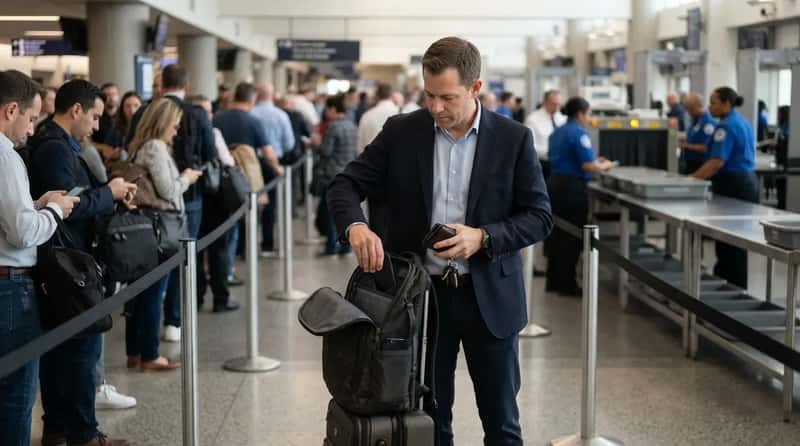
Watch a frequent flyer approach a checkpoint and you’ll notice something odd: their pockets are already empty before they hit the bin table. If they find themselves waiting in a security line, they use that dead time to clear their pockets and stash loose items in their carry-on well before it’s their turn.
Casual travelers wait until they’re standing at the bins, patting themselves down like they’ve lost their keys. That thirty-second scramble multiplied across hundreds of travelers is exactly why lines back up. Frequent flyers treat the wait itself as prep time, not dead time, and it’s one of the simplest habits nobody else copies.
#11 – They Know Exactly Which Items Skip the Liquid Cap
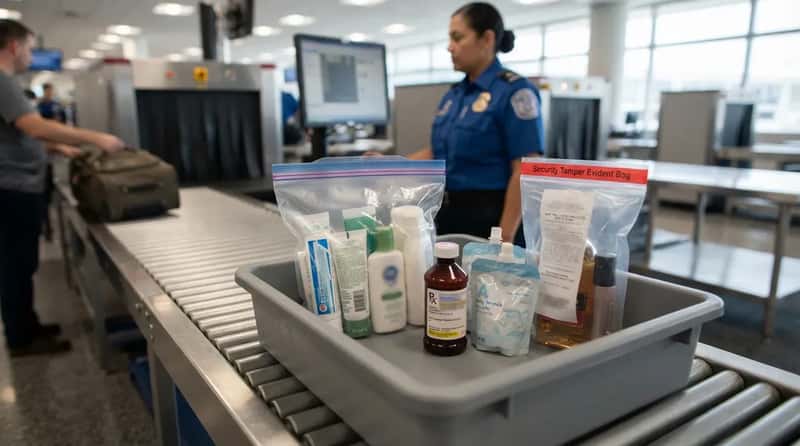
Building on the exemption list, seasoned travelers don’t just know exceptions exist – they know specifics. Medically necessary liquids, baby formula, and select duty-free purchases have long ridden along outside the standard cap, while everything else has to fit in travel-sized containers of 3.4 ounces or less, packed in a single resealable quart bag.
Frequent flyers treat that exception list like a cheat code. They pack larger essentials knowing exactly which category protects them, while everyone else either over-restricts themselves or gets flagged for a bag search they didn’t need to trigger.
#10 – They Travel With a Dedicated ‘Dump Pouch’
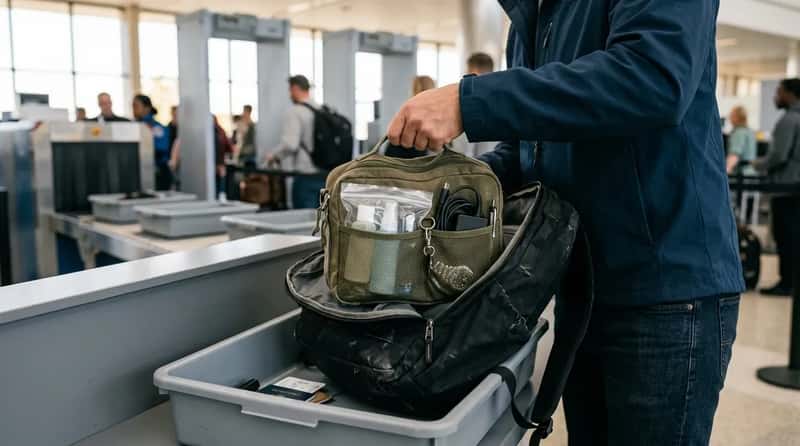
Ask any road warrior and they’ll show you the same thing: a single pouch holding their liquids bag, laptop charger, and loose metal items, ready to pull out in one motion. It’s not glamorous, but it eliminates the frantic bin-shuffling that turns a 90-second screening into a five-minute production.
Most travelers repack their bag from scratch at every single airport, digging for a laptop buried under clothes. Frequent flyers build the bag once, at home, with everything security-sensitive sitting in one grab-and-go spot near the top. It’s a boring habit – and it’s exactly why they never look flustered at the X-ray belt.
#9 – They Actually Know Which Lanes Let Laptops Stay in the Bag
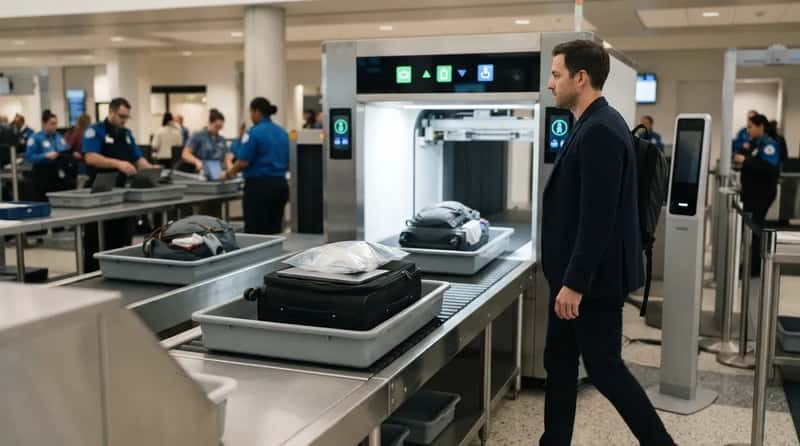
This is a genuinely new advantage most travelers haven’t caught onto yet. New CT scanners now let travelers keep laptops and liquids in their bag at some airports, alongside facial recognition tech that speeds up ID checks and automated lanes that move bags faster. Frequent flyers scope out which specific lane at their home airport has this technology before they ever join the line.
Casual travelers yank their laptop out anyway, out of pure reflex, even in lanes where it’s unnecessary. That reflexive habit costs time and creates an extra bin nobody needed. Frequent flyers watch for the CT scanner signage and skip the extra step entirely, gliding through while others fumble with laptop sleeves for no reason.
#8 – They Don’t Assume PreCheck Erases Every Rule
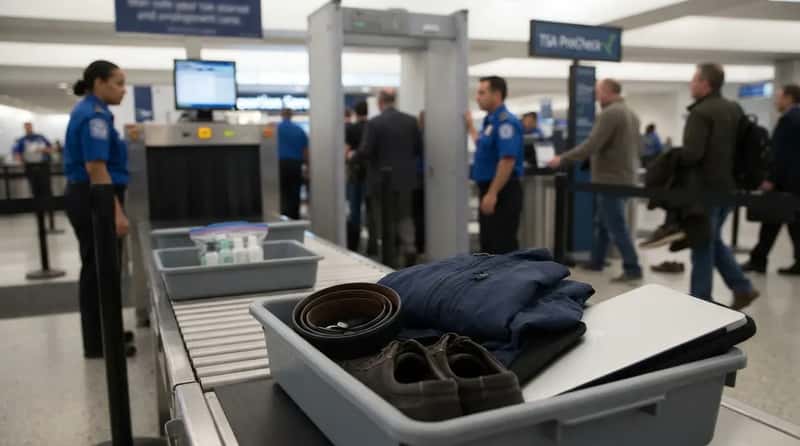
Here’s a friction point worth sitting with: plenty of casual travelers now assume shoes-off is gone everywhere, for everyone, permanently. That’s not quite the full picture. Rules for removing a belt, coat, or items like laptops and liquids from a bag are still in effect in standard lanes, even as Homeland Security continues reviewing the broader policy.
Frequent flyers don’t get overconfident. They still expect belts and jackets off in standard lanes unless they’re specifically in PreCheck, where members typically skip belt and light jacket removal along with keeping their shoes on. Assuming every rule vanished everywhere is exactly how casual travelers get pulled aside and confused mid-checkpoint.
Quick Compare
| Rule | Standard Lane | PreCheck Lane |
|---|---|---|
| Shoes | Stay on (new rule) | Stay on |
| Belt | Off | On |
| Light jacket | Off | On |
| Laptop | Out of bag (unless CT lane) | Stays in bag |
#7 – They Renew PreCheck Months Before It Expires, Never After
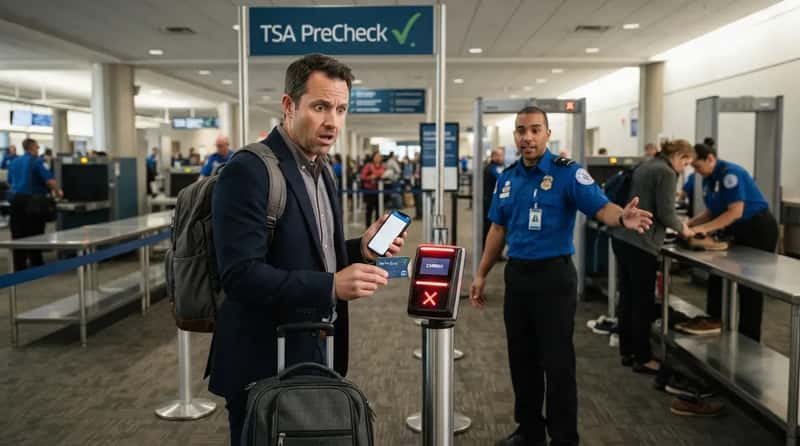
Nothing embarrasses a self-proclaimed frequent flyer faster than swiping their card at a PreCheck lane only to get bounced back to standard screening because their membership quietly lapsed. Real road warriors set calendar reminders 90 days out, because renewal windows and processing times can stretch longer than people expect.
Casual travelers often don’t realize PreCheck isn’t permanent at all – it runs in five-year blocks, and the fee can sometimes be reimbursed through certain credit cards or loyalty programs. Frequent flyers treat that renewal date like a bill due, not a surprise, because losing PreCheck status mid-trip season is a self-inflicted wound nobody wants.
#6 – They Know the REAL ID Deadline Already Passed
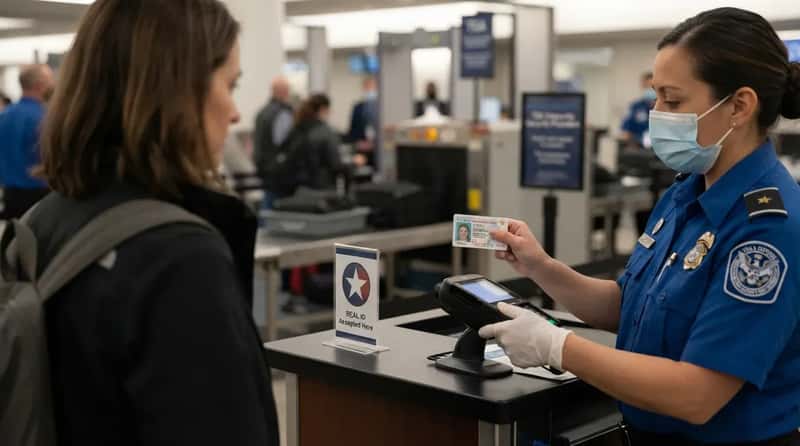
This one has genuinely tripped up thousands of casual travelers in 2025 alone. REAL ID is now required for all adult travelers on domestic flights, a rule that took full effect on May 7, 2025. Frequent flyers checked their license for the star marking months before that date and never thought about it again.
Meanwhile, plenty of once-a-year travelers are still showing up with an outdated license, getting flagged, and scrambling for a passport in the security line. Frequent flyers know this rule cold, because missing a flight over an ID mix-up is expensive and stressful, so checking your ID well before travel day is non-negotiable for anyone who flies often.
At a Glance
- REAL ID required for domestic flights starting May 7, 2025
- Look for a star marking in the upper corner of your license
- A valid passport works as an alternative ID
- Non-compliant IDs can mean extra screening or a missed flight
#5 – They Stack Their Bin Strategically, Not Randomly
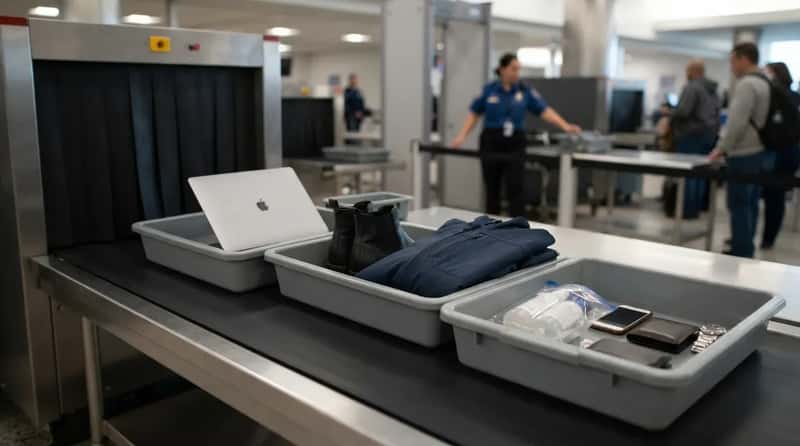
There’s an unspoken order frequent flyers follow at the bin table: laptop in its own bin first, shoes and jacket second, small personal items last in a single consolidated tray. It sounds obsessive, but it prevents the classic pileup where four half-filled bins clog the belt at once.
Most casual travelers grab whatever bin is closest and toss items in with no logic, forcing the X-ray operator to slow down and re-scan overlapping objects. Frequent flyers know a clean, single layer moves through scanning faster with fewer secondary checks. It’s a small courtesy to the line – and a selfish one too, since it gets them through quicker.
#4 – They Pair CLEAR With PreCheck Instead of Choosing One
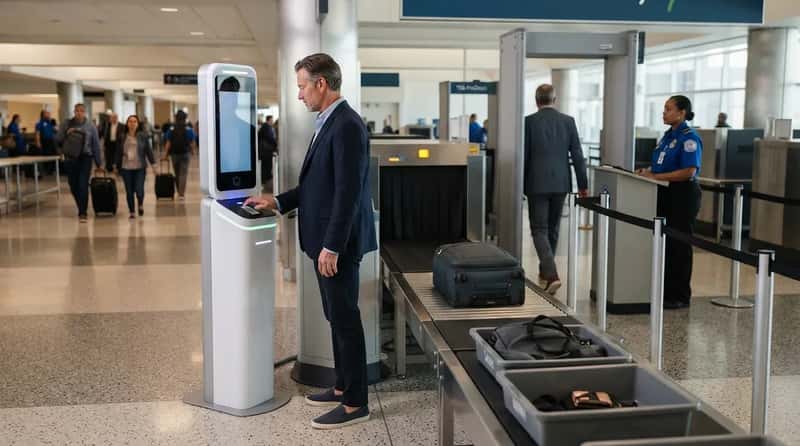
Here’s a genuinely controversial opinion many frequent flyers hold that casual travelers often push back on: paying for just one expedited program is leaving time on the table. Stacking CLEAR’s identity-verification line with a PreCheck lane cuts out both the ID-check bottleneck and the shoes-and-belt bottleneck in one combined move.
Skeptics argue paying for two separate memberships is overkill for someone who only flies twice a year. But for true frequent flyers, dedicated lanes that skip belt removal already move faster on their own, and stacking both programs multiplies that advantage rather than just adding it once.
Why It Stands Out
- Skips the ID-check bottleneck with CLEAR verification
- Skips the belt-and-shoe bottleneck with PreCheck
- Combines two separate expedited lanes into one smooth pass
- Pays off most for travelers flying multiple times a month
#3 – They Never Argue With an Officer, Even When Flagged Randomly
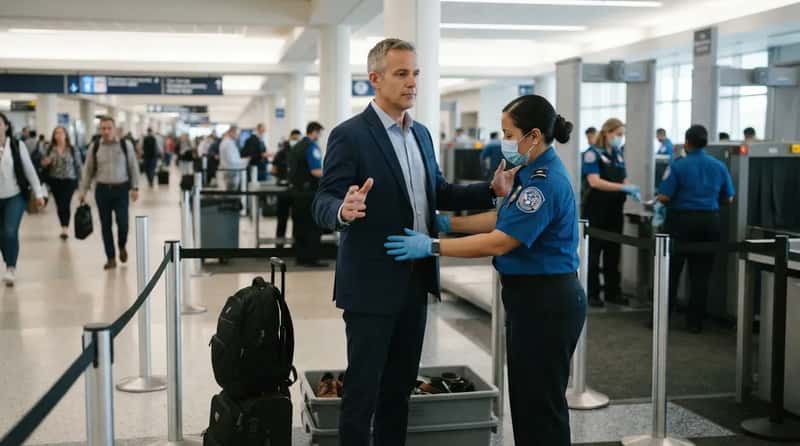
This is the habit that surprises people most: frequent flyers rarely push back when they’re pulled for secondary screening, even when they’re annoyed. They understand random selection is baked into the system on purpose, and arguing only slows down their own exit, not the officer’s shift.
Casual travelers sometimes treat a random pat-down as a personal insult and get defensive, which almost always extends the interaction. Frequent flyers know patience is the fastest way out of secondary screening, not confrontation. It’s a mindset shift more than a tactic, but it’s one of the biggest differences between someone who flies weekly and someone who flies twice a year.
#2 – They Choose Off-Peak Windows Over Convenient Ones
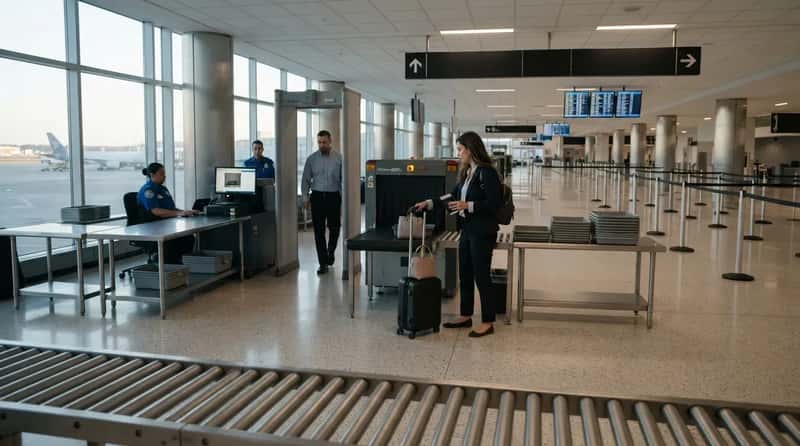
Most casual travelers book their airport arrival around personal convenience – right after breakfast, right before a meeting ends. Frequent flyers instead study their home airport’s actual peak crush hours and build their whole morning around avoiding them, even if it means waiting around the house longer than they’d like.
This is a mildly controversial stance worth sitting with: many travel experts insist arriving early is enough, but frequent flyers know arriving early during a peak surge is still slow. Timing genuinely matters more than buffer time alone, and that’s a distinction most people never bother to learn.
#1 – They Treat the Whole Checkpoint as a Rehearsed Routine, Not a Fresh Event
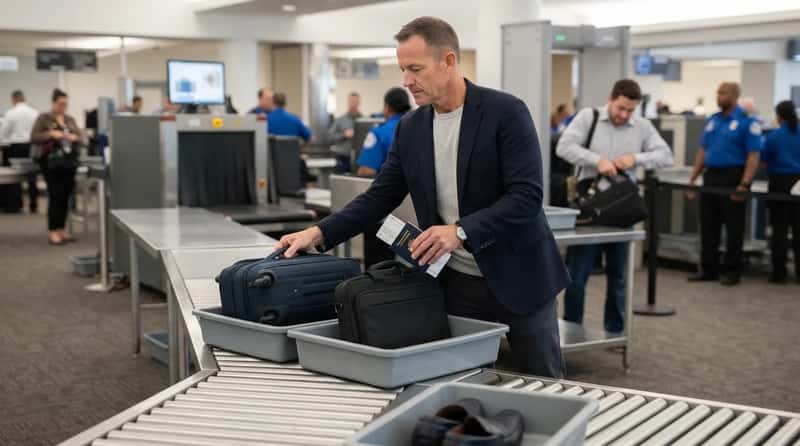
This is the real separator, and it’s less about any single trick and more about mindset. Every other item on this list becomes automatic once a traveler has walked through the same motions dozens of times: bag prepped at home, ID out early, bin order set, lane pre-selected, patience ready if flagged. Nothing is improvised.
Casual travelers reinvent the entire process from scratch every single trip, which is exactly why the line behind them always seems to slow down. Frequent flyers aren’t smarter or luckier – they’ve simply run the routine enough times that hesitation has been engineered out completely. That’s the actual secret, and it’s far less mysterious than most people assume.
None of these habits require insider connections or expensive memberships, though a few – like CLEAR or PreCheck – certainly help. What separates frequent flyers from everyone else isn’t luck or privilege. It’s repetition, preparation, and a refusal to treat security as an unpredictable event instead of a routine they’ve already mastered.
Which of these habits do you already do without thinking – and which one are you stealing for your next trip? Drop it in the comments.