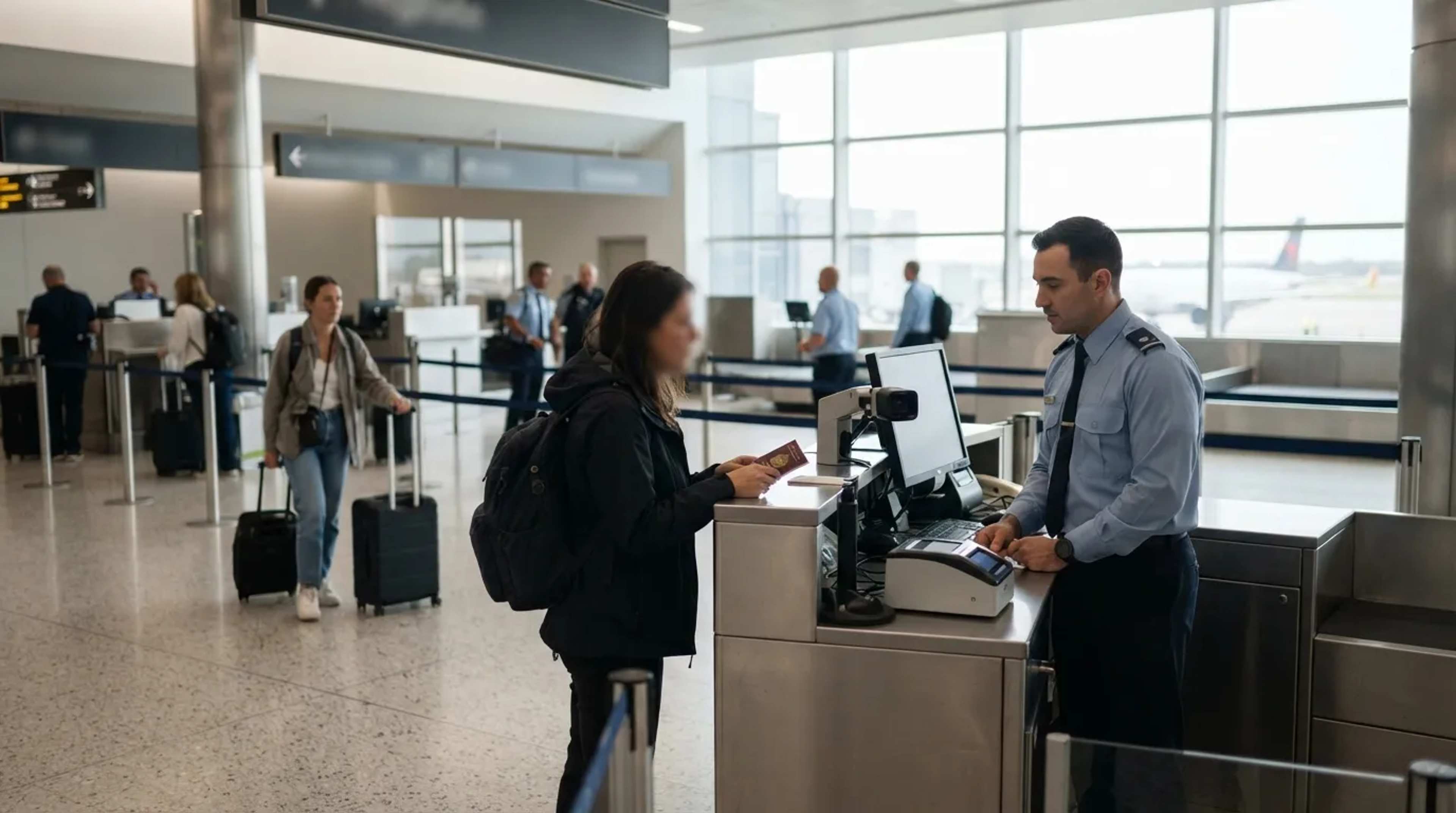
Most people picture a ranger as the friendly face who stamps your passport and points you toward the best overlook. Ask rangers what actually worries them, and the answers are much less postcard-friendly. The same trailhead mistakes show up in rescue reports year after year, and plenty of them involve capable, experienced travellers who thought they had it handled.
Here’s the twist: the fixes are almost never about fitness. They come down to small, unglamorous facts about heat, altitude, timing and terrain that nobody mentions in the parking lot. Start at the bottom of the countdown, because the first few surprises are already waiting, and the one rangers repeat most is saved for last.
#17 – The Visitor Center Desk Knows Something Your App Doesn’t
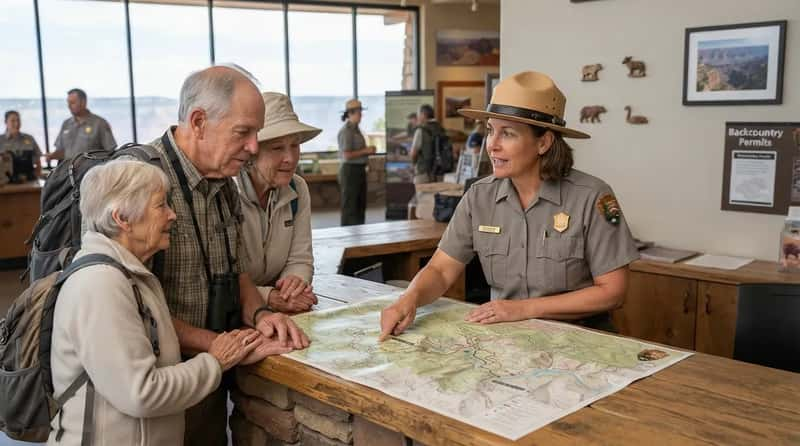
The best free resource in any park is a person in a flat hat. The National Park Service tells hikers to talk with a ranger at a visitor center or wilderness information center about trail conditions before heading out. Rangers hear about washouts, closures, icy stretches and detours long before a trail app catches up.
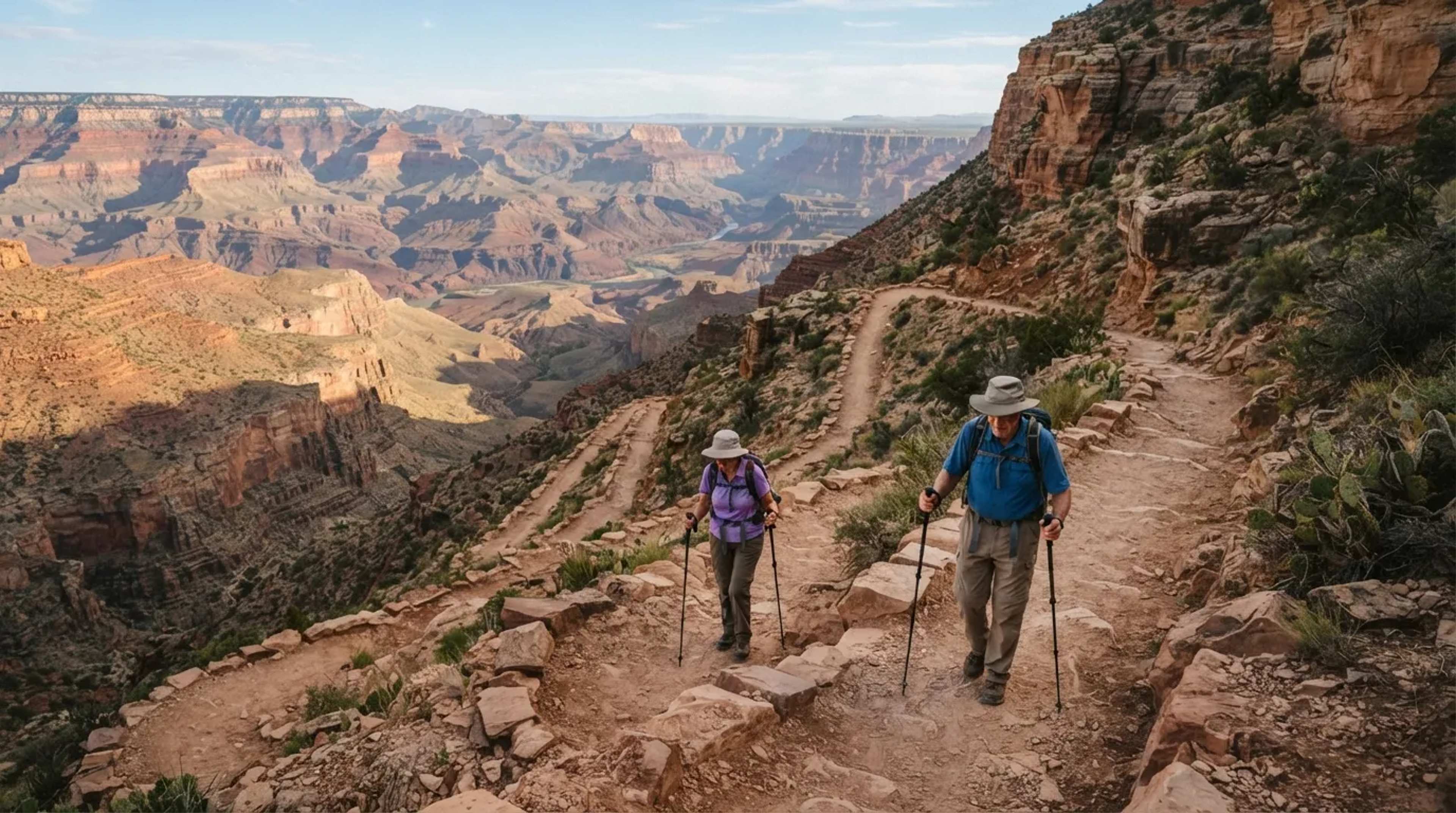
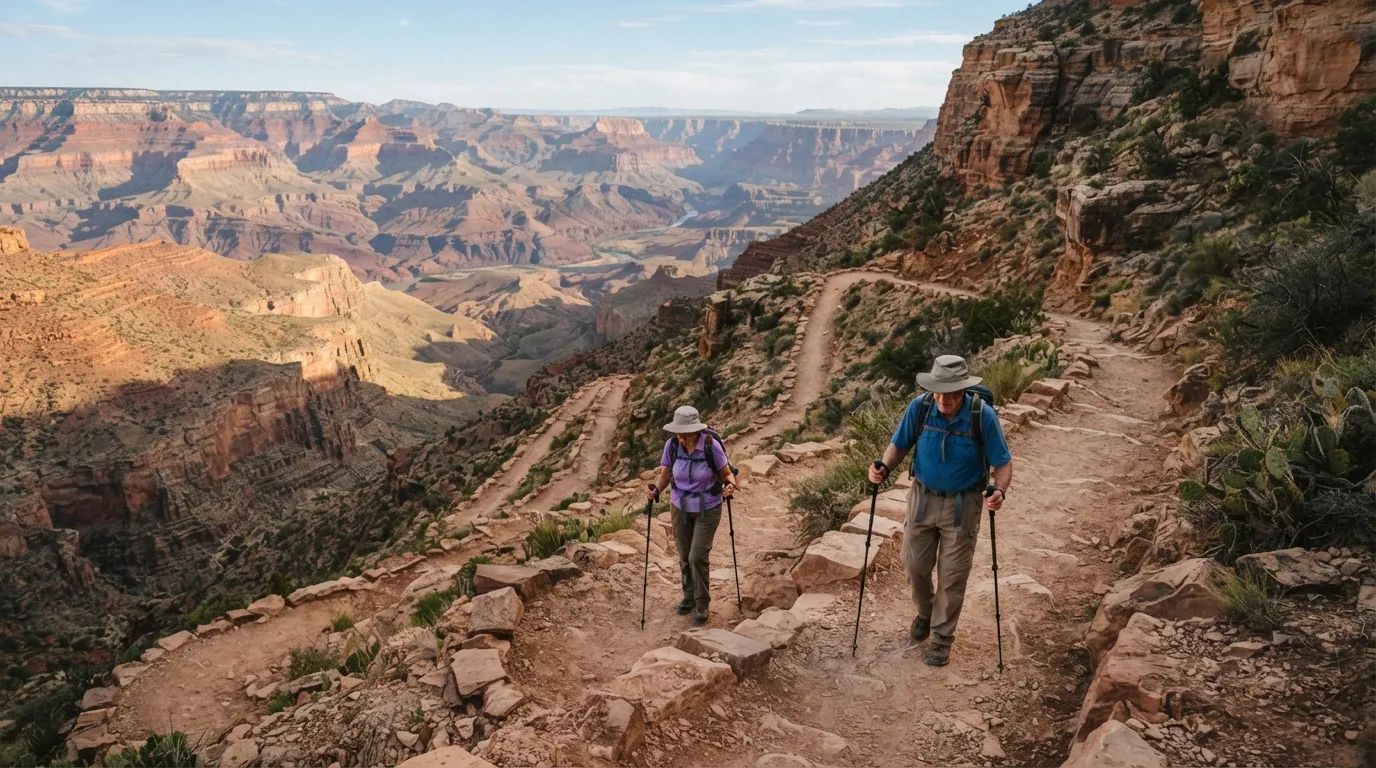
That gap can be costly. At Grand Canyon, one detour added about 4.5 miles to a route with no shade and no water, and the park’s preventive search and rescue supervisor said it triggered a spike in helicopter evacuations. Inner-canyon summer temperatures can top 110°F, and many recent rescues involved hikers who underestimated the added difficulty. A two-minute chat at the desk might have changed every one of those days.
#16 – The $80 Card That Rangers Wish More People Used
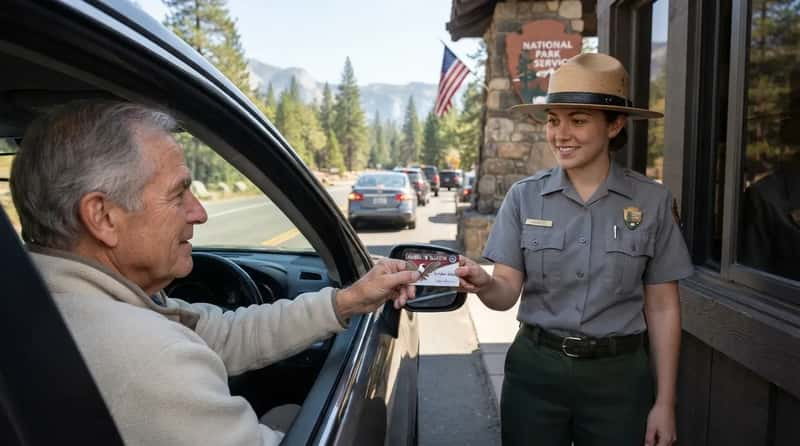
Plenty of travellers over 62 walk right past the best deal in the park system. The Senior Pass is available to U.S. citizens and permanent residents age 62 or older. The standard annual pass costs $80, and a senior can pay that same $80 once and carry the card for life.
The card does more than open the gate. It typically gives a 50% discount on amenity fees such as camping and cave tours. It does not cover concessionaire charges like guided tours or lodges, so check what your pass includes before you assume a booking is discounted.
#15 – Altitude Hits Before the Trail Does
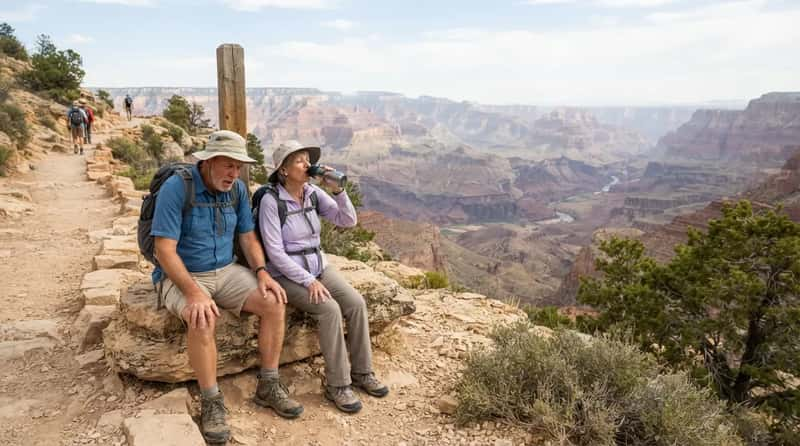
Plenty of visitors blame a rough day on their age. Rangers often blame the elevation. Grand Canyon’s South Rim sits roughly 7,000 feet above sea level, and a ranger there called acclimatizing one of the things that isn’t talked about enough.
Another ranger said many rescues involve day hikers who underestimate both the heat and that 7,000-foot elevation. That’s the unglamorous truth. The thing wearing you out may be the air, not your legs. Make the first day in any high-elevation park a gentle one, and save the big trail for day two.
#14 – The Downhill Start Is the Trap
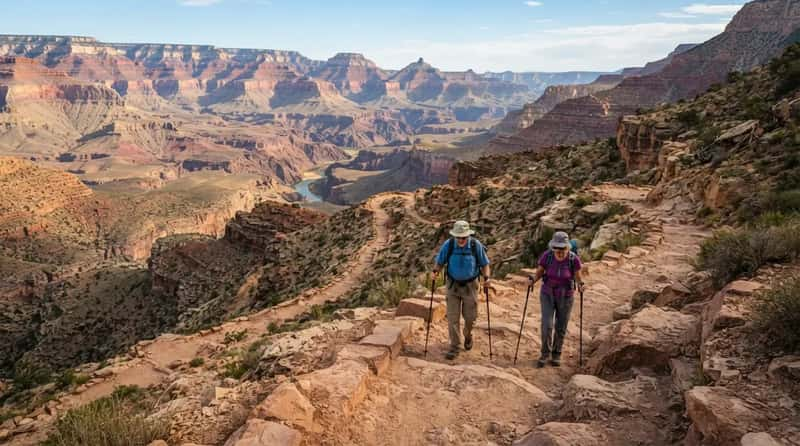
Rangers have a sentence that makes them wince: “It’s all downhill at the start.” At Grand Canyon, the NPS points out that the hardest climb comes at the end of the hike, when people are already drained. Going down feels so effortless that hikers wander much farther than they ever planned.
The canyon makes this worse. Trails drop thousands of feet, and distances are deceiving in such rugged terrain. Every foot you descend, you must climb back, often in the hottest part of the day. Rangers suggest turning around while you still feel strong, not when the trail finally gets steep.
Quick Compare: Going Down vs. Coming Back
- The way down: It feels effortless, so hikers tend to wander farther than they planned.
- The way up: The hardest climb arrives at the end, when your energy is already spent.
- The ranger fix: Turn around while you still feel strong, not once the trail turns steep.
#13 – The Talk Test Beats Any Fitness Tracker
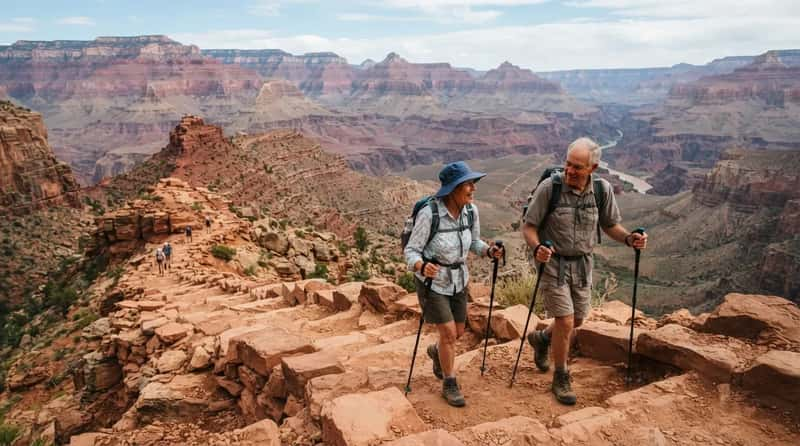
You don’t need a watch to know your pace. Grand Canyon’s hiking guidance says that if you can talk while you walk, you’re moving at the right speed. It may feel painfully slow, especially on steep sections, and that’s exactly the point.
The park explains that at an easy aerobic pace, even with baby-sized steps on steep trail, your energy reserves last longer. Slow hikers regularly beat fast ones back to the car. The tortoise strategy isn’t weakness. It’s how people who’ve done this for years get through long days.
#12 – The Ten-Minute Rule Nobody Follows
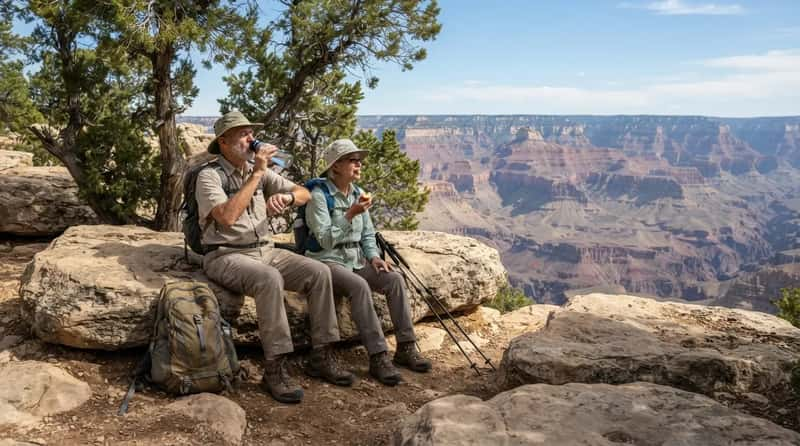
Most hikers push until they’re exhausted, then collapse onto the nearest rock. Rangers prefer the opposite. Grand Canyon’s guidance recommends a ten-minute break at least once every hour. Break early, break often, and eat something while you’re at it.
Skipping breaks has a way of sending the bill later. The same guidance says a short rest helps clear the waste that builds up in tired legs. The break you skip at mile two can become the stop you can’t avoid at mile six. Sit in shade if you can find any, and set your pack on a rock instead of the ground so you aren’t tempted to rush.
#11 – The Half-Gone Water Rule
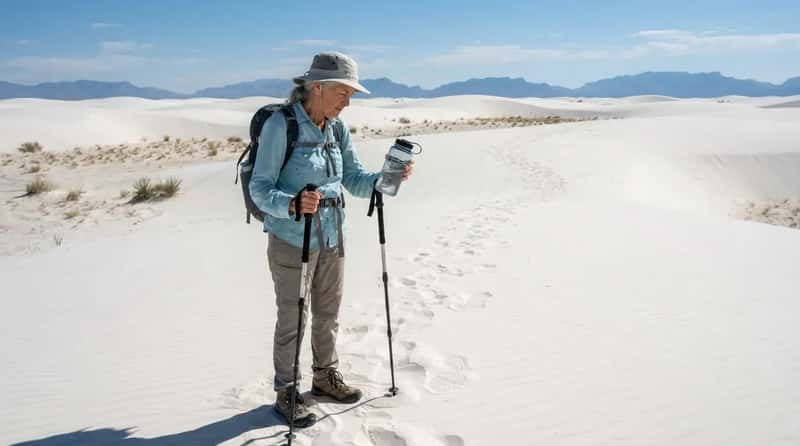
Water advice gets repeated until it blurs into background noise, so here are the specifics. Yosemite recommends at least one quart every two hours. Great Smoky Mountains guidance says at least one liter per two hours of hiking.
White Sands National Park offers a rule worth memorizing: when your water is half gone, go back to your car. That means your bottle sets the turnaround point, not your ambition. It’s a simple rule, and it takes the guesswork out of a decision that feels emotional when you’re tired and the view keeps getting better.
#10 – Drinking Too Much Can Actually Hurt
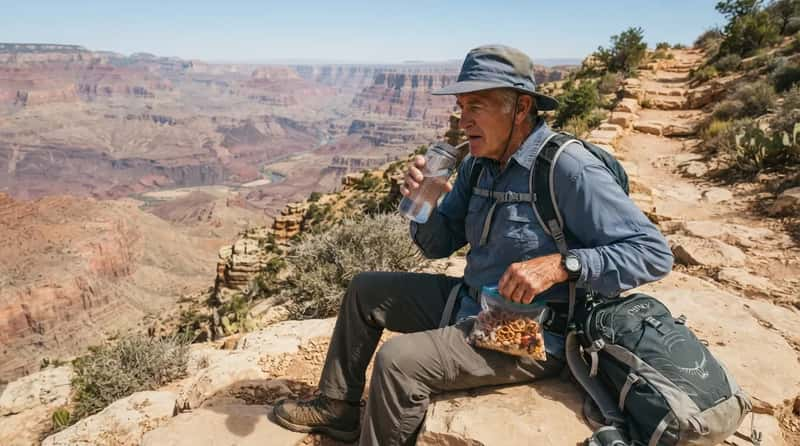
It sounds backwards, but rangers see it. Park officials warn that heat-related risks include hyponatremia, a dangerous electrolyte imbalance that can come from drinking lots of water without replacing salt. Chugging bottle after bottle doesn’t solve the problem on its own.
Grand Canyon staff once reported 13 medevac missions in a single week, including heat illness, dehydration and hyponatremia. The answer is balance: sip steadily and eat salty food. Park advice lists trail mix, nuts and granola bars for good reason, so pack the pretzels along with the water.
#9 – The Four-Hour Window Rangers Quietly Avoid
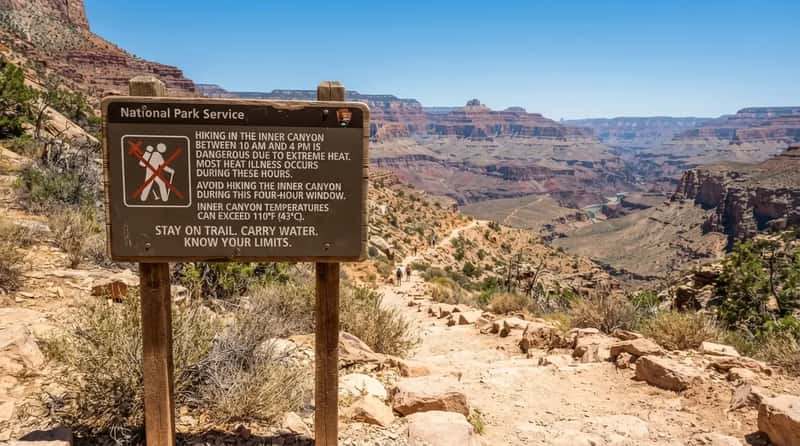
If rangers could change one habit, it might be the start time. At Grand Canyon, rangers advise against hiking in the inner canyon between 10 a.m. and 4 p.m., because that’s when most heat illness happens. The NPS repeats the warning in its hiker information sheet.
Heat isn’t a minor risk, and the park says so plainly. The most common cause of heat illness there is hiking in summer between 10 a.m. and 4 p.m. Start at sunrise, then spend the scorching afternoon at a museum, a ranger talk or a shady overlook. You still get the view, just without the emergency.
Fast Facts
- Rangers advise against inner-canyon hiking from 10 a.m. to 4 p.m.
- Inner-canyon summer temperatures can top 110°F.
- Grand Canyon staff once reported 13 medevac missions in a single week.
- The smart swap: sunrise on the trail, afternoon in the shade.
#8 – Heat Is Number One, and Hearts Come Second
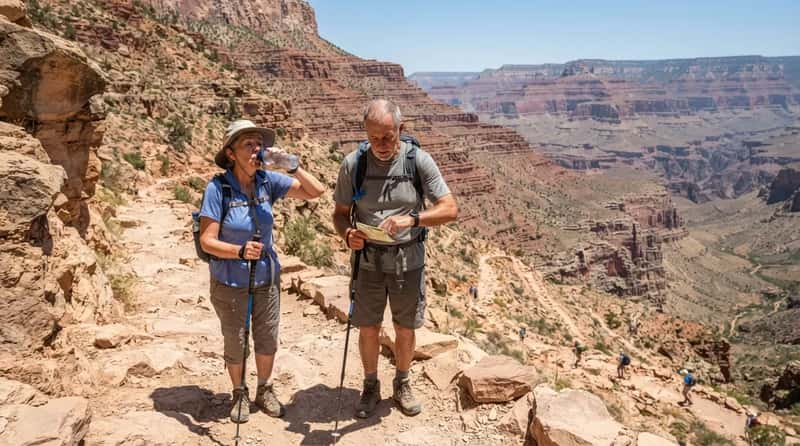
Ken Phillips oversaw the Grand Canyon’s search and rescue operations for 27 years. His blunt view: heat is by far the single biggest risk, followed by cardiac-related issues. Flash floods and BASE jumps, he said, are outliers.
The park echoes this in its guidance. If you have asthma, diabetes, a heart condition, or knee or back problems, you should limit both exertion and heat exposure. Altitude, climbing, dehydration and heat combine to make any medical problem worse. Rangers aren’t telling you to stay home. They’re telling you to choose the right trail.
#7 – The Ankle-Saving Shoe Choice
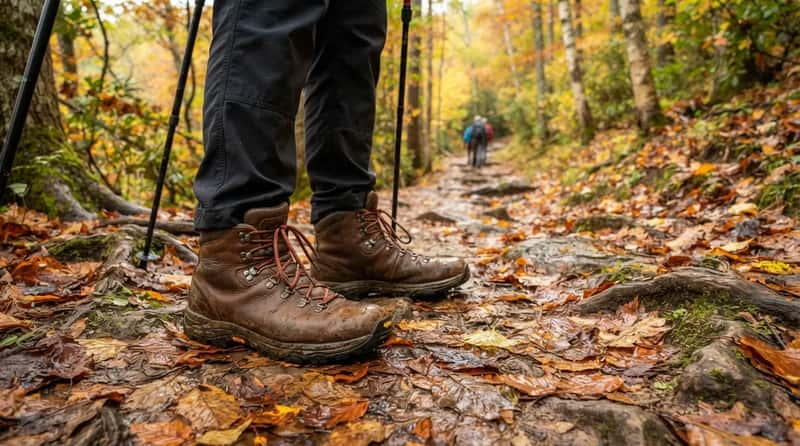
Some people still head out in worn-out sneakers and hope for the best. Park guidance disagrees. Grand Canyon says to wear well-fitting, broken-in hiking boots, and Mount Rainier advises a supportive, waterproof boot to reduce the risk of ankle injuries.
Season matters too. In the Smokies, loose, slick autumn leaves can lead to slips and ankle fractures, and many high-elevation trails may be icy in winter, so traction devices are advised. The prettiest leaf-covered trail can hide the slickest footing. And brand-new boots on day one of a trip? That’s a blister waiting to happen.
#6 – Trekking Poles Are Not a Surrender Flag
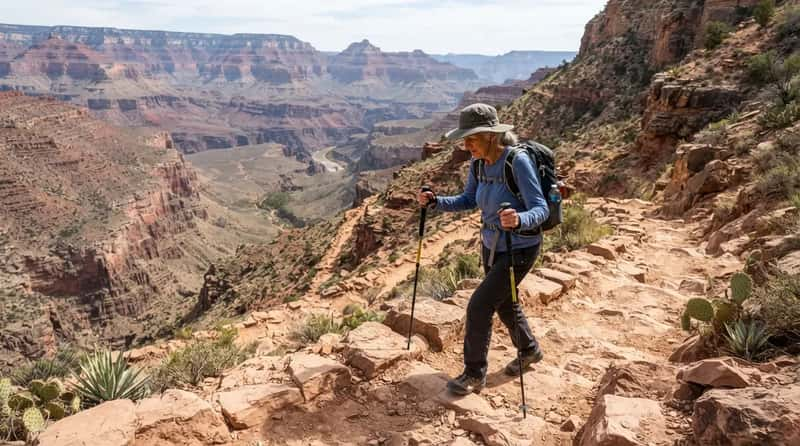
Some hikers bristle at the idea, but park guidance treats poles as smart gear, not a sign of weakness. Grand Canyon’s advice is to use hiking sticks to take stress off your legs. That matters most on long descents, where knees and ankles take a real pounding.
The same guidance says the heaviest items in your pack should be food and water. Everything else should be as light as possible. Leave the extras in the car, carry the essentials, and let the poles share the load.
#5 – Rescue Is Never a Guarantee
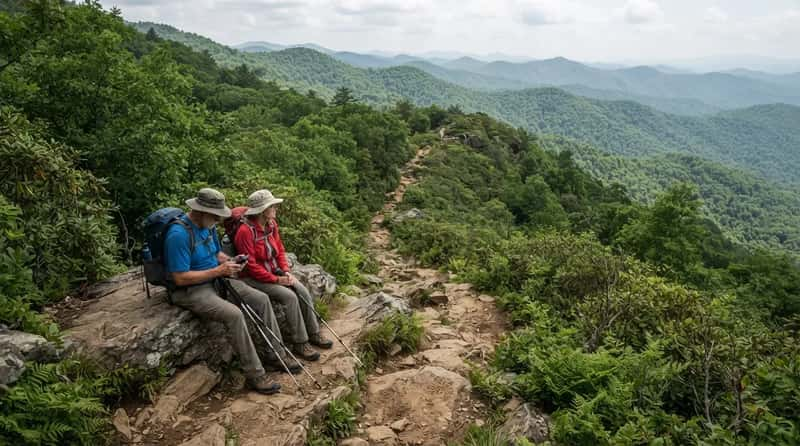
Many people assume one phone call brings a helicopter within minutes. Park officials describe something very different. In the Smokies, rescue is never a certainty, and it can take rangers several hours to reach a backcountry incident.
At Grand Canyon, a park news release warned that help for hikers may be delayed in summer by limited staff, the number of rescue calls, and limited helicopter flying capability in extreme heat or bad weather. In other words, plan as if you could be on your own for hours. That’s the best reason to carry extra water, a warm layer and snacks, even on a short walk.
Worth Knowing
- In the Smokies, rangers may need several hours to reach a backcountry incident.
- Summer delays at Grand Canyon can come from limited staff and a heavy call volume.
- Extreme heat or bad weather can limit helicopter flying.
- Extra water, a warm layer and snacks cover the gap, even on a short walk.
#4 – Your Phone Is Not a Safety Plan
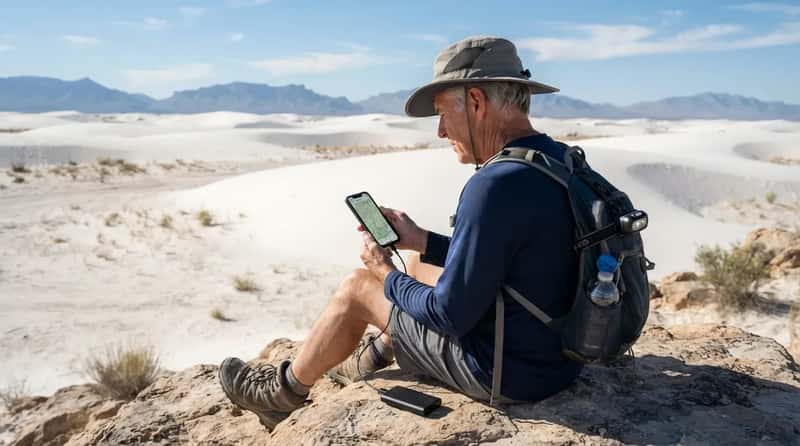
A phone helps, but only if it’s still alive. White Sands tells hikers to start with a fully charged phone and bring a portable charger, noting there are no outlets in the park. Cold, bright sun and nonstop photography drain batteries faster than most people expect.
Yosemite adds a simple rule: carry a headlamp on every hike, even short day hikes. The Smokies agree, advising hikers to avoid walking after dark because it raises the risk of falls and wildlife encounters. A cheap headlamp may matter more than the expensive camera.
#3 – The Itinerary Text That Changes Everything
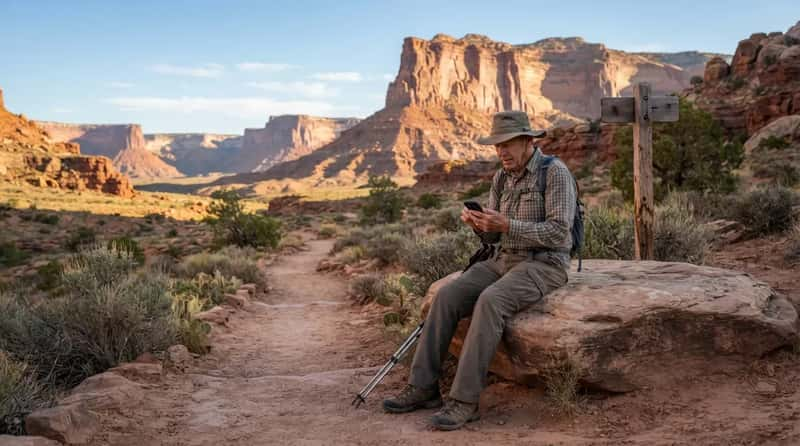
The cheapest safety tool is also the one people skip. NPS hiking guidance suggests filing a hiking plan with a friend or loved one before you leave. Send the trail name, your start time and when you expect to be back, and you’ve given a rescuer a head start before anyone even knows you need one.
Staying on the path matters too. The NPS says that leaving the designated trail can get you lost and can harm park resources. A ranger in Utah also noted that rocks along trails can look solid but be unstable from erosion and weathering. That tempting shortcut can be the least reliable ground in the park.
At a Glance: The 30-Second Plan
- Text it: trail name, start time and expected return.
- Send it to: a friend or loved one, before you leave.
- Stick to it: the designated trail, so you don’t get lost or harm the park.
- Watch your step: rocks that look solid can be unstable from erosion.
#2 – The Storm and Stream Rules That Surprise Everyone
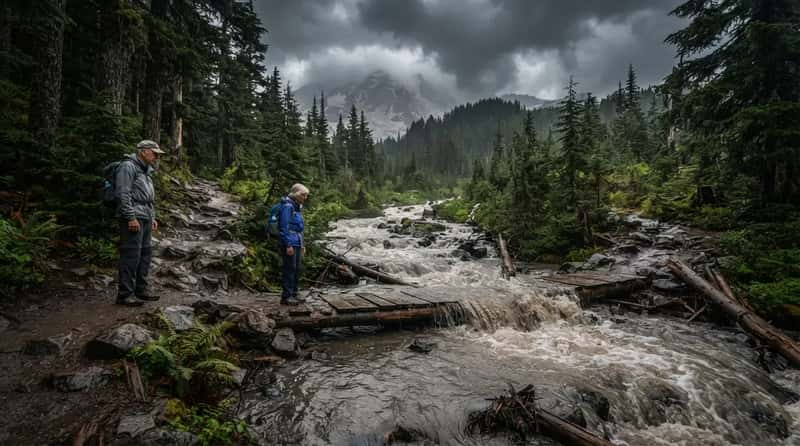
Mountain weather can flip in minutes. Mount Rainier’s guidance says that during lightning you should space yourself at least 50 feet from your hiking companions. That way, if one person is hurt, the others can still help or go for help.
Then wait it out: stay in a safe location until 30 minutes after you last hear thunder. Streams are another hidden hazard, since area streams can rise rapidly to unsafe levels after moderate to heavy rain. A creek you stepped across in the morning may be impassable by afternoon.
#1 – The Turnaround Point You Pick at the Trailhead Is the Smartest Move of the Day
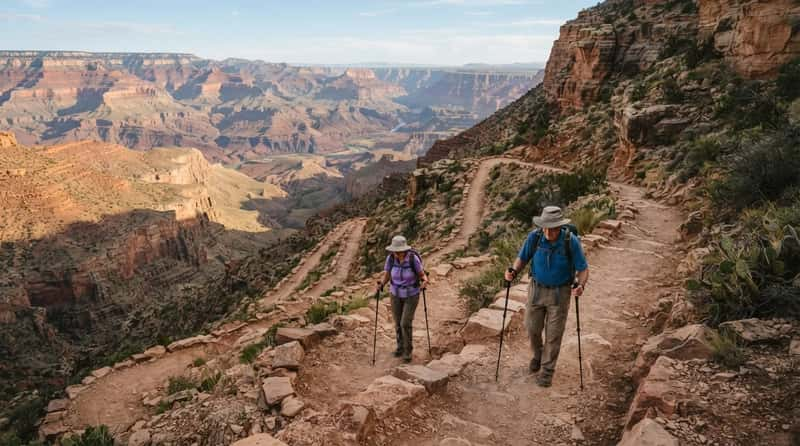
This is the one rangers repeat most. Grand Canyon says that everyone who hikes in the canyon for the first time reports that it was harder than expected. Park officials also state that the NPS does not recommend hiking from the rim to the river and back in a single day.
Here’s the truth rangers wish everyone knew: turning around is not failing. It’s the move that gets you home. Grand Canyon’s hiking guidance puts it simply: stay within your training, physical limitations and abilities. Pick a time, pick a water level, and honor both.
None of this takes special gear or years of experience. Rangers keep asking for the same handful of habits: start early, sip and snack steadily, wear the right shoes, tell someone your plan, and turn back while you still feel good. Heat, altitude and timing do far more damage than age alone.
The best hike isn’t the longest one. It’s the one that ends with you grinning in the parking lot, with water left in the bottle.