The difference between a trip that flows and one that falls apart usually isn’t the destination, the airline, or the hotel. It’s a handful of small, specific items that seasoned travelers slide into their bags without thinking – because they already learned what happens when those items aren’t there. It’s never the passport or the phone charger that breaks a trip. It’s the dozen quiet things nobody thinks to pack until the moment they desperately need them.
The travelers who move through airports looking unbothered aren’t lucky. They’re carrying something you’re not. Here are the 18 things they never leave home without – starting with the ones most people forget entirely.
#18 – A No-Fee Debit or Credit Card
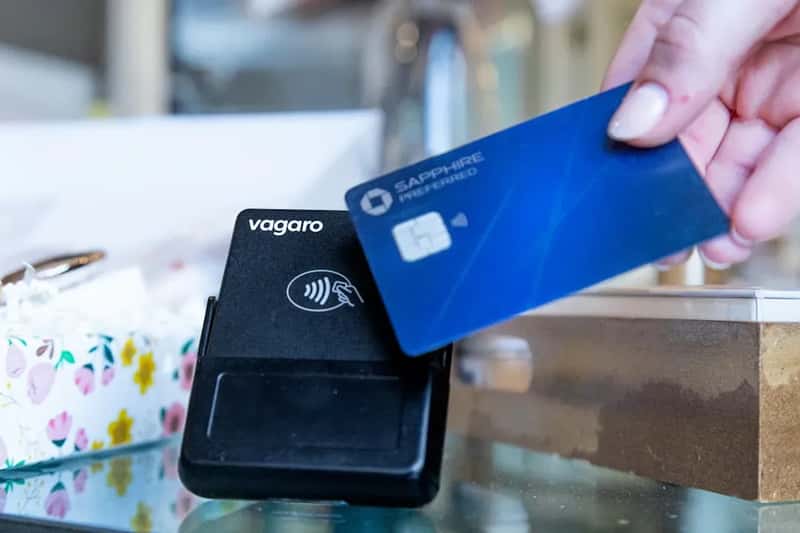
Most tourists land abroad and immediately start bleeding money without realizing it. Every swipe at a foreign ATM or café adds a small conversion surcharge – and over a two-week trip, those fees quietly stack into $60, $80, sometimes more. All of it spent on nothing except the privilege of accessing your own cash.
Experienced travelers sort this before they leave home. They carry a dedicated travel card – Charles Schwab, Wise, or a no-foreign-transaction-fee credit card – and they never pay a conversion penalty. It’s one of the easiest upgrades you can make before any international trip. Almost nobody bothers until after they’ve already wasted the money.
Fast Facts
- Foreign transaction fees typically run 1% to 3% on every international purchase
- On a trip with $4,000 in card spending at 3%, that’s $120 lost to fees that add zero value
- Dynamic currency conversion (DCC) at terminals can stack an additional 3% to 7% on top of that
- Popular no-fee options include Charles Schwab debit, Wise, Capital One Venture, and Chase Sapphire Preferred
- Always choose to pay in local currency at terminals – never let the merchant convert for you
#17 – A Dedicated Pen

It sounds almost insultingly simple. But customs forms and landing cards don’t fill themselves, and flight attendants pass out pens slowly – if they haven’t run out. Sitting there empty-handed at 35,000 feet while the cabin scrambles for a working ballpoint is a specific kind of low-grade misery that is completely avoidable.
Experienced travelers keep a pen in their carry-on permanently. It lives there between trips. It never gets repacked, never gets forgotten, never gets left on the kitchen counter. Tourists figure this out somewhere over the Atlantic. Veterans already knew.
#16 – Packing Cubes
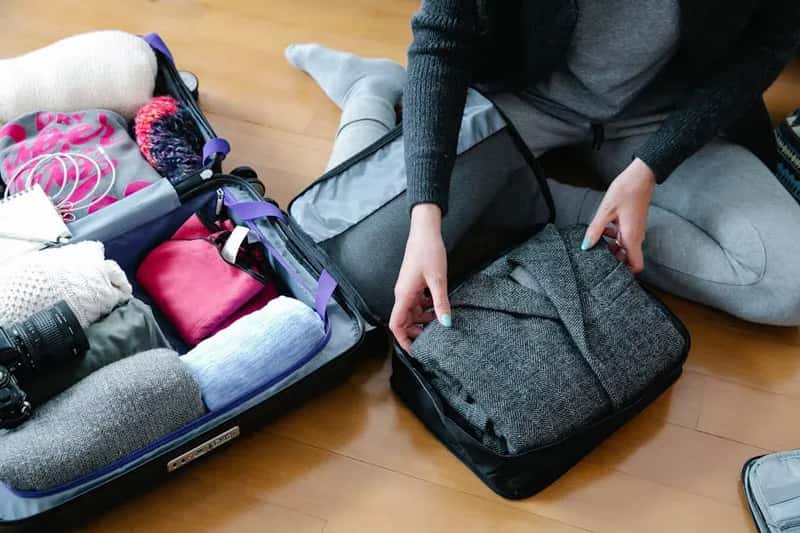
Packing cubes split the travel community on paper. In practice, the veterans who swear by them and the ones who “don’t need them” both quietly use them. The real benefit isn’t just organization – it’s the ability to unpack and fully repack in under three minutes at a hotel, which matters enormously when you’re moving between three cities in eight days.
Combine cubes with rolled clothes instead of folded, and your suitcase becomes a compressed, logical machine instead of a chaotic pile you have to excavate every morning. Tourists dig through their bags for the same shirt twice a day. Veterans open one cube, grab what they need, and get out the door.
#15 – A Portable Power Bank
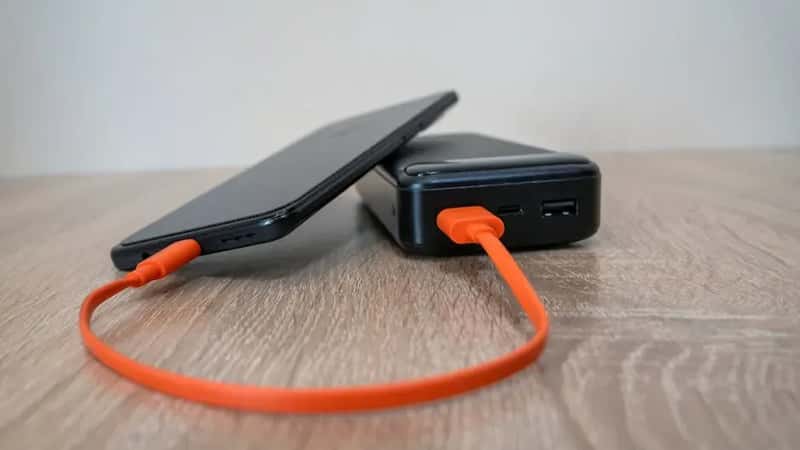
Your phone is your map, your boarding pass, your translator, your camera, and your emergency contact list. Running it to zero on a long travel day isn’t just inconvenient – it can genuinely strand you. A dead phone in an unfamiliar city is a problem that cascades fast.
Experienced travelers carry a power bank that’s always pre-charged and lives in the day bag. The version most tourists buy is underpowered – the version veterans carry can charge a phone two or three full times. One charge mid-sightseeing can be the difference between a great day and a total logistical meltdown. It’s small, it’s cheap, and forgetting it costs you in ways that are hard to calculate until they happen.
At a Glance: Power Bank Basics
- 10,000 mAh – charges most smartphones 2 to 3 times; solid carry-on choice
- 20,000 mAh – charges a phone 4–5 times plus a tablet; ideal for long trips
- Look for USB-C input so it recharges fast at your hotel overnight
- Most airlines allow power banks in carry-on only – check the mAh limit before flying
- Pre-charge it the night before every travel day – it won’t help if it’s dead too
#14 – A Universal Power Adapter With Multiple USB Ports
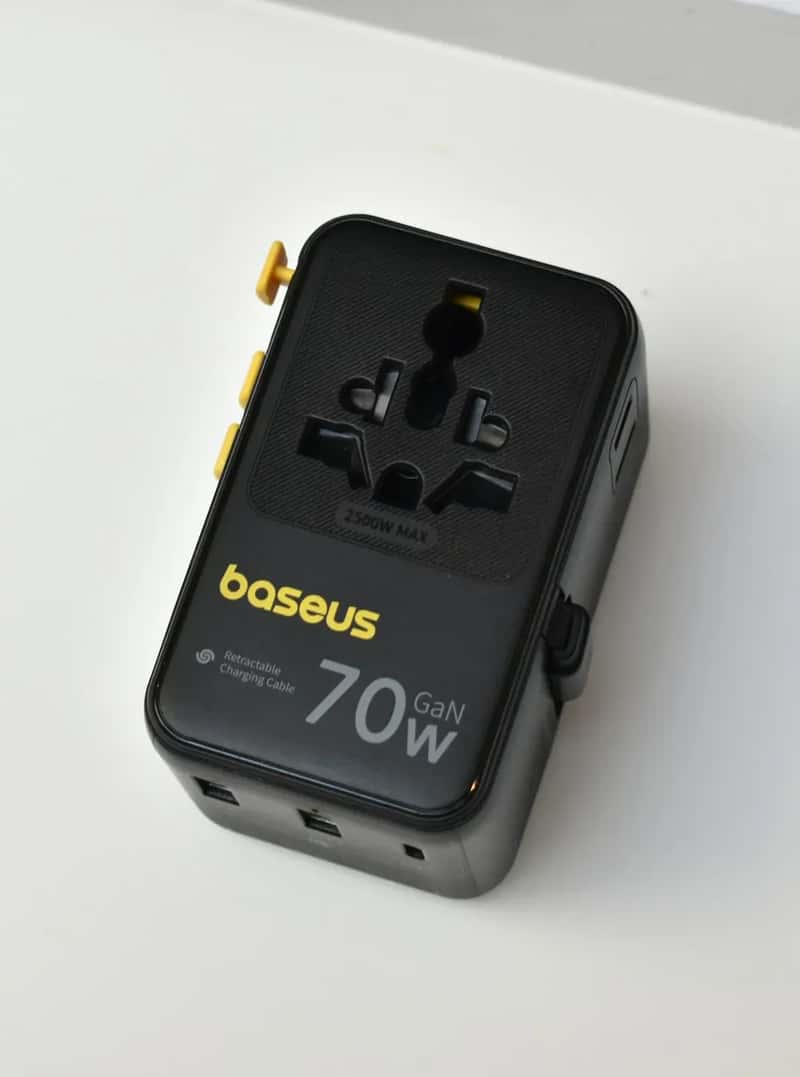
French outlets don’t care about your American charger. Neither do British ones, or Thai ones, or South African ones. One of the most common rookie disasters in international travel is arriving in a foreign country and realizing your charger is completely useless – and then spending the first day hunting down an adapter from a hotel front desk that only has one and needs it back in an hour.
The smart version of this fix has multiple USB-A and USB-C ports built into a single adapter, so one wall outlet charges several devices at once. It works across Europe, Asia, the UK, and most of the rest of the world. Experienced travelers buy one good adapter and it travels with them forever. Tourists buy a flimsy one at the airport gift shop for $24 after landing.
#13 – An Empty, Collapsible Water Bottle

Overpriced airport water is a tax on the unprepared. A $5 bottle of water on the other side of security is a reliable feature of every major airport on earth, and buying one every travel day adds up fast. More importantly, staying hydrated on long flights isn’t optional – dehydration is a real and underestimated factor in how wrecked you feel when you land.
Experienced travelers bring an empty collapsible or reusable bottle through security and fill it at a fountain on the other side. Airplane cabin air drops to as low as 10% to 20% humidity – drier than the Sahara Desert, which sits around 25% – and on a 10-hour flight you can lose up to 1.5 to 2 liters of water through breathing alone. A bottle with a built-in filter is even smarter for international travel – it handles sketchy tap water without the plastic waste. This is one of those items that costs $15 once and pays for itself on the first trip.
#12 – Travel Insurance Documents

Skipping travel insurance feels like saving money right up until the moment it costs you everything. A single emergency room visit abroad can run thousands of dollars out of pocket. Your domestic health insurance typically doesn’t follow you overseas. And accidents, cancellations, lost baggage, and medical evacuations don’t announce themselves in advance.
Experienced travelers don’t just buy the policy – they print the policy number, the emergency contact line, and the claims instructions and keep that paper in their carry-on. Insurance is mandatory for entry into parts of Europe, and veterans treat it as non-negotiable everywhere else too. Tourists assume it won’t happen to them. Until it does, and the bill arrives, and they discover what “unprotected” actually means in euros.
#11 – Photocopies of Critical Documents
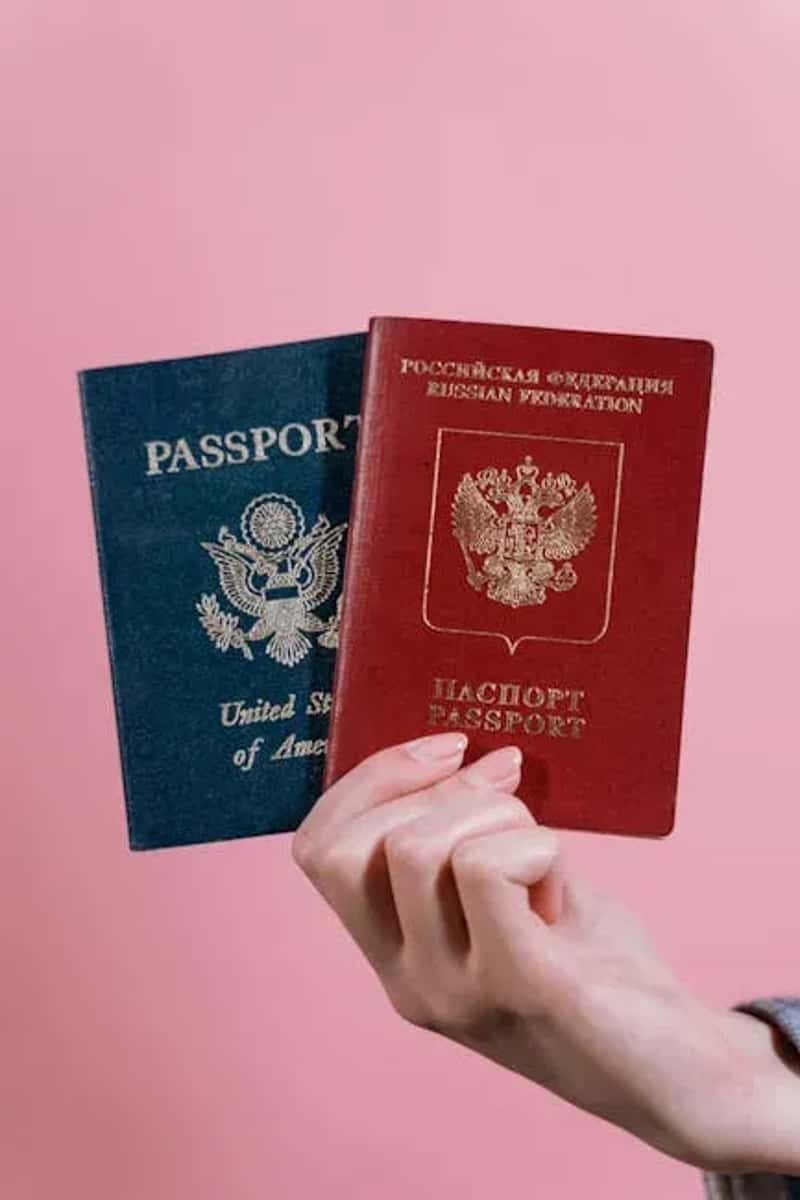
Losing your passport abroad is a nightmare. Losing your passport with zero backup documentation is a different category of problem entirely – one that can strand you in a foreign country for days while an embassy tries to verify who you are. Digital copies help. Physical copies, stored separately from the originals, are what actually get you through a crisis.
The move is simple: photocopy your passport, driver’s license, key credit cards, and insurance info. Keep one copy in your carry-on, one in your checked bag, and email a scan to yourself. It sounds paranoid until the one day you desperately need it and realize every experienced traveler around you already did this years ago.
#10 – A Compact First-Aid Kit With the Right Medicines
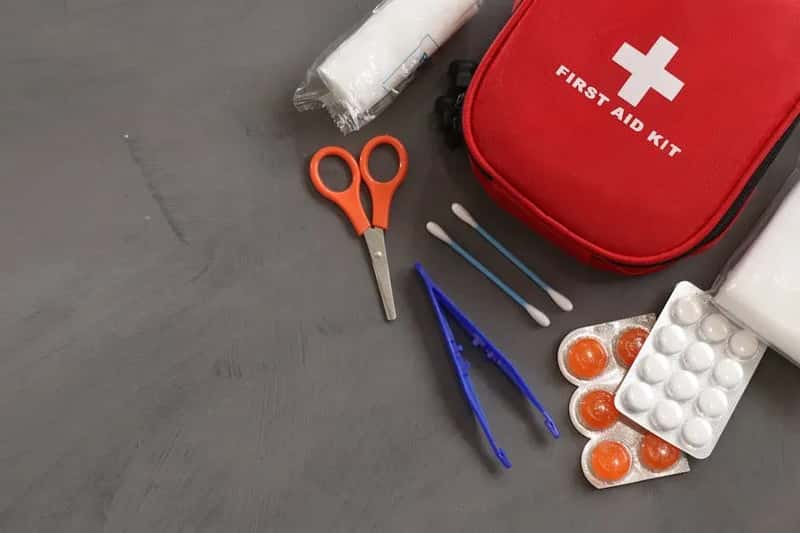
Hotels don’t stock the medicine you actually need. Pharmacies abroad don’t always carry the brands you recognize, and asking for a specific medication in a foreign language while you’re already sick is no one’s idea of a good time. Most tourists pack their prescription meds and consider the job done – then get derailed by the unglamorous stuff they forgot: anti-diarrheal, anti-nausea, motion sickness pills, blister treatments.
Those are the exact things that kill a trip when they’re missing. Experienced travelers carry a small dedicated kit – bandages, pain relievers, stomach meds, allergy pills, and any prescriptions – packed into the carry-on, not the checked bag. The trio that saves more vacations than anything else is rarely discussed in travel guides because it’s not glamorous. But ask any veteran which items they’d never leave without, and this is what they describe.
Worth Knowing: First-Aid Kit Essentials
- Stomach meds – anti-diarrheal and anti-nausea tablets; street food is worth it, but be ready
- Pain reliever + fever reducer – ibuprofen or acetaminophen in a small labeled container
- Blister treatment – moleskin or blister bandages; cobblestones are brutal on day one
- Allergy pills – new environments, new pollen, new food; don’t find out the hard way
- Prescription meds – always in carry-on, never checked; include an extra day’s supply as buffer
#9 – A Hidden Security Pouch or Anti-Theft Bag
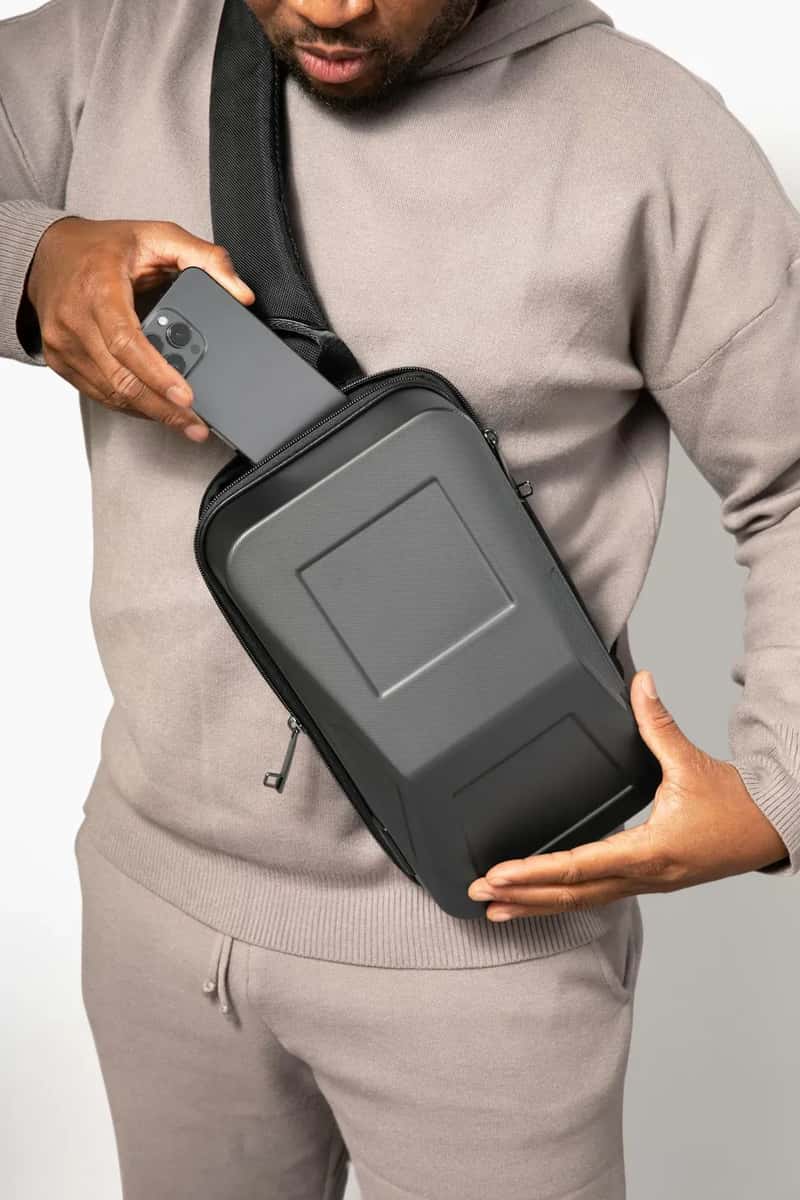
Pickpocketing isn’t a myth – it’s a practiced skill that operates at scale around the world’s busiest tourist attractions. Research on travel reviews at Italy’s top sites, including the Colosseum and Trevi Fountain, found nearly 500 pickpocketing mentions per million visitors – the highest proportion of any European country studied. The people doing it are professionals, and obvious tourists carrying obvious bags are the easiest targets in the room.
Experienced travelers use under-clothing money belts or neck pouches for passports, backup cash, and a second card. Some prefer anti-theft crossbody bags with slash-resistant straps and hidden zippers. The goal isn’t paranoia – it’s making yourself the least convenient target available, so the pros move on to someone easier. Tourists carry their passport in a back pocket and find out why that’s a problem the hard way.
#8 – Merino Wool or Quick-Dry Clothing

Cotton is comfortable at home. On a trip, it becomes a slow-drying, odor-retaining liability that fills your suitcase and forces you to pack more than you need. Merino wool is the opposite: lightweight, breathable, and genuinely wearable multiple days in a row without smelling. That’s not folklore – it’s fiber science. Wool can absorb up to 35% of its own weight in moisture, wicking it away from skin and locking odor molecules inside the fiber until washing, which means bacteria don’t get the chance to do their work.
A lighter bag changes your entire travel experience in ways that are hard to appreciate until you’ve lived it. You move faster, you skip checked baggage fees, you don’t spend twenty minutes at the carousel staring at a conveyor belt. Synthetic fabrics like nylon and polyester offer similar quick-dry advantages at lower cost. Tourists fill suitcases with cotton. Veterans pack half as many clothes and wear them twice as long.
Quick Compare: Cotton vs. Merino vs. Synthetics for Travel
- Cotton – comfortable, widely available, slow to dry, retains odor; worst choice for multi-day travel
- Merino wool – naturally odor-resistant for 5–7 days of active wear, temperature-regulating, packs small; best all-rounder
- Synthetics (nylon/polyester) – dries fastest, lightest, budget-friendly; odor builds faster than merino
- Merino blends – durability of synthetics plus odor resistance of wool; popular middle ground
#7 – Travel-Sized Laundry Detergent
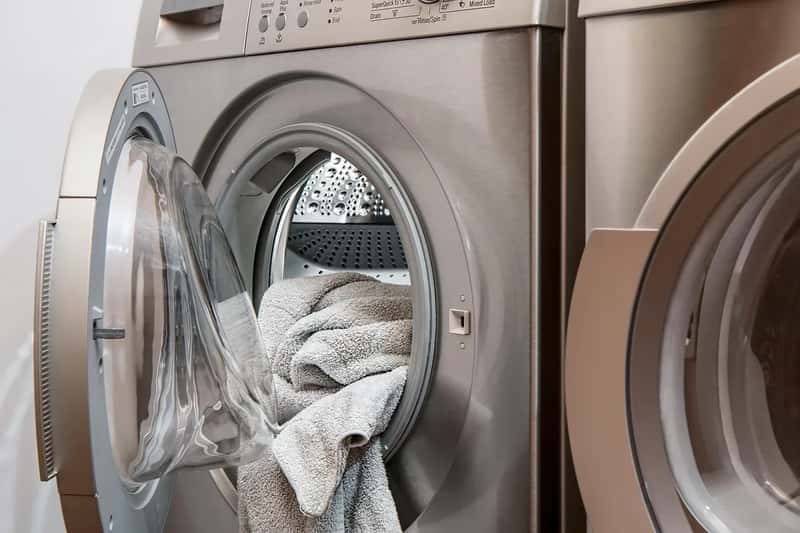
The math behind packing light is simple: pack fewer clothes, wash the ones you have. But most people who try to pack a carry-on forget that the strategy only works if you bring something to wash with. A small bottle of travel laundry detergent costs almost nothing and can last weeks of hand-washing in a hotel sink. Wash a shirt at night, hang it to dry, wear it the next morning. It takes about four minutes.
This is the habit that allows experienced travelers to live out of a carry-on for ten, fourteen, even twenty days. Some veterans also carry a small portable clothesline – a thin cord with tension clips that stretches across a shower rod – which makes sink-washing practical rather than desperate. Tourists check bags. Veterans don’t, because they packed detergent.
#6 – Noise-Canceling Headphones or Quality Earplugs
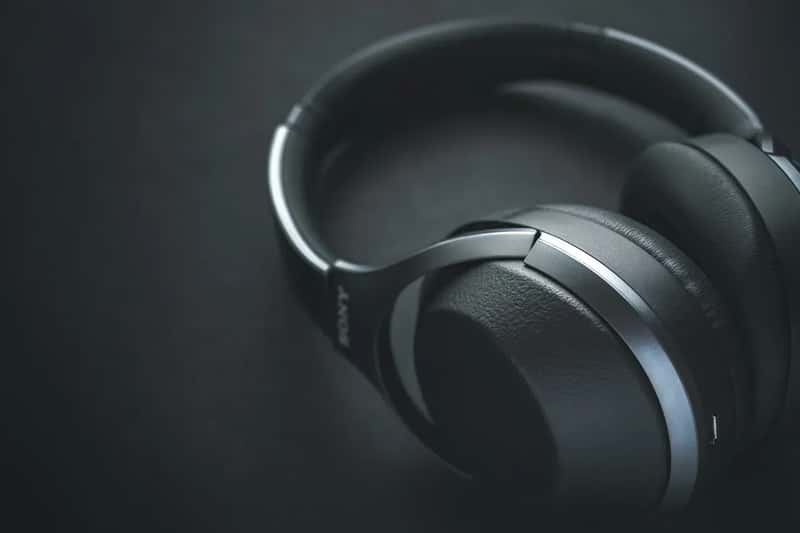
A long-haul flight without the ability to block out cabin noise is low-grade suffering that compounds over hours. The constant engine drone isn’t just annoying – it contributes to fatigue and that hollowed-out feeling you arrive with after a twelve-hour flight. Noise-canceling technology reduces pressure fatigue in addition to killing the sound, which means your ears and head genuinely feel better when you land.
For budget travelers, high-quality foam earplugs do surprising work and weigh essentially nothing. For everyone else, a good pair of noise-canceling headphones is carry-on non-negotiable, not an afterthought. Experienced travelers treat them the same way they treat a passport: it’s in the bag before anything else goes in. Tourists remember to pack them about thirty minutes into the flight they forgot them on.
#5 – A Collapsible Day Bag or Packable Tote

Your main luggage stays at the hotel. Your day bag goes everywhere else – to the museum, the market, the beach, the restaurant with the spontaneous detour on the way back. Tourists realize this only after they’ve made two or three return trips to the hotel to pick up things they left behind. A lightweight backpack or collapsible tote that lives compressed in the corner of your main bag solves this entirely.
The best versions fold down to the size of a fist and weigh almost nothing. They become your beach bag, your grocery bag at a local market, your overflow bag on the flight home when the souvenirs don’t fit. It’s one of those items that earns its space a dozen times over on a single trip – and one of those items most tourists don’t think to bring until they’re carrying a museum gift shop bag in each hand, wishing they had something better.
#4 – Lip Balm and a Basic Skincare Item

Airplane cabins typically maintain humidity levels of just 10% to 20% – drier than most deserts on Earth. Your skin, eyes, and lips feel it for hours after landing, and it compounds across long flights and back-to-back travel days. Lip balm is the item nobody thinks about while packing because it feels too small and too obvious. Then the flight hits hour seven and your lips feel like paper.
Experienced travelers keep lip balm, a small moisturizer, and eye drops in their carry-on pouch – all TSA-compliant, always within reach. It’s under $10 total and makes a measurable difference on any flight over four hours. Arriving dehydrated and raw-faced before your first full sightseeing day is an entirely avoidable own goal. Veterans plan for how they want to arrive. Tourists deal with it when they get there.
#3 – A Lightweight, Packable Rain Layer

Weather forecasts are unreliable. More importantly, even accurate forecasts don’t help when you’re two miles from your hotel and the sky opens up. A thin, packable rain jacket compresses to the size of a water bottle and adds almost no weight to a day bag. This is the item tourists specifically leave out because they’re “only going somewhere warm” – and then spend an afternoon soaked through in a tropical downpour or freezing under a museum’s aggressive air conditioning.
Warm destinations have afternoon thunderstorms. Beach towns have cold evenings nobody plans for. European summers have random cold snaps that happen specifically when you left your only layer at the hotel. A packable rain jacket solves all of it with one item that takes up almost no space. Experienced travelers consider it as automatic as packing shoes. It’s the item that gets added to every future packing list the moment you travel without it once.
Why It Stands Out: The Packable Rain Jacket
- Compresses to roughly the size of a water bottle – fits in any day bag corner
- Doubles as a wind layer on cold ferry rides, open-air markets, and over-air-conditioned museums
- Tropical destinations see afternoon thunderstorms on the majority of summer days
- Weighs as little as 3 to 5 ounces in quality ultralight versions
- One soaked afternoon in Rome or Bangkok and it goes on every future packing list permanently
#2 – A Pre-Packed, Always-Ready Toiletry Bag
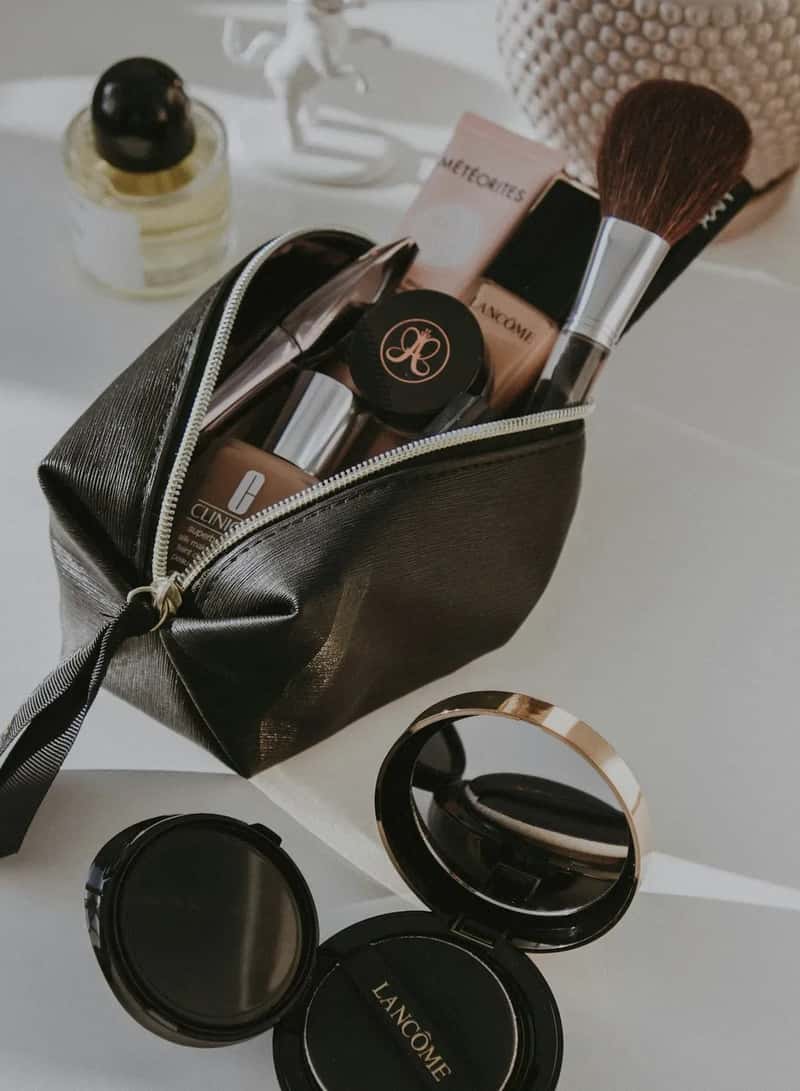
The single biggest category of forgotten items in travel surveys is toiletries – specifically the everyday items that don’t feel like “travel items” because you use them at home every morning. A survey by the e-commerce store Minimus.biz found that toothbrush and toothpaste topped the list of most-forgotten items among U.S. travelers, followed by other toiletry essentials, hair products, eyewear, and medicine. These are the things so routine they become invisible during packing.
The fix veterans use is dead simple: a toiletry bag that never gets fully unpacked at home. It stays travel-ready between trips – filled with decanted versions of your everyday products in reusable TSA-compliant containers. This one habit eliminates an entire category of travel stress permanently. Tourists rebuild the bag from scratch before every trip and forget something every time. Veterans never think about it at all.
#1 – A Printed or Offline-Accessible Backup of Your Entire Itinerary
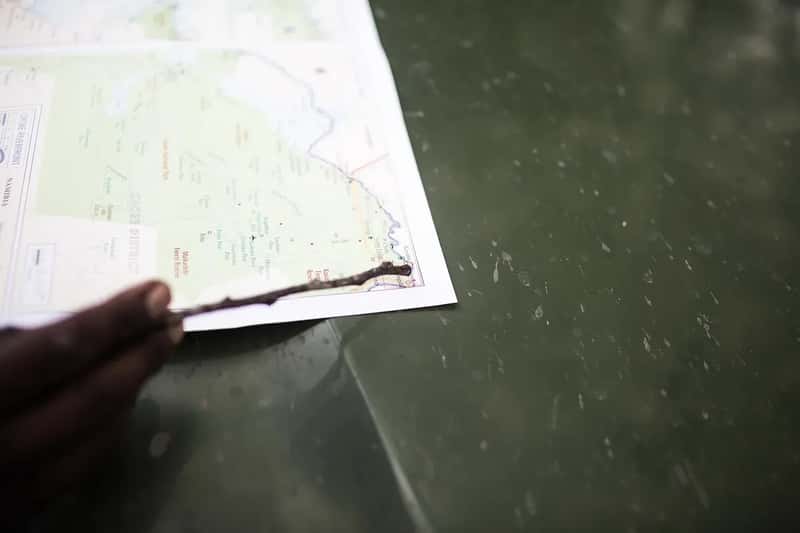
Here’s the one that actually strands people. Your phone dies. The airport Wi-Fi is down. Your data roaming doesn’t activate in this particular terminal. And suddenly your hotel address, your confirmation number, your transfer booking, and your next flight details are all locked behind a black screen. Total digital dependency is the silent vulnerability that experienced travelers eliminated years ago – because they’ve been burned, or they’ve watched someone else get burned badly enough to remember it forever.
The real pro move is simple: a one-page printed itinerary with key addresses, confirmation numbers, emergency contacts, and critical booking details, folded into the passport wallet. Plus the same information saved as offline-accessible screenshots or a downloaded document on the phone. Together, they cover every failure scenario. The travelers who never panic in airports aren’t calmer people – they’re more prepared ones. That single folded piece of paper is the most underrated item on this entire list, and it costs nothing but thirty seconds with a printer before you leave.
The gap between a stressful trip and a smooth one almost never comes down to destination, budget, or luck. It comes down to the handful of quiet, unglamorous items that experienced travelers stopped forgetting years ago. None of these things are expensive. None take up serious space. But every single one has a specific moment on a real trip where it becomes the most important thing in the bag. Which one have you learned the hard way?