Walk the promenade deck on any given morning and you can spot them in seconds. They’re not rushing, not checking a phone map, not asking where the buffet is. They already know. Most first-time cruisers assume experience just means “knowing where things are,” but the truth runs much deeper than that.
After decades of sailings, cruisers over 60 have quietly built a private playbook of habits, timing tricks, and small ceremonies that never make it into the cruise line brochure. Some are practical. Some are almost superstitious. All of them separate a passenger who’s merely visiting the ship from one who’s actually living on it.
#19 – They Never Fly In on Embarkation Morning

New cruisers see a 4 or 5 p.m. departure time and assume a same-day flight is safe. Seasoned cruisers know better, because they’ve either lived through a missed ship or heard the horror story from someone who did. A rough landing somewhere else on the flight map can close an airport for hours, and by the time you land, the ship is already gone.
That’s why veterans treat “the night before” as non-negotiable. One couple arrived at the terminal with only 17 minutes to spare on embarkation day, and even though they made it, they said the anxiety took a full day to shake off. Booking a hotel night isn’t caution anymore, it’s ritual, and it’s the one habit almost every veteran refuses to skip.
#18 – They Fight for the Earliest Check-In Slot Online

Most passengers pick whatever embarkation window pops up first. Veterans treat that dropdown menu like a competitive sport. Experienced cruisers know to book the earliest time slot on embarkation day, since cruise lines let you pick a window during online check-in specifically to shorten wait times.
The payoff isn’t just a shorter line, either. Picking the earliest available check-in time means you can have lunch on the ship instead of standing at the terminal watching everyone else board first. It’s a small scheduling trick, but it’s one almost no new cruiser thinks to do until it’s too late.
#17 – They Skip the Buffet Chaos on Day One
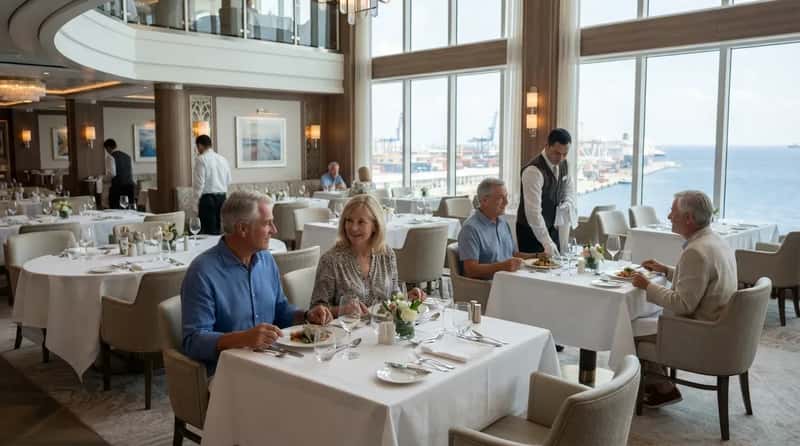
Here’s a genuinely controversial one: most new cruisers beeline straight for the buffet the second they board, and seasoned cruisers think that’s a rookie mistake. While most passengers rush the buffet on embarkation day, savvy cruisers head to the main dining room for a quieter, more relaxed first meal.
It’s table service, actual plates, and no elbow-to-elbow scramble over shrimp cocktail. Some go even further, treating that first sit-down meal as the unofficial start of vacation mode. Ask any first-timer who spent their first hour onboard hunting for a clean table, and they’ll admit the veterans had the right idea.
Quick Compare
- Buffet on embarkation day: Long lines, crowded seating, self-serve chaos
- Main dining room on embarkation day: Table service, open seating, a calmer start
- Veteran move: Skip the rush and let someone else pour the coffee
#16 – They Pack for Comfort, Not for a Fashion Show
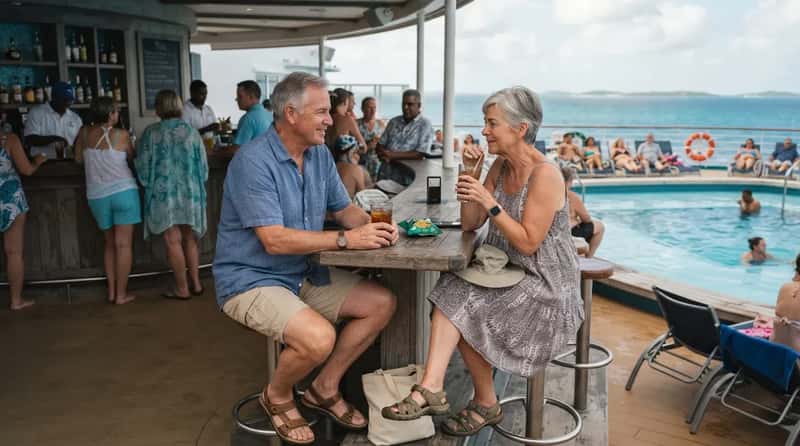
New cruisers overpack, dragging in extra shoes and outfits “just in case.” Seasoned travelers have long since stopped caring what anyone thinks of their outfit by day two.
New cruisers think cruising is a fashion show and pack way too many clothes and shoes, but you wind up just wanting to be comfortable.
Frequent cruiser, via Business Insider
This isn’t laziness, it’s earned wisdom. After enough cruises, everyone learns the same lesson: the ship doesn’t care what you’re wearing at the pool bar at 2 p.m. Comfort wins every time, and packing light means less time wrestling suitcases and more time actually vacationing.
#15 – They Pack a “Go Bag” Every Single Night
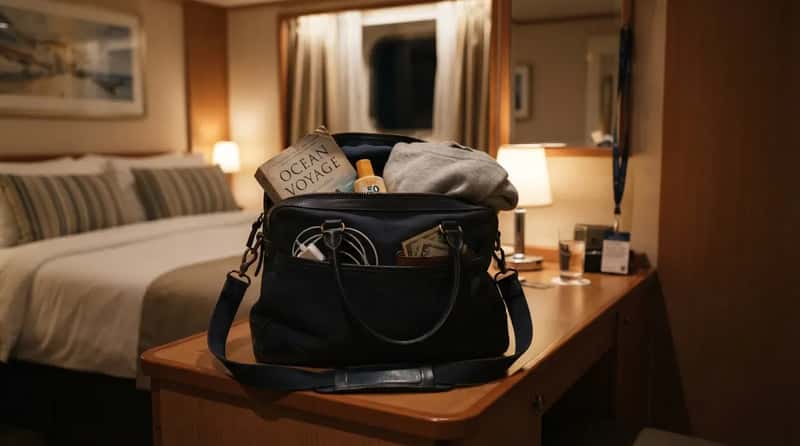
This one sounds oddly specific until you’ve lived it. Experienced cruisers pack a small bag each night with sunscreen, a book, a phone charger, a sweater for freezing indoor hallways, and cash for tips.
The contents shift depending on port days versus sea days, but the habit itself never changes, because planning the night before means waking up with intention instead of scrambling. First-timers rarely think this far ahead until day three, when the cabin already feels cramped and they’re tired of trekking back for forgotten items.
#14 – They Keep a Green Apple in the Cabin

This ritual sounds like an old wives’ tale, but it’s shockingly common among frequent cruisers. Green apples are used by crew and passengers alike, sometimes with crackers, to settle a queasy stomach, and since they’re readily available at the buffet, veterans grab one or two to keep in the cabin “just in case.”
It’s not medical advice, it’s folklore passed between generations of cruisers, but it’s persisted for a reason: it works well enough, and it costs nothing. New passengers never think to grab one until the first rocky night at sea, and by then the buffet is closed for the night. That’s nothing compared to what we found about #13.
#13 – They Review the Bill Before Adding a Single Extra Tip

Most new cruisers assume the final bill is just the final bill. Veterans know it’s worth a second look, since most cruise lines automatically add a service charge, and plenty of passengers never even glance at the receipt to see it.
This isn’t about being cheap. It’s about knowing exactly what’s already covered so tips actually go where they’re intended. It’s a small habit that takes thirty seconds and saves confusion, yet it rarely occurs to anyone until they’ve sailed a few times and started reading the fine print on their folio.
#12 – They Never Wear Their Lanyard Off the Ship

This one surprises almost every new cruiser. Experienced cruisers know the unspoken rule of never walking around port with their cruise lanyard visible, because it’s essentially waving a “tourist” flag that invites unwanted attention from pickpockets.
It sounds paranoid until you think about it from the other side: a lanyard instantly tells everyone in a crowded port that you’re not from around here, don’t know the streets, and are likely carrying cash. Seasoned cruisers tuck the card away and blend in instead. First-timers proudly wear theirs like a name badge, right up until they get the same tip everyone else eventually learns.
#11 – They Walk Straight Past the “Free” Seminars

New passengers see a free seminar on the daily schedule and think it’s a bonus activity. Veterans see it for what it usually is, since informative seminars often end in a sales pitch, and that’s exactly why experienced cruisers rarely bother with things like flat-abs or detox talks onboard.
It’s a mildly controversial stance, since some passengers genuinely enjoy them, but the pattern is consistent enough that veterans treat “free seminar” almost as a warning label. They’d rather spend that hour at the pool or napping in a deck chair than sit through a pitch for supplements or spa packages disguised as wellness advice.
#10 – They Book Specialty Dining Before They Even Unpack
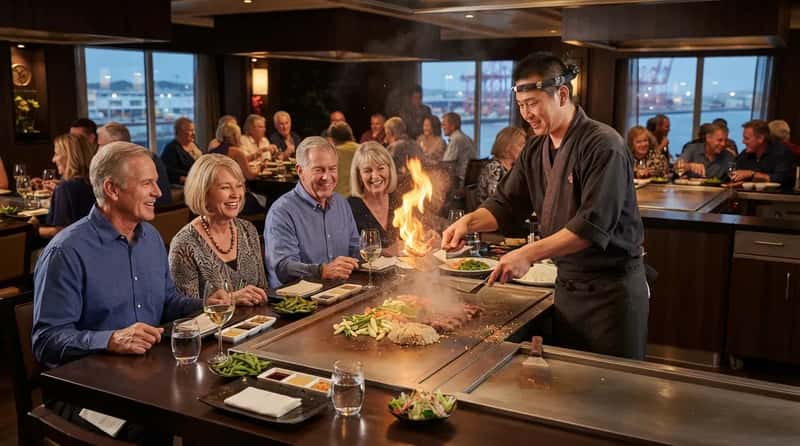
Ask any frequent cruiser what they do first onboard, and specialty dining reservations come up constantly. Seasoned cruisers often treat themselves to at least one dinner in a specialty restaurant, favoring the bustling hibachi experience where chefs cook tableside, or an upscale steakhouse.
Some book these dinners for embarkation night, while others save the splurge for a special evening at sea, but the common thread is booking early, since the best time slots vanish within hours of boarding. New cruisers often wait until day two or three, only to find every good reservation already gone.
At a Glance
- Hibachi and steakhouse dinners are the most requested specialty bookings
- Prime reservation windows often disappear within hours of boarding
- Some cruisers reserve embarkation night, others save it for a milestone sea day
- Waiting until day two or three usually means settling for leftover time slots
#9 – They Order Two Entrées Without a Second Thought
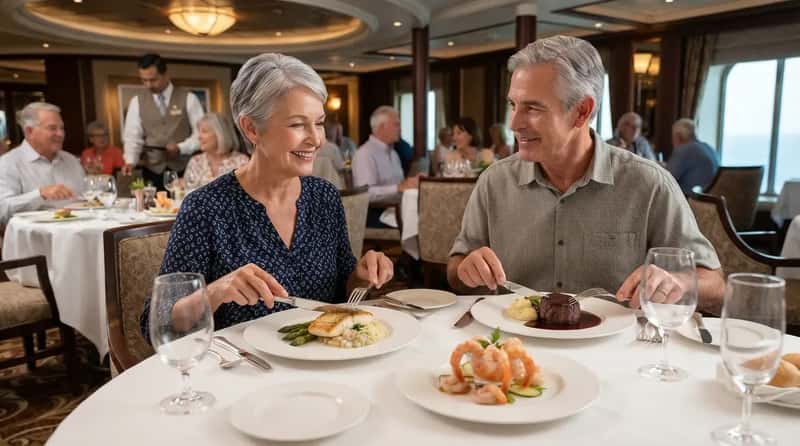
This one genuinely shocks new cruisers the first time they see it happen at a neighboring table. Experienced cruisers know you can order two appetizers, split a main dish with the table, or even order two entrées if you like, since main dining room meals are included in the fare.
It’s not gluttony, it’s simply understanding the menu structure. Veterans treat the dining room like an all-you-can-try tasting menu rather than a strict one-course-per-person restaurant. New passengers, meanwhile, quietly assume they’re only allowed one plate, order conservatively, and never realize they could’ve sampled the whole menu the entire week.
#8 – They Claim the Ship at Sunrise, Before Anyone Else Wakes

There’s a version of the ship most passengers never see. The ship feels completely different at 6 a.m., with no crowds fighting for pool chairs, no announcements echoing through the corridors, just the sound of water and maybe a few joggers making their rounds.
Experienced cruisers claim this hour like territory, knowing the coffee stations are fully stocked, the crew is still setting up for the day, and the ocean looks nothing like it will once everyone else wakes up. It’s not about being an early riser, it’s about ownership of a quiet moment most people don’t even know exists.
#7 – They Stay Onboard for at Least One Port Day

This is one of the more controversial habits, since most travelers assume skipping a port is wasting money. Veterans disagree entirely. Many experienced cruisers will stay onboard during a port stop to take advantage of an almost empty ship, and they’ll tell you a good sea day is half the reason cruising works as a vacation in the first place.
New cruisers might be surprised how much stays open while a ship is in port, including the slides, pools, restaurants, and activities across the deck. Instead of rushing off at every stop, veterans pick one or two ports to skip entirely, treating an empty ship as its own destination. First-timers rarely believe this is even possible until they try it themselves.
Worth Knowing
- Pools, slides, and most restaurants often stay open while the ship is in port
- Crowds thin out dramatically once the majority of passengers head ashore
- Skipping one or two ports can free up an entire day of quiet deck space
- Veterans treat it as a deliberate trade, not a wasted excursion
#6 – They Treat Sunset Like a Private Appointment

Most passengers catch the sunset by accident, crammed against a hundred other people on the main pool deck. Veterans plan for it instead. Sunset happens once a day, but most people miss it entirely or watch it packed shoulder to shoulder, while experienced cruisers treat it like a private appointment with the ocean.
They know exactly which deck, which side of the ship, and which quiet corner offers an unobstructed view without a crowd. It’s a small daily ceremony that costs nothing and takes ten minutes, yet almost no first-time cruiser thinks to seek it out on purpose. That’s nothing compared to what we found about #5.
#5 – They Book Everything Through the Same Travel Agent

New cruisers assume booking directly with the cruise line is simpler. Frequent cruisers know a good agent is worth more than convenience, since a solid travel agent acts like a free concierge service and typically costs the passenger nothing extra at all.
More often than not, veterans ask their travel agent to book a cruise and end up pleasantly surprised when the agent finds a special group discount rate, and it’s not a coincidence that frequent cruisers all rely on one. New passengers rarely realize this perk even exists until they’ve overpaid a few times comparing prices themselves.
#4 – They Never Sail Without Travel Insurance

This is one habit that borders on non-negotiable for anyone who’s cruised long enough to hear a horror story firsthand. Pro cruisers never set sail without travel insurance, understanding that a medical emergency onboard can result in hefty bills, and having coverage can be a financial lifesaver for treatment, evacuation, or trip cancellations.
One community member shared that she had a medical emergency onboard, needed tests done, and the bill ended up being over $3,000, though travel insurance ultimately reimbursed the expense. New cruisers often skip this “extra cost” entirely, not realizing shipboard medical care is billed like a private clinic, not covered by standard health insurance back home.
Fast Facts
- Shipboard medical care is billed like a private clinic, not covered by home insurance
- One cruiser’s onboard medical tests topped $3,000 before insurance reimbursed the cost
- Coverage can include medical treatment, emergency evacuation, and trip cancellation
- Many veterans consider it a fixed cost of cruising, not an optional add-on
#3 – They Learn “Port,” “Starboard,” and “Aft” Before Boarding
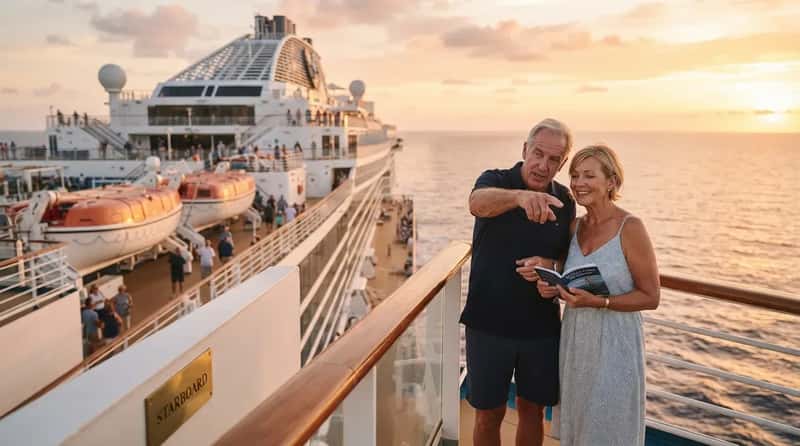
It sounds like trivia until an announcement actually depends on it. Experienced cruisers know to brush up on nautical terms before setting sail, because when the captain announces complimentary lobster tails on Deck 15 Aft, nobody wants to miss a beat.
New passengers hear “starboard” and freeze, unsure which way to walk, while veterans have already oriented themselves within the first hour onboard. It’s a tiny piece of vocabulary that instantly separates who’s cruised a dozen times from who’s cruising for the first time.
#2 – They Never, Ever Call It a Boat
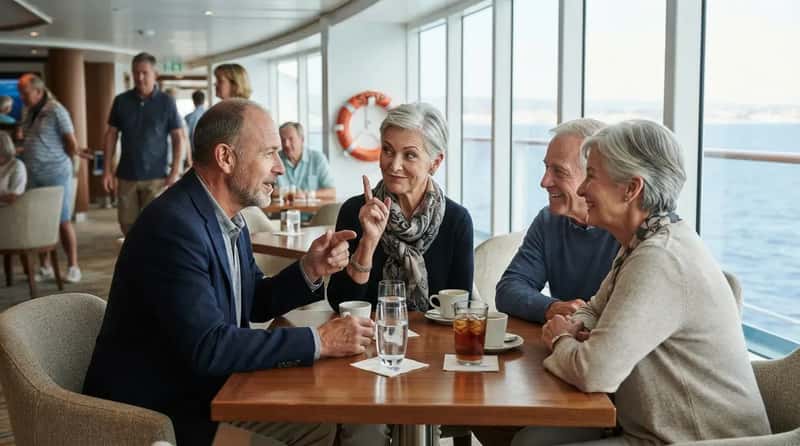
This is a genuinely petty hill some veterans will die on, and it makes for great comment-section debate. Though “ship” and “boat” seem interchangeable to some guests, seasoned cruisers know that calling these vessels a “boat” simply isn’t right, given factors like size and how the vessel actually operates.
Say “boat” around a table of frequent cruisers and watch the gentle correction happen almost instantly. It’s not really about maritime accuracy, it’s a small badge of belonging, a way of signaling you’ve spent enough time onboard to know the difference without being told. New passengers rarely even notice the distinction exists until someone politely points it out.
#1 – They End the Cruise With a Handwritten Note to Their Steward
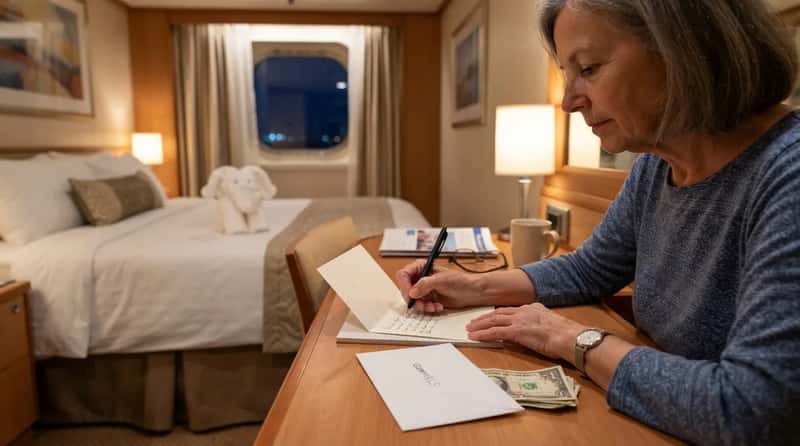
This is the ritual that quietly disappeared for most travelers but never left the older generation of cruisers. Tipping used to be a personal, end-of-voyage ritual, with passengers tucking cash into envelopes for their cabin steward, dining room waiter, and busboy on the final night.
Even now that gratuities are often prepaid or auto-charged, many veteran cruisers still write a short personal note thanking the steward by name for the week’s small kindnesses: an extra towel animal, a birthday surprise, a fresh bucket of ice without being asked. It’s not required, and no algorithm tracks it. It’s simply the last thing seasoned cruisers do before the ship pulls into port, and it’s the one ritual new passengers never even know to start.
None of these habits are secret in the sense of being hidden. They’re just invisible until you’ve lived them, the kind of knowledge that only comes from enough sailings to notice patterns everyone else walks right past. Some are practical money-savers, some are quiet superstitions, and a few are simply small acts of gratitude that never made it into any cruise line brochure.
What’s your onboard ritual, the one thing you never skip no matter which ship you’re on? Drop it in the comments, we’re curious how many of these you already do without even realizing it.