You’re stretched out in your roomette somewhere in the dark middle of the country, blinds down, lights off, and it feels like you’re the only person awake for a hundred miles. You’re not even close. Behind that quiet hallway, a small crew is wide awake, solving problems, covering for each other, and quietly keeping your trip running long before you’d ever think to ask for help.
Some of what they handle overnight is sweet. Some of it is exhausting. And a few of the rules they work under are honestly a little unsettling once you actually read them. Here are 22 things overnight rail staff quietly take care of while you sleep, counting down to the one job that matters most.
#22 – They Prep Your Room Before You Even Know You’re Boarding
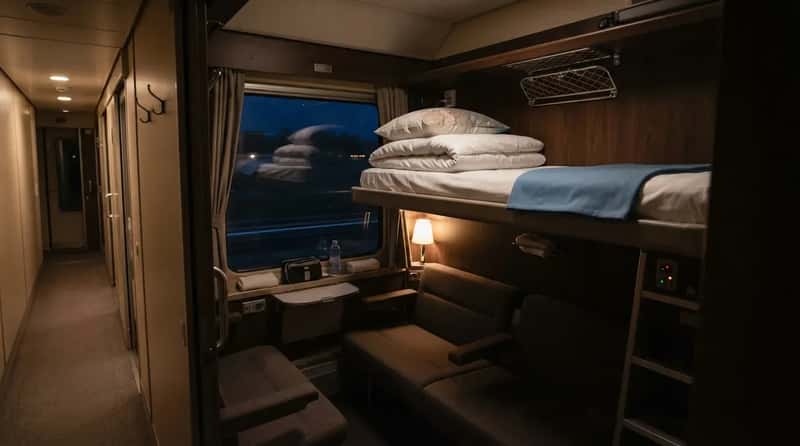
Sleeping car attendants don’t wait for you to show up before getting your roomette ready. If someone is scheduled to board at 2 a.m., the bed gets made and the room gets set hours in advance, often right before the attendant’s own shift technically ends.
It’s a small courtesy almost nobody thinks to thank anyone for. Attendants will prepare roomettes for overnight boarders before going off duty themselves, which means your bed is frequently made by someone who’s already clocked out for the night.
#21 – Their “Off Duty” Hours Aren’t Really Off Duty
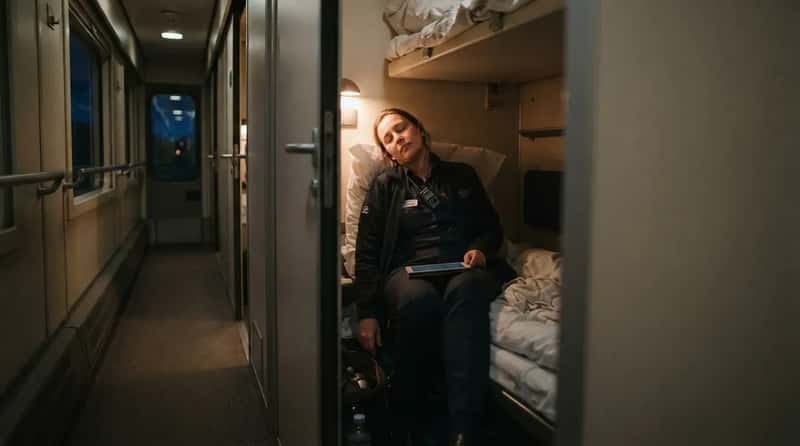
Overnight rail staff technically get scheduled rest, but it’s looser than it sounds on paper. The window exists mostly so exhausted workers get a real shot at sleep, not because the train actually stops needing them.
Attendants are typically off duty from around 10 p.m. to 6 a.m., though the exact hours shift depending on the route. Even during that window, someone still has to be reachable if a passenger needs help finding their room or has a medical issue. It’s less a hard shutdown and more a quiet agreement to interrupt sleep only when it truly matters.
#20 – Attendants Secretly Split the Night’s Wake-Up Calls
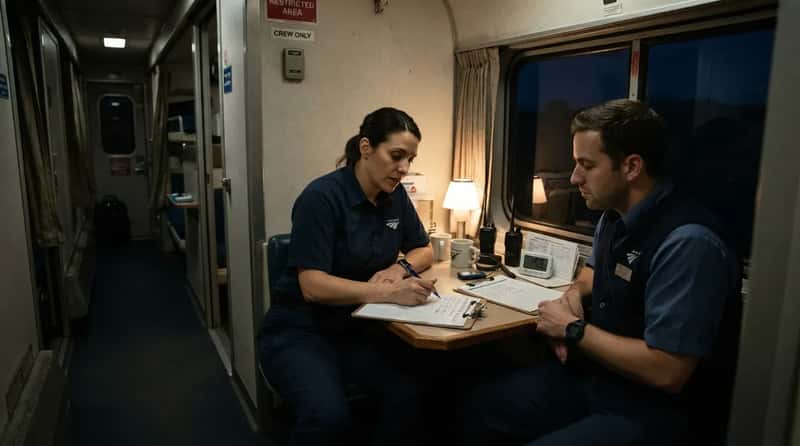
Nobody wants to be the one attendant answering every call bell at 3 a.m., so crews often divide the overnight stops among themselves without ever announcing it to passengers.
Sleeping car attendants get up to handle overnight stops, and when there are enough of them on a train, they’ll split the workload with another car attendant so everyone gets at least some sleep. It’s an informal system worked out crew to crew, and it creates a rotating, invisible safety net that keeps every stop covered even when the attendant you met at boarding is fast asleep two cars away.
#19 – The Conductor Quietly Becomes Your New Attendant at Midnight
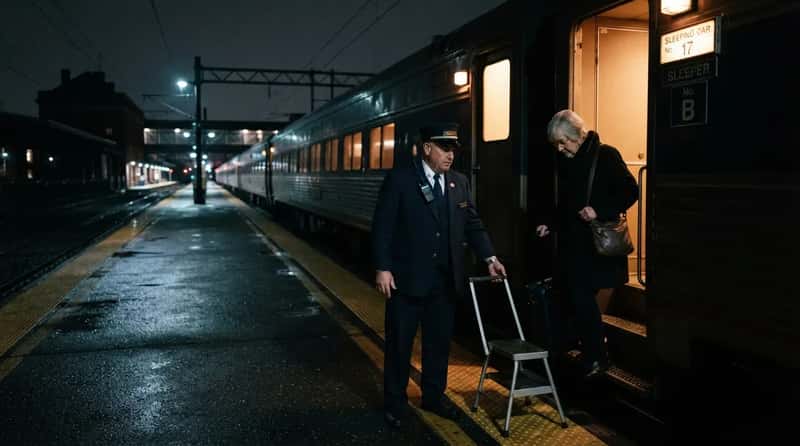
Once your sleeping car attendant clocks out, someone still has to let you off the train, and it’s rarely who you’d expect.
Conductors handle boarding and detraining passengers for the car during an attendant’s off-duty hours. That means the same person managing tickets and signals is also the one knocking on your door if you’re getting off at an odd hour. Riders often assume their own attendant walked them to the platform at 4 a.m., when it was actually a conductor covering a completely different job.
#18 – Someone Starts the Coffee Before You’re Even Awake

The smell of fresh coffee that greets sleeper passengers in the morning isn’t accidental. It’s a scheduled ritual tied directly to shift changes, timed almost to the minute across the entire fleet.
Attendants typically head back to their assigned car right when they come back on duty around 6 a.m., and starting the coffee pot is one of the very first tasks of the day. Most riders never realize their comforting “welcome back” coffee is essentially a clock-in ritual, repeated identically car after car, train after train.
Fast Facts
- Attendants generally return to active duty around 6 a.m. on most overnight routes
- Brewing coffee is typically one of the very first jobs of a new shift, not a random gesture
- The timing repeats almost identically car after car, train after train
- Passengers waking up to that smell are really smelling a shift change in progress
#17 – Lights Get Killed at 10 p.m. by Written Rule, Not Preference
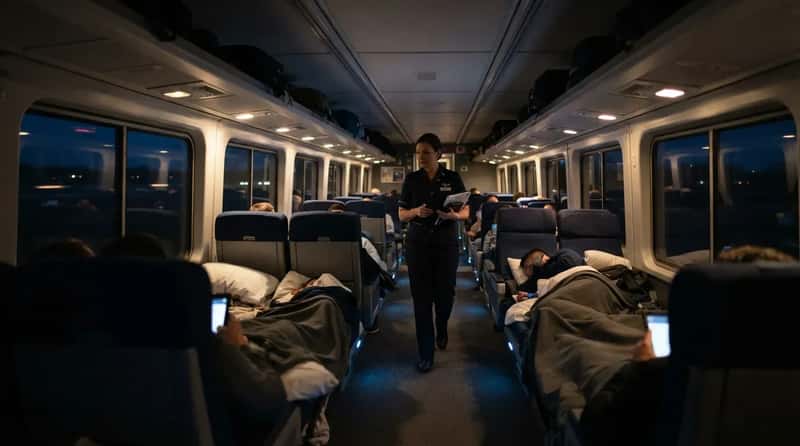
That sudden dimming in coach cars isn’t a courtesy call from a thoughtful attendant. It’s a documented company rule, and staff follow it to the letter.
The employee manual instructs that main ceiling lights be turned off at 10 p.m. so passengers can wake up to natural light in the morning, and coach attendants are expected to enforce it without exception. Many passengers assume someone is being generous by dimming things down, when in reality it’s policy, timed identically across the entire coach fleet.
#16 – Some Sleeper Doors Never Open at All Overnight
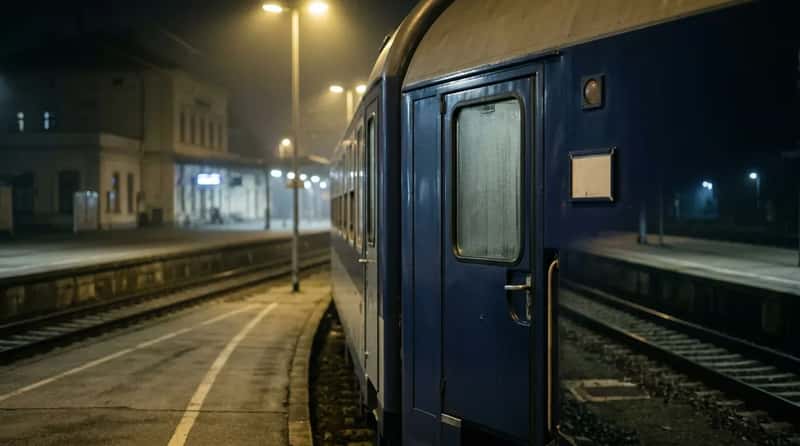
Here’s a detail that surprises frequent riders: not every overnight stop actually results in the sleeping car door opening, even at a scheduled station.
If no passengers are expected to board or leave at a particular stop late at night, the door to the sleeper may not open at all. It’s a quiet, practical call that saves the crew from waking anyone up for nothing, but it also means the train can sit at a platform for minutes with not a single staff member stepping outside. Most passengers sleeping through it never know the difference.
#15 – Attendants Often Sleep in the Same Room They Work From
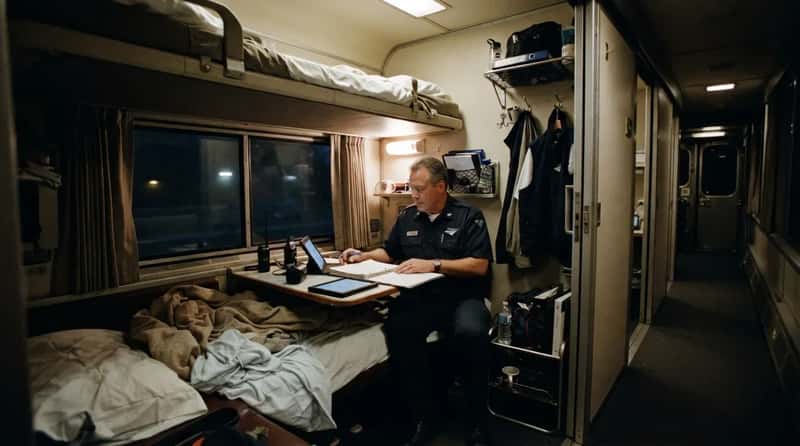
Long-distance sleeper cars aren’t staffed from some hidden crew lounge tucked away from passengers. Attendants frequently rest just steps from the people they’re serving all night.
On many routes, attendants are assigned roomette 1, where they sit and store supplies during the day, though they typically don’t sleep there if the train has a transition-dormitory car. When there’s no dorm car, that tiny roomette becomes both office and bedroom for days at a time, which reframes just how little separation actually exists between staff and passengers overnight.
#14 – Some Crews Work Six Straight Days Before a Real Break
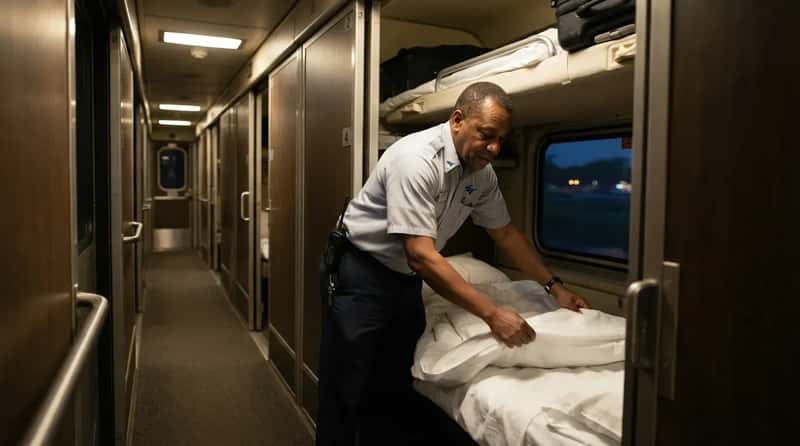
The rhythm behind long-distance sleeper service is far more grueling than most vacationers imagine when they book a scenic overnight route.
A car attendant working a route like the Empire Builder will work the train for three days to Chicago, rest overnight in a hotel, then work the train back the next day, stacking up to six very long days before any real time off. It’s a schedule that would exhaust most office workers inside a single week, yet it’s completely standard for the people quietly refilling your ice and making your bed.
At a Glance
- Operating crews like engineers and conductors are capped at 12 hours on duty, followed by at least 8 hours of mandatory rest
- Onboard service staff, including sleeping car attendants, don’t fall under that same limit
- An Empire Builder attendant can work three straight days to Chicago, rest overnight, then work three more days home
- That adds up to roughly six long days before any real time off begins
#13 – The 30-Minute Wake-Up Rule Almost Everyone Relies On
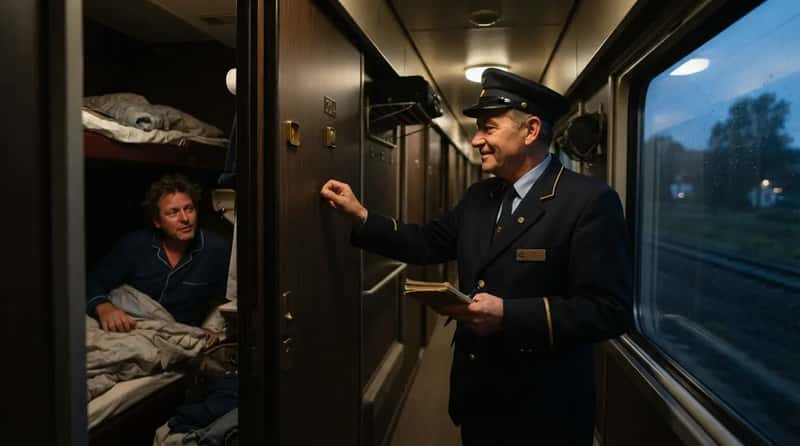
If you’ve ever woken up right on cue for your stop, there’s a good chance it wasn’t luck. It was a habit built into how most conductors operate.
According to riders and staff alike, most conductors try to wake sleeper passengers about 30 minutes before their stop. It isn’t an ironclad guarantee, and plenty of forum stories describe it not happening, but it’s common enough that seasoned travelers build their sleep around it. It’s a courtesy, not a contract, so anyone gambling on it without a backup alarm is trusting an unofficial habit rather than a promise.
#12 – Coach Attendants Secretly Trade Shifts to Split the Fatigue
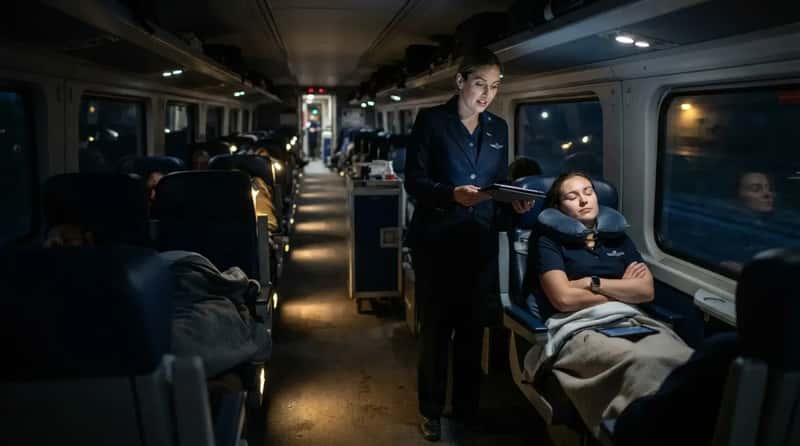
In coach sections, where turnover is constant and staffing is thinner, attendants have found their own quiet workaround for surviving overnight runs.
Riders have noticed coach attendants trading out so one handles all the coaches while the other finally gets some sleep. It’s an unofficial arrangement, but it keeps at least one person alert and mobile all night, even on trains with minimal overnight staffing. Passengers rarely realize the friendly attendant helping them at 1 a.m. might be covering double duty for a coworker who’s finally resting.
#11 – The Track Itself Gets a Second Shift You Never See
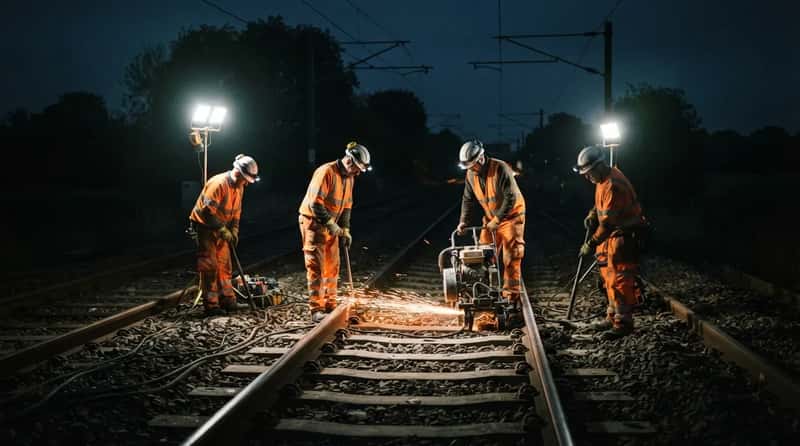
While passengers sleep, an entirely separate overnight workforce is quietly keeping the rails themselves from falling apart underneath everyone.
Crews handle routine track and signal maintenance overnight, checking rail alignment, ballast distribution, grinding out flat spots on the rail head, and testing point motors. None of this touches your sleeper car directly, but it’s the reason your ride doesn’t rattle apart within a few years. It’s arguably the least glamorous, most essential job on the entire railway, and almost no rider ever sees it happen.
#10 – Entire Maintenance Trains Exist Just for the Middle of the Night
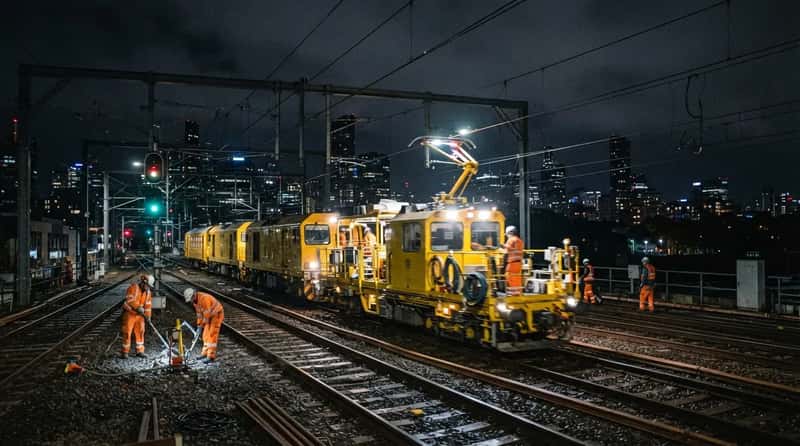
Some rail systems run specialized trains whose entire purpose is to appear only after regular passengers have gone home for the night.
These crews perform maintenance on tracks and electrical wires through the middle of the night and early morning to guarantee a smooth, uninterrupted ride during the day. One specialized car even carries a pantograph just to inspect the height and voltage of overhead electric lines. It’s a fully hidden fleet, built entirely around darkness, that most daytime riders will never once glimpse.
#9 – Overnight Work Windows Are Chosen for Safety, Not Convenience
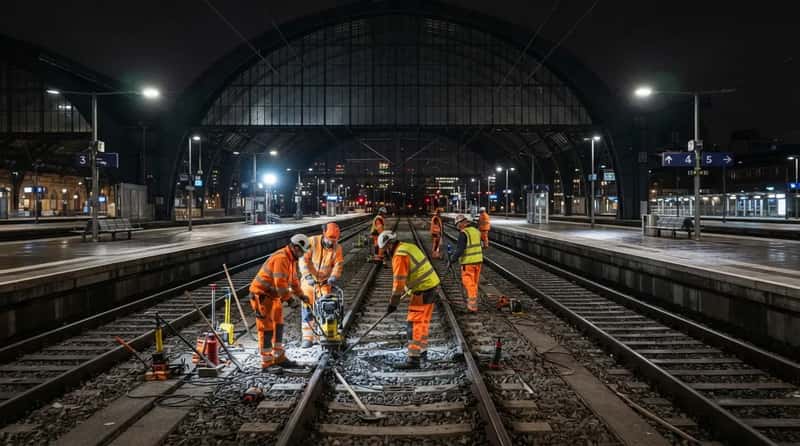
The specific hours crews pick for track work aren’t random. They’re calculated around exactly when the fewest trains and people are around.
Rail operators plan works overnight because engineering work at these times typically causes the least disruption, affecting far fewer riders than closing the railway during a normal working day, and it’s much safer for the crews too. Teams responsible for thousands of miles of track quietly schedule these jobs months in advance around exactly this logic, a level of long-range planning most passengers never associate with a simple “closed for maintenance” sign.
Quick Compare
- Daytime track work: full closures, live train traffic nearby, far more riders affected
- Overnight track work: fewer trains running, minimal rider disruption, safer conditions for crews
- Result: the least glamorous shift on the railway is also the one built around everyone else’s convenience
#8 – Emergencies Get Fixed Overnight Without a Single Announcement
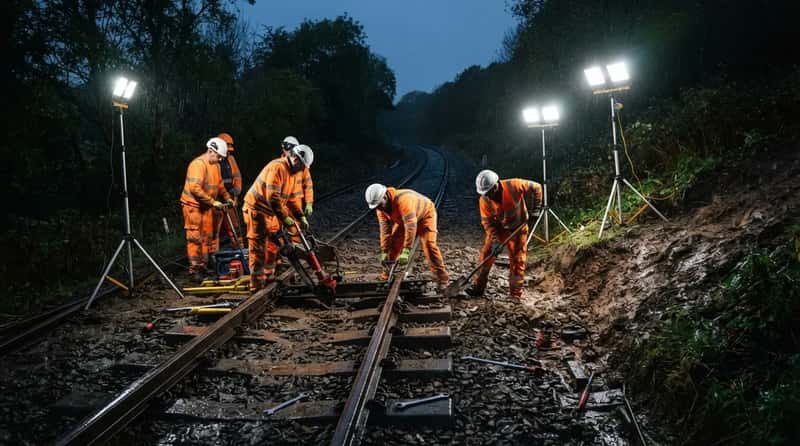
Not every overnight repair is scheduled weeks ahead. Some crews get called out with almost no notice at all.
Rail teams respond to unplanned situations like landslips, broken rail, or flooding on the line, working around emergencies that simply can’t wait for a scheduled maintenance window. These crews are dispatched in the dead of night, often finishing repairs before the first morning train even leaves the yard. Passengers boarding at 6 a.m. rarely know that a section of track they’re about to ride over was fixed hours earlier under floodlights.
#7 – Vegetation Crews Quietly Clear the Line So Signals Stay Visible
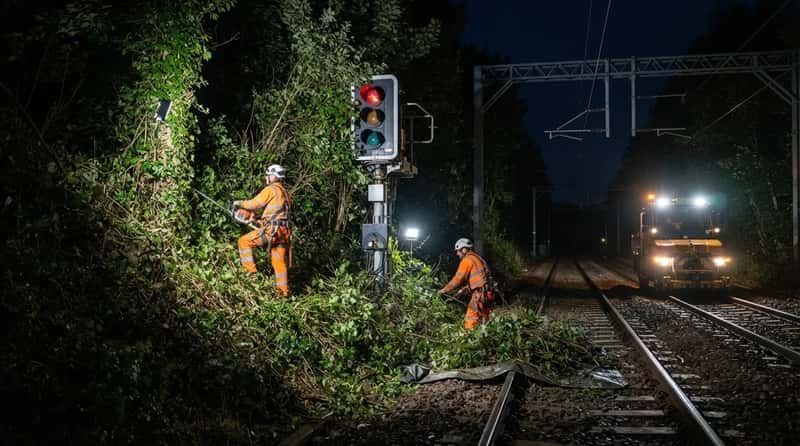
It’s an oddly unglamorous job, but overgrown brush is a bigger overnight threat to rail service than most people would ever guess.
Maintenance teams spend nights managing vegetation so it doesn’t obscure signals or fall onto the tracks, either of which can cause delays. It’s not flashy work, but a single overlooked branch near a signal light can cascade into delays affecting thousands of riders the very next morning. Some in the industry argue this unglamorous job prevents more disruptions than the headline-grabbing repairs ever do.
#6 – Freight Quietly Takes Over the Rails the Moment Passengers Rest
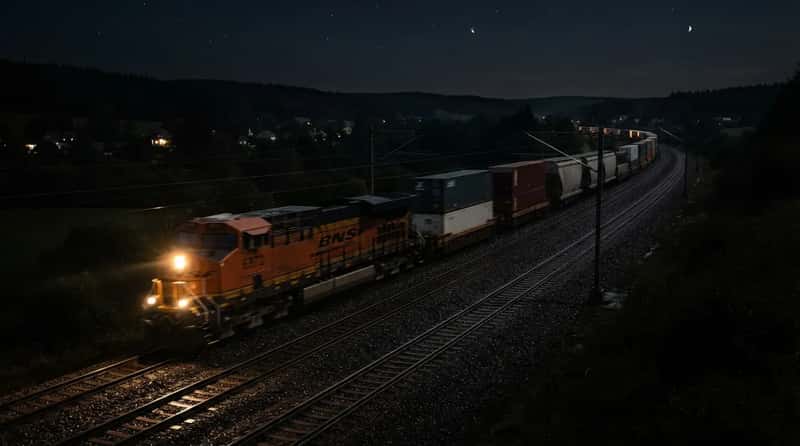
Once passenger service winds down for the night, the tracks don’t go quiet. They just change hands entirely.
After midnight, most rail traffic becomes freight trains, while passenger trains go out of service to rest. It’s a near-total shift change on the exact same physical rails, timed almost perfectly to when overnight sleeper passengers are deepest asleep. Few riders realize the tracks under their bunk are busiest with cargo, not people, for a large stretch of the night.
#5 – Engineers and Conductors Are Legally Banned From Sleeping on the Job
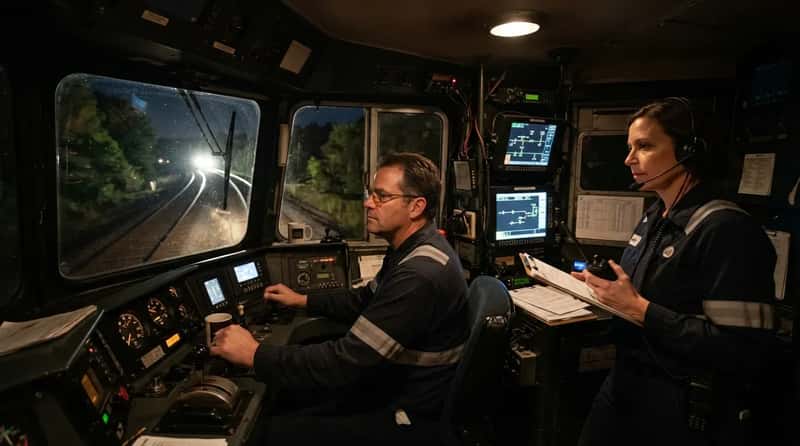
Here’s something that surprises almost everyone: the two people actually responsible for physically moving the train are never allowed to nap, no matter how long the shift runs.
Federal rules are explicit that neither the conductor nor the engineer is allowed to sleep on the train, and both must stay awake and alert for the entire shift. That’s a stark contrast to onboard service staff, who do get scheduled dorm-car rest. It means the person steering your overnight train is running on nothing but caffeine and adrenaline for the full length of the run, every single night.
#4 – Onboard Crews Can Legally Stay Aboard for Nearly Two Full Days
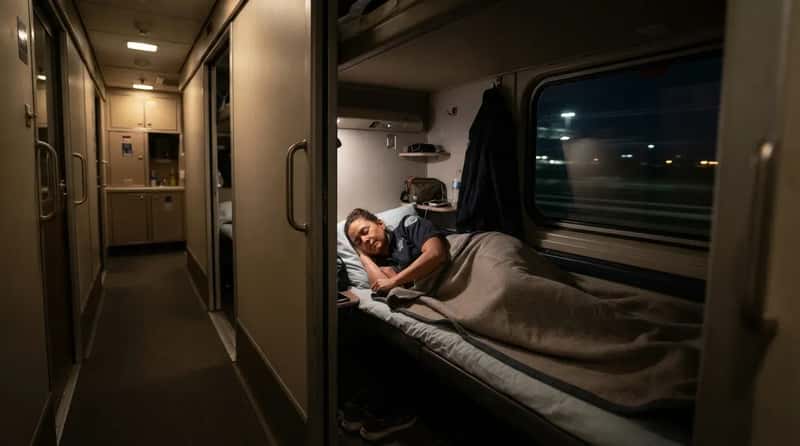
Passenger crews on the longest routes don’t just work overnight. Some of them are effectively living on the train for stretches most people would find completely unbearable.
On extended routes, porters and other onboard staff may have to stay aboard for up to 48 hours at a time, sleeping in a dormitory car built directly into the train. Most sleeper passengers assume crews go home after their shift ends; in reality, some are simply resting a few cars away, waiting to clock back in for the next leg.
#3 – Fatigue Is So Common It’s Been Formally Studied for Decades
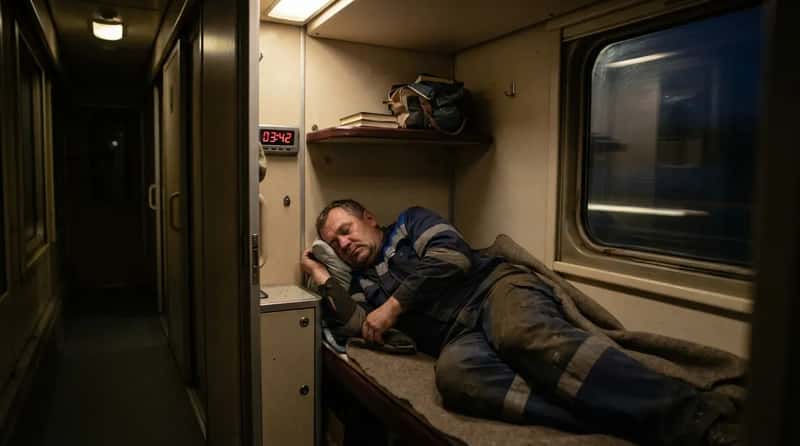
This isn’t a rumor passed around by frustrated riders. It’s a documented, government-tracked problem across the entire rail workforce.
Federal researchers found that rail crews are more likely to get less than seven hours of sleep on workdays, putting them at greater risk of fatigue that can produce impairment levels similar to being intoxicated from alcohol. That’s not a minor footnote, it’s a serious enough safety concern to justify multi-year federal studies. The uncomfortable truth most travelers never consider is that the person responsible for their overnight safety may legally be as impaired as someone who’s been drinking.
Engineers and conductors sleep on trains. Anyone who tells you different is not being straight with you.
Diz D. Francisco, veteran railroad engineer and union official
That kind of blunt admission from inside the industry is part of why fatigue rules exist at all, and why federal researchers keep circling back to the same uncomfortable data year after year.
#2 – Crew Changes Happen at Obscure Stations You’ve Never Heard Of
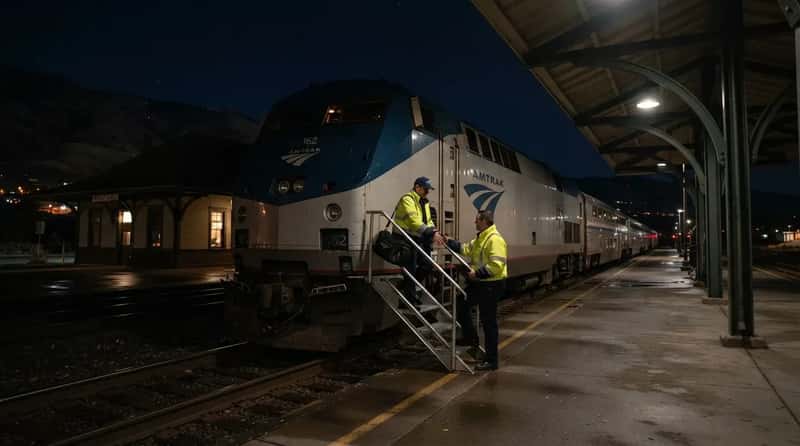
Some of the most important handoffs on your entire trip happen at stops most passengers can’t even name, deep in the middle of the night.
On routes like the Empire Builder, conductors and engineers based out of Seattle work to an “away” terminal in Wenatchee, where a Spokane-based engineer takes over, while conductors continue on to Spokane itself. These handoffs happen quietly, often while riders are fast asleep, with an entirely new crew stepping in mid-route. It’s a level of behind-the-scenes coordination most passengers never notice, because the train barely seems to pause.
#1 – Someone Is Always Awake Making Sure You Don’t Miss Your Stop
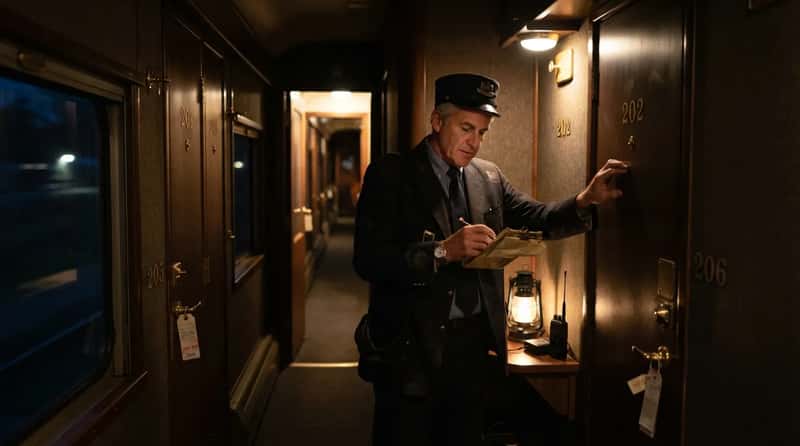
Of everything overnight crews quietly manage, this is the one that matters most to passengers, and the one most people take completely for granted.
Riders who’ve overslept describe conductors physically banging on the door and shouting to get up because it’s their stop, refusing to let anyone get carried past their destination. Whether it’s the sleeping car attendant, the conductor, or a coworker covering a split shift, someone on that train is tracking every single passenger’s stop, all night, every night. It’s the quiet, unglamorous safety net that never makes headlines, but without it, thousands of riders would wake up in the wrong city every single week.
What’s striking about all 22 of these is how little credit any of it gets. The coffee, the wake-up knock, the six-day rotations, the legally mandated exhaustion, none of it shows up in the ticket price or the glossy marketing photos. It’s a night shift built entirely around making sure yours goes unnoticed, and now that you know, it’s hard to sleep through it the same way again.