Most people assume a good hotel stay starts the moment the door clicks shut behind them. Front desk staff will tell you it’s already decided in the first ninety seconds, long before anyone even touches a room key.
The tells aren’t dramatic. Nobody flashes a black card or demands a suite upgrade. The real giveaways are small, almost boring habits, the kind most guests never notice they’re doing until someone points them out. Here’s what actually gives you away at the counter.
#23 – They Have the ID and Card Out Before They Even Reach the Counter
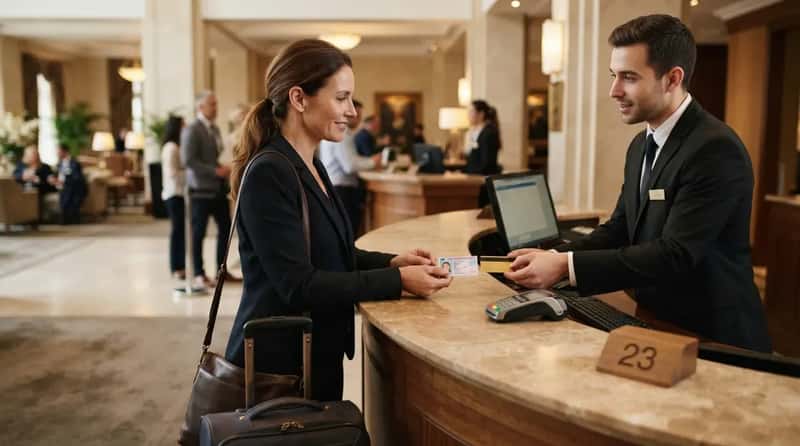
Seasoned guests treat the front desk line like a countdown, not a surprise. They have their ID and card out before they even reach the counter, and that split-second detail sets the tone for the entire interaction.
Guests who dig through an overstuffed wallet or purse send a different signal: they may need a slower, more patient pace, and trained staff adjust their tempo immediately. It’s a tiny detail, but it’s the first data point staff quietly log.
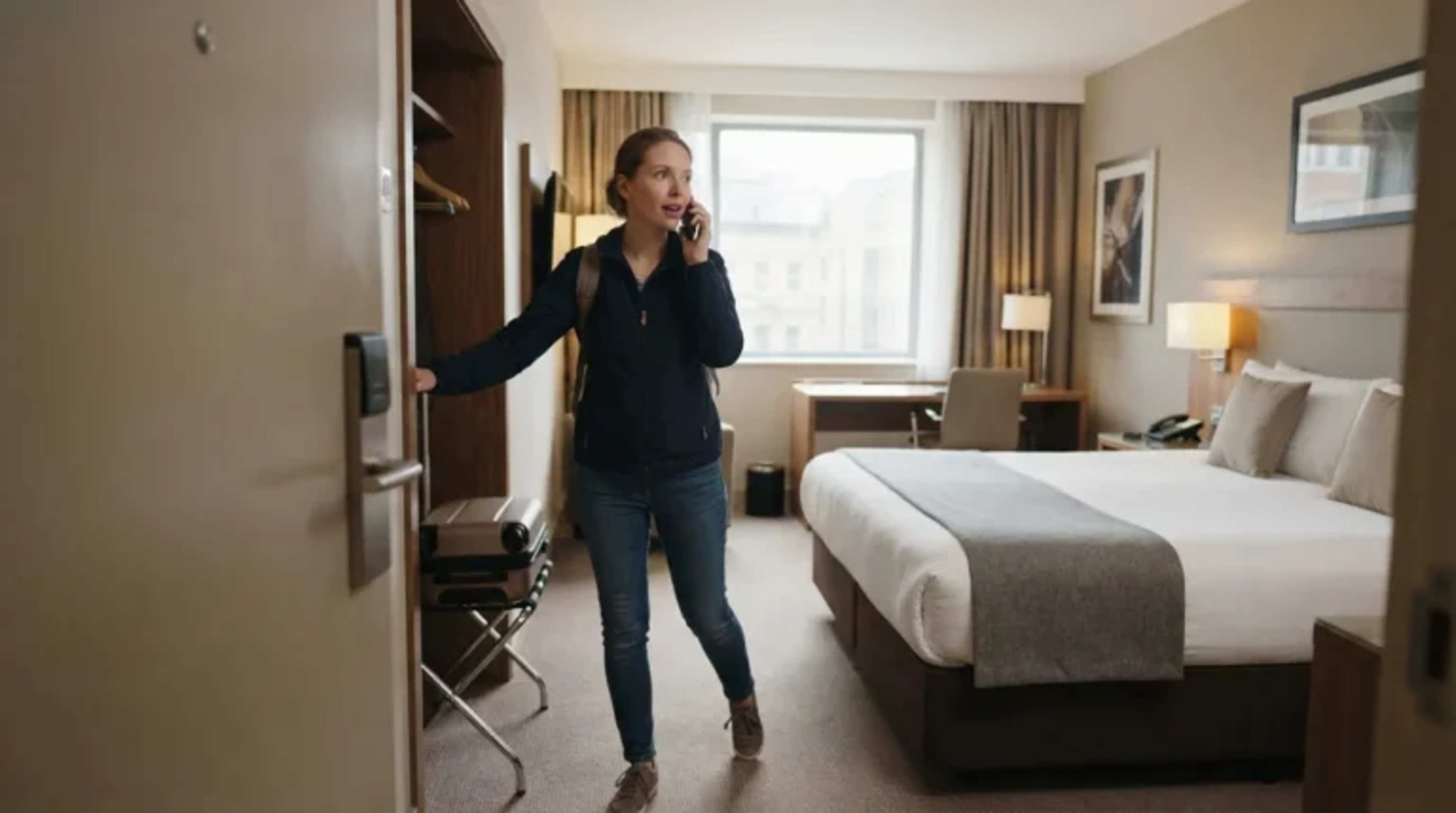
#22 – They Call Ahead So Nothing Gets Lost in Translation

Frequent travelers never assume a reservation made weeks ago is still accurate. Before heading to the hotel, they call to confirm the dates, room type, and guest count, using the moment to reconfirm any special requests too.
This one habit prevents the most common arrival disaster there is: showing up to find the room type or dates don’t match what you thought you booked. Most travelers skip it entirely and just hope for the best.
#21 – They Check the Room Type Match in the First 60 Seconds
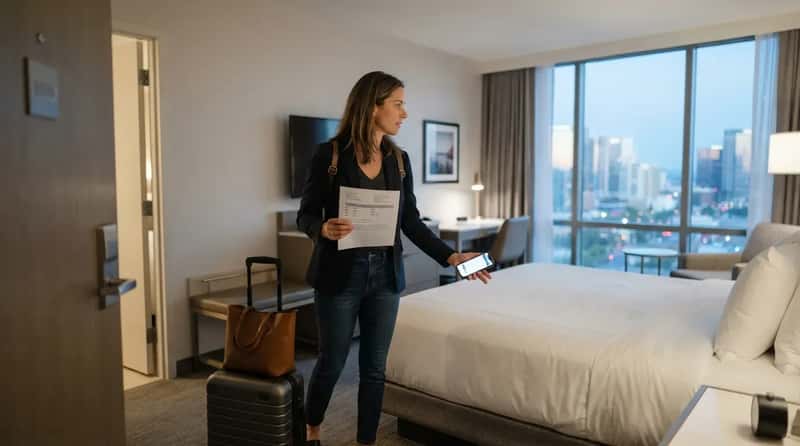
Room mix-ups are more common than any hotel wants to admit, especially with self-service check-in on the rise. Experienced guests glance around and confirm the bed type, view, and square footage actually match the reservation before they unpack a single item.
This matters more now than it used to. Roughly 70% of American travelers now check in using an app or kiosk instead of a front desk, a preference that runs even higher among Gen Z travelers, meaning fewer humans double-check room assignments in real time. Catching the error yourself is far easier than disputing it later.
Fast Facts
- About 70% of travelers now check in through an app or kiosk instead of a live front desk agent.
- Gen Z travelers lean into self-service check-in more heavily than any other age group.
- Fewer staff eyes on the process means fewer real-time catches on room-type mismatches.
- A 30-second glance at the room before unpacking can save a much longer conversation later.
#20 – They Never Let the Front Desk Say the Room Number Out Loud

This is the one that surprises almost everyone the first time they hear it. Seasoned guests never let staff say their room number out loud, they ask for it to be written down instead.
The reasoning isn’t paranoia, it’s simple math. A stranger overhearing a room number at a busy front desk is a real security gap, one hotels rarely warn you about. Seasoned guests treat it as a non-negotiable rule, no matter how busy the lobby gets.
#19 – They Say Less at the Desk, Not More

Most first-timers assume being chatty and detailed helps their case. Experienced travelers do the opposite, and it works better.
Extra explanation just buries the actual request. Staff process dozens of check-ins an hour, and a guest who states exactly what they need, then stops talking, gets handled faster and remembered more clearly than one who narrates their whole travel day.
#18 – They Read the Front Desk’s Energy Before They Speak

Timing matters as much as words. If the desk person is juggling phones, other guests, and a jammed printer, seasoned travelers wait for a natural pause, knowing they’ll get a fuller response once things settle.
Instead of forcing a request into a chaotic moment, they mirror the tempo in front of them, keeping answers short if staff are moving fast, and slowing down if staff do too. It’s a small courtesy that quietly buys goodwill for the rest of the stay.
#17 – They Always Have Their Loyalty Number Ready
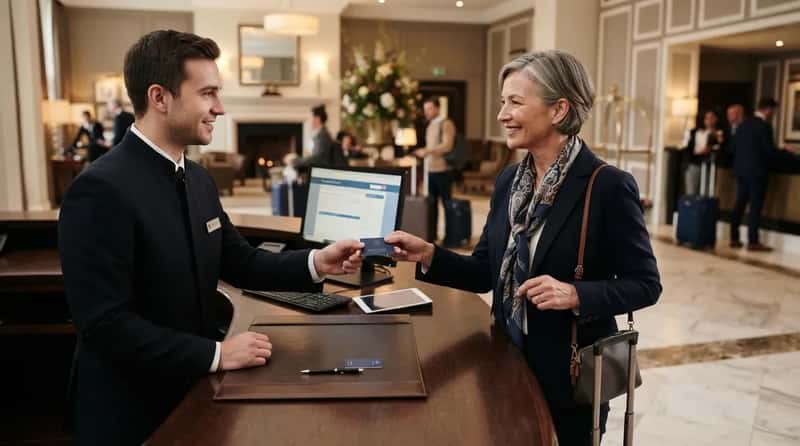
Loyalty status changes what happens on screen the second a name gets typed in. Frequent guests who’ve stayed with the same chain before are recognized quickly, sometimes greeted by name with a preferred room type already queued up.
The strange part is how many people never claim what’s already theirs. Guests who don’t mention a loyalty number, or don’t realize they’ve quietly built one up from years of past stays, get flagged as guests who left value on the table, and staff rarely bring it up unprompted.
#16 – They Skip the Line With a Digital Key
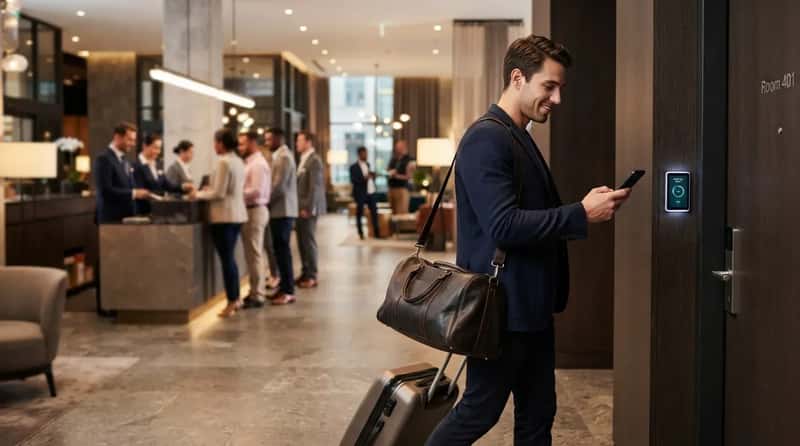
The line at the desk is optional now for a huge share of travelers. One survey found 70% of travelers prefer checking in through a mobile or web app, drawn to skipping lines, getting into their room faster, and cutting down on physical contact.
Younger business travelers lean into this even harder, with mobile key adoption often landing in the 25 to 40 percent range at properties with mature digital programs. Seasoned guests treat the app as the default, not the backup plan.
At a Glance
- 70% of surveyed travelers now prefer checking in through a mobile or web app.
- Mobile key adoption often runs 25% to 40% at hotels with mature digital programs.
- Skipping the desk line cuts wait time and reduces physical contact points.
- Seasoned guests treat the app as the main plan, not a fallback option.
#15 – They Memorize the Route to the Room Like an Airport Gate

Nobody wants to wander a hallway at midnight looking for their door. Frequent travelers scope out the route on the walk to their room, memorizing turns the same way they’d memorize an airport gate number.
It’s a two-minute habit that eliminates almost all late-night confusion. It sounds unnecessary until you’re the person doing a lap of the third floor with luggage at 1 a.m.
#14 – They Screenshot the Room Number the Second They Get It
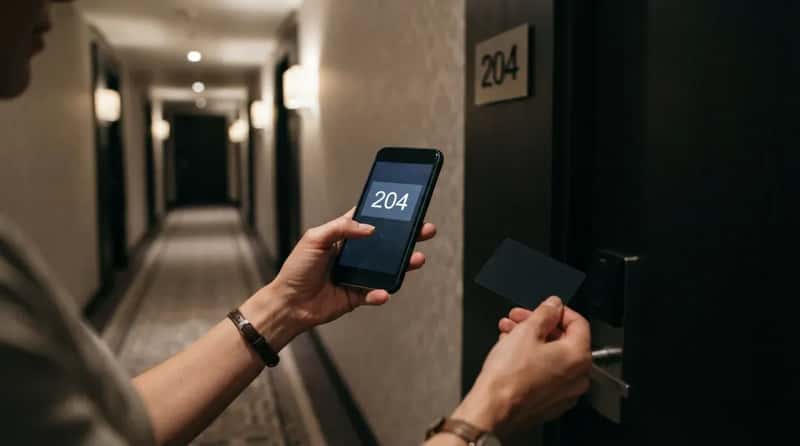
This habit sounds almost too simple to matter, yet it’s one of the most repeated tricks among frequent travelers. Seasoned guests save the room number and hotel address to their phone lock screen the moment they get their key.
Long hallways, identical doors, and jet-lag brain make it shockingly easy to forget which room is yours after a late dinner. The habit also saves you if you get separated from a travel companion or need to give quick directions to a delivery driver.
#13 – They Open Every Drawer and Closet Before Unpacking a Single Bag
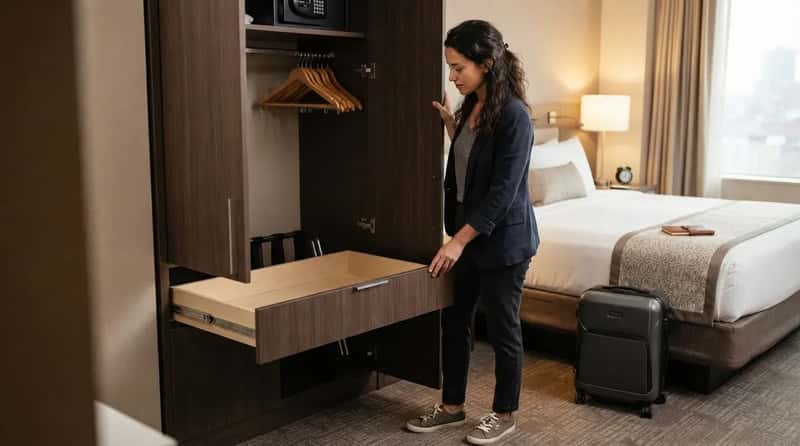
It looks like curiosity, but it’s really a quick inspection. Experienced guests open every drawer, closet, and cabinet within the first few minutes, partly out of habit and partly to confirm nothing was left behind by the last guest.
It also doubles as a fast way to find the safe, extra pillows, or the iron without hunting for them at 11 p.m. First-timers tend to skip this entirely, then discover the missing hangers on night three.
#12 – They Know Exactly What Stepping Outside Actually Protects Them From

Frequent travelers who’ve been caught once never make the same mistake twice. They simply step outside, and it’s one of the fastest ways to separate a rookie move from someone who’s learned this lesson the hard way.
The financial stakes are higher than most guests realize. Smoking fees at many hotels commonly run $150 to $500 or more, and vape residue can be just as detectable to housekeeping as cigarette smoke. A lingering odor can also pull a room out of rotation for extra cleaning.
Worth Knowing
- Smoking or vaping fees commonly range from $150 to $500 or more per incident.
- Vape residue can be just as detectable to housekeeping staff as cigarette smoke.
- A lingering odor can pull a room out of rotation for extra deep cleaning.
- Stepping outside takes seconds; the fee for skipping it can cost hundreds.
#11 – Their First Question Reveals More Than Their Luggage Does

Forget the suitcase brand, the real tell is the opening line. Guests who feel financially comfortable tend to ask about experiences rather than expenses, and front desk staff notice the pattern immediately.
Guests with more breathing room ask different questions entirely, restaurant recommendations instead of the nearest grocery store, spa availability rather than gym hours. Staff clock the difference in seconds, whether the guest means to reveal it or not.
#10 – They Pocket the Phone the Moment They Reach the Counter
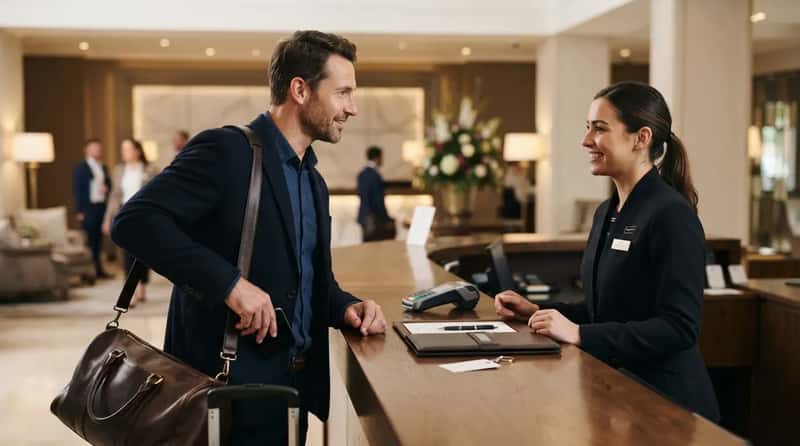
Staff notice attention before they notice anything else. The simple act of pocketing your phone can shift a front desk agent from transaction mode into genuine hospitality mode, and guests remember tone and body language long after they’ve forgotten which floor their room was on.
It’s a two-second decision with an outsized effect. A guest scrolling through texts while asking for a late checkout gets processed. A guest making eye contact tends to get remembered, and remembered guests get the benefit of the doubt later in the stay.
#9 – They Handle Tipping With Zero Drama
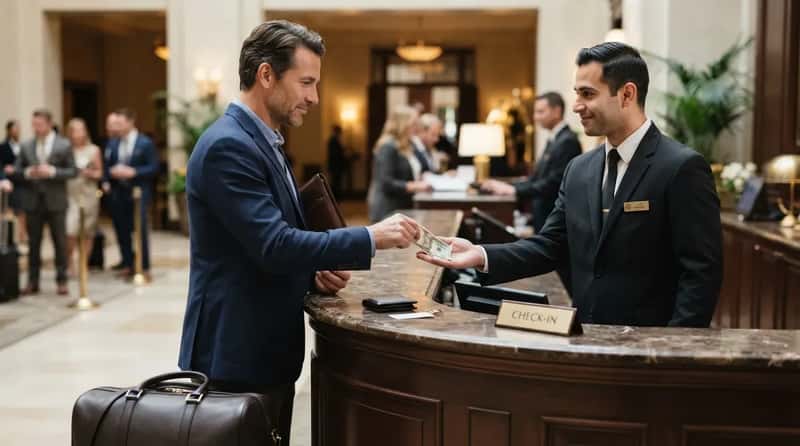
Frequent travelers plan the tip before they need it, not after. Having it ready prevents an awkward wallet shuffle and keeps the lobby line moving.
Wealthy and frequent travelers tend to handle tips with almost no drama, doing it quietly and keeping the exchange respectful and simple. It’s a small gesture, but it separates the guests who’ve done this before from the ones fumbling for a five at the door.
#8 – They Ask About Late Checkout at Check-In, Not at Checkout
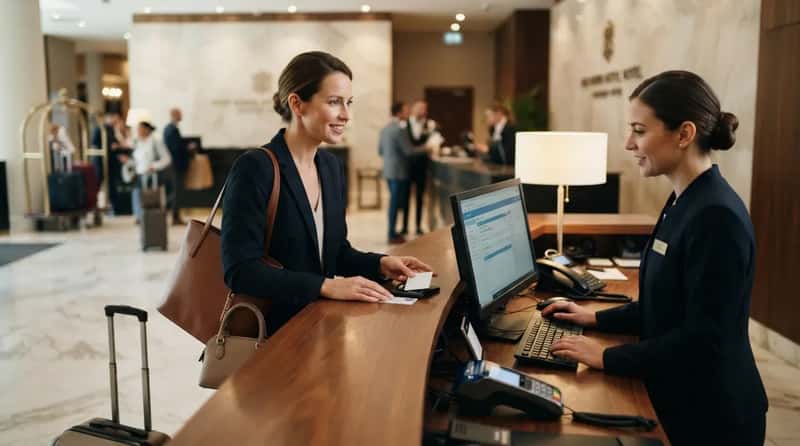
Most guests wait until the morning they’re leaving to ask for extra time, which is exactly why they usually get told no. Experienced guests raise it the moment they arrive, when the front desk still has flexibility and no competing requests stacked up yet.
Asking early also signals someone who plans ahead rather than someone scrambling. It rarely guarantees anything, but it moves the odds meaningfully in the guest’s favor compared to a last-minute plea at 10:58 a.m.
Quick Compare
- Ask at check-in: staff still have full flexibility and no stacked requests yet.
- Ask at checkout: rooms are already assigned for same-day turnover, so the default answer is no.
- Ask at check-in: signals a guest who plans ahead.
- Ask at checkout: reads as a last-minute scramble with no room to maneuver.
#7 – They Know What “3 PM Check-In” Actually Means

New travelers treat the posted check-in time like a hard rule. Seasoned guests know it’s more of a target than a wall, and that rooms can open up hours earlier depending on turnover.
Real-time systems now notify some guests the moment their room is ready, sometimes hours before the official check-in time, letting them drop luggage early. Knowing this, experienced guests check the app before assuming they’re stuck waiting in the lobby with their bags.
#6 – They Use a Staff Member’s Name Exactly Once

A name tag is an easy opening, and seasoned guests never waste it. Using a name turns a transaction into a human moment, so when a guest spots one on a tag or a receipt screen, they use it once.
It signals attention and basic respect without turning into a performance. Many frequent travelers give their own name back the same way, quick and simple, without a long story about the trip. Short and warm beats long and chatty every time.
#5 – They Never Fumble for the Confirmation Number

Seasoned travelers move differently, and staff clock it instantly. They have ID and card ready before reaching the counter, know exactly what the desk needs, and never dig for a confirmation number buried in a week-old email. That frictionless handoff signals experience immediately.
Front desk agents have processed enough arrivals to sort a guest’s travel comfort level almost without thinking. A guest who hands over a printed or screenshotted confirmation gets filed into the “easy” pile in under a minute.
#4 – Their Luggage Tag Works Like a Resume
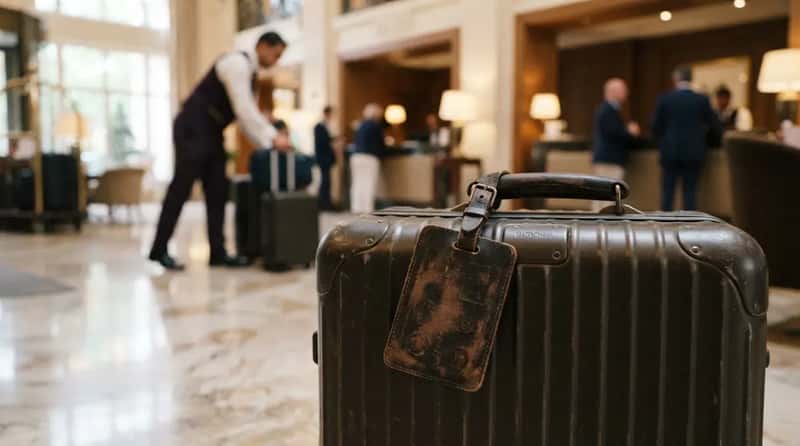
A worn tag says more than any conversation could. A leather tag from an airline elite program or a hotel loyalty brand is basically a resume clipped to the handle, and bellhops notice it instantly because it usually predicts how the rest of the stay will go.
Staff say they’ll often skip the beginner-level room tour for these guests entirely and jump straight to what’s actually useful, like restaurant recommendations. It’s a silent shortcut that saves everyone time.
#3 – They Read the Room, Not Just the Rate

Staff are trained to notice more than a name and a credit card. Anticipatory hospitality means picking up on what a guest might need before they ask, and an agent who clocks fatigue before a guest even speaks can shave real friction off check-in.
Seasoned travelers lean into this instead of fighting it. Staff are trained to read posture, pace, and facial expression within seconds of an arrival, since anticipatory service is a core training goal at many properties. Showing genuine fatigue instead of forced cheerfulness often gets rewarded with a quieter room, not a penalty.
#2 – They Let the Front Desk Know Their Schedule Right Away

Communication early in the stay changes everything that follows. It’s one of the most underrated habits in hospitality, and someone who’s stayed in dozens of hotels knows those same staff members control how smoothly the rest of the stay goes, and acts accordingly.
Mentioning an early flight, a late arrival plan, or a preference for a quiet floor at check-in, rather than mid-stay, gives staff time to actually act on it. It’s a small window of proactive service that most first-time guests never think to open.
#1 – They Never Raise Their Voice, Even When Something’s Wrong
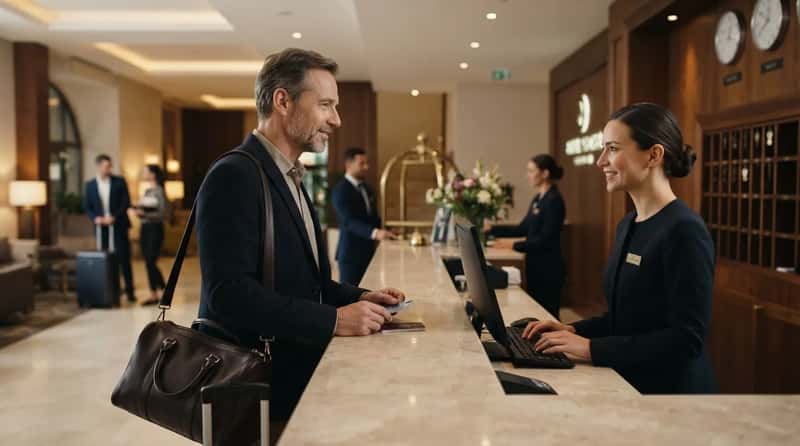
This is the habit that quietly separates a seasoned guest from everyone else, and it has nothing to do with elite status or a bigger budget. A single dismissive glance can travel from the bellhop to the front desk to housekeeping before a guest even reaches the elevator, because staff talk to each other about guests constantly.
Guests who stay calm when a room isn’t ready or a reservation glitches get problems solved faster, and get quietly flagged as easy to work with for the rest of the stay. The ones who escalate immediately often get technically correct service and nothing more. Seasoned travelers have learned the hard way that patience, not volume, is what actually earns upgrades, late checkouts, and quiet floors.
None of these habits require elite status, a bigger budget, or years on the road. What they require is paying attention to the first ten minutes instead of treating check-in like a formality to rush through before the real trip starts.
Staff notice all of it, from the loyalty number to the tone of your voice to whether your phone stays in your pocket, and it quietly shapes the entire stay that follows. Which one of these are you already doing without even realizing it?