Picture the best long-haul traveler on your flight. Most people imagine someone young, fast and bulletproof. But watch the quiet passenger with the small bag, the paper folder and a water bottle already filled, and you’ll often see the one who steps off the plane looking like a person instead of a wrung-out dishrag.
These 23 habits are what that traveler is doing, and they come from years of delays, lost bags, sore knees and at least one missed connection. Some are so small you’d never notice them. Others involve a brand-new $45 airport fee, a Medicare gap that catches people off guard, and a warning sign that can show up days after the plane lands. And the habit at #1 is the opposite of how most people plan a trip.
#23 – The Pills Never Go Near the Overhead Bin
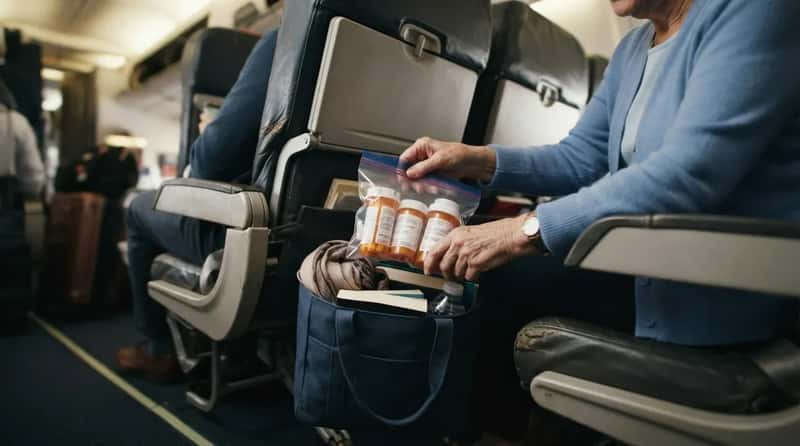
Seasoned travelers keep every prescription in the bag under the seat. Checked luggage gets delayed, rerouted and sometimes lost. A missing suitcase is an annoyance, but missing heart or blood pressure medication is a real problem.
Most also keep pills in their original labeled containers. Officials in some countries may ask to see a label that matches the name on your passport. A loose pill in a sandwich bag can turn into an awkward conversation at the worst possible time. But that’s nothing compared to the seat choice at #22…
#22 – The Aisle Seat Beats the Window Seat
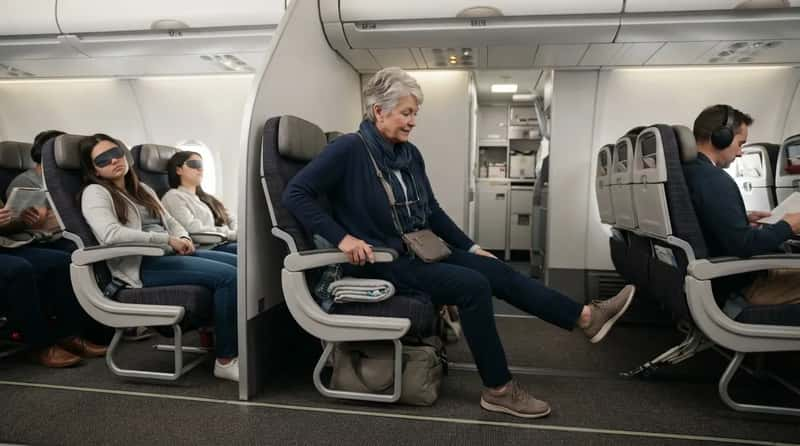
Ask a frequent long-haul flyer where they sit, and many will say the aisle without hesitating. The window view fades after an hour. A full bladder and stiff legs do not.
Here’s the contrarian part. Plenty of experienced travelers call the window seat the most overrated pick on a flight over six hours. On the aisle, you can stand, stretch and walk without climbing over two strangers who may be fast asleep. That freedom matters a lot more than a cloud photo.
And the next habit explains why that aisle matters so much.
#21 – They Walk the Cabin on a Schedule
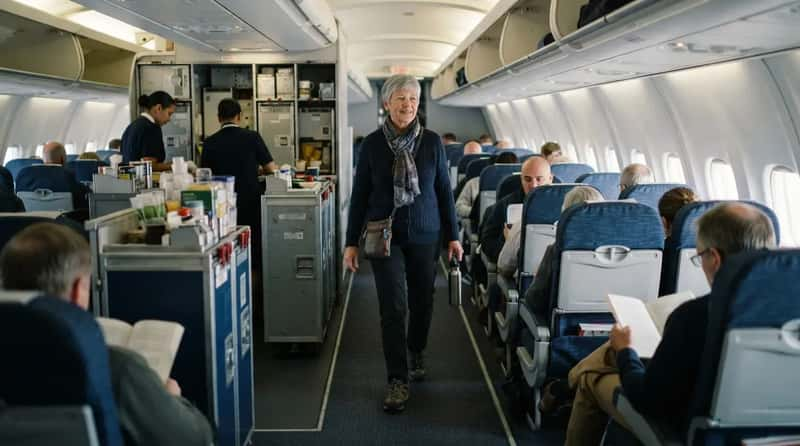
They don’t wait until they feel stiff. They treat walking like an item on the itinerary. Health guidance for long trips suggests getting up and moving every couple of hours.
Plenty of younger passengers sit for eight hours straight and call it a win. Travel-related clot risk rises on flights longer than four hours and is highest on trips of eight hours or more. The absolute risk stays small, but the fix costs nothing. It’s just a few laps past the galley.
But walking is only half the plan, as #20 shows.
#20 – The Quiet Ankle Circles Nobody Notices
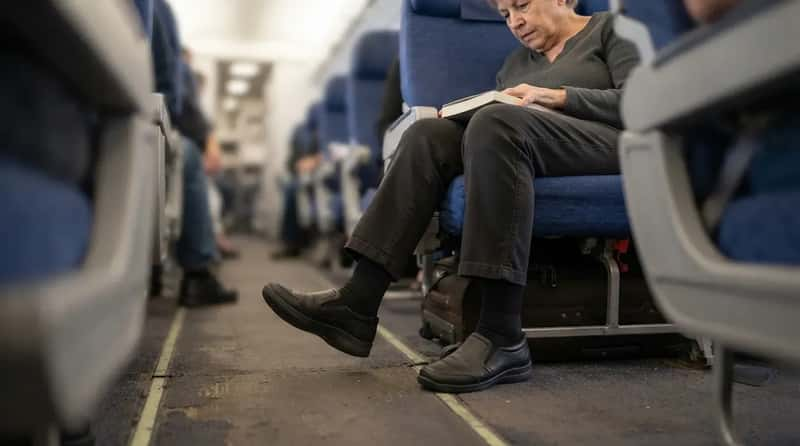
Look closely at a veteran traveler in an economy seat. Their feet are moving. They rotate their ankles, lift their heels and then their toes, and squeeze their calves.
It looks like fidgeting. It’s actually a built-in circulation routine that works when the seatbelt sign keeps everyone pinned down. Medical sources suggest alternately raising heels and toes, and tightening and releasing the leg muscles. Some travelers even set a repeating timer on their phone so they never forget.
The next one is something you can wear.
#19 – Compression Socks Became Their Secret Weapon
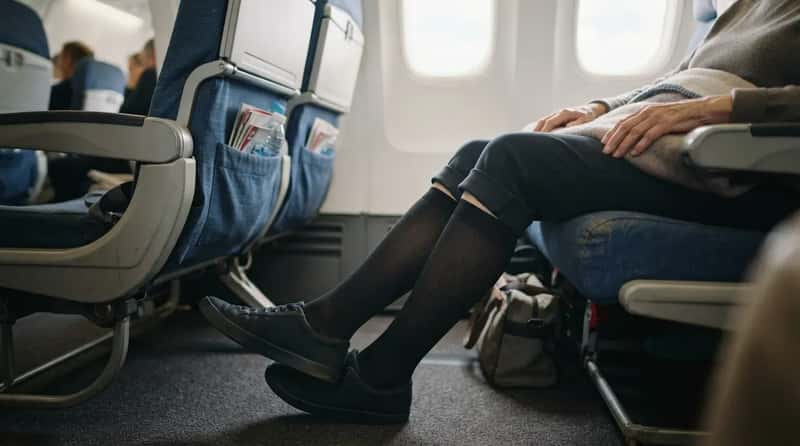
Years ago, compression socks looked like something from the back of a pharmacy. Now many older travelers pull them on before boarding as automatically as a seatbelt. They have stopped caring how they look.
Graduated compression has been shown to improve blood flow back to the heart and reduce lower-leg swelling on long flights. Many wearers also report fewer puffy ankles when they land. Some skeptics call the socks a gimmick for healthy people. But the people wearing them rarely go back.
What they drink while wearing them is even more telling.
#18 – The Empty Water Bottle That Sails Through Security
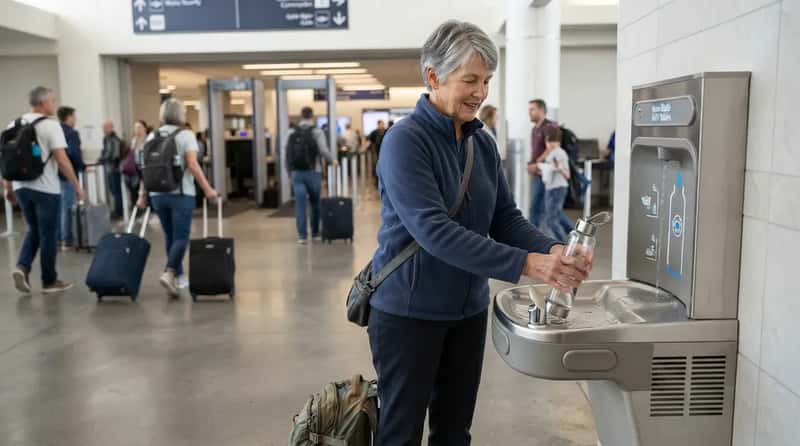
They carry an empty refillable bottle through the checkpoint, then fill it at the first fountain on the other side. Airplane water cups are tiny, and the drink cart takes forever to reach row 31.
Cabin air is notoriously dry. Health guidance often suggests about 8 ounces of water an hour during a flight, and advises limiting alcohol and coffee, which can promote dehydration. Plenty of younger passengers do the opposite and order a drink to “relax.” The veteran with the full bottle feels better when the wheels touch down.
Next comes a rule that now has a $45 price tag.
#17 – They Checked the Star on Their License Months Ago
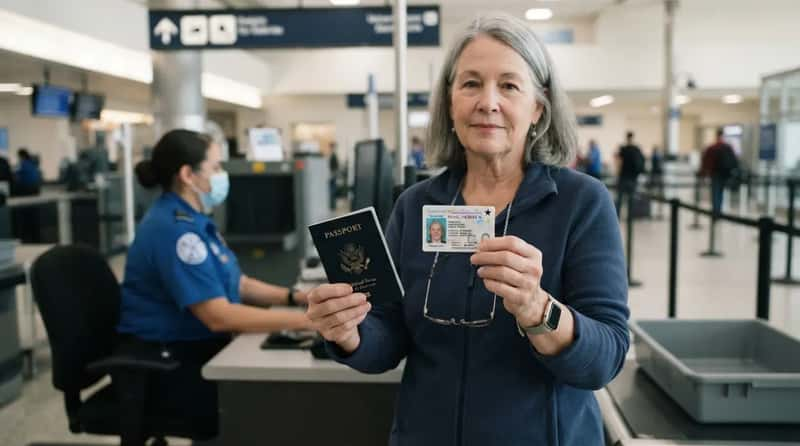
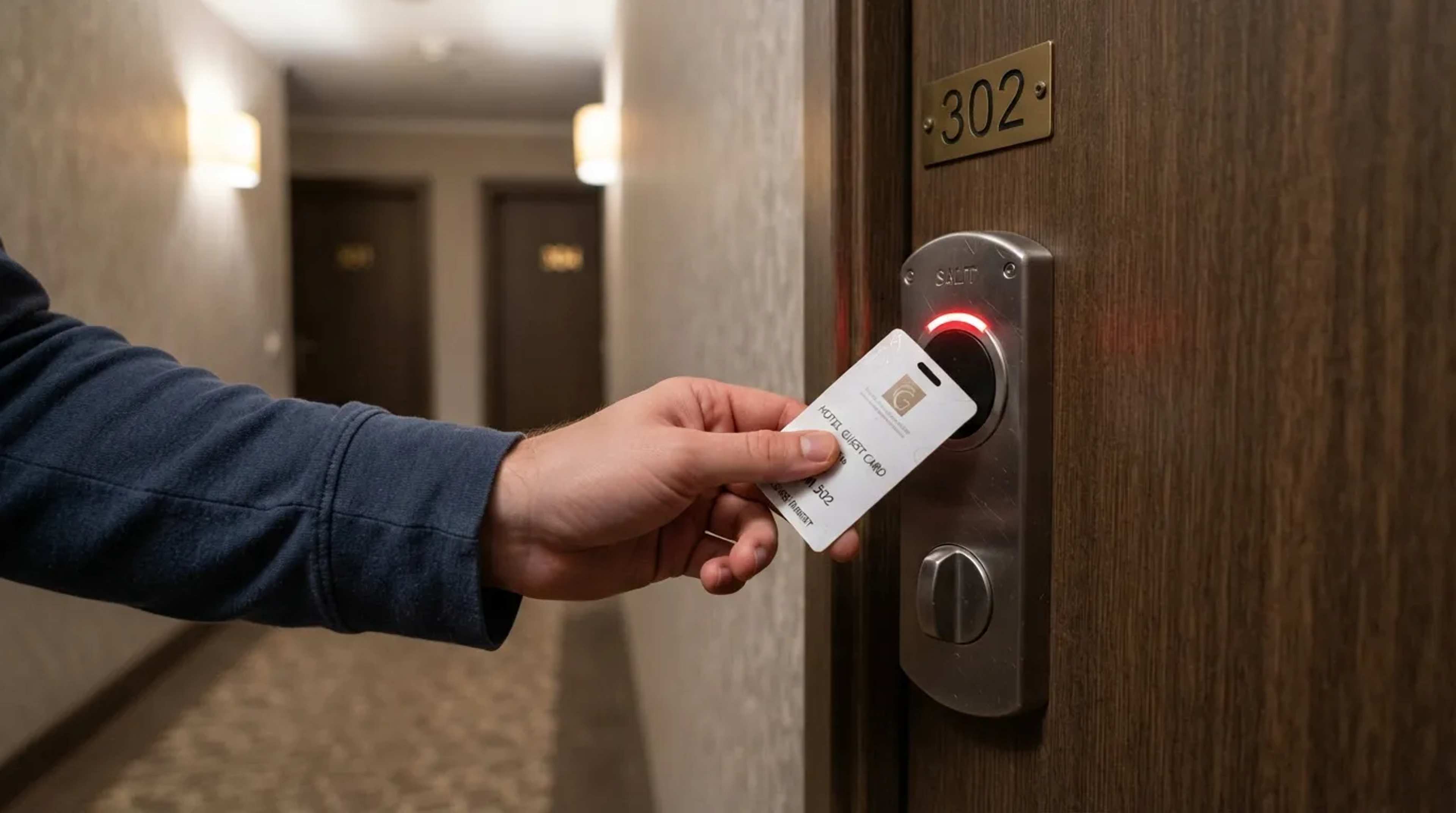
Experienced travelers don’t gamble on ID. TSA began enforcing the REAL ID requirement for domestic air travel on May 7, 2025. They looked for the star on their license long before that date arrived.
Since February 1, 2026, TSA charges adults $45 to use ConfirmID if they show up without a REAL ID or another accepted ID. That process can take 10 to 30 minutes, and verification isn’t guaranteed. A passport works as a free backup, and many older flyers simply carry theirs on domestic trips too.
International trips bring a quieter trap, which is next.
#16 – They Read the Passport Expiration Date Like a Contract
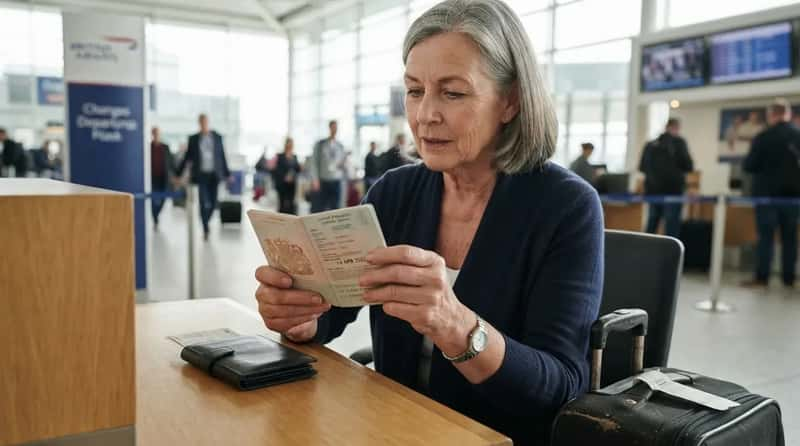
It’s not enough that the passport hasn’t expired. Many countries require it to stay valid for a set time after you arrive, and six months is a common rule. Rules vary by destination, so careful travelers check each one.
Plenty of people learn this the hard way at the check-in desk. Airlines can refuse boarding if your passport doesn’t meet the destination’s entry rules. The trip ends before it starts, and the ticket may not be refundable. Veterans check the official government entry page months ahead.
Worth Knowing
- Six months of remaining validity is a common requirement, but it is not universal.
- The Schengen Area generally wants a passport issued within the past 10 years and valid for at least 3 months after you plan to leave.
- Some countries also ask for blank pages, so check that too.
- The U.S. State Department lists entry requirements country by country.
The next habit protects against a dead phone.
#15 – Their Whole Trip Exists on Paper Too
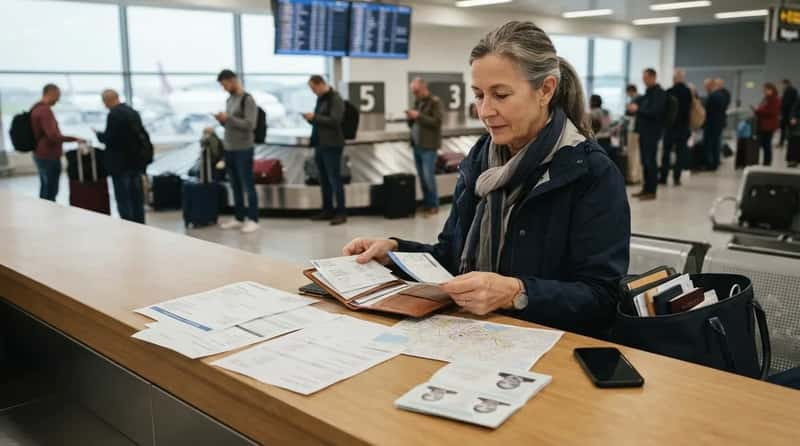
They print the hotel address, the booking numbers and the flight details. They keep a copy of the passport photo page in a separate bag. It looks old-fashioned until the phone dies at baggage claim.
A battery that hits 0% can lock you out of boarding passes, maps and your ride all at once. Paper doesn’t need a charger or a signal. It also helps when a hotel clerk or taxi driver can’t read your screen, and a strange app glitch is much harder to fix abroad.
The next habit covers a gap most people never think about.
#14 – Medicare Doesn’t Follow Them Overseas, and They Know It
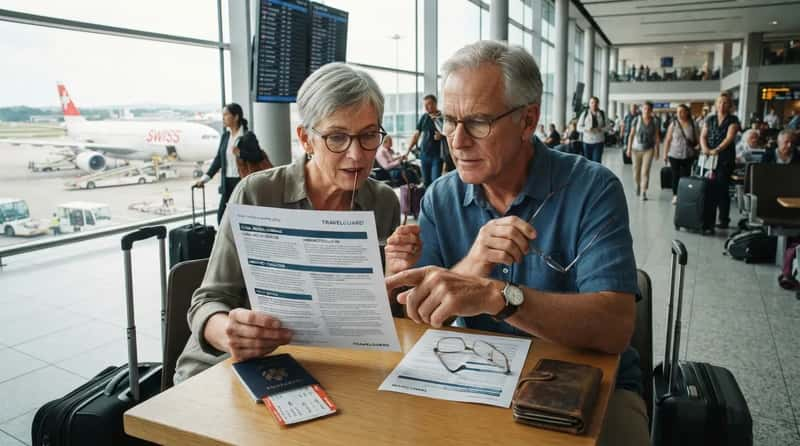
Many Americans assume their health coverage works anywhere. Original Medicare generally doesn’t cover medical care outside the United States, with narrow exceptions. Experienced travelers read that fine print early.
So they buy travel medical insurance, often with evacuation coverage. A medical flight home can cost tens of thousands of dollars. Some also compare policies on pre-existing conditions, since the rules often depend on when you buy. Check the details yourself rather than trusting a headline.
And the next one is about pride, not paperwork.
#13 – They Ask for Airport Assistance Without Apology
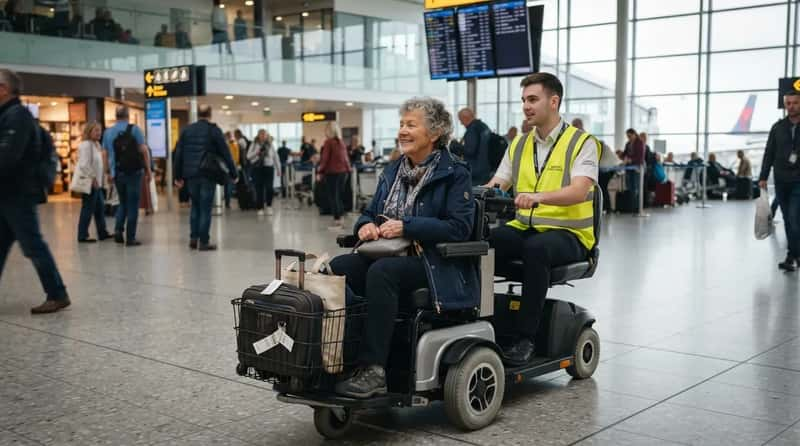
Airports are huge. Gates can be a mile apart, and the signs never tell you how long the walk really is. Veteran travelers request wheelchair or cart assistance in advance, even if they walk fine at home.
Younger travelers sometimes see that as giving up. Seasoned travelers see it as saving their energy for the trip itself. Airlines generally provide this service at no charge when you ask, and asking ahead helps. A tight connection becomes manageable when someone else handles the distance.
That connection is the subject of the next habit.
#12 – They Book the Layover Everyone Else Calls “Too Long”
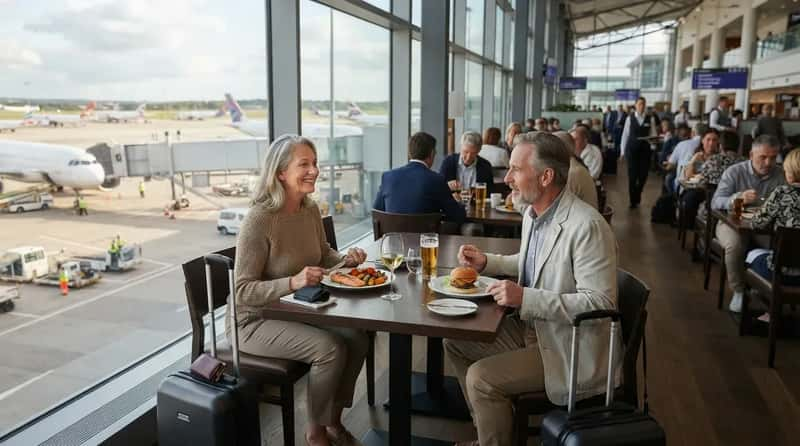
A 45-minute connection looks efficient on a booking screen. Veterans know better. One late arrival and the whole itinerary comes apart.
They often choose a layover of two to three hours on purpose. That’s time to walk, eat a real meal and use a restroom without sprinting. Some say the cheapest connection is the most expensive mistake in travel, because a missed flight eats the savings fast.
What they wear for those hours matters more than you’d think.
#11 – They Dress for a Swollen-Foot Landing
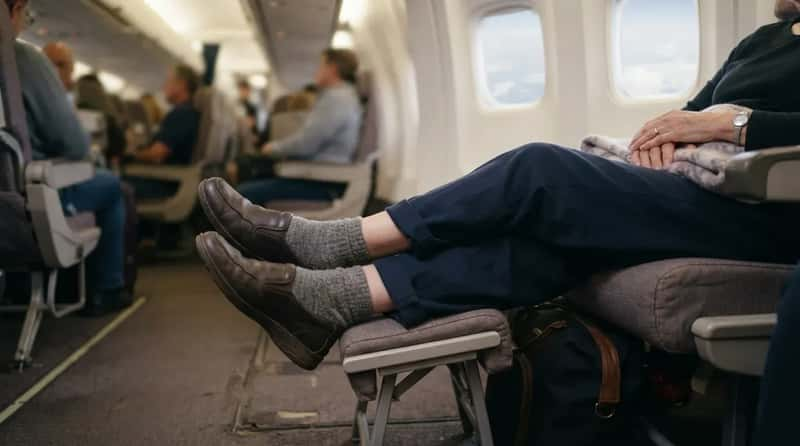
Veteran travelers wear loose layers and slip-on shoes. Cabins swing between chilly and stuffy, and a thin sweater solves both. They also know that nobody has ever regretted stretchy pants on a 12-hour flight.
Feet can swell on long flights, and a tight shoe gets worse by the hour. Many older travelers pick shoes that are a half size roomy for the trip home. Tight waistbands cause trouble too, and health sources recommend loose clothing for long journeys.
Why It Stands Out
- Layers let you adjust to a cold cabin without asking anyone for a blanket.
- Slip-on shoes make security lines and mid-flight shoe removal painless.
- A roomy shoe still fits when your feet puff up at hour ten.
- A stretchy waistband stays comfortable through meals and long naps.
The next habit deals with the clock.
#10 – They Plan Pill Times Before the Time Zone Changes
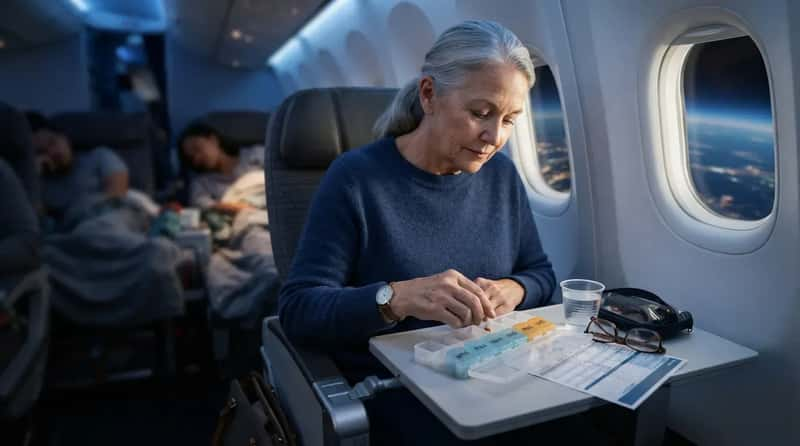
Crossing time zones can scramble a medication schedule. Experienced travelers don’t improvise at 3 a.m. They ask a doctor or pharmacist in advance how to adjust timing.
They often keep a daily pillbox and a printed card that spells out the plan. That way, nobody doubles a dose by accident or skips one. Insulin, blood thinners and heart medications are the ones worth asking about first. Never change timing on your own.
The next habit is free, and it works on your brain.
#9 – They Chase Daylight the Moment They Land

The first thing they do is go outside. Sleep experts commonly advise getting daylight at the destination to help reset the body clock. The sun is the strongest signal your brain gets.
Plenty of younger passengers crash in a dark hotel room at noon. That nap can drag jet lag out for days. Veterans take a walk, eat at local mealtimes and push bedtime to the local evening. It feels hard for an hour and pays off all week.
Food is the next place where veterans quietly outsmart the airline.
#8 – Their Snack Stash Beats the Meal Cart
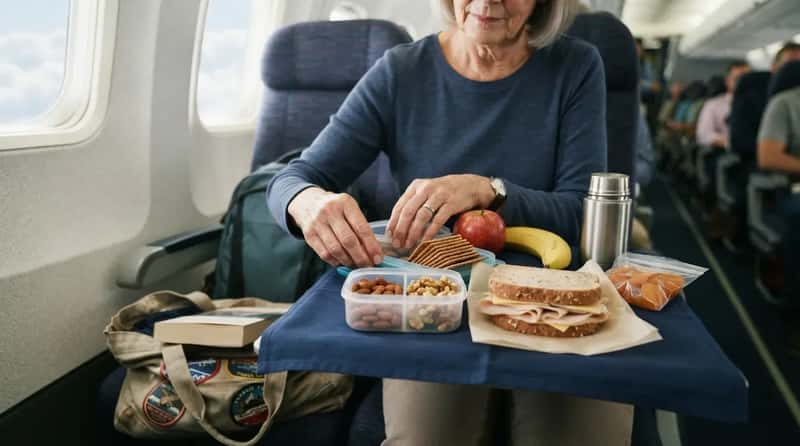
They never trust the meal service to arrive on time. Delays happen, and carts run out of the vegetarian option. A hungry traveler gets cranky and shaky fast.
So they pack plain nuts, crackers, fruit and a sandwich. Solid food is allowed through TSA screening, while most liquids are limited. It also saves money at airport prices. They skip anything smelly, because seatmates can’t escape it.
Quick Compare
- Sails through: nuts, crackers, whole fruit, sandwiches and other solid snacks.
- Gets stopped: liquids and gels over 3.4 ounces, which TSA applies to things like yogurt and spreads.
- Wins over seatmates: mild snacks, not tuna salad or anything with a strong smell.
Now for the habit that backfires most often.
#7 – They Skip the Sleeping Pill and Wine Combo
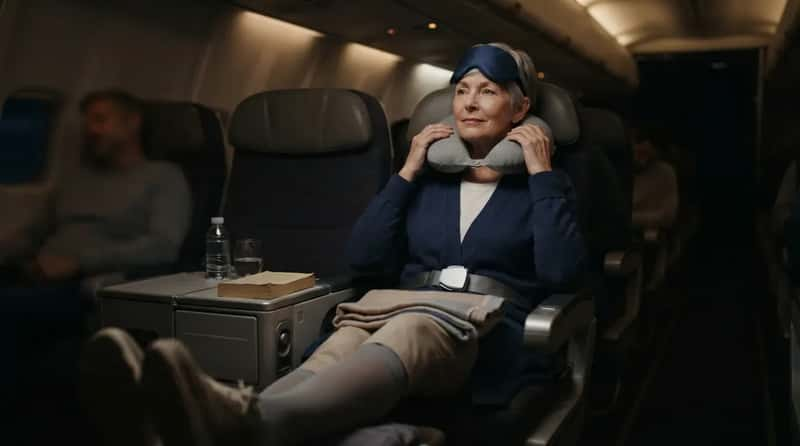
Many younger flyers swear by a pill and a glass of wine to knock themselves out. Experienced travelers see the risk. Long, deep sleep in a cramped seat means hours without moving.
Medical guidance advises short naps over long stretches of sleep, and warns against sleeping pills and alcohol on long trips. Sleeping through the whole flight can actually work against your circulation. Veterans choose short naps, a neck pillow and an eye mask instead.
Money habits come next, and they’re surprisingly simple.
#6 – Two Cards, Two Places, Zero Panic
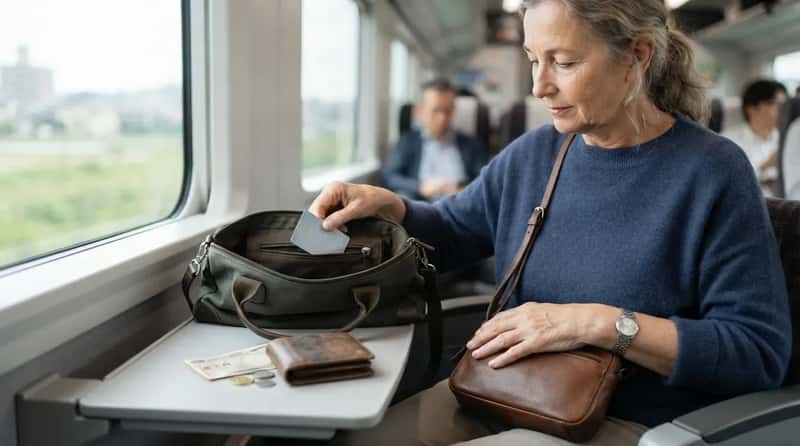
They never keep every payment method in one wallet. One card lives in a zipped pocket of the carry-on. The other goes in a different bag.
A single stolen or swallowed card can leave a traveler with no way to pay. A little local cash helps with taxis, tips and places with spotty card readers. They also know their bank’s phone number by heart, or have it written down. The next habit might save your life.
#5 – A Medical Card Sits Right Beside the Passport
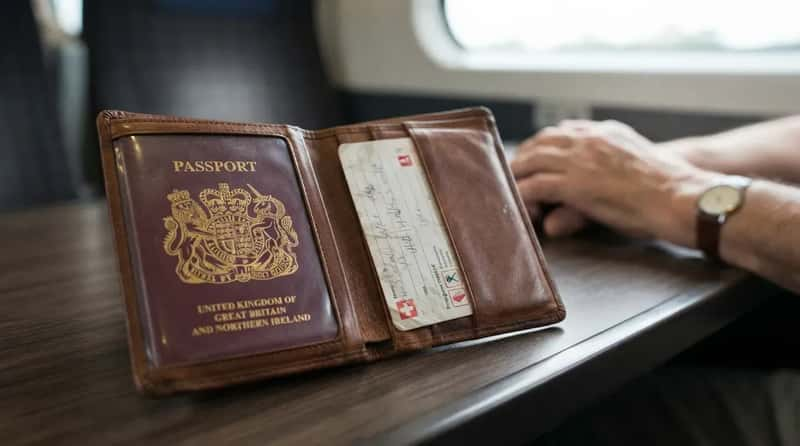
Seasoned travelers carry a small card listing medications, allergies, conditions and emergency contacts. It’s the first thing a stranger would need in a crisis. It takes ten minutes to write.
Many also add the doctor’s number and any implanted device details. Paramedics can’t read a diagnosis from your face. A card in the wallet speaks when you can’t. It matters even more overseas, where language gaps make everything harder.
But that’s nothing compared to the weight problem at #4.
#4 – If They Can’t Lift It Alone, It Doesn’t Come
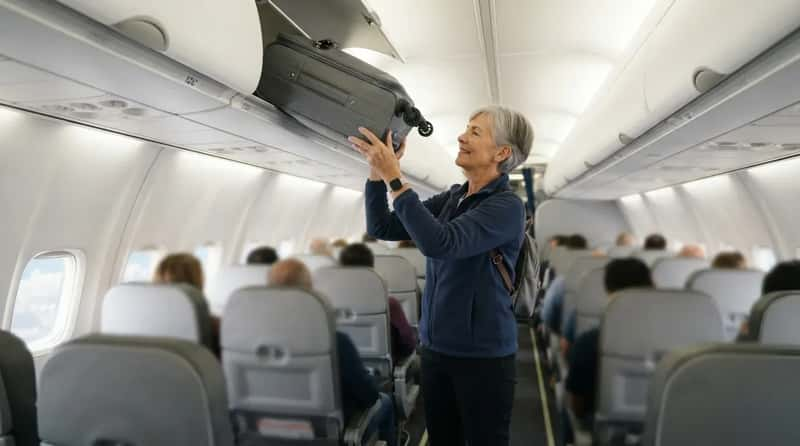
The test is simple. Can you swing the bag into the overhead bin without help? If not, it’s too heavy.
Veteran travelers pack for the trip they can physically handle. A strained shoulder on day one can follow you through the whole vacation. They choose four-wheel spinner bags, pack a few mix-and-match outfits and do laundry on the road. Plenty of younger travelers pack for “just in case” and pay for it at every staircase.
The biggest habit comes before the packing even starts.
#3 – They Talk to Their Doctor Before the Flight Is Booked

Many older travelers schedule a quick medical chat first. They ask about their heart, circulation and medications. They ask whether the destination or altitude is a good idea.
The guidance is real. People who have had a recent blood clot or surgery are advised to ask a doctor whether, and when, long-distance travel is safe. Some travelers also get vaccinations and refills sorted out early. It’s an unglamorous step that prevents the worst surprises.
The danger doesn’t always end when the plane lands, which brings us to #2.
#2 – They Keep Watching Their Legs After They Land

Veterans know trouble can show up later. A calf that’s swollen, painful or warm on one side deserves attention. So does sudden shortness of breath or chest pain.
Clots linked to travel can appear days or even weeks after the trip. Experienced travelers don’t tough it out or blame the long flight. They get medical help quickly. Most trips end with nothing worse than tired feet, but they know the signs.
At a Glance
- Leg signs: swelling, pain or tenderness, warmth and redness, often in just one leg.
- Lung signs: sudden shortness of breath, chest pain, a racing heart or coughing.
- Timing: symptoms can appear days or weeks after you get home.
- Best move: call a doctor right away, and treat breathing trouble or chest pain as an emergency.
And the final habit might be the most human of them all.
#1 – They Schedule a Do-Nothing Day Right After Landing

Younger travelers pack day one with tours, dinner reservations and a full agenda. Older travelers leave it empty. They sleep a little, walk a little and eat early.
That empty day often saves the rest of the trip from a foggy start. Jet lag, stiff legs and decision fatigue all hit at once after a long journey. Rest is part of the plan, not a break from it. Experienced travelers will tell you the best itinerary has space in it.
Look at the whole list and a pattern shows up. Older travelers aren’t slower. They’re better prepared, and they’ve already paid the tuition that younger passengers are still paying: the missed flight, the dead phone, the swollen shoes, the surprise fee.
The next time you see someone calmly refilling a water bottle, walking the aisle at hour three and tucking a paper folder back into a small bag, don’t mistake it for caution. It’s experience, and it’s why they’re the ones who arrive ready to enjoy the trip.