Ask someone who’s never taken a coach tour what the worst part must be, and they’ll guess the itinerary: too many churches, too many gift shops, too much time trapped listening to a guide’s script. Ask an actual tour guide, and they won’t mention any of that. They’ll go quiet for a second, then start telling you about the passengers.
These are the stories guides trade at hotel bars after the last coach pulls into the depot, long after the cathedrals and canyons have blurred together in everyone’s memory. Some are just petty and irritating. A few are genuinely dangerous. All of them explain why the job is less about geography and more about crowd control.
#23 – The Seat Hog Who Claims the Front Row for the Entire Trip
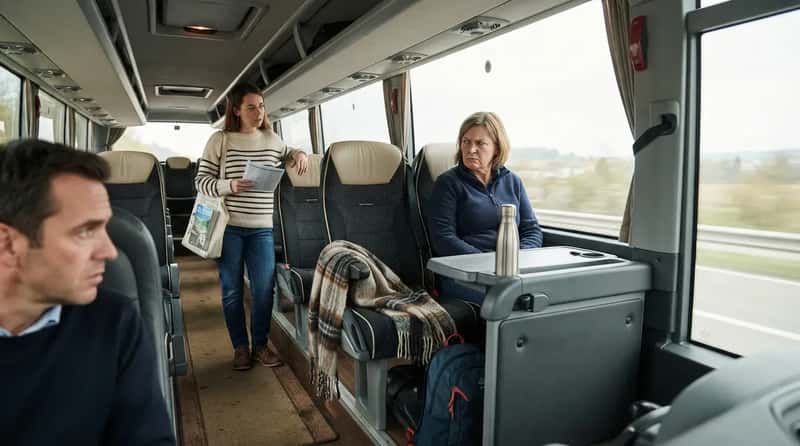
Every coach has one passenger who decides on day one that the front-right seat belongs to them for the rest of the trip, no matter what the assigned rotation says. They show up early, drape a jacket over the armrest, plant a water bottle on the tray, and shoot a look at anyone who dares to approach.
Guides say this single habit sparks more quiet resentment among a forty-person group than almost anything else on the trip. Most tour companies rotate seating for exactly this reason, but it rarely stops the same personality type from trying. It’s a small thing on paper, but on a two-week itinerary it curdles the mood of an entire bus faster than a delayed lunch.
#22 – The Latecomer Who Gets “Oil Spotted” at Every Stop

There’s an old industry term for the passenger who’s always ten minutes behind schedule: getting “oil spotted,” meaning the bus pulls away and all that’s left in the parking lot is the oily stain where they were standing. Every guide has a version of this story, and it always seems to happen at the worst possible moment, like minutes before a border crossing or a timed museum entry.
Be on time when the bus is scheduled to leave, don’t get oil-spotted, is essentially rule number one of every coach tour briefing. Guides swear it’s almost never a random passenger who causes it. It’s the same three or four repeat offenders, trip after trip, tour after tour, year after year.
Fast Facts
- Guides typically take a headcount before pulling away from every major stop, especially border crossings and rest areas.
- Repeat latecomers are often quietly flagged by tour staff for closer monitoring for the rest of the trip.
- Many coach companies now send a text or app alert to lagging passengers before departure, a workaround that didn’t exist a decade ago.
- “Oil spotting” is industry slang, not an official term, but it’s used on tours worldwide.
#21 – The Chatterbox Who Talks Over the Guide’s Microphone

Few things frustrate a guide faster than delivering careful historical commentary while someone a few rows back carries on a full conversation at normal volume, forcing everyone nearby to strain just to hear anything. It also means the guide has to repeat information they already covered, which eats into time meant for the next stop.
One traveler recalled a guide who kept talking right along with the group’s chatter until enough people finally shushed him into silence. Guides say they’ve developed entire strategies just to out-talk chronic chatterers on a microphone, and it’s exhausting work nobody signs up for when they take the job.
#20 – The Self-Proclaimed Expert Who Corrects Every Fact

Somehow, every coach tour attracts at least one passenger convinced they know more than the licensed, trained guide standing at the front of the bus. They interrupt with corrections, argue over dates, and question well-established facts in front of the entire group, turning a tour stop into a debate.
One traveler described watching this exact scene unfold at a cathedral, where a man who claimed he’d been on the tour before spent the whole visit correcting the guide and questioning specific dates, draining the enjoyment right out of the group. Guides say it’s rarely about accuracy. It’s almost always about needing an audience.
#19 – The Traveler Who Packs a Full Deli Lunch for a Sealed Bus
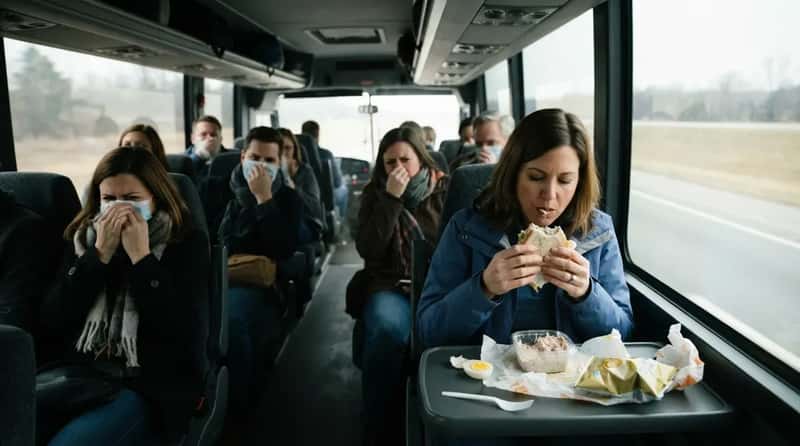
Coaches are sealed, pressurized boxes moving at highway speed, and smell travels fast inside one. Guides describe entire buses turning hostile over a single passenger’s tuna sandwich, hard-boiled eggs, or fast-food bag that lingers in the cabin for the next three hours of driving.
It’s rarely malicious, just bad timing, but the fallout is real and impossible to escape at sixty miles an hour. Windows don’t always open on a highway coach, and the smell has nowhere to go. Guides say they’ve had to quietly ask someone to finish eating at the next rest stop, and it almost never goes over well.
#18 – The Photo Blocker Who Freezes the Aisle
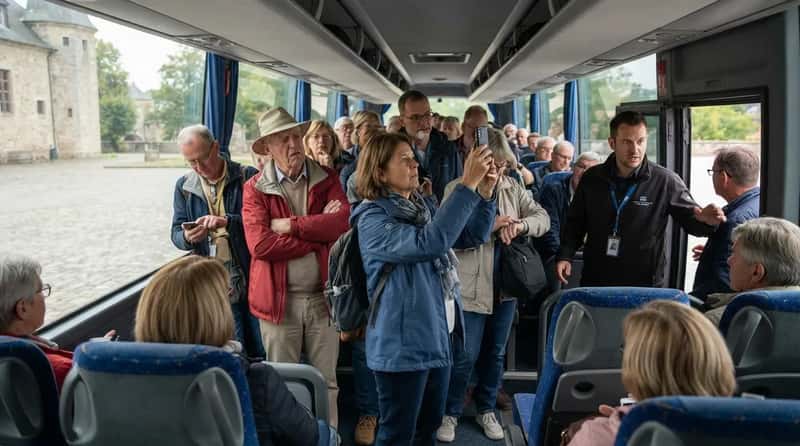
At every major stop, there’s a passenger who plants themselves directly in the doorway or center aisle to snap photos while forty other people wait behind them to get off or back on the bus. It sounds minor until you’re the guide racing against a site’s hard closing time.
The same instinct shows up inside cramped attractions too, where forty people squeeze into a room built for twenty just to hear the guide’s commentary. One person stopping cold to frame the perfect shot can jam the entire group’s flow for minutes at a time, and minutes add up fast on a tight schedule.
#17 – The Weather Complainer Who Blames the Guide for the Sky

Guides can build a flawless itinerary down to the minute, but they cannot control rain, wind, or a sudden heat wave. Somehow, someone always treats bad weather like a service failure, complaining directly to the guide as if they personally scheduled the storm out of spite.
One traveler admitted their guide couldn’t help rolling his eyes when the group complained, mostly about his complete lack of control over the sky. Guides say this complaint is so common it’s become an inside joke of the profession, one they trade at every industry meetup.
#16 – The Clique That Refuses to Sit With Anyone Else

Group tours work best when strangers slowly mix together, but every so often a self-contained clique boards the coach and never breaks formation for the entire trip. They sit together, eat together, and speak to no one outside their tight little circle.
One frustrated traveler described a group of four couples on a Southern France tour who refused to interact with anyone else and insisted on sitting together at every single meal, an awkward pattern that visibly infuriated their otherwise wonderful guide. Guides say cliques like this quietly poison the chemistry of the whole group without ever raising their voice.
#15 – The Solo Traveler Who Can’t Function Without a Rescue

Solo travelers are usually the easiest passengers on a coach tour, low-maintenance and grateful for the company. Occasionally, though, a guide ends up managing someone who genuinely cannot function independently for even five minutes, constantly wandering off and needing to be found.
One group recalled a woman who got lost repeatedly and peppered the guide with frantic questions all day. One evening they found her wandering the streets in tears, completely unsure how to get back. Guides say cases like this are emotionally draining because they involve real safety concerns, not just garden-variety annoyance.
#14 – The Parent Who Dangles a Toddler Over a Moving Railing

This one crosses from irritating straight into alarming, and it’s one of the stories guides tell most often when asked about their worst day on the job. It usually involves a parent treating a basic safety rule as optional, right up until it almost isn’t.
On one open-top tour bus, a guide watched a mother repeatedly ignore warnings and dangle her toddler over the railing, threatening to complain to management every time she was told to stop. The child’s feet ended up on the outside rail of a moving bus while she held him loosely by the waist. The driver eventually pulled over and removed her from the tour entirely.
#13 – The Underdressed Tourist Who Blames the Guide for Frostbite

Guides constantly meet travelers who show up in sandals and a t-shirt for a January walking tour in a city with a genuine, bone-deep winter, then act shocked when they’re freezing an hour later. The moment the shivering starts, it somehow becomes the guide’s problem to solve.
One Paris guide put it bluntly, warning first-time visitors that they might want to wear their best outfit for the photos, but they’ll be freezing, and asking whether they can actually walk any distance in those shoes. Guides say one underdressed, miserable person can genuinely sour the mood for an entire group standing outside a monument in the cold.
#12 – The Midnight Phone Talker in the Back Row
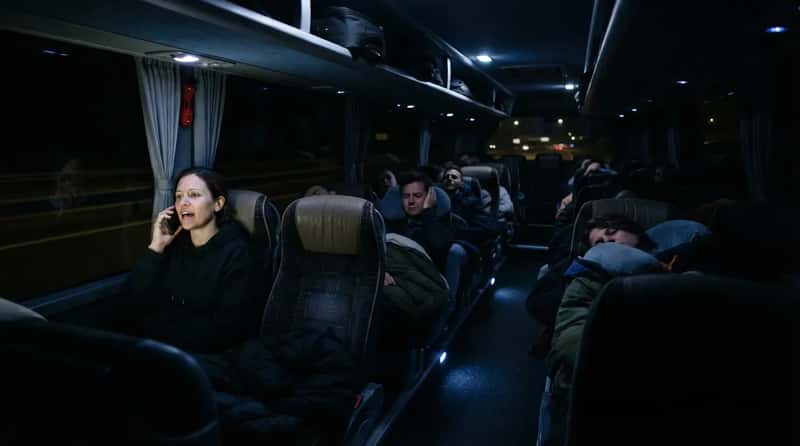
Multi-day coach tours, especially overnight routes, put strangers in extremely close quarters with almost zero privacy. One of the fastest ways to become the most disliked person on board is loudly taking phone calls late at night while everyone around you is trying to sleep.
Industry etiquette guides specifically warn against this, noting that travelers should resist the temptation to make calls from their seat or bunk, especially once the cabin lights go down. Guides say sleep deprivation caused by one inconsiderate passenger can sour an entire group’s mood for the whole next day of sightseeing.
At a Glance
- Most overnight coach tours ask passengers to keep noise to a minimum once the cabin lights go down.
- Headphones and text messages are the go-to workaround guides recommend instead of live phone calls.
- Shared bunks or reclining seats mean sound travels much farther than passengers expect.
- Guides say sleep loss from one noisy night can affect an entire group’s mood the next day.
#11 – The Microphone Hijacker Who Won’t Let the Guide Speak

Some passengers treat every pause on the coach as an open invitation to grab the spotlight, jumping in with unrelated stories, jokes, or strong opinions the second the guide stops for a breath. It derails carefully planned commentary and eats into time meant for the whole group.
Guides say this is different from simple chattiness. It’s a pattern of one person needing to be the center of the bus at all times, and it wears down even the most patient professional after several days of constant interruption on a long-haul itinerary.
#10 – The Wanderer Who Vanishes During Every Free Hour

Free time on a coach tour is supposed to be a break for the guide too, but some passengers use it to disappear entirely, showing up late, unreachable, and completely unbothered by the chaos they’ve caused behind them.
One guide described a passenger who suddenly yelled to stop the bus mid-route, then hopped out the middle door to photograph a pair of wild ostriches and a chick on the roadside. Guides say improvised detours like this throw off tightly scheduled itineraries for every other passenger who followed the rules.
#9 – The Food Critic Who Complains About Every Single Meal

Group meals on a packaged tour are logistically complicated, often cooked for forty people at once with very limited menu flexibility. Guides say there’s always at least one passenger determined to turn every meal into a formal complaint session, regardless of what’s actually being served.
One traveler recalled being served the same handful of options repeatedly, admitting the group had no choice but to eat fish and chips that weren’t very good, while a guide countered that swapping ten different meals for forty people over three days simply isn’t realistic. Guides say constant complaining wears down their patience faster than almost anything else on the road.
#8 – The Bathroom-Break Abuser Who Turns 10 Minutes Into 40

Rest stops on coach tours are scheduled tightly, often down to the exact minute needed before the next attraction’s entry window closes. Guides say certain passengers treat every single stop like a leisurely mall trip, browsing gift shops while forty other people sit waiting on the bus.
Etiquette guides for motor-coach travel specifically warn travelers that if they step off to stretch their legs, they need to be back on board on time, no exceptions. Guides say it’s rarely a random offender. The same handful of people cause this exact delay at nearly every stop of a multi-week tour.
#7 – The Tourist Who’s Rude to Local Vendors
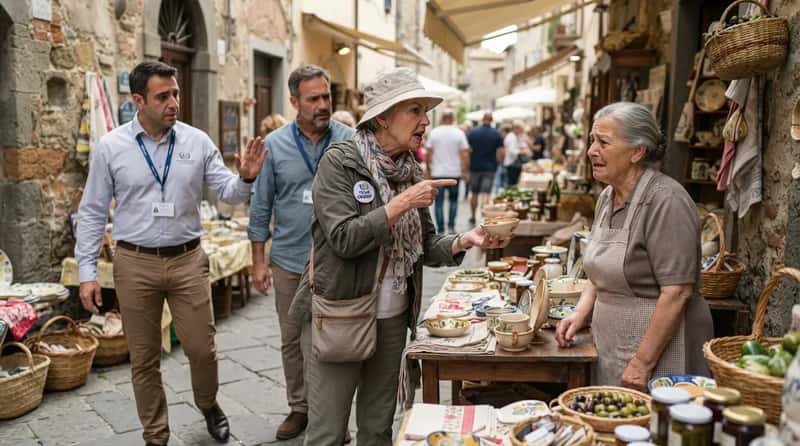
Coach tours frequently stop at local markets, family-run restaurants, and small shops that depend heavily on tour traffic for income. Guides say some passengers treat these stops as an excuse to haggle aggressively, mock local customs, or talk down to workers who don’t speak fluent English.
This kind of behavior reflects directly on the guide and the tour company, since locals often assume the guide silently endorses whatever happens on their watch. Guides say they’ve quietly apologized to vendors after a rude passenger walked away, feeling embarrassed on behalf of the entire group.
#6 – The Hands-On Visitor Who Touches Everything Marked “Do Not Touch”

From ancient artifacts to protected wildlife, coach tours often include stops with strict no-touching policies that exist for real safety and preservation reasons. Guides say enforcing these rules is a constant, exhausting battle with a small handful of passengers on nearly every trip.
One guide described working at a primate sanctuary where a suspension bridge crossing required tourists to go first and the guide to go last, specifically because visitors couldn’t be trusted not to reach out and touch the animals the second they had the chance to linger unsupervised.
#5 – The Guest Who Never Tips and Expects the World Anyway

Tipping culture varies enormously by country, but on tours where guides genuinely rely on gratuities to make a living wage, some passengers demand five-star service the entire trip while contributing nothing at the end of it.
Industry guides acknowledge this tension exists globally, since tipping simply isn’t customary for customer service in some countries, and professional guides say they try not to hold that against travelers who genuinely don’t know local expectations. What frustrates them more is the passenger who clearly knows better and skips it anyway after weeks of extra favors.
Quick Compare
- United States: Tipping tour guides and drivers is widely expected, often built into trip-planning advice.
- Western Europe: Gratuities are appreciated but rarely mandatory, since service charges are sometimes included.
- Parts of Asia: Tipping can be uncommon or even considered awkward under certain local customs.
- Everywhere: Guides say clear guidance from the tour company prevents more confusion than assumptions ever do.
#4 – The Passenger Who Starts a Fistfight Over a Seat
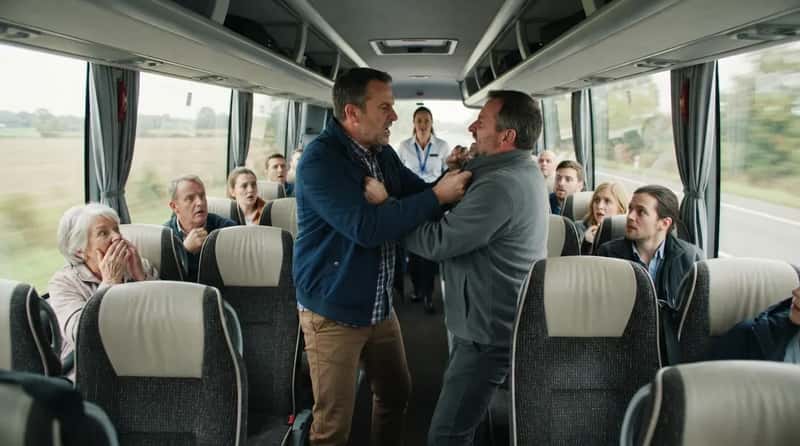
It sounds absurd until you’ve actually watched it happen, but guides say seat disputes have escalated into genuine shouting matches, shoving, and in rare cases real physical altercations between grown adults fighting over a few inches of legroom.
These blowups usually surface on day two or three, once initial politeness wears off and a particular seat starts to feel like personal territory. Guides say the fix is almost always the same: strict, enforced seat rotation starting the very first morning, before anyone gets emotionally attached to “their” spot.
#3 – The Drinker Who Turns the Back Row Into a Bar
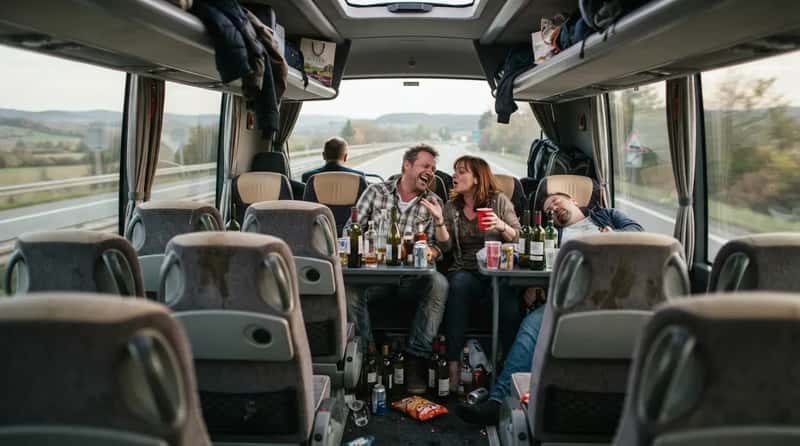
Long driving days tempt some passengers to bring their own alcohol onboard, slowly turning the back rows into an impromptu party that gets louder with every passing hour. Guides say this almost never ends well for anyone involved, including the driver.
What starts as a few celebratory drinks after a winery stop can spiral into slurred arguments, spilled cups soaking into the upholstery, and passengers who can barely stand by the time the coach finally reaches the hotel. Guides say they’ve had to call ahead and warn hotel staff about a passenger’s condition more than once.
#2 – The Sneak Who Smuggles a Pet Onboard

Most coach tour operators have strict no-pet policies for insurance and allergy reasons, but that doesn’t stop determined passengers from hiding a small dog in a carry-on bag, hoping nobody notices for the entire multi-day trip across several hotels.
Guides say the discovery usually happens at the worst possible moment, like a hotel front desk that specifically bans animals, forcing an awkward scramble to find alternative arrangements on the spot. It’s a violation that puts the guide in the impossible position of enforcing a rule against someone who already broke it days ago.
Worth Knowing
- Most coach tour contracts explicitly ban pets for insurance and allergy reasons, with exceptions only for documented service animals.
- Hotels on multi-city itineraries often have their own separate no-pet policies, even when the tour itself allows exceptions.
- Guides say hidden pets are usually discovered at hotel check-in, not on the bus itself.
- A single violation can put an entire group’s hotel booking at risk if management decides to enforce the rule strictly.
#1 – The Passenger Who Walks Off and Doesn’t Tell Anyone
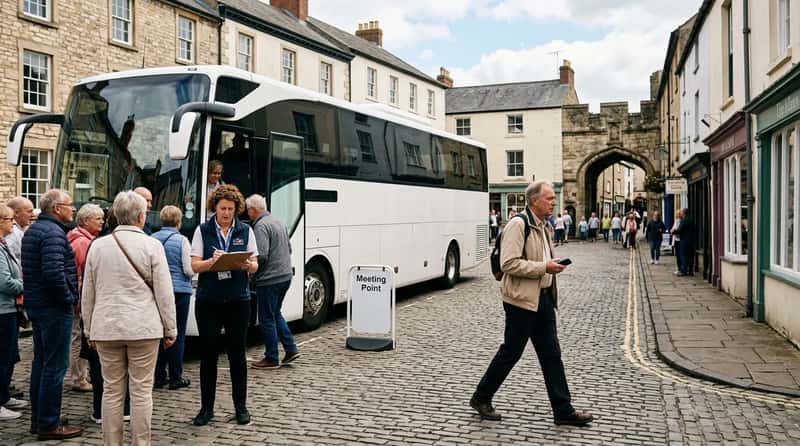
Every guide’s worst nightmare is a headcount that simply doesn’t add up. Someone decides mid-stop to wander toward a different attraction, grab lunch somewhere unplanned, or just lose track of time, and suddenly the entire coach is stalled while the guide scrambles to locate one missing adult.
Guides describe the sinking feeling of realizing a passenger isn’t on the bus at departure time, then spending the next hour calling hotels, walking back routes, and delaying an itinerary for forty other people who did nothing wrong. It’s the story guides tell first when asked what truly ruins a tour, because it turns a shared vacation into a real emergency with almost no warning at all.
Coach tours run on trust, tight timing, and a little shared patience among total strangers stuck together for days at a time. Most passengers never realize how far one bad habit can travel through a group, whether it’s hogging a seat, smuggling a dog, or vanishing without a word to anyone.
Guides remember these moments for years, not because they’re bitter, but because the job has never really been about the cathedrals or the canyons. It’s about forty strangers, one bus, and whoever decides to make it harder than it needs to be.
Which one of these have you actually witnessed on a bus tour? Tell us in the comments, we know you’ve got a story.