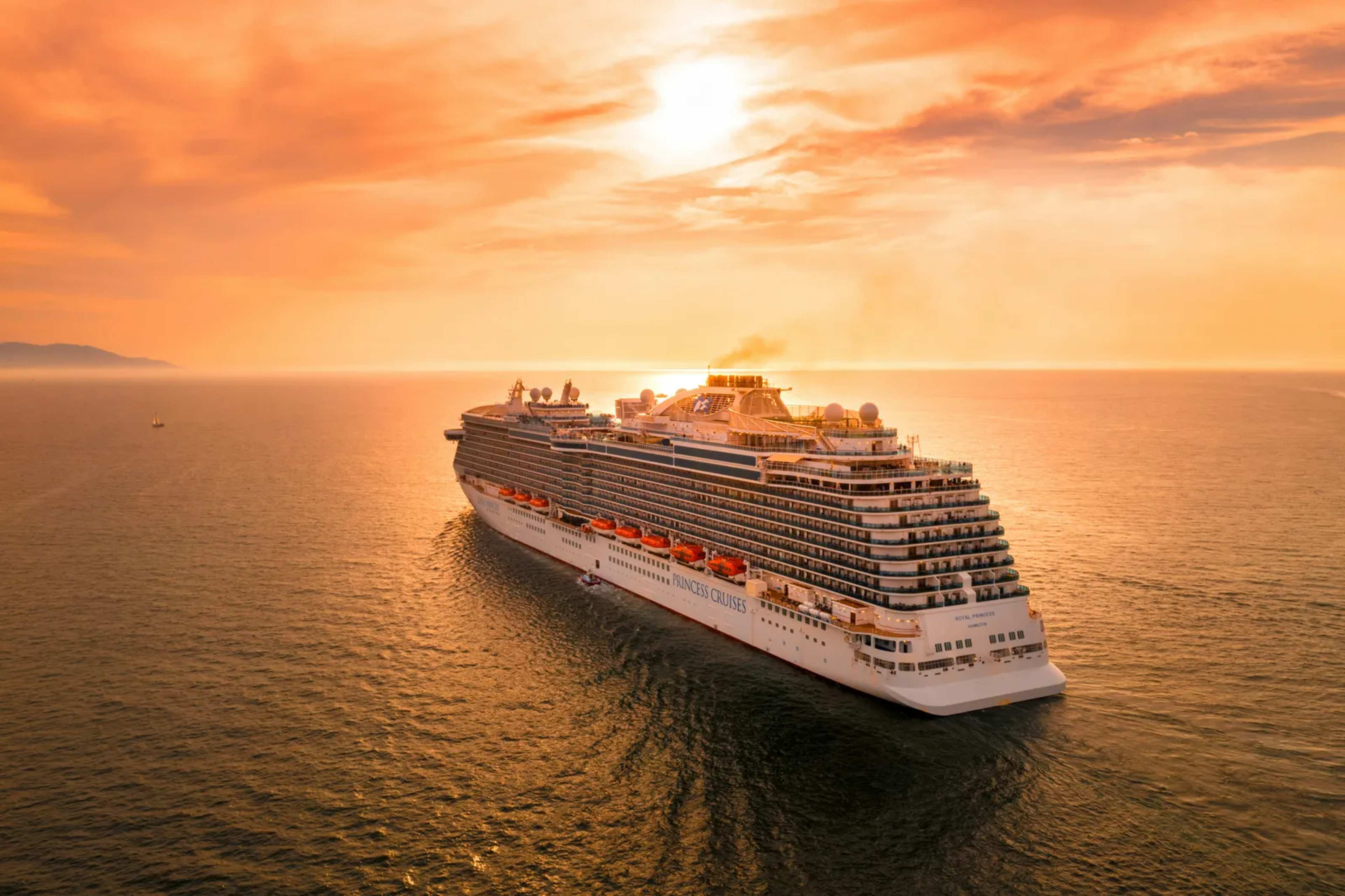
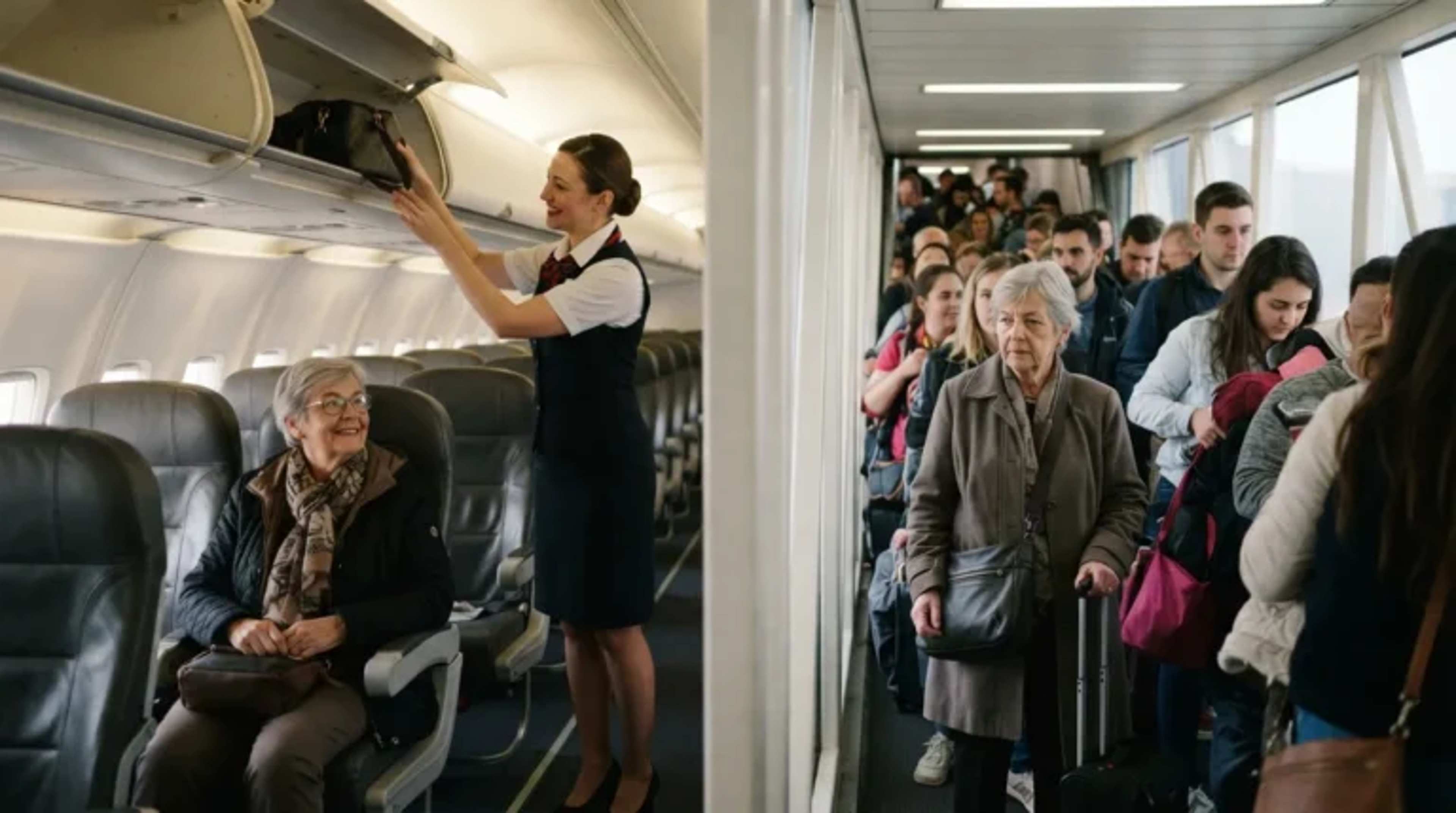
Most first-time cruisers think the vacation starts once the ship pulls away from the dock and the first sea day begins. Veteran cruisers know better – the entire week is actually decided in the first three hours onboard, while everyone else is still hunting for their cabin.
The difference between a smooth week at sea and a frustrating one almost never comes down to luck or budget. It comes down to a handful of quiet, almost invisible moves made on embarkation day, long before the pool deck fills up or the specialty restaurants stop taking reservations. Here’s what the veterans actually do differently, in the order it pays off most.
#23 – They Pack the Swimsuit Where It’s Actually Useful

Checked luggage doesn’t arrive at the cabin for hours, sometimes not until dinner. Seasoned cruisers never let that ruin their first afternoon onboard, so the swimsuit goes in the carry-on, not the suitcase getting loaded onto a cart somewhere below deck.
Pools and hot tubs are often nearly empty during the first few hours, since most passengers are still waiting for their cabins to open before they even think about changing clothes. That means the window between roughly 11 a.m. and 3 p.m. can be some of the least crowded pool time of the entire cruise. While everyone else stands in a hallway staring at a luggage cart, experienced cruisers are already floating.
#22 – They Screenshot the Daily Planner Before Wi-Fi Gets Expensive

Cruise Wi-Fi is notoriously slow and pricey, and nobody wants to burn a data package hunting for a schedule. Frequent cruisers screenshot everything they need before the ship even sails.
That means saving the daily activity planner, dining times, and deck maps to the camera roll the night before departure. Most first-timers don’t realize their phone becomes nearly useless once the ship is fully at sea without an internet plan. Having offline screenshots means never standing in a hallway trying to load a page that refuses to refresh.
#21 – They Skip the Elevator Chaos Entirely

Everyone boards at once, and everyone wants the same elevator to the same deck. Experienced cruisers avoid the whole mess on principle and just take the stairs.
The wait for an elevator on boarding day can stretch past ten minutes, longer than it actually takes to walk up four flights. Seasoned cruisers use the stairs early to learn the ship’s layout at the same time, so it becomes muscle memory for the rest of the week instead of a daily annoyance.
#20 – They Finish the Safety Drill in the First Ten Minutes
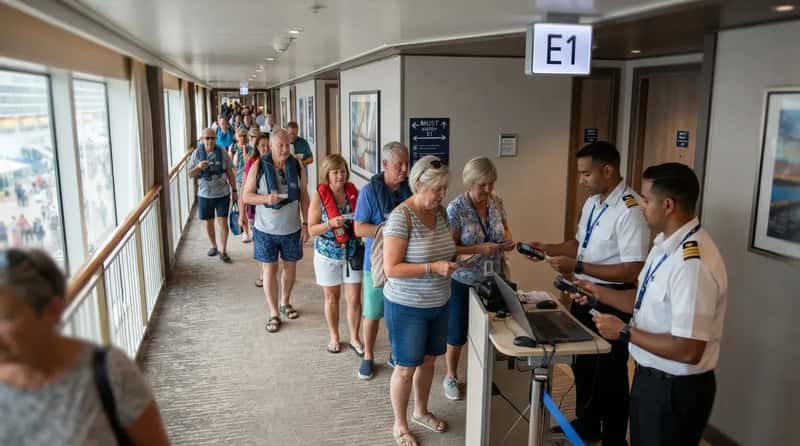
Nobody loves the muster drill, but veterans treat it like a race against the crowd instead of a chore to dread. The ship legally cannot sail without every passenger completing it, so putting it off just guarantees a bigger crowd later.
The move is to watch the safety video and listen for the emergency signal from the app or stateroom TV early in the morning, then head straight to the muster station to check in while lines are still short. Getting it out of the way first thing means the rest of embarkation day is completely free to actually enjoy.
Fast Facts
- International maritime law (SOLAS) requires a safety muster before or shortly after every departure.
- Most major cruise lines now use e-muster, pairing a short video with an app or TV check-in instead of a live crowd drill.
- Crew will call cabins that haven’t checked in, so skipping it is never actually optional.
- Early check-in typically takes under ten minutes; latecomers often wait far longer.
#19 – They Meet the Cabin Steward Before Unpacking a Single Bag
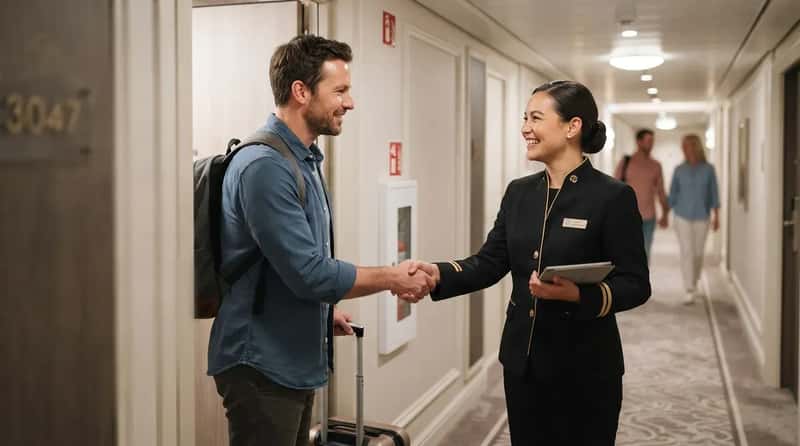
The cabin steward isn’t just housekeeping. For the next seven days, they’re the single most useful person on the entire ship, and most passengers never even learn their name.
A quick hello on day one, before requests start piling in from three thousand other cabins, tends to get faster ice refills, quicker fixes, and quieter turndown service all week long. Attendants remember who introduced themselves first, and it genuinely shapes the level of service that follows.
#18 – They Lock In Specialty Dining Before the Gangway Even Lifts
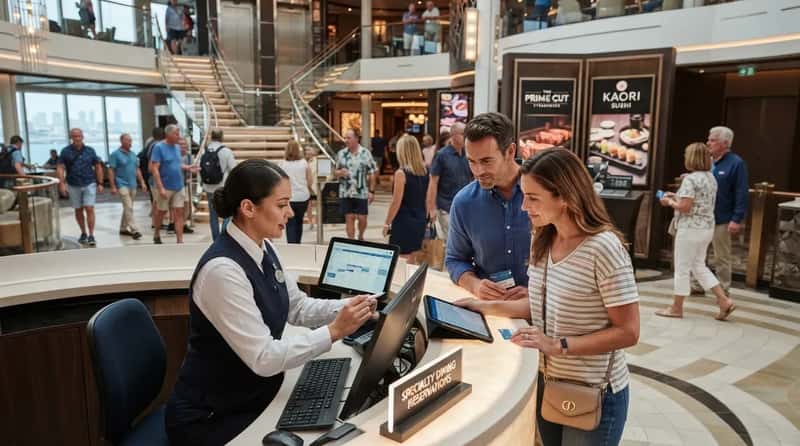
The best steakhouse and sushi reservations disappear faster than most people expect, sometimes within hours of boarding. The prime slots usually open 90 to 120 days before departure, and if that window gets missed, embarkation day is the last real chance.
Experienced cruisers head straight to the reservations desk before exploring anything else, partly because staff often run first-day-only discounts of 10 to 20 percent that vanish by dinnertime. Waiting until day two usually means settling for a 9 p.m. table, or no table at all.
#17 – They Put the Phone in Airplane Mode Immediately

This one sounds small, but it prevents one of the most expensive mistakes on any cruise. Cell phone plans stop working normally the moment the ship reaches international waters, and the roaming charges that follow can be brutal.
A single forgotten text or an app quietly refreshing in the background can end up costing more than the cruise itself. Veterans flip on airplane mode the moment they step onboard, not after the ship has already left the dock, so it’s one less thing to think about for the rest of the trip.
#16 – They Claim the Empty Sun Deck Between 11 and 3
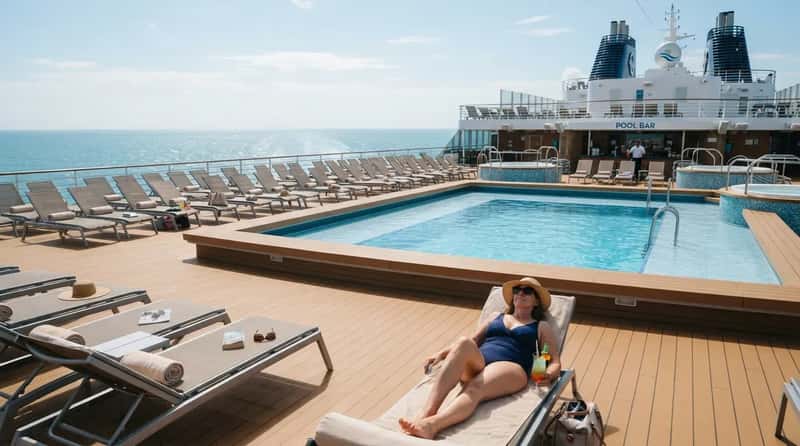
While first-timers are still unpacking suitcases, experienced cruisers are already horizontal by the pool with a drink in hand. Cabins usually aren’t ready until early-to-mid afternoon, which leaves the loungers, hot tubs, and pool bar almost untouched for hours.
This is arguably the single most underrated window of the entire cruise. Nobody is fighting over chairs, bar service is instant, and by the time the ship actually departs, veterans have already banked their best pool hours of the week.
#15 – They Know the “Secret” Lunch Spot Nobody Else Finds
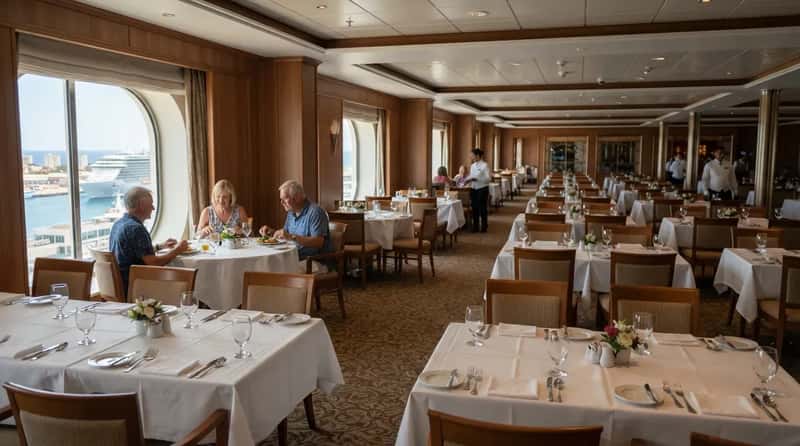
Most first-time cruisers assume the buffet is the only lunch option on embarkation day. That assumption costs them a long line and a mediocre plate, when better options are usually sitting wide open just a few decks away.
The main dining room itself is frequently open for lunch and nearly empty on boarding day, along with a handful of other alternative venues most passengers never think to check. Experienced cruisers walk right past the buffet crowd, and the five-minute detour saves twenty minutes of standing in line.
#14 – They Pack Seasickness Remedies Where They Can Actually Reach Them
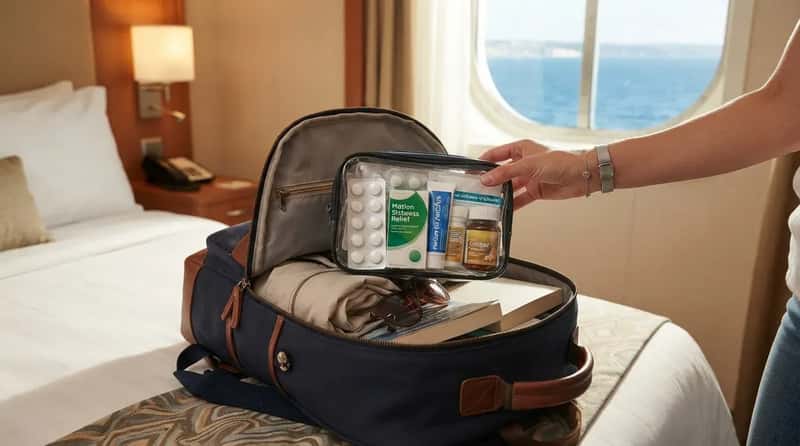
Nobody wants their first sea day ruined before it even starts, and veterans treat this as non-negotiable carry-on cargo. If someone is prone to seasickness, taking a remedy before the ship sets sail is the smart move, since most treatments work best as prevention rather than a cure.
Waiting until symptoms actually hit is already too late for a lot of remedies to work well. Checked luggage can take hours to arrive, so anything meant to prevent nausea needs to be in a pocket or carry-on, not buried in a suitcase somewhere below deck.
#13 – They Hit the Spa Desk Before It Fills Up

Spa prices on a cruise are rarely fixed, and the biggest discounts of the entire sailing show up in the first few hours onboard. Embarkation day deals often run 20 to 25 percent off, sometimes with a free add-on or extended treatment thrown in.
That’s a quarter off a massage that costs full price every other day of the week. Experienced cruisers book a treatment slot within the first hour, long before the spa’s calendar fills up with everyone else’s vacation plans.
At a Glance
- First-day spa specials often knock 20 to 25 percent off the regular treatment menu.
- Deals are frequently paired with a free upgrade or a short add-on service.
- Afternoon slots tend to fill first, so morning booking usually means more choice.
- Prices typically reset to full rate starting the next morning.
#12 – They Toast the Moment They Step Aboard

There’s a small ritual almost every veteran cruiser performs the instant they cross the gangway, and it has nothing to do with logistics. Grabbing a cocktail, a beer, or even a mocktail to toast the start of the trip is a genuine tradition among frequent cruisers.
It’s less about the drink and more about marking the exact second the vacation officially begins. Some do it before finding their cabin, before checking the daily planner, before anything else – a two-minute pause that most first-timers skip entirely while rushing to explore.
#11 – They Walk Every Deck Before Dinner

Modern ships can carry twenty or more dining venues and dozens of activity spaces, and most of it stays completely hidden unless someone actually goes looking. A mid-size ship alone can have eight to twelve separate dining options, and larger ships carry far more than that.
Exploring the ship on day one means fewer surprises later, since plenty of first-time cruisers finish their trip realizing they missed something simply because they never knew it existed. Veterans treat the walk-through as mandatory reconnaissance, not sightseeing.
#10 – They Book Shore Excursions Months, Not Days, Ahead

The best excursions in the most popular ports sell out long before the ship ever leaves the dock, and there’s no waitlist that fixes that once it happens. Waiting until embarkation day for a popular tour almost guarantees disappointment.
Experienced cruisers treat excursion booking the same way they treat flights – the earlier, the better – especially for anything with limited group sizes like snorkeling trips or small-boat tours. Showing up hopeful on day one is a gamble most veterans refuse to take.
Quick Compare
- Small-group tours like snorkeling or kayaking: book months ahead, sell out first.
- Large bus or walking city tours: more capacity, often bookable closer to departure.
- Holiday weeks and Caribbean sailings: highest demand, earliest sellouts.
- Cruise-line-booked excursions: the ship waits if the tour runs late; outside operators offer no such guarantee.
#9 – They Fix Their Dining Table on Night One, Not Night Three
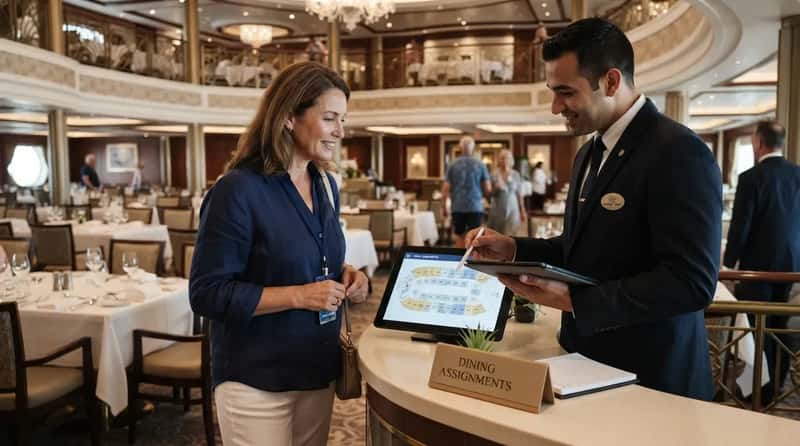
A bad table assignment can quietly ruin an entire week of dinners, and most people don’t realize it can be fixed almost immediately. Stopping by the main dining room during the first walk-through to confirm the assignment is worth the five minutes it takes.
Some ships even run a separate desk specifically for dining changes on embarkation day. Waiting until after the first awkward dinner just means competing with everyone else who had the same idea a day too late.
#8 – They Claim the Pool Deck at Sunrise

There’s a version of the ship that almost nobody sees, and experienced cruisers guard the secret carefully. At 6 a.m. there are no crowds fighting for loungers and no announcements echoing through the corridors, just the sound of water and maybe a jogger or two.
It’s the one hour of the day when the entire top deck belongs to almost no one. While the rest of the ship sleeps in, veterans get coffee, quiet, and an ocean view with zero competition for a chair.
#7 – They Order Specialty Food at Happy-Hour Prices

Full-price specialty dining isn’t the only way to taste the good stuff, and most first-timers never figure this out. Specialty restaurants often run bar menus during off hours – same kitchen, half the price, no reservation required.
That means steakhouse-quality food without the steakhouse-sized bill. Experienced cruisers scope this out during their first walk-through so they already know when the bar menu opens later in the week.
#6 – They Request Cabin Tweaks Before the First Night
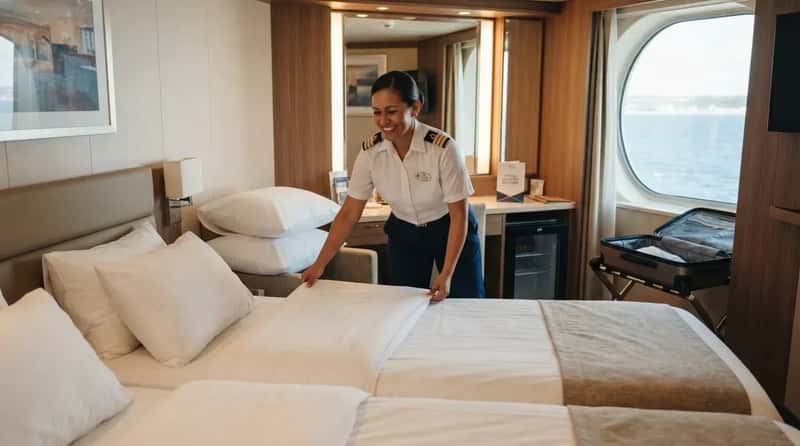
Extra pillows, a rearranged bed setup, an emptied minibar – none of it requires waiting, and veterans know the sooner they ask, the sooner it gets handled. Day one is the best time to make special requests, before three thousand other cabins start calling in theirs.
Requests made early get handled before the steward’s workload doubles. First-timers often wait days to mention something small, then wonder why it takes until the end of the cruise to finally get fixed.
#5 – They Download the App Before They Lose a Strong Signal

Cell service disappears fast once the ship pulls away from land, and the cruise line’s own app becomes the only reliable map onboard. It gives access to deck maps, menus, and schedules without needing a strong connection.
Most first-time cruisers don’t download it until they’re already lost somewhere on deck nine. Experienced cruisers install it days ahead, while they still have full bars and can actually load it without fighting a slow ship network.
#4 – They Build a Relationship With One Server, Not Ten
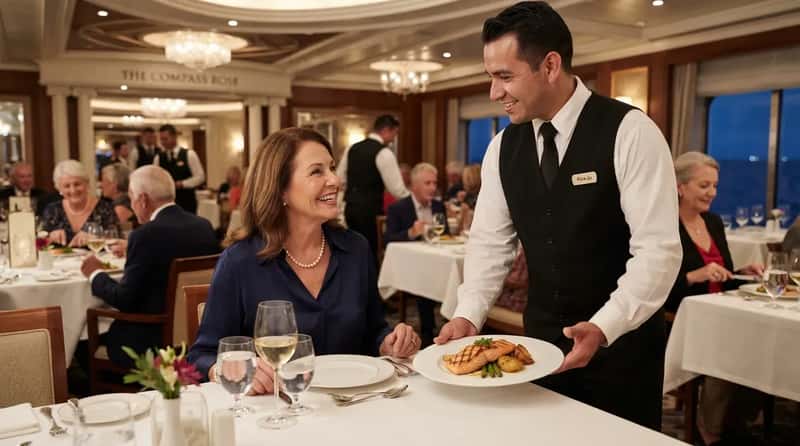
Rotating between random dining venues every night sounds flexible, but veterans know consistency pays off more. If a guest enjoys their waiter on the first night, asking to be seated in that section for the rest of the cruise is usually possible.
That kind of rapport means the server learns preferences fast and starts personalizing the service without being asked. By night three, that server already knows the order before it’s spoken – a small loyalty move that pays off every night that follows.
#3 – They Check In at Muster Through the App, Not in Line
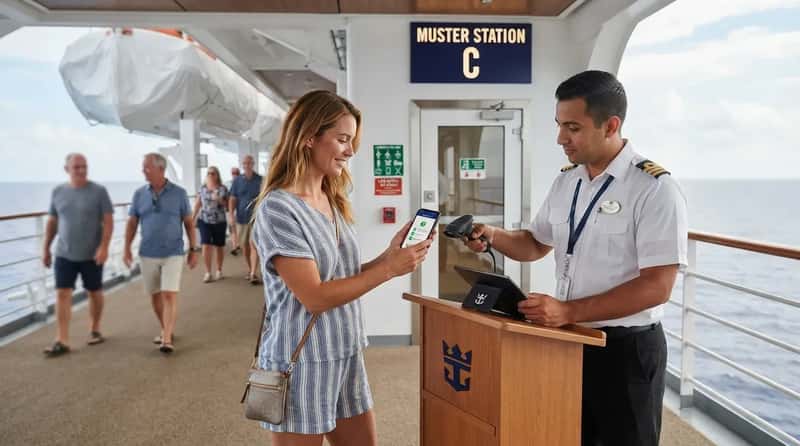
The muster drill used to mean standing shoulder-to-shoulder with a thousand strangers. That’s no longer how experienced cruisers handle it, thanks to e-muster systems now used on most major cruise lines.
Passengers watch a short safety video on the stateroom TV or the app, then simply check in at their assigned muster station for a quick verification by crew, usually taking just a few minutes. Veterans knock out the video from their cabin before even unpacking, then check in at the station in under five minutes flat.
#2 – They Weigh Early-Boarding Perks Before Assuming They’re Worth It
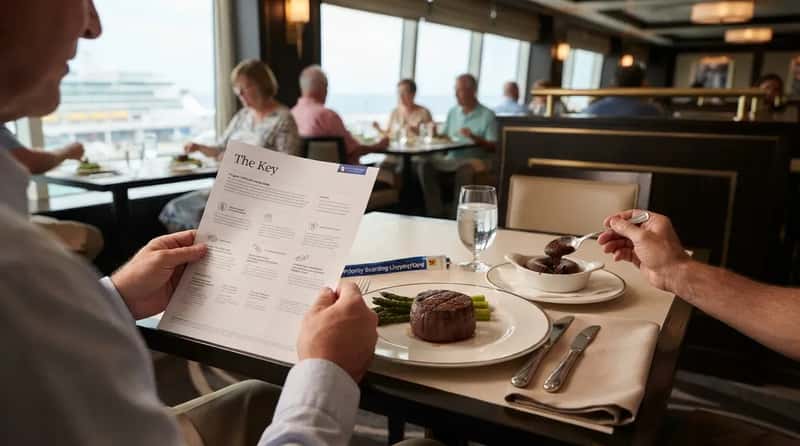
Programs that promise early boarding and priority perks sound like an obvious win, but seasoned cruisers don’t buy in blindly. Royal Caribbean’s “The Key” program, for example, gets genuinely mixed reviews, with some passengers loving it and others calling it a waste of money.
One perk that keeps it interesting is a boarding-day lunch with selections from Chops Grille, including filet mignon and warm chocolate melting cake. Experienced cruisers read the actual perks list line by line instead of assuming “priority” automatically means “worth the money.”
Worth Knowing
- Perks can vary by ship and itinerary, so the exact list isn’t identical fleet-wide.
- Priority boarding doesn’t guarantee an early cabin – room readiness runs on its own schedule.
- Some individual perks, like a specialty dining discount, can sometimes be bought separately for less than the full package.
- The best value tends to go to travelers who use every included perk, not just the boarding priority.
#1 – They Never Wait Until Day Two to Fix Anything

This is the single habit that separates a relaxed sea day from a frustrating one, and it applies to nearly everything on this list. Dining assignments, specialty reservations, cabin requests, excursion bookings – anything left unresolved on embarkation day only gets harder to fix once the ship is fully at sea.
Most first-timers assume there’s plenty of time to sort things out later, but wait times climb fast once the crowds settle in, especially on sea days. Experienced cruisers know embarkation day is the only low-traffic window on the entire trip, and they use every hour of it before the first sea day crowd shows up.
None of these habits require luck or a big budget, just knowing which hours actually matter before the ship leaves the dock. The muster drill, the dining reservations, the swimsuit packed in the carry-on – they’re small moves, but skipping them is exactly why first-timers spend their first sea day fixing problems veterans avoided entirely.
The real secret isn’t doing more. It’s doing the right few things in the first three hours, while everyone else is still finding their cabin.