Most first-time RVers think a good night on the road just comes down to finding a flat spot and locking the door. That’s the myth. Veteran travelers who’ve logged tens of thousands of miles know that the difference between a peaceful night and a 2 a.m. panic isn’t luck – it’s a specific set of small, almost invisible habits repeated at every single stop.
None of these habits are secret, exactly, but almost nobody talks about them until something goes wrong. The RVers who’ve been doing this for decades don’t skip a single one, even on a “quick” overnight. Here’s what they actually do before they ever close their eyes.
#24 – They Never Roll Into a Lot Without Making One Phone Call First

Veteran RVers treat the phone call to a store or manager as non-negotiable, not optional. Even if an app marks a location as open to overnighters, it’s smart to ask for permission at the service desk when you arrive, since overnight parking is always at the discretion of the store manager. Skip that step and you risk a knock on the door at midnight.
Corporate policy means almost nothing at the local level. Walmart’s overnight parking rules vary store by store, and most locations only allow it with direct permission. One call saves an awkward relocation in the dark. But that’s nothing compared to what we found about #23.
Fast Facts
- Walmart’s official stance leaves overnight parking entirely up to individual store managers, not corporate policy.
- Cracker Barrel has long had a reputation as one of the most RV-friendly restaurant chains for overnight stays.
- Cabela’s and Bass Pro Shops often welcome overnight RVers in their large lots, especially near the outer rows.
- Local city ordinances can override store permission entirely and ban overnight lot parking outright.
#23 – They Back Into the Spot Facing Their Exit Route
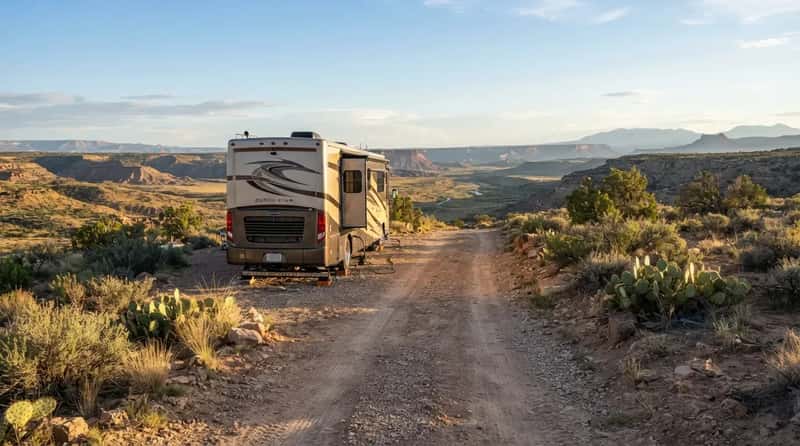
Nobody talks about this one, but it’s second nature to anyone who’s boondocked for more than a season. Positioning the rig so it can pull straight out, rather than backing through a maze of parked cars, matters most when there’s a reason to leave fast – bad weather, an uneasy feeling, or an unexpected “move along” request.
It sounds paranoid until the one night it isn’t. Veterans call this the five-second rule: if you can’t be moving within five seconds of deciding to leave, you’re parked wrong. It costs nothing to do and saves everything when it counts. Next up, the leveling mistake almost every rookie makes.
#22 – They Skip the Big Leveling Blocks at Overnight Stops
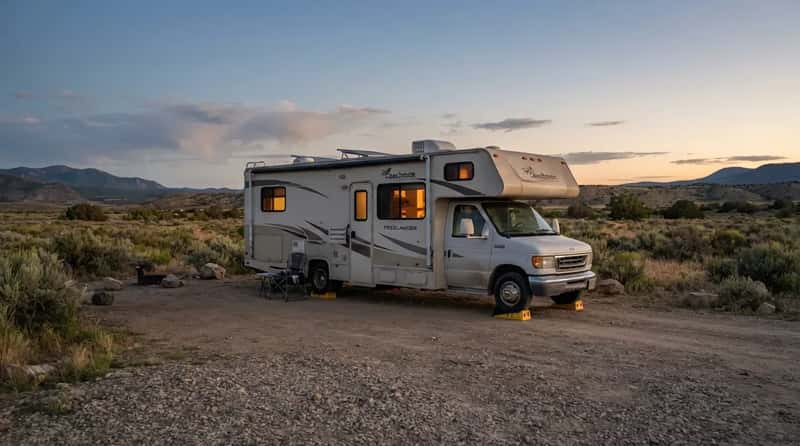
Large leveling blocks feel like a smart upgrade until you actually need to leave in a hurry. Veteran boondockers avoid using large leveling blocks when possible, since they may need to drive away in the middle of the night, and many keep only a cheap set of small blocks they’d be willing to abandon.
The smarter move, seasoned travelers say, is simpler than it sounds: just find a flatter spot instead. Some RVers make sure they park somewhere flat so blocks aren’t needed at all. It’s a tiny habit, but it removes one entire obstacle between “asleep” and “gone.”
#21 – They Text Their Exact Coordinates Before They Lose Signal
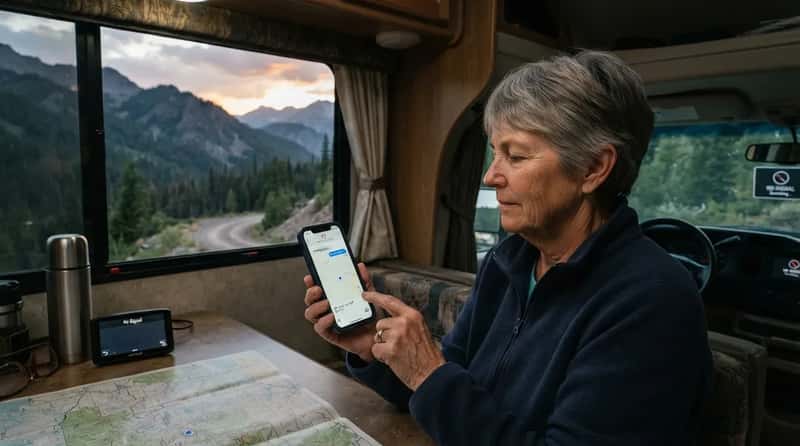
A vague “somewhere near the forest” text doesn’t help anyone in an emergency. Telling someone where you’re going is a good start, but a rough description may not be enough if help is needed, so veterans send a trusted person the best location details they have before losing service.
This habit gets updated constantly, not just done once. If plans change, an updated location gets sent before moving deeper into an area with no signal. It takes thirty seconds and it’s the single easiest safety net in the entire hobby. Next: the strange trick solo travelers swear by.
#20 – They Fake a Second Person at Camp
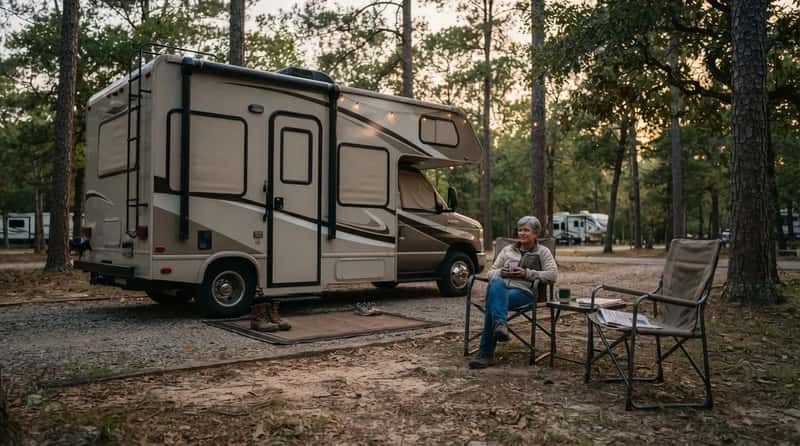
This one sounds almost silly until you hear why it works. Veteran solo RVers lock compartments, close shades, avoid leaving gear scattered around, and sometimes set out an extra chair or pair of shoes to make camp look less obviously solo.
Some go a step further and add men’s-size boots by the door or a second folding chair angled like someone’s mid-conversation. It’s cheap theater, but it works on the only audience that matters. Wait until you hear what full-timers do with an actual dog – or a sticker of one.
#19 – They Put Up an Alarm or Dog Sticker, Even Without a Dog
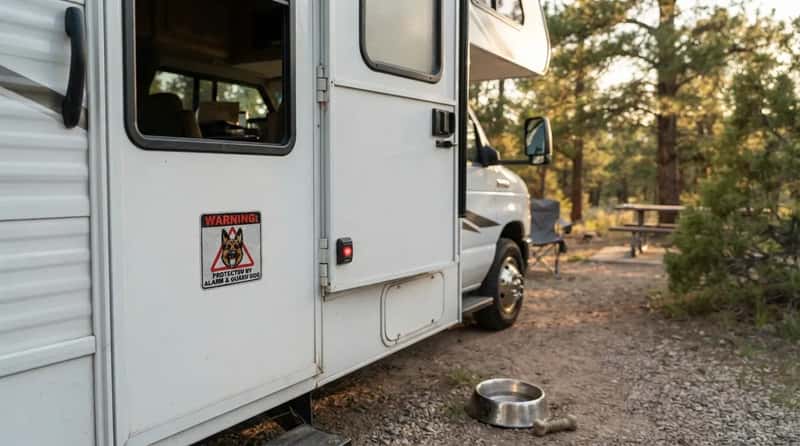
A small sticker on the door has an outsized effect on anyone scoping out a rig. Veterans place a sticker on the RV to indicate an alarm system or guard dog is inside as one way to minimize the odds of being targeted.
Real dogs work even better, and it’s not just about the barking. Installing an actual 12-volt alarm or bringing a dog along works because a dog makes a great alarm system, and no one wants to be bitten by one. It’s the cheapest deterrent in the entire RV world.
#18 – They Sleep With the Key Fob Within Arm’s Reach
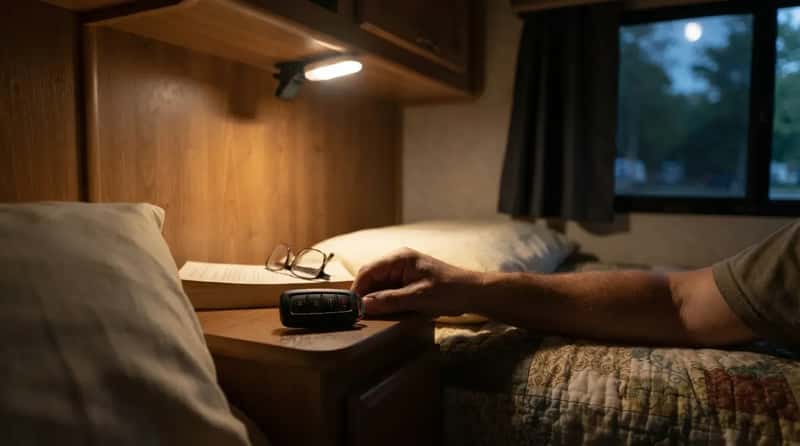
This habit gets skipped constantly by newer travelers, and veterans notice immediately. If the RV is equipped with a wireless remote key fob, experienced travelers keep it nearby when camped. A fob buried in a bag across the rig is useless in an emergency.
It’s a two-second habit – fob on the nightstand, every single night, no exceptions. The RVers who’ve had a genuine scare never go back to leaving it in a jacket pocket. Coming up: the checkpoint most people forget before choosing where to sleep at all.
#17 – They Check for Cell Signal Before Committing to a Spot
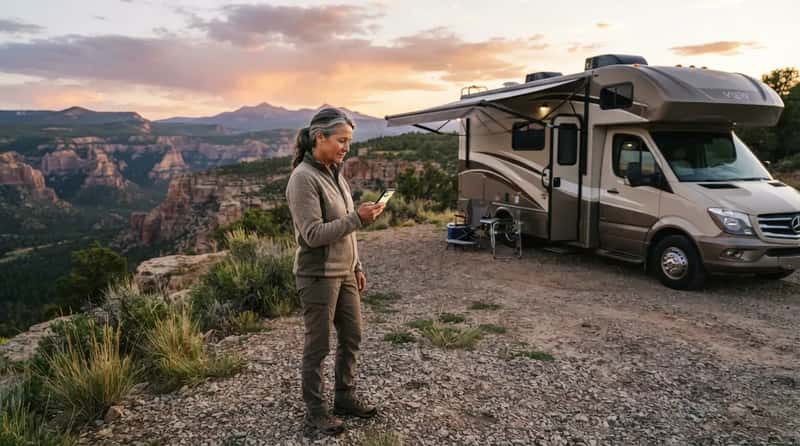
Scenery loses every argument against safety for seasoned travelers. Veterans park where there’s cell service whenever possible, since being able to make an emergency call matters both for safety and peace of mind.
Plenty of gorgeous overlooks get passed up for this exact reason. A dead zone with a perfect sunset view is still a dead zone if something goes wrong. Some travelers now carry satellite communicators specifically to close this gap. Next up, the rule that decides whether you’re seen or hidden.
#16 – They Deliberately Choose to Be Hidden or Obvious – Never In Between
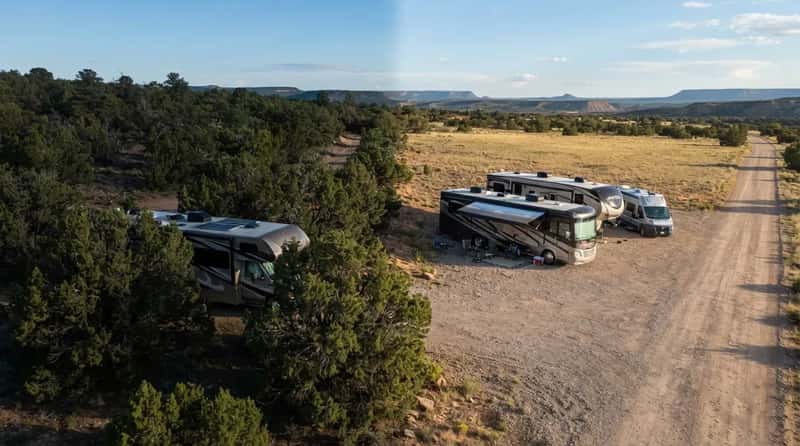
Half-measures are the real risk here, according to people who’ve done this for years. Many veteran boondockers park out of sight of main roads and public areas wherever possible, since it keeps them from being an easy target for anyone passing by.
But there’s a flip side just as important. Hiding away also means being able to peer out a window to check the source of any noise, though if hiding isn’t possible, parking near other RVs adds real safety in numbers. Pick one strategy and commit – don’t sit exposed halfway between both.
Quick Compare
- Hidden spot: Harder to notice from the road, but slower for help to find you if something goes wrong.
- Visible spot: Easier for other RVers or staff to check on you, but also easier for anyone else to notice you too.
- Half-tucked spot (avoid): Hard to see out of and easy to be seen from – the worst combination of both.
#15 – They Treat 10 P.M. Like a Hard Deadline for Noise
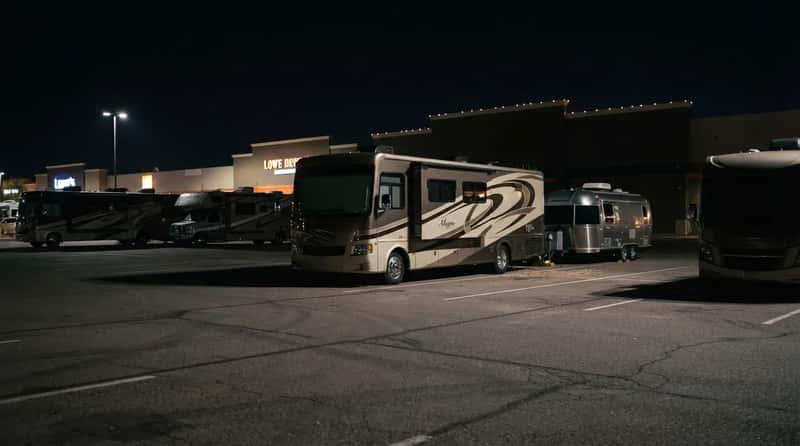
This is the rule that decides whether a location stays RV-friendly for the next traveler. Veterans run generators sparingly and observe quiet hours from 10 p.m. to 7 a.m., or whatever’s posted locally.
Retail lots run on an even stricter clock now. No generator use is allowed unless explicit permission is given, and even then, not after 10 p.m. One loud generator at midnight can get an entire policy revoked for every RVer after you. Coming up, the awning mistake that gives you away instantly.
#14 – They Never Extend the Awning at a Parking-Lot Stop
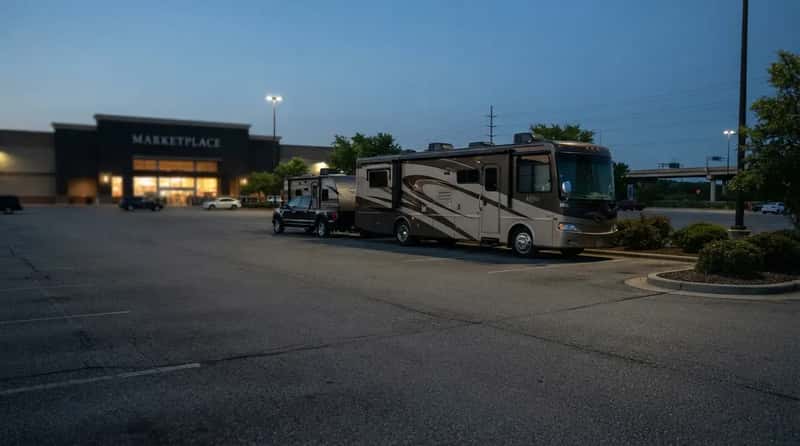
This is the fastest way to turn a quiet overnight stay into a confrontation. Store-lot etiquette means no awnings, no outdoor chairs, rugs, or grills, and no unhitching the trailer.
The logic is simple: a parking lot isn’t a campsite, and looking like one invites trouble. This isn’t camping – you’re not setting up a home base. Veterans set up nothing they can’t pack away in under two minutes. Next, the habit that keeps entire chains RV-friendly for years to come.
#13 – They Spend at Least $30 Inside, Every Single Stay

Free parking has a quiet price, and experienced travelers pay it every time. Shopping inside and spending $30 to $50 on groceries or supplies gives the store manager a business reason to keep allowing overnight parking.
It’s not charity – it’s strategy. This small purchase is considered the single most effective way to protect the privilege for future travelers. Skip it enough times across enough stores, and the whole overnight-parking tradition disappears.
#12 – They Would Rather Drive Miles Out of the Way Than Dump a Tank Illegally
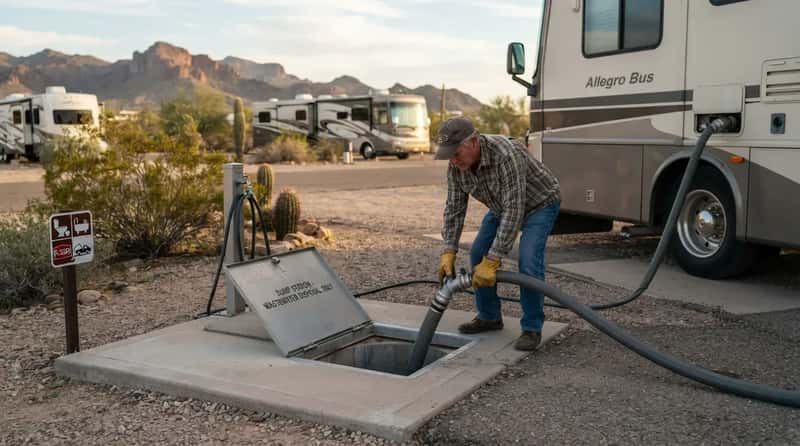
This is the one rule veteran RVers treat as sacred. Waste always gets disposed of properly, and tanks are never dumped on the ground under any circumstance.
The consequences ripple far beyond one campsite. Dumping gray water, black water, or trash in a parking lot is the fastest way to get RV parking banned at a location permanently. One bad night from one careless traveler can close a spot for thousands of future RVers. Coming up: the packing habit almost nobody does until it’s too late.
#11 – They Pack Emergency Gear Even for a “Simple” Overnight
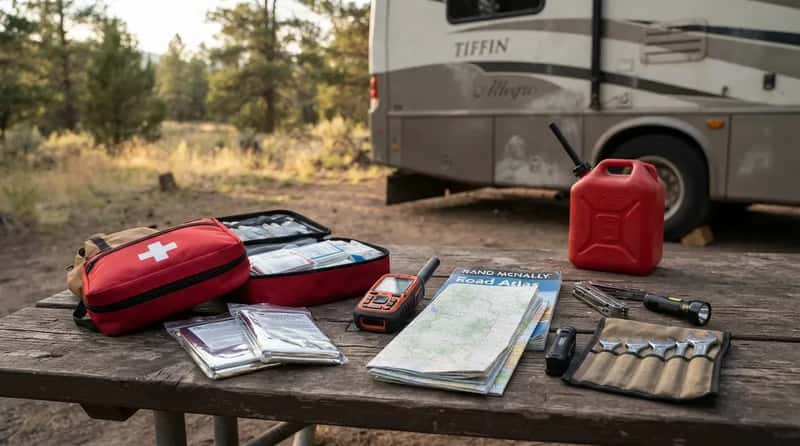
Veterans never assume a short stop means low risk. A first aid kit, emergency blankets, tools, a spare tire, extra fuel, paper maps, and a satellite communicator get packed because you may never use them – but you’ll be glad you did if you need them.
Paper maps in particular surprise newer travelers. Most rookies drop paper maps first – most veterans refuse to. A dead phone or a dead zone doesn’t care how experienced you are. Next: the water rule most people learn the hard way.
#10 – They Always Carry a Backup Water Supply, Even With Full Tanks
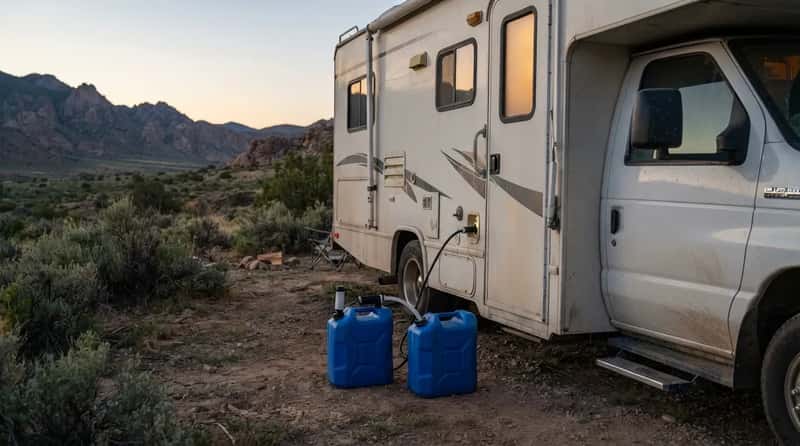
Full tanks aren’t considered enough of a buffer by anyone who’s actually run dry overnight. Seasoned boondockers recommend bringing at least two six-gallon jugs to refill the RV’s supply as a backup.
It’s a small amount of storage space for a massive amount of peace of mind. Running out of water at 11 p.m. in the middle of nowhere is a wake-up call every veteran has heard about at least once. Coming up, the habit that decides whether wildlife visits your campsite overnight.
#9 – They Never Leave Trash Outside Overnight, No Matter How Remote the Spot
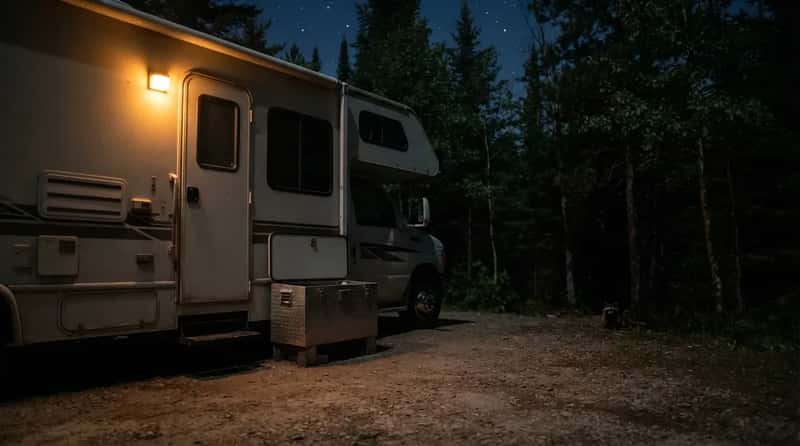
This habit gets ignored constantly by first-timers who assume nothing’s around. Practical boondocking problems are often as simple as wildlife getting into trash overnight, not dramatic emergencies.
Veterans treat every remote spot as if something is watching, because often something is. A single unsecured trash bag can turn a peaceful night into a 3 a.m. standoff with a raccoon – or worse. Everything goes inside, every night, without exception. Next up, the review habit that saves entire trips.
#8 – They Read Recent Reviews Before Ever Committing to a Spot
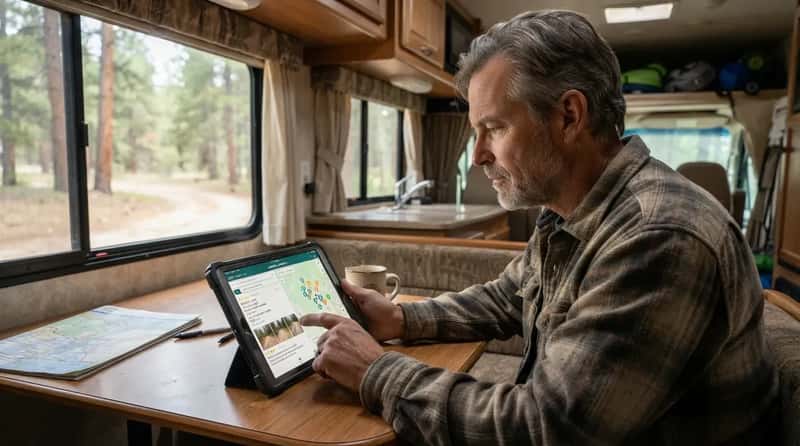
A beautiful photo online means nothing about the actual road getting there. Veterans read reviews before heading out, looking for mentions of ground clearance, overhead clearance, and rough dirt roads – and if it sounds like the vehicle won’t make it, they skip it.
Apps built specifically for this have changed the game entirely. Public WiFi at nearby towns and crowd-sourced location apps help travelers verify conditions before committing, since many boondocking areas sit far from services. Skipping this step is how RVs end up stuck on roads never meant for them. Coming up, the community secret most beginners have never heard of.
#7 – They Tap Into a Private Network of Free Overnight Hosts
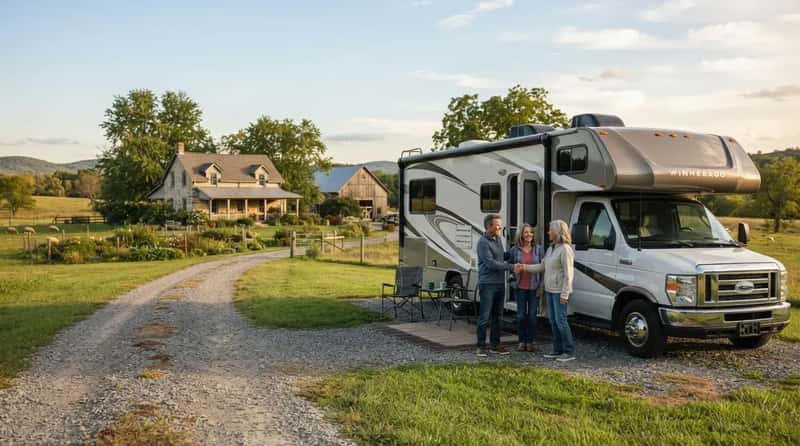
This is one of the most underrated habits in the entire RV world. Boondockers Welcome connects RVers with private property owners who offer free overnight parking on their land, with members paying about $50 annually for access to roughly 2,800 host locations across North America.
The arrangement runs almost entirely on trust and hospitality. Hosts welcome travelers because they enjoy meeting people and supporting the RV lifestyle, not for profit, and guests arrive self-contained while respecting property rules. Most tourists never discover this network exists – veterans build entire routes around it. Next: the noise habit that saves marriages on the road.
At a Glance
- Membership runs about $50 a year for access to the network.
- Roughly 2,800 host locations are spread across North America.
- Guests are expected to arrive fully self-contained and follow each host’s property rules.
- Hosts join for community and hospitality, not payment – most stays are completely free.
#6 – They Pack Earplugs Like It’s Non-Negotiable Gear
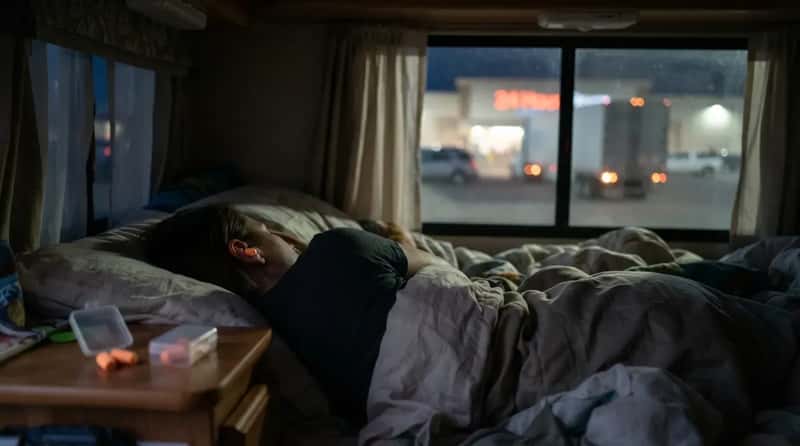
Even the best-reviewed overnight spots come with a catch. Many 24-hour stores mean parking-lot noise continues throughout the night, and depending on location, overnight parking can be a quiet respite or a sleepless ordeal.
Deliveries are the real culprit, not other campers. Even if the store is closed overnight, inventory deliveries by loud trucks often happen in the wee hours of the morning, so a comfortable pair of earplugs blocks out the clamor. Rookies get one bad night before they learn this lesson permanently.
#5 – They Never Park Near Entrances, Loading Docks, or Fire Lanes
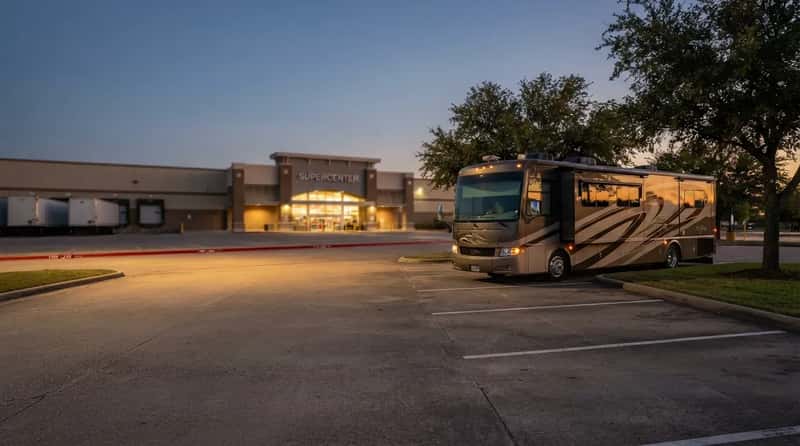
This is a habit that separates a welcomed guest from a towed vehicle. Choosing a parking spot thoughtfully means avoiding store entrances, loading docks, or fire lanes, which keeps access clear for customers and delivery trucks.
Enforcement has gotten noticeably tougher in recent years, and it isn’t always the police showing up. Some locations now hire private companies to patrol overnight, and a parking ticket from one of those firms can arrive with almost no warning. The edge of the lot, near the tire center or open field, is where veterans always aim. Coming up, the surprising truth about RV crime rates.
#4 – They Stop Worrying About Break-Ins Once They Learn the Real Numbers
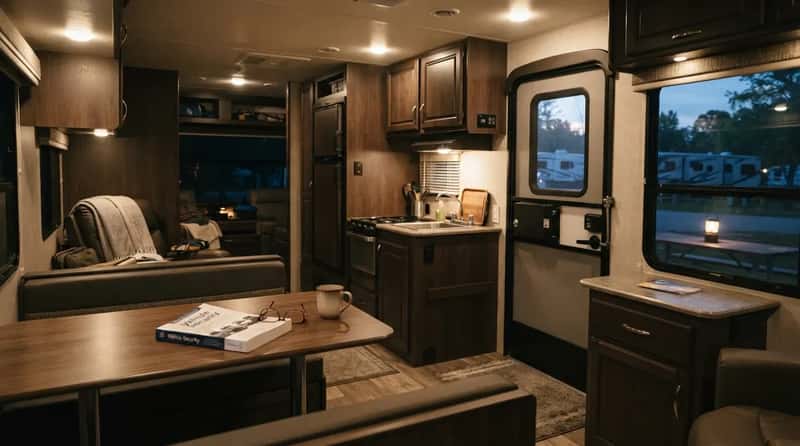
Most people assume RV theft is common. It isn’t. Statistically, you’re much more likely to be a victim of theft in your own home than in your RV, and RV crime simply doesn’t show up much when you search for actual statistics.
There’s a straightforward reason burglars skip RVs in the first place. Thieves know that appliances and jewelry easily pawned aren’t as abundant in RVs as in residential homes, so more often than not, burglars target the house instead. The fear almost always outpaces the actual risk. But veterans still follow one rule that undercuts every worst-case scenario. Next up.
Worth Knowing
- Home burglary rates are consistently higher than RV theft rates nationwide.
- Burglars often skip RVs because there’s less easily-pawned property inside compared to a house.
- Most reported RV incidents trace back to unlocked doors or valuables left in plain sight, not forced break-ins.
- Simple deterrents like door stickers or a dog do more to prevent theft than expensive security systems.
#3 – They Rotate Stops Instead of Wearing Out Their Welcome Anywhere
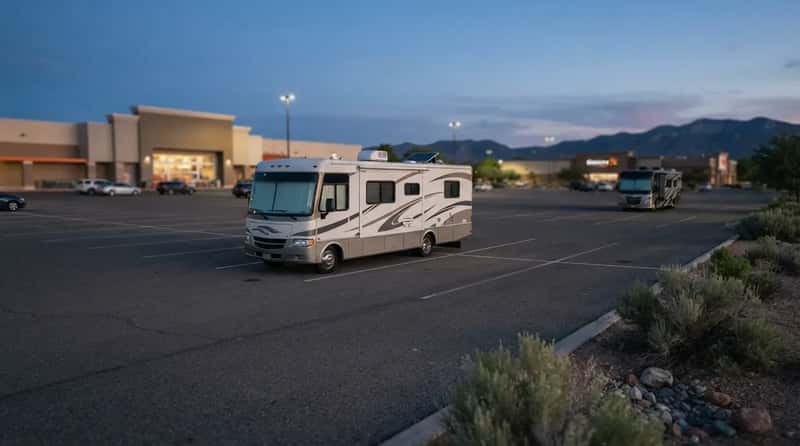
This one gets overlooked constantly, and it’s quietly killing overnight parking access nationwide. You’re not setting up a home base – if multiple nights are needed in an area, veterans find a campground or rotate between different stores, since treating lots like free long-term parking is the reason so many locations have changed their policies.
One night, then move – that’s the entire unwritten contract. Veterans treat every free overnight spot as a privilege extended to the next traveler, not a permanent solution. Break that rule enough times across enough locations, and the option disappears for everyone. Coming up, the habit almost nobody admits to publicly.
#2 – They Do a Full Walk-Around Before It Gets Dark, Every Time
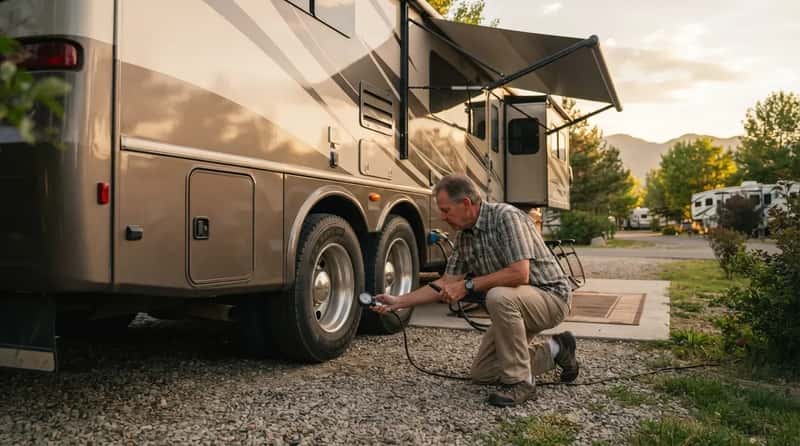
This habit takes ninety seconds and prevents almost every overnight disaster. Checking tire pressure, hitch connections, leveling status, and slide clearance while there’s still daylight left catches problems that are nearly impossible to fix by flashlight.
Veterans treat this walk-around as sacred, even on a five-minute overnight stop. Waiting until after dark to notice a problem is how a quiet night turns into a stranded morning. One last habit remains – the one every seasoned RVer says matters more than all the others combined.
#1 – They Trust the Gut Feeling and Leave, No Debate, No Delay
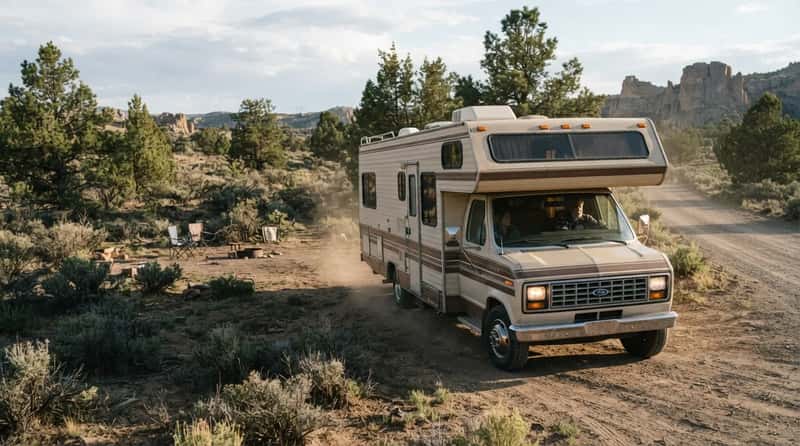
This is the habit every veteran mentions first when asked what actually keeps them safe. The best boondockers are the ones who notice small warning signs early and adjust before those problems become expensive, stressful, or dangerous. No spreadsheet, no app, and no five-star review overrides that instinct.
Decades of experience distill down to one blunt rule: if a spot feels wrong within the first ten minutes, it is wrong. Veterans don’t debate it, negotiate with themselves, or wait for proof – they simply move. It’s the single habit that turns thousands of uneventful nights into a lifelong, and safe, way of life on the road.
None of these 24 habits are flashy, and that’s exactly the point. Real RV veterans aren’t relying on luck, expensive gadgets, or gut instinct alone – they’re stacking small, repeatable routines that quietly prevent almost every disaster before it starts. The travelers who skip them are the ones who end up with the scary stories; the ones who follow them are the ones still doing this happily after twenty years.
Which of these habits do you already swear by, and which one are you adding tonight? Drop it in the comments – the next RVer scrolling past might need it more than they know.