
You would think travelers with decades of trips behind them would have packing down to a science. Ask them, and many laugh and wince at the same time. The overstuffed bag, the “just in case” outfits and the pills tucked into the wrong suitcase all come up in their stories.
The regrets aren’t what you’d expect. Some involve a pill bottle, a phone charger or a card sitting in a wallet. The very last one has nothing to do with luggage at all, and it may be the one that stays with you.
#25 – The Hard-Shell Suitcase That Looked So Premium in the Store
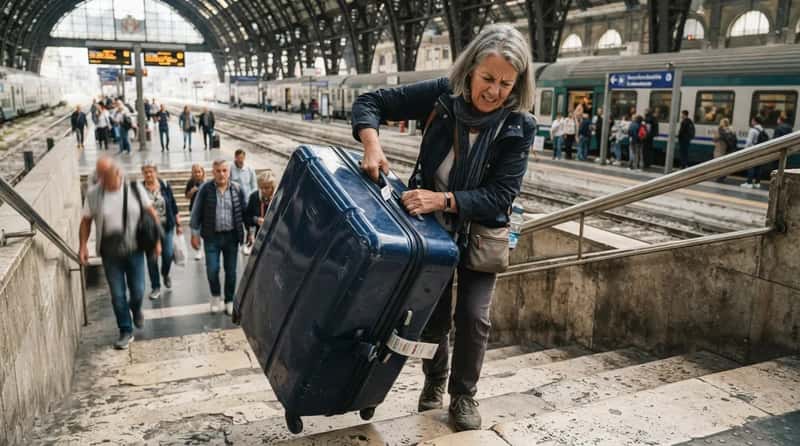
That sleek hard-shell case is often the first thing seasoned travelers swap out. It looks tough on the shelf. Once it’s loaded with clothes, shoes and toiletries, it blows past airline weight limits fast.
Frequent travelers in their 60s and 70s are described as quietly switching to lightweight soft-sided bags with smooth-rolling wheels. Rigid shells don’t flex in cramped hotel rooms, train luggage racks or tiny taxis. A softer bag can shave several pounds before a single sock goes in. That matters when you’re lifting it into an overhead bin.
#24 – The “Do-It-All” Shoes That Ended in Blisters
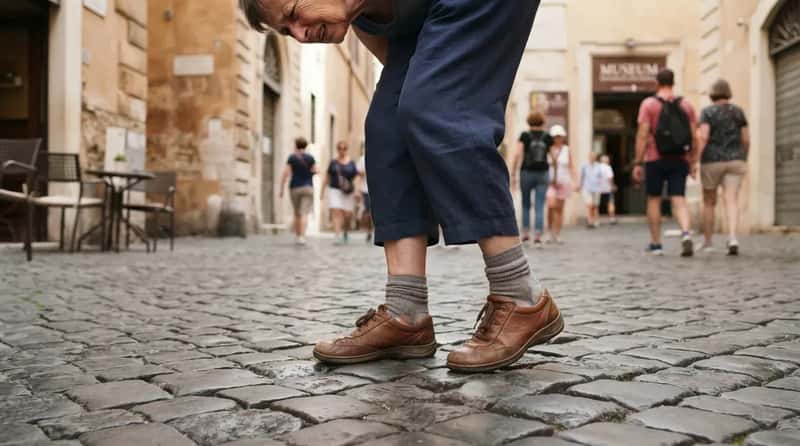
One pair of shoes for every situation sounds smart until about day three. Travel writers who cover older travelers point out that a single pair can leave you with sore feet or blisters. Cobblestones, long museum floors and airport terminals all ask different things of your feet.
Here’s the twist. People who now pack fewer clothes often pack more shoe options. Separate pairs for walking, dining and relaxing are considered worth the space. Shoes are the one place where “packing light” can backfire. Sore feet can end your sightseeing before the trip is half over.
#23 – The Outfits That Never Left the Suitcase
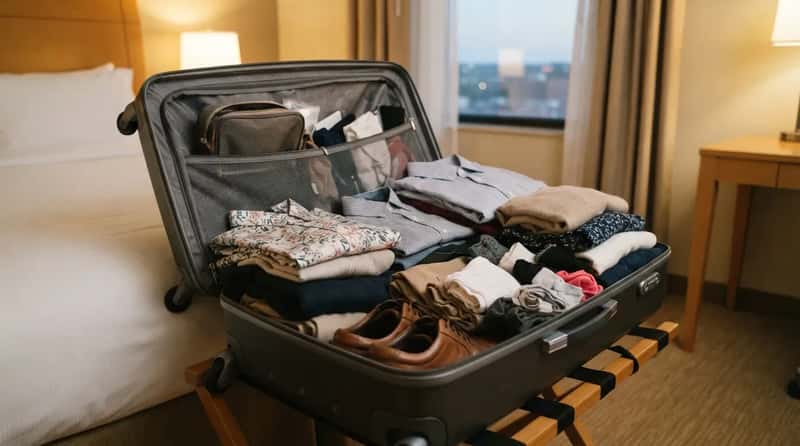
Many older travelers admit they once packed like they were moving, not vacationing. That meant multiple outfits per day, backup shoes for the backup shoes and full-size toiletries. Then the trip arrived and the closet stayed mostly closed.
The confession is nearly always the same: they ended up wearing the same three things all week. The fix they describe is simple. Pick neutral, mix-and-match pieces and use lightweight layers instead of bulky “what if” clothes. The extra outfits didn’t add options. They added weight.
#22 – The Stack of Paperbacks Nobody Finished

Packing three novels in case the hotel TV is awful used to be standard practice. Older travelers now say they’ve mostly dropped it. Many remember stuffing books into a carry-on and never cracking half of them.
Paper is heavy, and a carry-on that’s too full makes every airport transfer harder. A single e-reader or a phone with downloaded books holds a whole vacation’s worth of reading. The weight of those books is exactly what travelers say they’d leave behind. The carry-on gets lighter, and so does the walk to the gate.
Quick Compare
- Three paperbacks: often a pound or two, plus real space in a carry-on.
- One e-reader: roughly 7 ounces for popular models, with a whole shelf of books inside.
- Phone with downloaded books: adds no extra weight at all.
#21 – The Full-Size Toiletries Hogging Half the Bag
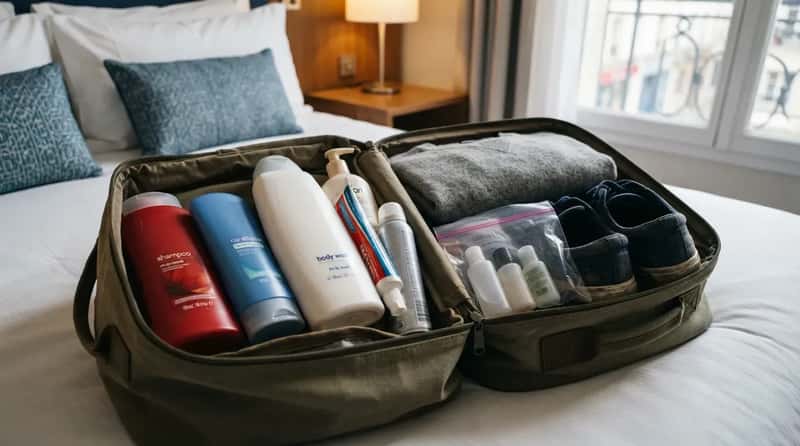
Full-size bottles are one of the classic overpacking mistakes. They sit on the same regret list as the backup shoes, and they’re just as easy to fix. Shampoo, conditioner and body wash are sold in grocery stores and pharmacies nearly everywhere.
So the toiletry kit shrinks, and the bag gets lighter. A lot of bathroom weight is stuff you could buy at the destination. Some travelers even buy basics on arrival and leave the leftovers behind.
#20 – The Medication That Went Into the Checked Bag
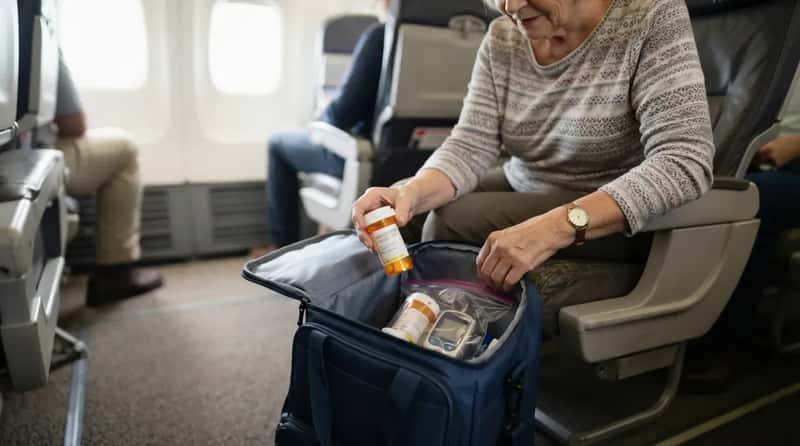
This is the packing mistake older travelers warn each other about most. Checked bags get lost, delayed or rerouted more often than travelers expect. Losing daily medication for even a day can spiral fast.
The advice is blunt: always carry medication in your hand luggage. Medical devices, supplements and health gear are worth the space too. Packing pills in checked luggage is called one of the most common mistakes older travelers make. A delayed suitcase is annoying. A delayed prescription can be a real problem.
#19 – The Pills Without Labels or a Spare Day’s Supply

Pill organizers are handy, but travelers say they now bring the original bottles too. The guidance is to keep medicine in its original, labeled containers. Pack enough for the whole trip plus a few extra days, because that cushion is the part people forget.
Flights get canceled and connections get missed, and it happens more often than most people plan for. Those few extra days of pills are what cover a surprise overnight stay. The cost is almost nothing, and the bottles take up almost no room.
Worth Knowing
- TSA lets you bring medically necessary liquids over the usual 3.4-ounce limit in a carry-on.
- Tell the officer about them at the checkpoint so they can be screened separately.
- Pills and other solids aren’t covered by the liquid rule.
- Labeled bottles make questions from officers or pharmacists much easier to answer.
#18 – The Power Bank That Doesn’t Belong in a Checked Bag
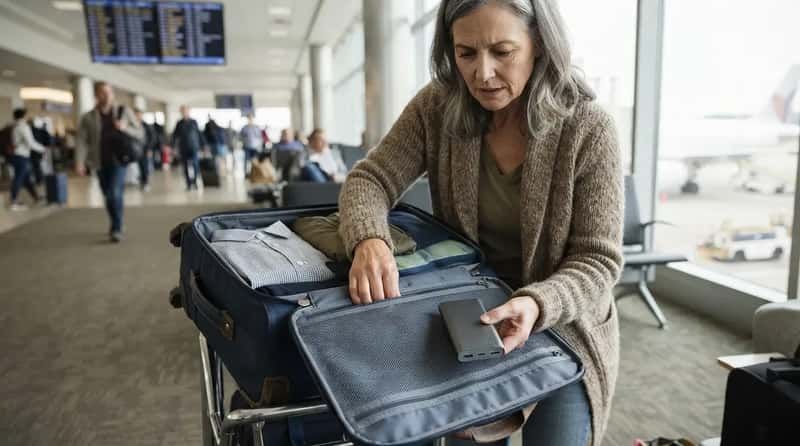
A charger tossed into a suitcase is an easy slip, and a costly one. Under TSA and FAA rules, power banks and spare lithium batteries must travel in the cabin, not in checked bags. That includes the one buried in the bottom pocket.
The rule isn’t just bureaucracy. If a bag with a power bank in it gets checked, you may be pulled aside at the gate and the bag pulled off the plane. One forgotten charger can cost you your suitcase at the gate. Most travelers now check every pocket of every bag before they leave.
#17 – The In-Flight Charging Habit Airlines Are Cracking Down On
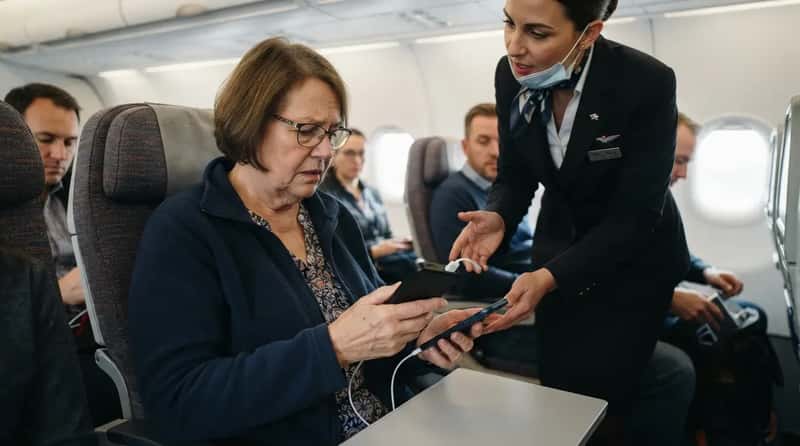
Packing the power bank correctly isn’t the only rule anymore. Using it on board is where things have been changing. Many airlines have tightened their policies on charging devices from a power bank mid-flight, and some now ban it outright.
Some carriers have also set limits on how many portable chargers each passenger can bring. Rules differ by airline, and an airline can be stricter than the FAA. A quick check on your carrier’s website before you leave beats a surprise at the gate.
#16 – The Layer They Left Behind and Shivered Without
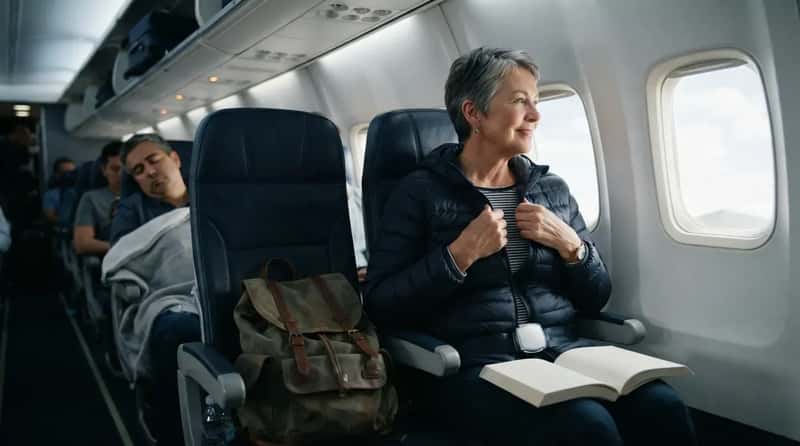
Packing for the weather forecast sounds sensible. Then the plane cabin, the over-air-conditioned restaurant and the early mountain morning all run colder than expected. Many people find they get chilled more easily as they get older.
Plenty of travelers pack for the destination’s average daytime temperature and end up cold for large parts of the trip. Airline blankets aren’t always available, and cabins can run colder than people expect. One thin layer that folds small solves most of it.
#15 – The Phone They Packed but Didn’t Trust

Many older travelers now say fear of technology made their trips harder than they needed to be. They’d print everything and then lose the paper. Others kept stopping strangers to ask for directions.
The fixes people mention are small. They download offline maps before they leave, use airline apps for real-time gate changes and keep reservations and tickets in one place. The phone in your pocket can be the best travel gadget you own. A short practice run at home beats a first-time fumble in a foreign airport.
#14 – The Tangle of Chargers Where One Would Do
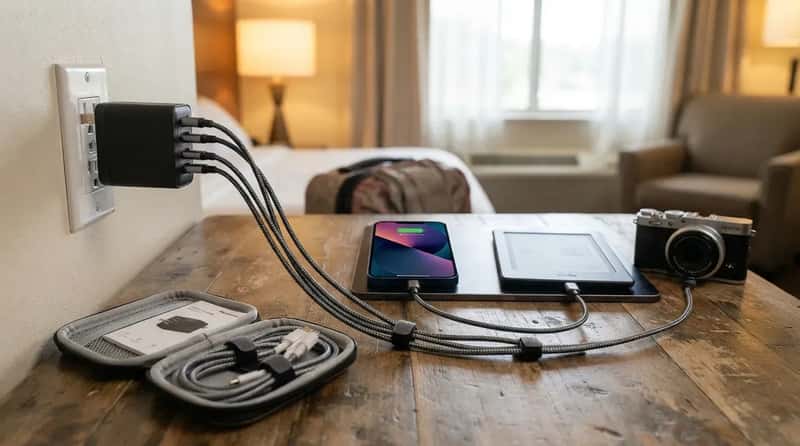
Phone, tablet, camera, e-reader and a bag full of wall bricks. Seasoned travelers say they’ve cut it down. One accessory they recommend is a single compact multi-USB charger instead of a different brick for every device.
The reason isn’t only weight. After a long travel day, you want to know exactly where everything is and what it does. Fewer gadgets means less to lose, less to untangle and less to forget in a hotel outlet. One cable bag and one multi-port charger are plenty.
#13 – The Bag They Could Barely Lift Alone
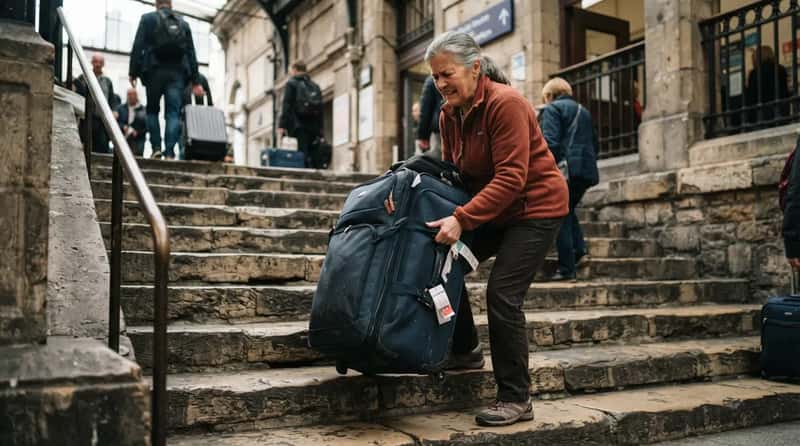
A line seasoned older travelers keep repeating goes something like this: they took half as much the next time and enjoyed it twice as much. It points at a simple test. If it’s been a while since your last trip, check that you can still lift and manage your bag alone.
A heavy bag controls the trip. Many older travelers say it made them skip charming side streets with steps, say no to last-minute detours and dread every travel day. Luggage can quietly decide what you see. A lightweight wheeled case you can hoist onto a bus or train yourself is the smarter call.
At a Glance
- Lift your fully packed bag onto a bed or chair in one smooth motion.
- Carry it up a full flight of stairs, since many stations and small hotels have no elevator.
- Many U.S. airlines cap carry-ons at around 22 x 14 x 9 inches, so check your carrier.
- If you’d dread doing it twice, take something out.
#12 – The Medicare Card Packed Like It Was Travel Insurance
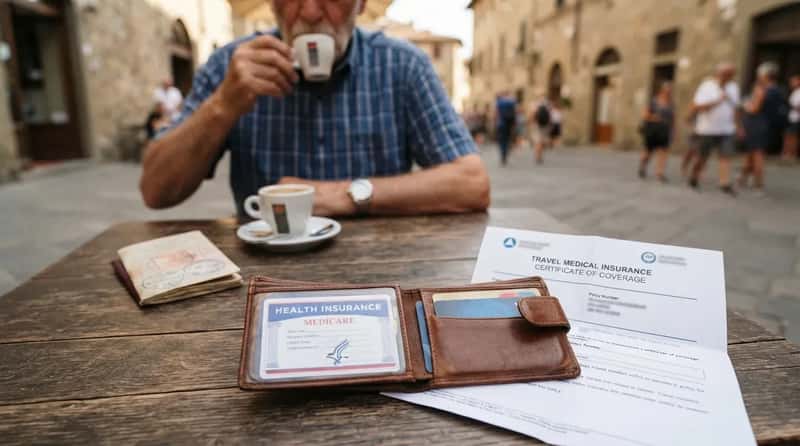
A Medicare card in the wallet feels like protection. Overseas, it generally isn’t. Outside U.S. borders, Original Medicare typically does not pay for health care or medical supplies.
There are narrow exceptions, but they’re rare, and most foreign hospitals don’t file Medicare claims. A Medicare card is not international health insurance. That’s why many travelers now pack a policy, not just a card.
#11 – The Refill Plan That Stopped at the Border

Running low on a prescription mid-trip sounds like a simple pharmacy visit. Abroad, it can turn into a cash payment. Medicare Part D plans generally do not cover drugs purchased outside the United States, so you pay out of pocket.
That’s why the “bring a few extra days” advice matters so much. Buying a refill overseas could mean both a hunt for the right pharmacy and a bill with no coverage. Packing enough in the first place avoids both.
#10 – The Emergency Bill Nobody Packed For

This one isn’t a physical item, but older travelers say it belongs in the bag. Medicare pays almost nothing abroad. One travel insurer puts emergency evacuation to the U.S. at $25,000 to $250,000.
That figure comes from an insurance seller, so treat it as a ballpark, not a quote. Still, the point holds. An emergency abroad can cost more than the entire trip. Many travelers now treat a travel medical policy like a passport: the trip doesn’t start without it.
#9 – The One Scarf That Replaced Three Things

A scarf is one of the smallest items in the bag and one of the hardest working. Experienced travelers pack a lightweight scarf or sarong that works as a blanket, shawl and beach cover-up. That’s three jobs in one item.
It also pairs with the cold-cabin problem from #16. One scarf can cover a chilly plane, a church visit and a beach afternoon. Versatile items are how people shrink their bags without feeling deprived.
#8 – The Medication List They Forgot to Print

Bottles are one thing. A printed list is another. A simple page with each drug’s generic name, dose and your doctor’s contact details helps if a pharmacist or hospital abroad needs to understand your medications fast. Brand names often differ by country.
Checking rules ahead matters too. When in doubt, check with the destination’s embassy before flying. A single sheet of paper can save hours of confusion at a foreign clinic. Keep a copy in your bag and another on your phone.
#7 – The Skin and Hair Products They Couldn’t Replace

Yes, shampoo is sold everywhere, which is why #21 says to leave the big bottles home. Specialty products are a different story. If you have sensitive skin or use specialty hair products, bring those with you, or you may not find what you need.
Toiletries come up often when travelers talk about packing regrets, including on Reddit forums. The trick is to pack the specialty products and buy the basics at the destination. It keeps the kit small without sacrificing comfort.
Why It Stands Out
- It’s the rare toiletry category where “just buy it there” can fail.
- Travel-size containers keep the footprint small.
- Skin that reacts to an unfamiliar product can sour a whole day of sightseeing.
- Everything else, like basic soap and shampoo, is easy to replace on arrival.
#6 – The First-Aid Kit They Assumed the Hotel Had
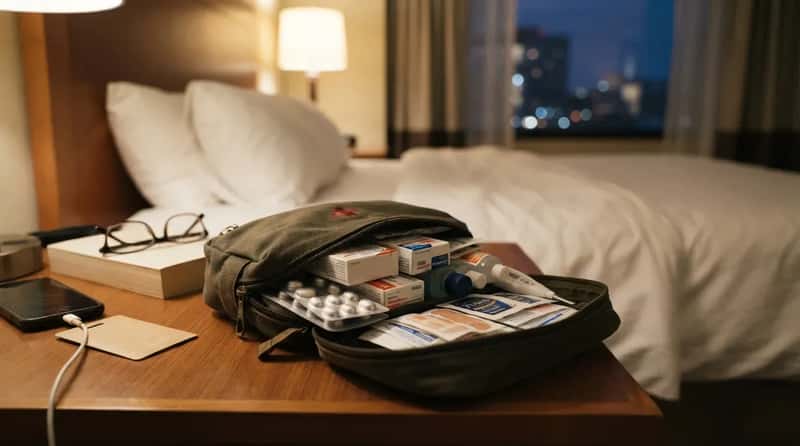
Blister pads, pain relievers, antacids and bandages seem trivial at home. Far from a pharmacy at 9 p.m., they feel essential. A basic first-aid kit shows up again and again on the lists of items travelers agree on.
Travel writers group it with toiletries, clothes you actually like, sleep comforts and electronics. The kit is cheap, small and the first thing you wish you had. Add your own health basics, such as supplements or medical gear.
#5 – The Sleep Comforts They Called Silly Until Night Two
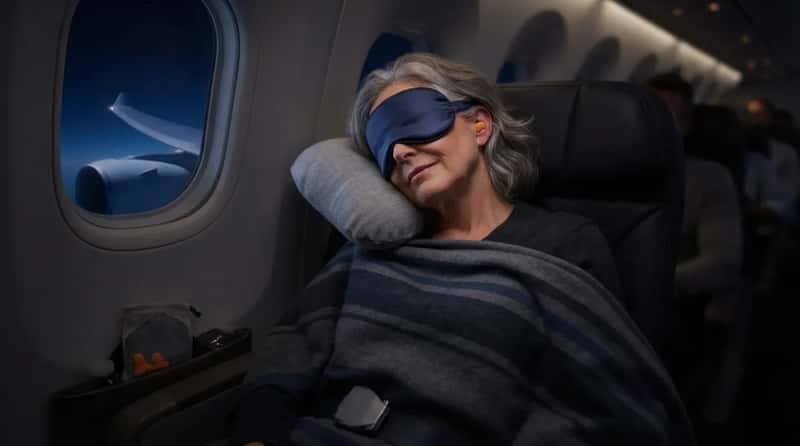
An eye mask, earplugs and a small pillow cover can feel excessive. Then comes a hotel next to a loud street or a red-eye with no blanket. Sleep comforts show up on the lists of things travelers say they’d pack again.
They weigh almost nothing. A few ounces can protect a whole day of sightseeing. Travelers who plan long days on their feet often say sleep matters more than one more outfit.
#4 – The Spare Glasses That Stayed in a Drawer at Home

Reading glasses are small, easy to sit on and easy to leave behind. Without them, menus, maps and medication labels turn into guesswork. A spare pair is one of the cheapest backups you can pack.
It’s the same reasoning as the extra days of pills. Small, cheap items can rescue a day when they go missing. If you wear prescription glasses, many travelers also carry a copy of the prescription.
#3 – The ID Paperwork They Didn’t Double-Check
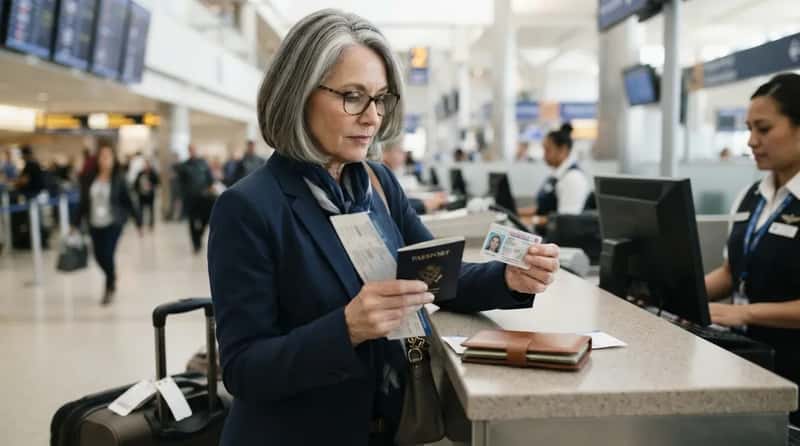
Before any suitcase matters, the documents do. Since May 7, 2025, travelers flying domestically need a REAL ID-compliant license or another accepted form of ID, such as a passport. Many countries also require a passport that stays valid for months beyond your trip.
A forgotten or expired document can cancel a trip before it starts. Experienced travelers photograph their documents and keep digital copies separate from the originals. It takes five minutes at home and saves hours abroad.
#2 – The “Pack Light” Rule That Went Too Far

Here’s the part that may start an argument. Some travel writers say extreme minimalism is a trap for travelers over 45. They argue it can turn into traveling anxiously instead of traveling freely.
They point to real needs: medications and health gear take space. Minimalist packing can also leave you unprepared for a last-minute dinner reservation or unexpected rain. The goal isn’t the smallest bag possible. It’s the right bag for your body and your trip.
#1 – The Suitcase They Never Packed at All

Ask older adults about their biggest travel regret, and it’s rarely about what they brought. In a survey of 2,000 people commissioned by Icelandair, the biggest regret for people over 50 was simply not having traveled more. The poll was reported by SWNS.
Cornell gerontologist Karl Pillemer heard the same thing from the 1,000 seniors he interviewed. Traveling “early and often” was a common refrain. The heaviest thing in the bag may be the trip you kept postponing. A too-heavy suitcase can be fixed in an afternoon. Lost years can’t be fixed at all.
So the real packing lesson wasn’t about fashion. It was about weight, health and paperwork: the heavy bags, the pills in checked luggage, the power banks in the wrong place and the Medicare card mistaken for insurance. Even the “pack light” rule has its critics.
But every one of those mistakes can be fixed on a Sunday afternoon with a half-empty suitcase and a cup of coffee. The only regret that can’t be repacked is the trip you never took. Which one on this list would you change first?