Most travelers assume every seat change, fee waiver, or free perk on a flight comes from a strict, unbending rulebook. The truth is messier. Behind almost every “no” at the gate, there’s a supervisor with more flexibility than airlines ever advertise, and that flexibility gets used constantly, just never out loud.
None of these adjustments show up in a boarding announcement or a company press release. They happen quietly, one traveler at a time, decided in seconds by someone with a badge and a screen full of options passengers never see. Here’s what insiders actually say happens behind that counter.
#25 – The Oversold-Flight Bump That Sends Strangers to First Class
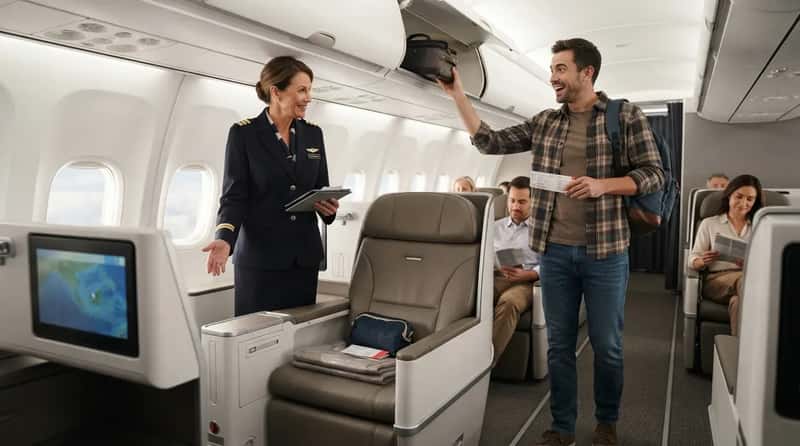
When a flight is oversold in economy, a supervisor doesn’t need a special reason to move a random passenger toward the front of the plane. The only time agents can give a free upgrade to regular travelers is if the flight is oversold in economy and they have to place someone toward the front of the plane. It has nothing to do with charm or luck.
There’s exactly one loophole where a completely unlisted passenger ends up in a better seat: if economy is oversold and the airline needs bodies moved forward, agents can bump someone essentially at random. It’s less a reward and more a logistics fix. Number 24 works almost the opposite way, and it depends entirely on timing.
#24 – The Blocked Extra-Legroom Row That Opens Up After Boarding
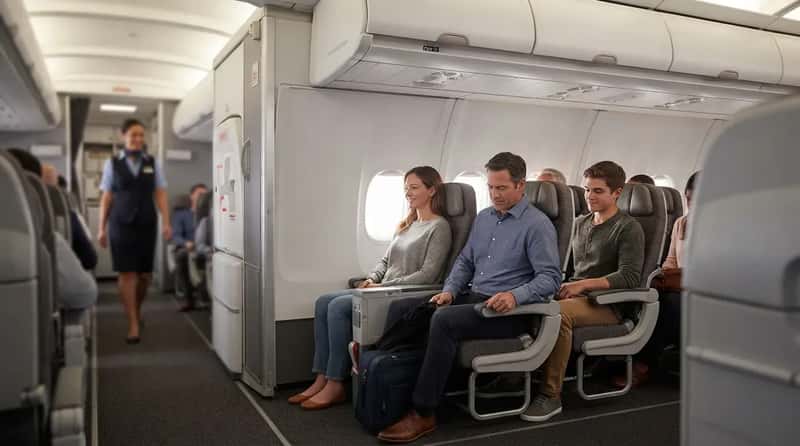
Airlines block certain rows for elite members or paid upgrades, but those seats don’t always stay locked. Many airlines block seats for families or those who need assistance, and a seat assignment isn’t always given right away, with other seats still blocked for frequent flier elite members or open for sale.
As eligible passengers are upgraded, more and often better seats in economy class free up, and seats that were previously blocked can now be assigned. A supervisor can release those rows quietly once boarding is underway. Timing, not persuasion, is what unlocks them.
#23 – The Second Boarding Pass Nobody Asks For
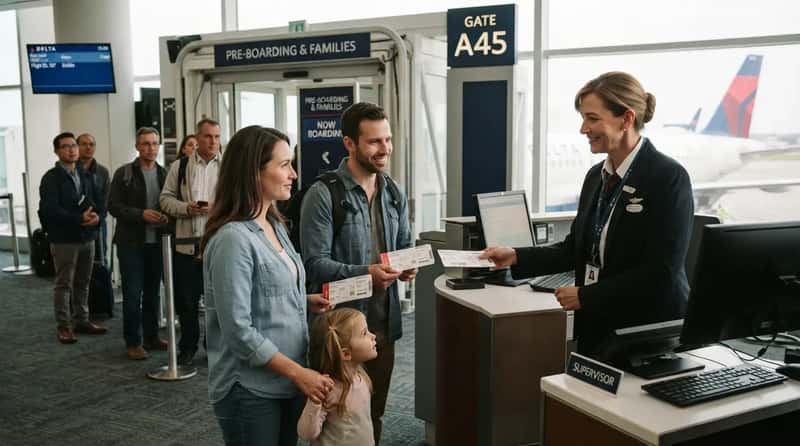
Pre-boarding rules technically cover one passenger, but supervisors bend that constantly for couples and families. An experienced, empathetic agent will often extend early boarding to one travel companion without requiring a separate justification, especially on flights that aren’t full.
Couples and families skip this constantly because they assume the rule only covers one seat, and that assumption costs them a genuinely useful benefit on almost every flight. It’s rarely offered out loud. It has to be asked for, plainly and politely.
#22 – The Oversized Bag Fee That Quietly Disappears at the Gate
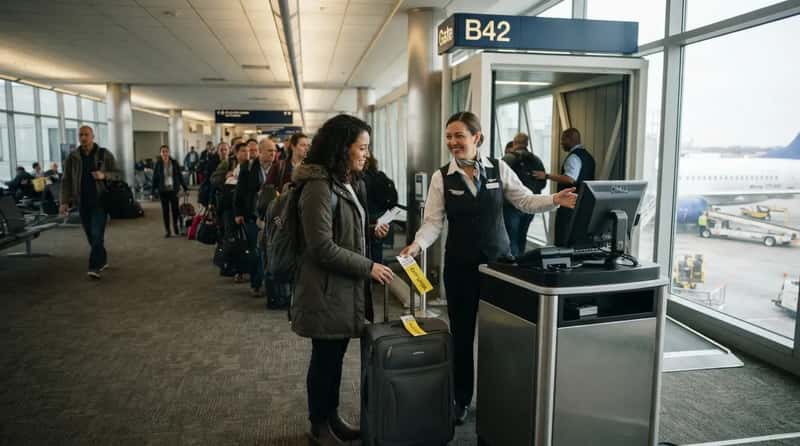
Bag fees look fixed online, but at the gate they’re negotiable in ways most travelers never realize. The desk has more discretion here than the check-in counter ever admits, especially when the overhead bins are already tight.
Agents watching boarding in real time can see exactly when space runs out, and choosing to gate-check a bag for free instead of ticketing a fee is often faster for them than arguing about policy mid-boarding. Ask before the confrontation starts at row 24, not after.
#21 – The Family Reshuffle That Splits No One Up
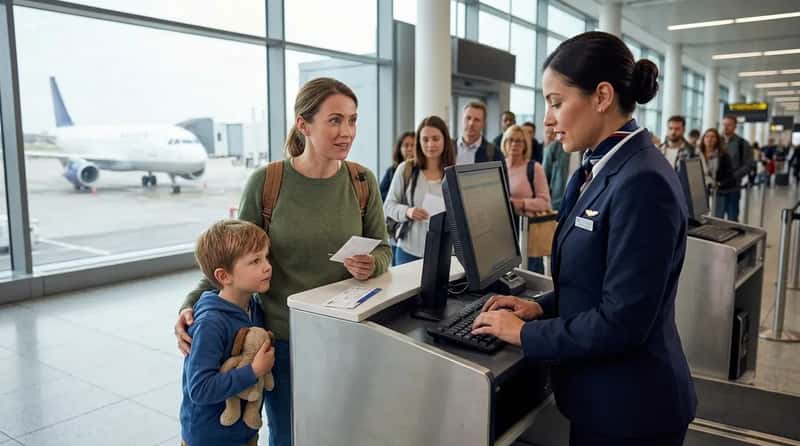
Seating separated families back together isn’t advertised, but it’s one of the most common quiet fixes at the gate. Gate agents have discretion to adjust seating for operational reasons, such as accommodating families if possible, customers with special needs, or balancing aircraft weight.
Supervisors approve these swaps constantly during boarding, especially on flights that aren’t full. It’s treated as routine housekeeping rather than a favor, which is exactly why nobody makes an announcement about it.
#20 – The Weight-and-Balance Move That Looks Like a Favor
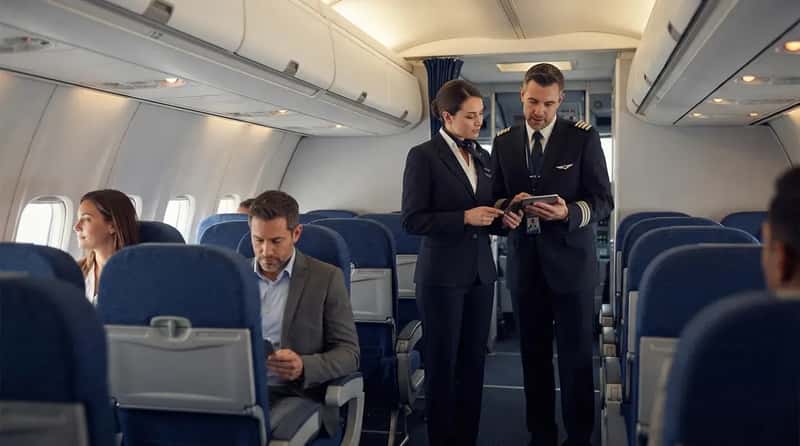
Sometimes a seat change has nothing to do with you personally and everything to do with the aircraft itself. Flight attendants can only move passengers in limited operational situations, such as weight-and-balance needs or rare family-seating accommodations.
Passengers who get moved to a better row for balance reasons often assume they were singled out for good behavior. In reality, a supervisor or crew member is solving a physics problem, not handing out a reward. Most people never realize the difference.
#19 – The Voucher Bump That Beats the Posted Compensation Chart
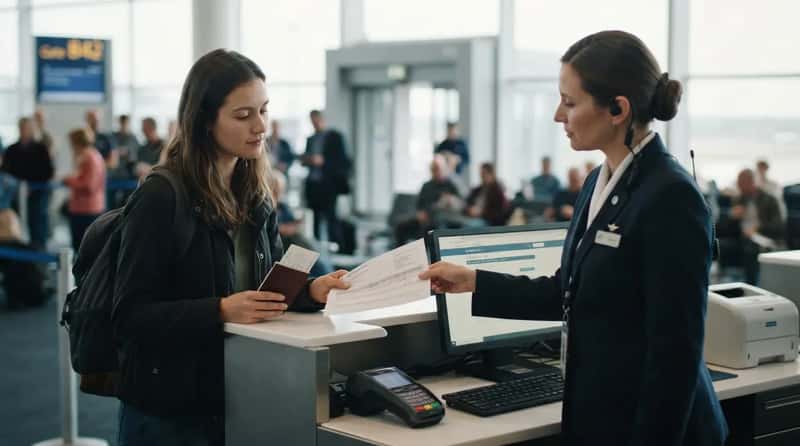
When a flight is oversold, the voucher amount offered to volunteers isn’t always fixed at the first number mentioned. Gate agents can print vouchers to use toward future flights for volunteers who give up their seats, but they do not have access to cash, nor can they determine the amount awarded on their own.
A supervisor, however, can quietly authorize a higher voucher tier if volunteers are slow to step up. This almost never gets announced over the intercom in specifics. Passengers who ask a second time, politely, sometimes see the number move.
Fast Facts
- Denied boarding compensation caps rose from $775 and $1,550 to $1,075 and $2,150, effective January 22, 2025.
- Shorter delays of one to two hours domestically, or one to four hours internationally, fall into the lower payout tier, while longer delays double the minimum owed.
- Those figures are legal minimums airlines can cap payouts at, not a ceiling – carriers are always free to offer more.
- Airlines must offer this compensation at the airport on the same day the bump happens, not mail it later.
#18 – The Military and Crew Upgrade No One Announces
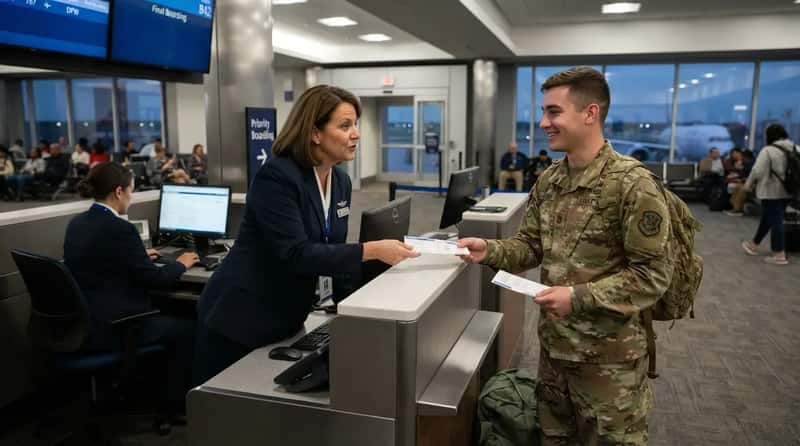
Not every complimentary upgrade comes from elite status or a paid fare. Active-duty military and airline employees can receive complimentary upgrade priority on select carriers when seats remain open, though non-elite complimentary upgrades are usually the last category filled, often within the final hour before departure.
Supervisors handle this quietly, often right before boarding closes, without calling attention to who moved and why. It’s one of the least talked-about categories on the entire priority list. Most travelers never even know this queue exists.
#17 – The Rebooking Override That Skips the Waiting List
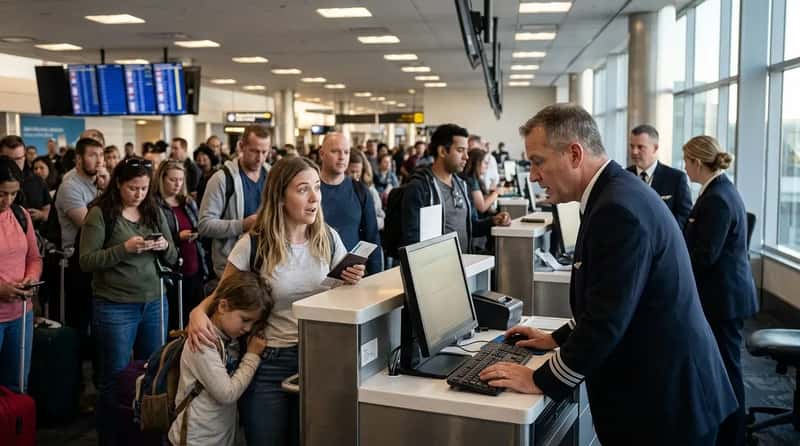
During delays or cancellations, standard rebooking follows an automated queue, but supervisors can step outside it for specific situations. Someone with a tight connection, a medical need, or a documented emergency can be moved ahead quietly, without a public explanation to everyone else in line.
This isn’t favoritism in the traditional sense; it’s a judgment call made under pressure. The passengers who benefit rarely realize how close they came to a much longer wait. It’s one of the least visible forms of discretion in the entire system.
#16 – The Free Snack Cart That Shows Up Mid-Delay
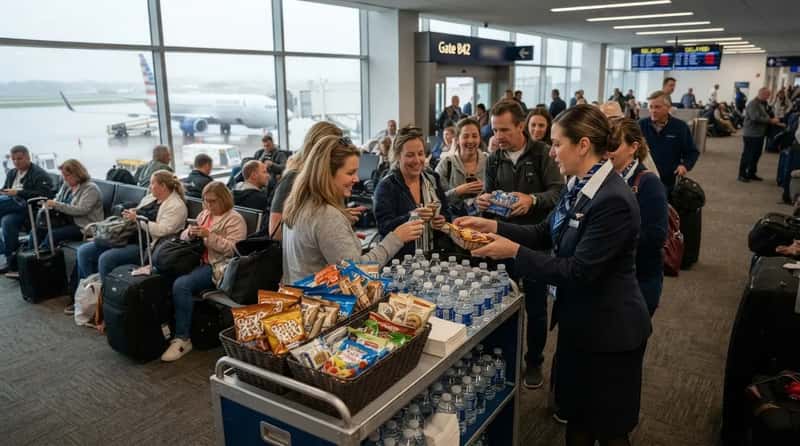
During long ground delays, refreshments aren’t always guaranteed by policy, but supervisors often authorize them anyway. In the most extreme delay situations, the airline’s fallback move is simply access to refreshments, usually delivered right to the gate.
It’s a small gesture, but it costs the airline money and requires sign-off from someone with authority. Passengers rarely connect the snack cart to a supervisor’s decision. It just quietly appears, and just as quietly disappears from the record.
#15 – The Lounge Pass a Supervisor Can Unlock (But Rarely Volunteers)
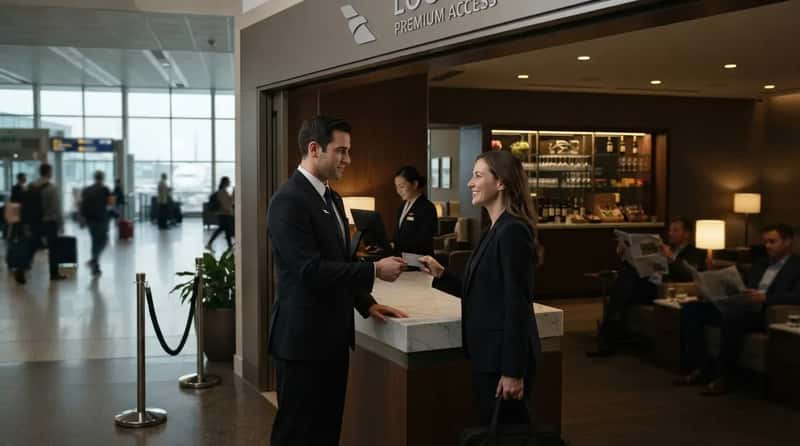
Most gate agents can’t hand out lounge access on their own, but that doesn’t mean it’s impossible to get. Most agents don’t have access to airline lounge passes or drink vouchers, so attempts to finagle more goodies will most likely prove futile, though you can politely ask the agent to check with a supervisor about it.
Supervisors sit above that limitation. During long delays or significant disruptions, a quiet nod from someone up the chain can turn a miserable wait into an air-conditioned one. It’s rarely offered first; it almost always has to be requested.
#14 – The Check Only a Supervisor Can Sign
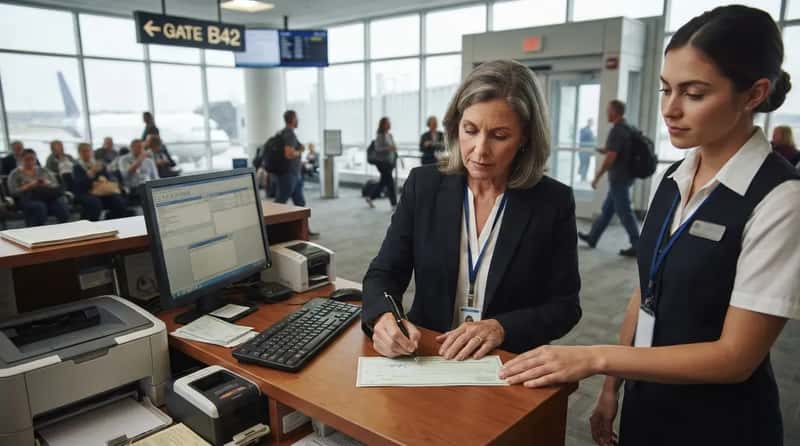
When someone is involuntarily denied boarding, gate agents genuinely cannot write that check themselves. Typically, only a supervisor can issue a check, and that’s only when someone is involuntarily denied boarding.
This is one of the clearest lines in the entire airport hierarchy: cash compensation requires a supervisor’s signature, full stop. Passengers who push hard at the gate for a check are often unknowingly asking the wrong person.
#13 – The Fee Waiver for Medical and Bereavement Travel
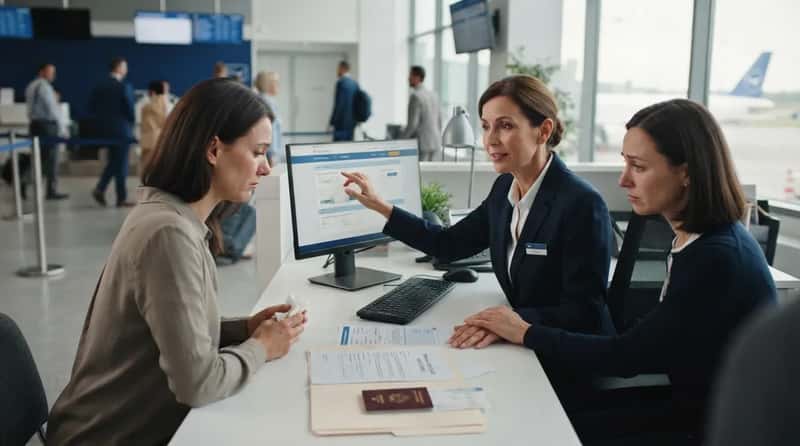
Change fees and fare differences look non-negotiable online, but supervisors regularly waive them for documented medical emergencies or bereavement travel. This isn’t a formal published policy at every carrier, and it’s rarely guaranteed, but it’s a common quiet exception.
Passengers who call and simply explain the situation, with documentation ready, often get a different answer than the one listed on the airline’s website. It depends heavily on who picks up the phone. Most people give up before ever reaching that supervisor.
Worth Knowing
- The big US legacy carriers – American, Delta, and United – no longer charge a standard change fee, and Southwest has never charged one either.
- That waiver mostly covers Main Cabin fares and above; Basic Economy remains restricted at every legacy carrier.
- A no-fee policy doesn’t mean a free change – it just waives the penalty, so travelers still owe any difference in fare.
- Budget carriers like Spirit, Frontier, and Allegiant still charge for changes on their lowest fares, or don’t allow them at all.
#12 – The Extra-Legroom Seat Given to Aging Knees, Not Deep Pockets
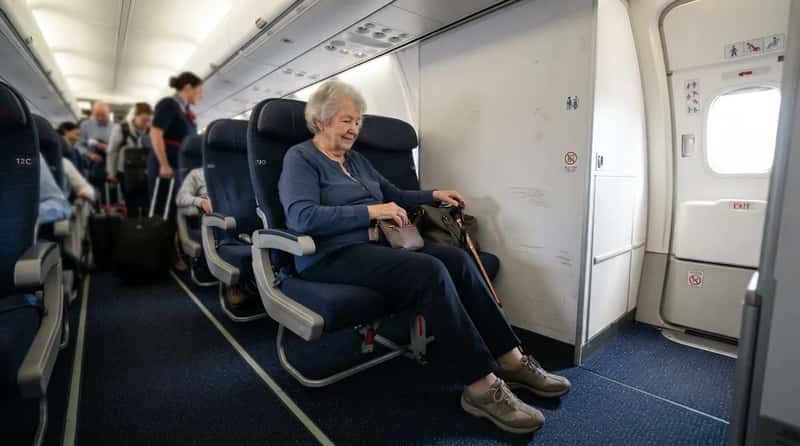
Extra-legroom rows are sold as a premium add-on, but supervisors quietly reassign them for passengers with real mobility limitations. This applies whether someone is managing a mobility aid or medical equipment, and the Air Carrier Access Act guarantees priority boarding and escort assistance for passengers with mobility needs, with many airlines going further than the law requires.
That extra room isn’t advertised as available for free, but it’s given far more often than most travelers assume. A polite, specific request at the counter goes further than most people expect. It’s one of the more overlooked truths of modern boarding.
#11 – The Partner-Airline Rebooking That Skips Your Airline Entirely
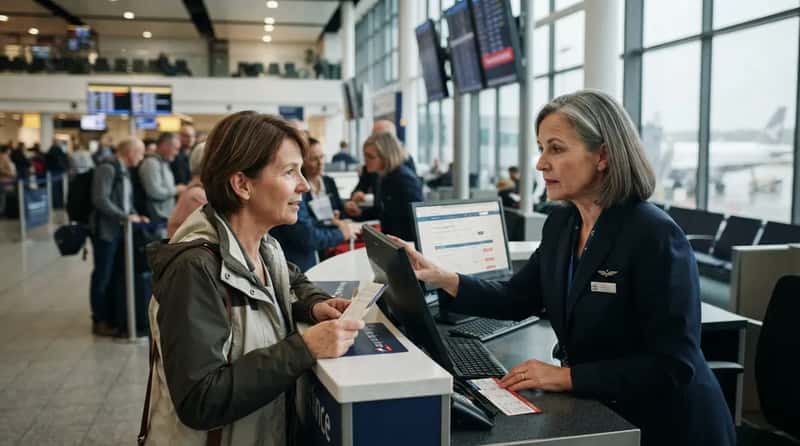
During major disruptions, supervisors sometimes have authority to rebook passengers onto a completely different carrier, not just the next available flight on their own airline. This tends to happen during weather events or mechanical groundings, when waiting for the original airline’s next flight would mean days of delay.
It’s rarely publicized because it varies wildly by contract and by how bad the disruption is. Passengers who politely ask about interline agreements sometimes unlock options the counter display never shows. Most people never think to ask the question at all.
#10 – The Held Flight That Waits for One Late Passenger
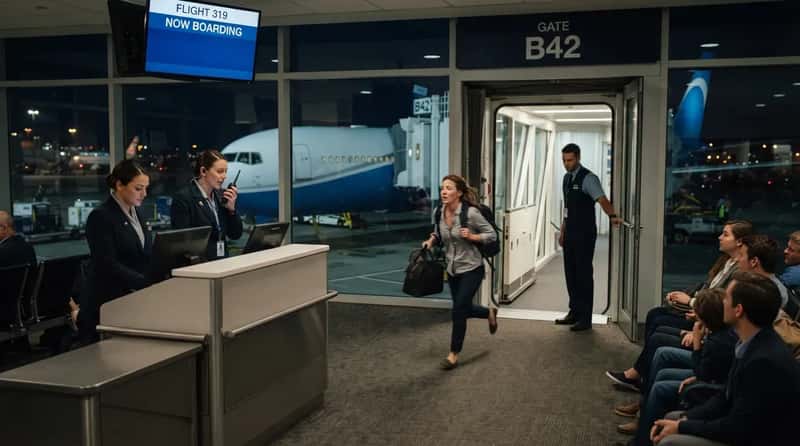
Occasionally, a flight sits at the gate a few extra minutes for a single passenger sprinting through the terminal, and that decision comes from a supervisor weighing the schedule against one person’s connection. It’s never announced to the rest of the cabin, and it’s never guaranteed.
Crews and gate staff coordinate quietly, checking whether the delay is worth the ripple effect on the next flight. Most passengers assume boarding doors close the second the clock hits departure time. In practice, there’s more human judgment involved than the schedule suggests.
#9 – The Standby Fee That Vanishes When It’s the Airline’s Fault
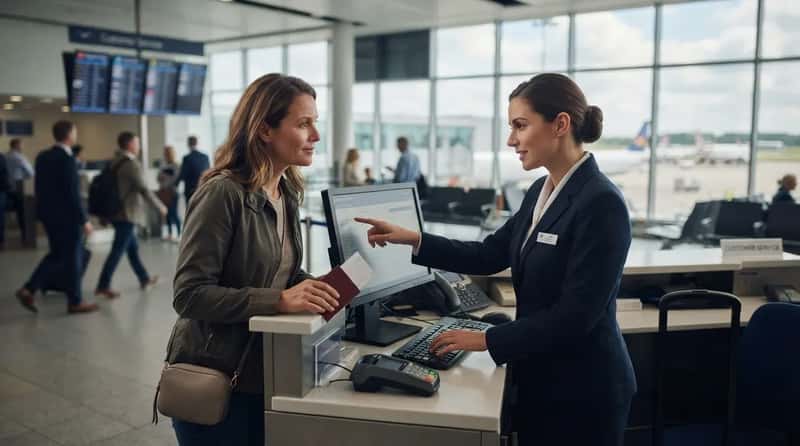
Same-day standby usually carries a fee, but supervisors regularly waive it when the reason for switching flights traces back to the airline’s own delay or cancellation. This isn’t printed on a receipt anywhere; it’s a judgment call made case by case.
Passengers who assume the fee is fixed often pay it without asking, while others who explain the situation calmly get waived through. The difference usually comes down to who’s working the counter that day. Most people never realize there was a choice involved at all.
#8 – The Early Boarding Nobody Has to Justify
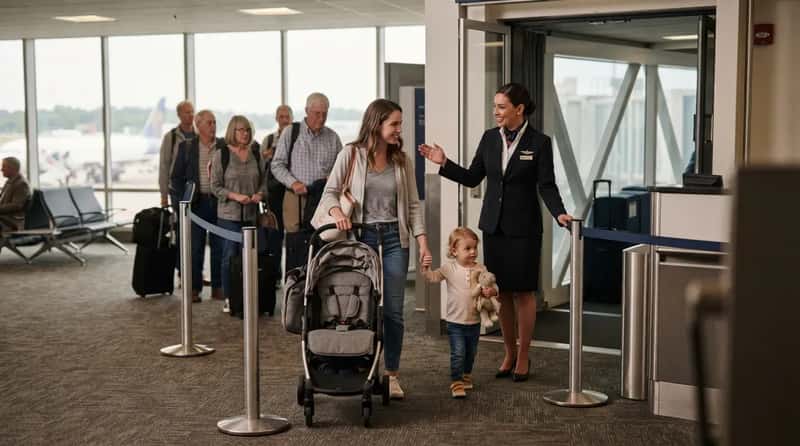
Priority boarding categories look rigid on the boarding pass, but supervisors have more room to bend them than passengers assume, especially on flights running ahead of schedule or with light loads. A traveler juggling a stroller, a service dog, or simply a rough day sometimes gets waved forward early.
Nobody explains the reasoning over the intercom, and no rule guarantees it will happen twice. It’s one of the smaller, quieter kindnesses that never makes it into any official airline policy page. Most travelers chalk it up to luck rather than a deliberate decision.
#7 – The Unaccompanied Minor Seat Swap Near the Galley
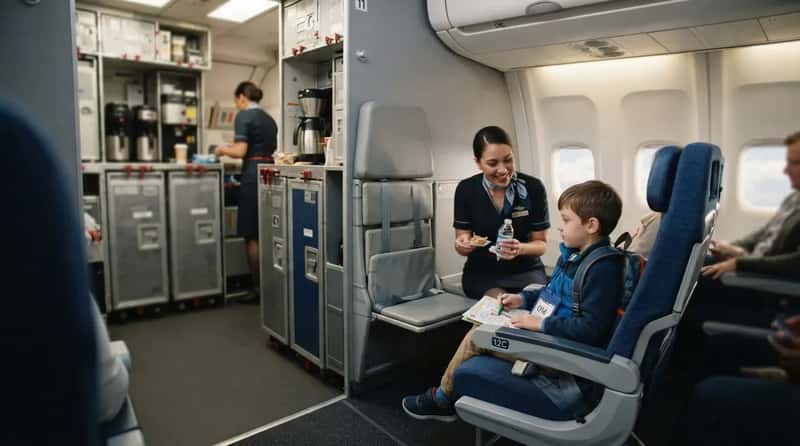
Children traveling alone are often quietly reseated closer to flight attendant jump seats or galley areas, a decision made by crew and gate supervisors together. Gate agents coordinate assistance for wheelchair passengers and children traveling alone alongside their other last-minute seat assignments, upgrades, and customer questions.
This reseating happens without any announcement to the rest of the cabin. It’s treated as standard duty of care rather than a special favor. Parents rarely see the decision being made; they just notice their child ended up somewhere reassuring.
#6 – The Service Animal Seating Override
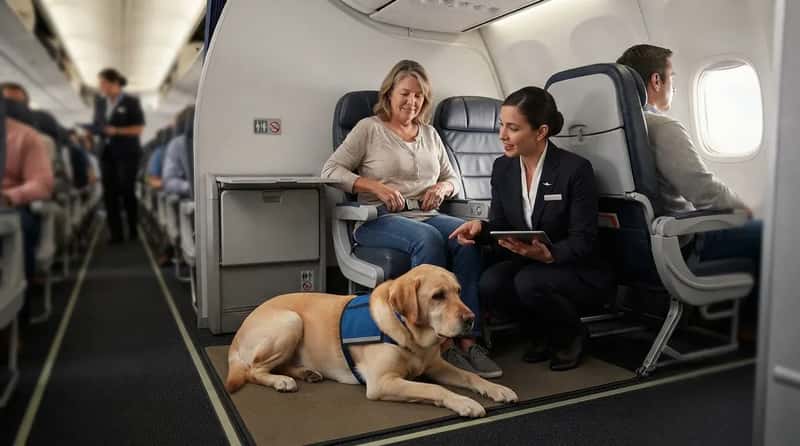
Seating for passengers traveling with service animals often requires last-minute adjustments that supervisors approve on the spot, sometimes moving other passengers to accommodate space requirements. This isn’t something airlines list as a public perk; it’s handled as a compliance necessity.
The passengers moved to make room rarely get an explanation beyond a brief, polite request. It’s one of the more invisible forms of discretion at the gate, driven by accessibility law rather than airline generosity. Most people never connect the dots.
At a Glance
- Airlines are required to recognize dogs as service animals and accept them for transport on flights to, within, and from the United States; emotional support animals no longer qualify.
- Only a dog individually trained to do work or perform tasks for a person with a disability counts as a service animal under the current DOT definition.
- Airlines can require the DOT service animal form up to 48 hours before departure when the booking was made that far in advance.
- Flights of eight hours or more require an additional DOT form attesting the animal can relieve itself safely and sanitarily.
- A maximum of two service dogs is allowed per passenger.
#5 – The Note in Your File That Follows You Forever
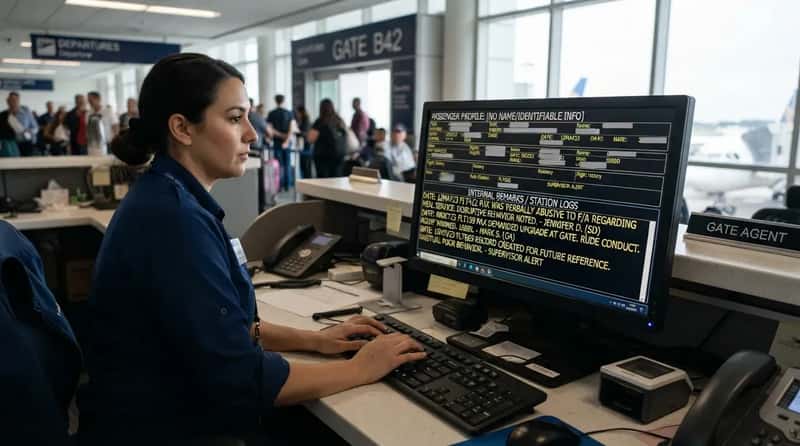
Supervisors and gate agents can add comments directly to a traveler’s record, and those notes don’t disappear after one bad flight. Although each airline is different, agents can and do make comments on a traveler’s record, and while a future agent may have to search for it, past nasty behavior can haunt travelers on later flights.
On the flip side, crew members talk during flights, so being rude to one staff member means the whole crew knows who a passenger is and where they’re sitting, with notes potentially added for future flights too. Politeness compounds quietly over years, and it’s one of the more surprising truths on this entire list.
#4 – The Hotel Voucher That’s Never on the Official List
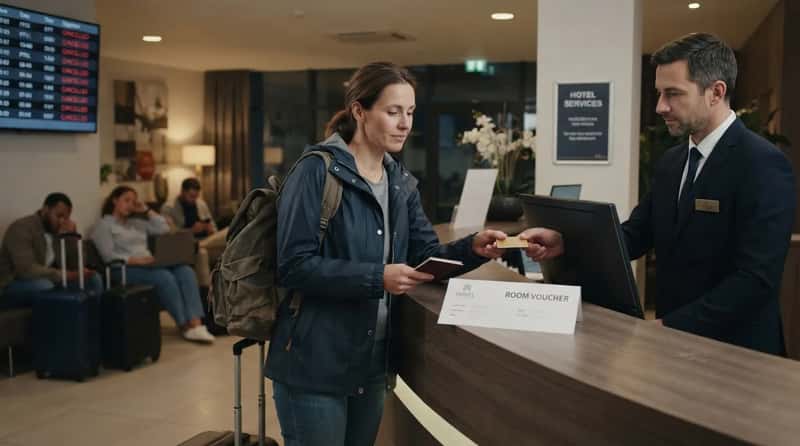
When flights cancel overnight, published compensation charts don’t always tell the whole story. Airlines from the European Union, and U.S. carriers operating from it, are subject to strict guidelines on what they can offer passengers if a flight is delayed, canceled, or oversold, but agents won’t always offer extra up front, so it helps to ask.
Supervisors sometimes approve a hotel voucher for stranded passengers even when the disruption technically falls into a gray area of the airline’s own rules. It’s rarely volunteered first. Travelers who calmly ask, rather than demand, tend to walk away with more.
#3 – The Reopened Gate for the Passenger Sprinting Down the Concourse
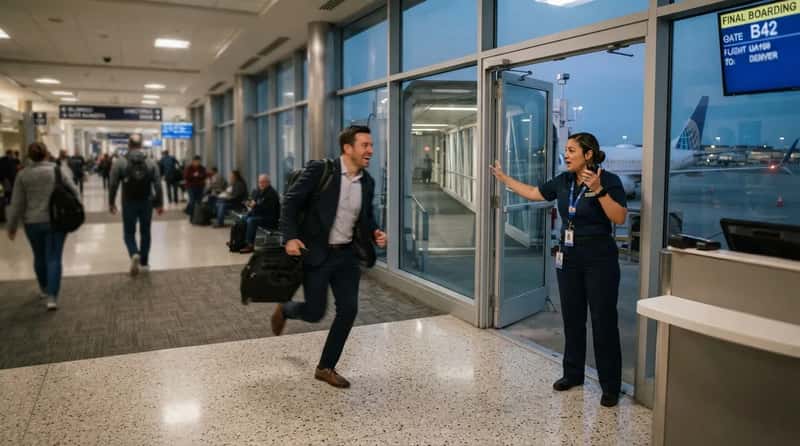
Doors are supposed to close firmly at a set time, but supervisors occasionally reopen a gate for someone visibly running, especially if the aircraft hasn’t pushed back yet. It’s an unpredictable, case-by-case call that depends on schedule pressure, weather, and simple human judgment in the moment.
It never gets announced to the rest of the boarded cabin as a rule that exists. Passengers who miss it by seconds are told firmly no, while others sprinting seconds earlier get waved through. The inconsistency frustrates people, but it’s also entirely human.
#2 – The Companion Who Boards Early for Free
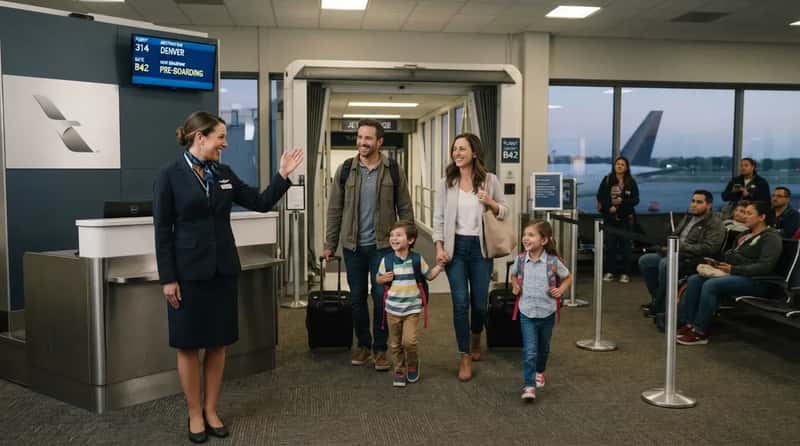
Beyond the standard pre-boarding perk, supervisors sometimes extend the same courtesy to a full travel party rather than just one qualifying passenger, particularly on flights with light loads. This isn’t a published benefit anywhere in writing; it’s a judgment call made in real time at the gate.
Families who don’t ask often miss it entirely, assuming the rule only ever covers one person. Those who politely mention their situation sometimes find the whole group waved forward together. It’s a small comfort that never comes with an announcement attached.
#1 – The Family Reunited in the Same Row, Free of Charge
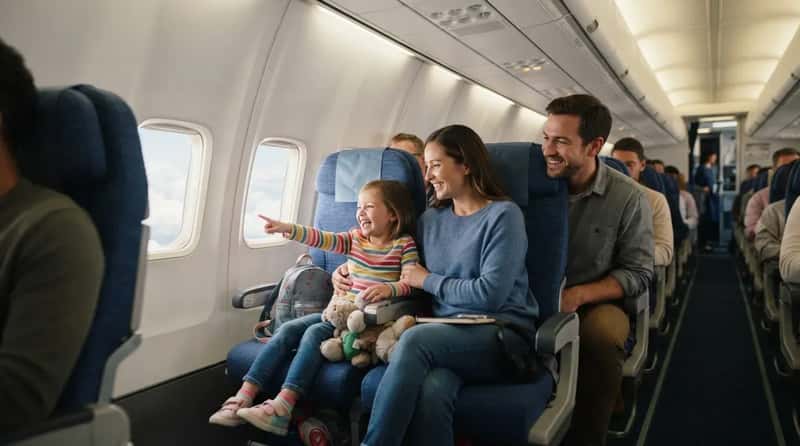
Of every quiet approval on this list, reuniting a separated family is the one supervisors lean into most, and it carries the most visible relief. Gate agents have discretion to adjust seating for operational reasons, such as accommodating families if possible, without requiring anyone to pay for the privilege.
Parents who board expecting to sit rows apart from a young child often find, minutes later, that someone quietly rearranged the cabin. No overhead announcement explains it, and no fee ever appears on the receipt. It’s the clearest example of discretion used exactly the way it was meant to be.
None of these twenty-five adjustments come with a memo, a press release, or an overhead announcement. They happen in seconds, decided by someone with more authority than the printed policy suggests, and most passengers never realize how much of their travel experience depends on a quiet judgment call rather than a fixed rule.
The pattern across all twenty-five is the same: discretion exists, it gets used constantly, and it almost never gets explained out loud. Which one of these has happened to you, and which one do you wish more supervisors would use? Drop it in the comments.