Most travelers assume hotel upgrades are pure luck – a spin of the wheel decided by whoever happens to be working that night. That’s not how it actually works. Front desk agents control far more inventory than guests realize, and they’re allowed to move that inventory around at their own discretion, often without ever telling a manager.
The catch is that almost none of it gets advertised. These upgrades exist quietly, tucked into the gap between official policy and what an agent is personally allowed to approve on the spot. Here’s what actually happens behind that counter – and why two guests paying the exact same rate can walk away with completely different nights.
#26 – A Room With an Actual View, Not a Parking Lot

Standard rooms often get assigned by whatever’s available first, which means guests who don’t ask usually get whatever’s left – including the room facing the dumpster. Agents can quietly swap a guest into a view room simply because it’s sitting empty and there’s no reason to waste it.
The hotel doesn’t lose anything by upgrading you if the higher-priced room is going to sit empty that night anyway, and in return they get a happier customer. It costs the property nothing, so agents treat it as an easy way to make someone’s day without breaking a single rule.
#25 – Placement Away From the Elevator, Ice Machine, and Stairwell
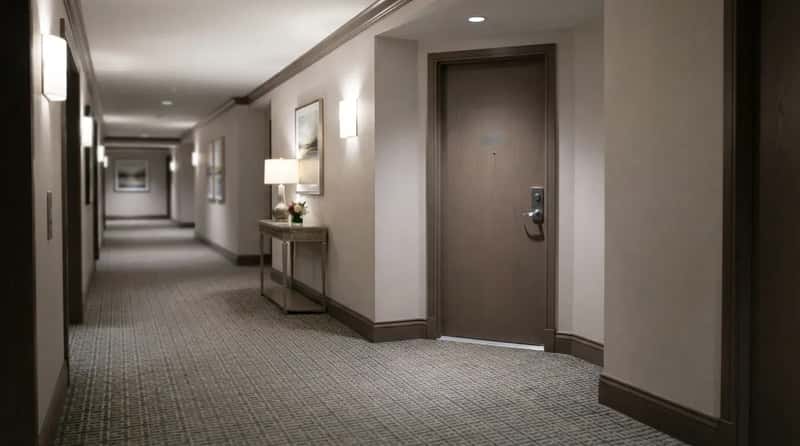
Nobody warns you that the room nearest the elevator bank is basically a noise machine disguised as a hotel room. Agents know exactly which rooms guests complain about most, and they’ll quietly steer pleasant guests away from them.
This isn’t a formal upgrade category, so it never shows up on a rate sheet. It’s simply an agent using their own floor map knowledge to give someone a better night’s sleep, since noise complaints eat up an entire shift if they don’t head them off first.
#24 – Early Check-In Before the Official Time
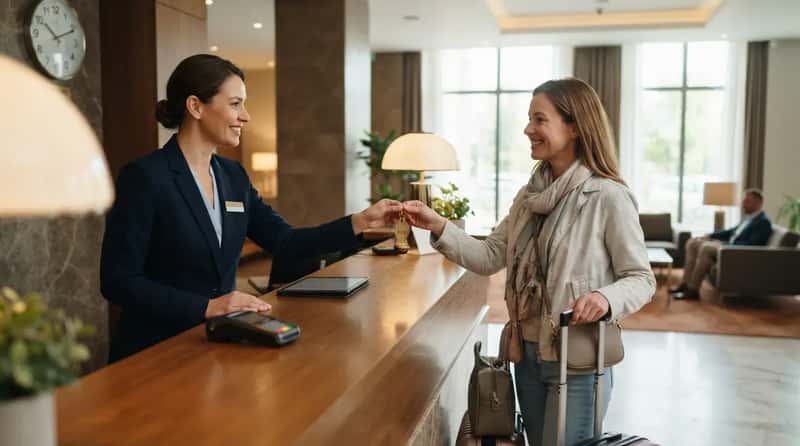
Official check-in times exist mostly for staffing and housekeeping logistics, not because rooms are magically unavailable a minute earlier. If a room was cleaned overnight or checked out the day before, an agent can hand over keys hours ahead of schedule.
Staff also tend to be in a better mood once the morning rush has settled, which is why timing your arrival matters more than most guests think. Show up mid-morning instead of during the afternoon crunch, and the odds shift noticeably in your favor.
Fast Facts
- Standard check-in at most U.S. hotels is 3 p.m., with checkout by 11 a.m.
- Rooms are typically cleaned in batches, with the bulk finished by late morning
- Arriving between 10 a.m. and noon often hits the sweet spot before the desk gets slammed
- Calling ahead to flag an early arrival gives staff a heads-up to prioritize a room
#23 – A Late Checkout With No Extra Fee
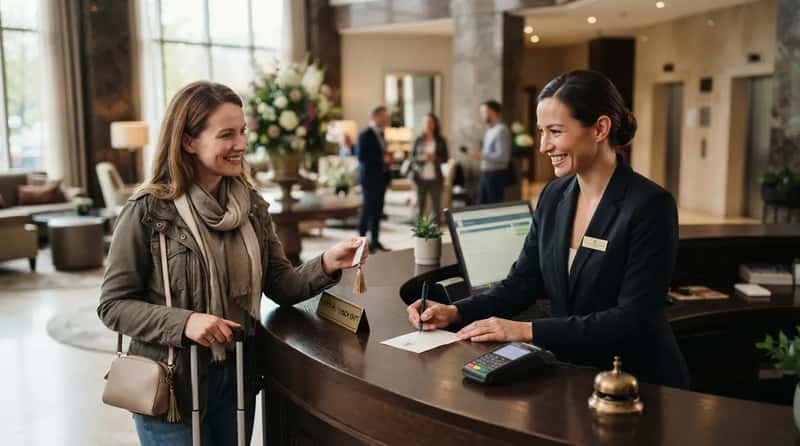
Late checkout is quietly one of the most requested and most easily granted favors in the entire hotel industry. If housekeeping doesn’t have back-to-back turnover pressure that day, an agent can approve an extra hour or two without asking anyone.
This is almost never written down as policy, because hotels don’t want every guest expecting it automatically. It’s treated as a personal favor, which is exactly why being polite at check-in pays off again at checkout.
#22 – A Corner Room or End Unit
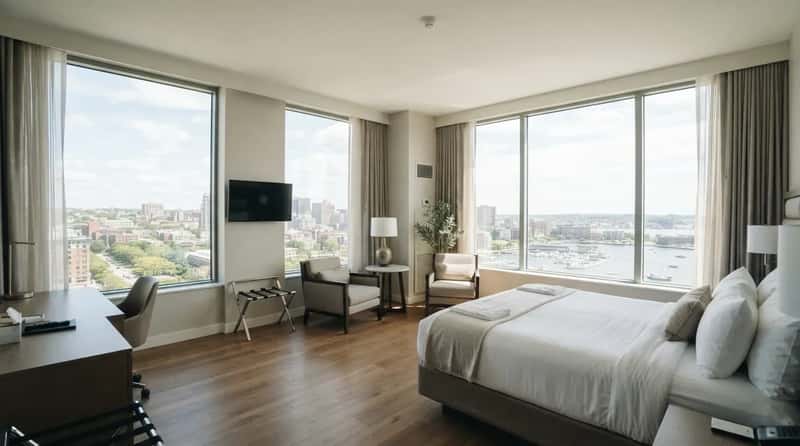
Corner rooms tend to be slightly larger, quieter, and better lit because they only share one wall instead of two. Most guests have no idea these layout differences even exist inside a “standard” room category.
Agents assign rooms manually in most properties, meaning they can pick the better-shaped room for a guest they like without changing the room type or the price. It’s one of the most invisible upgrades in hospitality, and almost nobody asks for it directly.
#21 – A Quiet Side of the Building, Away From Traffic

Rooms facing a busy road or a loading dock are functionally worse than rooms facing a courtyard, even if they’re sold as the exact same category. Front desk staff know which side of the building is the “bad” side, and they usually keep it in reserve for whoever checks in last.
A guest who mentions they’re a light sleeper or traveling with kids will often get quietly moved to the calmer side. It’s a small gesture, but it’s the difference between a restful stay and a frustrating one.
#20 – Connecting or Adjoining Rooms for Families

Connecting rooms aren’t always guaranteed at booking, even when a family specifically needs them. Front desk staff can rearrange assignments at check-in to make it happen, especially if the request comes with a smile instead of a demand.
This is one of the more common on-the-spot fixes agents make, because the alternative – an unhappy family split across the hallway – creates far more work for everyone. Most people don’t realize this flexibility exists until they simply ask.
#19 – A Complimentary Treat for Celebrating a Milestone

Mentioning a birthday, anniversary, or honeymoon still moves the needle more than people expect, even though agents hear it constantly. Don’t be shy about sharing your reason for visiting – if there’s a better room available, that mention is often exactly what tips the decision.
It’s not guaranteed, since front desk agents see anywhere from 75 to 100 guests a day, and it feels like everybody is getting married, on vacation, or turning thirty. But when a room happens to be free, occasion mentions are frequently the deciding factor.
#18 – A Resort Fee Quietly Waived
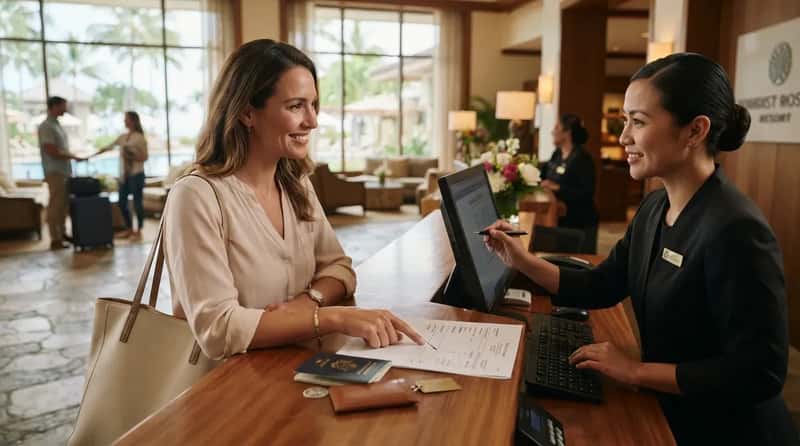
Resort fees are one of the most disliked charges in travel, and many guests don’t realize agents sometimes have the authority to waive them entirely. This usually happens when a guest politely questions the charge instead of arguing about it.
The waiver rarely gets advertised, because hotels rely on that revenue line. But a calm, direct conversation at check-in occasionally results in the charge simply disappearing from the folio before it’s even printed.
#17 – Free or Discounted Valet Parking
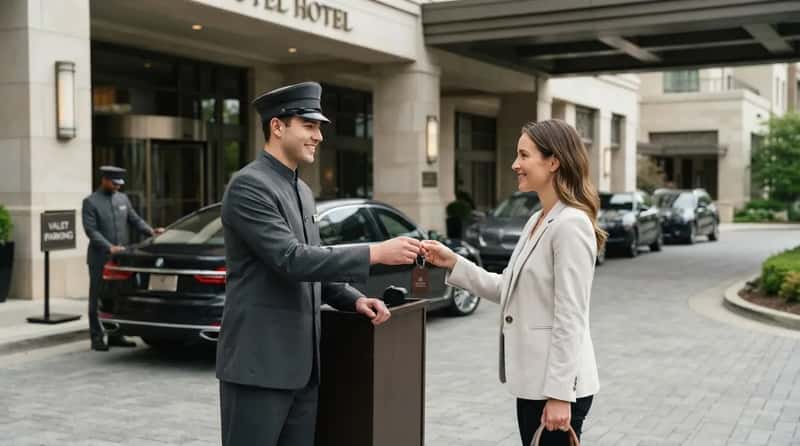
Parking upgrades are another quiet perk that costs the hotel almost nothing if the garage isn’t full. Agents can comp valet parking or waive daily fees, especially for guests staying multiple nights or returning regulars.
This kind of adjustment rarely appears on any published rate sheet, which is exactly why it feels like such a surprise when it happens. It’s treated as a small thank-you rather than an official benefit.
#16 – A Free Breakfast Voucher
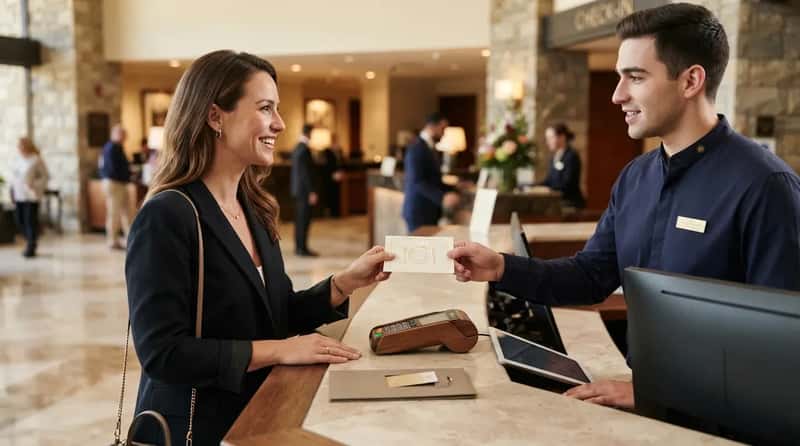
Breakfast credits are one of the easiest goodwill gestures a front desk agent can approve without involving a manager. It costs the property a fraction of what a room upgrade would, yet guests remember it just as fondly.
This tends to happen most often when a guest experiences a minor inconvenience, like a delayed room or a booking mix-up. It’s a low-cost way for staff to smooth things over immediately instead of letting a complaint escalate.
#15 – A Refrigerator or Microwave Added to a Standard Room
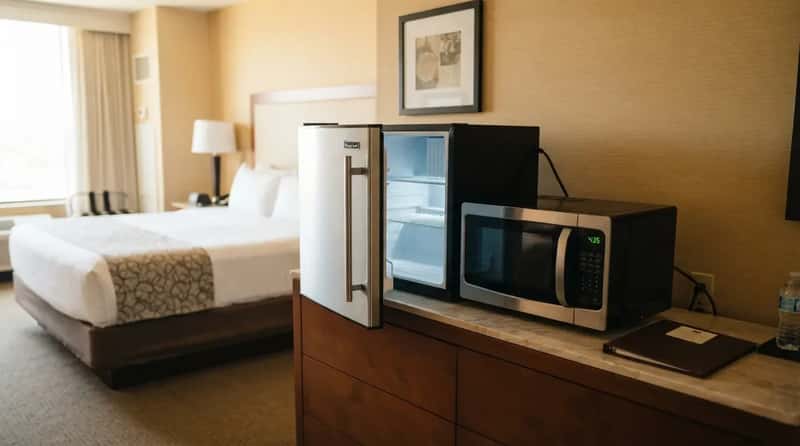
Not every standard room comes stocked with a fridge or microwave, even in hotels that keep them in storage. Front desk staff can request one be delivered to a guest’s room after check-in, often at no charge.
This is especially common for guests mentioning medication, baby formula, or dietary needs. It’s rarely offered upfront, but it’s almost always available if someone simply asks the right question.
#14 – Extra Pillows, Blankets, or a Rollaway Bed
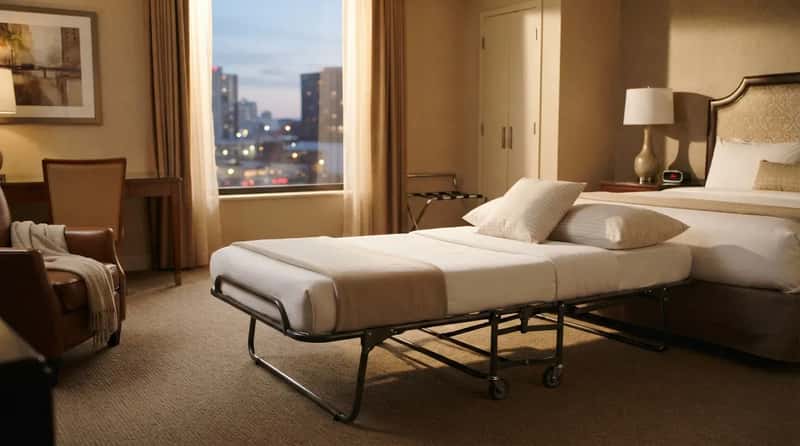
These requests seem minor, but they’re another example of agents quietly bending “standard” inventory rules for a guest who’s easy to work with. A rollaway bed that technically carries a fee is sometimes waved through without charge.
Most guests never ask because they assume it costs extra automatically. In reality, whether a fee gets applied often comes down entirely to how the request is phrased at the desk.
#13 – A Room Change After a Legitimate Complaint

When something in a room genuinely doesn’t work, agents have real leverage to fix it fast – and often upgrade the guest in the process. If the hot water isn’t working or the air conditioning isn’t cooperating, tell the agent at the front desk, and there’s a real chance you’ll be moved into a better room entirely.
If they don’t have another room available, they’ll usually send someone to fix the problem quickly and issue a certificate toward an upgrade on your next stay. Either way, a calm complaint tends to produce a better outcome than silence ever does.
At a Glance
- No hot water or a malfunctioning air conditioner
- Persistent noise from hallways, elevators, or the street
- A view or layout that doesn’t match what was booked
- Housekeeping issues discovered right after arrival
#12 – A Future-Stay Credit as a Quiet Apology
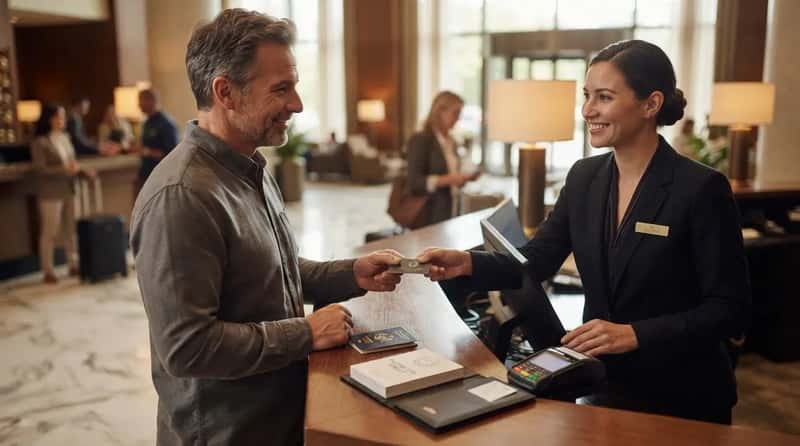
Sometimes a hotel simply can’t fix a problem the same day, and that’s when future-stay credits come into play. Agents can issue these without corporate approval in most chains, treating them as a direct trade for a guest’s patience.
This is one of the least visible upgrades because it doesn’t help the current stay at all – it only pays off the next time someone books. Loyal repeat guests tend to accumulate these quietly over the years.
#11 – A Pet Fee Waived for Well-Behaved Travelers
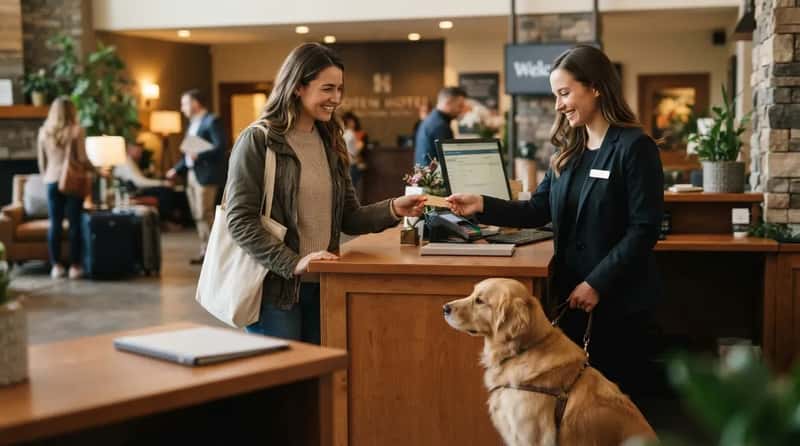
Pet fees are notoriously inconsistent, and that inconsistency is largely because front desk staff have more control over them than corporate policy suggests. A calm, well-prepared guest with a well-behaved pet often gets the fee reduced or dropped entirely.
This isn’t something hotels list publicly, since it would undercut the fee altogether. But it happens often enough that frequent pet travelers learn which properties tend to be flexible.
#10 – Executive or Club Lounge Access Added On
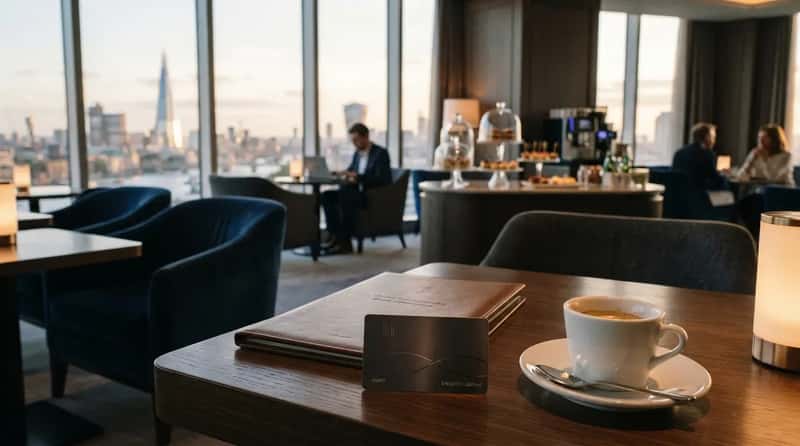
Lounge access is usually reserved for elite loyalty tiers or specific room categories, but agents sometimes extend it informally to guests they simply want to treat well. That can include free breakfast, evening snacks, and a quieter place to work.
Regular guests are often first in line for perks if a hotel overbooks a particular room category, and lounge access frequently rides along with that same discretionary goodwill. It’s rarely announced – guests usually just find a lounge key card waiting with their room key.
#9 – The Hidden “Make It Right” Fund Some Luxury Brands Use

Certain luxury chains give employees an actual budget to fix guest problems on the spot, no manager approval required. One former Ritz-Carlton employee has said that during orientation, HR explained that each staff member is given a discretionary allowance specifically to make a guest’s stay feel memorable.
This fund isn’t advertised to guests at all – it’s an internal tool meant to turn a bad moment into a loyal customer. Most guests never realize their “upgrade” was actually paid for out of an employee’s own discretionary account.
#8 – A Full Suite Upgrade for Guests Who Booked Directly

Booking channel matters more than most travelers assume, and it directly affects who gets prioritized at check-in. When you book through a third-party site, the hotel typically pays out 15 to 25 percent in commission and has less incentive to treat you preferentially – but when you book directly, many hotel systems flag you for upgrade priority automatically.
This distinction is almost never explained to guests, which is exactly why two people can pay the same rate and end up in very different rooms. Direct bookers simply show up higher on the list the moment a good room opens up.
Quick Compare
| Direct Booking | Third-Party Site |
|---|---|
| Hotel keeps the full rate | Hotel pays out 15-25% in commission |
| Often flagged for upgrade priority | Rarely flagged for upgrades |
| Easier to adjust or waive fees | Changes usually routed through the third party |
#7 – Upgrades Tied to a Guest’s Own Notes in the System
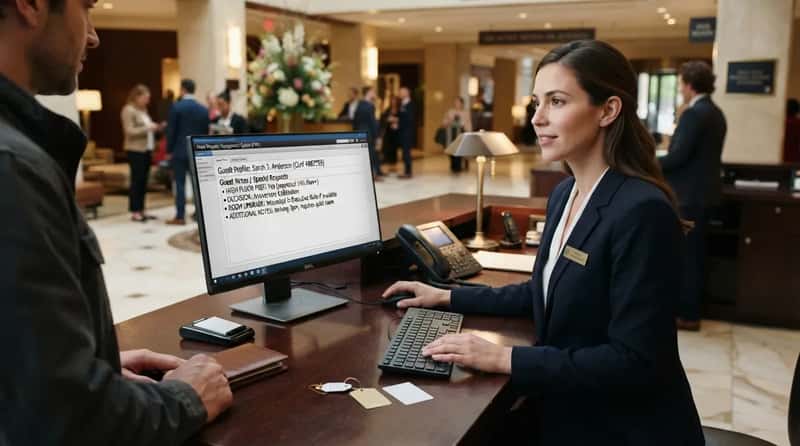
Every reservation carries a hidden trail of notes, and agents read them closely before assigning rooms. When a front desk agent opens your record on arrival day, they don’t just see a name – they see a story, a preference, maybe even a reason for the trip, which gives that agent a face to match to the room.
Preference fields get reviewed during room allocation, which is where high-floor requests, occasion mentions, and upgrade wishes are most efficiently recorded. Guests who fill these out ahead of time consistently get better placement than guests who show up as a blank profile.
#6 – A Room Swap Mid-Stay After a Quiet Conversation
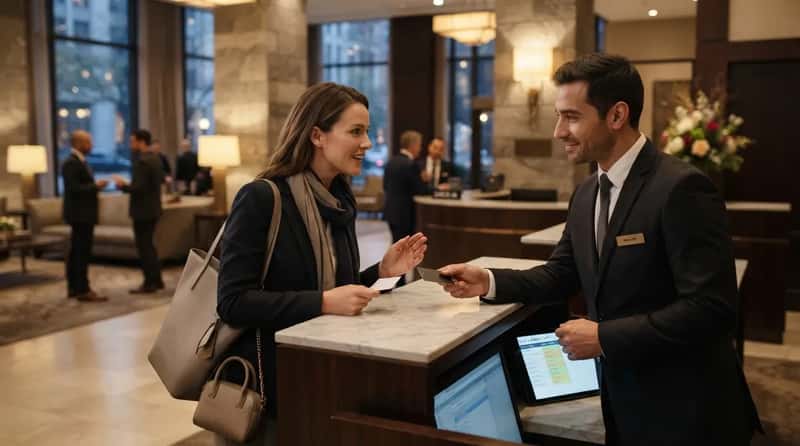
Guests staying multiple nights get a second shot at an upgrade that first-night arrivals don’t. On stays of three or more nights, if you weren’t upgraded on arrival, a quiet, warm conversation with the front desk manager on day two sometimes yields a room move – ask directly, without a hint of entitlement.
This works because inventory shifts daily as other guests check out. The second day is often a better window than check-in day itself, simply because more rooms have opened up by then.
#5 – The Cash-and-Card “Sandwich” Upgrade
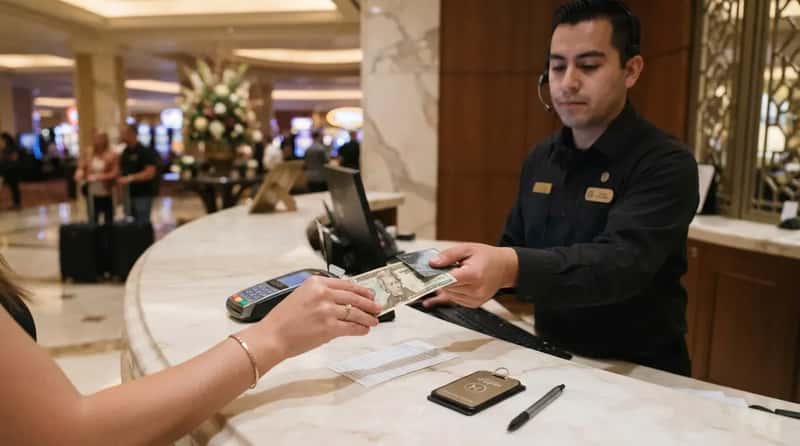
This one is controversial, but it’s real, and plenty of frequent travelers swear by it. Commonly used in Las Vegas, the trick involves wrapping a $20 bill around your credit card at check-in and asking, “Are there any upgrades available tonight?”
A former front desk agent once described exactly how effective this can be: if a guest handed over $20 that way, the agent would make sure that guest got the best room within their power, then block the room from being reassigned. Some hotels quietly tolerate this, even though it’s never listed as official policy anywhere.
#4 – Off-Peak Check-In Timing That Unlocks Better Rooms
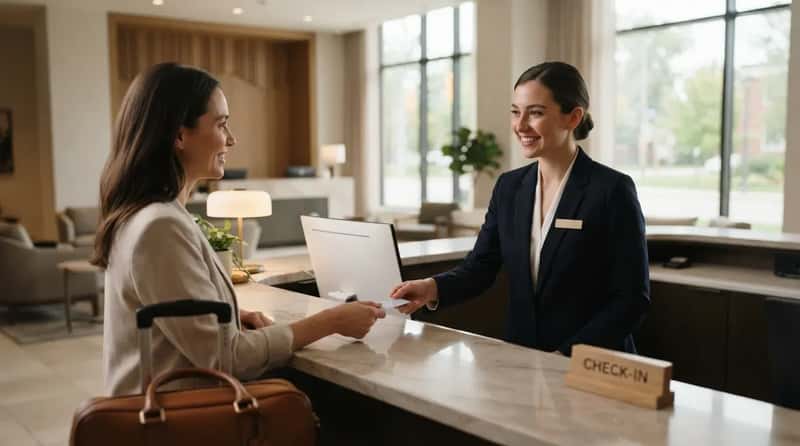
The exact minute a guest walks up to the desk can change what’s even available to offer. Check in right at the official time and fewer rooms have been cleaned yet; check in during the evening rush between 6 and 8 p.m. and staff are too buried to help beyond the basics.
Arriving in a quieter window gives agents both the time and the room inventory to actually go looking for something better. It’s one of the simplest, least talked-about ways to shift the odds before a single word is even said.
#3 – A Private Floor Upgrade, Simply for Being Pleasant
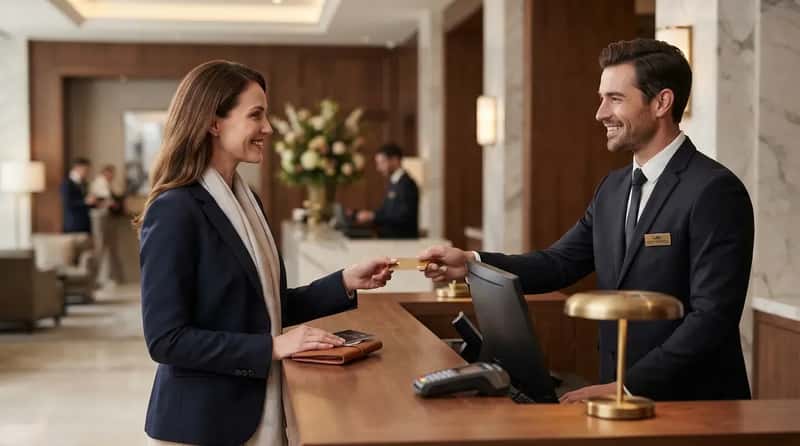
Attitude at the desk affects far more than most guests believe. One former luxury hotel agent described a guest who was on track for a complimentary upgrade to a private floor – the guest had checked in early and was paying a high rate – but lost it entirely after refusing to speak, tossing a credit card on the counter, and acting entitled. That guest never realized they’d just talked their way out of an $800 upgrade.
This isn’t a myth passed around by disgruntled staff – it’s confirmed directly by the people who make these calls every day.
We delegate where you sleep at night. We can move inventory as we see fit and complimentary upgrade at our discretion.
Former luxury hotel front desk agent
#2 – A Near-Guaranteed Upgrade Streak for Loyal Regulars
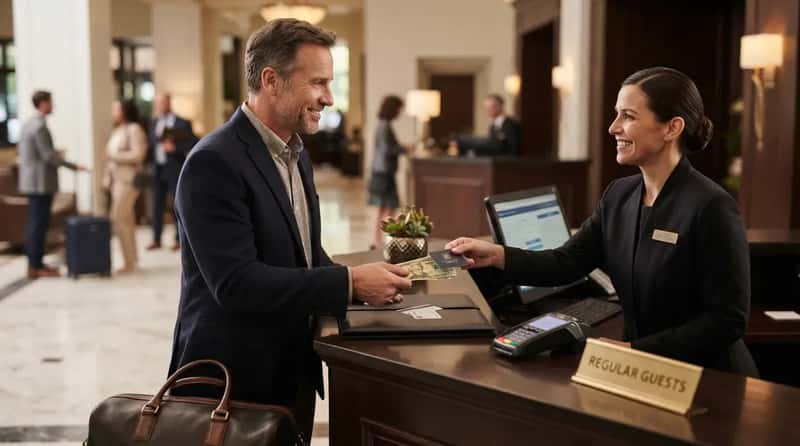
The most consistent upgrades in hospitality don’t go to the loudest guests – they go to the most familiar ones. One front desk agent described a guest who leaves a small tip every single stay and has been upgraded on every visit for ten years running.
This isn’t luck. It’s a relationship built one small, respectful gesture at a time, repeated often enough that the agent starts reserving the good room before the guest even arrives. Loyalty, tipping, and consistency quietly outperform every “trick” combined.
Why It Stands Out
- Tips consistently, even just a few dollars, on every stay
- Greets staff by name instead of treating them as invisible
- Stays calm and specific when something actually goes wrong
- Returns to the same property again and again, building real history
#1 – The Full Suite Comp Reserved for the Guest They Actually Remember
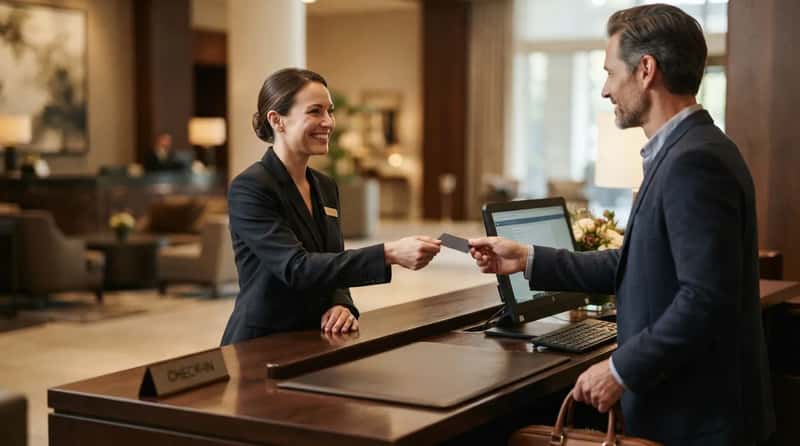
The single biggest upgrade in hospitality isn’t a room category – it’s being unforgettable for the right reasons. One widely shared story describes a guest whose lost item was quietly replaced out of an employee’s own discretionary fund; the hotel reimbursed the employee afterward, and the guest was so moved that they now return to the same property every single year.
That’s the real secret behind every upgrade on this list. It was never about tricks, scripts, or magic phrases – it was about becoming the kind of guest a hotel wants back. The best room in the building is almost always saved for someone the staff already likes.
None of these upgrades require a special app, a hidden password, or an aggressive negotiation tactic. They come down to timing, tone, and the quiet discretion front desk staff have been carrying this entire time, mostly unnoticed.
The next time you check in, remember that the person behind that counter has more power over your stay than any loyalty app ever will. Which of these have you actually experienced – or been denied?