Most travelers think checked bag rules start and end with the 3.4-ounce liquid limit. That’s the myth. The reality is that road warriors – the people racking up 100,000 miles a year – have built an entirely different, unofficial list of things they will never hand over to a baggage handler, and it has almost nothing to do with the TSA’s liquids chart.
Some of it comes down to federal law. Some of it comes from getting burned once and never making that mistake twice. Either way, once you see the full list, you’ll probably rethink what’s sitting in your suitcase right now.
#27 – The Loose Batteries Rattling Around in a Ziploc Bag
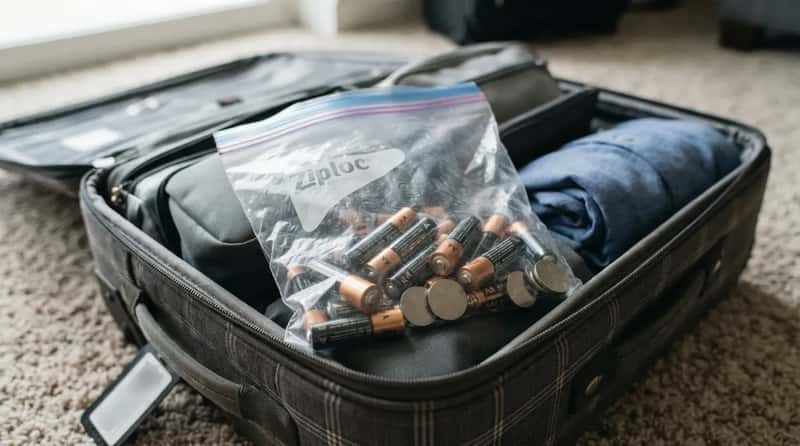
Frequent flyers know that a handful of loose AA, AAA, or coin-cell lithium batteries tossed in a checked bag is a rookie mistake. Unprotected terminals can touch metal or each other and short-circuit mid-flight, which is exactly the scenario airlines are trying to prevent.
Regulators are explicit that battery terminals should be protected by original packaging or covered with tape and placed in separate bags to prevent short circuits. Seasoned travelers now tape every terminal individually before a trip, no exceptions.
#26 – Bear Spray and Oversized Aerosol Cans
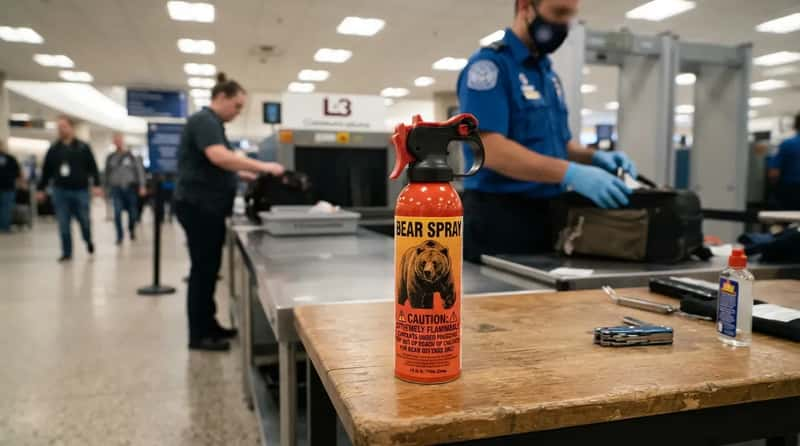
Outdoor-loving frequent flyers learn this one the hard way after a ranger confiscates their bear spray at the counter. It isn’t a size issue – it’s an outright ban.
Flammables and explosives, including lighter fluid, fireworks, and bear spray, are banned from both carry-on and checked bags. A small 4-ounce pepper spray canister with a safety cap is the maximum allowed, and even that only goes in checked luggage. Hikers headed to national parks now just buy spray locally instead of risking the whole canister at security.
#25 – Camp Stove Fuel and Fuel Canisters

Weekend backpackers who fly often will tell you: never pack the fuel, even if the stove itself is empty and spotless.
Any sort of stove fuel, including solid fuel tablets, is banned because leftover residue could help a fire burn longer if one broke out mid-flight. That applies whether it’s tucked in a carry-on or buried in a checked bag – there’s no loophole either way. Frequent outdoor travelers now ship fuel ahead or buy it at an outfitter near the trailhead instead.
#24 – Torch Lighters and Strike-Anywhere Matches
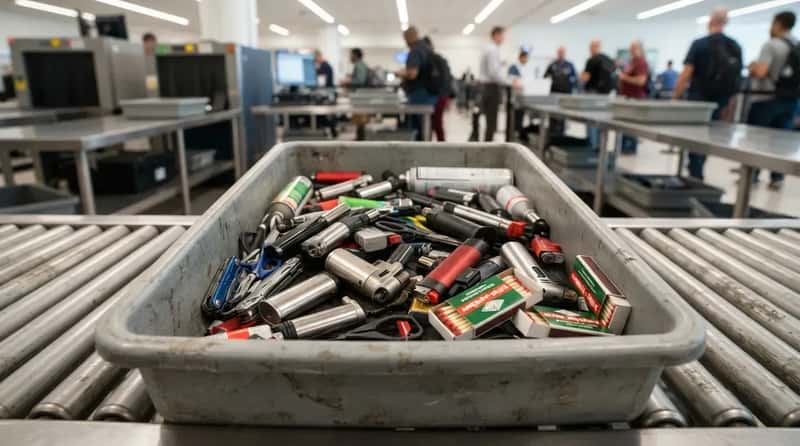
This is one of the most misunderstood rules in air travel, and even veteran flyers get tripped up on the fine print.
Disposable and Zippo lighters without fuel are allowed in checked bags, and fueled lighters can travel under a DOT exemption allowing up to two in an approved case. Torch lighters and strike-anywhere matches, though, are banned outright with no exemption available. Frequent flyers now just buy a lighter at their destination rather than gamble on confiscation.
#23 – Hoverboards and Other Lithium-Powered Rideables
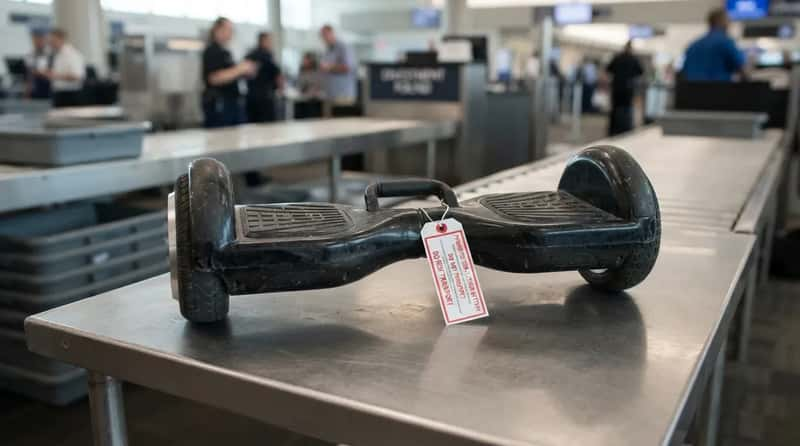
This one genuinely surprises casual travelers, but anyone who’s tried it once never tries it again.
Major carriers ban these devices completely rather than restrict them to one bag type. Airlines don’t allow lithium-ion battery-powered personal transportation devices on board, as carry-on, or as checked baggage – the battery packs inside are considered too unpredictable to fly at all. Frequent flyers who need to move one now ship it separately through a freight carrier instead.
#22 – E-Cigarettes and Vape Pens
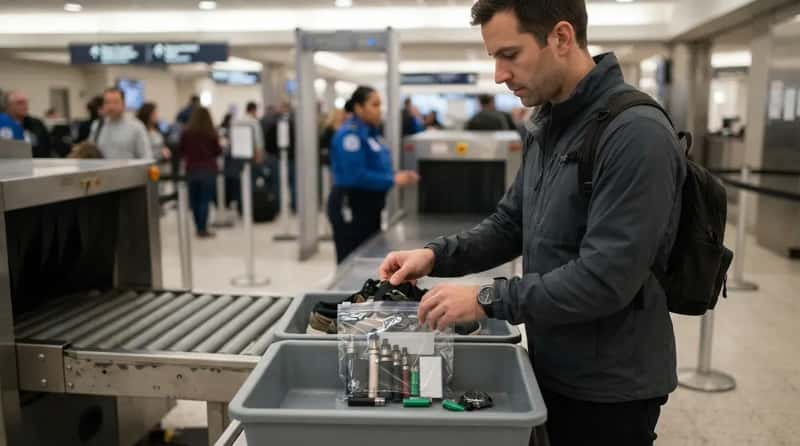
Vapers who fly regularly know this rule cold, because getting it wrong means an awkward gate conversation.
Federal guidance is blunt: spare lithium batteries, portable rechargers, e-cigarettes, and vaping devices are prohibited in checked baggage and must stay with the passenger in the cabin. It’s enforced at checkpoints nationwide, and even an accidentally packed vape routinely triggers a secondary bag search.
#21 – Spare Power Banks and Portable Chargers
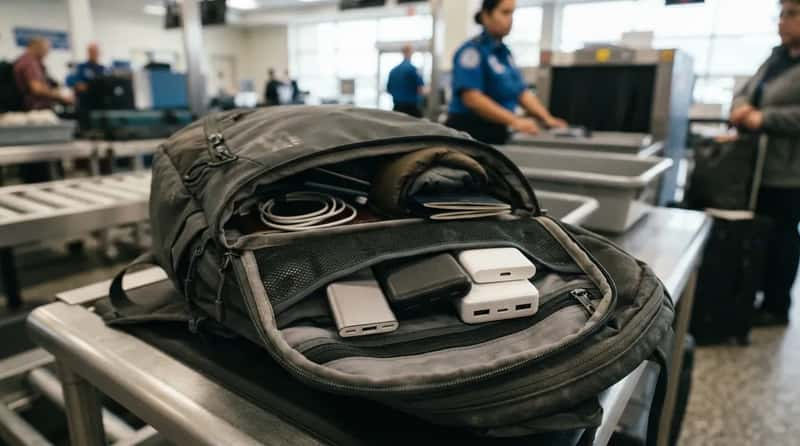
This became the single biggest packing shakeup for frequent flyers in the last two years, and plenty of casual travelers still haven’t caught up.
As of March 1, 2025, TSA rules prohibit passengers from packing portable chargers, power banks, and battery charging cases in checked luggage. The change followed a troubling trend – an FAA and CBS News analysis found a 42% rise in lithium battery incidents between 2018 and 2023. Frequent flyers now keep every power bank zipped into a carry-on pocket without fail.
Fast Facts
- Power banks under 100 watt-hours can fly in a carry-on with no special approval needed.
- Banks between 100 and 160 Wh require airline sign-off, and passengers are capped at two.
- Anything over 160 Wh is banned from passenger aircraft entirely, carry-on or checked.
- None of them are allowed in checked luggage anymore, no matter how small the battery is.
#20 – Smart Luggage With a Battery That Won’t Come Out
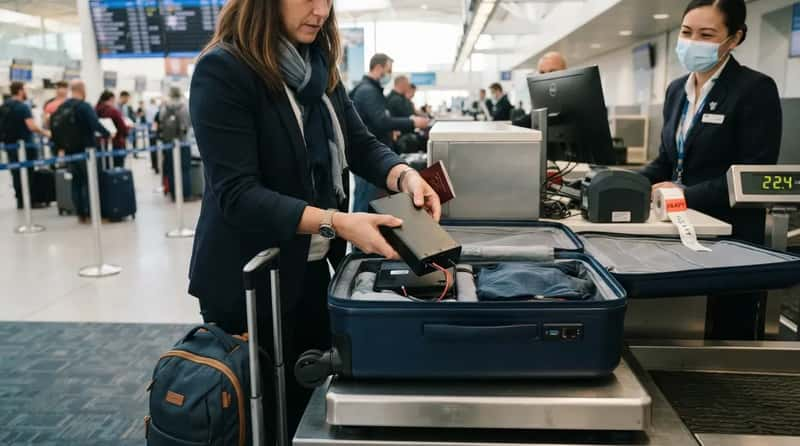
Travelers who splurged on trendy smart suitcases with built-in USB ports and GPS trackers learned this the embarrassing way, sometimes right at the check-in counter.
The rule is strict: smart luggage must contain a removable lithium battery, or the bag can be denied boarding entirely. Frequent flyers now pop the battery pack out and stash it in their personal bag before check-in every single time. Skipping that one step can mean an entire suitcase gets turned away at the gate.
#19 – Gaming Consoles and Tablets

Parents flying with kids learn quickly that a checked Nintendo Switch or iPad is basically a coin flip on arriving in one piece.
These devices contain embedded lithium batteries, and while installed batteries are technically allowed in checked bags, most safety guidance recommends keeping any device like this in the cabin instead of cargo. Beyond the fire-risk angle, checked bags get tossed, crushed, and occasionally soaked, and a $300 console doesn’t survive that kind of treatment. Frequent flyers keep them in the seatback pocket where they can see them the whole flight.
#18 – Wedding Dresses and Special-Occasion Suits
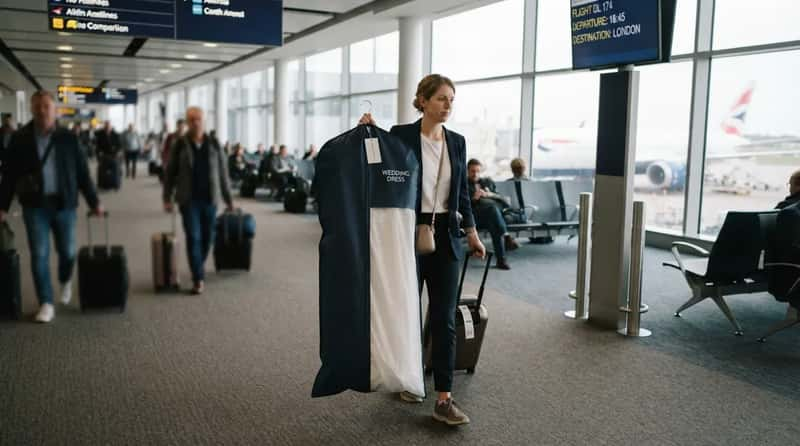
Anyone who has ever flown to their own wedding will tell you this one is non-negotiable, no matter how good the airline’s track record looks.
Checked luggage gets crushed under other bags for hours, and there’s no ironing out a garment that’s been folded into an awkward shape for a transatlantic flight. Frequent flyers who travel for weddings or galas carry the outfit on board, period. It’s one of the few times people gladly pay for extra carry-on space rather than risk the alternative.
#17 – Designer Handbags and Luxury Accessories
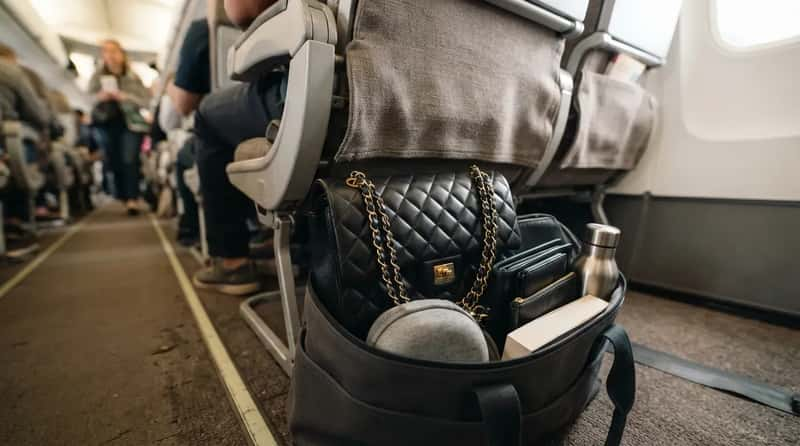
Some travelers proudly check everything, but plenty of frequent flyers now say checking a $2,000 handbag is one of the biggest unnecessary risks in air travel.
Baggage mishandling isn’t rare – a SITA report found around 26 million bags were lost, damaged, or delayed in 2022 alone, roughly 7.6 bags for every 1,000 passengers. Insurance rarely covers the full resale value of designer goods, and airlines cap liability well below retail price. Frequent flyers now treat any luxury item as strictly carry-on material.
Worth Knowing
- Federal rules cap airline liability for lost or damaged checked bags at $4,700 per passenger on domestic flights.
- That limit rose from $3,800 as of January 22, 2025, and covers the bag plus its contents together, not per item.
- Airlines are allowed to set a lower cap in their own policies, but never a higher one.
- A single high-end handbag or accessory can eat up a big chunk of that entire cap on its own.
#16 – Expensive Watches
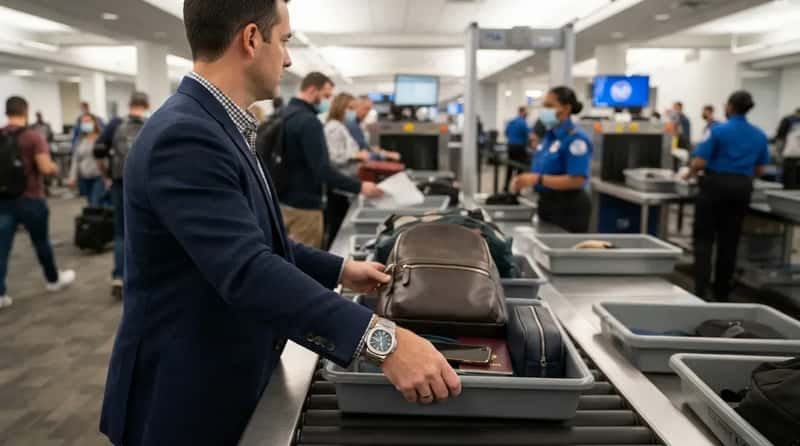
Watch collectors who fly often have a rule they never break: if it’s worth more than the plane ticket, it doesn’t leave your wrist or pocket.
This isn’t paranoia, it’s math. It’s never a good idea to pack anything valuable in checked luggage, which is why cash, jewelry, and anything sentimental stay on the body instead. A stolen or damaged heirloom watch almost never gets fully reimbursed under an airline’s baggage policy, so frequent flyers just wear it through security.
#15 – Work Laptops and USB Drives With Sensitive Files
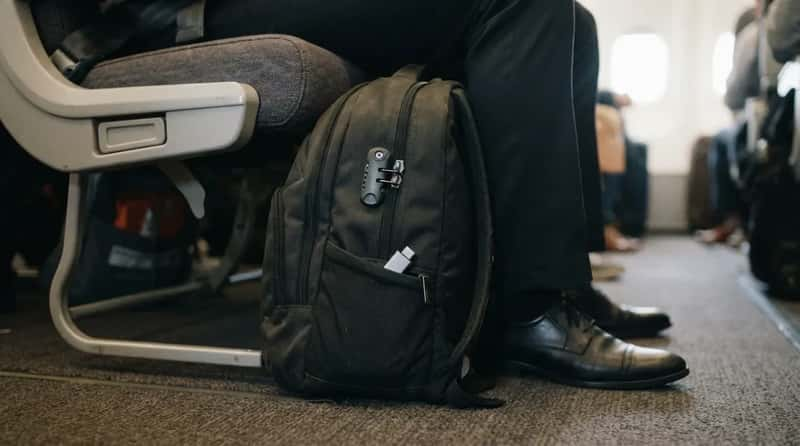
Business travelers who fly weekly treat this as an absolute rule, not a preference, especially since a lost laptop can mean a lost job.
A checked laptop is one bad conveyor belt away from a corporate data breach. Beyond the security risk, hard drives are fragile, and the rough handling checked bags endure can physically destroy irreplaceable work files. Frequent flyers back everything up to the cloud before a trip, then keep the physical device zipped against their body through security.
#14 – Car Keys and House Keys
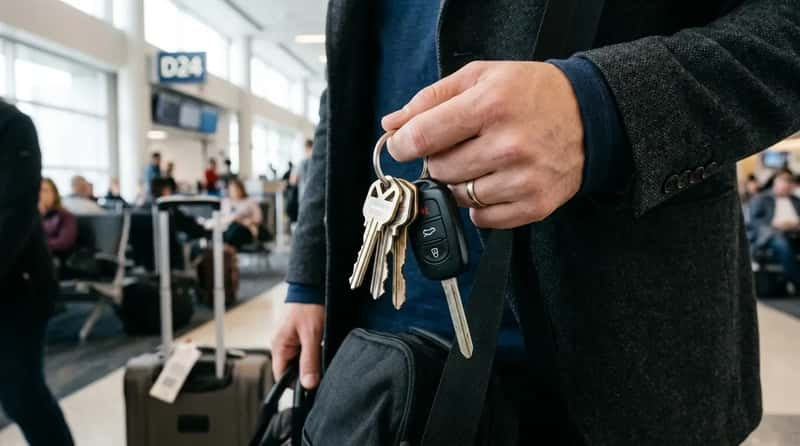
This sounds obvious until you hear how often it actually happens – someone tosses their keys in a jacket pocket that ends up in a checked duffel.
Frequent flyers treat keys like a second passport: always on the body, never in luggage. If a checked bag gets delayed even a day, a misplaced house key means calling a locksmith at midnight in an unfamiliar city. It’s a small item with an outsized ability to ruin a trip’s first night, which is why most road warriors leave a spare set with a trusted neighbor just in case.
#13 – Musical Instruments
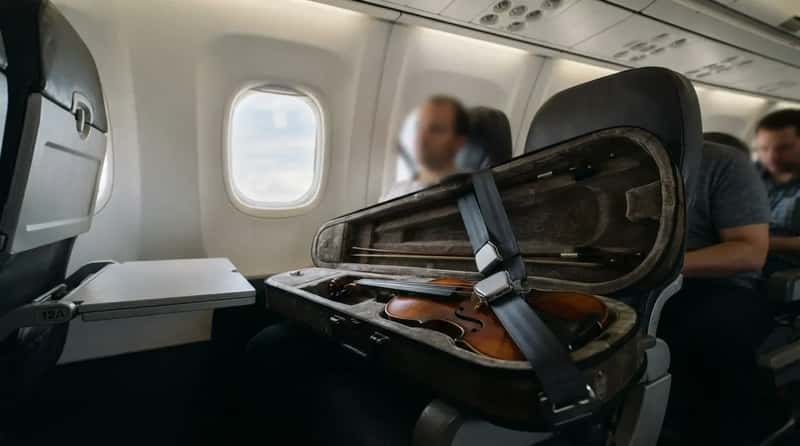
Touring musicians and hobbyists alike have strong feelings about this one, usually shaped by a horror story involving a cracked violin or a bent trumpet.
Instruments small enough to fit under a seat or in an overhead bin almost never touch a checked bag if the owner has any say in it. Cargo holds aren’t pressurized or temperature-controlled the same way cabins are, which can warp wood and damage delicate components. Even soft-shell guitar cases rarely survive a rough baggage handler, so frequent flyers with instruments often buy an extra seat just to strap the case in.
#12 – Camera Gear and Lenses
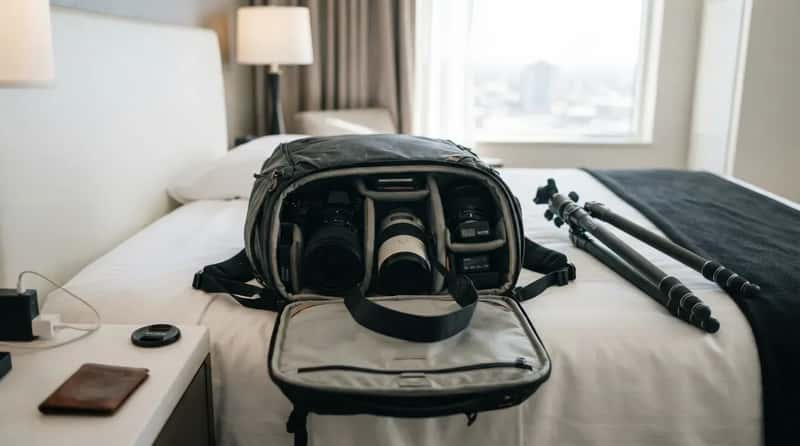
Photographers who travel for work will tell you a checked camera bag is basically an insurance claim waiting to happen.
Lenses are precision-ground glass, and a single hard drop during handling can misalign elements in ways that aren’t even visible until the photos come back blurry. Camera bodies with lithium batteries installed only add to the risk profile in cargo. Frequent flyers keep the entire kit as a personal item, sometimes leaving clothes behind to make room, because the gear is often worth more than everything else in the suitcase combined.
#11 – Phone Chargers and Charging Cables
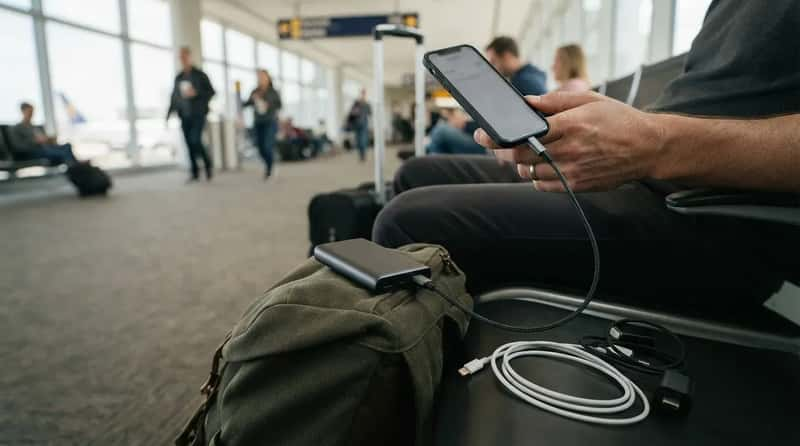
This feels minor until a traveler’s bag gets delayed for two days at a connecting airport with no charger in sight.
Frequent flyers who’ve lived through a lost-bag scenario now keep a full charging kit in their personal item every single time. A dead phone in an unfamiliar city with no way to call a rideshare or pull up a hotel confirmation is a genuinely stressful experience. It costs nothing to pack twice, but it costs a lot to be stranded without power.
#10 – External Hard Drives and Backup Drives
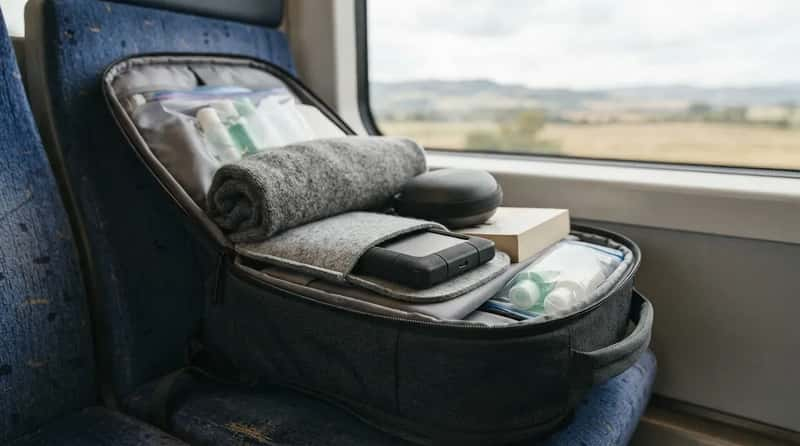
Anyone who has lost a decade of family photos to a cracked hard drive doesn’t need convincing on this one.
Checked bags get dropped, stacked, and occasionally left out in rain or snow on the tarmac, none of which is kind to spinning-disk storage. Frequent flyers who carry backups for work or personal archives keep them wrapped and in a carry-on, treating them like the irreplaceable items they usually are. A cracked drive can mean losing files that simply don’t exist anywhere else.
#9 – Laptops and Essential Electronics
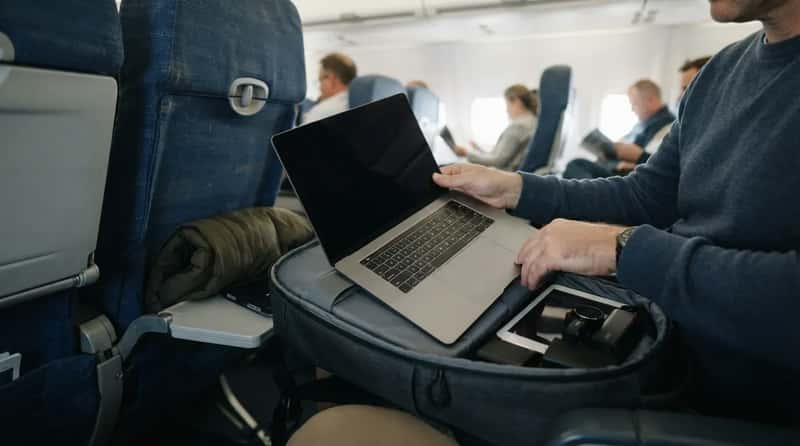
This might be the most universally followed rule among people who fly for a living.
Safety guidance is consistent: devices containing lithium batteries – laptops, tablets, cameras – should stay in accessible carry-on baggage, and if they absolutely must be checked, they should be powered fully off and cushioned from damage. Beyond the fire-risk factor, a laptop is expensive, fragile, and often irreplaceable mid-trip. Frequent flyers treat “laptop in the checked bag” as a beginner mistake they made exactly once.
Quick Compare
- Checked bag: stacked, dropped, exposed to temperature swings, and out of sight for hours.
- Carry-on: stays within arm’s reach and visible for the entire flight.
- Checked bag: a battery issue in the cargo hold can go unnoticed until it’s serious.
- Carry-on: a battery problem can be spotted and handled immediately by the crew.
#8 – CPAP Machines

Travelers who depend on a CPAP machine to sleep don’t gamble with this one, and airlines actually make an exception to support that.
A lost CPAP machine doesn’t just mean an inconvenience – it can mean a genuinely unsafe night’s sleep for someone with sleep apnea. Most airlines classify medical equipment like this as exempt from personal-item size limits, letting it travel separately from carry-on luggage. Frequent flyers with sleep apnea keep it within arm’s reach on every flight, delayed bags or not.
#7 – Eyeglasses and Contact Lens Supplies
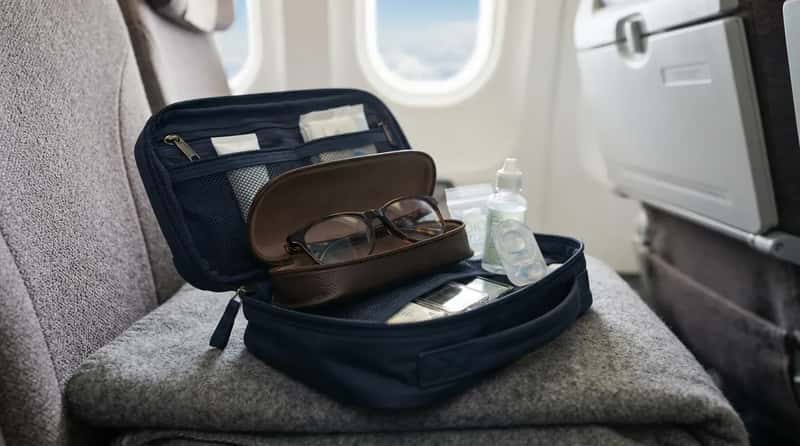
This is a rule most people learn only after arriving somewhere and realizing they can’t see the hotel room clearly.
Frequent flyers who wear glasses or contacts keep a spare pair and a small supply of solution in their carry-on at all times. A delayed checked bag combined with a lost or broken pair of glasses can turn day one of a trip into a scramble for an emergency eye appointment in an unfamiliar city. Most road warriors treat it as basic as packing a toothbrush.
#6 – Insulin, EpiPens, and Other Life-Saving Medical Supplies
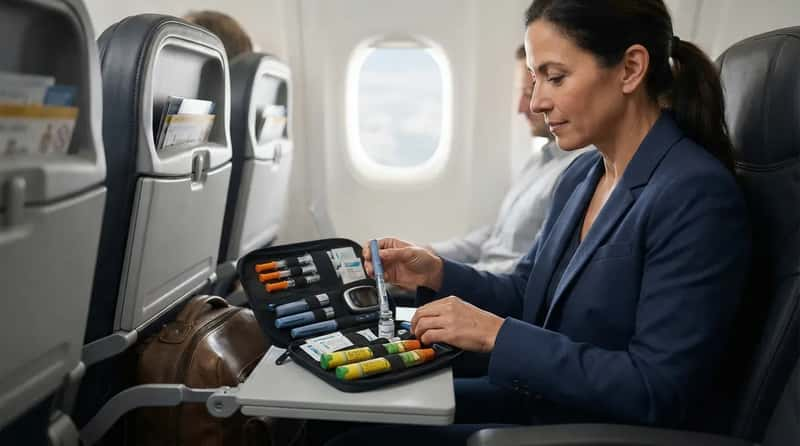
This is one of the most serious items on the list, and frequent flyers with chronic conditions treat it with zero flexibility.
Medical guidance confirms the TSA permits most medical-related items in checked luggage, but experienced travelers still won’t risk it. A delayed or misrouted checked bag can separate someone from medication they need within hours, not days.
For insulin-dependent travelers, a lost checked bag isn’t an inconvenience – it’s a medical emergency.
Common warning among frequent-flyer medical travel guides
#5 – Prescription Medications
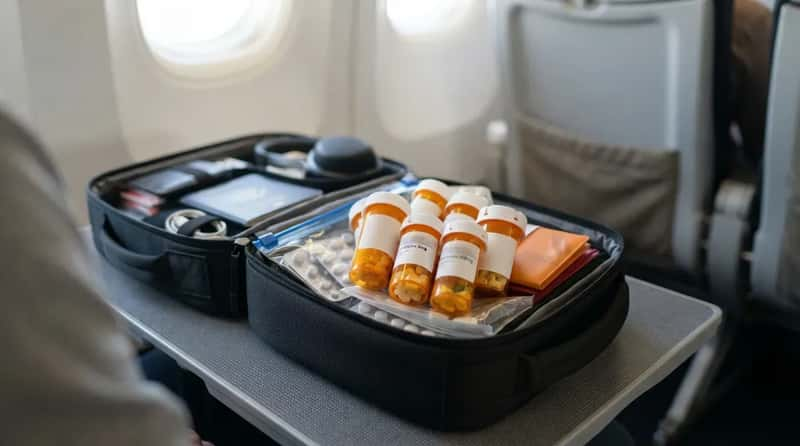
Even for less urgent prescriptions, frequent flyers treat this rule as absolute, learned from watching other travelers scramble at a foreign pharmacy.
Refilling a U.S. prescription abroad can be complicated, expensive, or in some countries nearly impossible without local paperwork. A lost checked bag containing someone’s blood pressure medication or daily prescription can derail an entire trip fast, so veteran travelers keep at least a week’s backup supply in their carry-on, separate from the main bottle.
#4 – Cash, Checks, and Gift Cards
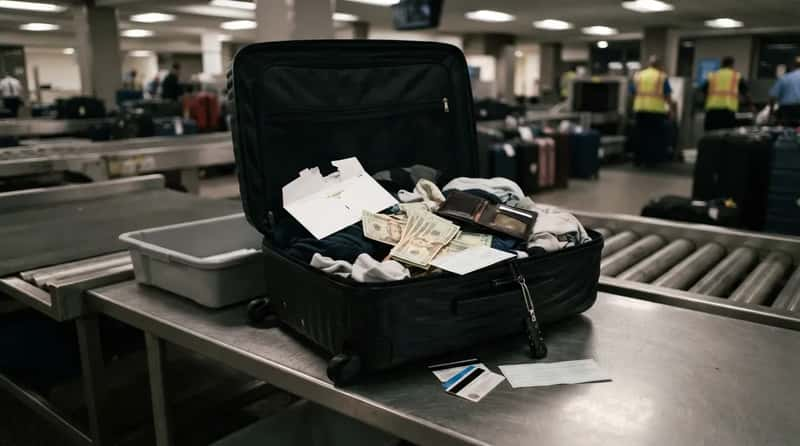
Frequent flyers learn this one from experience: cash in a checked bag is essentially cash you’re choosing to gamble away.
It’s never a good idea to pack anything valuable in checked luggage, and that includes keeping cash on your person rather than in the suitcase. Unlike a stolen jacket or shoes, cash that disappears from a checked bag is virtually impossible to prove or recover, and most airlines’ liability policies explicitly exclude reimbursement for cash and negotiable items.
#3 – Wedding Rings and Fine Jewelry

This is the item that generates the most heartbreak stories among frequent flyers, and almost every veteran traveler has one.
Jewelry sits at the top of every “never check this” list travel experts publish, right alongside cash and important documents. A missing wedding band isn’t just a financial loss – it’s often irreplaceable in a way money can’t fix. That’s why frequent flyers wear rings through security or keep them in a small zipped pocket against their body.
#2 – Passports, Visas, and Government ID
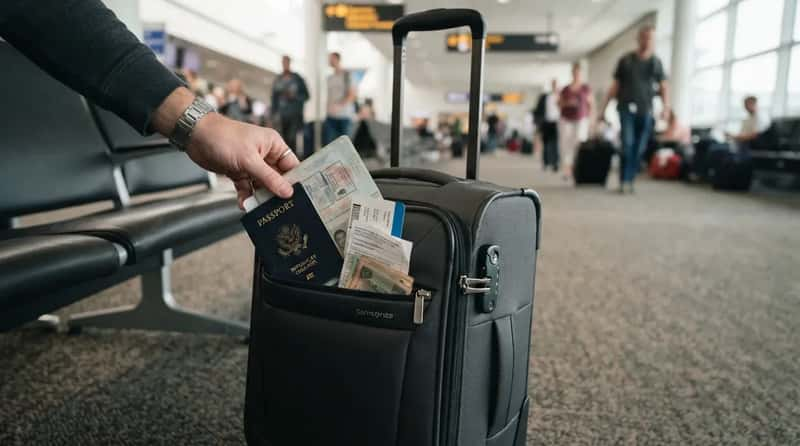
This is the single most universal rule among people who travel for a living, with essentially zero exceptions.
Passports, boarding passes, insurance documents, and any visa paperwork should always ride in the carry-on and never in checked luggage. Losing a passport in a checked bag doesn’t just delay a trip – it can mean days stuck at an embassy trying to prove identity in a foreign country. It’s the one item where “just in case” isn’t paranoia, it’s basic risk management.
At a Glance
- A lost passport abroad has to be reported and replaced in person at a U.S. embassy or consulate.
- Emergency travel documents can often be issued within 24 to 48 hours for travelers with an imminent flight.
- A full standard replacement typically takes anywhere from several days up to a couple of weeks.
- Carrying a photocopy of the passport’s photo page can speed up the entire process significantly.
#1 – Family Heirlooms, Photos, and Sentimental Keepsakes
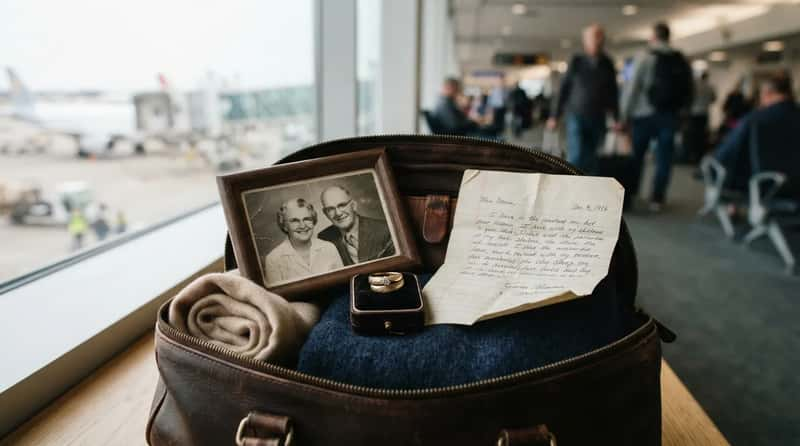
This is the item that keeps frequent flyers up at night more than any regulation ever could, because there’s no insurance policy that replaces a memory.
A grandmother’s ring, a printed photo from a funeral, a handwritten letter – none of it has a resale value that matters, but all of it is genuinely irreplaceable if a checked bag gets lost. Nearly half of American travelers now avoid checking bags altogether specifically to protect items exactly like this. Frequent flyers who’ve watched a bag disappear even once learn fast that some things simply don’t belong in cargo, no matter how well the bag is packed or how good the airline’s track record is.
The truth is that most of this list has nothing to do with paranoia and everything to do with math. Checked bags get lost, crushed, and delayed at rates most casual travelers underestimate, and the items on this list are the ones with consequences too big to risk – a fire hazard, a stolen heirloom, a missed medication dose. Frequent flyers don’t follow these rules because they’re anxious. They follow them because they already learned the hard way what happens when they don’t.
Which one of these surprised you the most? Did we miss one you swear by? Drop it in the comments.