Every generation has its own shorthand for signaling wealth without ever talking about money directly. For a lot of us who grew up in the eighties, nineties, and even the early two thousands, the clearest sign that a classmate’s family had money wasn’t a fancy car or a big house. It was where they went on vacation. Certain trips carried a kind of social weight that everyone understood instinctively, even as kids.
Looking back now, with adult eyes and a better grasp of what these trips actually cost, it’s easier to see why those particular vacations became such powerful class markers. They weren’t just fun. They were, and often still are, genuinely expensive undertakings that required disposable income most families simply didn’t have lying around.
1. The Disney World Trip

Nothing said “we’ve got money” quite like coming back from spring break with a stack of Magic Kingdom photos and a new stuffed Mickey. A week at Walt Disney World was never a cheap weekend getaway, and it still isn’t. A baseline Disney World vacation for a family of four costs $7,422, or about $371 per person per night, in 2026.[1] That figure covers tickets, a moderate on-property hotel, and meals, which means plenty of families spend considerably more once souvenirs, character dining, and extra excursions get added in.
Even the budget version of this trip is out of reach for a lot of households. For many families, the total price of a Disney World trip can range anywhere from about $5,000 to over $11,000 for a week-long vacation.[2] On top of the hotel and ticket costs, the current average cost of domestic flights within the U.S. is about $386, meaning a family of four could pay $1,544 in airfare alone.[3] When you stack airfare, lodging, park tickets, and food together, it’s easy to understand why a Disney trip felt like proof that a family had reached a certain financial comfort level.
2. The Cruise Vacation
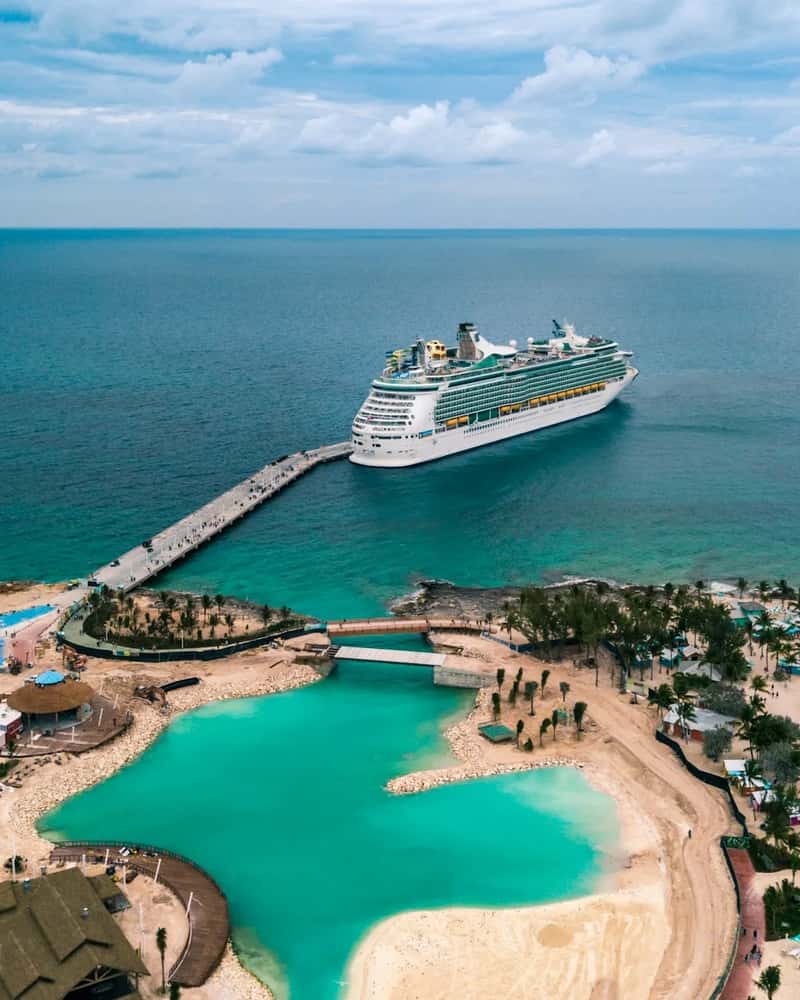
If Disney signaled money, a cruise signaled something even more aspirational, because it suggested the family had enough spare cash to pay for a floating resort with unlimited buffets and a private balcony. Cruise pricing varies wildly depending on the ship and season, but the more premium lines that families tend to remember fondly cost real money. A typical 5-night Caribbean cruise for a family of four averages between $6,000 and $8,500, which breaks down to approximately $1,500 to $2,100 per person, including taxes and fees.[4] A longer trip pushes that number even higher, since a seven-night Disney Cruise for a family of four typically runs $9,000 to $15,000 or more.[4]
It’s worth noting that budget-friendly cruising has always existed too, which is part of why the memory of “the cruise” carries different weight depending on which line a family sailed. The average cruise cost, including fare and on-board spending, works out to about $286 per passenger per day, totaling roughly $2,000 for a weeklong itinerary, with high-end options running much higher.[5] Families who sailed on the pricier premium lines, stayed in balcony cabins, or added shore excursions in multiple ports were spending well beyond that baseline, and kids picked up on the difference even if they couldn’t have explained the pricing tiers themselves.
3. The International Trip Overseas

Of the three experiences, hopping on a plane to Europe, Asia, or anywhere requiring a passport was probably the strongest wealth signal of all, mostly because so few American families actually did it. Passport ownership has climbed over the decades, but it has never come close to universal. An estimated 48% to 53% of Americans have a valid passport, with the U.S. Department of State reporting more than 183 million valid passports in circulation.[6] That means roughly half the country still doesn’t hold one, which was an even smaller share during the childhoods many of us are nostalgic for now.
Simply owning a passport is one thing. Actually using it for an overseas family vacation is another matter entirely, and that gap says a lot about who could really afford international travel. Approximately 40% of Americans hold a valid passport, and among those, about 20% travel internationally each year, meaning roughly 8% of the total U.S. population ventures abroad annually.[7] A childhood trip to Paris, London, or Tokyo wasn’t just a vacation story to tell classmates. It represented flights, lodging, and time off work that a fairly small slice of American families could realistically manage, which is exactly why it stuck in everyone’s memory as the ultimate marker of financial comfort.
None of this means kids who never went to Disney, never set foot on a cruise ship, or never left the country missed out on meaningful childhoods. Plenty of the best family memories come from road trips, camping, or simply staying home together. Still, these three experiences earned their reputation honestly. The math behind Disney vacations, cruise fares, and international travel shows exactly why they became such reliable, if unspoken, indicators of which families had a little extra room in the budget.