Walk into a corner shop in one country and you might get a puzzled look for pulling out coins. Walk into a similar shop a few thousand miles away, and a card machine that’s out of paper can bring the whole line to a halt. The gap between these two worlds says a lot about how differently societies have adapted to money in the digital age, and it’s rarely as simple as rich versus poor or old versus young.
Some of the patterns are shifting fast, others have barely moved in a decade. What follows is a look at four places where cash still runs the show, and two where it has been quietly pushed to the margins.
Germany: Europe’s reluctant cashless convert
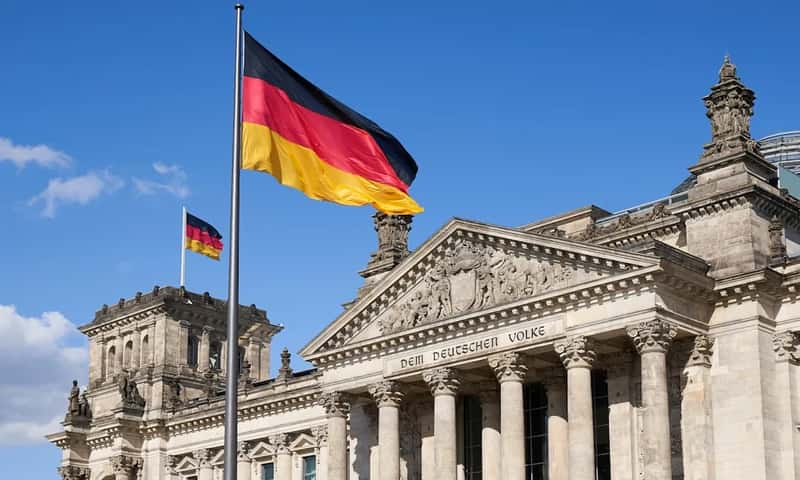
Germany has long had a reputation as one of the more cash loving corners of Western Europe, and the numbers still back that up even as the picture changes. Cash remained the most frequently used means of payment in the country, with cash used for 45% of all payments according to the Bundesbank’s latest study. Even so, 2025 marked a turning point, as people in Germany used cashless means of payment to pay for day to day purchases more frequently than cash for the first time, with 55% of all recorded purchases made using cashless methods.
Debit cards and mobile wallets are catching up quickly, but old habits die slow here. Debit cards were the second most frequently used means of payment at 26%, while mobile payment methods were used for 10% of all payments, four percentage points more than in 2023. Acceptance of physical cash remains close to universal too, since 99.4% of sales outlets visited in a Bundesbank study accepted cash, and in 98.7% of cases cash payments were possible on the first attempt. That combination of near total merchant acceptance and a population that still reaches for banknotes out of habit is why Germany keeps landing on lists of cash strongholds, even as the statistics slowly tilt the other way.
Mexico: informal commerce keeps banknotes essential
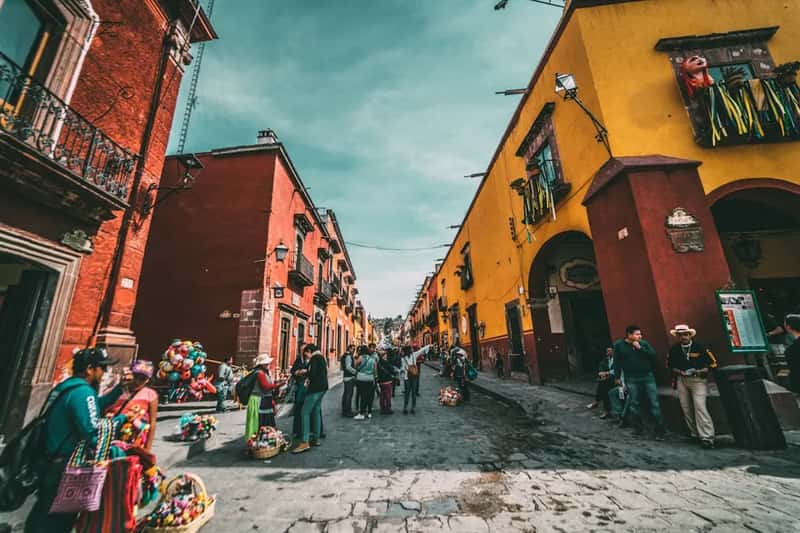
Mexico’s economy runs on a huge amount of small scale, informal trade, and that reality shows up clearly in payment habits. Mexico sits at around 80% cash usage, illustrating what researchers describe as a middle income trap, where moderate economic development does not automatically translate into digital adoption. Street markets, family run shops, and transport fares are still overwhelmingly cash transactions, partly because card terminals and transaction fees eat into thin margins for small vendors.
Digital banking has expanded in Mexican cities, and mobile wallets do exist, yet the shift has been slower and more uneven than in some neighboring economies. Rural areas and lower income households often remain outside formal banking entirely, which keeps physical currency as the default tool for daily life. It is a pattern seen across much of Latin America, where growth in smartphone ownership has outpaced growth in trust toward digital payment infrastructure.
India: a cash heavy economy despite a digital payments boom
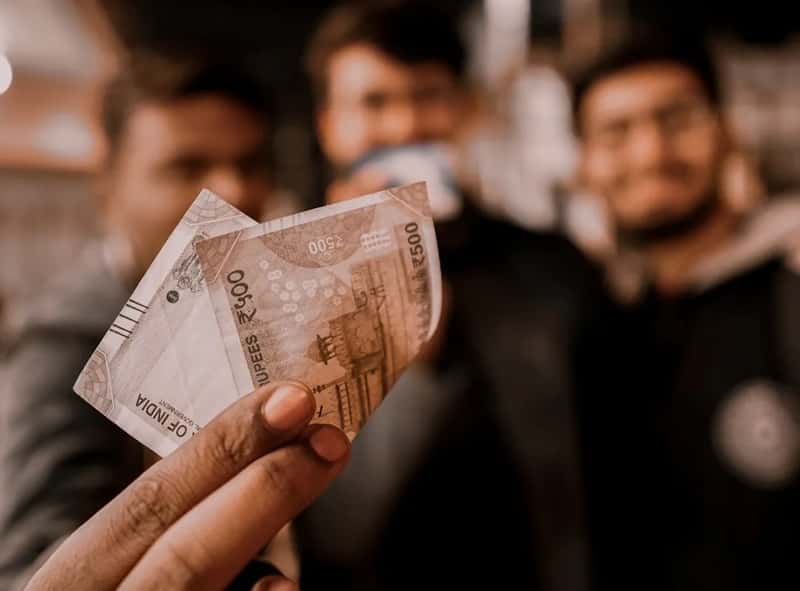
India is a genuinely strange case, because it is home to one of the most celebrated digital payment systems in the world and still counted among the more cash reliant major economies. India sits at roughly 70% cash usage, a figure that surprises people who only know the country through headlines about its mobile payment revolution. The contrast is sharp, since the country’s Unified Payments Interface has become a global reference point for instant digital transfers.
UPI processed 21.7 billion transactions in January 2026 alone, up 28% year on year in volume. Yet that explosive growth is concentrated heavily in urban centers and among smartphone owning, banked populations. Vast stretches of rural India, along with informal labor markets that make up a huge share of daily economic activity, still run almost entirely on rupee notes and coins, which is why the national average stays firmly on the cash side of the ledger.
Myanmar: among the most cash dependent nations on earth
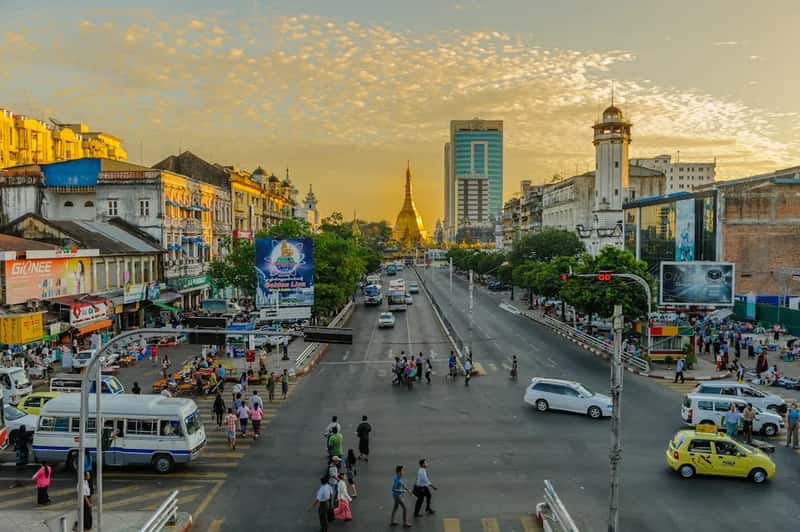
If Germany and India show a slow tilt toward digital habits, Myanmar shows almost none of that movement. Myanmar tops global rankings at roughly 98% cash usage, the highest share recorded among the countries tracked. That figure places it well above most other economies examined in recent cash usage surveys.
The reasons are structural rather than cultural. A large share of the population remains unbanked, internet penetration is low, and merchants cannot afford card terminals, which means physical currency provides the simplest, cheapest, and most trusted medium of exchange even if it limits access to savings or credit. Political instability and periods of banking disruption in recent years have only reinforced the preference for cash that people can hold and control directly, rather than balances sitting inside a fragile financial system.
Sweden: the country closest to going fully cashless

Sweden sits at the opposite extreme, and it has been heading there for years. Today, less than 5% of transactions in Sweden involve physical cash, and most banks no longer handle it at all. Reports referencing International Monetary Fund analysis point to Sweden as the country on track to become the first fully cashless economy, potentially by the end of 2026.
The infrastructure around this shift is telling. Sweden operates with just 32 ATMs per 100,000 people, while over 98% of Swedes own a debit or credit card. The mobile payment app Swish has become deeply embedded in everyday life, and over 80% of Swedes now use mobile payment apps such as Swish, positioning the country to become the world’s first cashless society. Signs reading “no cash accepted” have become a common sight in Swedish shops, restaurants, and even some churches, a level of normalization that few other countries have reached.
China: mobile wallets replaced cash almost overnight

China’s shift away from cash happened on a scale and speed that surprised even close observers of the payments industry. Alipay and WeChat Pay together dominate over 90% of market activity in China’s digital payments market, a level of concentration rarely seen anywhere else. QR code scanning became the default way to pay almost everywhere, from street food stalls to large retailers.
The scale of adoption shows up in daily behavior as much as in market share figures. China tops global QR code usage at 67.4% as of 2024, with over half of consumers scanning QR codes on a weekly basis. By 2023, nearly 88% of mobile internet users in China used mobile payment methods, a figure that reflects just how thoroughly smartphones replaced wallets for most everyday spending. Older generations and rural residents still rely more on cash than their urban, smartphone using counterparts, but the overall direction of the country’s payment habits has been set for years now.
What emerges from these six countries is less a story of technology racing ahead everywhere and more a picture of uneven, sometimes contradictory change. Wealth, trust in banking systems, government policy, and even the price of a card terminal all shape whether a place clings to banknotes or leaves them behind. Cash has not disappeared anywhere on this list, not even in Sweden, but its role has come to mean very different things depending on where you happen to be standing in line.