
Travel plans that used to take five minutes to sort out now come with a checklist. Across several major destinations, the rules for short trips, whether for tourism, business, or a quick visit to family, have shifted noticeably over the past year. Some of these changes are subtle fee adjustments, while others reshape how long a visitor can actually stay.
Below is a look at four countries where the short-term visitor experience has changed in ways worth knowing before booking a flight.
Thailand

Thailand has moved from one of the most relaxed visa-free regimes in Asia to a noticeably tighter one. One of the most impactful changes under the new immigration rules has been the reduction of visa-free stays from 60 days to 30 days for many countries.[1] That single change affects a huge share of travelers who previously used Thailand as a base for extended trips through Southeast Asia.
The country has paired the shorter stay with heavier enforcement. Thailand’s Digital Arrival Card is now mandatory, and officials upgraded it with advanced background screening and entry/exit monitoring.[2] Authorities have framed the changes around promoting what has been described as value tourism, with an emphasis on higher-quality visitors, improved compliance, and reduced misuse of entry privileges.[1] The numbers back up the tougher stance: a “No Entry, No Stay, No Escape” campaign denied entry to 29,490 foreigners between January and May 2026, a span of just five months.[2]
United Kingdom
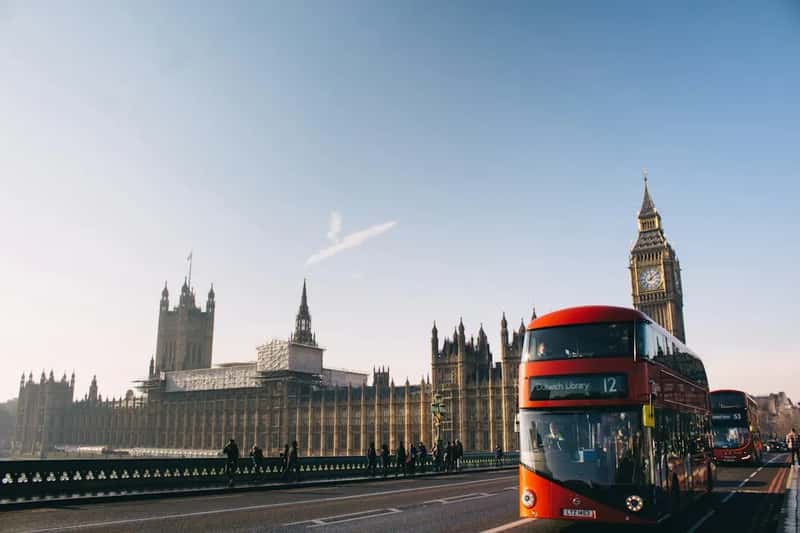
The UK has spent 2026 layering new requirements onto its visitor system rather than introducing one single dramatic change. From 25 February 2026, the UK Electronic Travel Authorisation will be strictly enforced, meaning travellers without an approved ETA will not be permitted to board transport bound for the United Kingdom.[3] That rule alone brings a huge share of previously visa-free visitors under a formal pre-approval system for the first time.
Costs have gone up too. The UK Home Office implemented revised visa fee structures on April 8, 2026, across visitor, student, work and business routes, with the short-term visitor visa for stays of up to six months rising from £127 to £135.[4] On top of that, some nationalities have lost access to the lighter ETA pathway entirely. Changes that took effect in early March removed Nicaragua and Saint Lucia from the list of countries whose citizens could use the UK’s electronic travel authorisation-style schemes, meaning nationals of these countries now require full visit visas, with a transitional period to adjust existing travel plans.[5]
United States

The United States has introduced some of the most far-reaching changes to short-term entry rules seen in years, touching everything from processing to eligibility. Travel under the Visa Waiver Program now requires a new “Enhanced ESTA” application that asks for social media handles and travel history for the preceding five days, alongside a fee increase expected to rise from $27 to $35.[6] Anyone with recent travel to a handful of flagged countries faces a harder path, since VWP travelers who have visited Cuba, Iran, Iraq, Libya, North Korea, Somalia, Sudan, Syria, or Yemen after March 2025 will be ineligible for ESTA and must apply for a B-1/B-2 visitor visa.[6]
Financial requirements have also entered the picture for certain visitors. The U.S. introduced cash bonds up to $20,000 for certain visitors, paused immigrant visas for 75 countries including Thailand, and mandated social media vetting for various visa categories to prevent fraud and illegal stays.[2] Screening at the border has become more technical as well, with the Department of Homeland Security announcing required biometric collection for all non-citizens arriving at major airports by late 2026, including facial recognition scans upon arrival, even for ESTA holders.[6] For travelers used to a fairly quick visa waiver process, the paperwork now looks and feels much closer to a formal visa application.
South Korea

South Korea briefly eased its entry authorization system, then reversed course. South Korea temporarily waived the K-ETA requirement in 2024, but starting January 2026 the electronic travel authorization became mandatory once again, with a fee increase from 10,000 won to 15,000 won, roughly 11.50 dollars.[7] That reversal caught some travelers off guard, particularly those who had grown used to entering without the extra step during the waiver period.
The renewed system also digs deeper into a traveler’s background than the earlier version did. The application now asks for additional security questions, including previous travel to high-risk areas.[7] There is a narrow exception worth knowing about: travelers with a valid visa, such as a C-3-9 or long-term visa, do not need the K-ETA.[7] For everyone else planning a short visit, the extra screening step is simply part of the process again.
Taken together, these four cases show a pattern rather than a coincidence. Governments are leaning harder on digital screening, shorter stay allowances, and higher fees, even for visits that used to require nothing more than a passport and a plane ticket. Anyone booking travel to these destinations in the coming months would do well to check the latest entry requirements close to their departure date, since several of these rules are still being phased in through 2026.