There’s a particular kind of disappointment that shows up only after you’ve unpacked your bag: the bathroom counter that used to have little bottles now has a wall-mounted dispenser, or the “daily housekeeping” you assumed was standard turns out to require a phone call to the front desk. None of these changes happened overnight, and none of them made headlines on their own. But add them up across a few years of stays, and a pattern starts to look less like coincidence and more like a shift in what hotels are willing to include as part of the base rate.
Travelers who stay in hotels regularly, whether for work or vacation, have started comparing notes online and in surveys, and the same five complaints keep surfacing. Some of these changes trace back to genuine cost pressures. Others reflect state laws or corporate decisions that quietly redrew what counts as “included.”
1. Daily housekeeping is no longer a given
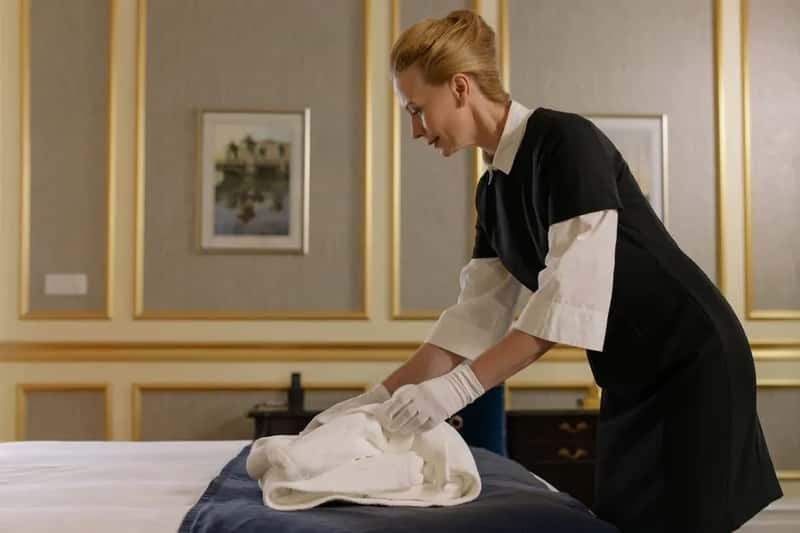
For decades, a hotel room reset itself every afternoon without anyone asking. A hotel room used to feel reset every afternoon: bed made, towels replaced, trash gone, bathroom freshened.[1] That expectation has quietly eroded, and housekeeping often depends on the brand, length of stay, and whether you request it[1] these days.
The shift is not just anecdotal. Industry data shows traditional daily housekeeping is being reimagined to match guest preferences and reduce costs, with progressive hotels implementing opt-in rather than opt-out housekeeping models[2]. Hotels frame this as guest choice, and some travelers genuinely prefer fewer interruptions, but the practical effect is that this can reduce housekeeping labor by 20-30% without guest satisfaction penalties[2] for the properties making the switch. For many longtime guests, though, the loss of that automatic daily refresh is the change that still stings most[1].
2. Free breakfast is shrinking or disappearing at some chains

Complimentary breakfast has long been one of the small perks that made a mid-tier hotel stay feel like a good deal. That perk is now being tested, trimmed, or swapped for something else at several major brands. Hyatt Hotels Corporation is testing the removal of free breakfast at around 40 of its US properties under the Hyatt Place brand[3], offering points or discounts in its place.
The data suggests this matters more than hotel executives sometimes assume. About half of upper midscale and midscale hotel guests rate complimentary breakfast as “need-to-have” rather than merely nice-to-have[4], and among guests who eat breakfast during their stay, the vast majority eat it in the hotel, with only a small share paying for it, mostly at upper-tier properties[4]. Hotel research leaders have suggested the change reflects the preferences of premium travellers[5], since giving top-tier loyalty members free breakfast really doesn’t do anything for that member[5] at the luxury end. For budget-conscious travelers who booked a room specifically because breakfast was included, that logic offers little comfort.
3. Small bathroom extras are vanishing from the room
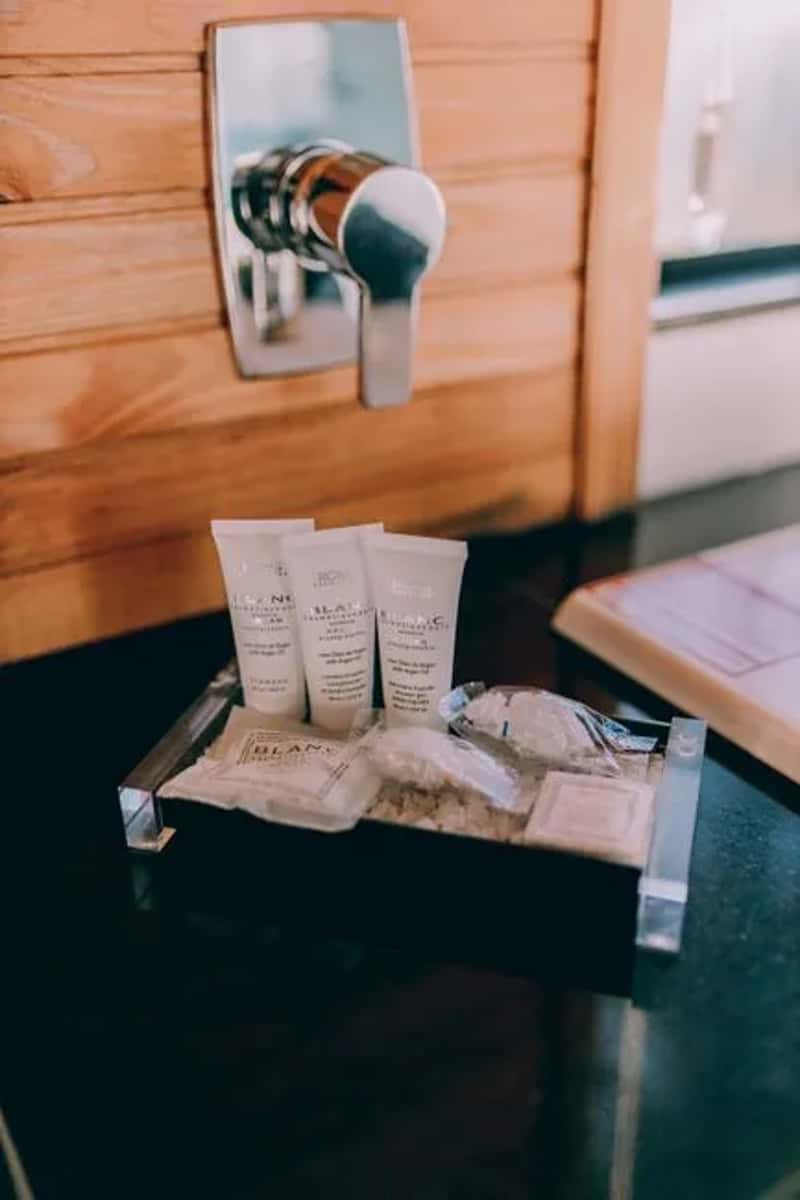
The miniature shampoo bottles, sewing kits, and shower caps that once cluttered hotel bathrooms are becoming harder to find, and it is not purely a cost-cutting story. Several of these small, unglamorous items are quietly disappearing from hotel rooms altogether, thanks to new state laws, shifting hospitality trends, and cost-cutting decisions that started picking up speed in 2024 and 2025.[6] New York offers a clear example: a law restricting hotels from providing small plastic bottles containing less than 12 ounces of hospitality personal care products took effect on January 1, 2025, and the rule expanded to cover every hotel in the state, regardless of size, on January 1, 2026[6].
California moved first, since New York followed California, which had already banned the bottles for larger hotels starting in 2023[6]. The environmental reasoning behind these laws is sound, and refillable dispensers do cut waste. Still, for guests who relied on a spare sewing kit or a travel-size lotion in a pinch, the kits that remain tend to show up mostly in independent hotels, historic properties, and upscale brands, which for travelers who’ve relied on one in a pinch is a small but real loss[6].
4. In-room technology is creating more friction than convenience
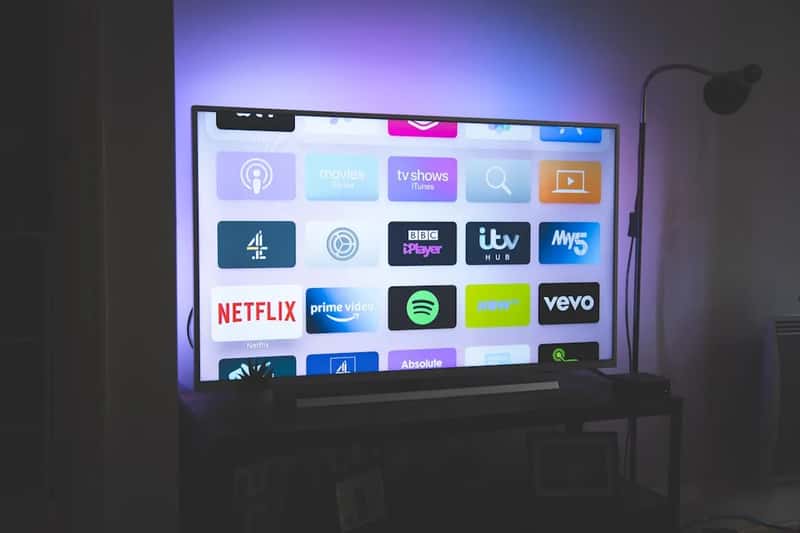
Smart TVs, app-controlled lighting, and voice-activated thermostats were supposed to make hotel rooms feel more modern and easier to use. In practice, many guests report the opposite experience: more buttons, more confusion, and more time spent figuring out how to turn on a lamp. A recent industry survey found that more than half of hotels, 56%, say they feel pressure to keep upgrading their tech[7], even as guests struggle to keep up.
That pressure has produced a strange workaround, one that undercuts the whole point of “smart” rooms. Half of hotels now offer a verbal tech walk-through at check-in to help guests navigate tech-related features like smart lighting, Wi-Fi, and in-room entertainment systems.[7] If a hotel needs a staff member to explain the lighting system out loud, the technology has arguably added a step rather than removed one. Notably, 70% of hotels say guests still prefer to speak to a human, especially at check-in and when needing support[7], a statistic that says as much about the limits of in-room tech as it does about hospitality itself.
5. All-in pricing keeps getting undermined by mandatory fees

Federal regulators tried to fix the gap between advertised room rates and what guests actually pay. A Federal Trade Commission rule that took effect nationwide in May 2025 now requires hotels and booking platforms to display the full price of a stay, including mandatory fees, earlier in the booking process.[8] The rule was meant to end the era of quoting a low nightly rate and adding a resort fee at checkout.
The reality has been messier than the rule intended. The rule does not ban resort fees, does not cap them, and does not tell hotels what they can or can’t charge, since it’s a transparency rule, not a price regulation.[9] Fees themselves have kept climbing, with mandatory daily charges adding $25 to $70 per night to a final bill, often covering Wi-Fi, gym access, bottled water, or services a guest may never use[10]. Some cities have gone further than federal rules allow, and New York issued a final rule banning hotels across the city and country from charging consumers hidden junk fees, often mislabeled as destination fees, resort fees, or hospitality service fees[11], though enforcement and adoption still vary widely by market.
Taken together, these five shifts don’t add up to a hospitality industry in crisis. Hotels are managing real cost pressures, from labor to utilities to insurance, and some of these changes reflect legitimate trade-offs rather than simple corner-cutting. Still, the gap between what a room included five years ago and what it includes now is wide enough that seasoned travelers have noticed, and it’s worth checking a property’s current amenities before assuming last year’s stay will match this one.