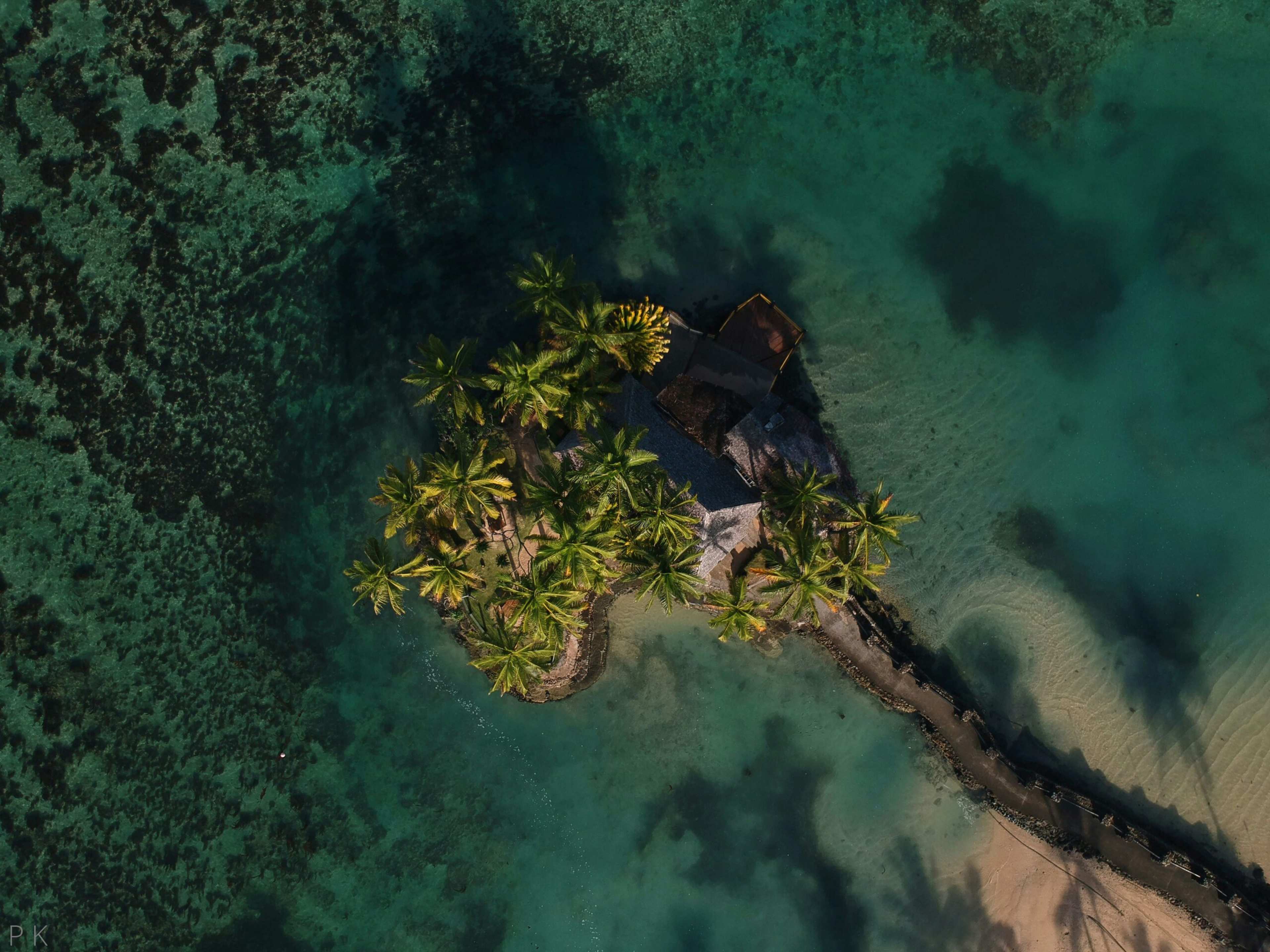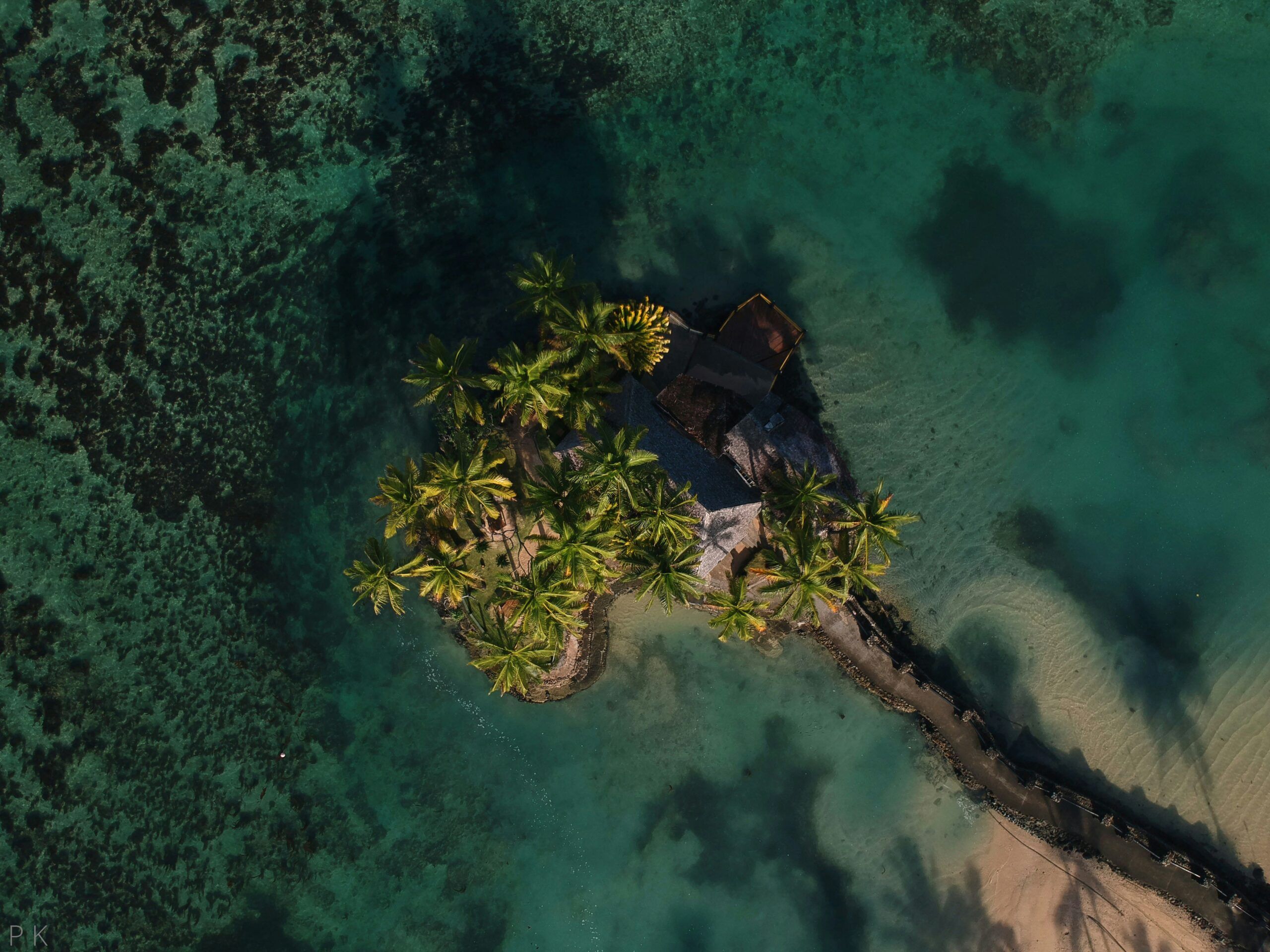
On a booking page, a beach looks the same year after year: white sand, blue water, a palm leaning at a flattering angle. On the ground, the shoreline has often shifted. It may be narrower, propped up with sandbags, or sitting behind a barrier that wasn’t there a decade ago.
Rising seas are no longer only a forecast for the end of the century. On a handful of islands, they already affect where visitors sleep, how they get around, what they pay, and what they’re told when they arrive. Here are five places where that’s visible now.
The Maldives
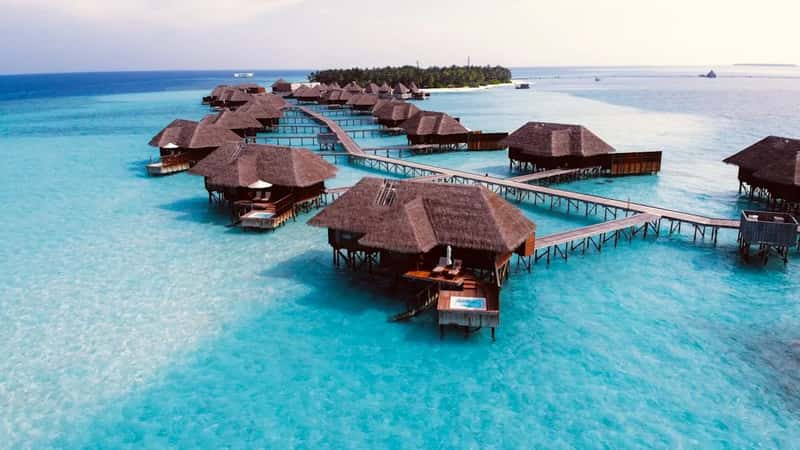
The Maldives sells a very particular picture, and it does so island by island. Its 1978 “one island, one resort” policy gave the country 130 resort islands[1], each with its own private feel. The catch is that resort islands are small, low, and ringed by beaches that move.
A World Bank assessment reported by the IFC found that over 90 percent of surveyed resorts report beach erosion, and about six in ten have suffered infrastructure damage[2]. The same report notes those impacts are linked to both island development practices and climate change, so it isn’t all sea level. Still, hotels, airports, and harbors often sit within 100 meters of the coastline[3]. For visitors, that shows up as beach replenishment, shoreline works, and elevated or stilted buildings, and it’s one reason adaptation planning now reaches into tourism itself. Nearby, the reclaimed island of Hulhumalé has been raised to roughly 1.8 to 2 meters above mean sea level[3], as a possible refuge for residents of lower islands.
Venice, Italy
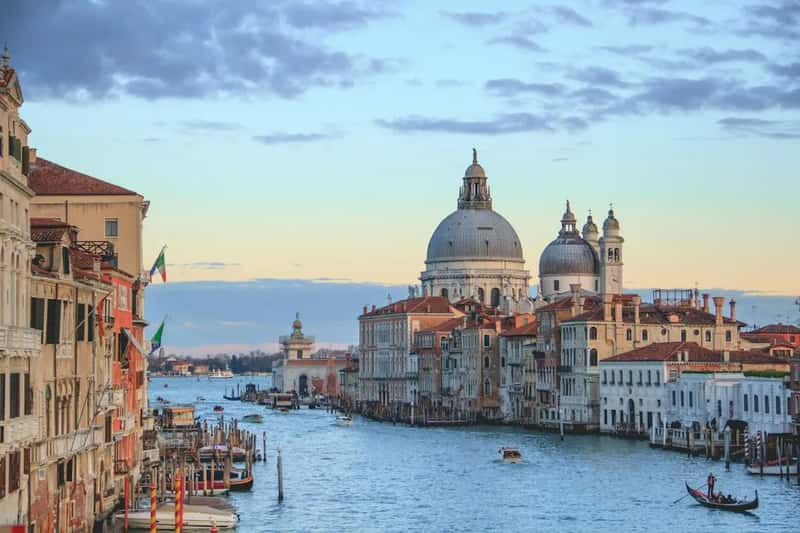
Venice is a city built across islands in a lagoon, so it counts here even if nobody calls it a tropical getaway. The city is often described as sinking, and it has invested in the MOSE flood barriers to protect against high tides[4]. Those barriers matter to visitors because acqua alta, the seasonal high water, can flood the historic centre.
Tuvalu
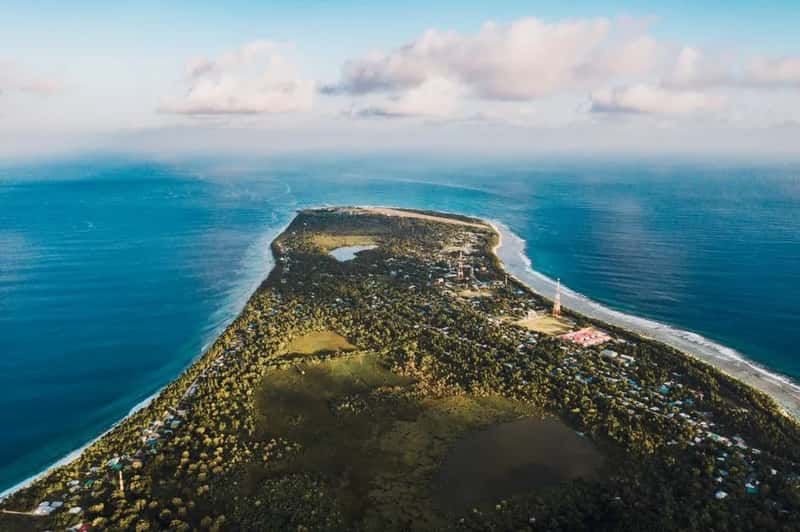
Tuvalu is one of the hardest places on earth to reach, and very few tourists make the trip. The data on its visitors is thin, so the useful story here is the setting they’d arrive in. The country covers about 26 square kilometers and has an average elevation of around 2 meters above sea level.[6]
A 2023 NASA assessment estimates that sea level in Tuvalu is rising 1.5 times faster than the global average, and that by 2050 half of Funafuti, the main atoll, could be underwater[6]. Funafuti is where more than half of Tuvaluans live, and it’s also where visitors land. The Falepili Union with Australia entered into force in 2024, and its climate mobility pathway became operational in 2025, allowing up to 280 Tuvaluans per program year to relocate to Australia[7]. For anyone visiting, that means arriving in a country where planning for a future abroad is part of daily conversation.
Fiji
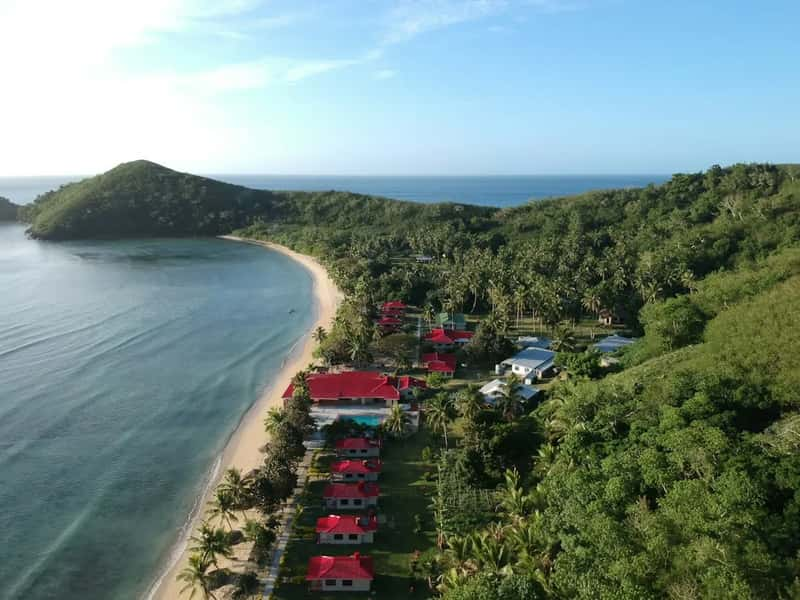
Fiji’s tourism leans heavily on the coast, and so do many of its villages. That overlap is why the country has become a reference point for planned relocation. An IMF analysis estimates that sea level rise could cause annual economic losses averaging 1.8 percent of GDP from 2020 to 2099[8].
On the ground, the changes are happening in communities that visitors may pass through on their way to resorts and islands. By August 2025, updated assessments suggested up to 676 communities could eventually need relocation, from rising seas as well as landslides and flash floods.[9] Seventeen of those villages are on a red list for urgent intervention.[9] Funding is a real constraint too. Reporting from 2025 said government funds of just 3.5 million dollars were enough for only one relocation[10].
Key West, Florida
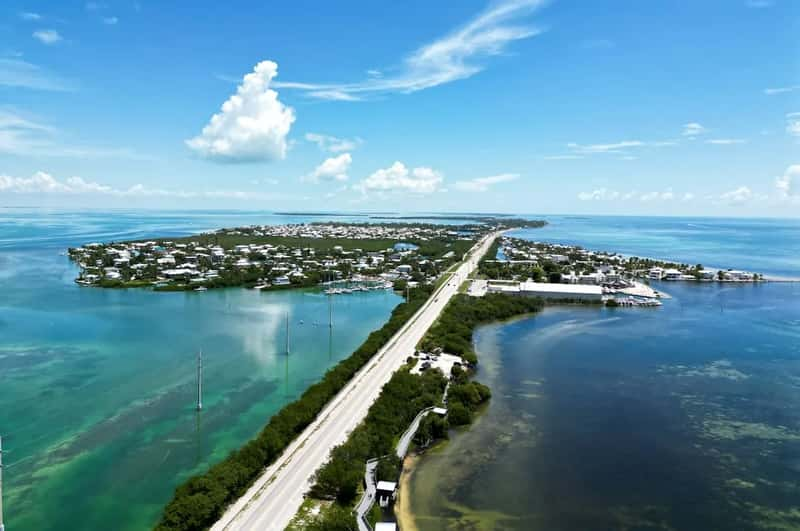
Key West is the one place on this list where the change is often visible from a hotel window. The island sits at the end of a long chain of keys, linked to the mainland by a single main road, the Overseas Highway. Low streets in the old town are known to flood at the highest tides, sometimes on days with no rain or storm at all.
I couldn’t verify current figures for this section, so it stays general. Monroe County, which covers the Keys, has been raising low stretches of road as part of its sea level rise planning, and that work can mean detours and construction for visitors. Autumn’s seasonal king tides are the period when street flooding is most likely, which makes timing a real factor if you’re booking a trip in that window.