There’s something about the nighttime streets of certain cities that changes everything. The bustling energy that defines daylight hours fades away, replaced by an atmosphere that locals know all too well. These aren’t just neighborhoods with bad reputations or urban legends passed down through generations. These are real places where the statistics and lived experiences align in a way that’s hard to ignore.
When the sun sets, some American cities transform into environments where caution isn’t optional, it’s essential. Residents develop an instinct for which routes to avoid, which corners feel wrong, and when it’s time to call a rideshare instead of walking those last few blocks home. Let’s dive into the cities where locals consistently warn visitors and newcomers about venturing out alone after dark.
Memphis, Tennessee: Where Music History Meets Modern Reality
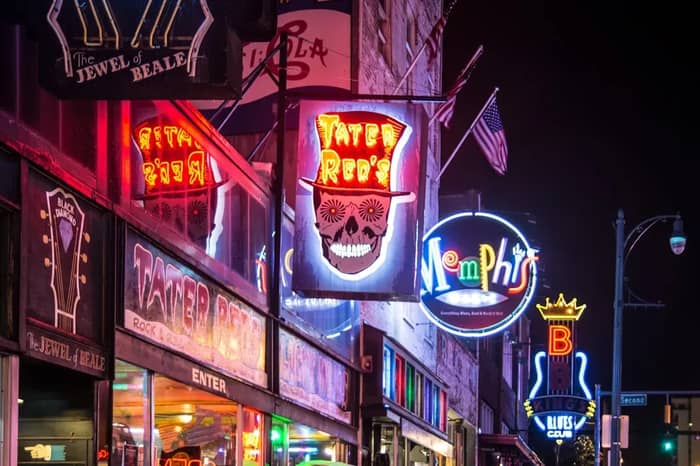
The city that gave birth to blues and rock music, unfortunately, holds the distinction as America’s most dangerous metropolitan area for violent crime as of late 2025. Memphis once again tops the list, with a violent crime rate nearly six times the national figure. That’s not a typo. Six times.
What makes this particularly alarming is that violent crime rates there are a staggering 500% above the national average, with about 2,418 violent crimes per 100,000 residents. Walking alone after dark here requires extreme vigilance, especially in certain areas. Local authorities specifically advise avoiding South Memphis, Orange Mound, Frayser, and Hickory Hill, which have a reputation for frequent crime, and are best to avoid during your visit.
Even the downtown area can be dangerous, so always remain aware of your surroundings, keep valuables hidden, and avoid walking alone at night. It’s worth noting that the City’s Community Violence Intervention groups have produced incredible results in achieving reductions in homicides and nonfatal shootings beyond the reductions being experienced in non-CVI areas. Still, progress doesn’t erase the need for serious precautions after sunset.
Baltimore, Maryland: The City of Contrasts
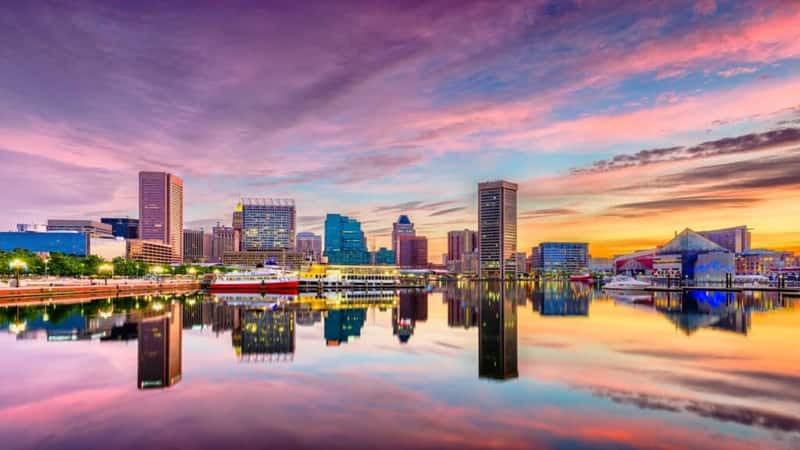
Baltimore presents a complicated picture. With over 600,000 residents, Baltimore’s personality varies dramatically across short distances. You might find yourself on a lively harbor street one moment, then turn a corner into complete isolation the next.
Those are genuinely encouraging numbers. Yet the ongoing improvements in crime statistics don’t eliminate the need for caution when walking alone at night, particularly in certain neighbourhoods where violent crime remains a concern. Locals warn that some streets near the harbor remain bright and busy, while others just a few hundred yards away become extremely quiet at night. Longtime residents recommend planning nighttime travel, sticking to familiar corridors, and opting for transportation instead of walking alone after 10–11 PM.
St. Louis, Missouri: Struggling Despite Progress
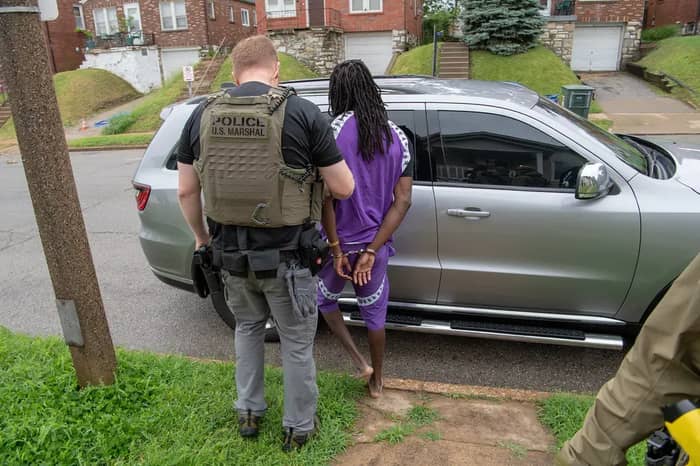
St. Louis keeps appearing on these lists year after year. According to Neighbourhood Scout data, you have a one in 50 chance of falling victim to a violent crime in St. Louis compared to a one in 218 throughout the rest of the state. Think about that disparity for a moment.
There’s a silver lining, though it’s a thin one. The website states that 2024 saw the lowest number of homicides in 11 years. But locals aren’t celebrating just yet. One longtime resident’s perspective is brutally honest. My family and I have lived in the St. Louis area since 1960, and it’s getting to the point that even during the daytime, it’s not safe for a single person to walk around.
The downtown area particularly concerns residents. Residents and longtime observers paint a stark picture of downtown safety conditions. When people who’ve spent decades in a place start questioning daytime safety, the nighttime concerns become even more pronounced.
Detroit, Michigan: Industrial Legacy, Urban Challenge

Detroit spans more than 138 square miles, and while revitalized zones like Midtown and Downtown attract thousands nightly, locals note that quieter industrial blocks become unpredictable after dark. The city’s sheer size works against pedestrian safety in many ways.
With long stretches of closed storefronts and limited pedestrian activity, solo walkers may feel isolated. That isolation isn’t just psychological. It creates real vulnerability. Residents often recommend sticking to main boulevards, using ride-shares past 10 PM, and avoiding detours through sparsely lit side streets where visibility is noticeably lower.
Detroit has seen genuine revitalization in certain pockets. The contrast between thriving areas and struggling neighborhoods creates a patchwork where knowing your location becomes absolutely critical. One wrong turn can shift the entire atmosphere.
New Orleans, Louisiana: Where Tourism Meets Reality
New Orleans hosts more than 18 million annual visitors, and while nightlife districts bustle, locals caution that nearby narrow streets can become risky when crowds thin. The French Quarter magic that draws tourists also creates a false sense of security.
Per Area Vibes, New Orleans’ crime rate is higher than the national average by a whopping 161.8%. After late events, the mix of alcohol, tourism, and tight alleys sometimes creates unpredictable encounters. A few blocks from Bourbon Street, lighting can be limited and activity uneven.
One should particularly exercise caution in sketchy neighbourhoods like Tulane-Gravier, Tremé, Central City, and Saint Roche, which exhibit more criminal activity than the rest of the city (and even the state). The city’s layout, with its winding streets and sudden transitions between tourist zones and residential areas, makes navigation treacherous for those unfamiliar with the geography.
Albuquerque, New Mexico: The Overlooked Danger Zone
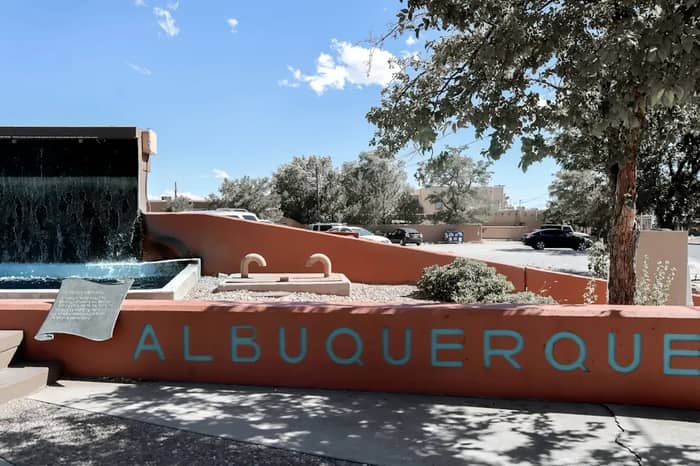
Albuquerque doesn’t get as much attention as cities like Memphis or Baltimore, but locals know the score. 85% of people felt that it was not a safe place to live and did not feel safe walking alone at night. That’s an overwhelming majority expressing fear.
Overall, the Albuquerque crime rate is 166% higher than the national average. Breaking that down into daily numbers makes it even more stark. If we break that down daily, that translates into 94.85 crimes per day – 21.2 violent crimes and 73.65 property crimes.
Year-over-year crime rates in Albuquerque have increased by 6.9% in the last reported crime report. While other cities show improvement, Albuquerque moves in the opposite direction. The high desert setting and sprawling layout create additional challenges for anyone on foot after dark.
The Reality Behind The Statistics
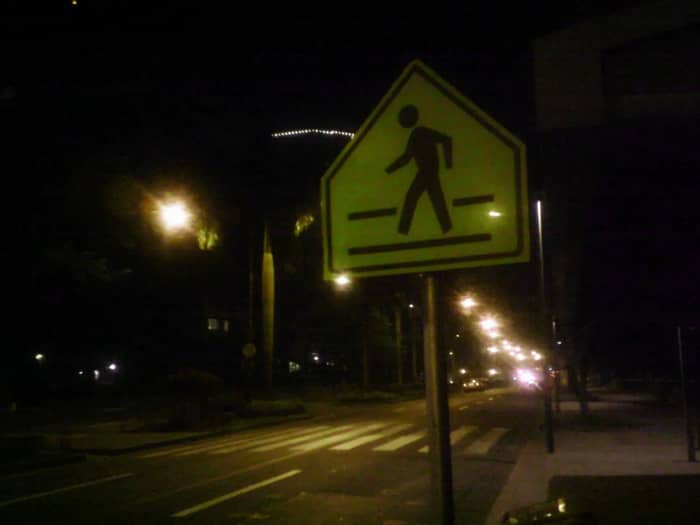
Interestingly, forty percent of Americans are afraid to walk alone at night near their home, the most since 1993. This fear exists even though these heightened fears are largely out of step with the downward trend of violent crime in the United States. Violent crime in the U.S. peaked in 1991 at a level of 758 offenses per 100,000 people. Since then, it has precipitously fallen. After a comparatively small increase during 2020, violent crime fell back to pre-pandemic levels of 380 offenses per every 100,000 people in 2022.
So what gives? The disconnect between perception and reality matters less when you’re the one walking through an empty street at midnight. Statistics provide comfort from a distance, but they don’t change how it feels when you’re actually there. The cities listed here aren’t places where fear is irrational or exaggerated. The concerns are grounded in real experiences and legitimate risks.
These six cities share common threads: economic challenges, stretched police resources, and neighborhoods where the nighttime atmosphere shifts dramatically from daytime safety. Locals develop strategies, mental maps of safe routes and danger zones. They learn to trust their instincts and recognize when something feels off. Have you ever walked through a neighborhood that made you second-guess your route? That feeling magnified is what residents of these cities navigate regularly.