Most travel lists focus on the places people can’t wait to visit again – but this one looks at the opposite. Drawing on travel surveys and traveler feedback, this report highlights 6 countries tourists rarely return to for a second visit, revealing where first impressions are often strong enough… or challenging enough… that most visitors don’t come back.
From destinations affected by conflict and safety concerns to places where poor infrastructure, culture shock, or disappointment clash with high expectations, these findings offer a sobering look at the reality behind glossy brochures.
If you’re planning a big trip and want to understand which countries travelers are least likely to revisit and why, this breakdown will help you weigh the risks, manage expectations, and decide whether these once-in-a-lifetime destinations belong on your list.
Somalia: Where Piracy Meets Political Chaos
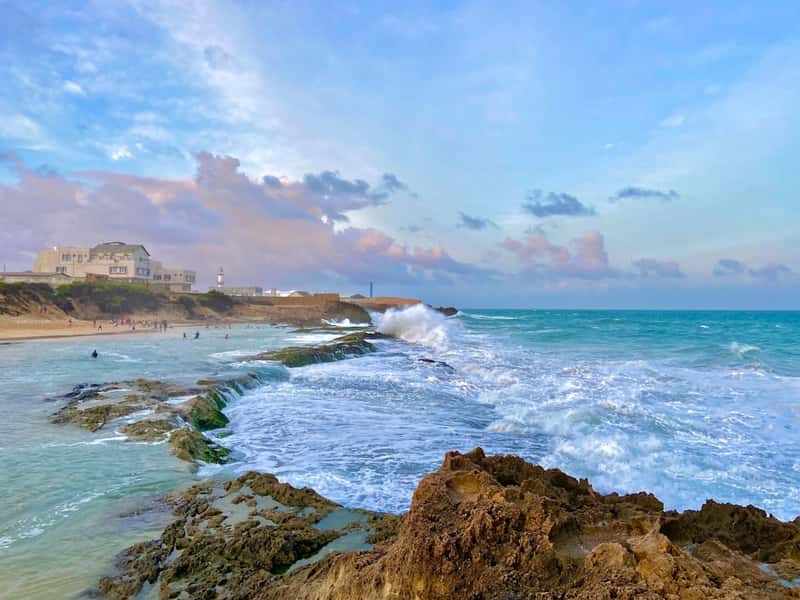
Somalia, located in East Africa, is a country with beautiful natural landscapes and a rich culture. However, the entire country is currently designated as Level 4 (“Do not travel”) by many international travel advisory bodies due to extremely dangerous conditions for foreign travelers, including frequent terrorism, kidnapping, clan conflicts, and general crime.
Somalia, pirates frequent its coast off the Horn of Africa, and medical facilities, where they exist, have limited capacity. Crime, terrorism, civil unrest, health and kidnapping are all risk factors. The country presents such severe risks that most travelers who do manage to visit once rarely consider returning, if they safely make it home at all.
Afghanistan: Ancient History Meets Modern Dangers
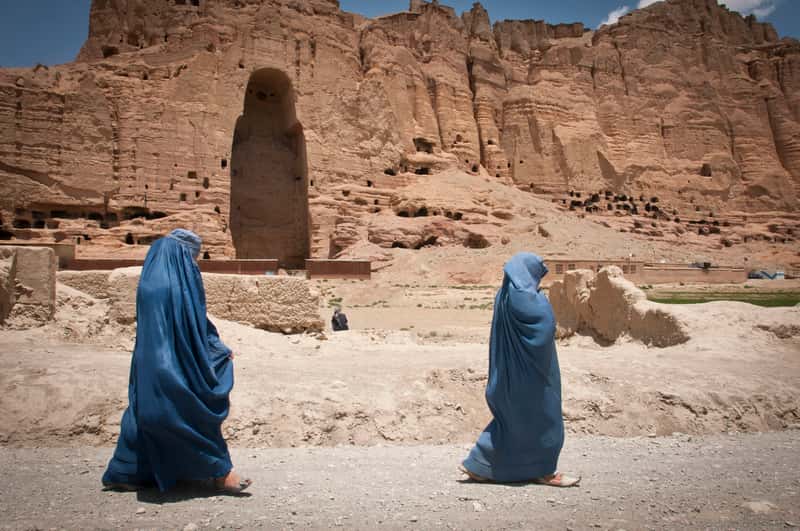
Afghanistan, located in South Asia, features dramatic mountain ranges and a rich history. However, it’s currently designated as Level 4 (“Do not travel”) due to terrorism, civil unrest, armed conflict, crime, and kidnapping.
The South Asian country is wrestling with “terrorism, risk of wrongful detention, kidnapping, and crime,” according to the State Department. U.S. citizens are specifically at risk for wrongful detention and kidnapping. Political Instability: The return of Taliban control has led to increased violence and uncertainty. Terrorism: Terrorist attacks and bombings occur frequently, often targeting foreigners.
The few tourists who visit Afghanistan typically do so for historical sites or extreme adventure travel. However, the deteriorating security situation means that even the most intrepid travelers avoid repeat visits.
Chad: Landlocked and Loaded with Problems
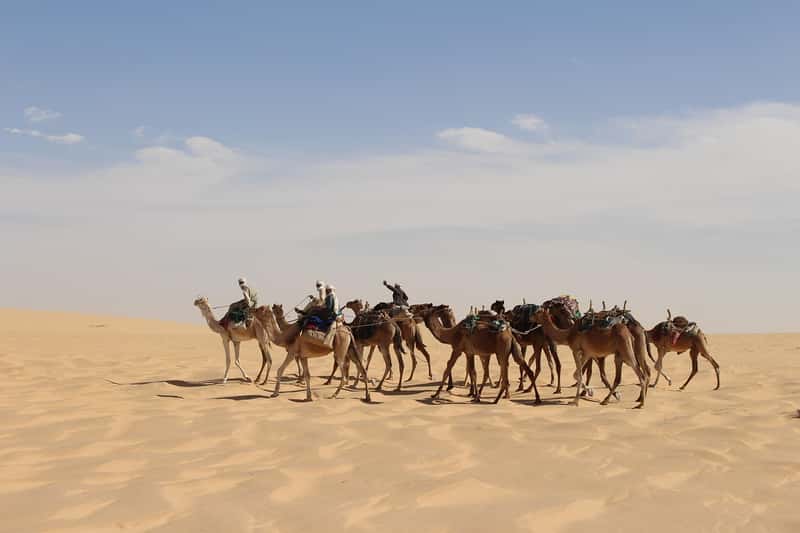
Chad represents another African nation where tourist return rates remain exceptionally low. Level 3 countries on this list include Papua New Guinea, Guinea-Bissau, China and Chad. Though not currently at the highest risk level, Chad faces persistent challenges with infrastructure, political instability, and security concerns that make it unappealing for return visits.
The country’s remote location, limited tourist facilities, and ongoing regional conflicts create an environment where travelers, even if they have a decent initial experience, rarely feel compelled to return.
Travelers who do visit Chad often report difficult logistics, inconsistent services, and safety concerns that overshadow any positive experiences. The lack of developed tourism infrastructure means that even adventurous travelers find repeat visits more hassle than they’re worth.
North Korea: The Ultimate One-and-Done Destination

Countries listed in the advisory include Russia, North Korea, Iran, Iraq, Ukraine, Afghanistan, Belarus, Syria, Lebanon, Libya, Somalia, Sudan, Venezuela, and Yemen. North Korea presents a unique case where return visits are not just unlikely, but often impossible due to the country’s rigid control over tourism. The highly regulated tour experience, combined with the constant supervision and restricted movement, creates an atmosphere where tourists feel more like prisoners than guests.
Most visitors report that while the experience is certainly memorable, it’s not the kind of memory they want to repeat. The lack of freedom, combined with the significant expense and diplomatic complications involved in visiting, makes North Korea perhaps the ultimate one-visit destination.
Yemen: Paradise Lost to War
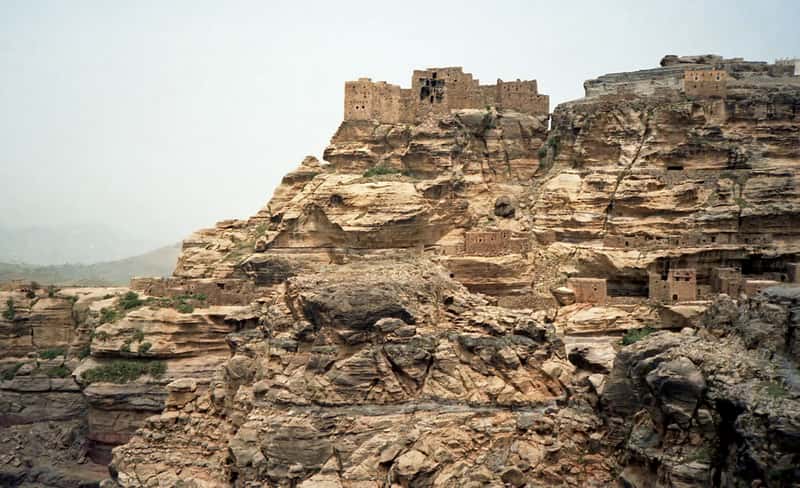
Yemen, located in the southwestern Arabian Peninsula, is home to the UNESCO World Heritage site of Socotra Island. However, the entire country is currently designated as Level 4 (“Do not travel”) due to ongoing civil war, terrorism, and kidnapping risks. Despite having remarkable natural beauty and archaeological treasures, Yemen’s ongoing conflict has made it virtually impossible for normal tourism to occur.
The few travelers who managed to visit Yemen before the current conflict often speak of its incredible hospitality and stunning landscapes. However, the deteriorating security situation means that those memories remain frozen in time, with no realistic possibility for return visits in the foreseeable future.
Central African Republic: Beauty Overshadowed by Brutality

The most dangerous countries in Africa are the Central African Republic, Libya, Somalia and South Sudan.
Travelers report that while the natural beauty can be breathtaking, the constant security concerns and logistical challenges make it feel more like a relief mission than a tourist destination. The lack of basic tourist infrastructure means that even positive experiences are overshadowed by practical difficulties that discourage return visits.
The Broader Pattern of No-Return Nations

Finally, some countries may be perceived (correctly or incorrectly) as dangerous or difficult to visit (such as North Korea) or may be genuinely dangerous due to political instability or outright war (such as Somalia). The number of visitors a country receives is not necessarily indicative of a lesser experience. What unites these countries isn’t necessarily poor experiences, but rather circumstances that make repeat visits unlikely or impossible. Political instability, safety concerns, infrastructure problems, and diplomatic complications all contribute to creating destinations where tourism becomes a one-time adventure rather than a recurring pleasure.
And for many of those countries cited by the Foreign Office, tourism isn’t so much a luxury as a lifeline. Countries like Haiti, where tourism is estimated to account for 2–3% of gross domestic product, or Yemen, where pockets of hope for local economies were once held by coastal tourism, now find themselves standing on bleaker ground. The irony is that many of these nations desperately need tourism revenue, but the conditions that make them unsafe or difficult to visit are precisely what prevent the development of sustainable, repeat tourism.
These destinations remind us that travel isn’t just about collecting passport stamps or bragging rights. Sometimes the most profound travel experiences are also the most sobering, leaving visitors with deep appreciation for both the places they’ve seen and the stability they have at home. What do you think drives some travelers to visit these challenging destinations despite knowing they probably won’t return?