Most people hear “beach vacation” and picture July. Winter beach towns work differently. The water is cooler, the crowds are thinner, and some places are better off-season than they ever are in summer.
The six towns below are scattered across four continents, and none of them are household names. Each one rewards a slight detour from the usual route. A few come with caveats, which I’ve included, because a quiet beach in January isn’t always a warm one.
Tavira, Portugal

Tavira sits on the eastern Algarve, a calmer stretch than the resort strips farther west. Its beaches are on an offshore barrier island reached by a short boat ride, which keeps the mainland town feeling like a real place and not a holiday set. The Algarve is known as a top winter retreat for people escaping Northern Europe’s coldest months.[1]
Set your expectations at “pleasant” and not “tropical.” Winter daytime temperatures run between about 15 and 16°C, dropping to roughly 7 or 8°C at night.[2] December gets around 158 hours of sunshine, or about 5.3 hours a day.[3] That’s enough for long coastal walks and sunny café terraces, and the sea is a bit cold for swimming. December is also the rainiest month, with about a dozen wet days.[2] Pack a light waterproof layer.
Ericeira, Portugal

Ericeira is a whitewashed fishing town on the Atlantic coast, less than an hour from Lisbon by car. It was designated a World Surfing Reserve in 2011, the first in Europe, and it still draws surfers from around the continent. Winter is when the Atlantic swells arrive in force, so the waves tend to be bigger and more serious than in summer.
You don’t need to surf to enjoy it. The town sits on cliffs above the water, with narrow lanes, bakeries and grilled fish restaurants. Expect Atlantic temperatures, which means wind, a few showers and water that most visitors will admire from dry land. It’s a good fit if you want a lived in Portuguese town more than a resort.
El Cotillo, Fuerteventura, Spain

El Cotillo is a small harbor village on the northwest coast of Fuerteventura, one of the Canary Islands. Travel writers describe it as a tranquil, uncrowded alternative to busier Corralejo and Antigua.[4] Just south of the village, Piedra Playa is a surfer favorite. In summer the waves are gentle, but on big winter storm days they can turn fast and even hollow.[5]
The beaches here change with the seasons. A big winter storm can wash much of the sand off Piedra Playa, and it takes four or five months to rebuild.[6] For calmer water, head north to Los Charcos. It’s a series of small beaches stretching about 2.5 miles, with tranquil, nearly wave free water that suits families.[7] Fuerteventura is nicknamed the windy island for good reason, so bring a windbreaker.
Tangalle, Sri Lanka
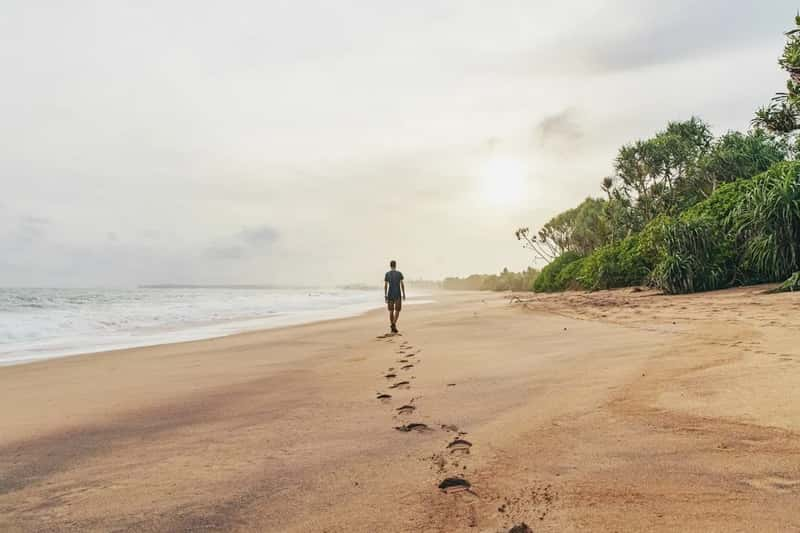
Tangalle sits on Sri Lanka’s southern coast and gets overlooked by travelers heading straight for Mirissa or Hiriketiya. One visitor account found it much quieter and less developed than towns such as Mirissa and even Hiriketiya.[8] That suits a lot of people, though some may want more nightlife.
Timing is the main thing to get right. The best months are December to March, when weather is usually sunny and seas are calmer.[9] Daytime temperatures in that stretch usually sit between 26 and 30°C.[9] Note that parts of the coast have rough water and large waves for part of the year[10], so check conditions before swimming. Inland, the Mulkirigala temple draws far fewer crowds than Sigiriya.[8]
Cedar Key, Florida, USA

Cedar Key is a small fishing village on Florida’s Nature Coast, and it isn’t a classic sand and surf destination. Its tiny public beach, Lil Shark Park, has white sand, a roped off swimming area and shallow, calm water.[11] The real draw is the water, the wildlife and the pace. The Cedar Keys National Wildlife Refuge covers 13 islands once home to fish camps.[11]
Winter is a good time to go. Temperatures hover around 65 to 75°F, which works for kayaking and birdwatching.[12] More than 200 bird species have been recorded in the area.[13] The town sits about an hour southwest of Gainesville and two and a half hours north of Tampa.[12] Don’t expect warm swimming weather in January, but the quiet is a fair trade.
Troncones, Mexico
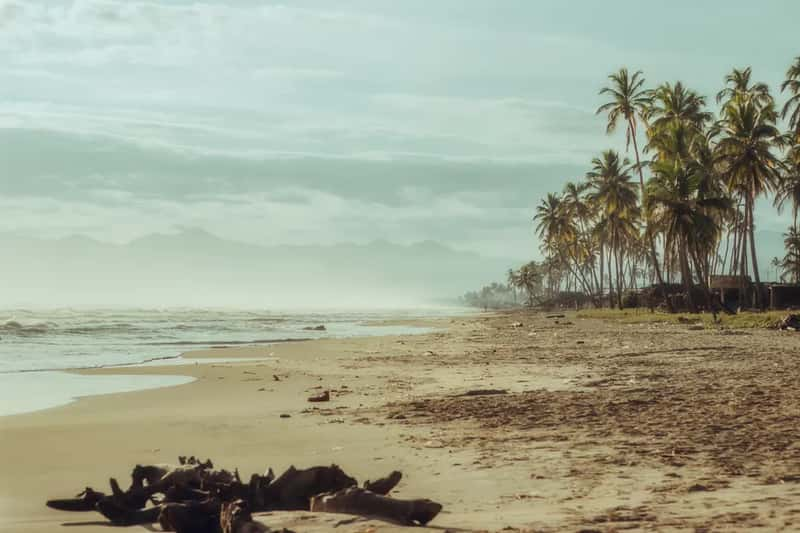
Troncones is a small village on Mexico’s Pacific coast in Guerrero, a short drive from Zihuatanejo and Ixtapa. It has kept a low key, barefoot feel, with a long beach, a few guesthouses and a couple of open air restaurants. Winter is the dry season on this stretch of coast, which is why it’s a good time to go.
Surfers know the area for its point break, and beginners can find gentler waves on other parts of the beach. The Pacific here has strong currents, so check local advice before swimming. Services are limited compared with larger resorts, so bring cash and plan meals ahead. For travelers who prefer quiet to convenience, that’s most of the appeal.