There’s a version of the Spain relocation story that gets told over and over: Madrid for the jobs, Barcelona for the culture, maybe Valencia if you want a coastal compromise. It’s a fine story, but it leaves out what’s actually happening in a lot of smaller places around the country right now.
American arrivals in Spain have been climbing steadily, and not everyone is heading for the big-name cities. Some are landing in towns with a few thousand residents, whitewashed houses, and a pace of life that has nothing to do with metro lines or skyscrapers. Here’s a look at six of them.
1. Almuñécar
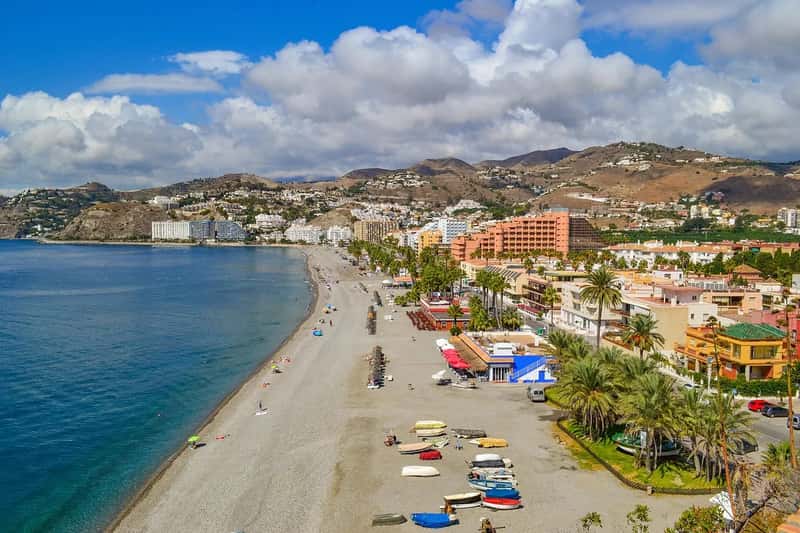
Tucked between Málaga and Granada on Andalusia’s southern coast, Almuñécar has become a favorite for Americans who want beach life without the price tag of the bigger resort towns nearby. International Living describes Almuñécar as a town with 340 days of sunshine yearly, 20 beaches, and about 28,000 permanent residents, with the population swelling to triple that in summer. That kind of climate consistency is hard to find, even along Spain’s famously sunny south.
What draws people isn’t just the weather. One American who relocated there described moving to Almuñécar as smaller and much cheaper than Málaga, while still offering beaches, culture, and an active expat and local community, roughly 35 minutes from Granada and an hour from Málaga. That middle ground, close enough to two major cities but priced like neither, is exactly the kind of calculation more Americans are making these days.
2. Nerja
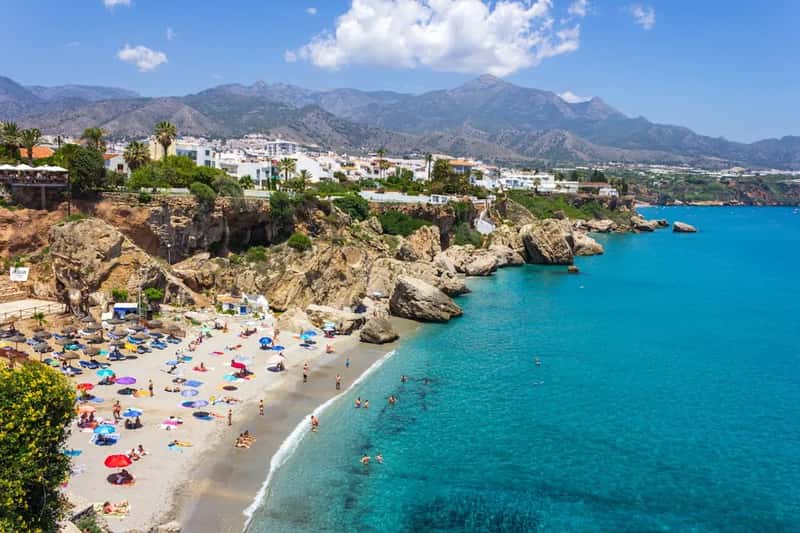
A short drive east of Málaga, Nerja sits on a dramatic stretch of coastline known for its cliffside balcony views and calmer pace than the bigger resort towns further along the coast. It has long attracted British retirees, but Americans are increasingly part of the mix, drawn by the same combination of sea, sunshine, and manageable costs. Nerja is a suitable fit for retirees who want coast without as much gloss, offering expat familiarity with a feel that’s more village-scale.
Just up the hill from Nerja sits Frigiliana, a whitewashed village that gives residents an even quieter alternative while staying close to the coast. Frigiliana adds the whitewashed hillside option for people who want scenery and a little separation from the waterfront, and there’s a useful investor-retiree crossover in this zone. Together, the two towns give newcomers a rare choice between beach-town energy and mountain-village stillness, just minutes apart.
3. Sitges
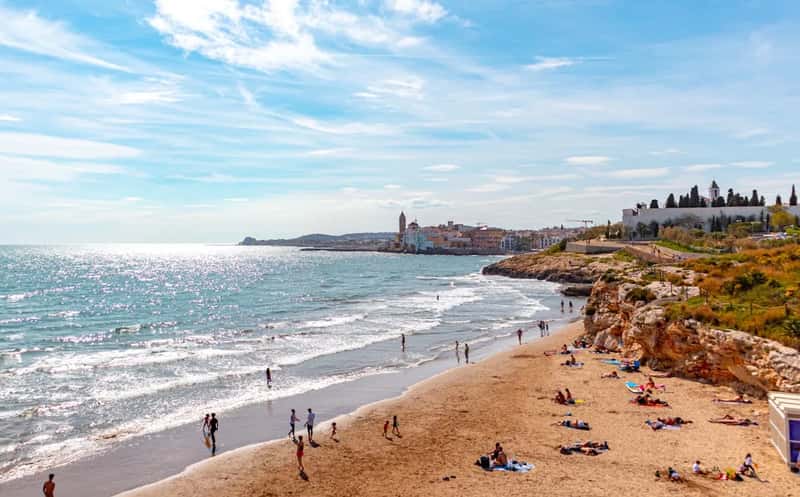
North of Barcelona but a world away from its bustle, Sitges has built a reputation as one of the more polished small towns on the Catalan coast. It’s located on Catalonia’s northeastern coast, just 35 minutes by train from Barcelona, and offers a blend of small-town charm and cosmopolitan, LGBTQ-friendly atmosphere, with a significant expat community that makes it one of the best places in Spain for English speakers to live. That English-speaking infrastructure matters more than people expect once the initial excitement of the move wears off.
Sitges works well for Americans who still want Barcelona’s airport, restaurants, and cultural calendar within reach, but prefer to live somewhere quieter. The train commute makes weekend trips into the city easy without requiring anyone to actually live among its crowds. It’s a formula that seems to appeal particularly to retirees and remote workers who value both connection and calm.
4. Jávea (Xàbia)
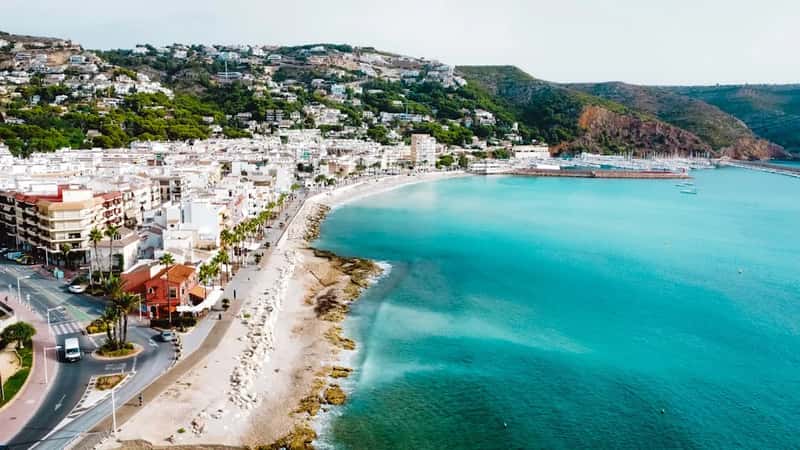
On the northern Costa Blanca, Jávea has traditionally drawn Belgian, Dutch, and German buyers more than Americans, but that’s starting to shift. Jávea/Xàbia sees strong demand from Belgian, Dutch, and German lifestyle buyers seeking quiet international villages, and the town’s port and old quarter still feel distinctly Spanish despite the international presence. Property here isn’t cheap by regional standards, but it’s still a fraction of what comparable coastal living costs in the United States.
American buyers researching Spain increasingly land in Alicante province as a value alternative to the pricier Costa del Sol. For US buyers, Alicante is typically a value alternative to Málaga and Marbella, which have become more expensive. Jávea, with its mountain backdrop and marina, offers a version of Mediterranean life that feels more like an actual town than a tourist strip, which is part of its appeal to people planning to stay long-term rather than visit seasonally.
5. Órgiva and the Alpujarras villages
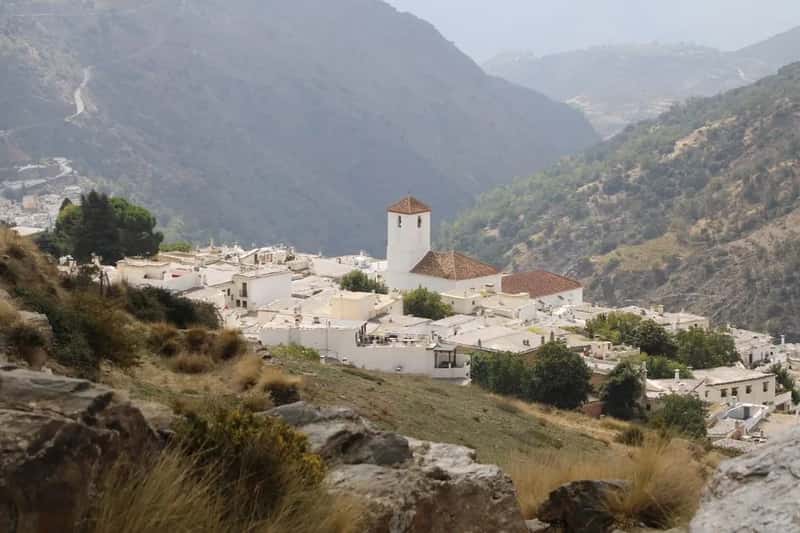
Inland from the coast, in the foothills of the Sierra Nevada, Órgiva and the villages scattered around it offer something entirely different from beach towns. This is rural Spain, with narrow mountain roads, small farms, and a slower rhythm that appeals to Americans looking for something less polished and more genuinely local. Villages around Órgiva attract international residents, but you’re still living in Spain first, not in an expat bubble, with Spanish weather.
It’s not a place to move to without homework, though. A common positive outcome looks like renting first in the off-season, learning the village pattern, testing the drive to healthcare, and then buying, since buyers who skip that sequence often fall for views and then discover they’ve bought isolation, and summer charm can hide year-round inconvenience. For the right person, though, the tradeoff of isolation for authenticity and lower property prices is worth it.
6. Ronda
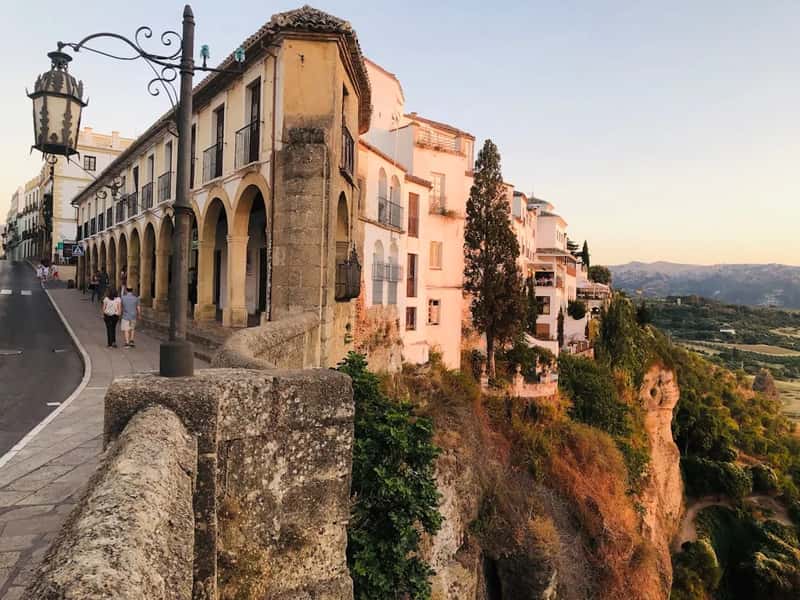
Perched on a gorge in the Andalusian mountains, Ronda is one of those towns that looks almost too dramatic to be a real place people live in day to day. Its bridge spanning the El Tajo gorge draws tourists by the busload, but the town itself has a permanent, working rhythm once the day-trippers leave. It’s inland, cooler in summer than the coast, and considerably cheaper on the property front.
Spain’s national median home listing price stands at €2,673 per square meter, and smaller retirement towns including Andalusian options such as Ronda and Baza sit at or below that benchmark. For Americans priced out of the Costa del Sol but still wanting Andalusian scenery, mountain air, and a strong sense of place, Ronda offers a version of southern Spain that feels less curated for tourism, even with the crowds at the bridge.
Across all six towns, a similar pattern shows up. Spain is now home to over 400,000 American expats, and that number continues to grow, drawn by a favorable climate, affordable healthcare, and a lower cost of living. Fewer of them are chasing the obvious cities, and more are landing in places that once flew almost entirely under the radar.
The visa landscape has shifted too. With the Golden Visa closed to real estate investment as of April 2025, the Non-Lucrative Visa is now the primary route for most retirees and the main legal pathway for non-EU citizens. That change has, if anything, nudged more Americans toward smaller towns, where the income requirements stretch further and daily life costs less than in the capitals everyone already knows about.