Canada and the United States share a long border, a lot of television, and plenty of grocery brands. Their kitchens, though, have drifted apart in small ways that surprise people on both sides. Some Canadian staples barely cross the line, even though they sit a short drive from Detroit, Buffalo, or Seattle.
The seven foods below range from dessert squares to a breakfast meat that Americans often call by the wrong name. Each has a documented history, a regional home, and a few quirks worth knowing before a first bite.
Butter Tarts
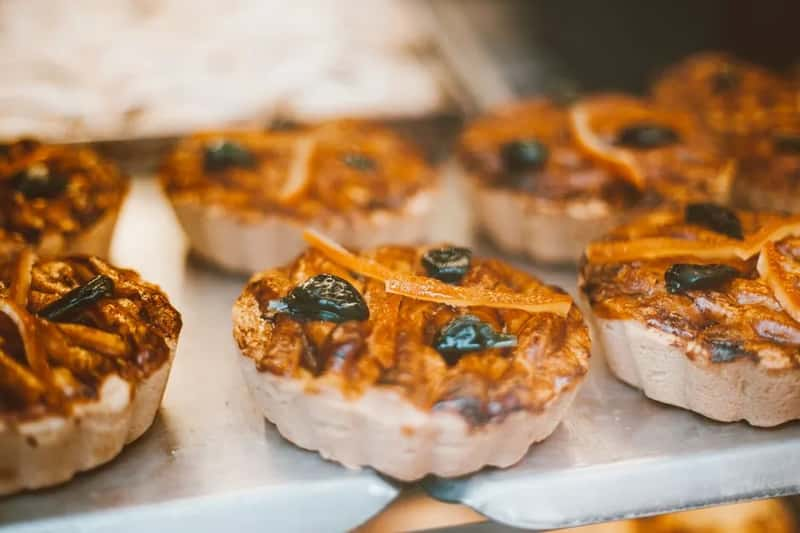
A butter tart is a small pastry shell filled with a soft, sweet mix of butter, sugar, syrup, and egg. The first documented recipe appeared in 1900 in a Royal Victoria Hospital Women’s Auxiliary cookbook in Barrie, Ontario.[1] That recipe used currants, not raisins.[1] Canadians still argue over whether raisins belong at all.
The roots may reach back further. Some historians point to the filles du roi, young women sent to Quebec in the 1600s, and to the sugar pie as a likely precursor.[2] Today the tart has its own fan culture. Ontario’s largest butter tart festival, in Midland, sold over 300,000 tarts in 2025.[3] Canada Post even issued a commemorative stamp for the pastry in 2019.[3]
Nanaimo Bars
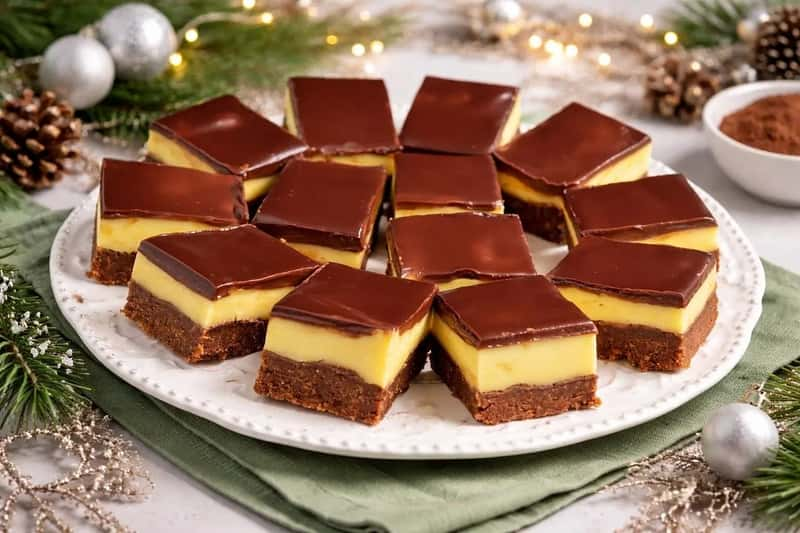
Nanaimo bars need no oven. They have three layers: a graham wafer and coconut base, a custard flavoured butter icing in the middle, and chocolate ganache on top.[4] They take their name from a city on Vancouver Island, though the recipe traveled under other names before that.
The paper trail is a little tangled. The earliest documented recipe appeared in a 1952 Nanaimo Hospital Women’s Auxiliary cookbook.[5] The earliest confirmed printing under the name “Nanaimo bars” is in the 1953 Edith Adams’ prize cookbook.[6] One cookbook author has claimed the bars began in Alberta as “Smog Bars.”[4] Nanaimo’s mayor then held a recipe contest around Expo 86, which helped cement the city’s claim.[4]
Peameal Bacon
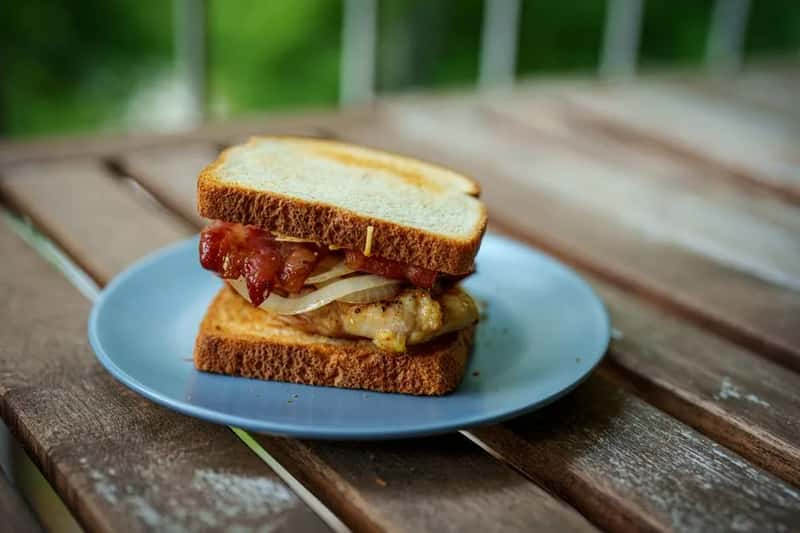
Many Americans use the term Canadian bacon for a round, ham like slice. The Canadian original is cured pork loin rolled in yellow cornmeal.[7] It is wet cured and unsmoked.[8] Once it hits a hot griddle, the cornmeal coat crisps up and the meat tastes mild, salty, and a little sweet.
The name is a leftover from an older method. Toronto was once nicknamed “Hogtown” for its pork processing, and legend credits producer William Davies with first using ground dried peas to preserve the loin.[7] Cornmeal later replaced the peas.[7] The sandwich version grew out of the St. Lawrence Market in the 1960s, served on a kaiser bun with honey mustard.[9] In 2016, it was named Toronto’s signature dish.[8]
Tourtière
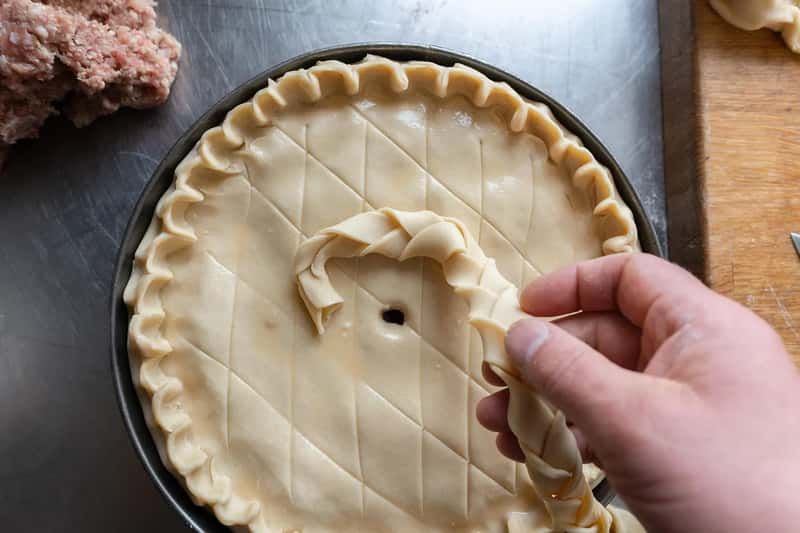
Tourtière is a double crusted meat pie from Quebec. It usually holds ground pork and beef cooked slowly with spices.[10] Nutmeg, cinnamon, cloves, and savory give it a warm, almost holiday scented aroma.[11] It tastes quite different from a plain meat pie.
The pie is closely tied to Christmas. It is typically served during Réveillon, a big feast late on Christmas Eve.[12] The dish dates back centuries, to French settlers in Quebec.[12] The name also covers regional variations. In the Saguenay and Lac Saint Jean area, tourtière means a local version made with chunks of meat, while ground meat pies are called meat pies.[13] Ketchup is a classic topping.[12]
Ketchup Chips
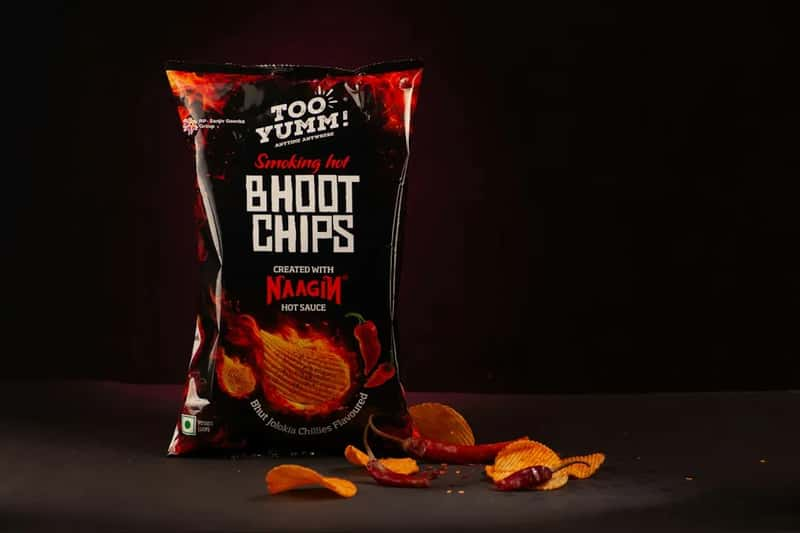
Ketchup flavored potato chips are a regular sight in Canadian snack aisles. They taste sweet, tangy, and slightly sharp, and they leave a reddish dust on your fingers. Many Americans have never seen a bag, even though the flavor sits right beside plain, barbecue, and salt and vinegar in Canadian stores.
The appeal comes from how Canadians eat ketchup at home. It turns up on fries, meat pies, and plenty of other plates, so the chip feels like an extension of the habit. Availability in the United States tends to be patchy, so most Americans meet them on a trip north or in an import shop.
Montreal Style Bagels
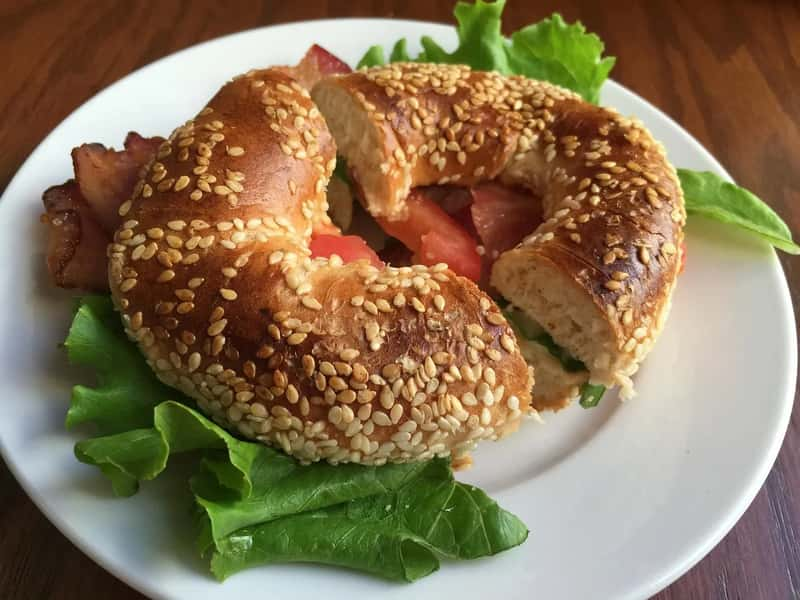
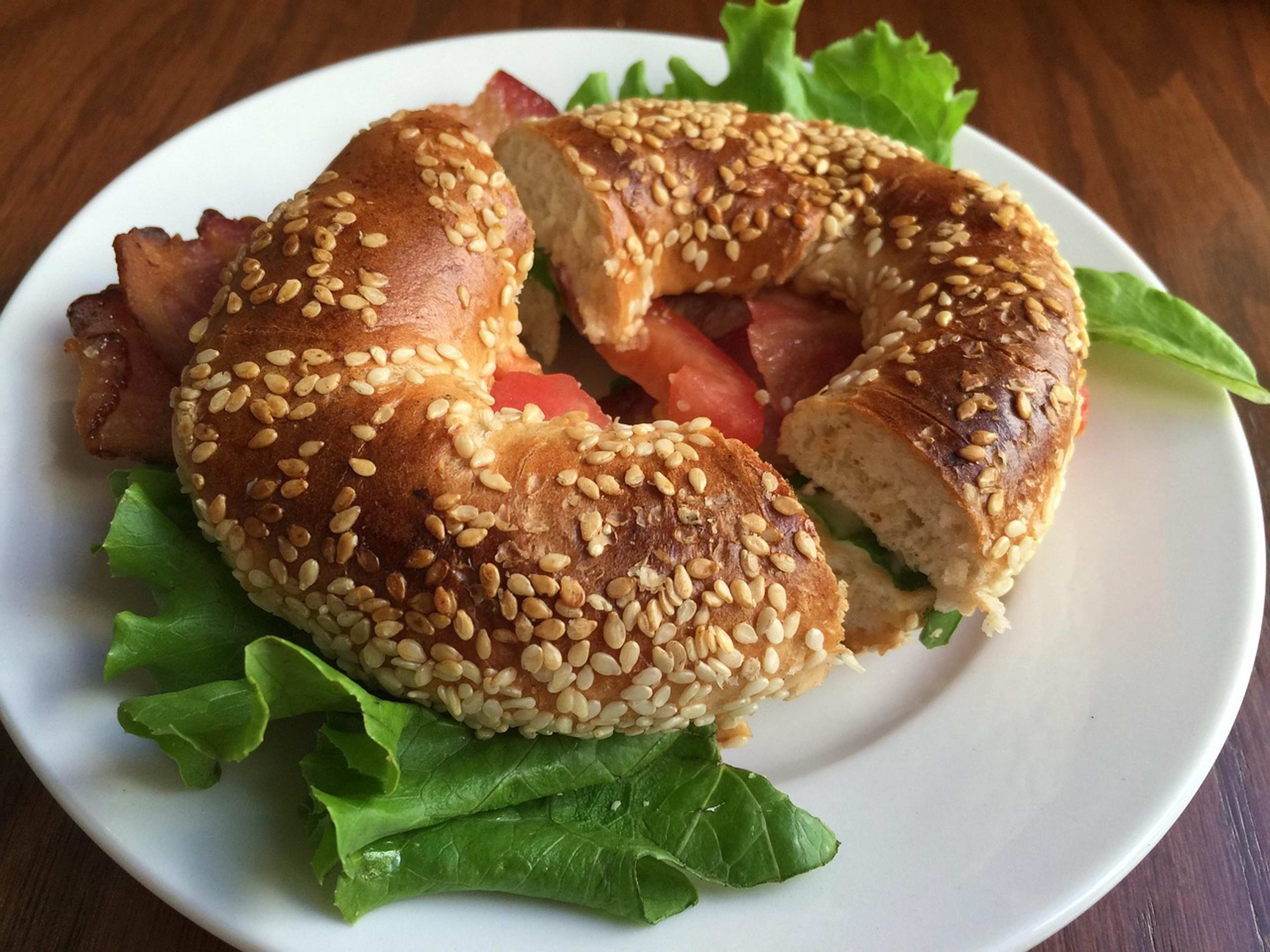
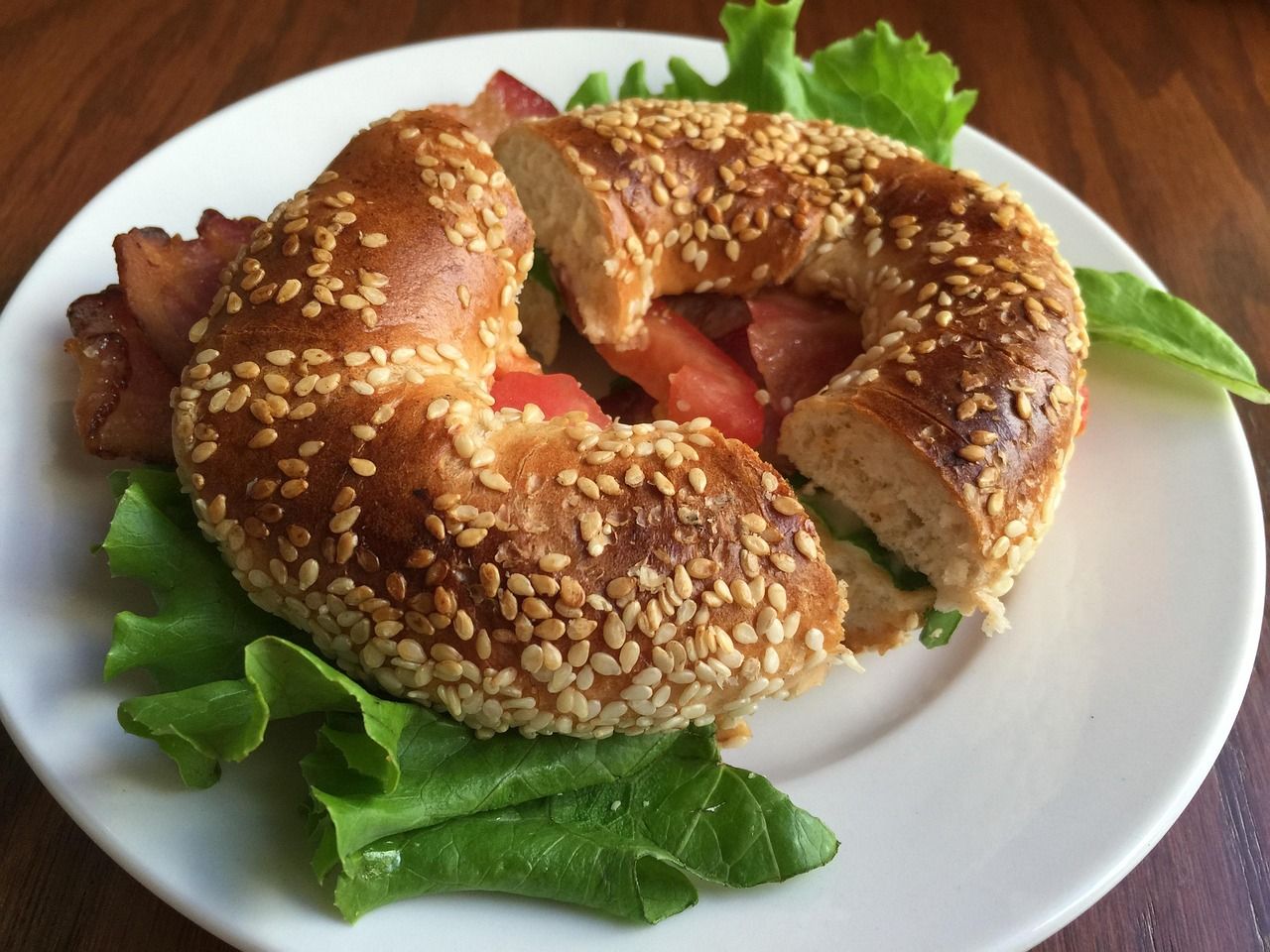
Americans know the New York bagel, which is large, doughy, and chewy. The Montreal version is smaller and thinner, with a wider hole and a noticeably sweeter taste. The dough is boiled in honey sweetened water before baking, which gives the crust a light sheen.
The baking method adds to the difference. Traditional Montreal bakeries bake their bagels in wood burning ovens, which gives the outside a faint smoky note. Sesame and poppy seed are the classic coatings. Many people eat them plain, still warm from the bakery.
BeaverTails
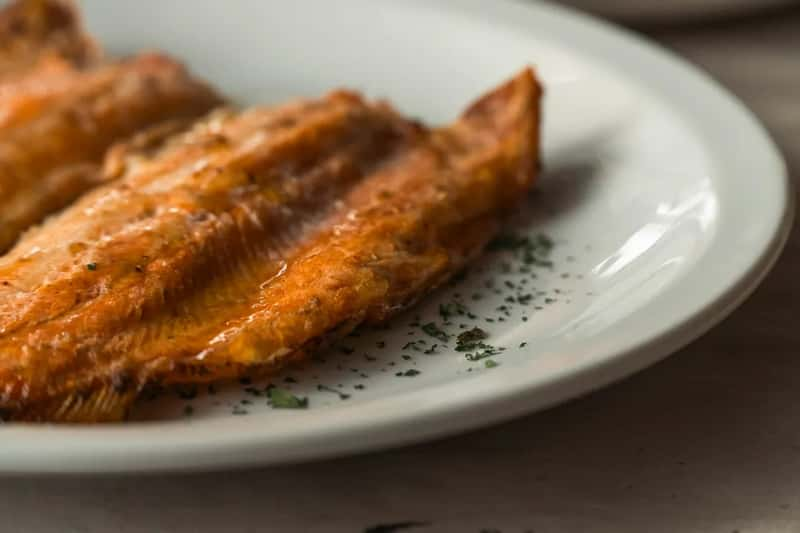
BeaverTails are flat, oval pastries of fried dough, stretched by hand to resemble the tail of a beaver. They are served hot and topped to order, with cinnamon sugar and a squeeze of lemon among the classic choices. The pastry is a little crisp outside and soft inside, closer to a flattened doughnut than a funnel cake.
The treat began as a small business in Ontario and became a fixture at Canadian tourist spots. Ottawa’s ByWard Market and the city’s winter skating canal are among the best known places to find a stand. Many Americans only run into one on a winter visit, when a hot pastry in cold air makes the most sense.