Airport security has changed more in the past eighteen months than in the previous decade combined. Shoes can stay on now, REAL ID is finally being enforced for real, and CT scanners are quietly reshaping what happens at the bin line. Yet most travelers are still operating on outdated assumptions, and it shows the moment they step up to the checkpoint. Frequent flyers spot these slip-ups instantly because they’ve learned, often the hard way, exactly where the friction points sit.
1. Showing up with a non-compliant ID and hoping for the best
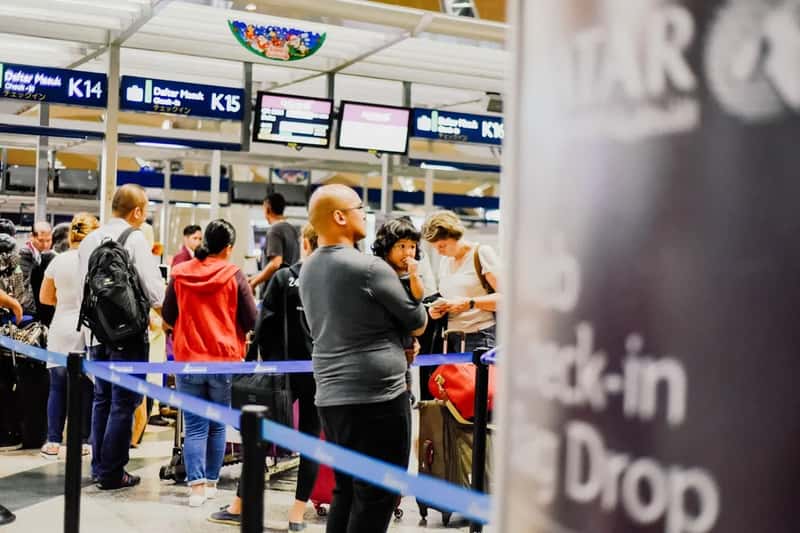
REAL ID enforcement is no longer a threat looming on the horizon, it’s the current reality at every domestic checkpoint. REAL ID enforcement began in May 2025, and as of February 1, 2026, travelers without a REAL ID-compliant driver’s license or acceptable alternative such as a passport face a $45 non-refundable ConfirmID fee to pass through security.[1] That’s not a small inconvenience when you’re already cutting it close for a flight.
Experienced travelers checked their license for the star marking months ago and moved on. Casual flyers still walk up with an old license, get pulled aside, and either pay the fee or scramble to prove their identity through secondary verification. It’s an entirely avoidable mistake, and it’s become one of the fastest ways to lose twenty minutes you didn’t budget for.
2. Misreading the liquids rule because of CT scanner rumors
There’s been a lot of noise about liquids getting easier, and it’s led plenty of travelers to pack loose bottles thinking the rules softened. They haven’t. The 3-1-1 rule has not changed in 2026. Containers of 3.4 ounces (100 ml) or less, all of them inside one quart-size bag, one bag per passenger.[2]
The confusion largely traces back to comments from Homeland Security leadership last year. In July 2025, Homeland Security Secretary Kristi Noem said TSA was “reevaluating the liquids policy” and hinted that “the next big announcement may be on the size of liquids allowed.”[3] That single line spread fast, but nothing official followed it. Seasoned flyers still pack to the old limits every single time, because guessing wrong at the checkpoint means watching a full-size shampoo bottle get tossed in the bin.
3. Forgetting what’s still in their pockets
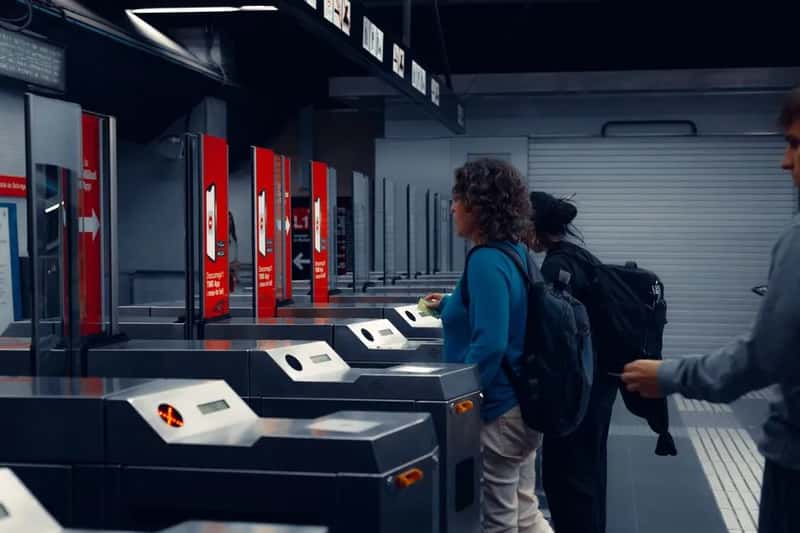
This one sounds almost too basic to mention, yet it remains one of the most common alarm triggers at the walk-through scanner. Items left inside pockets often trigger alarms during TSA body scanners, leading to extra screening or pat-downs, and metal items like coins, keys, or phones commonly trigger alarms and can lead to additional screening in the security line.[4] A wallet with a metal clip, loose change, or a phone tucked in a back pocket is enough to send someone back through the detector a second time.
Frequent flyers empty their pockets into their bag or a jacket before they’re even in line, not after the officer tells them to. It’s a small habit, but it’s the difference between walking straight through and standing there while a line of strangers waits behind you. The travelers who get flagged twice in one trip are almost always repeating the same oversight.
4. Packing battery-powered devices in checked luggage instead of carry-on
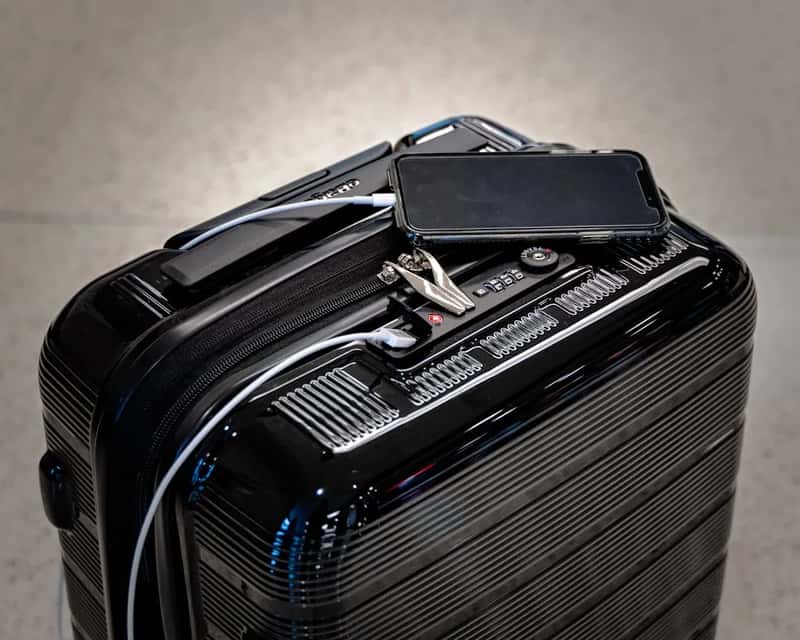
Electric toothbrushes, cordless flat irons, and curling wands seem harmless enough to toss in a suitcase that gets checked. That instinct is backwards, and safety officials have been increasingly vocal about it. Electric toothbrushes, cordless flat irons and curling irons all contain lithium-metal or lithium-ion batteries, and the FAA issued a safety alert in 2025 after recording at least 50 incidents involving smoke, fire or extreme heat from these batteries on flights.[5]
The reasoning is straightforward once you hear it. The guidance is clear: battery-powered personal care devices should travel in your carry-on, not your checked luggage, where a malfunction is far harder to detect and manage.[5] Add to that the newer airline restrictions on power banks, where American and Delta capped passengers at two power banks on 1 May 2026, and Southwest went to one on 20 April 2026[2], and it’s clear this category deserves more attention than most travelers give it.
5. Getting confused by the shoes-off policy change
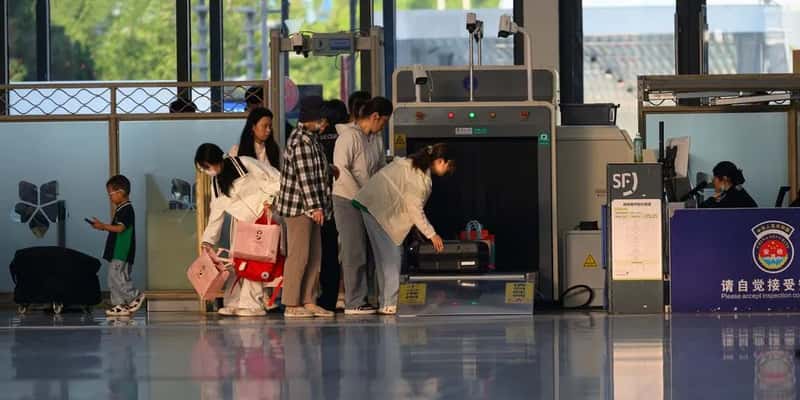
For nearly two decades, taking off your shoes was as automatic as handing over a boarding pass. That’s no longer the default, and plenty of travelers still don’t know it. The shoes-off requirement ended 8 July 2025.[2]
The catch is that this isn’t absolute in every lane. Some checkpoints, or certain screening situations, may still call for shoe removal depending on the equipment in use or an officer’s judgment. Travelers who haven’t kept up either awkwardly start unlacing their shoes when nobody asked, or leave them on when an officer specifically requests otherwise, both of which create a small pileup at the front of the line while everyone sorts out which rule applies today.
6. Cramming carry-ons with unsorted electronics

Laptops, tablets, cameras, gaming handhelds, chargers, and cables all piled into one bag might save packing time at home, but it costs time at the checkpoint. Phones, laptops, tablets, cameras, and portable gaming systems are common travel items in 2026, and bags filled with excessive electronics or loose batteries often receive closer inspection from TSA officers.[6]
Officers need a clean visual on what’s inside a bag, and a tangle of devices makes that harder to get from a single scan. Passengers traveling with professional camera equipment or work devices may experience additional screening because officers need a clearer look at the contents of the bag, and packing electronics neatly and separating large devices before reaching the scanner can speed up the process.[6] Travelers who fly often tend to keep laptops in a dedicated sleeve and chargers bundled separately, precisely because they’ve been pulled aside once too often for a messy bag.
7. Arguing with officers or ignoring checkpoint instructions
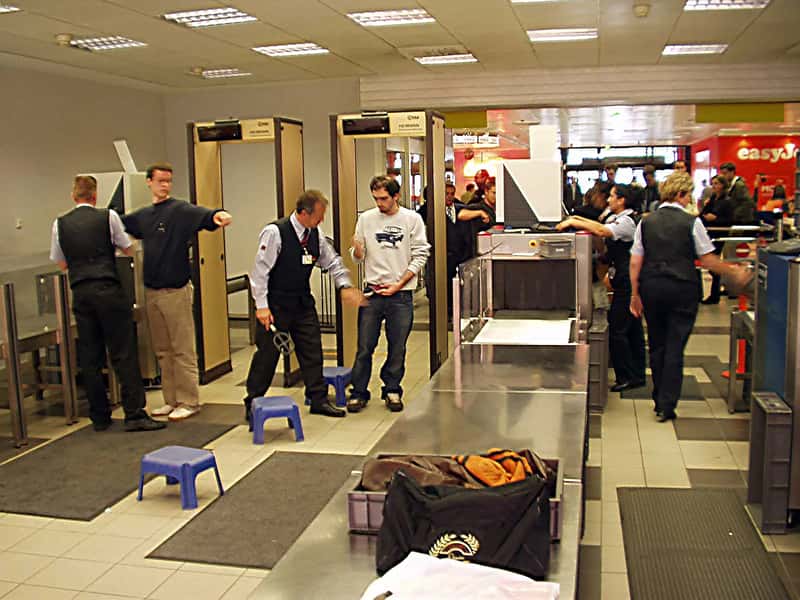
Security lines run on a rhythm, and breaking that rhythm almost always backfires. Officers are directing dozens of people at once, and pushing back on an instruction rarely speeds things up, it just adds friction for everyone behind you. Travelers who ignore instructions or argue repeatedly with officers often attract immediate attention.[6]
The instructions themselves are usually simple, even if they vary lane to lane. Their instructions may include removing shoes, taking keys and wallets out of pockets, stepping into open lines, or shifting to checkpoint areas with shorter lines.[7] Experienced flyers treat those directions as background noise they follow without thinking twice, while newer travelers sometimes hesitate, question, or try to negotiate, and that hesitation is exactly what turns a thirty-second interaction into a five-minute one.
None of these mistakes are complicated once you know they exist. Most come down to outdated assumptions, whether that’s an old ID, an old rule about shoes, or an old habit of packing batteries wherever there’s room. The travelers who move through security without a second glance aren’t lucky, they’re simply current on what’s actually required this year rather than what used to be required a few years back.