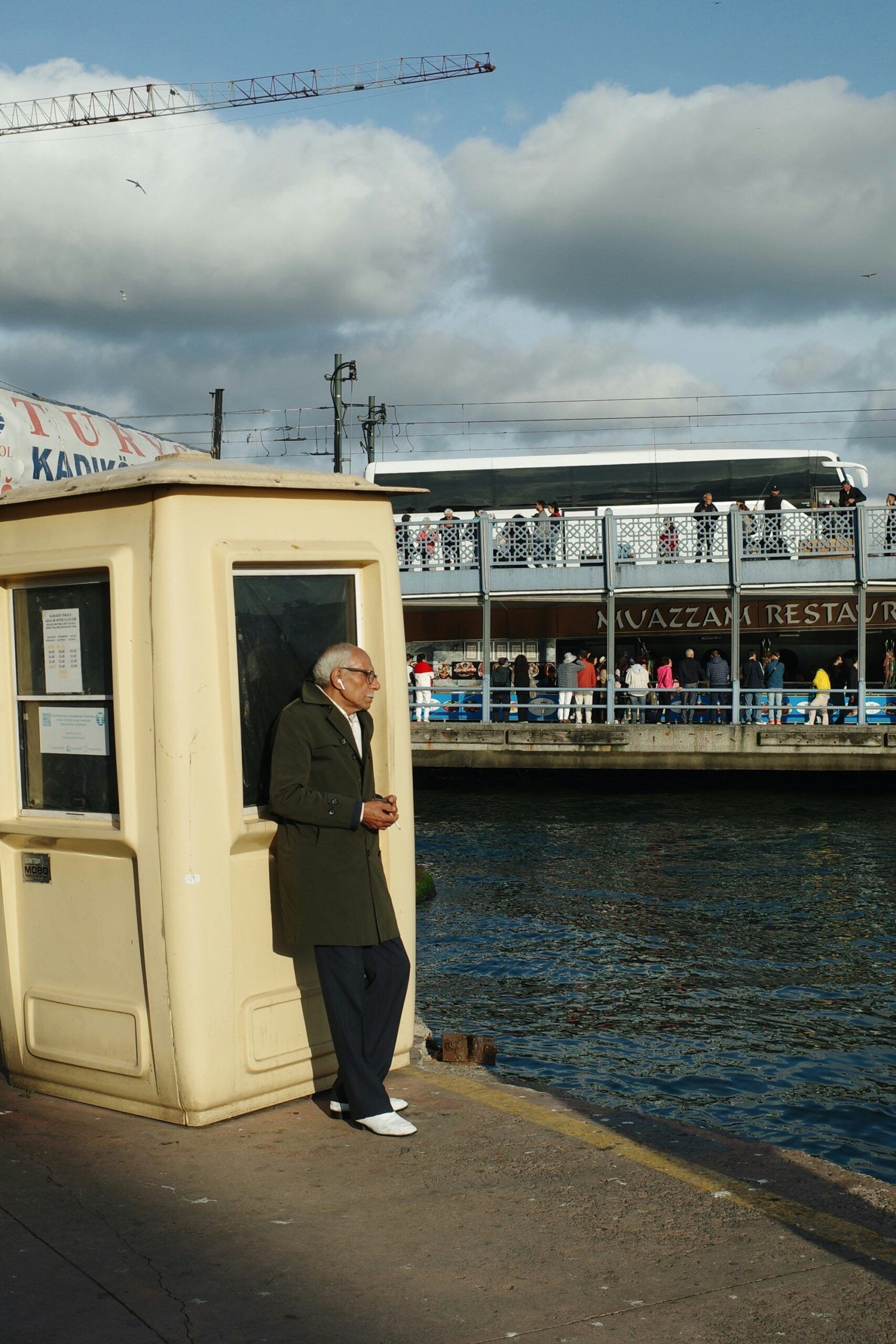
Standing at a ferry terminal watching the departure board quietly change from “on time” to “delayed” is one of travel’s small but persistent frustrations. Announcements rarely go beyond a vague “operational reasons” or “weather conditions,” leaving passengers to guess what’s really happening behind the scenes. Yet most late departures follow a handful of predictable patterns that ferry operators rarely spell out for the people waiting on the dock.
Understanding these patterns won’t get your sailing back on schedule, but it does explain why the delay is happening and, often, why it was unavoidable. Here are seven real, research-backed reasons a sailing leaves late, the kind of explanations that rarely make it onto the tannoy.
1. The Previous Sailing Never Really Finished
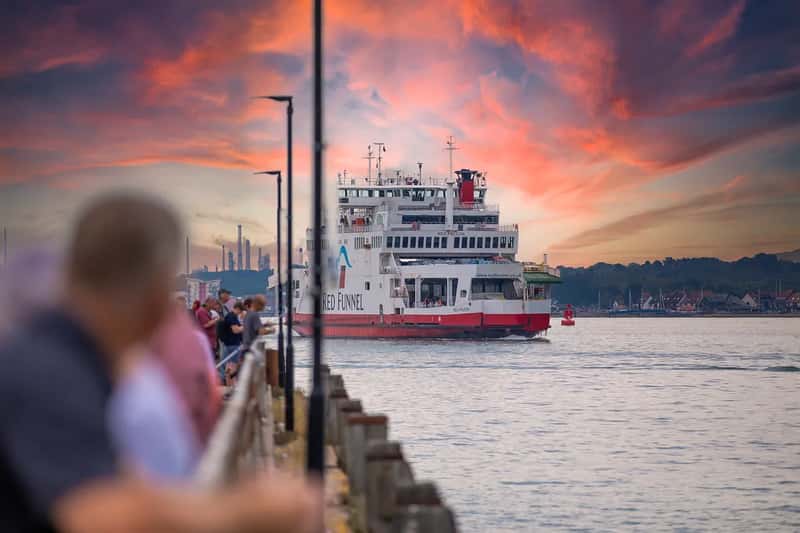
Ferries operate on tight loops, and a vessel arriving late from its last crossing has a direct knock-on effect on the next one. A ship needs time to unload, clean, restock, and reload before it can leave again, and if that turnaround window gets compressed, the departure slips with it. This is one of the most common yet least explained causes of delay because passengers only see the ship sitting at the dock, not the earlier voyage that pushed everything back.
On busy multi-stop routes, this cascading effect is well documented. Whether the ship’s previous sailing arrived on schedule matters, since a late inbound arrival almost always delays the outbound departure, because the ship hasn’t had time to turn around.[1] A single vessel delay typically cascades through the entire string of ports on the loop, meaning a delay today can trace back to something that went wrong days earlier.[1] Nobody announces that history over the PA system, but it’s often the real story behind the wait.
2. Vehicle Loading Happens in Stages, Not All at Once
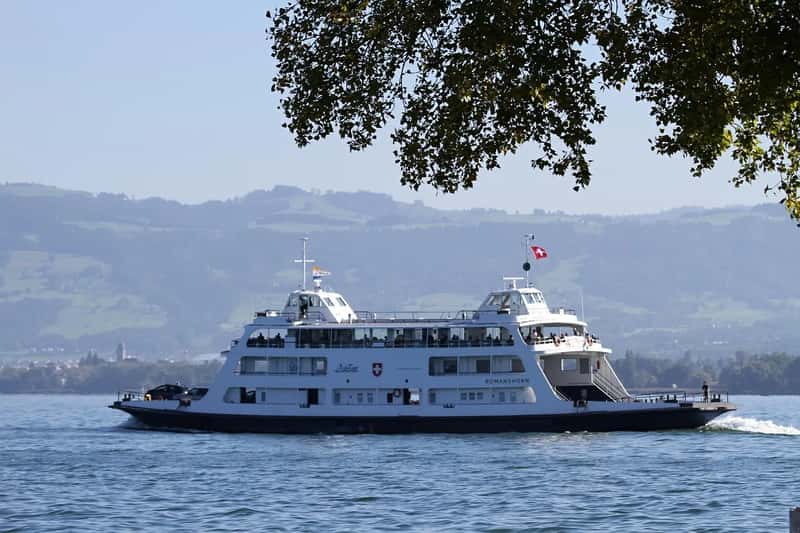
For anyone traveling with a car, motorcycle, or trailer, boarding isn’t a simple queue and drive-on process. Crews load vehicles in a specific order to balance weight across the deck, and that sequencing takes longer than most passengers expect, especially during busy travel periods. If even a few vehicles arrive out of order or late, the whole loading plan can require adjustment.
Many operators set a separate arrival or cutoff time for cars, vans, motorcycles, trailers, and RVs because crews need to balance the deck, load vehicles in order, and close the ramp safely.[2] Vehicle ferries are especially sensitive to late arrivals because loading closes in stages, and once lanes start moving, staff usually cannot pull a vehicle back into the queue.[3] That rigid sequencing, invisible to foot passengers, is frequently the quiet reason a sailing sits at the dock a little longer than the printed timetable suggests.
3. Crew Changes Have Legal Minimums That Can’t Be Rushed
Ships don’t just need fuel and passengers ready to go, they need a full, certified crew aboard, and crew changeovers are one of the least visible causes of delay. If a relieving officer’s flight is late or paperwork takes longer than expected, the vessel simply cannot leave until the roster is complete. This isn’t a matter of convenience; it’s a hard safety requirement built into maritime law.
If flights are delayed or documentation takes time, the new crew simply isn’t aboard yet, and unscheduled crew-change stops are one of the main causes of vessel delays, since a ship cannot legally sail undermanned below its safety certificate minimums, so if one department head is stuck in an airport, the ship waits.[1] That single missing signature or late connecting flight rarely gets mentioned to the people waiting to board, yet it can hold an entire sailing hostage for an hour or more.
4. Berths and Ports Get Congested Before You Even See the Ship
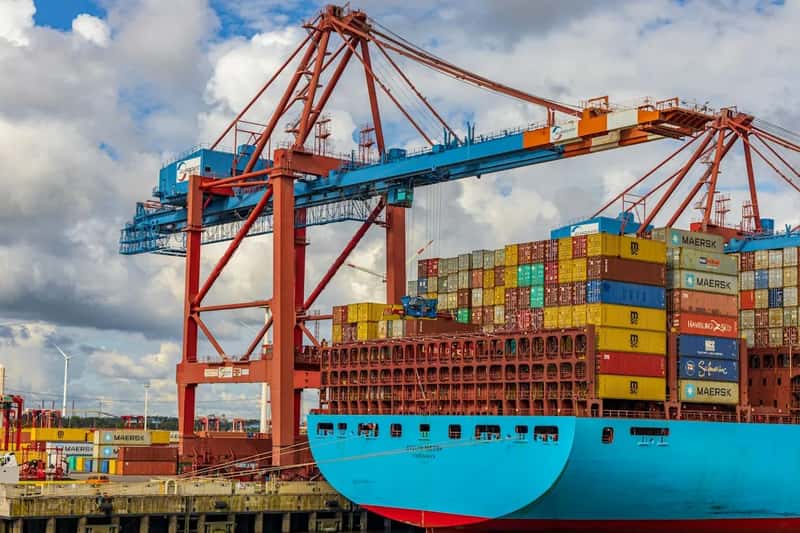
Sometimes a ship is fully loaded, fueled, and ready, but there’s simply nowhere for it to dock or depart from cleanly. Busy ports handle multiple vessels at once, and when one arrival runs late, it can back up every other scheduled departure or arrival behind it. This kind of congestion is invisible to passengers because it happens entirely outside the terminal building.
Sometimes twelve other ships are also ready and there’s only one available berth, making port congestion a close second cause of delays, since large ports handle dozens of vessels simultaneously and when one ship arrives late, it pushes[1] every subsequent departure back by a similar margin. A delay that looks like it started with your ship may actually have started with a completely different vessel hours earlier.
5. Weather Decisions Are Often About the Destination, Not the Crossing
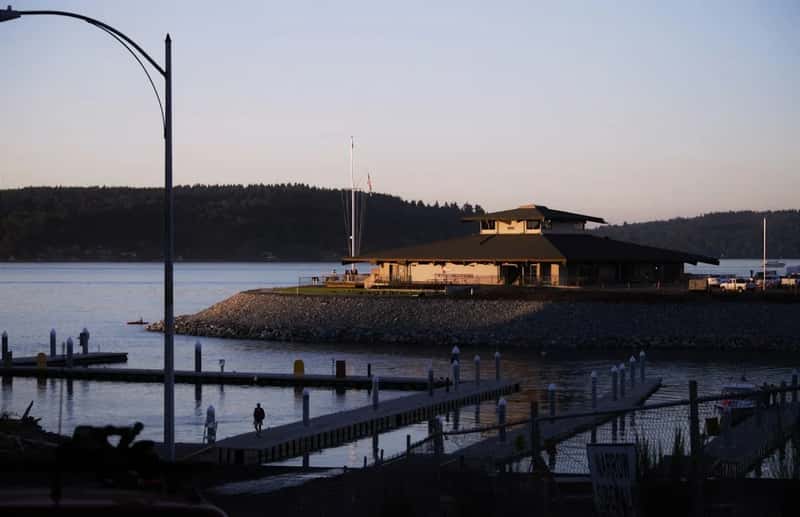
It’s easy to assume a delayed sailing means rough seas along the route, but the more common issue is actually what’s waiting at the other end. Safe berthing at the destination port can be far riskier than the open water crossing itself, and operators would rather hold a ship at the dock than risk a dangerous docking maneuver later. This distinction rarely gets explained to passengers standing in a calm terminal wondering why nothing is moving.
In the case of adverse weather, the primary reason for not setting sail is when the safety of passengers can’t be guaranteed, and this tends to be more about how safe berthing is at the destination port than the crossing itself.[4] Even on routes that feel routine, strong winds, poor visibility, rough sea conditions, and adverse tides can all make operations slower or less predictable, and safety decisions are not taken lightly, with operators usually prioritizing safe passage over keeping to exact timetable times.[5]
6. Technical and Safety Checks Take Priority Over the Clock
Ferries are complex machines, and a flagged issue during a routine pre-departure check can hold a vessel at the dock regardless of how full the schedule is. These checks aren’t optional paperwork; they’re safety verifications that crews are required to complete before releasing a ship, even if it means missing a published departure time. Passengers rarely see the inspection itself, only the delay it causes.
One recent example saw a scheduled morning sailing delayed by more than an hour because of a mechanical difficulty, with the vessel held in the dock while a problem with the navigational equipment was investigated.[6] That single technical hold then rippled forward, since while the vessel was being repaired, its delay caused a knock-on effect for other sailings later that same day.[6] A five-minute inspection that reveals a genuine problem can easily turn into a delay measured in hours, and it’s rarely explained in real time because the crew is still assessing the issue.
7. Small Delays Earlier in the Day Quietly Snowball
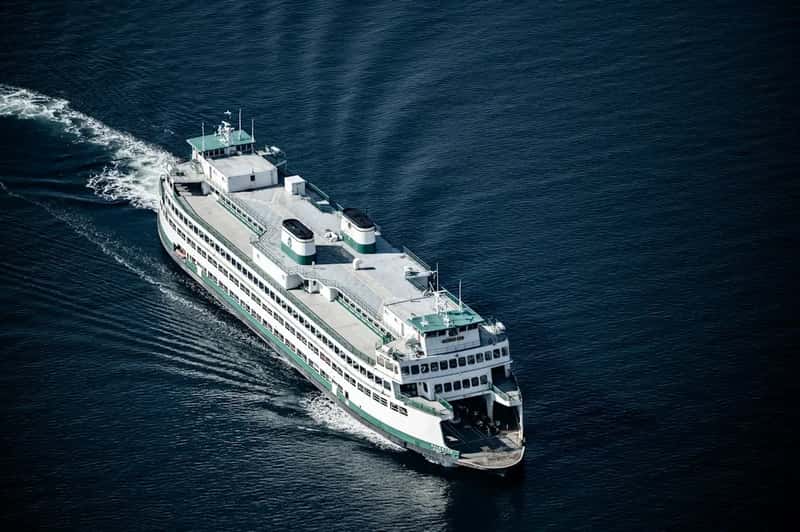
Perhaps the least understood cause of a late sailing is that it may have nothing to do with your specific departure at all. On routes with tightly shared terminals and back-to-back schedules, a minor delay on an early crossing can compound throughout the day, arriving at your sailing as a much larger gap than the original problem ever was. This kind of cumulative drift is difficult for operators to explain simply because the root cause happened hours, or even a full day, earlier.
Since schedules often have fairly tight terminal sharing, even small delays have a cascading effect on other ferries being delayed.[7] More broadly, technical checks, staffing issues, port congestion, and earlier delays in the day can all ripple forward into later sailings.[5] By the time your boarding call arrives, the actual cause might be buried three sailings back in a schedule that’s been quietly catching up to itself all day.
None of these seven reasons make a late departure any less frustrating when you’re standing at a terminal with a tight connection to catch. Still, they reveal a pattern worth remembering: ferries are part of a much larger, interconnected system where one vessel’s schedule depends on dozens of small decisions made elsewhere, often out of sight and well before your sailing time ever appears on the board. Weather calls, crew logistics, loading sequences, and berth availability all stack together in ways that rarely fit into a short announcement.
The next time a sailing runs late without explanation, it’s rarely random. More often than not, it’s the visible tip of a much longer chain of operational decisions, most of which were made with safety, not convenience, as the priority.