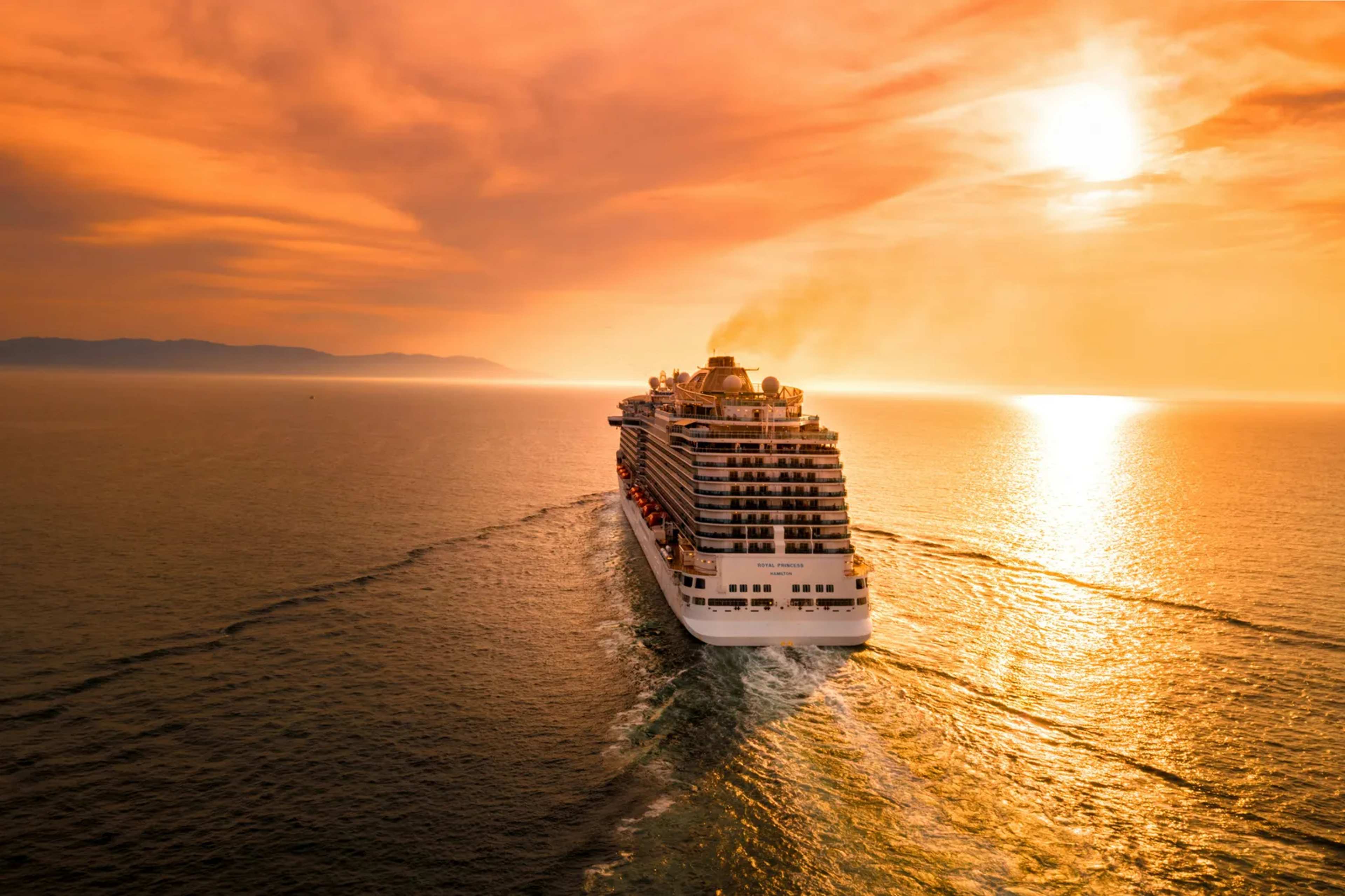
Every year, millions of travelers book flights to places their own governments warn them about. Crime statistics, cartel violence, terrorism advisories, none of it seems to slow the flow of visitors chasing pyramids, beaches, safaris, and street food markets. The gap between official warnings and actual tourist behavior has never been wider, and it says a lot about how people weigh risk against reward when planning a vacation.
What follows isn’t a list of war zones that nobody visits. These are places with genuine safety concerns flagged by travel advisories, yet they still pull in record numbers of tourists, sometimes more than ever before. The reasons vary from stunning natural beauty to unbeatable value, but the pattern is consistent: risk rarely wins against desire.
1. Mexico
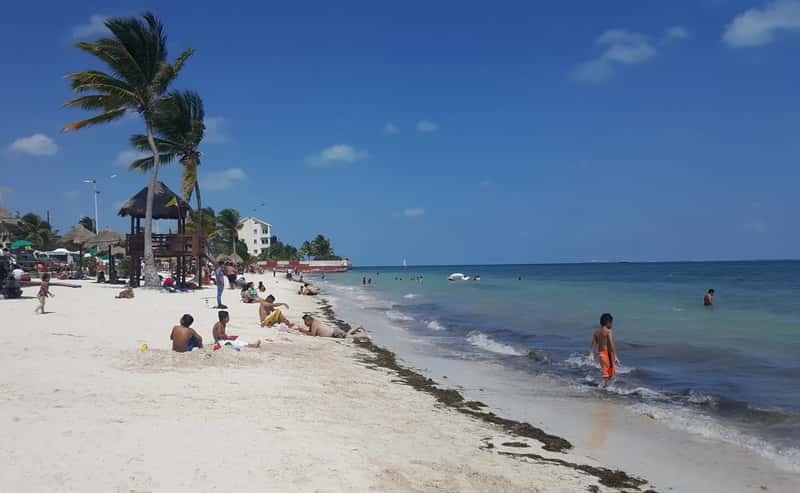
Mexico sits at the center of one of travel’s strangest contradictions. The U.S. State Department maintains a Level 2 advisory urging increased caution due to violent crime, and cartel-related violence has repeatedly disrupted tourist hubs, including a wave of unrest in Puerto Vallarta after Mexican forces killed a major cartel leader in early 2026. Mexico remained a popular spring break destination despite cartel violence causing lockdowns, with the State Department continuing to warn against certain states after violence broke out in Puerto Vallarta.[1] Yet travel advisors reported barely a dip in demand.
The numbers back that up in a big way. The country welcomed a record 47.4 million visitors between January and July 2025, a 13.8% increase over the same period in 2024.[2] Resort areas like Cancún and Cabo remain magnets even when neighboring states carry higher-level warnings, and Mexico received approximately 45.04 million international tourists in 2024, including about 13.5 million from the United States, making it the top international destination for U.S. travelers.[3] For most beachgoers, the resort bubble feels worlds away from cartel territory.
2. Egypt

Egypt’s ancient wonders keep pulling in crowds, even though the U.S. government still flags parts of the country as no-go zones. The State Department only warns against North Sinai and the Libyan and Sudanese border regions, places no traveler ever passes through.[4] That narrow scope hasn’t stopped headlines from lumping the entire country into “risky destination” territory, largely a holdover from instability earlier in the past decade.
The reality on the ground looks quite different from the reputation. Tourist areas like Cairo, Luxor, Aswan, the Nile cruise, Hurghada, and Sharm el-Sheikh stay busy, with Egypt drawing more than 15 million visitors in 2024, a record.[4] Security has visibly ramped up around major sites, and the major tourist areas benefit from reinforced security with a dedicated tourist police, scanners at archaeological sites, and an increased presence.[4] Tourists keep coming for the Nile, the temples, and the Red Sea, treating the lingering “dangerous country” label as mostly outdated.
3. Turkey
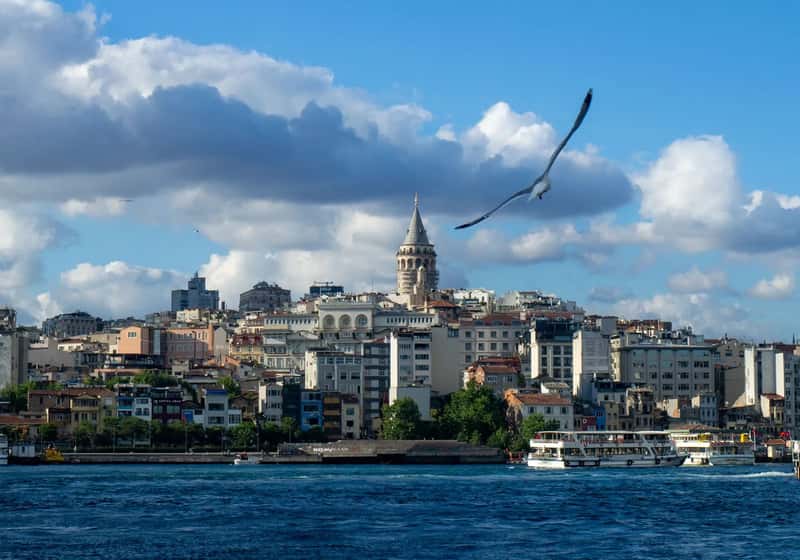
Turkey straddles a genuinely tense region, bordering Syria and Iraq, and its State Department listing reflects that geography. The State Department lists the country at Level 2 due to terrorism, armed conflict, and arbitrary detentions, with southeastern areas flagged at higher risk.[5] Past terror attacks in Istanbul and ongoing friction near the Syrian border have kept the advisory in place for years, and periodic diplomatic tensions add to the uncertainty for foreign visitors.
None of that has dented Turkey’s appeal as a bucket-list destination. Official Turkish government communication said visitor numbers reached 62.2 million in 2024, an extraordinary figure placing Turkey among the most-visited countries on earth.[5] Istanbul’s bazaars, Cappadocia’s balloon rides, and the Turquoise Coast’s beaches draw travelers who see the southeastern conflict zones as geographically distant from the routes they’ll actually take.
4. South Africa

South Africa carries one of the starkest safety warnings among mainstream tourist destinations. Violent crime is common and includes robbery, rape, carjacking and mugging, with violent crime more common in downtown areas of big cities, especially after dark.[6] The State Department also flags kidnapping risk, noting that kidnappers target U.S. citizens and other foreign travelers to steal money.[6] Crime indexes consistently rank it among the least safe countries on the continent.
Even so, safari dreams and coastal scenery keep winning out. Despite explicit travel warnings from the United States, the United Kingdom, and Canada highlighting risks of violent crime, South Africa’s tourism sector experienced a strong surge, with international arrivals reaching approximately 10.5 million in 2025, surpassing pre-pandemic levels.[7] Kruger National Park, Cape Town’s waterfront, and the Garden Route continue to sell out, proof that the promise of Big Five sightings and dramatic coastline can outweigh a sobering safety briefing.
5. Colombia
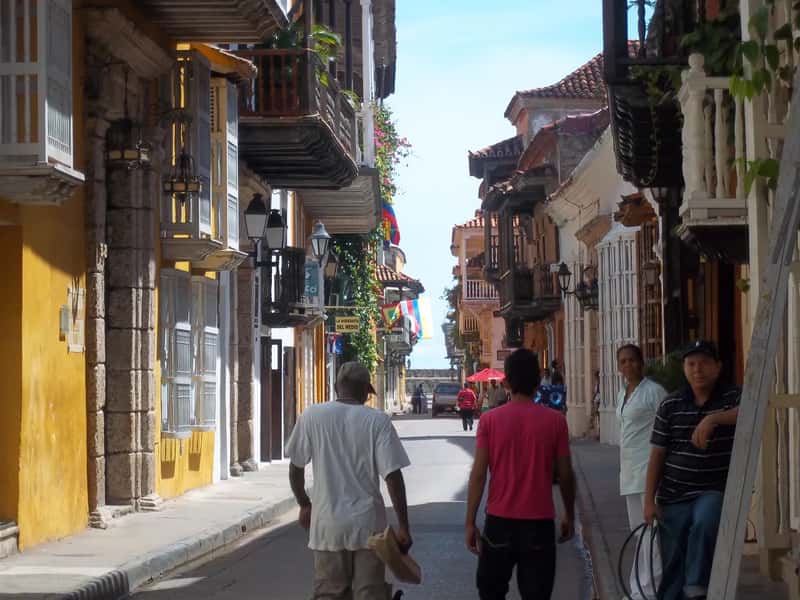
Colombia spent decades as a byword for danger, thanks to cartel violence and a long-running guerrilla conflict with groups like FARC. Some of that history hasn’t fully faded. Certain rural border regions, particularly near Venezuela and areas historically controlled by armed groups, still carry heightened advisory warnings, and dissident factions from the old FARC structure remain active in isolated pockets of the countryside.
Despite that legacy, Colombia has become one of Latin America’s fastest-growing tourism stories since the 2016 peace agreement reshaped its image abroad. Cartagena’s colonial streets, Medellín’s transformed neighborhoods, and the coffee region’s green hills now draw travelers who once wouldn’t have considered the country. Most visits pass through well-patrolled urban and resort zones far from the conflict areas that still make headlines, which is exactly why so many tourists feel comfortable going anyway.
6. Philippines

The Philippines faces two very different categories of risk. One is natural: the archipelago sits directly in the path of powerful typhoons that regularly batter the islands during storm season, occasionally stranding travelers or disrupting flights with little warning. The other is regional instability in the southern Mindanao and Sulu areas, where kidnapping and militant activity have prompted long-standing advisories against travel to those specific provinces.
None of that touches the islands most tourists actually visit. Palawan’s lagoons, Cebu’s beaches, and Manila’s food scene continue to anchor a tourism sector that has rebounded strongly in recent years, with the country marketing itself heavily around its more than seven thousand islands. Travelers weigh the typhoon calendar and steer clear of the flagged southern provinces, treating the overall risk as manageable rather than a reason to skip the trip entirely.
7. Jamaica
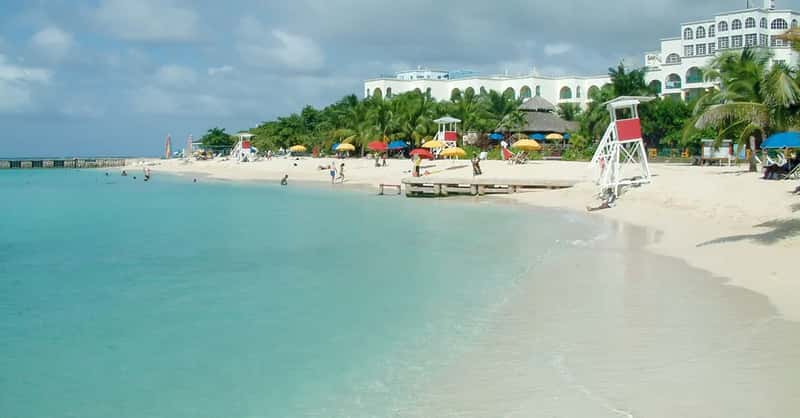
Jamaica has wrestled with one of the highest homicide rates in the Western Hemisphere for years, a statistic that regularly lands the island on global crime indexes and keeps its travel advisory elevated above many of its Caribbean neighbors. Most of that violence, however, is concentrated in specific neighborhoods of Kingston and other urban areas rather than in the all-inclusive resort corridors that most visitors never leave.
That distinction matters enormously to the millions who still book Montego Bay and Negril every year. Cruise ships keep docking, resorts keep filling rooms, and reggae, jerk chicken, and turquoise water remain a powerful draw regardless of the crime statistics attached to the country as a whole. For many travelers, the resort-versus-reality divide feels similar to Mexico’s, close enough to the headlines to raise an eyebrow, far enough in practice to book the flight anyway.
What ties these seven destinations together isn’t recklessness so much as calculated trust in geography and infrastructure. Tourists have learned to read advisories the way locals do, distinguishing a flagged border region from a resort strip, a specific neighborhood from an entire country. That doesn’t erase the real dangers these places carry, and travel advisories exist for good reason. Still, as arrival numbers keep climbing in nearly every country on this list, it’s clear that a warning label rarely closes the deal on canceling a long-awaited trip. Curiosity, beauty, and value continue to outweigh caution for millions of travelers each year, and that trend shows no sign of reversing anytime soon.