Long before a guest says a single word at the front desk, hotel staff have already started forming an impression. Managers and trained receptionists read posture, pace, tone, and a handful of other subtle cues within seconds of someone walking through the lobby doors, and those first impressions quietly influence everything from room assignment to how quickly a maintenance request gets handled later in the stay.
This isn’t guesswork on the part of hospitality staff. Reading nonverbal signals is treated as a core professional skill in the industry, and the patterns hotels watch for are fairly consistent across properties, from budget chains to luxury resorts. Here are seven signals that experienced hotel managers and front desk teams pay close attention to the moment a guest arrives.
1. Posture and the Way a Guest Walks In
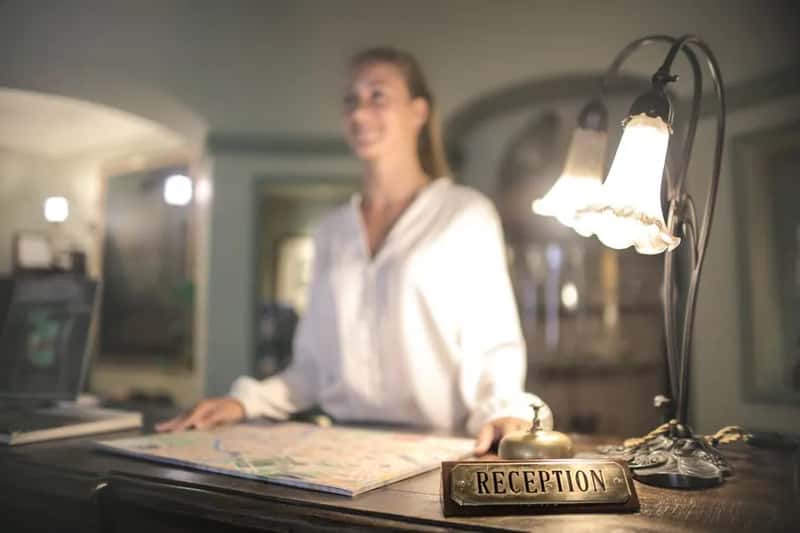
The first thing many staff notice isn’t a face or an outfit, it’s how someone moves through the lobby. Staff are trained to read posture, pace, and facial expression within seconds of an arrival, and a slow, heavy shuffle reads completely differently than a bouncy, excited stride.[1] A guest dragging their feet after a delayed flight sends a very different signal than someone striding in briskly with a phone already in hand.
This early read shapes how staff approach the interaction before a single word is exchanged. The second a guest steps through those doors, their body language tells a story, whether they’re slumped forward with exhaustion, striding confidently, or frantically scanning the lobby for the desk, and all of it registers with staff.[2] Experienced teams use that split-second read to decide whether to lead with efficiency or with warmth.
2. Eye Contact and How the Greeting Unfolds
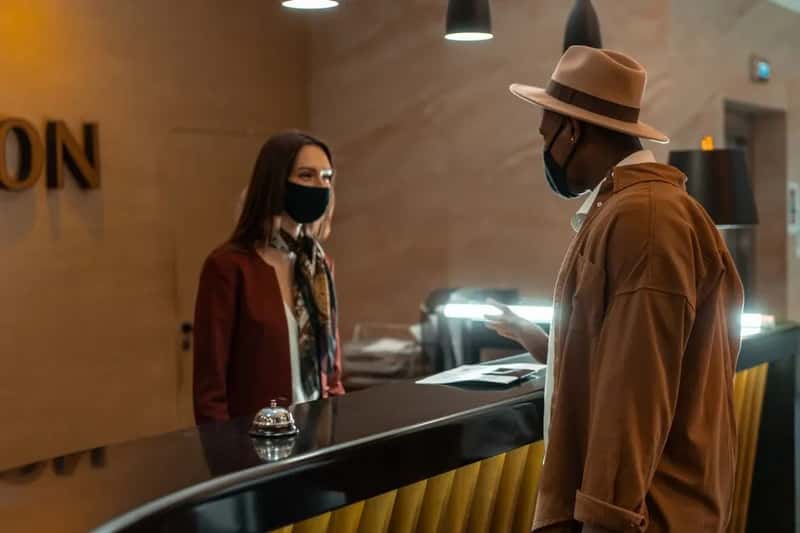
Eye contact sets the tone for the entire check-in exchange, often before “hello” is even said. Eye contact happens before hello, and it sets the entire tone of the interaction.[1] Front desk teams are specifically coached to notice this because it tells them how open or guarded a guest might be feeling in that moment.
Training materials for hotel staff spell this out directly as part of the welcome process. When welcoming hotel guests, front desk staff should be taught to greet guests with a smile, make eye contact to acknowledge guests and build a connection, and read the guest’s body language and adjust their conversation accordingly.[3] A guest who makes steady eye contact and offers a genuine greeting tends to get a warmer, more relaxed exchange in return.
3. Closed-Off Signals Like Crossed Arms or a Turned Body

Defensive or closed body language rarely goes unnoticed at the desk. Guests standing at an angle with arms crossed get read as far less receptive to upgrade offers, which quietly shapes whether they’re offered a free one at all.[1] It’s a small physical cue, but it carries real weight in how staff decide to pitch anything beyond the basic room.
Tension around the mouth and jaw gets picked up just as quickly. A tight mouth is one of the fastest tension signals staff notice, since pursed lips often signal a guest who is unhappy but not ready to say why yet, and agents are taught to catch this before the conversation even starts.[1] Recognizing these cues early lets staff soften their approach before a small frustration turns into a bigger complaint.
4. Travel Stress Carried in From the Journey

How a guest handles the residue of a rough trip says a lot to the team checking them in. Storming up to the front desk visibly frustrated is one of the fastest ways to get labeled as difficult before the conversation even starts, and staff immediately brace when a guest launches into complaints about traffic, delays, or airline failures before even saying hello.[2] That energy doesn’t stay contained to the front desk either.
Frustration picked up at check-in has a way of spreading through the rest of the stay if it isn’t addressed early. That frustrated energy spreads fast and travels up the chain, and front desk agents have been known to quietly flag a room number for the manager on duty before the guest has even reached the elevator.[2] Recognizing travel stress early gives staff a chance to de-escalate before it colors the rest of the visit.
5. How the Guest Responds to the Deposit or Payment Conversation
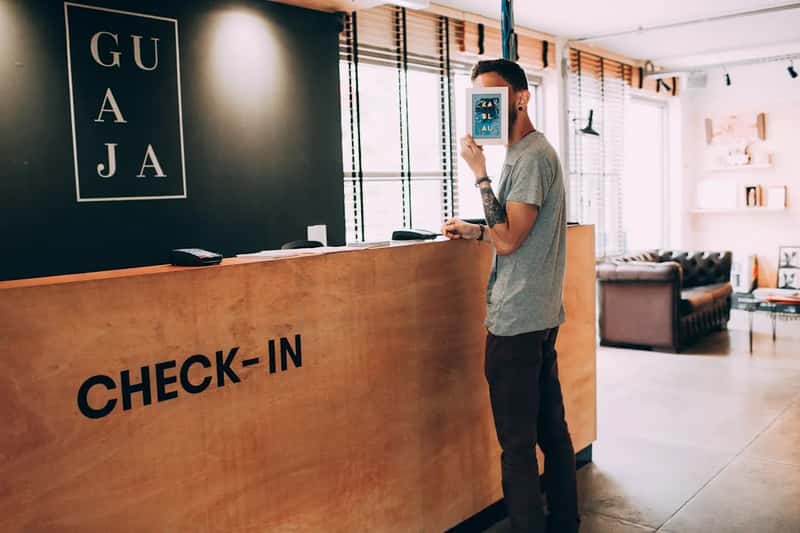
The moment a hotel explains a credit card hold or deposit requirement is a small but revealing test. A calm tone and ID ready before reaching the counter tends to smooth things over, while repeated payment issues or pushback on a routine deposit hold can trigger extra scrutiny.[4] It’s one of the few interactions during check-in where a guest’s reaction is genuinely diagnostic rather than just stylistic.
This isn’t about profiling guests unfairly, it’s about basic operational caution. While it’s highly unlikely staff will turn a guest away over something like the size of their luggage, hotels may employ safeguards such as asking for an upfront payment or periodic billing during the stay, and in those cases housekeeping is often asked to keep an eye out and report anything unusual back to the front desk.[5] Staff are simply trained to notice when something about the payment conversation doesn’t add up.
6. Grooming, Presentation, and Overall Energy
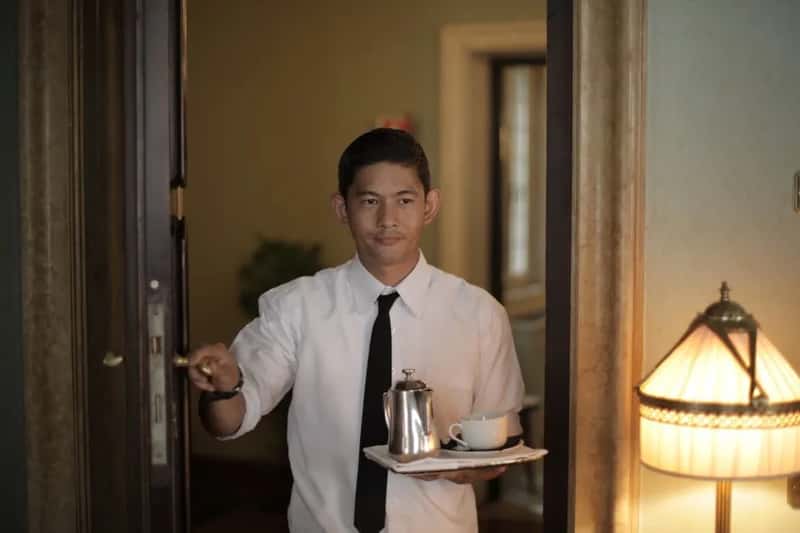
Appearance still plays a real role in those first few seconds, even in an industry built around hospitality rather than judgment. The psychological underpinnings of first impressions can be linked to appearance, body language, and communication style, and research indicates that initial perceptions are formed within mere seconds, often based on visual cues and non-verbal signals.[6] Hotels expect a polished presentation from their own staff, and they subconsciously register the same qualities in the guests walking through the door.
The exchange works both ways, since staff know their own appearance is being read just as closely. The appearance of hotel staff plays a significant role in this dynamic, and a well-groomed and professionally attired team can elicit a sense of trust and confidence from guests.[6] That same instinct runs in reverse, with staff quietly noting whether a guest seems put-together and at ease or visibly frazzled from the road.
7. The Questions a Guest Asks at Check-In
What a guest asks for during check-in tells staff a surprising amount about how to serve them well. Greeting a guest is also an opportunity to understand their expectations, and staff are trained to actively listen for buying signals such as questions about the room’s view, check-out time, available upgrades, or spa services.[7] These small verbal cues shape the recommendations staff make next, from room location to add-on services.
Reading these signals correctly benefits both the guest and the property. These details help front desk employees make tailored recommendations, personalize stays and improve service quality.[7] A guest who mentions a special occasion or asks about quiet rooms is handing staff exactly the information they need to make thoughtful, well-timed suggestions rather than generic upsells.
None of this means hotel staff are secretly judging every guest who walks in. Most of these signals are read in service of better hospitality, not surveillance, and the goal is almost always to match the guest with the right room, the right pace, and the right level of attention from the very first moment. Understanding that check-in is a two-way read can make the whole arrival experience feel a little less like a transaction and a little more like what it’s supposed to be: the start of a good stay.