Travelbinger
TravelbingerTravel deals, guides and hacks
Travel News
Trip Planner
Sign In
Travel tips
Share:

7 Things Customs Officers Notice About a Passenger Long Before They Reach the Desk

Expert reviewed
Matthias BinderKatherine Woodward Ramer

Author: Matthias Binder

·

Edited by Katherine Woodward Ramer

Cited 8 sourcesUpdated Oct 30, 2026· 5 min read
DetailsFull details

Cited Sources (8)

  1. travelbinger.com — Customs officers notice these 10 red flags the moment you walk up to the(travelbinger.com)
  2. travelandtannins.com — What customs officers actually look for in your luggage and the specific(travelandtannins.com)
  3. idyllicpursuit.com — 11 things the us customs and border protection officer is watching for w(idyllicpursuit.com)
  4. cbpauthority.com — Cbp secondary inspection process(cbpauthority.com)
  5. en.usvisaservice.de — Us border primary secondary inspection(en.usvisaservice.de)
  6. greatlakescustomslaw.com — Targeted enforcement for customs money seizure(greatlakescustomslaw.com)
  7. onlinelibrary.wiley.com(onlinelibrary.wiley.com)
  8. researchgate.net — 329690528 How Custom Agents Really Detect Lies(researchgate.net)
Author:Matthias Binder

Travel Expert & VP of Operations

Matthias a curious globetrotter who collects moments from night markets, coastlines, and tiny mountain villages. Plans trips around local food, scenic trains, and the best views at golden hour.

Editor:Katherine Woodward Ramer

Editorial Specialist

Checks destination facts and source links before a story is published.

Published October 30, 2026 · Updated October 30, 2026 · 5 min readRead about how we research, editorial independence, and AI policy.
7 Things Customs Officers Notice About a Passenger Long Before They Reach the Desk
Add as a preferredsource on Google

Most travelers assume the inspection starts when the officer says hello and asks for a passport. In practice, the observing often begins earlier, in the queue, in the paperwork, and in the data attached to a booking.

The signals below come from published research, agency training descriptions, and travel and legal explainers. Some of them rest on firmer evidence than others, and that’s worth keeping in mind as you read.

Nervousness That Doesn’t Fit Ordinary Travel Fatigue
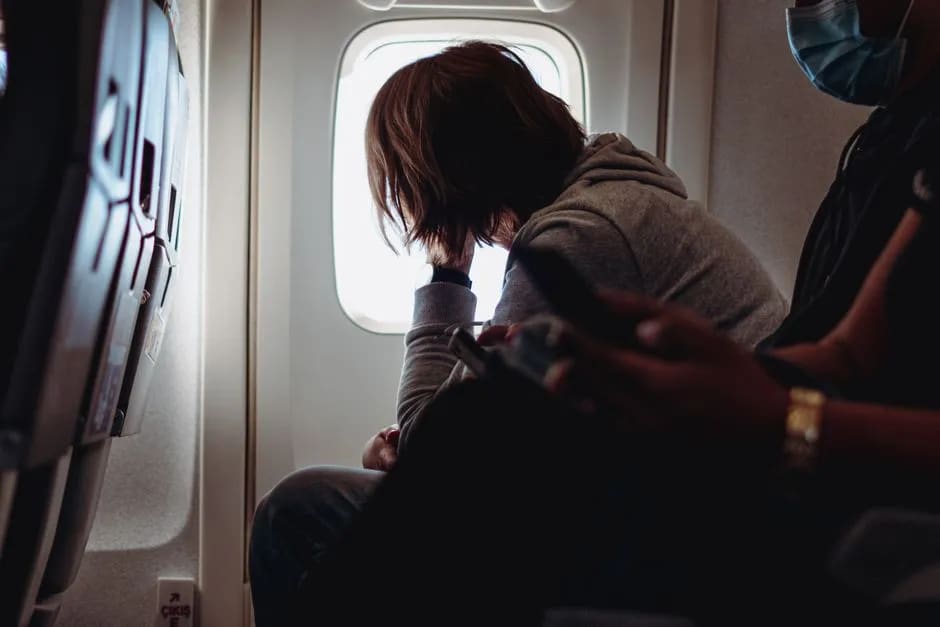
Nervousness That Doesn't Fit Ordinary Travel Fatigue (Image Credits: Pexels)
Nervousness That Doesn’t Fit Ordinary Travel Fatigue (Image Credits: Pexels)

Almost everyone looks a bit frazzled after a long flight. Jet lag and general travel stress make mild tension the norm rather than the exception.[1] Officers know this, so what stands out is anxiety that goes well beyond the baseline.

Descriptions of the training point to visible sweating, trembling hands, cracked voices, or an inability to make eye contact[1] as signs of full panic rather than tiredness. Timing matters too. A traveler who seems jumpy only when a specific question is asked reads very differently from one who’s jumpy after a redeye.[1]

Body Language While Still in the Line
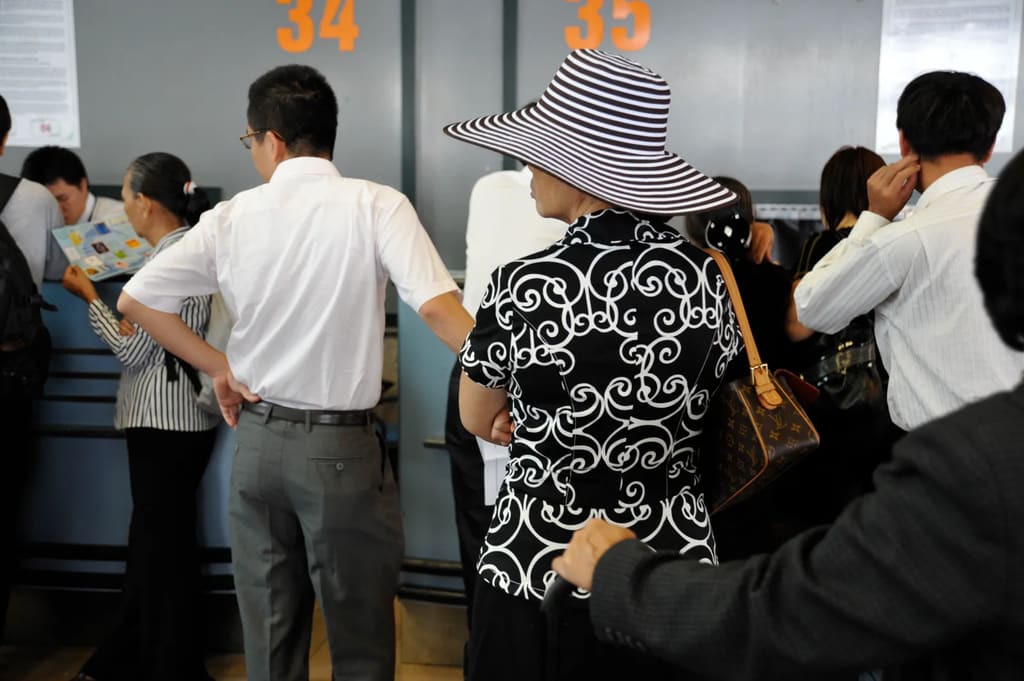
Body Language While Still in the Line (originally posted to Flickr as Black & White & 34 & 35, CC BY 2.0)

The booth isn’t the only place where behavior is watched. Body language in the queue matters just as much as what happens once a traveler reaches the booth.[1] Constant weight shifting or visible restlessness can register with officers trained in behavioral detection.

One travel explainer also lists attempting to position oneself behind other travelers in lines[2] among the behaviors that can draw extra attention. Treat that list with some caution, since it comes from a secondary source rather than an official CBP document. Still, it shows how much of the observation happens before any conversation.

Answers That Don’t Line Up
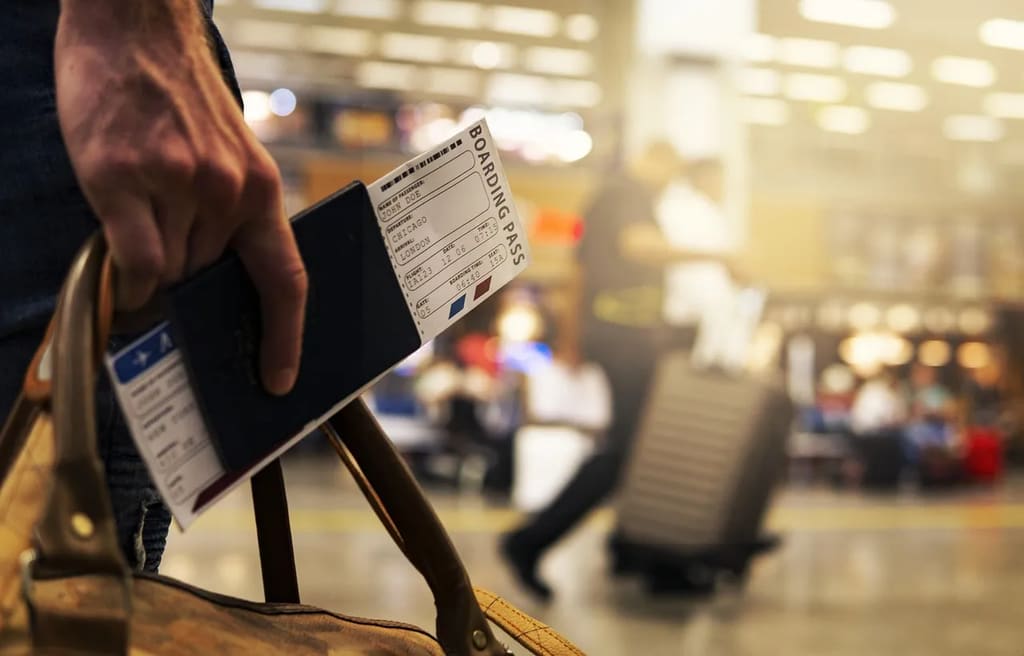
Answers That Don't Line Up (Image Credits: Pixabay)
Answers That Don’t Line Up (Image Credits: Pixabay)

Once the questions start, consistency counts for more than polish. Explainers on the US process say officers look for evasive answers, anxiety out of proportion to the situation, and replies that contradict the documentation.[3] Contradictory statements at the first stage are a recognized reason for a referral to secondary inspection.

Nervousness on its own isn’t treated as proof of anything. One guide notes that being nervous is not a crime, but paired with inconsistent answers, it flags for additional questions.[3] Simple, truthful answers tend to hold together without any effort.

A Stated Purpose That Doesn’t Match the Paperwork
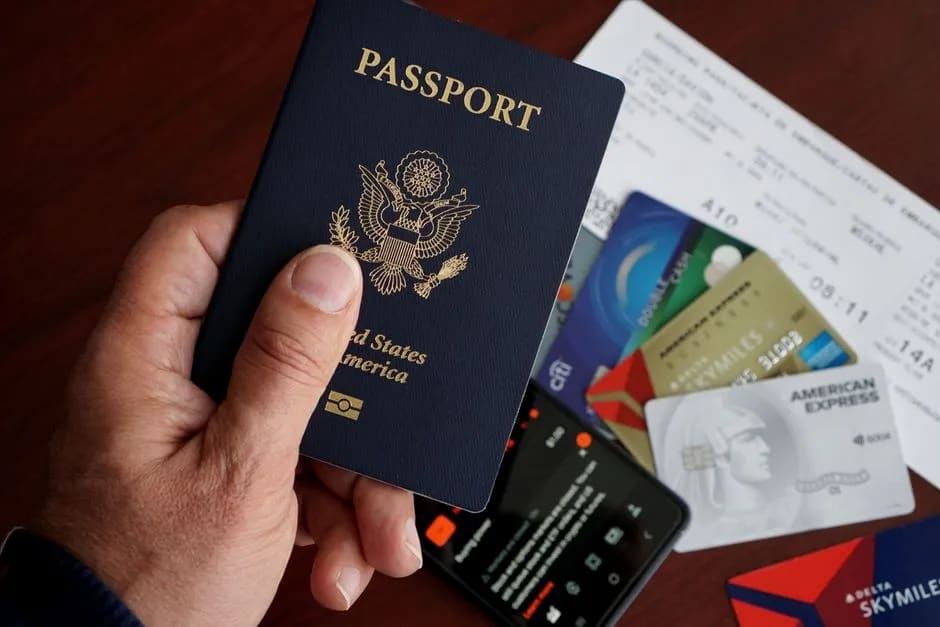
A Stated Purpose That Doesn't Match the Paperwork (Image Credits: Pexels)
A Stated Purpose That Doesn’t Match the Paperwork (Image Credits: Pexels)

Officers read documents and the traveler’s story side by side. CBP’s training reportedly covers interviewing travelers effectively and identifying fraudulent documents[1], so a gap between the visa category and the explanation is the sort of thing it’s built to catch. A tourist visa paired with talk of working or studying is a classic example.

When the officer can’t settle the question quickly, the case moves on. A database hit, document irregularity, cargo discrepancy, or behavioral indicator can all lead to a referral to secondary.[4] Secondary inspection exists partly because primary officers have only a short time to clear up details like travel route, finances, or intention to return.[5]

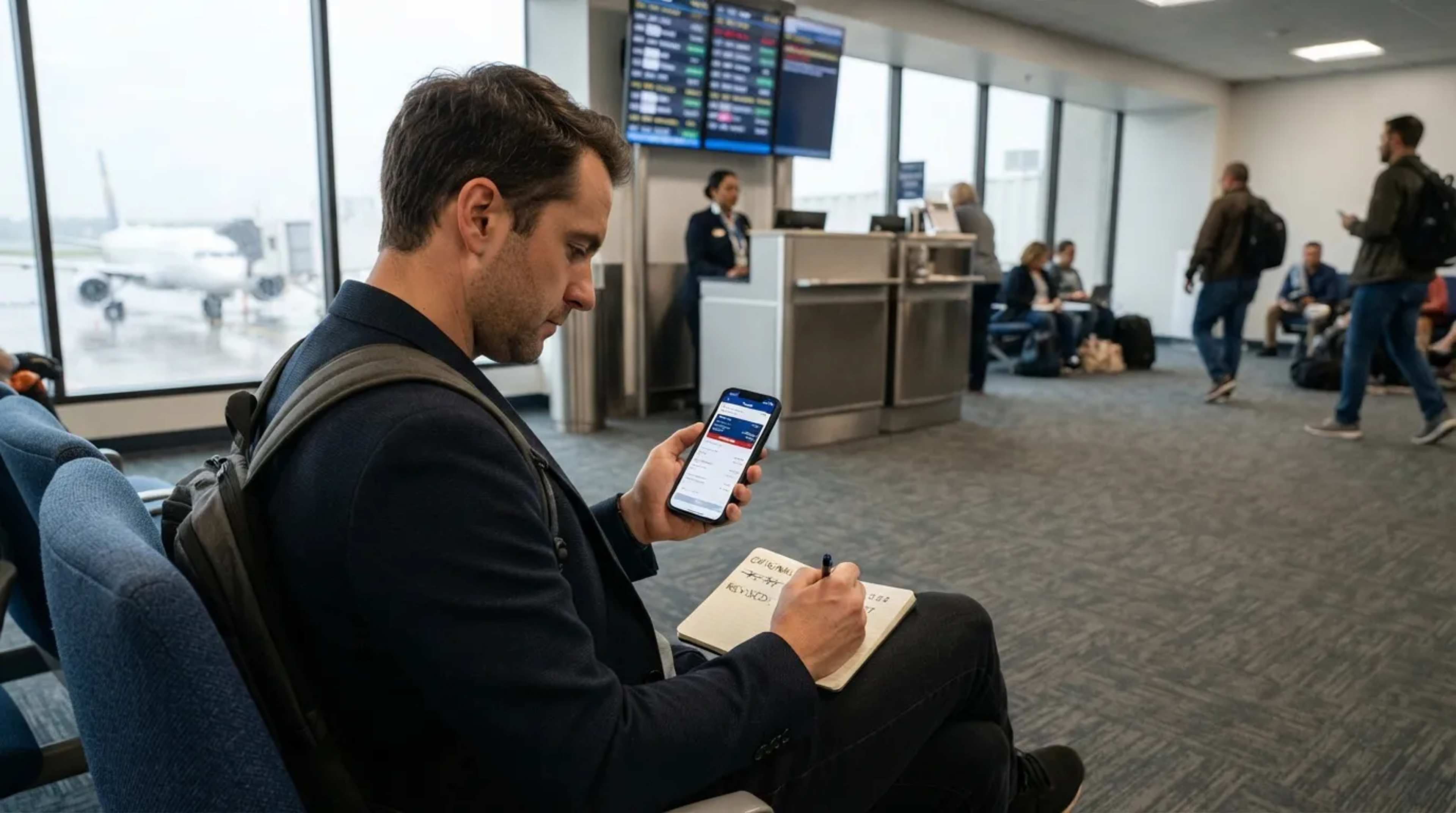
Travel Patterns, Tickets, and Cash
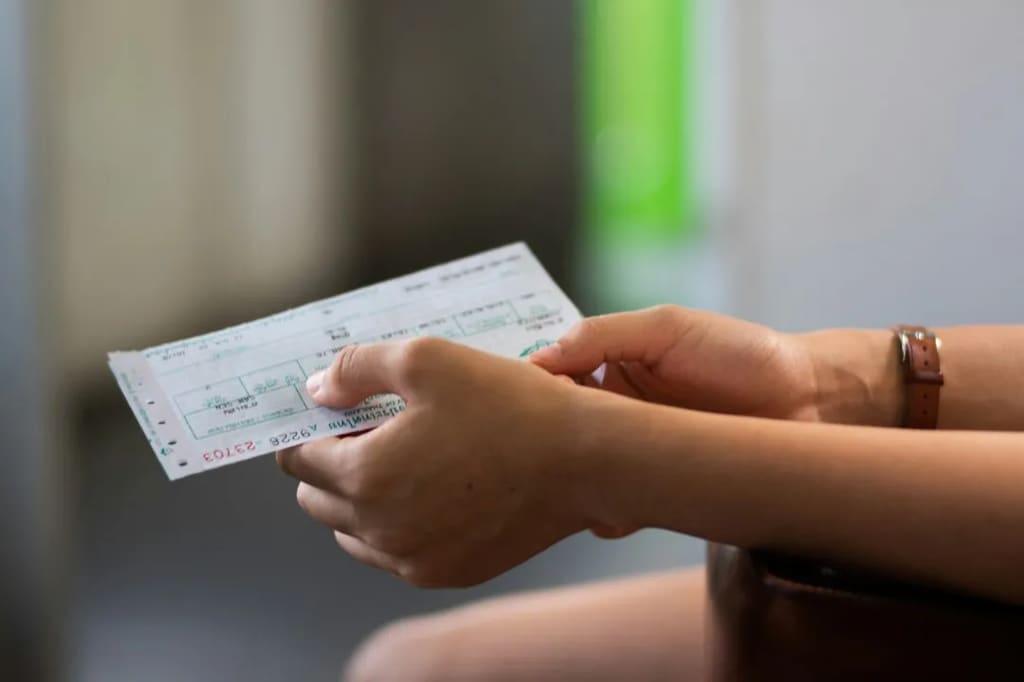
Travel Patterns, Tickets, and Cash (Image Credits: Unsplash)

Itineraries tell a story before anyone speaks. One law firm’s overview says officers weigh intelligence, travel patterns, behavioral cues, and profiling[6] when deciding who gets pulled aside. Another guide lists frequent trips to countries with known narcotics or terrorism activity, without a clear professional reason, as a trigger.

Money comes up as well. When a traveler says they’re staying a month or longer, the next question is almost inevitably how much money they’re carrying.[6] A single indicator is rarely decisive, though. One industry resource points out that business travelers buy one way tickets and anxious people exist, so officers weigh combinations rather than single signs.

Related Stories From Travelbinger

  • 24 Things People Do at Passport Control That Officers Never Forget
  • Customs Teams Reveal 26 Arrival Mistakes That Slow Everybody Down
  • Customs Officers Notice These 10 Red Flags the Moment You Walk Up to the Counter

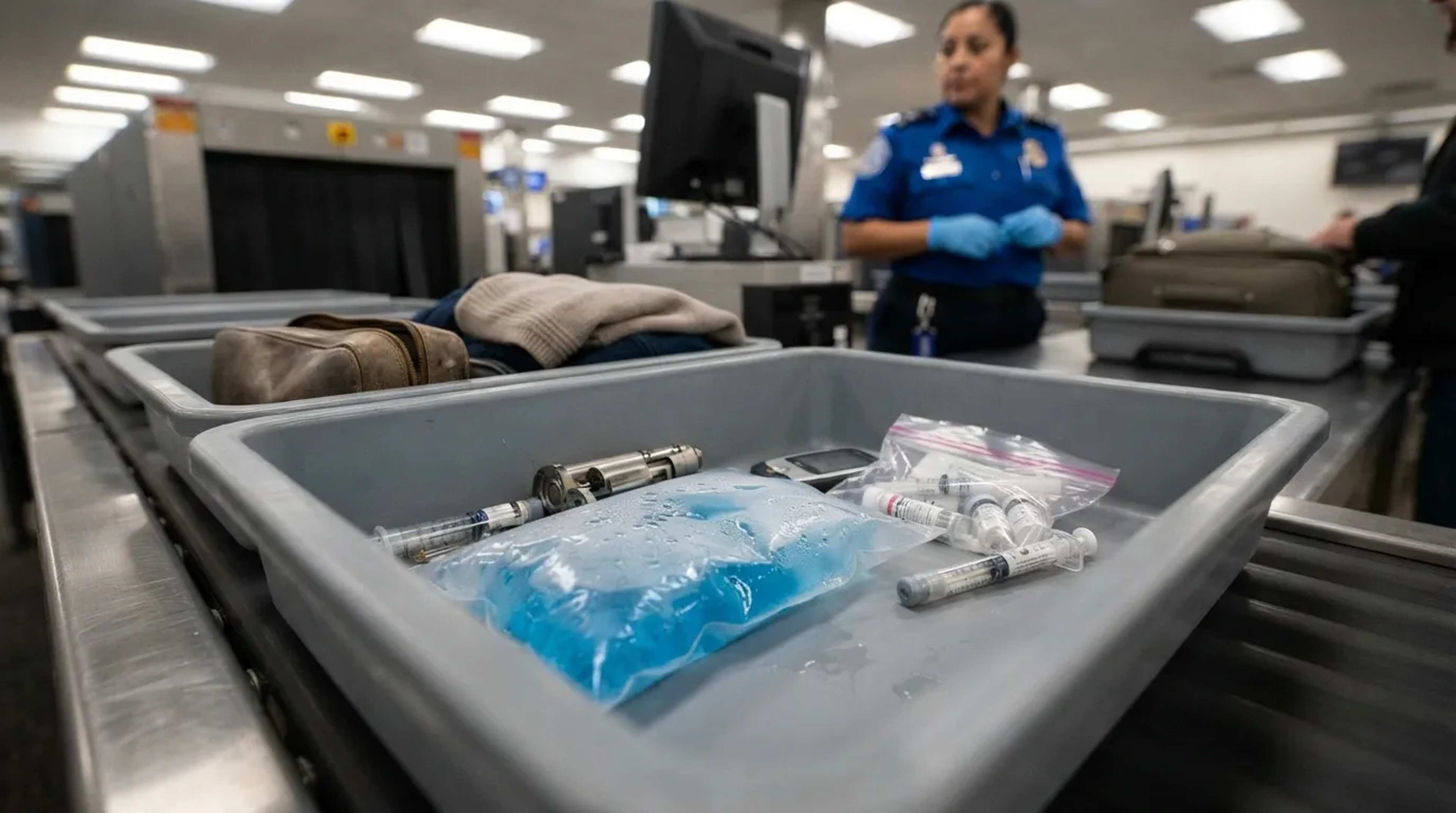
Flags in the System Before You Arrive
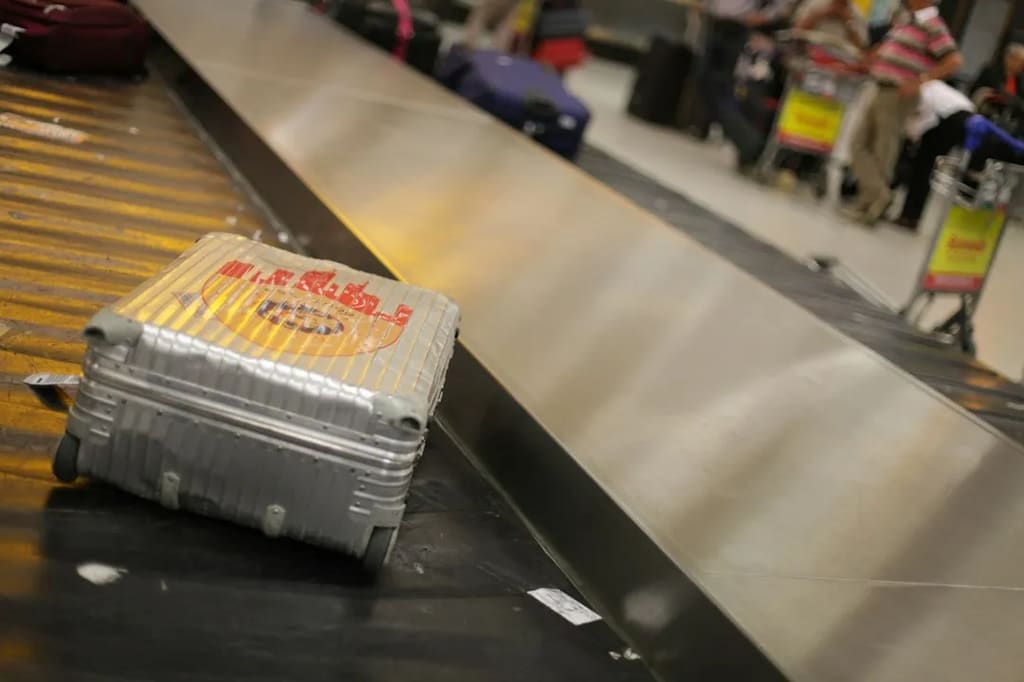
Flags in the System Before You Arrive (Image Credits: Unsplash)

Some of the most important information never shows up in the queue at all. Sometimes there are system internal notes that call for closer examination.[5] Those notes can be in place before the plane lands.

Explainers on US reentry mention a name on a watchlist or an outstanding alert in TECS, the Treasury Enforcement Communications System, as common triggers. A trusted traveler record that produces an anomaly or review flag is listed as another. Inconclusive or suspicious scanning results from luggage can lead to secondary inspection too.

A Cluster of Signals, Not One Telltale Sign

A Cluster of Signals, Not One Telltale Sign (Image Credits: Unsplash)

Research suggests that picking out smugglers by sight is much harder than movies imply. In experiments with mock ferry crossings, observers mostly watched for nervousness, yet their accuracy was poor, at 48% in one study and 39.2% in the other[7]. That’s roughly two fifths in the weaker result and just under half in the stronger one. The reason given was that perceived nervousness didn’t match the nervousness smugglers actually reported feeling.

Experienced officers appear to know this. A survey of elite US customs agents found that they rarely relied on gaze aversion as a general deception cue[8], possibly because they recognized how unreliable it is. That fits the broader view that a single indicator rarely settles anything, and a cluster of mismatches is what draws a closer look.

Did any of these feel familiar?

16 Onboard Charges That Vanish for Cruise Passengers Over 60 Who Simply Enquire at the Purser’s Desk

Up Next

16 Onboard Charges That Vanish for Cruise Passengers Over 60 Who Simply Enquire at the Purser’s Desk

☰Cited 7 sources Read to the very end – we reveal one simple folio habit that can save you a long queue and a lot of stress on the last night of your cruise. Th

Read next

🔥 Would you like to save this?

We’ll email this post to you, so you can come back to it later.

Matthias Binder
Author

Matthias Binder

Travel Expert & VP of Operations

Matthias a curious globetrotter who collects moments from night markets, coastlines, and tiny mountain villages. Plans trips around local food, scenic trains, and the best views at golden hour.

All stories by MatthiasHow we research & AI policy
Katherine Woodward Ramer

Edited & reviewed by Katherine Woodward Ramer — Editorial Specialist

Expert reviewed

Keep Reading

24 Mistakes Passengers Make on the Very First Evening Aboard That Deck Officers Quietly Dread

24 Mistakes Passengers Make on the Very First Evening Aboard That Deck Officers Quietly Dread

1 min read

16 Requests Hotel Front Desks Approve Almost Every Night That Guests Assume Would Never Be Allowed

16 Requests Hotel Front Desks Approve Almost Every Night That Guests Assume Would Never Be Allowed

1 min read

18 Things Experienced Flyers Do at the Boarding Gate That Nobody Standing Behind Them Notices

18 Things Experienced Flyers Do at the Boarding Gate That Nobody Standing Behind Them Notices

1 min read

16 Things TSA Agents Instantly Notice About Carry-Ons Belonging to Travelers Over 70

16 Things TSA Agents Instantly Notice About Carry-Ons Belonging to Travelers Over 70

1 min read

The Latest

Fresh stories from our travel desk

Waldorf Astoria Debuts in Japan With a Jazz Age Bar

Waldorf Astoria Debuts in Japan With a Jazz Age Bar

Matthias Binder·Nov 19
12 Real Florida State Parks and Boardwalks That Look Just Like GTA 6's Leonida Wilderness

12 Real Florida State Parks and Boardwalks That Look Just Like GTA 6's Leonida Wilderness

Matthias Binder·Nov 19
12 Tourist Mistakes First-Time Visitors Make When Touring GTA 6's Real-Life Miami Spots

12 Tourist Mistakes First-Time Visitors Make When Touring GTA 6's Real-Life Miami Spots

Matthias Binder·Nov 19
12 Real Florida Road Trip Stops Between Miami and Key West Straight Out of GTA 6

12 Real Florida Road Trip Stops Between Miami and Key West Straight Out of GTA 6

Matthias Binder·Nov 19
View All Stories

Stay Updated

Get the latest travel news delivered to your inbox

Stay Inspired

Get travel inspiration, guides, and exclusive deals delivered to your inbox.

Travelbinger
TravelbingerTRAVEL DEALS, GUIDES AND HACKS

Discover the world through the eyes of seasoned travel experts. From breaking news to hand-picked destination guides, we bring you the stories that matter. Join our community for exclusive member deals and authentic inspiration for your next journey.

Deals

  • All Deals
  • Beach Holidays
  • City Breaks
  • Luxury Hotels
  • Last Minute

Popular Destinations

  • Europe
  • Asia
  • North America
  • South America
  • Africa

Company

  • About Us
  • Travel News
  • Editorial Policy
  • Contact

Legal

  • Privacy Policy
  • Terms & Conditions

This website contains affiliate links to trusted partners.

© 2026 Travelbinger. All rights reserved.

Secure payment with:
Visa
MC
PayPal
Klarna