Most travelers assume the customs counter is just a formality, a quick glance at a passport before you’re waved through. In reality, officers are trained to read a traveler in the first few seconds, long before any question gets asked. Some of what they notice has nothing to do with paperwork at all. It comes down to how you carry yourself, how your story holds together, and whether the small details match what’s already on file.
Nervousness that doesn’t match ordinary travel fatigue
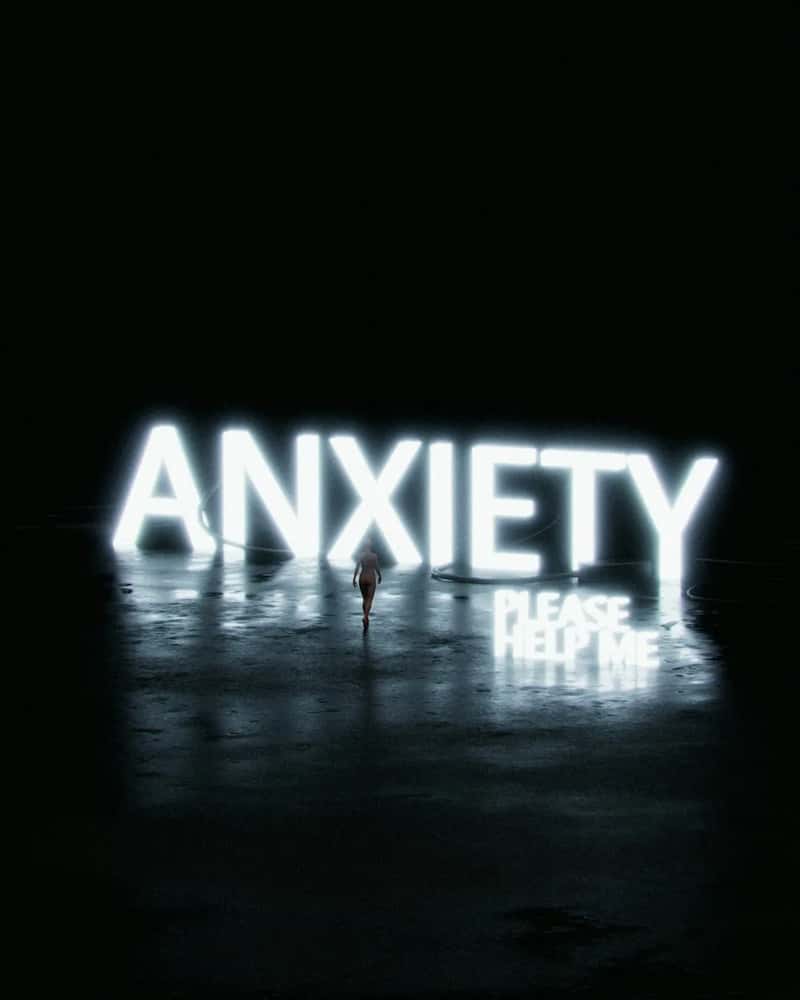
Everyone arrives at a border crossing a little frazzled. Long flights, jet lag, and the general stress of travel make mild tension the norm rather than the exception. Officers know this, which is why they are specifically trained to separate garden variety fatigue from something sharper. A little nervousness is expected at any border crossing, but full-body panic is a different story, and officers are trained to spot the difference through visible sweating, trembling hands, cracked voices, or an inability to make eye contact.[1]
The distinction matters because context changes everything. Most people are mildly anxious at customs, so conspicuously anxious behavior is what actually raises a flag.[2] A traveler who seems jumpy after a redeye flight reads very differently to a trained eye than one who seems jumpy the moment a specific question gets asked.
A story that shifts slightly every time it’s told
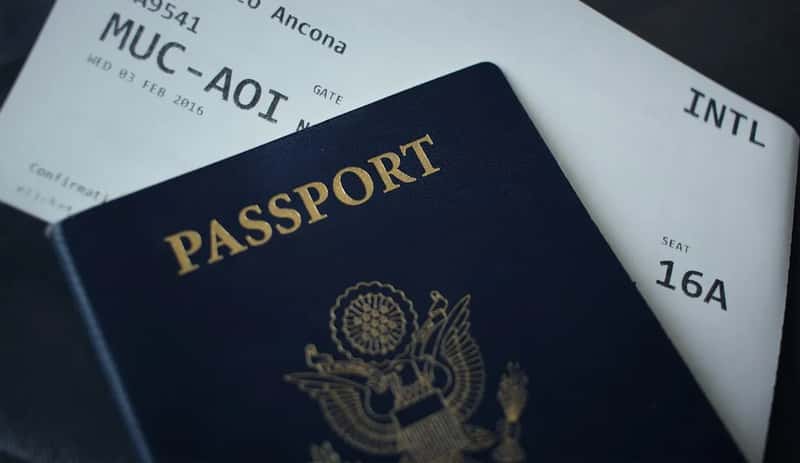
Inconsistency is one of the fastest ways to turn a thirty second interaction into a much longer one. Telling a slightly different story each time is the single fastest way to land in a small back room with no windows, since any answer that contradicts a previous one, or contradicts the paperwork, counts as an inconsistency.[1] It doesn’t take a dramatic lie. Just a small slip about how long the trip lasted, or who was visited, is enough to prompt a follow up question.
Officers are listening for these gaps as much as they’re watching for them. Officers spend a lot of their training listening for small contradictions, not just watching for suspicious body language.[3] A traveler who says the trip was for a family visit but whose hotel booking points to a business meeting has just handed the officer a reason to dig deeper.
Answers that sound rehearsed instead of natural
It might seem like preparation is the safe move, but overdoing it can backfire. Ironically, people who have scripted their answers often appear more suspicious than people who respond naturally.[2] A traveler reciting a memorized itinerary in a flat, practiced tone stands out precisely because most people don’t talk about their own trip that way.
Officers spend their entire shift listening to ordinary travelers describe ordinary trips. When someone’s cadence sounds like they’re reading from a script rather than remembering their own life, it registers as unusual even if every fact checks out. The goal isn’t to catch every detail perfectly. It’s to sound like a person recalling their own trip, not reciting a cover story.
A travel itinerary that doesn’t quite add up
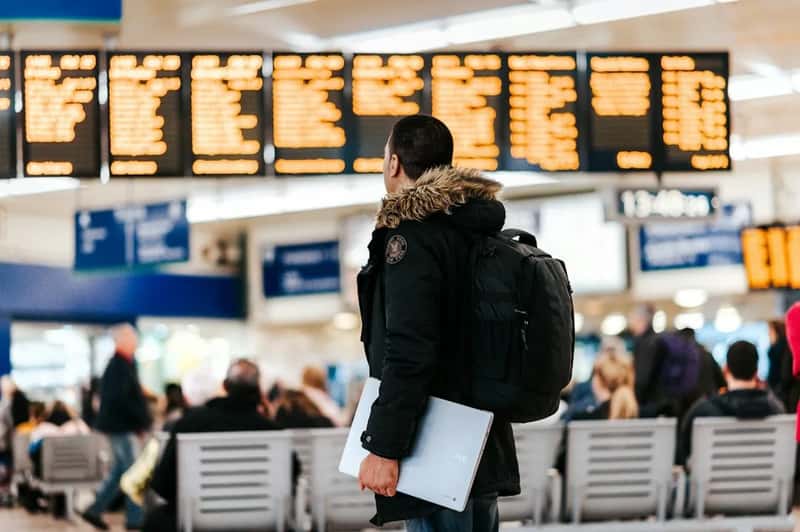
Booking patterns matter more than most travelers realize. A forty eight hour trip to a country with a three hour flight doesn’t add up for most purposes, and short trips to certain countries prompt additional questions.[2] On their own, these details are meaningless. Stacked together, they start to form a pattern that risk models are specifically built to notice.
Payment method and timing carry weight too. Trips paid for in cash flag in risk algorithms because they’re associated with identity concealment, and tickets purchased within twenty four hours of departure are weighted differently in risk models.[2] Traveling alone, with no checked bags, to a destination with a high drug trafficking or terrorism profile adds weight to a risk score, and the combination is weighted significantly.[2] None of these factors alone means much, but combinations get noticed fast.
A visa or stated purpose that doesn’t match the trip
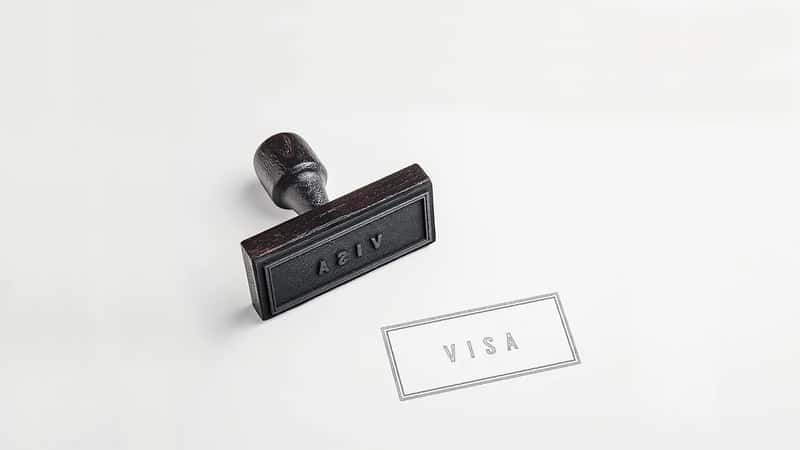
Every visa category comes with expectations attached, and officers check whether the traveler in front of them fits the profile. Officers want to see that travel intent and story match what is on the visa, and for most temporary visas, travelers must demonstrate that their stay in the United States is temporary and that they will depart once the authorized period ends.[4] A tourist visa holder describing what sounds like a job interview raises an immediate question.
This is one of the areas where CBP’s training is most deliberate. The curriculum trains officers to draw conclusions and take appropriate action to identify behavioral indicators displayed by criminals, effectively interview travelers to identify potential threats, and identify fraudulent documents.[5] A mismatch between paperwork and personal story is exactly the kind of gap that training is designed to catch.
More than ten thousand dollars in undeclared cash

Currency rules trip up more travelers than almost any other customs requirement, largely because people assume there’s a legal cap on how much they can carry. There isn’t. If a traveler is carrying more than ten thousand dollars, they must report it to a CBP officer when entering or exiting the United States, though there is no limit to the amount of money they can travel with.[6] The problem isn’t the amount. It’s the failure to declare it.
The penalties for skipping this step can be severe. When a traveler carries more than ten thousand dollars without reporting it, CBP can seize the entire amount, even when the money was earned and owned legitimately, because the violation is the failure to report, not anything about the money itself.[7] CBP has leaned hard on this message recently, noting it seized more than 52 million dollars in currency so far in fiscal year 2026[8] from travelers who either forgot or chose not to declare.
Food, purchases, or goods left off the declaration form
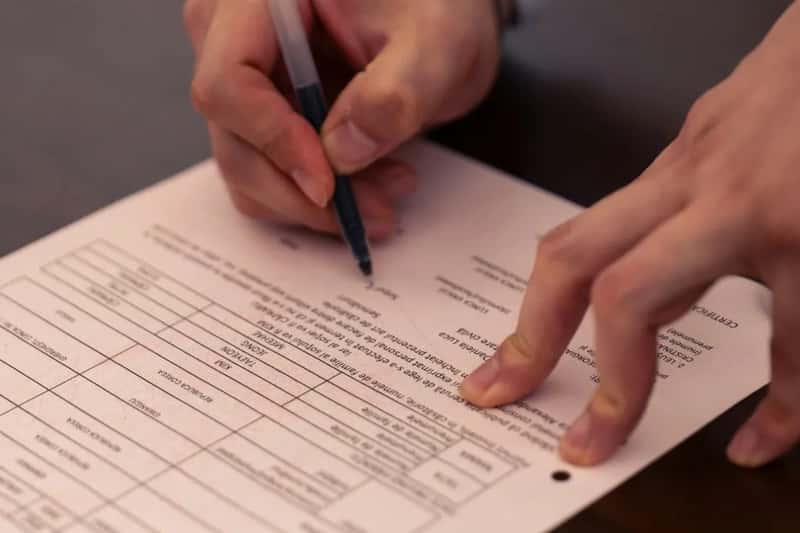
Customs inspection isn’t only about people. It’s just as much about what’s in the suitcase. Customs isn’t just about people, it’s also about goods, since what a traveler brings into a country is just as much part of the inspection process as who they are, and customs forms capture this by requiring travelers to note any food, agricultural products, and other purchases they didn’t have when they left.[9] Skipping this step, even for something as small as a wheel of cheese, still counts as a declaration violation.
Officers see this mistake constantly, and they don’t treat all omissions the same way. Customs officers deal with people who forget to declare items on a daily basis, but intentionally omitting things like food, large purchases, or restricted goods from a declaration form is a serious offense that can result in fines, confiscation, and even a travel ban.[10] The fix costs almost nothing. Honesty on a customs form takes all of thirty seconds and saves a traveler from a very unpleasant conversation.[10]
Jokes about weapons, bombs, or smuggling
What feels like harmless small talk to a nervous traveler almost never lands the way they intend. Nothing kills the mood at a customs booth faster than a security joke gone wrong, and officers hear some version of this joke constantly, though it never lands the way the traveler thinks it will.[1] Federal officials aren’t shy about how they want this handled either. Federal guidance is blunt that travelers should stay calm and polite, and give clear, truthful answers instead of jokes or misleading statements.[1]
The logic is straightforward once you think about it from the officer’s side of the counter. They cannot tell a joke from a genuine threat in the moment, and their job requires treating every statement literally until proven otherwise. A single offhand comment can turn a routine wave through into an hours long delay.
Overreacting to a routine question
Most interactions at the counter are mundane by design. Officers ask the same handful of questions to nearly everyone, and a calm answer is usually all that’s required. Reacting with visible shock, fear, or defensiveness when an officer simply walks up to ask a routine question is a behavioral cue that trained personnel are likely to follow up on, even though most of the time officers approach travelers to ask something completely mundane.[10]
This flag catches innocent travelers as often as it catches anyone else, which is part of what makes it tricky. Someone who’s simply exhausted or anxious about missing a connection can look defensive without meaning to. Still, the reaction itself, not the underlying cause, is what draws attention in the moment.
Fidgeting, restlessness, or shifting weight while waiting
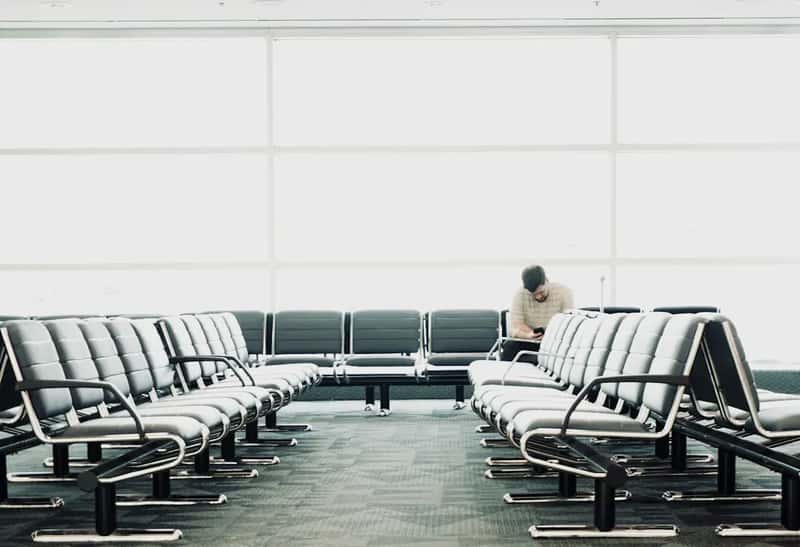
Body language in the queue matters just as much as what happens once a traveler reaches the booth. There’s a noticeable difference between someone who’s mildly impatient and someone who’s visibly agitated, restless, or constantly shifting their weight while waiting in line, and officers are specifically trained in behavioral detection to notice excessive physical restlessness as a signal.[10] This kind of observation happens before a single word is exchanged.
Programs built around this idea, such as the SPOT initiative used at some airports, exist specifically to separate ordinary impatience from something more telling. CBP officers receive extensive training in behavior detection, and many airports deploy SPOT officers whose specific function is behavioral observation rather than document checking.[2] Research on the topic suggests this approach has real limits, since unusual activity levels can be misread even when nothing is actually wrong.
Clothing or appearance that doesn’t fit the trip
Appearance rarely matters at customs, but there’s one exception officers do notice: a clear mismatch between what someone is wearing and where they’re supposedly coming from or going. A traveler’s outfit doesn’t matter unless it’s suspicious, such as wearing heavy winter clothing in the middle of summer, though in general customs officers don’t judge travelers based on their appearance and anything unusual could simply warrant a closer look.[11] The concern isn’t fashion. It’s whether the clothing could be concealing something, or whether it hints that the stated trip details don’t hold up.
This flag rarely stands alone. An oddly bulky jacket on a warm day becomes far more relevant when paired with a vague answer about the destination or a nervous reaction to a simple question. Individually, these details mean little. Together, they’re exactly the kind of pattern officers are trained to notice.
What this actually means for the average traveler
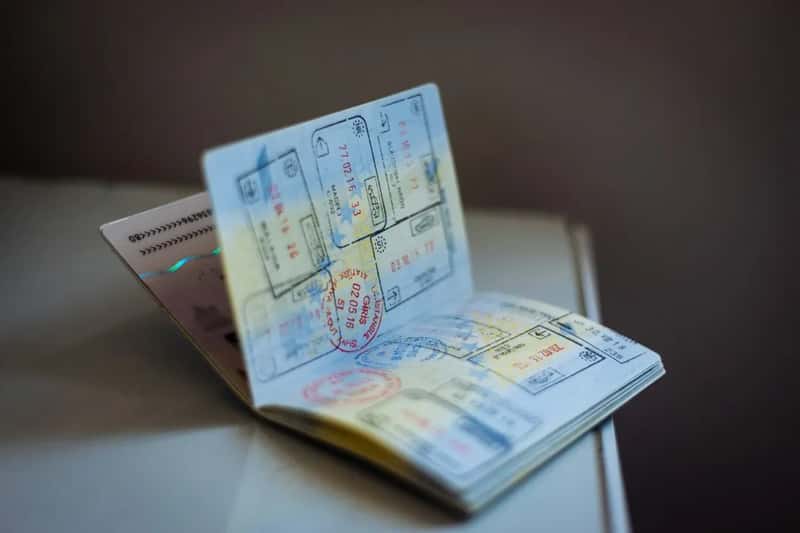
Most people will never experience anything beyond a quick passport check and a wave through. Of the 420 million travelers CBP processed at ports of entry in fiscal year 2024, only about three percent were referred for a secondary inspection.[12] A portion of those referrals aren’t about suspicion at all. Roughly five percent of arrivals are referred randomly[13] as part of CBP’s routine risk management approach, meaning a perfectly ordinary trip can still land someone in a side room for no dramatic reason.
The larger point is that these red flags rarely work in isolation. A single nervous moment or a slightly rushed answer won’t get anyone pulled aside on its own. It’s the combination, an inconsistent story paired with a rehearsed tone, or unusual clothing paired with a defensive reaction, that shifts a routine interaction into a longer one. Staying calm, keeping the story straight, and declaring everything honestly remains the simplest way to make sure that first glance at the counter stays exactly that.