Anyone who flies regularly has felt it: that odd pressure hovering over a middle seat or a coveted window spot before takeoff. Sometimes it’s a gate agent’s overbooking announcement, other times it’s a fellow passenger with a hopeful smile and a request. There’s a quiet social choreography happening on planes every day, and once you notice the patterns, you start seeing them on nearly every flight.
Airlines and travelers alike have gotten more strategic about seat swaps in recent years, partly because assigned seating fees have made people more protective of what they paid for. That tension creates a handful of recognizable behaviors from those hoping to nudge someone else out of their spot. Here’s what to watch for the next time you’re settling into your row.
1. The overly friendly opener before the plane even boards

Some travelers start their campaign before anyone’s even in their seat. They’ll strike up a conversation at the gate, mention their travel plans, or comment on how excited they are to sit next to their partner or child. It’s a warm-up act, designed to build a small sense of connection before the actual ask arrives.
This tactic works because reciprocity is a powerful social instinct. Once someone feels friendly rapport with a stranger, saying no to a seat request feels ruder than it would from someone unfamiliar. It’s a subtle but common opening move, especially on family-heavy routes or holiday travel days.
2. Pointing out a family separation, real or exaggerated

Nothing moves a seat negotiation faster than the mention of children. Whether it’s a parent traveling with a toddler or a couple separated by a few rows, invoking family unity taps into a near-universal sense of empathy. Even airlines acknowledge this dynamic, with many carriers building policies around keeping young children seated near a guardian whenever possible.
The Department of Transportation has actually pushed airlines to guarantee family seating without extra fees in recent years, which has changed how this scenario plays out. Still, when official policy doesn’t fully solve the problem, passengers often step in informally, feeling social pressure to comply even when they didn’t cause the separation themselves.
3. The subtle seat comparison pitch
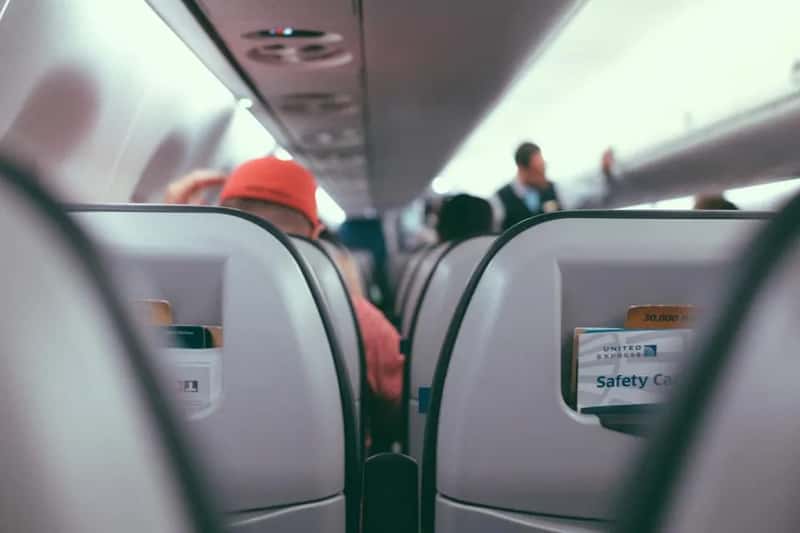
This is the classic upgrade-disguised-as-downgrade trick. A traveler in a middle seat will offer their aisle seat in a row further back, phrasing it like a favor even though it’s really an ask. The wording matters here: they’ll emphasize what you’re gaining, not what they need.
It’s a negotiation tactic rooted in framing, similar to how salespeople highlight benefits over asks. If the swap sounds appealing enough, most people say yes without much hesitation. The key giveaway is when someone describes their offer in unusually generous terms for what is often a lateral or even worse trade.
4. Bringing up a medical or comfort need
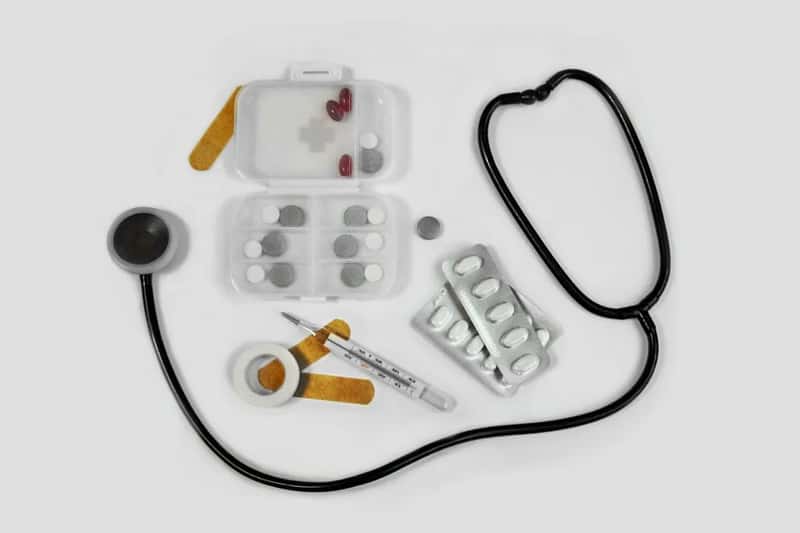
Mentioning knee pain, claustrophobia, or a recent injury tends to shut down objections fast. Nobody wants to be the person who denies someone a request tied to physical discomfort, even if there’s no way to verify it. This approach leans on a mix of guilt and urgency, both of which are hard to argue against in a cramped cabin.
Airlines like Delta, American, and United have specific accommodation processes for documented disabilities, which are handled at booking or check-in rather than through in-flight seat swaps. When the request happens spontaneously onboard, it’s usually a social appeal rather than a formal accommodation, and that distinction is worth keeping in mind.
5. The “I already asked the flight attendant” move
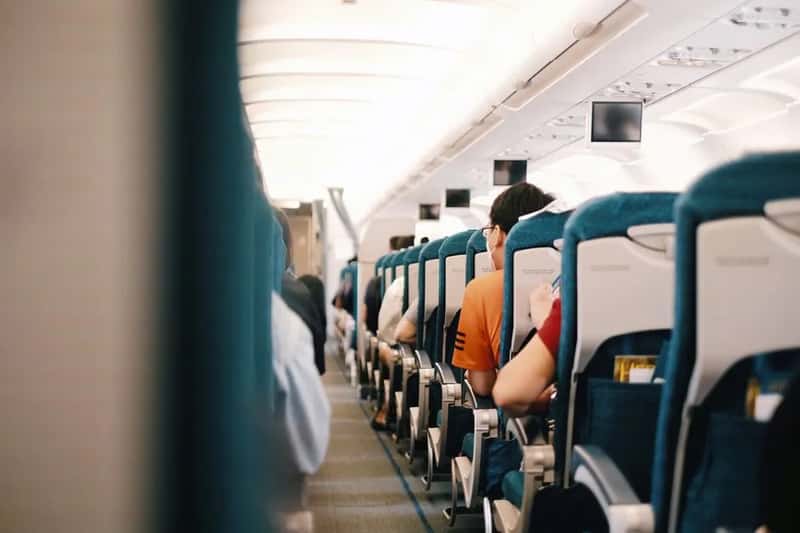
Some travelers try to add authority to their request by claiming a crew member already blessed the idea. It’s meant to make the ask feel like less of a personal favor and more of a procedural formality. In reality, cabin crew typically stay neutral on voluntary seat swaps unless safety or weight balance is involved.
According to FAA passenger safety guidance, flight attendants primarily manage exit row eligibility and emergency evacuation logistics rather than personal seating preferences. If someone name-drops a flight attendant’s approval, it’s worth a polite check before assuming it’s accurate, since crew members rarely get directly involved in these swaps.
6. Timing the request for right before departure
There’s a strategic reason some passengers wait until boarding is nearly finished to make their pitch. With less time to think it over, people are more likely to just go along with the request to avoid holding up the process. It’s less about manipulation and more about human psychology under mild time pressure.
Flight boarding data consistently shows the final ten minutes before door closure as the busiest and most stressful stretch of the process. Requests made during this window tend to get quicker, less scrutinized answers, which is exactly why some travelers wait until then to make their move.
7. Framing the ask as a “quick favor” rather than a swap
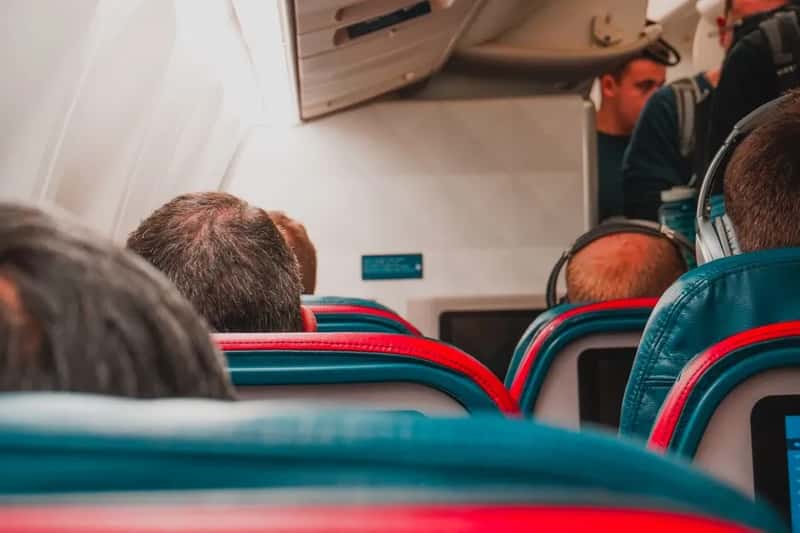
Language matters more than people realize in these interactions. Asking “would you mind if we did a quick switch” sounds far less demanding than “can you move to my worse seat.” The softer framing shifts the emotional weight of the exchange, making a decline feel disproportionately harsh.
This kind of framing isn’t unique to air travel. Behavioral researchers have long noted that requests phrased as small, easy favors get higher compliance rates than those stated plainly. On a plane, where social friction is already elevated by close quarters, that framing becomes an especially effective tool.
None of this means every seat swap request is a scheme. Plenty of travelers genuinely need to sit next to a child, manage a health issue, or simply prefer a different seat for honest reasons. Recognizing the patterns just makes it easier to tell a sincere ask from a persuasion tactic, and to make a decision that feels fair rather than pressured.